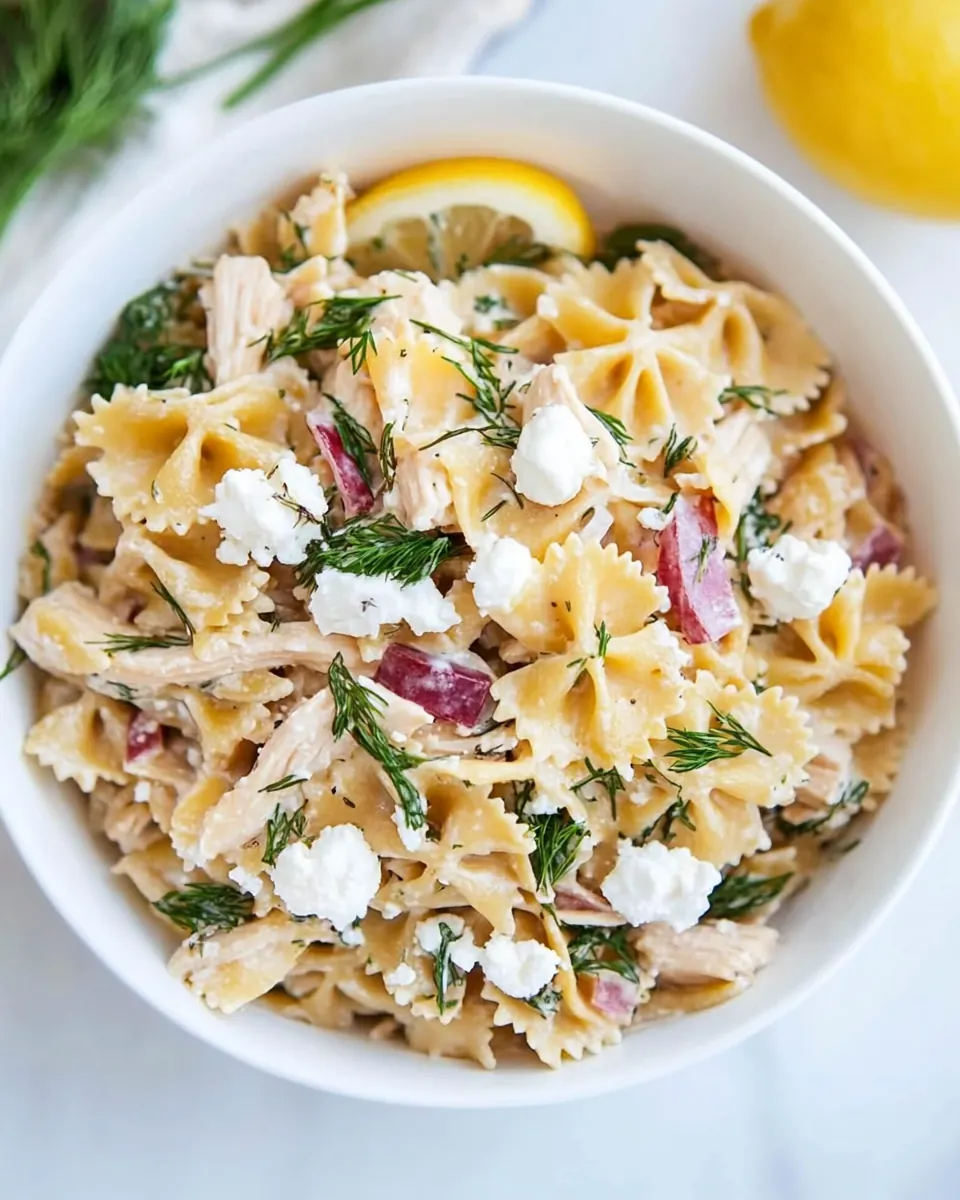
Lemon Dill Chicken Pasta with Goat Cheese
Lemon Dill Chicken Pasta with Goat Cheese is a dish I fall back on when I want something bright, comforting, and a little unexpected.
It started one spring evening when I had a fridge full of odds and ends: a wedge of goat cheese, a handful of spinach, and a lemon that smelled like sunshine. I seared a few pieces of chicken and tossed them with pasta, a splash of lemon, and a generous handful of fresh dill. The result felt both fresh and indulgent, a weekday meal that somehow read like a small celebration.
I love how the tang of the goat cheese melts into the ribbons of warm pasta, and how the lemon lifts every bite. This recipe quickly became one I turn to for casual dinners with friends, or nights when I want something fuss free but memorable. It scales up neatly if guests arrive, and leftovers reheat wonderfully when life gets busy.
Recipe Snapshot
30 mins
10 mins
20 mins
Easy
400 kcal
Mediterranean
Gluten-Free, Low FODMAP
Dinner
Large pot, Large skillet, Slotted spoon, Measuring spoons
The Magic of This Lemon Dill Chicken Pasta with Goat Cheese
Bright lemon flavor that sings
I find the brightness from the lemon zest and juice impossible to resist. It cuts through the creaminess of the goat cheese, keeping each forkful lively and balanced. I often tell friends this is the secret that keeps the dish feeling light yet satisfying.
Comforting textures meet fresh herbs
The combination of tender chicken, al dente pasta, and the creamy pockets of goat cheese creates a contrast that makes every bite interesting. The chopped dill and wilted spinach add freshness, while the peas give little pops of sweetness and color.
Weeknight friendly but special enough for guests
Because most steps are quick and use one skillet plus a pot, this recipe fits perfectly into a busy evening. Yet when I serve it to visitors, they comment on the bright aroma and sophisticated tang, so it works both ways. I appreciate recipes that pull double duty like that.
Flexible and forgiving
I love that this dish tolerates small swaps without losing its soul. Use regular pasta or whole wheat, fresh or frozen peas, and adjust the lemon to taste. The technique is forgiving, so even if you are distracted, you can still get excellent results.
Delicious leftovers
Leftovers are easy to revive and often taste even better after the flavors meld overnight. I usually add a quick splash of liquid when reheating to refresh the texture and brighten the flavors with a little extra lemon if needed.
What to Gather for Lemon Dill Chicken Pasta with Goat Cheese
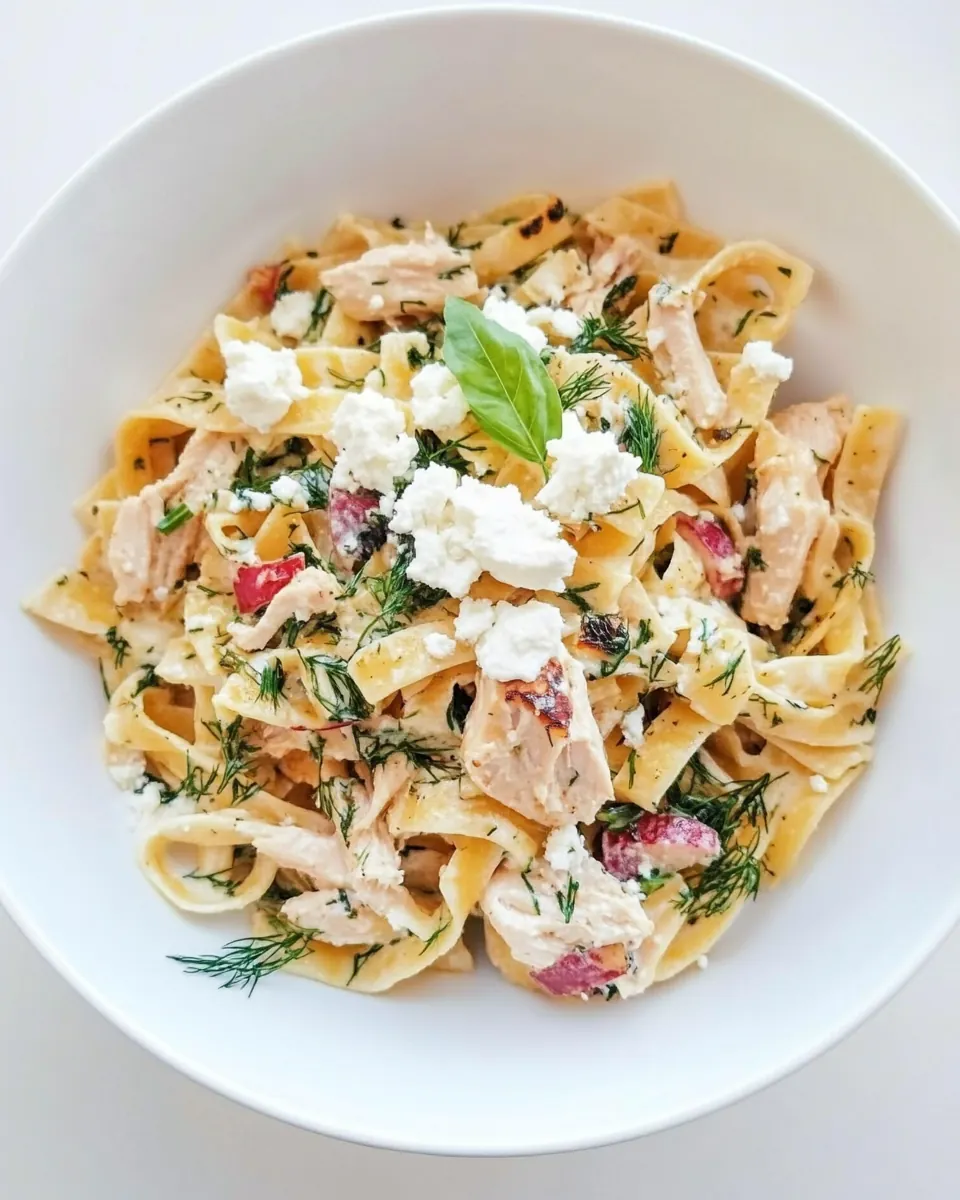
These ingredients are simple but purposeful. The pasta provides the comforting base, while the chicken brings protein and savory depth. Bright notes from lemon and herbaceous dill lift the dish, and creamy goat cheese binds everything into a silky finish. The peas and spinach add color and a fresh contrast, creating a balanced plate that is both nourishing and lively.
- 8 ounces whole wheat bowtie pasta or pasta of your choice: Boil to al dente and serve as the hearty, whole-grain base that soaks up the lemony, creamy sauce while adding nutty flavor and firmer texture compared to white pasta; holds ingredients together for a fulfilling main course.
- 1 tablespoon extra virgin olive oil plus 3 teaspoons, divided, plus additional for tossing pasta: Drizzle early in cooking for sauteing and finishing to provide a fruity, fragrant fat that helps brown the chicken and carry flavors; reserve additional oil to toss with hot pasta to prevent sticking and add sheen.
- 10 ounces boneless skinless chicken breasts (about 1 large or 2 small breasts): Slice thinly or cube for quick cooking to provide the primary protein and savory substance; cook through until golden and juicy so it complements the pasta and absorbs lemon, dill, and goat cheese flavors.
- 1/2 medium red onion thinly sliced: Slice thinly and soften in the pan to add mild sharpness and a slight crunch that balances richer components; caramelize lightly if desired to bring out sweeter, more mellow onion notes.
- 1/2 teaspoon kosher salt: Season sparingly during cooking to enhance and balance overall flavors; sprinkle into the chicken and pasta to heighten savory notes without overpowering delicate lemon and goat cheese.
- 1/4 teaspoon ground black pepper: Grind freshly over the dish to add a warm, slightly biting heat that contrasts creaminess and bright citrus; use sparingly to maintain balance with herbs and cheese.
- 1 cup green peas fresh or frozen: Stir in frozen or fresh while heating to add poppable sweetness, vibrant color, and tender contrast; peas contribute light texture and complement lemon and dill profiles.
- Zest of 1 lemon: Zest finely and sprinkle to impart bright, concentrated citrus oils that lift and enhance the sauce and chicken; use the zest for aromatic intensity without added acidity.
- 3 tablespoons freshly squeezed lemon juice about 1 lemon: Squeeze freshly and mix into the sauce to provide bright acidity and freshness that cuts through richness; balances goat cheese and brings a lively, summery tang to the dish.
- 1 1/2 cups fresh chopped spinach: Chop roughly and fold in near the end to add earthy freshness and tender green leaves that wilt slightly into the warm pasta; boosts nutrition and creates color contrast.
- 2 tablespoons chopped fresh dill: Chop finely and scatter through the dish to provide a distinctive, feathery herbaceousness with a mild anise-like note; dill ties together lemon and goat cheese flavors for cohesion.
- 4 ounces goat cheese: Crumble and stir in to produce a tangy, creamy richness that forms a silky coating for the pasta and chicken; adds savory complexity and a slightly tart finish to balance lemon.
Step by Step Guide for Lemon Dill Chicken Pasta with Goat Cheese
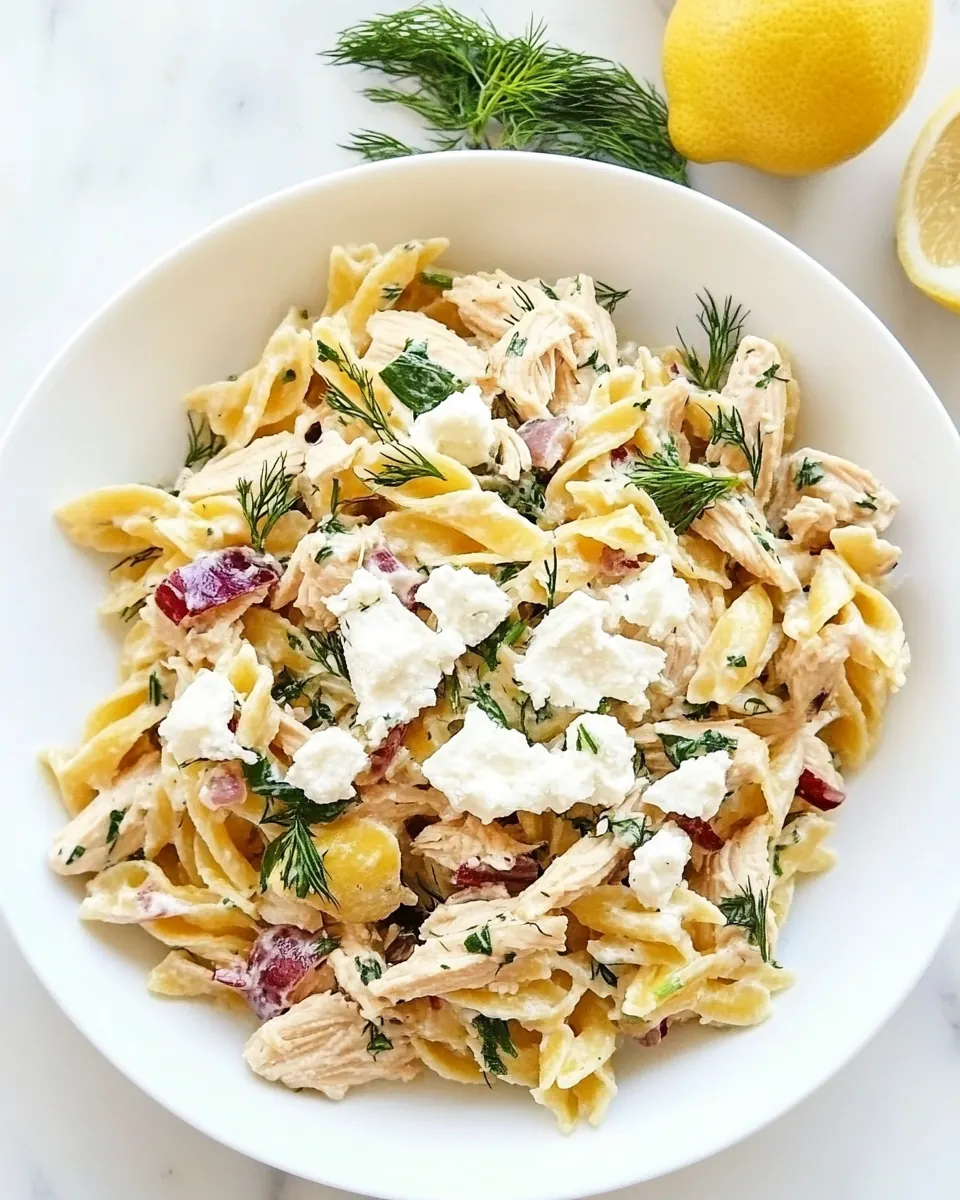
These directions are straightforward, but I like to approach them with attention to timing and sensory cues. Follow the sequence for best texture, and rely on smell and visual signals as you move from pot to skillet to plate.
- Bring a large pot of salted water to a boil and cook pasta until al dente, according to package directions. Reserve 1 cup of the pasta water, then drain. Toss the drained pasta with a bit of olive oil to prevent sticking, then set aside.: The first smell you will notice is the clean, steamy aroma of boiling water, and the sound is a steady gentle roar from the pot; this tells you the heat is high and consistent. Cooking the pasta until it is al dente gives a slight resistance when you bite, which keeps the texture pleasant once it mixes with the other ingredients. Reserve 1 cup of the starchy pasta water because it will become a silky binder when tossed with the goat cheese , creating a creamy coating without heavy cream. After draining, toss the pasta with a little olive oil so it does not clump, and set it aside on a warm surface to maintain heat. A common mistake is overcooking the pasta which leads to mushy noodles once combined; test a strand early and often toward the end of the package time to avoid that.
- Heat 1 tablespoon olive oil in a large skillet over medium-high. Once hot, add the chicken and sauté until cooked through, 4 to 6 minutes (be careful as the oil may splatter). With a slotted spoon, remove to plate lined with paper towels and set aside.: You will hear a lively sizzle as the chicken hits the hot olive oil , and the smell of browned meat will develop quickly, signaling flavor building through the Maillard reaction. Searing at medium-high creates a golden surface that locks in juices, giving tender slices that hold up in the final toss. When the chicken reads 165 degrees F on a thermometer or is opaque throughout, remove it with a slotted spoon to keep any cooking juices in the pan. Place the cooked chicken on paper towels to absorb excess oil. Be careful about oil splatter when adding the chicken ; it can pop if the pan is too hot or the meat is wet, so pat the pieces dry first. Overcrowding the pan is another pitfall, which prevents proper browning, so work in batches if needed.
- Reduce pan heat to medium. Add 1 teaspoon olive oil to the skillet, the onions, salt, and pepper, and cook until fragrant and beginning to soften; about 1 minute. Add the peas and cook until heated through (about 1 minute for fresh or 3 minutes for frozen).: The fragrant sweetness of the onion will become apparent almost immediately as its edges become translucent, releasing a gentle savory scent that complements the browned chicken . Adding the peas next introduces little pops of sweetness and bright green color; frozen peas will steam and soften slightly longer than fresh. This step builds layers of flavor in the pan and gives the dish vegetal brightness. A common mistake here is leaving the heat too high so the onion chars rather than softens; lower to medium to coax sweetness without burning.
- Add the reserved chicken, reserved pasta, remaining 2 teaspoons olive oil, lemon zest, and lemon juice. If the pasta seems to dry, add a little of the reserved pasta water.: At this point the pan will present a lovely mixture of aromas, with citrus from the lemon zest cutting through the savory base. Adding the reserved starchy water, if needed, helps the components bind into a glossy sauce because the starch emulsifies with the added olive oil and goat cheese later. The visual cue to watch for is a cohesive, slightly glossy coating on the pasta and pieces, not a puddle of liquid. Overdoing the water can dilute flavor, so add it conservatively to reach a saucy but not soupy texture.
- Just before serving, stir in the spinach, dill, and goat cheese. Serve warm.: When you add the handfuls of fresh spinach , it will wilt quickly into the warm pan, releasing a mild green scent and soft texture that blends into the pasta . Crumbling in the goat cheese creates pockets of creamy tang that melt into the strands when stirred, forming a silky coating that carries the herb and citrus flavors. Finish with the chopped dill for a fresh, aromatic top note. Serve while warm so the goat cheese remains luscious. A common error is adding the spinach too early which causes it to overcook and lose brightness, so fold it in at the end for the best texture and color.
Tips and Tricks about Lemon Dill Chicken Pasta with Goat Cheese
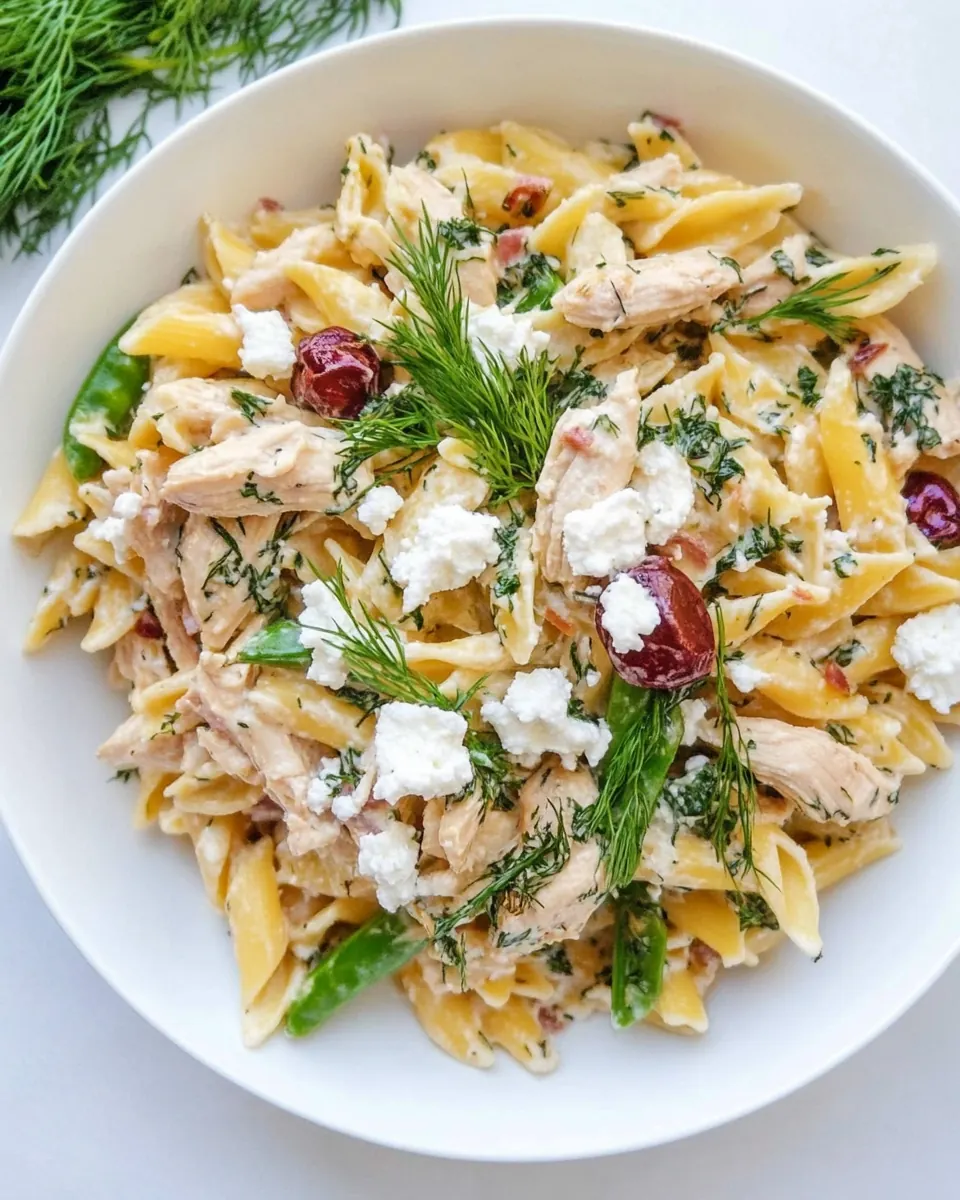
This dish benefits from a few focused tips that improve texture, flavor, and make the process even easier. Below are expanded tips based on the recipe notes and common techniques I use when preparing it at home.
- Store properly Place leftover pasta in an airtight container in the refrigerator for up to 3 days to maintain freshness and prevent drying out.
- Reheat gently Warm leftovers over medium-low in a skillet, adding splashes of broth or reserved pasta water as needed to restore creaminess without overcooking the pasta.
- Refresh before serving Add a squeeze of fresh lemon juice to reheated portions to revive the brightness lost in refrigeration.
- Use reserved pasta water Keep at least 1 cup from cooking the pasta; the starchy water emulsifies with the goat cheese and olive oil to create a silky sauce.
- Adjust seasoning at the end Taste and add salt or pepper after combining all ingredients, since the goat cheese and reserved water can change the perceived salt level.
Great Combinations for Lemon Dill Chicken Pasta with Goat Cheese
This pasta pairs well with light, vegetable forward sides and suits informal dinners or a relaxed spring gathering. Below are serving ideas, storage tips, and occasions that work wonderfully with this dish.
- Simple green salad A crisp mixed green salad dressed lightly complements the creamy goat cheese and lemon notes without overpowering the main dish.
- Steamed asparagus Tender asparagus provides a slightly earthy contrast and seasonal spring character that echoes the fresh dill.
- Crusty bread A slice of warm crusty bread is perfect for mopping up any remaining silky sauce from the plate.
- Occasions This recipe is ideal for weeknight dinners, casual dinner parties, and springtime lunches when you want something bright and satisfying.
- Storage Refrigerate leftovers in an airtight container for up to three days, and rewarm gently with a splash of liquid to restore texture.
- Seasonal pairing The lemon and dill make this a lovely spring or early summer meal, pairing well with light, citrus-forward sides and chilled non alcoholic beverages.
FAQ
Conclusion
This Lemon Dill Chicken Pasta with Goat Cheese is special because it balances creamy tang, citrus brightness, and tender protein in an easy, approachable formula. Give it a try on a busy weeknight or when you need a simple meal that still feels celebratory. I hope it becomes one of your reliable go to dinners, bringing both comfort and a fresh, herbaceous lift to your table.
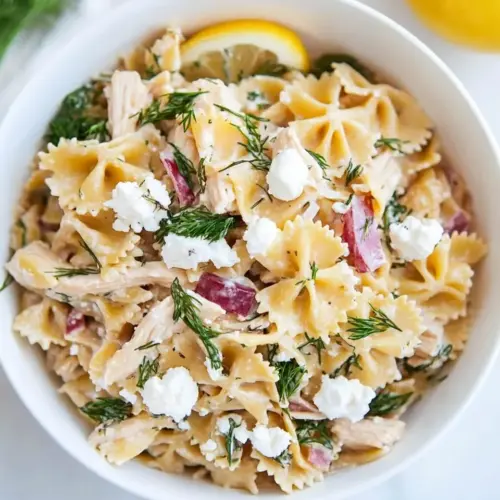
Lemon Dill Chicken Pasta with Goat Cheese
Equipment
- Large Pot
- Large Skillet
- Slotted Spoon
- Measuring Spoons
Ingredients
- 8 ounces whole wheat bowtie pasta or pasta of your choice Boil to al dente and serve as the hearty, whole-grain base that soaks up the lemony, creamy sauce while adding nutty flavor and firmer texture compared to white pasta; holds ingredients together for a fulfilling main course.
- 1 tablespoon extra virgin olive oil plus 3 teaspoons, divided, plus additional for tossing pasta Drizzle early in cooking for sauteing and finishing to provide a fruity, fragrant fat that helps brown the chicken and carry flavors; reserve additional oil to toss with hot pasta to prevent sticking and add sheen.
- 10 ounces boneless skinless chicken breasts (about 1 large or 2 small breasts) Slice thinly or cube for quick cooking to provide the primary protein and savory substance; cook through until golden and juicy so it complements the pasta and absorbs lemon, dill, and goat cheese flavors.
- 1/2 medium red onion thinly sliced Slice thinly and soften in the pan to add mild sharpness and a slight crunch that balances richer components; caramelize lightly if desired to bring out sweeter, more mellow onion notes.
- 1/2 teaspoon kosher salt Season sparingly during cooking to enhance and balance overall flavors; sprinkle into the chicken and pasta to heighten savory notes without overpowering delicate lemon and goat cheese.
- 1/4 teaspoon ground black pepper Grind freshly over the dish to add a warm, slightly biting heat that contrasts creaminess and bright citrus; use sparingly to maintain balance with herbs and cheese.
- 1 cup green peas fresh or frozen Stir in frozen or fresh while heating to add poppable sweetness, vibrant color, and tender contrast; peas contribute light texture and complement lemon and dill profiles.
- Zest of 1 lemon Zest finely and sprinkle to impart bright, concentrated citrus oils that lift and enhance the sauce and chicken; use the zest for aromatic intensity without added acidity.
- 3 tablespoons freshly squeezed lemon juice about 1 lemon Squeeze freshly and mix into the sauce to provide bright acidity and freshness that cuts through richness; balances goat cheese and brings a lively, summery tang to the dish.
- 1 1/2 cups fresh chopped spinach Chop roughly and fold in near the end to add earthy freshness and tender green leaves that wilt slightly into the warm pasta; boosts nutrition and creates color contrast.
- 2 tablespoons chopped fresh dill Chop finely and scatter through the dish to provide a distinctive, feathery herbaceousness with a mild anise-like note; dill ties together lemon and goat cheese flavors for cohesion.
- 4 ounces goat cheese Crumble and stir in to produce a tangy, creamy richness that forms a silky coating for the pasta and chicken; adds savory complexity and a slightly tart finish to balance lemon.
Instructions
- Bring a large pot of salted water to a boil and cook pasta until al dente, according to package directions. Reserve 1 cup of the pasta water, then drain. Toss the drained pasta with a bit of olive oil to prevent sticking, then set aside.: The first smell you will notice is the clean, steamy aroma of boiling water, and the sound is a steady gentle roar from the pot; this tells you the heat is high and consistent. Cooking the pasta until it is al dente gives a slight resistance when you bite, which keeps the texture pleasant once it mixes with the other ingredients. Reserve 1 cup of the starchy pasta water because it will become a silky binder when tossed with the goat cheese , creating a creamy coating without heavy cream. After draining, toss the pasta with a little olive oil so it does not clump, and set it aside on a warm surface to maintain heat. A common mistake is overcooking the pasta which leads to mushy noodles once combined; test a strand early and often toward the end of the package time to avoid that.
- Heat 1 tablespoon olive oil in a large skillet over medium-high. Once hot, add the chicken and sauté until cooked through, 4 to 6 minutes (be careful as the oil may splatter). With a slotted spoon, remove to plate lined with paper towels and set aside.: You will hear a lively sizzle as the chicken hits the hot olive oil , and the smell of browned meat will develop quickly, signaling flavor building through the Maillard reaction. Searing at medium-high creates a golden surface that locks in juices, giving tender slices that hold up in the final toss. When the chicken reads 165 degrees F on a thermometer or is opaque throughout, remove it with a slotted spoon to keep any cooking juices in the pan. Place the cooked chicken on paper towels to absorb excess oil. Be careful about oil splatter when adding the chicken ; it can pop if the pan is too hot or the meat is wet, so pat the pieces dry first. Overcrowding the pan is another pitfall, which prevents proper browning, so work in batches if needed.
- Reduce pan heat to medium. Add 1 teaspoon olive oil to the skillet, the onions, salt, and pepper, and cook until fragrant and beginning to soften; about 1 minute. Add the peas and cook until heated through (about 1 minute for fresh or 3 minutes for frozen).: The fragrant sweetness of the onion will become apparent almost immediately as its edges become translucent, releasing a gentle savory scent that complements the browned chicken . Adding the peas next introduces little pops of sweetness and bright green color; frozen peas will steam and soften slightly longer than fresh. This step builds layers of flavor in the pan and gives the dish vegetal brightness. A common mistake here is leaving the heat too high so the onion chars rather than softens; lower to medium to coax sweetness without burning.
- Add the reserved chicken, reserved pasta, remaining 2 teaspoons olive oil, lemon zest, and lemon juice. If the pasta seems to dry, add a little of the reserved pasta water.: At this point the pan will present a lovely mixture of aromas, with citrus from the lemon zest cutting through the savory base. Adding the reserved starchy water, if needed, helps the components bind into a glossy sauce because the starch emulsifies with the added olive oil and goat cheese later. The visual cue to watch for is a cohesive, slightly glossy coating on the pasta and pieces, not a puddle of liquid. Overdoing the water can dilute flavor, so add it conservatively to reach a saucy but not soupy texture.
- Just before serving, stir in the spinach, dill, and goat cheese. Serve warm.: When you add the handfuls of fresh spinach , it will wilt quickly into the warm pan, releasing a mild green scent and soft texture that blends into the pasta . Crumbling in the goat cheese creates pockets of creamy tang that melt into the strands when stirred, forming a silky coating that carries the herb and citrus flavors. Finish with the chopped dill for a fresh, aromatic top note. Serve while warm so the goat cheese remains luscious. A common error is adding the spinach too early which causes it to overcook and lose brightness, so fold it in at the end for the best texture and color.
Notes
- Store properly Place leftover pasta in an airtight container in the refrigerator for up to 3 days to maintain freshness and prevent drying out.
- Reheat gently Warm leftovers over medium-low in a skillet, adding splashes of broth or reserved pasta water as needed to restore creaminess without overcooking the pasta.
- Refresh before serving Add a squeeze of fresh lemon juice to reheated portions to revive the brightness lost in refrigeration.
- Use reserved pasta water Keep at least 1 cup from cooking the pasta; the starchy water emulsifies with the goat cheese and olive oil to create a silky sauce.
- Adjust seasoning at the end Taste and add salt or pepper after combining all ingredients, since the goat cheese and reserved water can change the perceived salt level.