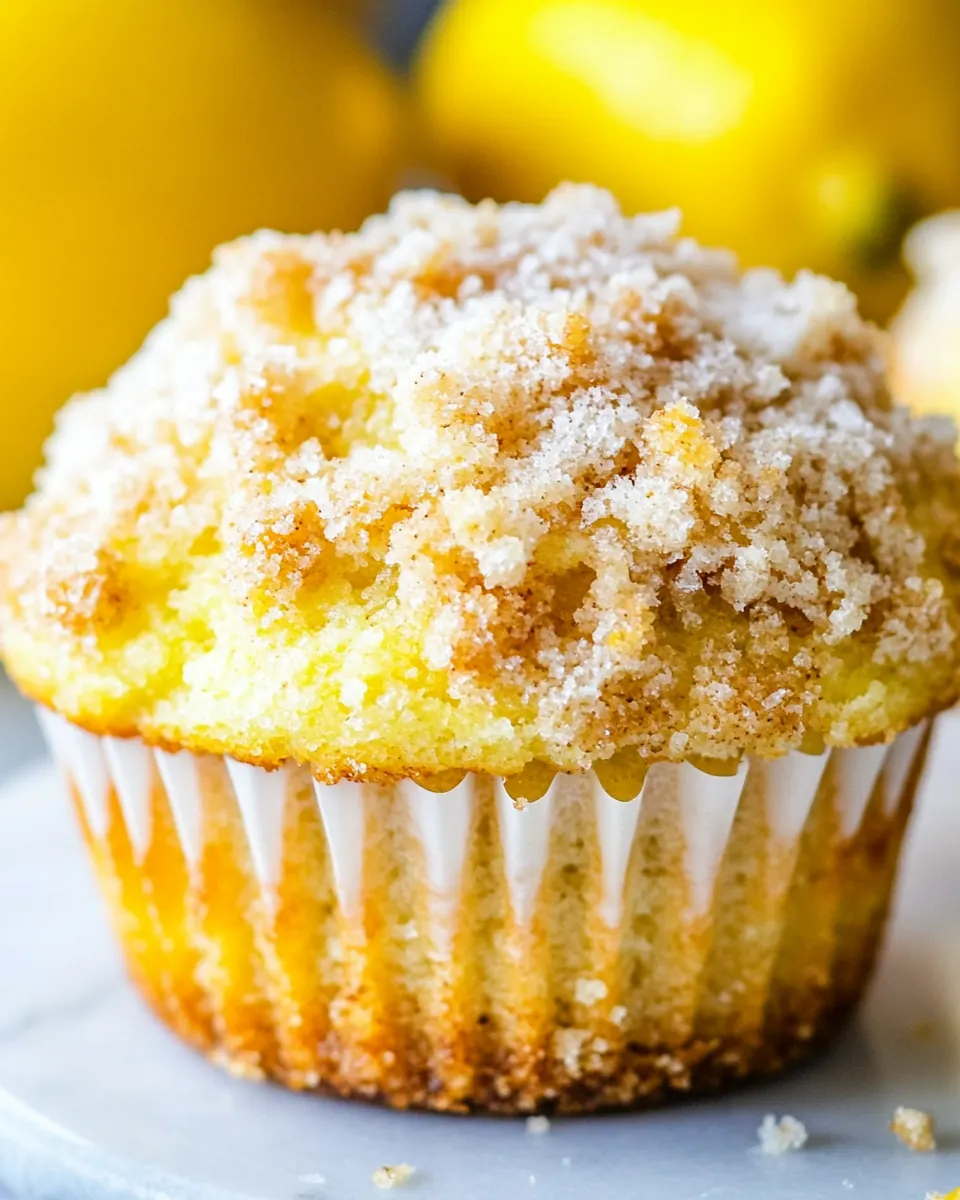
Lemon Crumb Muffins
Lemon Crumb Muffins are the kind of baked good that instantly brightens a morning, and I still remember the first time I tasted a warm one straight from the oven. I was visiting a friend who had a sunny kitchen and a habit of baking on weekend mornings, and she slid a paper-lined muffin toward me with a grin. The crumb topping crackled softly when I bit into it, and the lemon made the whole kitchen smell like a citrus grove. That moment stuck with me, and I’ve been chasing that balance of tartness and tender crumb ever since.
Over the years I have tweaked proportions, swapped techniques, and learned little tricks that make these muffins reliably tender and flavorful. I love the contrast between the slightly crisp crumb and the soft, pillowy interior. When I bake a batch now, I often find myself lingering by the oven, nose lifted, listening for the tiny crackle that signals the topping is perfect. Sharing them with neighbors and friends has turned simple baking into a way to connect, and these muffins always start conversations.
Recipe Snapshot
35 mins
20 mins
15 mins
Medium
210 kcal
American
Gluten-Free, Low FODMAP
Breakfast
Muffin pan, Paper baking cups, Hand mixer, Wooden spoon, Mixing bowls, Whisk, Cooling rack
Why This Lemon Crumb Muffins Is So Good
Bright, zesty flavor
I adore how Lemon Crumb Muffins deliver a clear lemon punch without being overwhelming. The lemon zest and lemon juice work together so the citrus notes come through in both aroma and taste, creating a layered flavor profile that keeps you coming back for another bite.
Textural contrast
One of the reasons I keep making this recipe is the crumb topping. When baked correctly the top offers a pleasing crunch while the interior remains tender and moist, which provides a delightful bite experience every time.
Simple pantry ingredients
I appreciate that these muffins use ingredients you probably already have on hand. From all purpose flour to granulated sugar and eggs, it is an approachable bake that does not demand specialty items, which makes it a go to for last minute baking plans.
Flexible and forgiving
I’ve found this recipe to be forgiving of small mistakes. If your batter is a touch lumpy or the oven runs a little hot, the muffins still come out tasty. That reliability gives me confidence to bake them for guests without overthinking every detail.
Great for sharing
I love how these muffins travel well. Whether I pack them for a brunch gathering or leave a tin for neighbors, they hold up nicely for a day or two, and the optional glaze lets you tailor the level of lemon brightness to your audience.
Lemon Crumb Muffins Shopping List
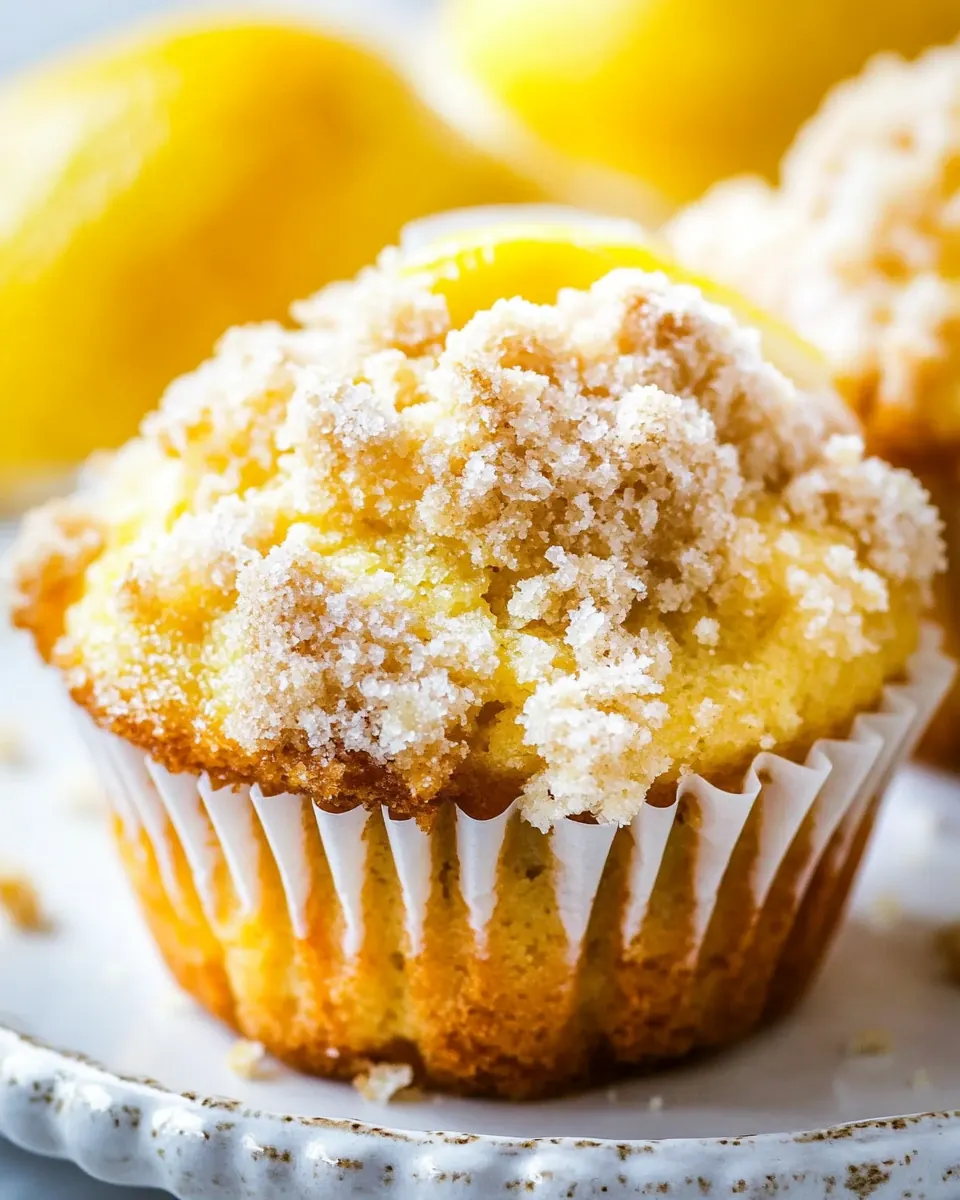
The philosophy behind these ingredients centers on balance. I aim for a tender crumb from the right mix of all purpose flour and sour cream, moisture from oil and eggs, and bright lift from lemon zest and lemon juice. The crumb toppings and glaze add texture and a concentrated lemon note, so each component plays a clear role in delivering a memorable muffin.
- 1 1/4 cup (155 g) all-purpose flour: Enhance texture and structure by providing the primary gluten and starch matrix for tender muffins; measure accurately for proper balance with leaveners. Maintain freshness by sifting or whisking to remove lumps and ensure even distribution with other dry ingredients.
- 1 cup (200 g) granulated sugar: Sweeten and tenderize the batter while assisting with browning during baking; sugar helps create a light crumb and extends shelf life. Dissolve evenly into wet ingredients to prevent graininess and to promote consistent moisture throughout the muffins.
- 1/4 teaspoons salt: Season sparingly to balance sweetness and strengthen gluten structure; salt enhances flavor complexity and accentuates other ingredients. Dissolve into the dry mix to ensure uniform seasoning and to avoid salty pockets in the finished muffins.
- 1/2 cup (113 g) unsalted butter melted: Add rich fat content that contributes to moistness and flavor; melted unsalted butter also aids in tender crumb and mouthfeel. Incorporate into the wet ingredients at slightly cooled temperature to prevent cooking eggs and to blend smoothly with oils and sugars.
- 4 large eggs: Provide structure, richness, and leavening assistance by coagulating proteins during baking; eggs also contribute moisture and emulsification. Beat or whisk before adding to ensure even distribution and to capture some air for lighter texture.
- 2 cups (400 g) granulated sugar: Increase overall sweetness and aid in moisture retention; an additional sugar quantity can create a more pronounced sweetness and assist with caramelization on the crumb topping. Combine carefully with fats to ensure proper creaming or dissolution depending on method used.
- 1 cup (237 ml) vegetable oil: Contribute neutral fat that keeps muffins moist without overpowering flavor; vegetable oil promotes tender, longer-lasting softness and improves shelf life. Mix with other wet ingredients until homogenous to ensure even fat distribution in the batter.
- 1 tablespoon lemon zest 1 large lemon: Provide bright citrus aroma and concentrated lemon flavor by using finely grated outer peel; zest contains essential oils that elevate the muffin’s fragrance. Add to the batter or crumb mixture for an immediate burst of lemon without extra acidity.
- 2 tablespoons fresh lemon juice from 1 large lemon: Deliver fresh acidity and tangy lemon flavor that brightens the overall profile; juice also activates baking soda for leavening. Measure and add to wet ingredients to balance sweetness while contributing bright, fresh citrus notes.
- 1 teaspoon vanilla extract: Impart warm, rounded aromatic notes and depth to the muffins; vanilla extract rounds out flavors and complements lemon. Add to wet mixture to evenly distribute aroma and enhance perceived sweetness without extra sugar.
- 2 teaspoons baking soda: Provide chemical leavening by producing carbon dioxide when reacting with acids, contributing to rise and light crumb; baking soda is strong so use precisely. Mix with batter immediately after combining with acidic ingredients to maximize lift during baking.
- 1 teaspoon salt: Season and enhance overall flavor balance while reinforcing gluten structure; an additional pinch of salt deepens taste and offsets sweetness. Distribute evenly among dry ingredients to prevent concentrated salty areas in muffins.
- 2 cups (454 g) sour cream: Add tanginess, moisture, and a bit of acidity that tenderizes crumb and complements lemon flavor; sour cream contributes richness and a velvety texture. Fold gently into batter to avoid overmixing while ensuring even moisture and slight acidity for leavening activation.
- 4 cups (492 g) all-purpose flour: Supply significant structure and bulk as the main dry component for the crumb; larger amount of flour creates a firmer, sturdy muffin. Whisk before combining to remove lumps and ensure homogenous incorporation with leaveners for consistent rise.
- 3/4 cup (85 g) powdered sugar: Dust crumb topping or garnish with a light sweetness and fine texture; powdered sugar dissolves easily and provides delicate sweetness without graininess. Sift or powder before use to remove clumps for smooth topping or glaze incorporation.
- 2 4 tablespoons lemon juice: Adjust brightness and acidity to finish glazes or fillings, controlling tartness to taste; a small range allows for mild to pronounced lemon tang. Add gradually and taste to achieve desired balance, avoiding over-acidifying the final product.
The Method for Lemon Crumb Muffins
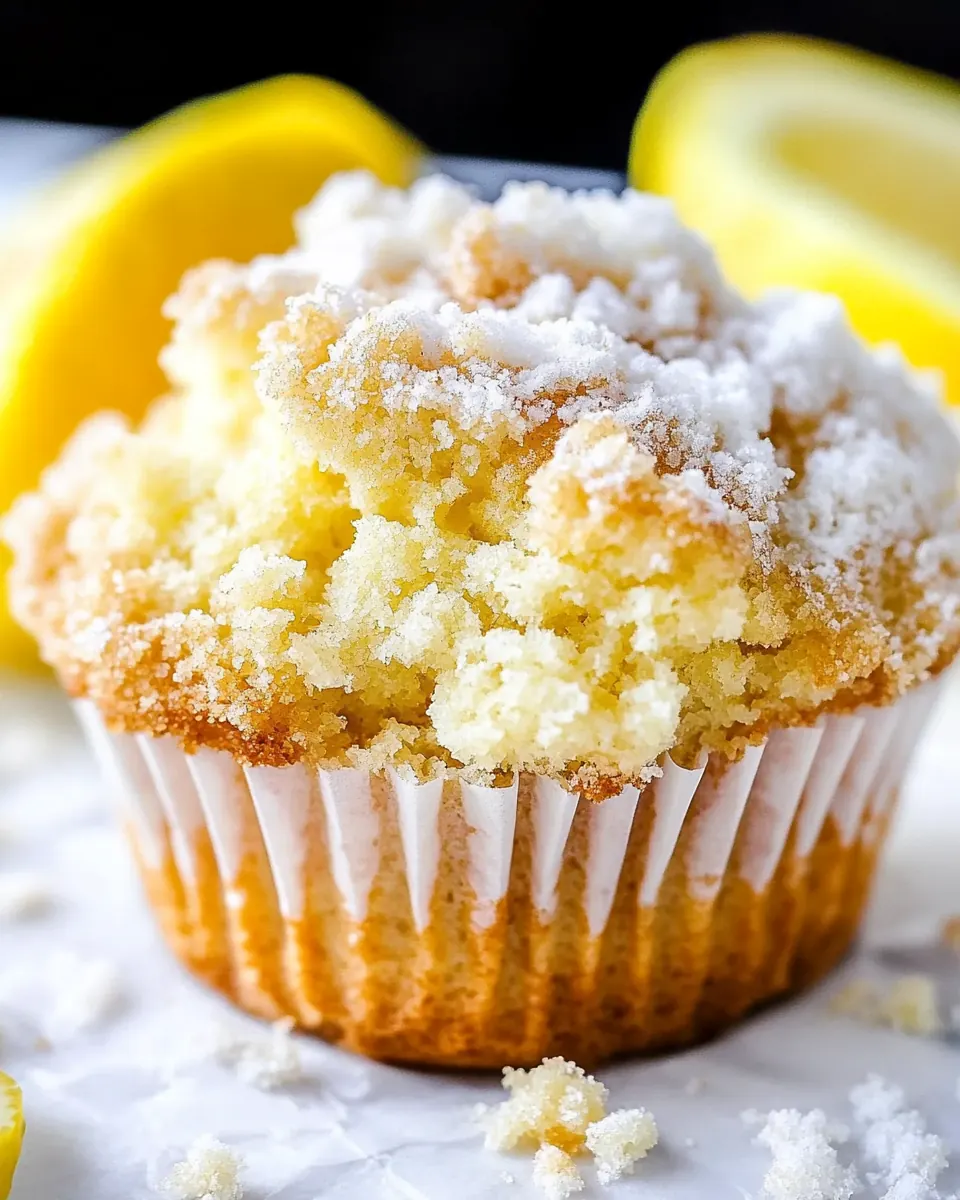
Baking these muffins is a warm, sensory journey. Expect bursts of lemon aroma, the satisfying crunch of crumb topping, and the reassuring sight of golden domes rising in the oven. Read each step carefully, and I will walk you through what to look and listen for to get consistent results.
- Preheat oven to 375°F. Line muffin pans with paper baking cups. (This recipe makes 24-28 muffins. Half the recipe for a smaller batch!): As the oven warms you will smell a subtle hint of heat that primes the baking environment, which is essential for even rise. This step ensures that the pans reach correct temperature so batter begins to set immediately on the edges, creating a taller muffin. A common mistake is placing pans in before full preheat, which can lead to flat tops. If your oven has hot spots rotate pans halfway through baking for consistency.
- Make the topping by stirring together all topping ingredients with a fork in a medium sized bowl. Set aside.: Mixing the topping by hand keeps it crumbly rather than paste like, so you should feel small clumps forming under the fork. The slight crunch of the topping will contrast the soft interior after baking. If you overwork it, the crumbs can become too fine and lose their texture. Chill briefly if it seems too soft before topping the batter.
- Using a hand mixer, mix eggs with electric mixer about 1-2 minutes until thick and frothy. Mix in sugar and oil, beat until creamy. Mix in lemon zest, juice, vanilla, baking soda, salt. Mix in sour cream then stir in flour using a wooden spoon. (Batter may be slightly lumpy.): You will notice the mixture lighten in color and develop a mousse like texture when eggs are properly beaten, which traps air for lift. Adding sugar dissolves into the wet mix and the oil brings silkiness, while the lemon elements contribute bright aromatics that become noticeable as you stir. Stirring in sour cream adds tang and moisture; when you fold in flour with a wooden spoon, the batter should become cohesive but may remain slightly lumpy. Overmixing at this stage develops gluten and results in a tougher crumb, so stop once you see no large streaks of flour.
- Fill muffin cups 3/4 full. Sprinkle the tops with the crumble mixture. (I filled mine just a teeny bit too much. They got scary close to overflowing, so stick with 3/4 full!): As you fill cups, watch the batter's surface tension; filling to three quarters allows room for expansion without spillover. When the crumble is sprinkled on top it will sink slightly and then set into a crisp top as it bakes. A common mistake is overfilling, which causes overflowing and uneven baking. Use a small scoop or measuring cup for even portions to ensure uniform baking and appearance.
- Bake for 18-22 minutes until a toothpick comes out clean from the center of a muffin. Cool 5 minutes in pan then remove to a rack to cool completely.: During baking you will see the muffins dome and turn a warm golden color, and the crumb will develop crisp edges. The clean toothpick test confirms the interior is set but still moist. Cooling briefly in the pan lets the structure stabilize so they do not sink when removed. Pulling them out too soon risks breakage, while leaving them too long in the pan can create soggy bottoms. If tops brown too quickly, tent loosely with foil for the final minutes.
- (The glaze is optional but adds another punch of lemon flavor.): The glaze amplifies lemon intensity and adds a glossy finish, appealing for presentation and taste. It also introduces a sweet tart contrast that many people love. If you prefer less sweetness skip it, or make a thinner glaze to lightly coat rather than pool. Glaze can make muffins sticky during storage, so apply it just before serving or keep undecorated for longer shelf life.
- Make the glaze: whisk powdered sugar and lemon juice. Drizzle over muffins.: whisk powdered sugar and lemon juice. : Whisking yields a smooth, glossy consistency that clings to the muffin tops in a thin veil. Start with less lemon juice and add until you get a glaze that is pourable but not runny. A common error is adding too much juice, which makes the glaze thin and prone to sliding off; if that happens, add more powdered sugar to thicken.
- Muffins should be kept in an airtight container for up to 3 days or freeze them for up to one month. (If freezing, omit glaze and make it before serving.): Proper storage preserves moisture and prevents staling. If freezing, omit the glaze and add it after thawing for best texture and appearance. A frequent mistake is storing warm muffins, which traps steam and can lead to sogginess, so always cool completely before sealing. For longer storage wrap individually before freezing to prevent freezer burn.
Helpful Hints
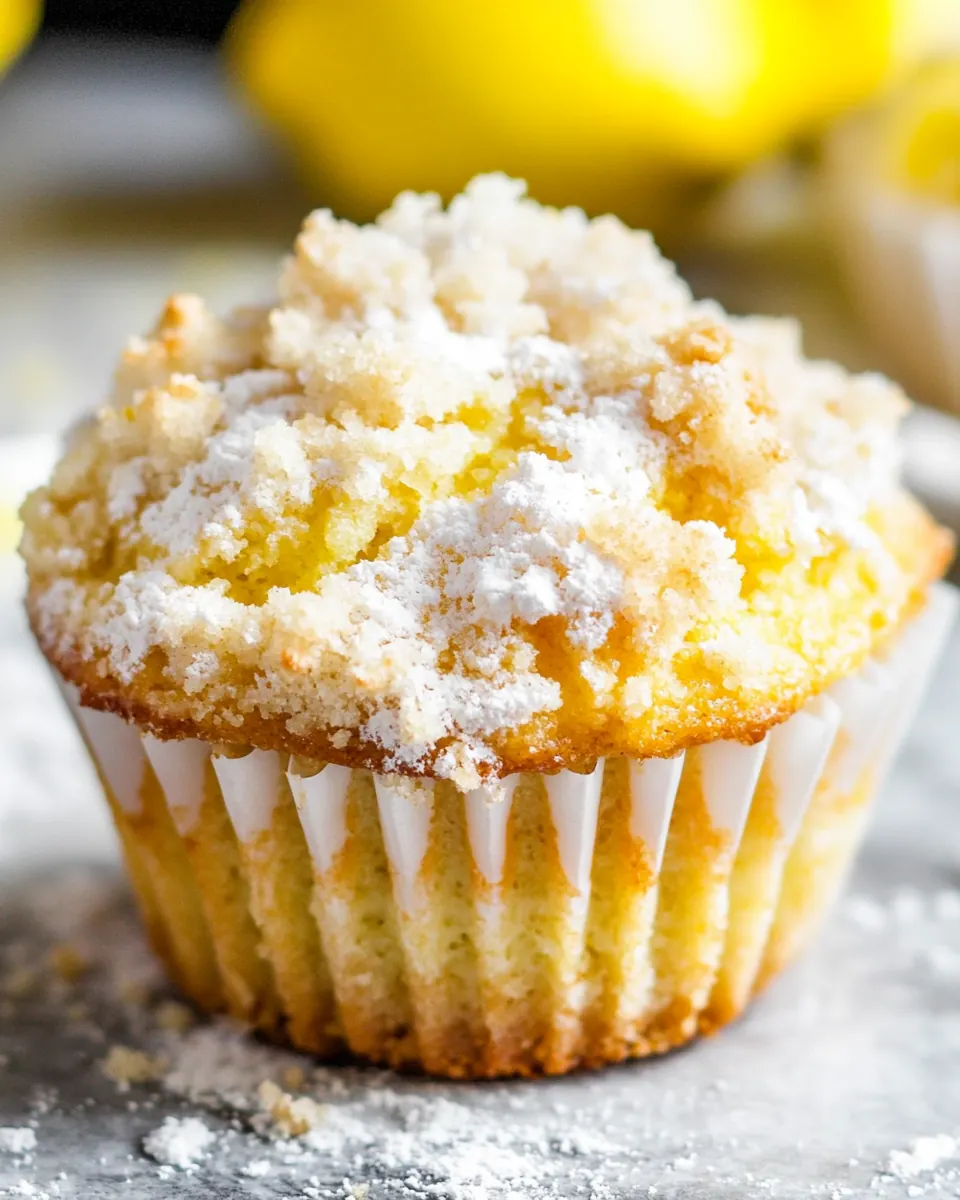
These hints cover practical tweaks and reminders that make a real difference in the outcome. I often refer back to them while baking, and they help cut down on avoidable mistakes.
- Room temperature ingredients: Bring eggs and sour cream to room temperature before mixing to ensure a smooth batter and even rise.
- Accurate measuring: Spoon and level the flour instead of scooping directly from the bag to avoid dense muffins.
- Beat eggs properly: Whip the eggs until frothy for light texture, as underbeaten eggs can lead to heavy muffins.
- Watch oven temperature: Use an oven thermometer to confirm your oven hits 375°F, because inaccurate ovens cause inconsistent results.
- Even scoops: Use a cookie scoop or measuring cup to portion batter evenly so muffins bake uniformly.
- Cool before glazing: Allow muffins to cool completely before drizzling the glaze to prevent it from melting into the crumb.
Side Dish Ideas for Lemon Crumb Muffins
These muffins work beautifully with a variety of accompaniments, and I like to think about them as part of a relaxed brunch spread. They pair well with lighter beverages and simple spreads, and they travel well for potlucks or gatherings.
- Brunch boards: Arrange Lemon Crumb Muffins alongside fresh fruit and mild cheeses for a balanced board that offers sweet, tart, and creamy options.
- Afternoon tea: Serve these muffins with a pot of hot tea or coffee for a cozy afternoon treat that complements the citrus notes.
- Picnic friendly: Pack muffins in a box with parchment to keep them intact for outdoor meals, they make an easy sweet component to a picnic menu.
- Breakfast buffet: Include them in a breakfast spread with yogurt and granola, the muffins add a sweet citrus counterpoint to savory items.
- Seasonal pairing: In spring, pair with light salads and citrusy vinaigrettes for a fresh feel that echoes the lemon in the muffins.
- Storage tips: Store cooled muffins in an airtight container at room temperature for up to three days, or freeze undecorated for up to one month and glaze after thawing.
- Occasion ideas: Great for baby showers, brunches, or casual gatherings when you want a bright baked good that appeals to many palates.
FAQ
Conclusion
These Lemon Crumb Muffins shine because they balance bright citrus with a tender, moist crumb and a delightfully crisp topping. I encourage you to bake a batch and notice how the simple ingredients come together to create layers of flavor and texture that are both comforting and fresh. Share them with friends or keep them for yourself, and enjoy the little ritual of warm muffins and a bright lemon aroma filling your kitchen.
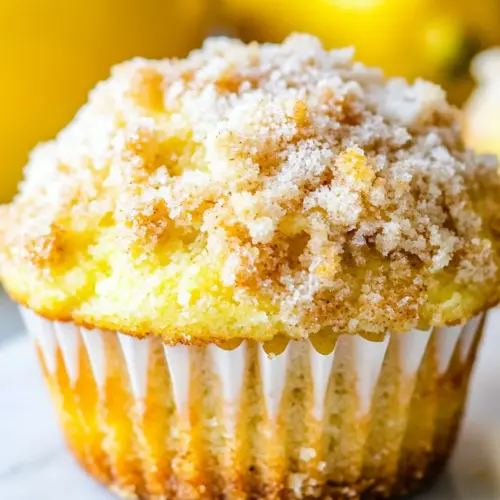
Lemon Crumb Muffins
Equipment
- Muffin Pan
- Paper baking cups
- Hand Mixer
- Wooden Spoon
- Mixing Bowls
- Whisk
- Cooling rack
Ingredients
- 1 1/4 cup (155 g) all-purpose flour Enhance texture and structure by providing the primary gluten and starch matrix for tender muffins; measure accurately for proper balance with leaveners. Maintain freshness by sifting or whisking to remove lumps and ensure even distribution with other dry ingredients.
- 1 cup (200 g) granulated sugar Sweeten and tenderize the batter while assisting with browning during baking; sugar helps create a light crumb and extends shelf life. Dissolve evenly into wet ingredients to prevent graininess and to promote consistent moisture throughout the muffins.
- 1/4 teaspoons salt Season sparingly to balance sweetness and strengthen gluten structure; salt enhances flavor complexity and accentuates other ingredients. Dissolve into the dry mix to ensure uniform seasoning and to avoid salty pockets in the finished muffins.
- 1/2 cup (113 g) unsalted butter melted Add rich fat content that contributes to moistness and flavor; melted unsalted butter also aids in tender crumb and mouthfeel. Incorporate into the wet ingredients at slightly cooled temperature to prevent cooking eggs and to blend smoothly with oils and sugars.
- 4 large eggs Provide structure, richness, and leavening assistance by coagulating proteins during baking; eggs also contribute moisture and emulsification. Beat or whisk before adding to ensure even distribution and to capture some air for lighter texture.
- 2 cups (400 g) granulated sugar Increase overall sweetness and aid in moisture retention; an additional sugar quantity can create a more pronounced sweetness and assist with caramelization on the crumb topping. Combine carefully with fats to ensure proper creaming or dissolution depending on method used.
- 1 cup (237 ml) vegetable oil Contribute neutral fat that keeps muffins moist without overpowering flavor; vegetable oil promotes tender, longer-lasting softness and improves shelf life. Mix with other wet ingredients until homogenous to ensure even fat distribution in the batter.
- 1 tablespoon lemon zest 1 large lemon Provide bright citrus aroma and concentrated lemon flavor by using finely grated outer peel; zest contains essential oils that elevate the muffin’s fragrance. Add to the batter or crumb mixture for an immediate burst of lemon without extra acidity.
- 2 tablespoons fresh lemon juice from 1 large lemon Deliver fresh acidity and tangy lemon flavor that brightens the overall profile; juice also activates baking soda for leavening. Measure and add to wet ingredients to balance sweetness while contributing bright, fresh citrus notes.
- 1 teaspoon vanilla extract Impart warm, rounded aromatic notes and depth to the muffins; vanilla extract rounds out flavors and complements lemon. Add to wet mixture to evenly distribute aroma and enhance perceived sweetness without extra sugar.
- 2 teaspoons baking soda Provide chemical leavening by producing carbon dioxide when reacting with acids, contributing to rise and light crumb; baking soda is strong so use precisely. Mix with batter immediately after combining with acidic ingredients to maximize lift during baking.
- 1 teaspoon salt Season and enhance overall flavor balance while reinforcing gluten structure; an additional pinch of salt deepens taste and offsets sweetness. Distribute evenly among dry ingredients to prevent concentrated salty areas in muffins.
- 2 cups (454 g) sour cream Add tanginess, moisture, and a bit of acidity that tenderizes crumb and complements lemon flavor; sour cream contributes richness and a velvety texture. Fold gently into batter to avoid overmixing while ensuring even moisture and slight acidity for leavening activation.
- 4 cups (492 g) all-purpose flour Supply significant structure and bulk as the main dry component for the crumb; larger amount of flour creates a firmer, sturdy muffin. Whisk before combining to remove lumps and ensure homogenous incorporation with leaveners for consistent rise.
- 3/4 cup (85 g) powdered sugar Dust crumb topping or garnish with a light sweetness and fine texture; powdered sugar dissolves easily and provides delicate sweetness without graininess. Sift or powder before use to remove clumps for smooth topping or glaze incorporation.
- 2 -4 tablespoons lemon juice Adjust brightness and acidity to finish glazes or fillings, controlling tartness to taste; a small range allows for mild to pronounced lemon tang. Add gradually and taste to achieve desired balance, avoiding over-acidifying the final product.
Instructions
- Preheat oven to 375°F. Line muffin pans with paper baking cups. (This recipe makes 24-28 muffins. Half the recipe for a smaller batch!): As the oven warms you will smell a subtle hint of heat that primes the baking environment, which is essential for even rise. This step ensures that the pans reach correct temperature so batter begins to set immediately on the edges, creating a taller muffin. A common mistake is placing pans in before full preheat, which can lead to flat tops. If your oven has hot spots rotate pans halfway through baking for consistency.
- Make the topping by stirring together all topping ingredients with a fork in a medium sized bowl. Set aside.: Mixing the topping by hand keeps it crumbly rather than paste like, so you should feel small clumps forming under the fork. The slight crunch of the topping will contrast the soft interior after baking. If you overwork it, the crumbs can become too fine and lose their texture. Chill briefly if it seems too soft before topping the batter.
- Using a hand mixer, mix eggs with electric mixer about 1-2 minutes until thick and frothy. Mix in sugar and oil, beat until creamy. Mix in lemon zest, juice, vanilla, baking soda, salt. Mix in sour cream then stir in flour using a wooden spoon. (Batter may be slightly lumpy.): You will notice the mixture lighten in color and develop a mousse like texture when eggs are properly beaten, which traps air for lift. Adding sugar dissolves into the wet mix and the oil brings silkiness, while the lemon elements contribute bright aromatics that become noticeable as you stir. Stirring in sour cream adds tang and moisture; when you fold in flour with a wooden spoon, the batter should become cohesive but may remain slightly lumpy. Overmixing at this stage develops gluten and results in a tougher crumb, so stop once you see no large streaks of flour.
- Fill muffin cups 3/4 full. Sprinkle the tops with the crumble mixture. (I filled mine just a teeny bit too much. They got scary close to overflowing, so stick with 3/4 full!): As you fill cups, watch the batter's surface tension; filling to three quarters allows room for expansion without spillover. When the crumble is sprinkled on top it will sink slightly and then set into a crisp top as it bakes. A common mistake is overfilling, which causes overflowing and uneven baking. Use a small scoop or measuring cup for even portions to ensure uniform baking and appearance.
- Bake for 18-22 minutes until a toothpick comes out clean from the center of a muffin. Cool 5 minutes in pan then remove to a rack to cool completely.: During baking you will see the muffins dome and turn a warm golden color, and the crumb will develop crisp edges. The clean toothpick test confirms the interior is set but still moist. Cooling briefly in the pan lets the structure stabilize so they do not sink when removed. Pulling them out too soon risks breakage, while leaving them too long in the pan can create soggy bottoms. If tops brown too quickly, tent loosely with foil for the final minutes.
- (The glaze is optional but adds another punch of lemon flavor.): The glaze amplifies lemon intensity and adds a glossy finish, appealing for presentation and taste. It also introduces a sweet tart contrast that many people love. If you prefer less sweetness skip it, or make a thinner glaze to lightly coat rather than pool. Glaze can make muffins sticky during storage, so apply it just before serving or keep undecorated for longer shelf life.
- Make the glaze: whisk powdered sugar and lemon juice. Drizzle over muffins.: whisk powdered sugar and lemon juice. : Whisking yields a smooth, glossy consistency that clings to the muffin tops in a thin veil. Start with less lemon juice and add until you get a glaze that is pourable but not runny. A common error is adding too much juice, which makes the glaze thin and prone to sliding off; if that happens, add more powdered sugar to thicken.
- Muffins should be kept in an airtight container for up to 3 days or freeze them for up to one month. (If freezing, omit glaze and make it before serving.): Proper storage preserves moisture and prevents staling. If freezing, omit the glaze and add it after thawing for best texture and appearance. A frequent mistake is storing warm muffins, which traps steam and can lead to sogginess, so always cool completely before sealing. For longer storage wrap individually before freezing to prevent freezer burn.
Notes
- Room temperature ingredients: Bring eggs and sour cream to room temperature before mixing to ensure a smooth batter and even rise.
- Accurate measuring: Spoon and level the flour instead of scooping directly from the bag to avoid dense muffins.
- Beat eggs properly: Whip the eggs until frothy for light texture, as underbeaten eggs can lead to heavy muffins.
- Watch oven temperature: Use an oven thermometer to confirm your oven hits 375°F, because inaccurate ovens cause inconsistent results.
- Even scoops: Use a cookie scoop or measuring cup to portion batter evenly so muffins bake uniformly.
- Cool before glazing: Allow muffins to cool completely before drizzling the glaze to prevent it from melting into the crumb.