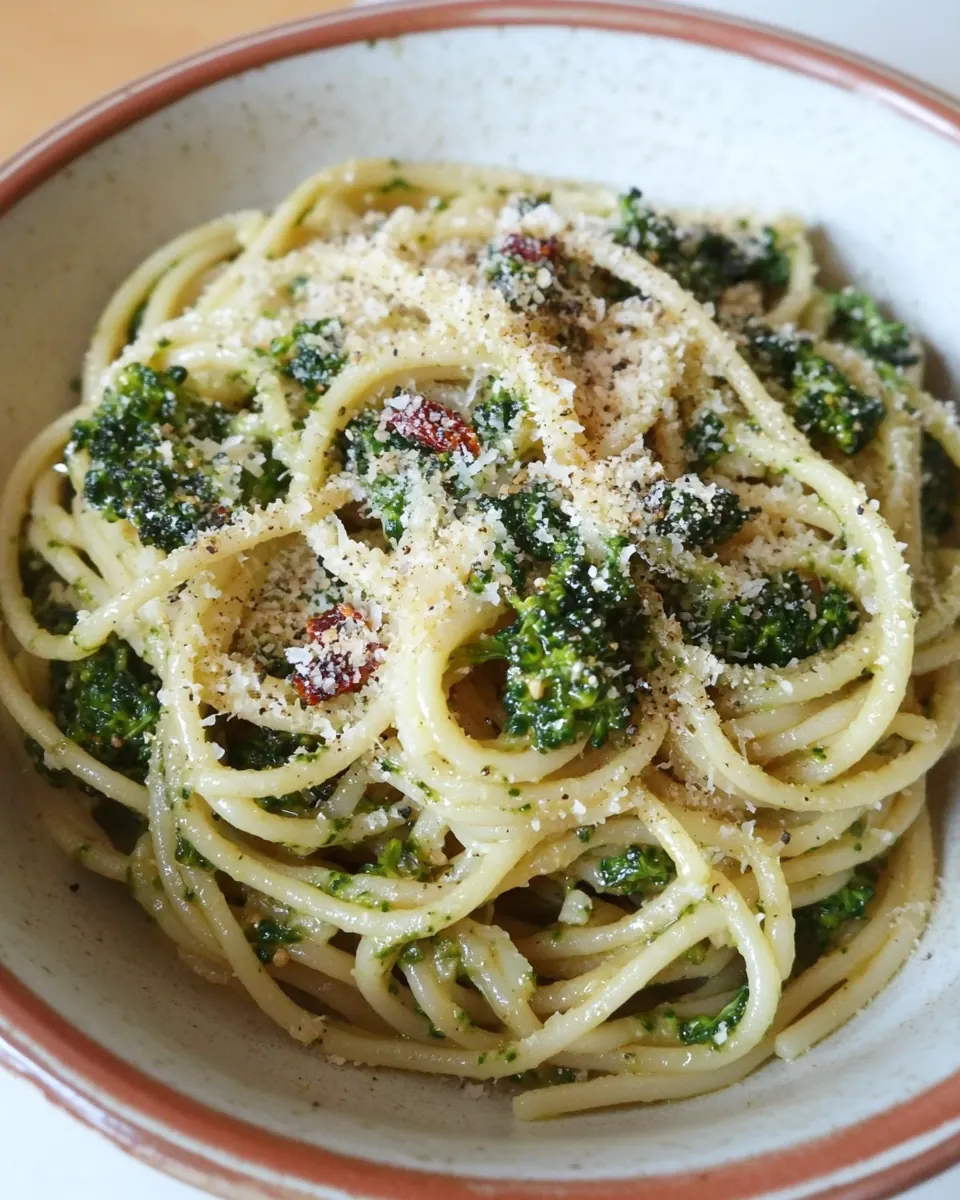
Spaghetti with Broccoli Rabe and Sundried Tomato Paste
Spaghetti with Broccoli Rabe and Sundried Tomato Paste is one of those recipes that feels like a warm kitchen memory I did not realize I had until I made it on a rainy afternoon. I first tossed together this simple plate after a farmer’s market haul filled my bag with a verdant bunch of broccoli rabe and a jar of concentrated sundried tomato paste. The contrast between the slightly bitter greens and the bright, sun kissed tomato flavor hooked me immediately, and I remember how the whole apartment smelled like a neat little trattoria.
There is a rhythm to cooking this dish that I love, it is part timing and part trust. While the spaghetti bubbles away, you take a moment to trim and rough chop the broccoli rabe, sensing the earthy green aroma as you work. When you finally toss everything with the savory sundried tomato paste and a drizzle of Olive oil, it all comes together with a comforting, rustic character that makes weeknight dinners feel special. I often serve it when friends stop by unexpectedly, because it is quick, generous, and has personality without fuss.
Recipe Snapshot
25 mins
10 mins
15 mins
Easy
450 kcal
Italian
Gluten-Free, Low FODMAP
Dinner
Large pot, Colander
Why This Spaghetti with Broccoli Rabe and Sundried Tomato Paste Works
I love how quick it is
I can have Spaghetti with Broccoli Rabe and Sundried Tomato Paste on the table in under 30 minutes, which means I get great food even on busy evenings. The short timeline keeps the flavors fresh and bright, and I rarely reach for takeout when this is an option.
The flavor contrast is brilliant
The slight bitterness of broccoli rabe plays against the concentrated, umami rich sundried tomato paste, creating layers of taste in every forkful. I always notice how a small amount of paste carries enormous flavor impact, so you get depth without piling on ingredients.
Minimal, pantry friendly
This recipe leans on staple items like spaghetti, Olive oil, and a handful of cheese, so it is forgiving when you do not have a long grocery list. I keep a jar of sundried tomato paste in the fridge and it rescues many quick meals, making this dish reliably available.
A single pot plus a colander keeps cleanup easy
I often cook the spaghetti and broccoli rabe together in one pot to save dishes, and that simplicity makes dinner feel attainable on tired nights. There is something satisfying about finishing a meal without a sink full of pans, and this recipe delivers that.
It is versatile and season friendly
While I first made this with spring produce, I find the recipe adapts across seasons, simply by tweaking the greens or the amount of pecorino cheese. I appreciate dishes that evolve with what is available, and this one does that gracefully.
Ingredients You’ll Need for Spaghetti with Broccoli Rabe and Sundried Tomato Paste
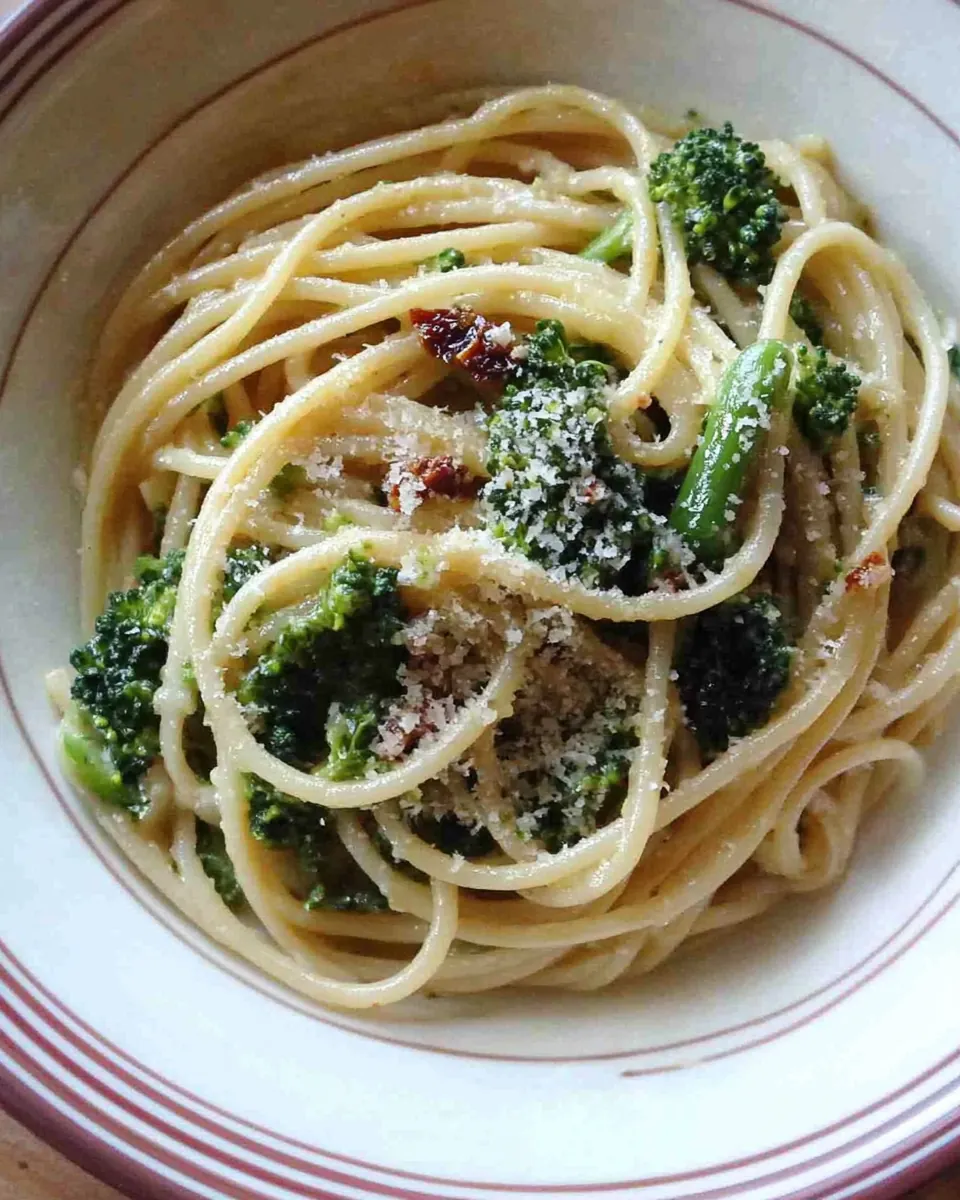
These ingredients create a balanced, bold pasta that is both simple and refined. The key players are the bitter broccoli rabe, the umami heavy sundried tomato paste, and the starchy spaghetti which delivers comfort and body. Together they form a dish that is textural, savory, and quick to come together, with Olive oil and pecorino cheese providing richness and finish.
- 1 large bunch broccoli rabe: Blanch and chop to tame bitterness while preserving bright green color; provides a peppery, leafy backbone and textural contrast to the pasta. Use both stems and leaves for variety in bite and a robust, slightly bitter flavor that pairs well with cheese and tomato paste.
- 1/2 pounds spaghetti quinoa, brown rice, or regular, if you like: Boil until al dente according to package instructions to offer the starchy base and vehicle for flavors; acts as the main source of carbohydrates and bulk in the dish. Choose quinoa, brown rice, or regular spaghetti to adjust texture and nutrition while keeping cooking time in mind.
- 2 heaping tablespoons sundried tomato paste recipe follows: Stir in concentrated for intense umami and sweet-tart depth; binds with olive oil to create a glossy, savory coating for pasta and greens. Use sparingly at first then adjust to taste, as the concentrated paste will dominate if overused.
- 1/4 cup grated pecorino cheese: Grate finely and sprinkle at the end to add salty, nutty, and tangy notes; helps balance the bitterness of the greens and the acidity of the tomato paste. Pecorino also contributes a creamy mouthfeel when melted into the warm pasta and oil.
- Olive oil: Drizzle and sauté to carry and meld flavors, creating a silky finish and helping tomato paste adhere to pasta and broccoli rabe. Use extra-virgin olive oil for aroma and to gently soften the greens without overpowering delicate components.
Step by Step Instructions for Spaghetti with Broccoli Rabe and Sundried Tomato Paste
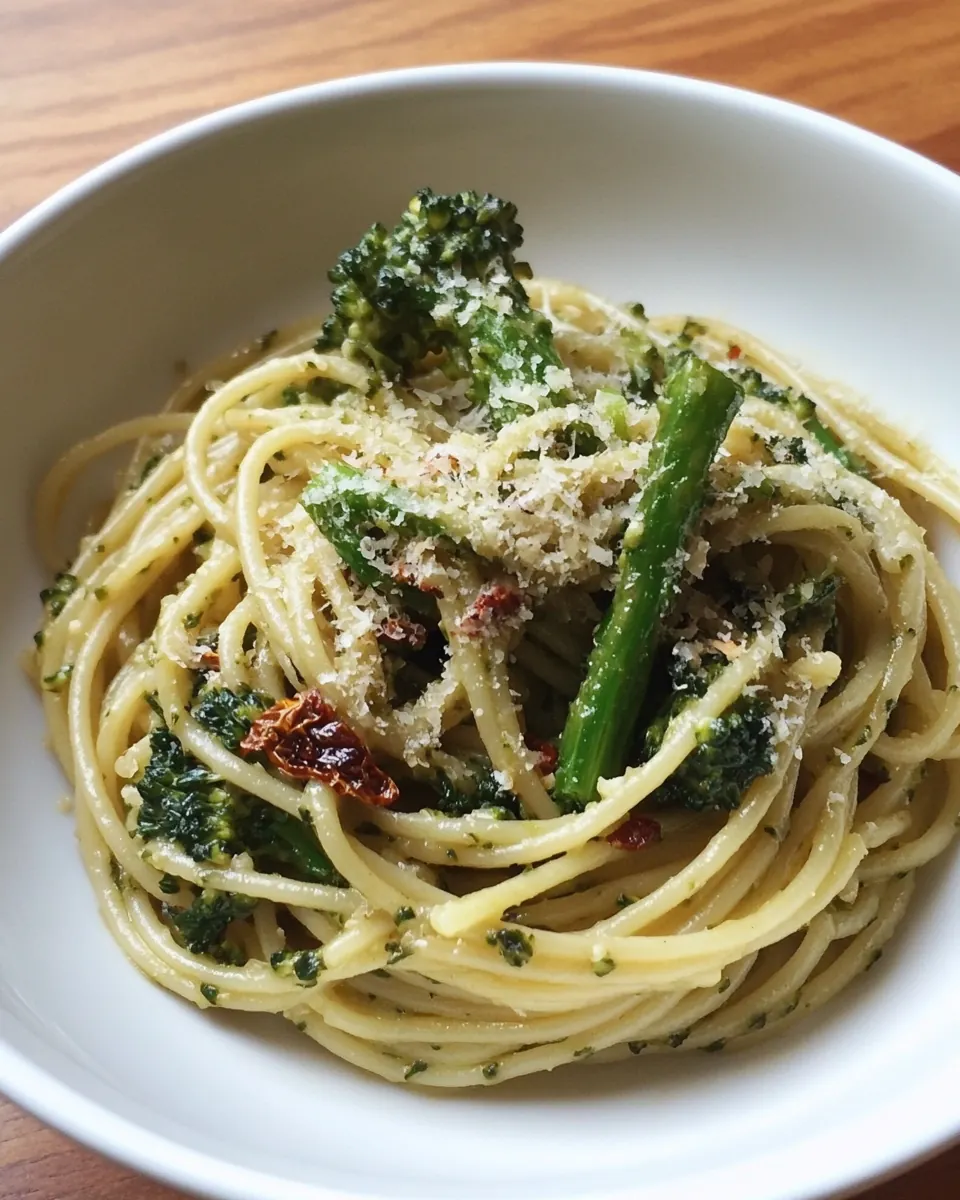
These steps guide you through timing, texture, and seasoning. I like to move confidently but gently, paying attention to how the pasta and greens feel and smell. Below, the directions are expanded into personal, sensory rich guidance so you know exactly when to act.
- Bring a large pot of salted water to boil.: The steam will smell clean and slightly metallic as the water reaches a rolling boil, and you will hear a lively bubbling sound. Salting the water is essential because it seasons the spaghetti from the inside out, enhancing the final dish, so aim for the water to taste slightly like the sea. A common mistake is under salting, which results in flat tasting pasta, so be generous but not excessive. Use a pot large enough that the pasta can move freely, this prevents sticking and ensures even cooking.
- Trim the broccoli rabe stems, removing the thick bottom third. Remove any leaves from the stalk – you can leave some towards the top. Roughly chop the cleaned rabe into 1-inch pieces.: As you trim, the greens release a fresh, earthy scent and the stems reveal a firmer, vegetal snap when bent. Keeping the tender leaves and removing the woody bottoms balances texture, ensuring the thicker stems become tender without the leaves turning to mush. Avoid cutting the pieces too small, or they will disintegrate into the pasta; conversely, leaving them too large can make biting awkward. Consistent size helps even cooking and a pleasant mouthfeel.
- Cook the spaghetti according to package directions. 3 minutes before al dente, add the broccoli to the pot.: The water will roar when you add the spaghetti , and later you will notice the pasta surface become slightly glossy as the starch releases. Adding the broccoli rabe three minutes before the end allows the stems to soften while the leaves keep their color and bite. This technique fuses the cooking steps and reduces dishes, which I prefer on busy nights. A frequent error is adding the greens too early, which makes them limp and dull in color; time them so they remain lively.
- When the pasta is cooked to your liking, drain the pot in a colander in the sink and shake it to remove any excess water.: As you lift the colander, you will see steam rising and hear the faint drip of hot water, while the pasta glistens with a light starch sheen. Give the colander a gentle shake to remove excess water but do not rinse, because the pasta surface needs the residual starch to bind with the sundried tomato paste and pecorino cheese . A common slip is rinsing the pasta, which strips flavor and prevents the sauce from adhering properly, so avoid that. Let the residual moisture remain; it helps create a cohesive sauce when tossed.
- Toss the cooked pasta and rabe with the tomato paste, half of the pecorino, and a drizzle of olive oil (if necessary). Taste for seasoning and add salt and pepper as necessary. Divide between two bowls and garnish with the remaining cheese.: Here you will smell the concentrated tomato and feel the glossy finish as you fold everything together. The paste should break up and cling to the strands, while the pecorino cheese begins to melt and lend a creamy, savory lift. Use moderate force when tossing so the ingredients combine evenly without bruising the greens. If the mixture seems dry, add a touch more Olive oil or a tablespoon of reserved pasta water to loosen it. A misstep is adding too much oil at once, which can make the dish greasy; instead, add gradually until you reach a silky coating. Taste and add salt and pepper as necessary, then divide between bowls and garnish with the remaining cheese so each serving has a bright finish.
Customization Ideas
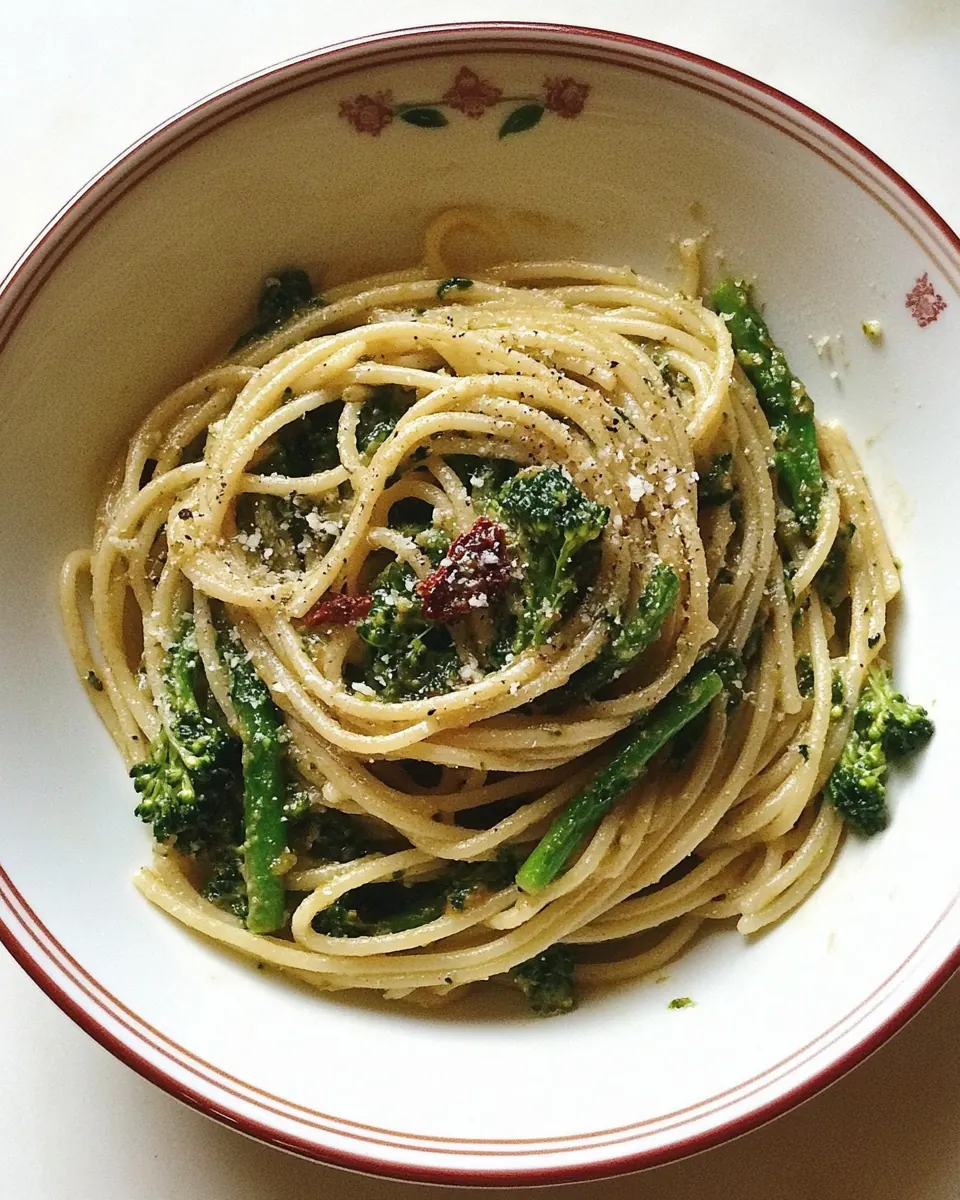
This recipe is flexible by design, letting you tweak texture and intensity without losing its core identity. Below are practical customization ideas to adapt the dish to what you have or prefer, each starting with a bold phrase for clarity.
- Swap pasta type If you want a gluten free option or nuttier flavor, use quinoa or brown rice spaghetti exactly as suggested in the ingredient line, adjusting cook time so it remains al dente.
- Boost umami Add a small spoonful more sundried tomato paste if you prefer a deeper tomato concentration, but add incrementally to avoid overpowering the greens.
- Adjust cheese If you want a sharper finish, increase the pecorino cheese slightly while watching salt levels, since the cheese brings a pronounced salty tang.
- Control bitterness If the broccoli rabe tastes very bitter, blanch it separately for a minute then shock in cold water before adding, this moderates the bite while keeping color.
- Olive oil finish Use a small, high quality drizzle of Olive oil at the end to add fruitiness and create a glossy, elegant plate without excess oiliness.
Serving This Spaghetti with Broccoli Rabe and Sundried Tomato Paste
This pasta works well across occasions, from easy weeknight dinners to casual weekend lunches. It pairs with simple sides and stores well, making it practical for meal prep and inviting enough for relaxed gatherings.
- Serve warm in shallow bowls Present the pasta in warm shallow bowls so the heat keeps the pecorino cheese melting and the flavors lively, finishing with a sprinkle of the remaining cheese for presentation.
- Side suggestions Offer a crisp green salad dressed lightly for contrast, the freshness offsets the savory density of the pasta and keeps the meal balanced.
- Occasion pairing This is ideal for casual dinners or a spring lunch, bring it out when you want something unfussy but distinctive.
- Storage tips Cool the pasta quickly, transfer to an airtight container, and refrigerate up to three days; reheat gently with a splash of water or a little extra Olive oil to restore creaminess.
- Make ahead strategy Prepare the components separately, keep the broccoli rabe and pasta chilled, then toss with the sundried tomato paste and pecorino cheese just before serving so textures remain optimal.
FAQ
Conclusion
This recipe stands out for its harmonious blend of bitter greens, concentrated sundried tomato flavor, and salty pecorino that together create a quick but memorable pasta. Give it a try on a busy weeknight or when you want a simple, flavorful meal that feels a bit special. I hope it becomes one of your reliable go to dinners, offering bold taste with minimal fuss and ingredients you can keep on hand.
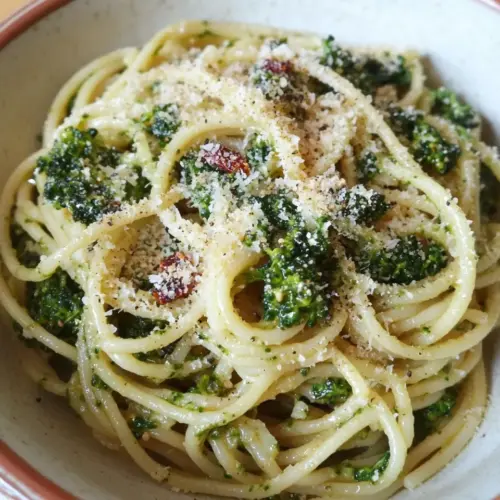
Spaghetti with Broccoli Rabe and Sundried Tomato Paste
Equipment
- Large Pot
- Colander
Ingredients
- 1 large bunch broccoli rabe Blanch and chop to tame bitterness while preserving bright green color; provides a peppery, leafy backbone and textural contrast to the pasta. Use both stems and leaves for variety in bite and a robust, slightly bitter flavor that pairs well with cheese and tomato paste.
- 1/2 pounds spaghetti quinoa, brown rice, or regular, if you like Boil until al dente according to package instructions to offer the starchy base and vehicle for flavors; acts as the main source of carbohydrates and bulk in the dish. Choose quinoa, brown rice, or regular spaghetti to adjust texture and nutrition while keeping cooking time in mind.
- 2 heaping tablespoons sundried tomato paste recipe follows Stir in concentrated for intense umami and sweet-tart depth; binds with olive oil to create a glossy, savory coating for pasta and greens. Use sparingly at first then adjust to taste, as the concentrated paste will dominate if overused.
- 1/4 cup grated pecorino cheese Grate finely and sprinkle at the end to add salty, nutty, and tangy notes; helps balance the bitterness of the greens and the acidity of the tomato paste. Pecorino also contributes a creamy mouthfeel when melted into the warm pasta and oil.
- Olive oil Drizzle and sauté to carry and meld flavors, creating a silky finish and helping tomato paste adhere to pasta and broccoli rabe. Use extra-virgin olive oil for aroma and to gently soften the greens without overpowering delicate components.
Instructions
- Bring a large pot of salted water to boil.: The steam will smell clean and slightly metallic as the water reaches a rolling boil, and you will hear a lively bubbling sound. Salting the water is essential because it seasons the spaghetti from the inside out, enhancing the final dish, so aim for the water to taste slightly like the sea. A common mistake is under salting, which results in flat tasting pasta, so be generous but not excessive. Use a pot large enough that the pasta can move freely, this prevents sticking and ensures even cooking.
- Trim the broccoli rabe stems, removing the thick bottom third. Remove any leaves from the stalk - you can leave some towards the top. Roughly chop the cleaned rabe into 1-inch pieces.: As you trim, the greens release a fresh, earthy scent and the stems reveal a firmer, vegetal snap when bent. Keeping the tender leaves and removing the woody bottoms balances texture, ensuring the thicker stems become tender without the leaves turning to mush. Avoid cutting the pieces too small, or they will disintegrate into the pasta; conversely, leaving them too large can make biting awkward. Consistent size helps even cooking and a pleasant mouthfeel.
- Cook the spaghetti according to package directions. 3 minutes before al dente, add the broccoli to the pot.: The water will roar when you add the spaghetti , and later you will notice the pasta surface become slightly glossy as the starch releases. Adding the broccoli rabe three minutes before the end allows the stems to soften while the leaves keep their color and bite. This technique fuses the cooking steps and reduces dishes, which I prefer on busy nights. A frequent error is adding the greens too early, which makes them limp and dull in color; time them so they remain lively.
- When the pasta is cooked to your liking, drain the pot in a colander in the sink and shake it to remove any excess water.: As you lift the colander, you will see steam rising and hear the faint drip of hot water, while the pasta glistens with a light starch sheen. Give the colander a gentle shake to remove excess water but do not rinse, because the pasta surface needs the residual starch to bind with the sundried tomato paste and pecorino cheese . A common slip is rinsing the pasta, which strips flavor and prevents the sauce from adhering properly, so avoid that. Let the residual moisture remain; it helps create a cohesive sauce when tossed.
- Toss the cooked pasta and rabe with the tomato paste, half of the pecorino, and a drizzle of olive oil (if necessary). Taste for seasoning and add salt and pepper as necessary. Divide between two bowls and garnish with the remaining cheese.: Here you will smell the concentrated tomato and feel the glossy finish as you fold everything together. The paste should break up and cling to the strands, while the pecorino cheese begins to melt and lend a creamy, savory lift. Use moderate force when tossing so the ingredients combine evenly without bruising the greens. If the mixture seems dry, add a touch more Olive oil or a tablespoon of reserved pasta water to loosen it. A misstep is adding too much oil at once, which can make the dish greasy; instead, add gradually until you reach a silky coating. Taste and add salt and pepper as necessary, then divide between bowls and garnish with the remaining cheese so each serving has a bright finish.
Notes
- Swap pasta type If you want a gluten free option or nuttier flavor, use quinoa or brown rice spaghetti exactly as suggested in the ingredient line, adjusting cook time so it remains al dente.
- Boost umami Add a small spoonful more sundried tomato paste if you prefer a deeper tomato concentration, but add incrementally to avoid overpowering the greens.
- Adjust cheese If you want a sharper finish, increase the pecorino cheese slightly while watching salt levels, since the cheese brings a pronounced salty tang.
- Control bitterness If the broccoli rabe tastes very bitter, blanch it separately for a minute then shock in cold water before adding, this moderates the bite while keeping color.
- Olive oil finish Use a small, high quality drizzle of Olive oil at the end to add fruitiness and create a glossy, elegant plate without excess oiliness.
