Lemon Chicken Orzo Soup
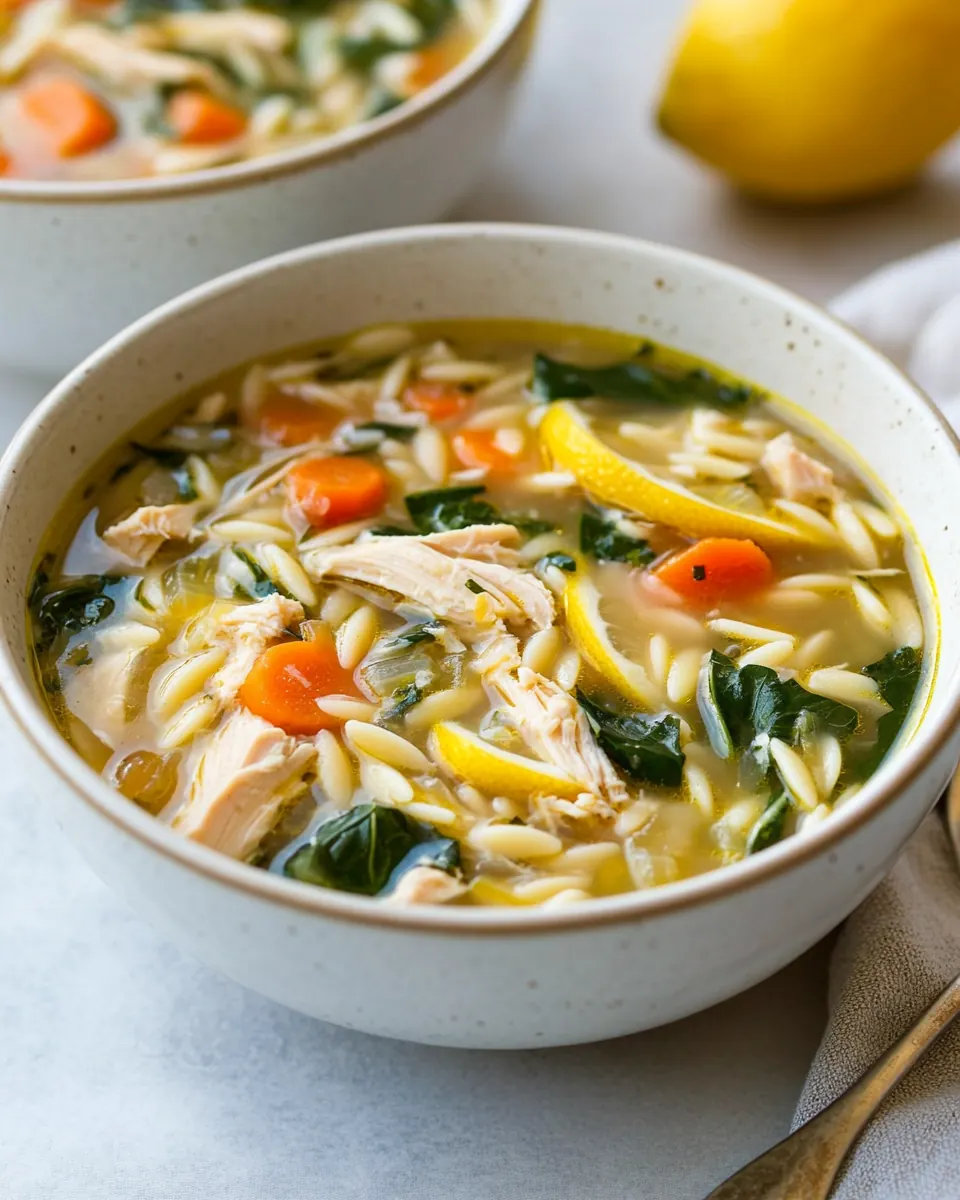
Lemon Chicken Orzo Soup is one of those comforting bowls I turn to when I want something both bright and nourishing. The first time I made it I was chasing warmth on a drizzly evening, and the lemon brightened the whole kitchen while the chicken and orzo filled my house with an irresistible, savory aroma. I remember tasting it straight from the pot and smiling because it felt like both a cozy hug and a sunny pause in the day.
Over the years I’ve adapted little things, like searing the chicken first to get those browned edges that add depth, and always keeping a parmesan rind simmering in the broth for a subtle, silky umami. This soup follows a rhythm I love, it moves from a quick sauté to a gentle simmer, and each stage rewards you with a different kind of comfort. When I’m short on time, it’s a reliable weeknight winner, and when I want to impress, the lemon and parmesan make it taste special without fuss.
Recipe Snapshot
50 mins
20 mins
30 mins
Medium
350 kcal
American
Paleo, Whole30
Soups
Large enameled pot, Cutting board, Knife, Tongs, Instant read thermometer
Why This Lemon Chicken Orzo Soup Shines
Bright and Balanced Flavor
I love how Lemon Chicken Orzo Soup balances tang and savory. The fresh lemon juice wakes up the gentle, rich broth, while the parmesan rind and seared chicken add warm, savory depth. You get lift and comfort in a single spoon.
Comforting Texture Contrast
The tender, bite size pieces of chicken paired with soft, slightly toothsome orzo creates a soothing contrast. The chopped spinach folds in at the end, giving a pop of green and a pleasing silkiness that keeps each mouthful interesting.
Fast Enough for Weeknights
I often make this when dinners need to be quick but thoughtful. Searing the chicken briefly, then simmering with the broth and orzo lets the soup come together in about an hour from start to finish, so it fits into busy evenings without sounding like a compromise.
Built in Umami and Flexibility
Keeping a parmesan rind simmering in the pot is a tiny trick that fills the broth with a subtle, savory backbone. That little addition makes the soup feel layered and restaurant quality. I also appreciate that the recipe is forgiving, you can nudge the lemon or salt to make it sing the way your family likes.
Nutrition with Soul
This recipe gives you lean protein from chicken, vegetables like carrots and celery, and a boost of greens from spinach. It comforts without weighing you down, which is exactly what I want on chilly evenings or when someone needs a gentle, nourishing meal.
What to Buy for Lemon Chicken Orzo Soup
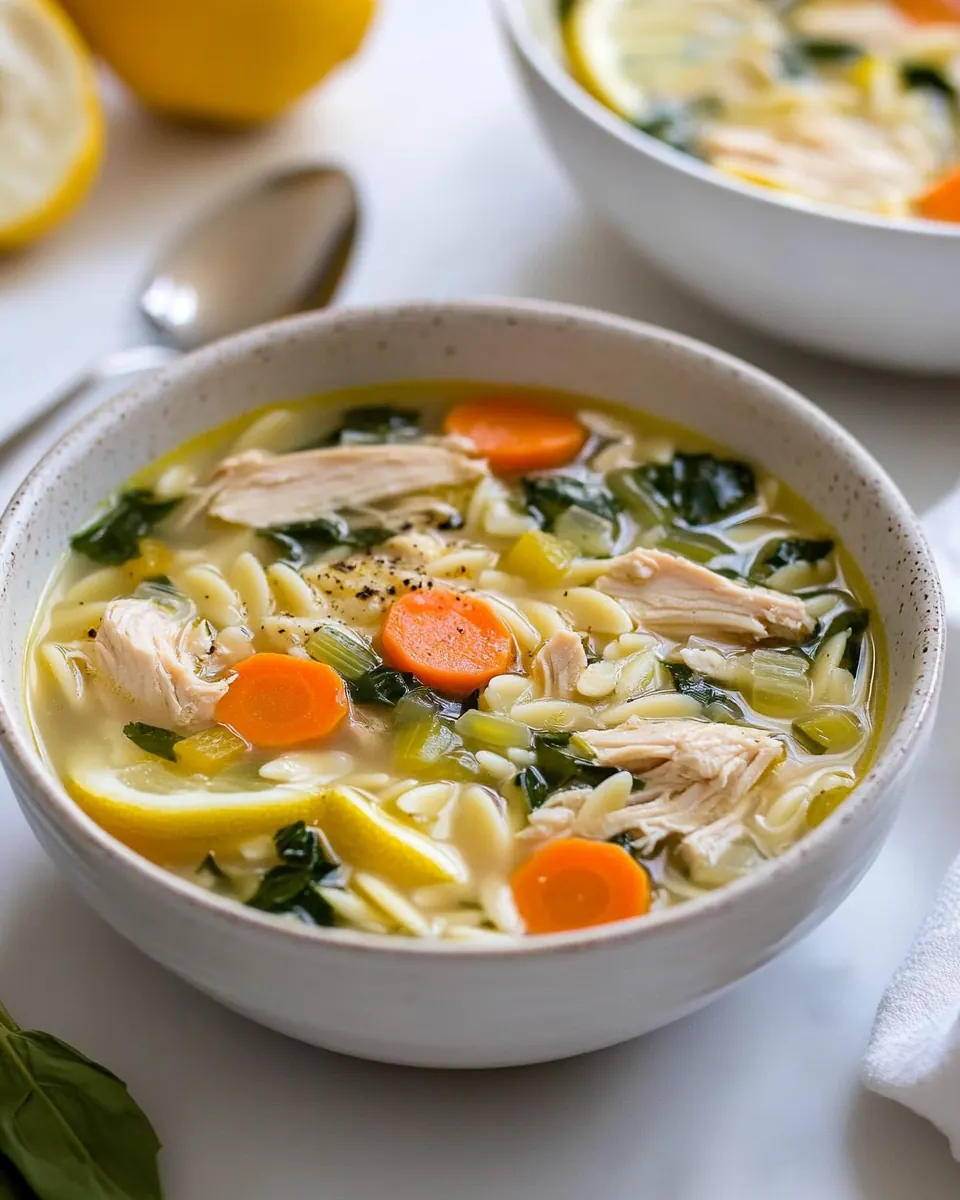
These ingredients come together with purpose. I think of the broth and parmesan rind as the flavor foundation, the chicken and orzo as the hearty center, and the vegetables and lemon as brighteners that keep every spoonful lively. The key players work in concert to make a soup that is cozy, clear, and deeply satisfying.
- 1 lb boneless, skinless chicken breasts: Poach gently to provide lean, tender protein that absorbs the soup's flavors; cut or shred after cooking to distribute evenly through the broth and orzo.
- Salt and freshly ground black pepper: Season generously to enhance and balance the soup's savory and acidic elements; grind freshly for a brighter, more complex finish before serving.
- 2 tbsp olive oil: Sauté at medium heat to develop a light, fruity base and prevent sticking; use to sweat the aromatics and create a smooth mouthfeel in the broth.
- 1 1/2 cups chopped carrots (about 3 large): Simmer until tender to add sweet, earthy notes and body; chop to similar sizes as the celery to ensure even cooking and pleasant texture in each spoonful.
- 1 1/2 cups chopped celery (about 3 stalks): Cook until softened to contribute a mild, aromatic backbone and slight crunch; slice consistently so it breaks down evenly and complements the carrots.
- 1 1/2 cups chopped yellow onion (1 medium): Sweat until translucent to provide a sweet, savory foundation and umami depth; dice finely to meld with other vegetables and release sugars into the broth.
- 5 cloves garlic, minced: Sauté briefly to release pungent, aromatic oils that brighten the soup; mince finely so the garlic integrates without overpowering the other flavors.
- 7 cups chicken broth: Simmer as the flavorful liquid base that carries all ingredients; choose a low-sodium version if you prefer more control over final seasoning.
- 1 parmesan rind, plus shredded parmesan for serving: Infuse slowly to add deep, nutty umami and a savory backbone; remove before serving but leave some cooked rind pieces for extra richness if desired.
- 1 1/2 tsp dried oregano: Sprinkle to introduce warm, slightly bitter herbal notes and Mediterranean character; stir in early so the dried herb rehydrates and melds with the broth.
- 1/2 tsp each dried basil, thyme and rosemary: Season lightly to contribute subtle piney, floral, and earthy hints; use a balanced measure so the trio supports rather than dominates the soup's profile.
- 1 cup (6 oz) dried orzo pasta: Cook until al dente to offer tender, comforting graininess that thickens the broth slightly; measure carefully to prevent overcooking and mushiness.
- 1 1/2 tsp lemon zest: Zest finely to provide concentrated citrus oils that lift and brighten the overall flavor; add toward the end of cooking to preserve fresh aroma.
- 1/4 cup fresh lemon juice, or more to taste: Squeeze freshly to supply bright acidity that balances richness and elevates flavors; adjust amount to taste for ideal tartness and freshness.
- 5 oz (5 packed cups) fresh spinach, roughly chopped: Wilt briefly to impart fresh, leafy color and a mild mineral note; chop coarsely so the spinach retains pleasant texture and blends easily into the soup.
Cooking Method for Lemon Chicken Orzo Soup
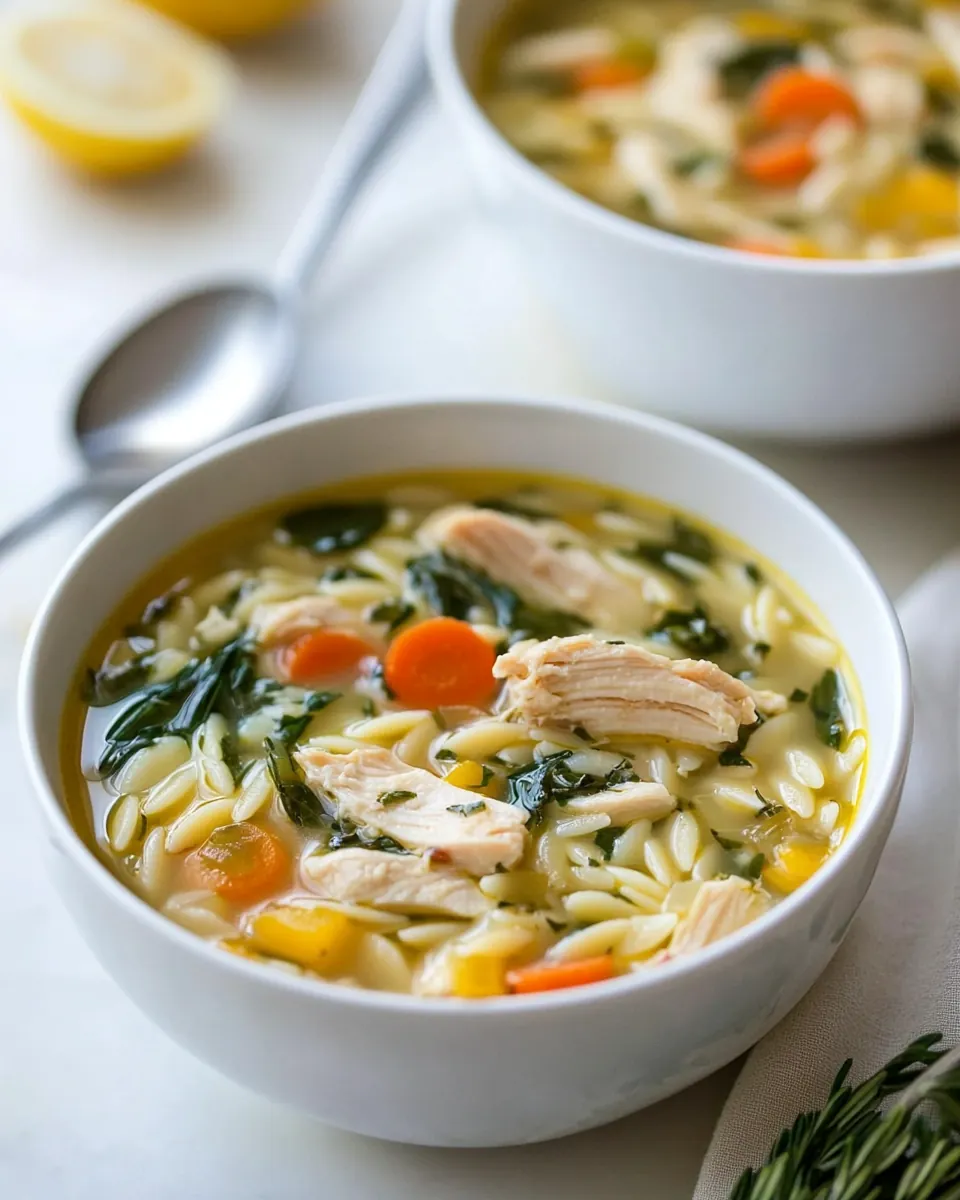
This recipe moves from searing to simmering to finishing in a rhythm that rewards attention. We start with high heat to build flavor on the chicken, then soften the aromatics, and finish by folding in orzo, lemon and spinach so the textures remain distinct. Keep an eye on the orzo timing so it does not overcook.
- Place chicken on a cutting board, cover with plastic wrap and pound evenly to about 1/2-inch thickness. Dab chicken dry with paper towels and season chicken with salt and pepper on both sides.: Right away you will notice the chicken taking on a uniform thickness, which helps it cook evenly and prevents dry edges. Patting it dry gives the surface a matte finish, which is a good sign before it hits hot oil because moisture will steam and block browning. When you pound the chicken listen for the subtle change in texture as the meat loosens up and becomes more tender. A common mistake is pounding too thin or unevenly, which leads to one edge drying out, so aim for even pressure. Visually you want the breast to be roughly the same thickness across the piece, and you should still see a little grain in the meat when done. If your chicken feels very wet, blot again, season, and wait a minute before searing so the surface dries slightly.
- Heat 2 tbsp olive oil in a large enameled cast iron pot over medium-high heat. Add chicken and sear on both sides until browned, about 2 – 3 minutes per side. Transfer chicken to plate leaving oil in pan.: As the oil warms it will thin and shimmer, and you should hear an immediate sizzle when the chicken hits the pan, a sound that promises good caramelization. Browning creates Maillard flavor compounds, those deep, roasted notes that give the soup complexity. You want a golden brown crust, not blackened char, so watch the color and adjust heat as needed. After searing, the chicken will still be slightly underdone in the center, which is fine since it will finish in the simmering broth. A frequent error is crowding the pan, which lowers the temperature and results in steaming instead of searing, so sear in batches if necessary and keep the oil in the pot for the next step.
- Add carrots, celery and onion and sauté until nearly softened about 6 to 8 minutes. Move veggies to the side, add garlic and sauté 1 minute.: As the vegetables cook, they will release a sweet, savory aroma and the pan will glow with softened, golden edges. Sautéing until nearly tender unlocks their natural sugars and builds the aromatic backbone of the soup. Pushing them to the side before adding the garlic prevents the garlic from burning, because garlic cooks much faster and will become bitter if overdone. You should see translucent onions and lightly softened carrots, and hear a gentle, faint sizzle. A common pitfall is rushing this step, which leaves raw, sharp vegetable flavors; patience here pays off in a balanced final broth.
- Pour in chicken broth, add parmesan rind, oregano, basil, thyme, rosemary and season with salt and pepper to taste. Return chicken to pot and bring to a simmer.: When the broth hits the pan you will sense a lift in steam and a melding of aromas as herb oils bloom and the parmesan rind starts releasing umami. The broth should look glossy and smell richly savory. Returning the seared chicken to the pot lets it finish gently, sealing juices and soaking up the seasoned liquid. Bring the pot to a gentle simmer, not a vigorous boil, because a strong boil can make proteins tough and cloud the broth. Avoid overseasoning early; flavors concentrate as the liquid reduces, so taste later and adjust.
- Add orzo, reduce heat to medium-low, cover and simmer stirring occasionally, about 4 – 8 minutes or until chicken is cooked through (it should register 165 degrees in center on an instant read thermometer).: As the orzo joins the simmer, you will see little whirlpools as it softens and releases a faint, starchy scent. Stirring occasionally prevents the pasta from clumping and sticking to the pot. The chicken will come to a safe internal temperature while staying tender, and the broth will thicken slightly from the pasta starch. The sound softens to a gentle bubbling, and the broth should shimmer but not aggressively boil. A typical mistake is walking away and letting the orzo overcook into mush, so keep an eye on texture and test early.
- Remove parmesan rind and chicken and transfer chicken to a cutting board. Let chicken rest 3 to 5 minutes then cut into very small cubes, about the length of the orzo. Meanwhile continue to cook soup until orzo is tender a few minutes longer.: Removing the parmesan rind keeps the texture clean while you chop the chicken . Resting the chicken allows juices to redistribute, so the cubes stay moist when returned to the pot. As you slice, notice the meat fibers and aim for pieces that are roughly the size of the orzo so each spoonful has balanced bites. Continue cooking the soup until the orzo is tender to the bite, watching for the way the liquid looks slightly thicker and the bubbles slow down. A common error is cutting the chicken when too hot, which scatters juices; let it rest briefly so the texture holds.
- Return chicken to soup along with lemon juice, lemon zest and spinach and heat through. Serve warm with parmesan cheese. Note that as soup rests the pasta will absorb the broth so you can add a little more broth as desired.: Adding the lemon juice , zest and spinach at the end preserves bright citrus aroma and fresh green color while the heat wilts the leaves to silk. The bowl will perfume the kitchen with citrus and savory notes together, a signal the soup is ready. Serve with shredded parmesan to add salty, melty richness on top. Be mindful that the orzo continues to soak up liquid as it cools, so keep extra hot broth on hand if you plan to store leftovers. A common oversight is adding lemon too early, which flattens the brightness, so finish with citrus for a lively finish.
Substitutions and Tips
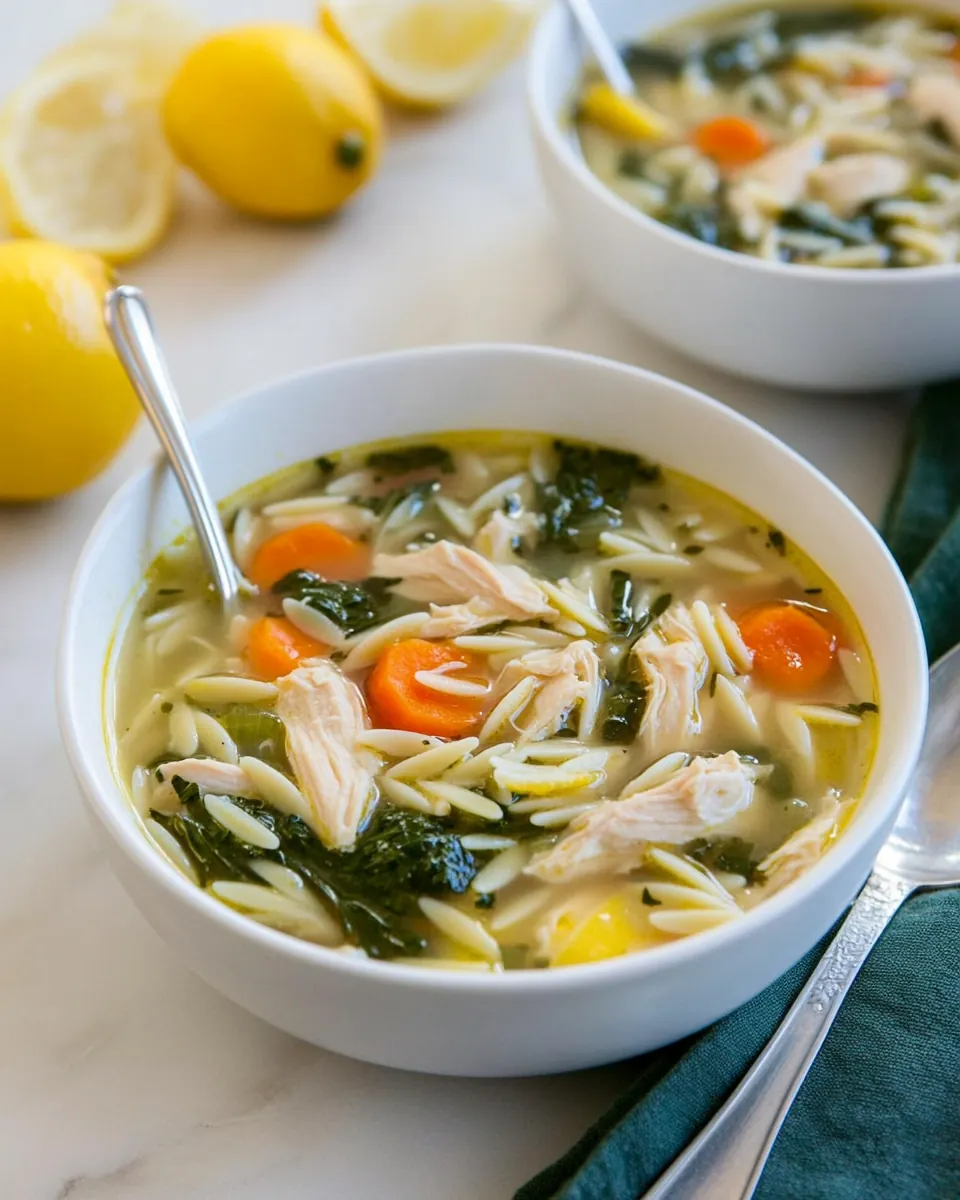
This short intro explains how small swaps and technique notes can keep your Lemon Chicken Orzo Soup flexible and forgiving. Below are practical tips I use when I tweak the recipe or when I want to save time without losing character.
- Scale the citrus: If you prefer milder brightness, start with half the listed lemon juice and add more to taste at the end, that way the soup stays balanced and not puckery.
- Parmesan rind trick: If you do not have a parmesan rind, a few tablespoons of grated parmesan added early will help build umami, but the rind gives a silkier depth when simmered and removed.
- Texture control for orzo: To avoid a mushy outcome, taste the orzo a minute or two before the minimum cook time and stop when it is al dente, remembering it will soften more as it sits.
- Leftover rescue: If leftovers are too thick because the orzo absorbed broth, gently reheat with a splash of warm chicken broth to loosen the soup and refresh flavors.
- Spinach timing: Add the chopped spinach at the very end and warm through only until wilted, this preserves color and keeps the leaves tender, not soggy.
Accompaniments for Lemon Chicken Orzo Soup
This soup plays well with simple sides and can suit casual weeknights or a slightly more formal family dinner. The list below covers serving ideas, storage, and pairing suggestions so you can plan the whole meal around the bowl.
- Crusty bread for dunking: A warm loaf or slices of toasted bread are perfect for soaking up the savory, lemony broth, creating a satisfying texture contrast with the silky soup.
- Light green salad: Pairing the soup with a crisp salad dressed in a simple vinaigrette adds a refreshing counterpoint and brightens the meal for lunch or lighter dinners.
- Easy weeknight occasion: This recipe is ideal for busy evenings when you need a complete, nourishing meal that comes together quickly and leaves little cleanup.
- Dinner for someone under the weather: The gentle, warm broth, tender chicken and bright lemon make it a soothing choice when someone needs comfort without heavy foods.
- Storage and reheating: Keep soup refrigerated in an airtight container up to three days, and reheat gently with a splash of chicken broth to restore consistency and warmth.
- Seasonal pairing: In colder months the bowl feels restorative and cozy, while in milder weather the citrus lift keeps it feeling fresh and suitable for spring evenings.
FAQ
Conclusion
What makes this soup special is the balance of bright citrus and savory depth, paired with tender chicken and comforting orzo. Give it a try on a chilly evening or when you want a nourishing, easy meal that still feels thoughtfully made. I hope this becomes one of your go to recipes when you want something both soothing and lively.

Lemon Chicken Orzo Soup
Equipment
- Large enameled pot
- Cutting Board
- Knife
- Tongs
- Instant read thermometer
Ingredients
- 1 lb boneless, skinless chicken breasts Poach gently to provide lean, tender protein that absorbs the soup's flavors; cut or shred after cooking to distribute evenly through the broth and orzo.
- Salt and freshly ground black pepper Season generously to enhance and balance the soup's savory and acidic elements; grind freshly for a brighter, more complex finish before serving.
- 2 tbsp olive oil Sauté at medium heat to develop a light, fruity base and prevent sticking; use to sweat the aromatics and create a smooth mouthfeel in the broth.
- 1 1/2 cups chopped carrots (about 3 large) Simmer until tender to add sweet, earthy notes and body; chop to similar sizes as the celery to ensure even cooking and pleasant texture in each spoonful.
- 1 1/2 cups chopped celery (about 3 stalks) Cook until softened to contribute a mild, aromatic backbone and slight crunch; slice consistently so it breaks down evenly and complements the carrots.
- 1 1/2 cups chopped yellow onion (1 medium) Sweat until translucent to provide a sweet, savory foundation and umami depth; dice finely to meld with other vegetables and release sugars into the broth.
- 5 cloves garlic, minced Sauté briefly to release pungent, aromatic oils that brighten the soup; mince finely so the garlic integrates without overpowering the other flavors.
- 7 cups chicken broth Simmer as the flavorful liquid base that carries all ingredients; choose a low-sodium version if you prefer more control over final seasoning.
- 1 parmesan rind, plus shredded parmesan for serving Infuse slowly to add deep, nutty umami and a savory backbone; remove before serving but leave some cooked rind pieces for extra richness if desired.
- 1 1/2 tsp dried oregano Sprinkle to introduce warm, slightly bitter herbal notes and Mediterranean character; stir in early so the dried herb rehydrates and melds with the broth.
- 1/2 tsp each dried basil, thyme and rosemary Season lightly to contribute subtle piney, floral, and earthy hints; use a balanced measure so the trio supports rather than dominates the soup's profile.
- 1 cup (6 oz) dried orzo pasta Cook until al dente to offer tender, comforting graininess that thickens the broth slightly; measure carefully to prevent overcooking and mushiness.
- 1 1/2 tsp lemon zest Zest finely to provide concentrated citrus oils that lift and brighten the overall flavor; add toward the end of cooking to preserve fresh aroma.
- 1/4 cup fresh lemon juice, or more to taste Squeeze freshly to supply bright acidity that balances richness and elevates flavors; adjust amount to taste for ideal tartness and freshness.
- 5 oz (5 packed cups) fresh spinach, roughly chopped Wilt briefly to impart fresh, leafy color and a mild mineral note; chop coarsely so the spinach retains pleasant texture and blends easily into the soup.
Instructions
- Place chicken on a cutting board, cover with plastic wrap and pound evenly to about 1/2-inch thickness. Dab chicken dry with paper towels and season chicken with salt and pepper on both sides.: Right away you will notice the chicken taking on a uniform thickness, which helps it cook evenly and prevents dry edges. Patting it dry gives the surface a matte finish, which is a good sign before it hits hot oil because moisture will steam and block browning. When you pound the chicken listen for the subtle change in texture as the meat loosens up and becomes more tender. A common mistake is pounding too thin or unevenly, which leads to one edge drying out, so aim for even pressure. Visually you want the breast to be roughly the same thickness across the piece, and you should still see a little grain in the meat when done. If your chicken feels very wet, blot again, season, and wait a minute before searing so the surface dries slightly.
- Heat 2 tbsp olive oil in a large enameled cast iron pot over medium-high heat. Add chicken and sear on both sides until browned, about 2 - 3 minutes per side. Transfer chicken to plate leaving oil in pan.: As the oil warms it will thin and shimmer, and you should hear an immediate sizzle when the chicken hits the pan, a sound that promises good caramelization. Browning creates Maillard flavor compounds, those deep, roasted notes that give the soup complexity. You want a golden brown crust, not blackened char, so watch the color and adjust heat as needed. After searing, the chicken will still be slightly underdone in the center, which is fine since it will finish in the simmering broth. A frequent error is crowding the pan, which lowers the temperature and results in steaming instead of searing, so sear in batches if necessary and keep the oil in the pot for the next step.
- Add carrots, celery and onion and sauté until nearly softened about 6 to 8 minutes. Move veggies to the side, add garlic and sauté 1 minute.: As the vegetables cook, they will release a sweet, savory aroma and the pan will glow with softened, golden edges. Sautéing until nearly tender unlocks their natural sugars and builds the aromatic backbone of the soup. Pushing them to the side before adding the garlic prevents the garlic from burning, because garlic cooks much faster and will become bitter if overdone. You should see translucent onions and lightly softened carrots, and hear a gentle, faint sizzle. A common pitfall is rushing this step, which leaves raw, sharp vegetable flavors; patience here pays off in a balanced final broth.
- Pour in chicken broth, add parmesan rind, oregano, basil, thyme, rosemary and season with salt and pepper to taste. Return chicken to pot and bring to a simmer.: When the broth hits the pan you will sense a lift in steam and a melding of aromas as herb oils bloom and the parmesan rind starts releasing umami. The broth should look glossy and smell richly savory. Returning the seared chicken to the pot lets it finish gently, sealing juices and soaking up the seasoned liquid. Bring the pot to a gentle simmer, not a vigorous boil, because a strong boil can make proteins tough and cloud the broth. Avoid overseasoning early; flavors concentrate as the liquid reduces, so taste later and adjust.
- Add orzo, reduce heat to medium-low, cover and simmer stirring occasionally, about 4 - 8 minutes or until chicken is cooked through (it should register 165 degrees in center on an instant read thermometer).: As the orzo joins the simmer, you will see little whirlpools as it softens and releases a faint, starchy scent. Stirring occasionally prevents the pasta from clumping and sticking to the pot. The chicken will come to a safe internal temperature while staying tender, and the broth will thicken slightly from the pasta starch. The sound softens to a gentle bubbling, and the broth should shimmer but not aggressively boil. A typical mistake is walking away and letting the orzo overcook into mush, so keep an eye on texture and test early.
- Remove parmesan rind and chicken and transfer chicken to a cutting board. Let chicken rest 3 to 5 minutes then cut into very small cubes, about the length of the orzo. Meanwhile continue to cook soup until orzo is tender a few minutes longer.: Removing the parmesan rind keeps the texture clean while you chop the chicken . Resting the chicken allows juices to redistribute, so the cubes stay moist when returned to the pot. As you slice, notice the meat fibers and aim for pieces that are roughly the size of the orzo so each spoonful has balanced bites. Continue cooking the soup until the orzo is tender to the bite, watching for the way the liquid looks slightly thicker and the bubbles slow down. A common error is cutting the chicken when too hot, which scatters juices; let it rest briefly so the texture holds.
- Return chicken to soup along with lemon juice, lemon zest and spinach and heat through. Serve warm with parmesan cheese. Note that as soup rests the pasta will absorb the broth so you can add a little more broth as desired.: Adding the lemon juice , zest and spinach at the end preserves bright citrus aroma and fresh green color while the heat wilts the leaves to silk. The bowl will perfume the kitchen with citrus and savory notes together, a signal the soup is ready. Serve with shredded parmesan to add salty, melty richness on top. Be mindful that the orzo continues to soak up liquid as it cools, so keep extra hot broth on hand if you plan to store leftovers. A common oversight is adding lemon too early, which flattens the brightness, so finish with citrus for a lively finish.
Notes
- Scale the citrus: If you prefer milder brightness, start with half the listed lemon juice and add more to taste at the end, that way the soup stays balanced and not puckery.
- Parmesan rind trick: If you do not have a parmesan rind, a few tablespoons of grated parmesan added early will help build umami, but the rind gives a silkier depth when simmered and removed.
- Texture control for orzo: To avoid a mushy outcome, taste the orzo a minute or two before the minimum cook time and stop when it is al dente, remembering it will soften more as it sits.
- Leftover rescue: If leftovers are too thick because the orzo absorbed broth, gently reheat with a splash of warm chicken broth to loosen the soup and refresh flavors.
- Spinach timing: Add the chopped spinach at the very end and warm through only until wilted, this preserves color and keeps the leaves tender, not soggy.