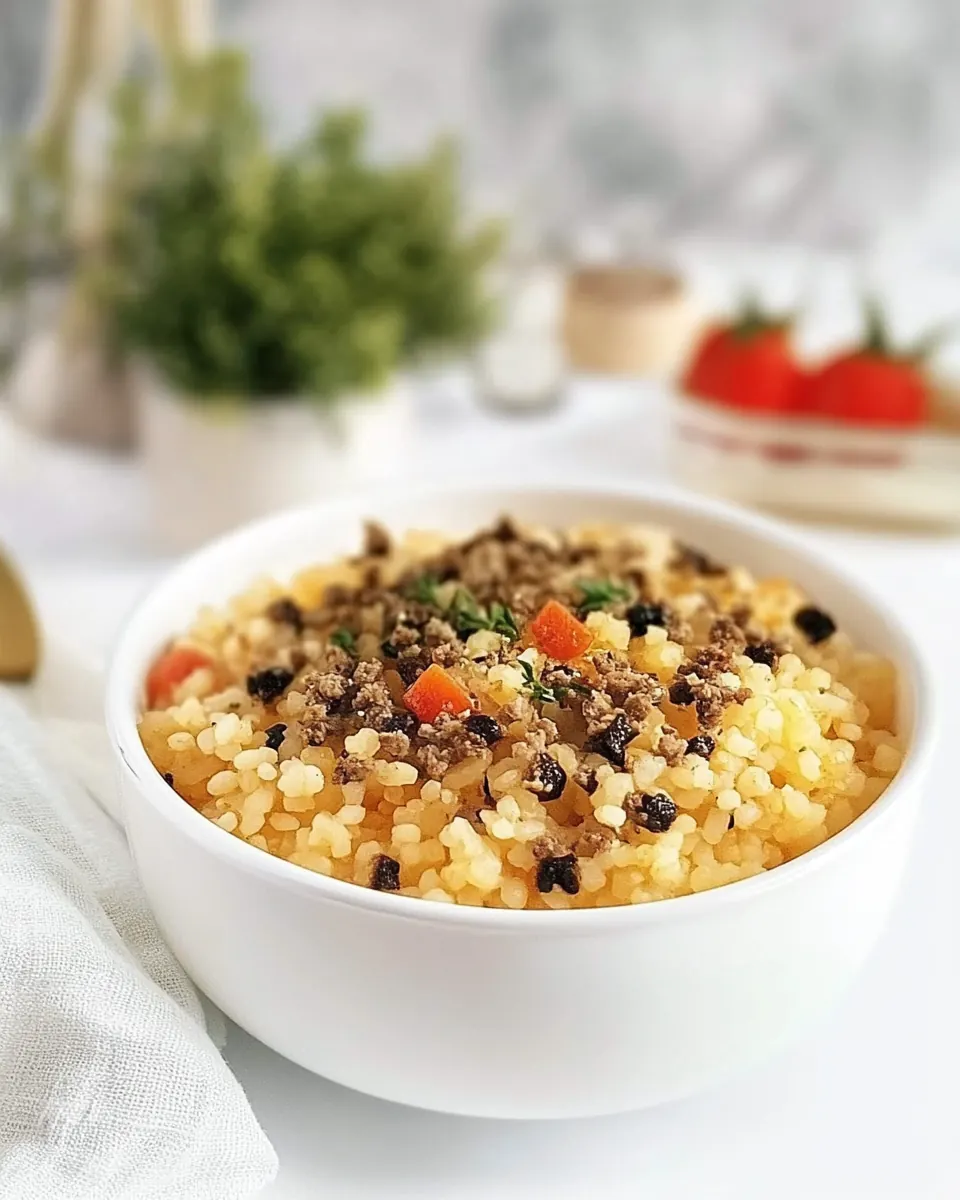
Kutia
Kutia has been one of those dishes that always arrives with a memory attached for me, a bowl that tastes like family gatherings and slow afternoons. Growing up, the first time I tasted this sweet grain dish it was at my grandmother’s table, the warm, nutty aroma of cooked white wheat and the gentle sweetness of honey filling the kitchen. I remember how the room softened when she set down the bowl, and everyone seemed to pause to savor that comforting bite.
Over time I learned to make Kutia my way, keeping the soul of the dish while tuning small details to suit my pantry and palate. I love the ritual of soaking the white wheat and the rhythmic thud when it is gently beaten to release the bran, a process that feels part craft and part meditation. When the poppy seeds are soaked and the raisins plump up, the texture contrast between tender grain and crunchy walnuts becomes the heart of the bowl.
There are so many little moments that make serving Kutia special. The way the honey warms and loosens, how the orange rind brightens the aroma, and how a final rest lets the flavors meld. I often make a batch the night before company arrives, letting it sit so the flavors deepen. When I scoop a spoonful, I still get that quiet satisfaction that made me fall in love with this recipe as a child.
Recipe Snapshot
2 hr 20 mins
10 mins
130 mins
Hard
250 kcal
Eastern European
Vegan, Paleo
Desserts
Pot, Cheese bag, Kitchen mallet or rolling pin, Sieve or colander
Why You Need This Kutia
Heirloom simplicity with rich flavor
I adore Kutia because it uses simple, honest ingredients and turns them into something unexpectedly luxurious. The combination of tender white wheat, fragrant poppy seeds, and crunchy walnuts creates layers of texture and flavor that feel celebratory without fuss. I find that recipes like this connect you to tradition, and the reward is a bowl that tastes rooted and real.
Textural contrast that keeps every bite interesting
One of the main reasons I reach for this dish when I want something memorable is the interplay of softness and crunch. The fluffy, slightly chewy cooked white wheat pairs beautifully with the tiny pop of poppy seeds and the bite of crushed walnuts. I love how each spoonful offers a new sensation, making it an engaging dish to eat slowly and enjoy company around.
Flexible and forgiving
What I appreciate is how forgiving Kutia is. If your raisins are drier than expected, a bit more soaking or a splash of warm liquid helps. If you like it looser, a touch of uzvar or extra honey adjusts the texture without breaking the dish. That flexibility makes it a reliable choice for different skill levels and pantry situations, so I often recommend it to friends looking for a comforting recipe that is hard to mess up.
Great for gatherings and quiet moments alike
I’ve made Kutia for holiday tables and for quiet breakfasts; it suits both. It feels special enough for celebrations yet humble enough for weekday mornings. When I serve it, people often pause and ask about the method, which I love because it starts a conversation about food and memory that I find deeply rewarding.
Natural sweetness, no fuss
The sweetness in Kutia comes from real ingredients like honey and plump raisins, which makes the flavor bright and comforting. I often tell friends this is dessert that also feels like breakfast, a nourishing bowl that satisfies without weighing you down. That honest sweetness is why I keep coming back to this recipe whenever I want food that comforts and connects.
Key Ingredients for Kutia
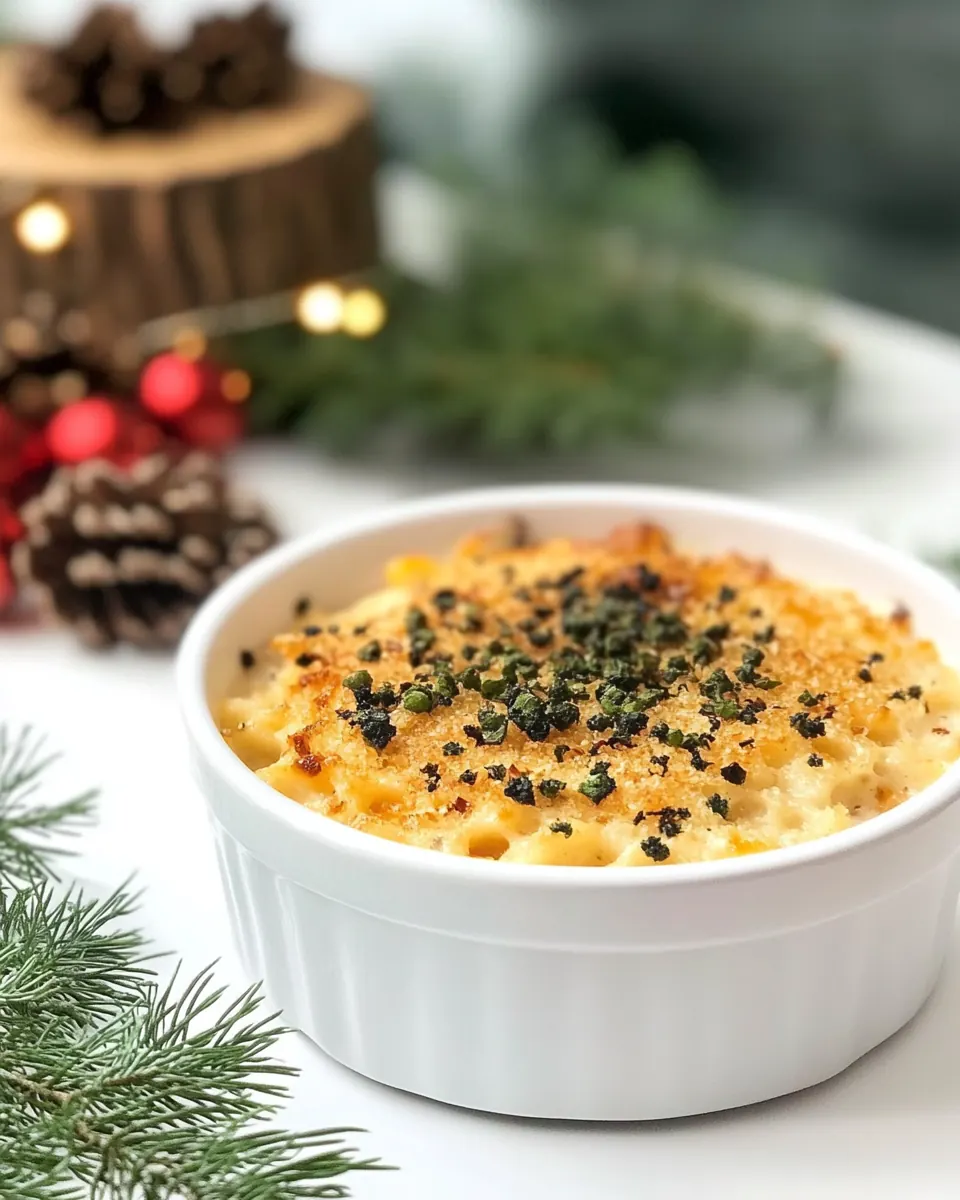
The ingredients for Kutia are straightforward and intentional. Each element plays a clear role, from the starchy base to the crunchy and sweet accents. Together they form a balanced bowl where texture and aroma are as important as taste. I focus on quality and gentle treatment of ingredients so the final dish feels both comforting and celebratory.
- 3 cups white wheat (3/4 lb): Soak and simmer to soften the kernels; yields the nutty base texture of the dessert and absorbs sweeteners and flavors. Provides a hearty, chewy foundation that contrasts with seeds and nuts, and can be prepared ahead to mellow flavors.
- 1/4 cup honey (2 oz): Sweeten and lightly flavor the mixture; binds ingredients together while adding floral complexity and natural sweetness. Balances the earthiness of wheat and poppy seeds without overpowering, and helps preserve the finished kutia slightly.
- 1 cup poppy seeds (4 oz): Grind or soak to release oils and aroma; contributes a distinctive mildly bitter, nutty poppy flavor and a silky texture. Adds visual speckling and a pleasant poppy-seed crunch when not fully ground, enhancing overall mouthfeel.
- 1 cup crushed walnuts (4 oz): Toast or fold in for crunch and richness; supplies a buttery, slightly bitter depth and satisfying texture contrast. Complements the wheat base and poppy seeds while offering protein and traditional characteristic flavor.
- several pieces orange rind: Zest or simmer for aromatic brightness; imparts citrus oils that lift and freshen the sweet, dense components of the dish. Small amounts add complexity and a fragrant counterpoint to the heavy grains and seeds.
- 1 cup raisins (prunes or cranberries may also be used): Plump and sweeten to add chewiness and concentrated fruit flavor; offers natural sugars and a sticky texture that helps bind components. Provides fruity notes and optional variation when substituted with prunes or cranberries for different flavor profiles.
Step by Step Instructions for Kutia
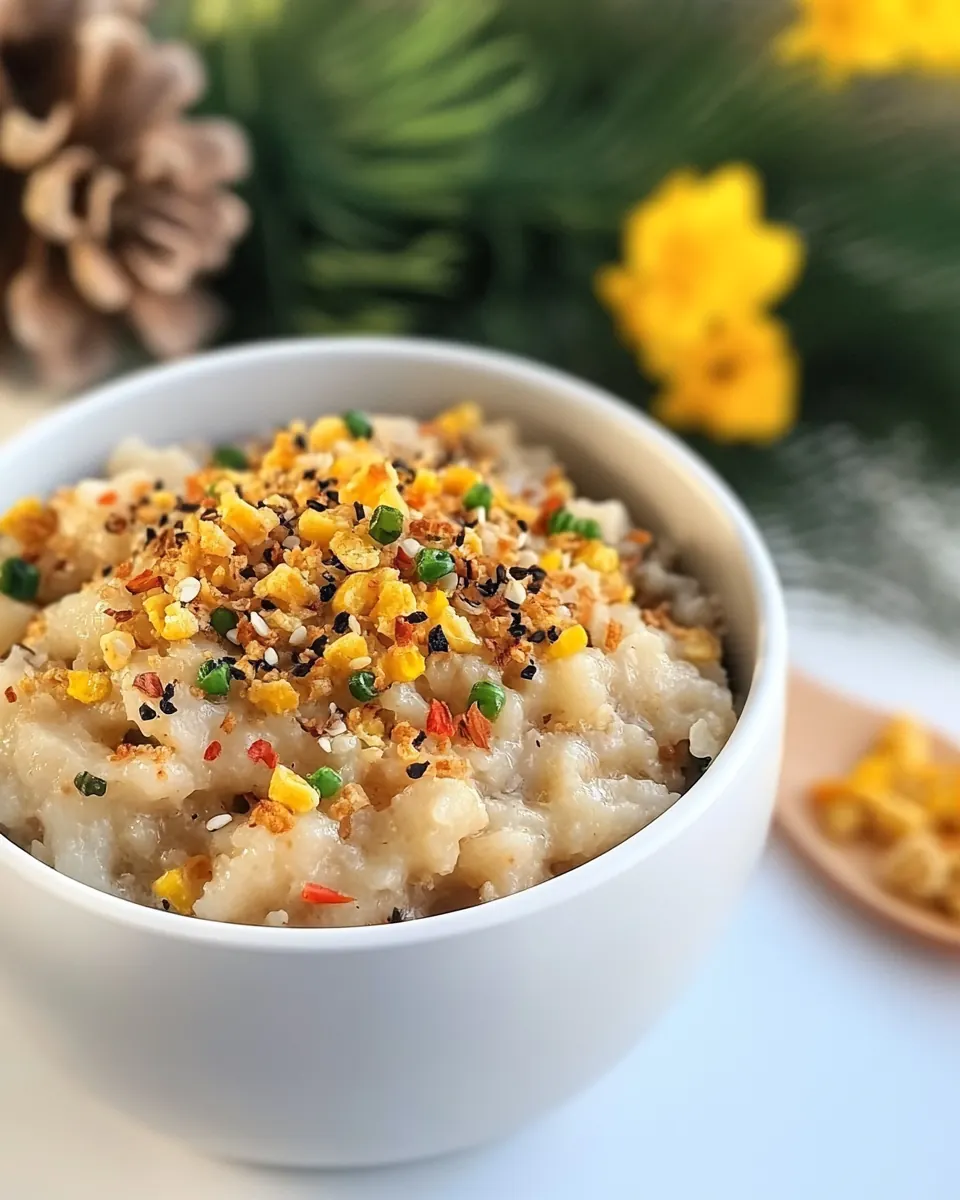
These steps take you through the traditional process with a hands on, sensory approach. I find the rhythm of soaking, beating, simmering, and mixing both calming and rewarding. Below, each step is expanded so you can sense what to look for and how to troubleshoot as you go.
- Rinse the wheat and cover it with water. Leave to soak for 24 hours.: When you first rinse the white wheat , you will notice cloudy water that clears as the surface dust washes away, and the grain takes on a slightly brighter tone. This initial rinse removes debris and prepares the kernels to absorb water evenly. A common misstep is not rinsing well enough, which leaves a dusty finish, so keep rinsing until the water runs clear.
- Place the soaked wheat in a cheese bag and beat it well with a kitchen mallet or a pin until the bran starts comes off.: After rinsing, the white wheat will swell and soften as it soaks, a quiet transformation you can feel when you press a kernel between your fingers. This long soak reduces overall cook time and helps the texture become tender yet intact. If you skip or shorten this step, you may face extended simmering and unevenly cooked kernels, so plan ahead to avoid that frustration.
- Rinse the wheat thoroughly.: The ritual of beating the soaked white wheat releases the bran and loosens the outer layers, which lightens the grain and contributes to a softer mouthfeel. You will hear a rhythmic tap, and the kernels will look slightly split as the bran separates. Use firm yet controlled strikes; overly aggressive pounding can crush the kernels into mush, which alters the final texture.
- Place the wheat in a pot with plenty of water and bring to a boil.: After beating, a thorough rinse removes released bran and any remaining grit, leaving the kernels clean and ready for cooking. The water will likely be more colored at first and then clear, signaling readiness. If you do not rinse well here, the final dish can taste bitter or have a gritty texture, so take a few extra moments to be sure.
- Simmer for approx. 2 – 3 hours.: As the pot comes to a boil, steam and a toasty grain aroma will rise, and you will see the grains jiggle and move in the rolling water. Using plenty of water ensures the kernels have room to expand and cook evenly. Avoid a tight pot which can cause foaming over or uneven cooking, and skim any foam that forms to keep the liquid clear.
- While your wheat is being cooked, prepare the raisins and poppyseeds. Soak them in warm water for 1-2 hours.: During the long simmer the kitchen will fill with a soothing, earthy scent as the white wheat becomes tender and slightly creamy. Stir occasionally, checking for doneness by tasting a kernel for a tender chew without toughness. A very common mistake is turning up the heat to rush cooking, which can break the grains down and create a porridge rather than the distinct tender kernels you want.
- Remove and drain the wheat.: Soaking the raisins and poppy seeds in warm water plumps them and releases their flavors; the raisins will swell and become juicy, while the poppy seeds will darken and become more aromatic. This parallel prep saves time and ensures the mix in the end is cohesive. If you neglect this, you may end up with dry, tough bursts that disrupt the dish.
- Place the honey on a light heat or microwave for 15 seconds.: A gentle soak softens the raisins and awakens the oils in the poppy seeds , delivering a rounder, more integrated flavor. The warm water speeds rehydration, and you will notice the raisins plump and the poppy seed mixture become pastier. Over soaking is rare but can make raisins overly soft, so check them periodically for your preferred texture.
- Mix the honey, raisins, poppyseeds, and crushed walnuts.: Draining the cooked white wheat leaves behind a tender, glossy grain that will hold together when mixed with the other components. The sound of water releasing and the visual of separated grains are good cues that the cooking cycle is done. Leaving excess water will dilute flavors, so allow it to drain well before proceeding.
- Mix everything and let sit for 1-2 hours before serving.: Gently warming the honey loosens its viscosity so it blends evenly, imparting a shiny coating that helps bind the ingredients. You will smell the honey's floral notes lift as it warms slightly, which makes mixing easier. Avoid overheating, as too much heat can alter the delicate aroma and reduce nuance.
- You may want to make your kutia a bit more liquid. If that’s the case, prepare uzvar beforehand and pour 1/2 uzvar to kutia. Then mix well.: When combined, the warm honey couples with the plump raisins , oily poppy seeds , and crunchy walnuts to create a tapestry of flavors and textures. The mixture should look glossy and inviting, with contrasting shapes and colors. A frequent problem is uneven distribution, so take time to fold gently until everything is well integrated.
- Mix everything and let sit for 1 to 2 hours before serving: Resting allows the flavors to marry, softening sharp edges and letting aromas deepen; the bowl will taste more cohesive after this quiet period. The texture becomes more homogeneous as juices and honey soak into the grains. If you serve immediately, the flavors may seem separate, so I recommend at least one hour of rest for best results.
- You may want to make your kutia a bit more liquid: If you prefer a looser texture, preparing uzvar beforehand and adding about half of it to the Kutia will loosen the mix and add subtle fruitiness. The added liquid will change mouthfeel into a spoonable, soup like consistency, which some people enjoy for breakfast. Be cautious adding too much at once; you can always add more, but you cannot remove excess liquid.
Tips and Tricks about Kutia
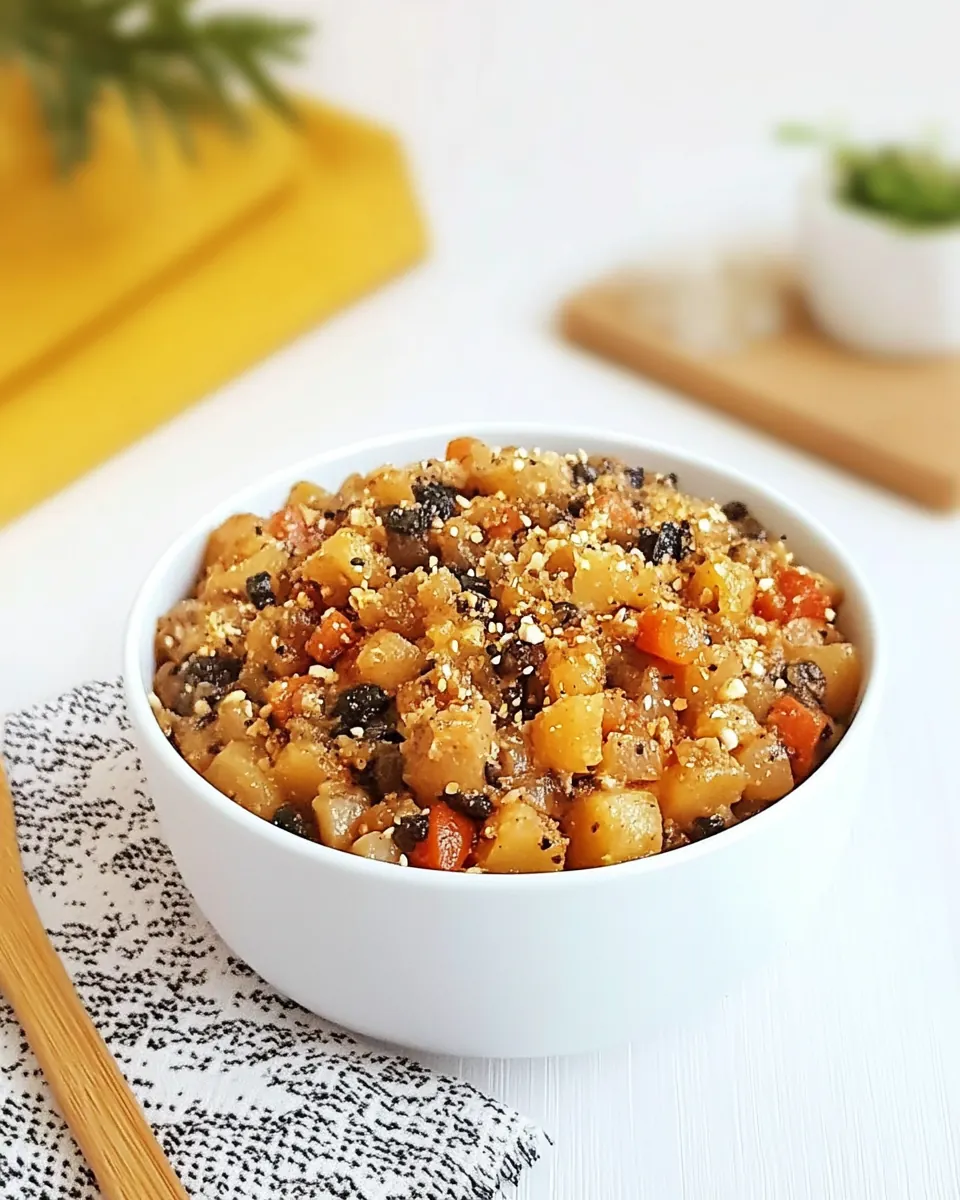
This section highlights practical tips I use every time I make Kutia. Small adjustments make a big difference, and these pointers help you get consistent, delicious results. Read through and pick a few to try the first time you cook this dish.
- Soak thoroughly: Always soak the white wheat for 24 hours to ensure tenderness and even cooking, which prevents undercooked cores or overcooked mush.
- Gentle pounding: Use a cheese bag and a kitchen mallet or rolling pin to coax the bran off without crushing the kernels into a paste.
- Warm the honey: Lightly heat the honey so it mixes smoothly with the other ingredients and provides an even sweetness throughout the bowl.
- Plump dried fruit: Soak your raisins for an hour or two in warm water to make them juicy and prevent leathery bites in the finished dish.
- Adjust texture with uzvar: If you prefer a looser consistency, add uzvar incrementally until you reach your desired mouthfeel, stirring gently after each addition.
Side Dish Ideas for Kutia
Kutia can be a centerpiece or an accompaniment depending on how you present it. The following suggestions cover serving styles, occasions, and storage ideas to help you plan when and how to enjoy this dish. Think about temperature and balance, and tailor pairings to the mood you want to create.
- Breakfast bowl style: Serve Kutia chilled or at room temperature with an extra drizzle of warm honey for a comforting morning meal that feels both sweet and nourishing.
- Holiday centerpiece: Present Kutia in a decorative bowl for winter celebrations, allowing guests to take small spoonfuls between other festive dishes for a touch of traditional sweetness.
- Light dessert option: Offer Kutia after a rich meal as a gentle, grain based dessert; its natural sweetness and nutty texture cleanse the palate without heaviness.
- Make ahead and chill: Prepare the dish a day before serving and let it rest in the fridge, which deepens flavors; remove from cold storage an hour before serving to reach a pleasant temperature.
- Portion for gatherings: Serve Kutia in small individual bowls for communal occasions, making it easy for guests to enjoy along with savory plates.
- Seasonal note for winter: In colder months, serve slightly warmed with a splash of warm uzvar to bring out aromatic notes and offer cozy comfort.
FAQ
Conclusion
Kutia stands out because it combines humble ingredients into a bowl that is both comforting and celebratory. The soft, chewy white wheat, the gentle sweetness of honey, and the texture contrasts from poppy seeds and walnuts create a memorable dish that connects tradition with simple kitchen technique. I encourage you to give it a try, take your time through the soaking and simmering steps, and enjoy the quiet pleasure of a dish that tastes like home.
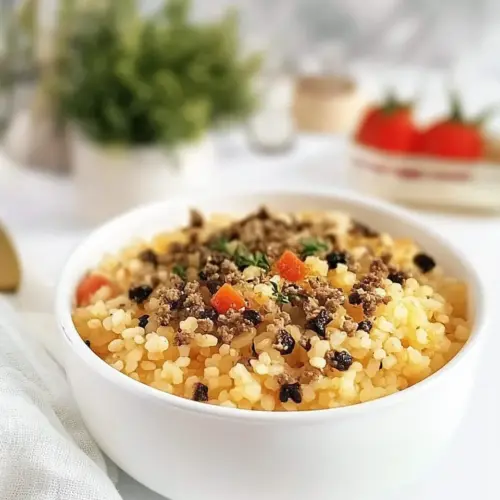
Kutia
Equipment
- Pot
- Cheese bag
- Kitchen mallet or rolling pin
- Sieve or colander
Ingredients
- 3 cups white wheat (3/4 lb) Soak and simmer to soften the kernels; yields the nutty base texture of the dessert and absorbs sweeteners and flavors. Provides a hearty, chewy foundation that contrasts with seeds and nuts, and can be prepared ahead to mellow flavors.
- 1/4 cup honey (2 oz) Sweeten and lightly flavor the mixture; binds ingredients together while adding floral complexity and natural sweetness. Balances the earthiness of wheat and poppy seeds without overpowering, and helps preserve the finished kutia slightly.
- 1 cup poppy seeds (4 oz) Grind or soak to release oils and aroma; contributes a distinctive mildly bitter, nutty poppy flavor and a silky texture. Adds visual speckling and a pleasant poppy-seed crunch when not fully ground, enhancing overall mouthfeel.
- 1 cup crushed walnuts (4 oz) Toast or fold in for crunch and richness; supplies a buttery, slightly bitter depth and satisfying texture contrast. Complements the wheat base and poppy seeds while offering protein and traditional characteristic flavor.
- several pieces orange rind Zest or simmer for aromatic brightness; imparts citrus oils that lift and freshen the sweet, dense components of the dish. Small amounts add complexity and a fragrant counterpoint to the heavy grains and seeds.
- 1 cup raisins (prunes or cranberries may also be used) Plump and sweeten to add chewiness and concentrated fruit flavor; offers natural sugars and a sticky texture that helps bind components. Provides fruity notes and optional variation when substituted with prunes or cranberries for different flavor profiles.
Instructions
- Rinse the wheat and cover it with water. Leave to soak for 24 hours.: When you first rinse the white wheat , you will notice cloudy water that clears as the surface dust washes away, and the grain takes on a slightly brighter tone. This initial rinse removes debris and prepares the kernels to absorb water evenly. A common misstep is not rinsing well enough, which leaves a dusty finish, so keep rinsing until the water runs clear.
- Place the soaked wheat in a cheese bag and beat it well with a kitchen mallet or a pin until the bran starts comes off.: After rinsing, the white wheat will swell and soften as it soaks, a quiet transformation you can feel when you press a kernel between your fingers. This long soak reduces overall cook time and helps the texture become tender yet intact. If you skip or shorten this step, you may face extended simmering and unevenly cooked kernels, so plan ahead to avoid that frustration.
- Rinse the wheat thoroughly.: The ritual of beating the soaked white wheat releases the bran and loosens the outer layers, which lightens the grain and contributes to a softer mouthfeel. You will hear a rhythmic tap, and the kernels will look slightly split as the bran separates. Use firm yet controlled strikes; overly aggressive pounding can crush the kernels into mush, which alters the final texture.
- Place the wheat in a pot with plenty of water and bring to a boil.: After beating, a thorough rinse removes released bran and any remaining grit, leaving the kernels clean and ready for cooking. The water will likely be more colored at first and then clear, signaling readiness. If you do not rinse well here, the final dish can taste bitter or have a gritty texture, so take a few extra moments to be sure.
- Simmer for approx. 2 – 3 hours.: As the pot comes to a boil, steam and a toasty grain aroma will rise, and you will see the grains jiggle and move in the rolling water. Using plenty of water ensures the kernels have room to expand and cook evenly. Avoid a tight pot which can cause foaming over or uneven cooking, and skim any foam that forms to keep the liquid clear.
- While your wheat is being cooked, prepare the raisins and poppyseeds. Soak them in warm water for 1-2 hours.: During the long simmer the kitchen will fill with a soothing, earthy scent as the white wheat becomes tender and slightly creamy. Stir occasionally, checking for doneness by tasting a kernel for a tender chew without toughness. A very common mistake is turning up the heat to rush cooking, which can break the grains down and create a porridge rather than the distinct tender kernels you want.
- Remove and drain the wheat.: Soaking the raisins and poppy seeds in warm water plumps them and releases their flavors; the raisins will swell and become juicy, while the poppy seeds will darken and become more aromatic. This parallel prep saves time and ensures the mix in the end is cohesive. If you neglect this, you may end up with dry, tough bursts that disrupt the dish.
- Place the honey on a light heat or microwave for 15 seconds.: A gentle soak softens the raisins and awakens the oils in the poppy seeds , delivering a rounder, more integrated flavor. The warm water speeds rehydration, and you will notice the raisins plump and the poppy seed mixture become pastier. Over soaking is rare but can make raisins overly soft, so check them periodically for your preferred texture.
- Mix the honey, raisins, poppyseeds, and crushed walnuts.: Draining the cooked white wheat leaves behind a tender, glossy grain that will hold together when mixed with the other components. The sound of water releasing and the visual of separated grains are good cues that the cooking cycle is done. Leaving excess water will dilute flavors, so allow it to drain well before proceeding.
- Mix everything and let sit for 1-2 hours before serving.: Gently warming the honey loosens its viscosity so it blends evenly, imparting a shiny coating that helps bind the ingredients. You will smell the honey's floral notes lift as it warms slightly, which makes mixing easier. Avoid overheating, as too much heat can alter the delicate aroma and reduce nuance.
- You may want to make your kutia a bit more liquid. If that’s the case, prepare uzvar beforehand and pour 1/2 uzvar to kutia. Then mix well.: When combined, the warm honey couples with the plump raisins , oily poppy seeds , and crunchy walnuts to create a tapestry of flavors and textures. The mixture should look glossy and inviting, with contrasting shapes and colors. A frequent problem is uneven distribution, so take time to fold gently until everything is well integrated.
- Mix everything and let sit for 1 to 2 hours before serving: Resting allows the flavors to marry, softening sharp edges and letting aromas deepen; the bowl will taste more cohesive after this quiet period. The texture becomes more homogeneous as juices and honey soak into the grains. If you serve immediately, the flavors may seem separate, so I recommend at least one hour of rest for best results.
- You may want to make your kutia a bit more liquid: If you prefer a looser texture, preparing uzvar beforehand and adding about half of it to the Kutia will loosen the mix and add subtle fruitiness. The added liquid will change mouthfeel into a spoonable, soup like consistency, which some people enjoy for breakfast. Be cautious adding too much at once; you can always add more, but you cannot remove excess liquid.
Notes
- Soak thoroughly: Always soak the white wheat for 24 hours to ensure tenderness and even cooking, which prevents undercooked cores or overcooked mush.
- Gentle pounding: Use a cheese bag and a kitchen mallet or rolling pin to coax the bran off without crushing the kernels into a paste.
- Warm the honey: Lightly heat the honey so it mixes smoothly with the other ingredients and provides an even sweetness throughout the bowl.
- Plump dried fruit: Soak your raisins for an hour or two in warm water to make them juicy and prevent leathery bites in the finished dish.
- Adjust texture with uzvar: If you prefer a looser consistency, add uzvar incrementally until you reach your desired mouthfeel, stirring gently after each addition.