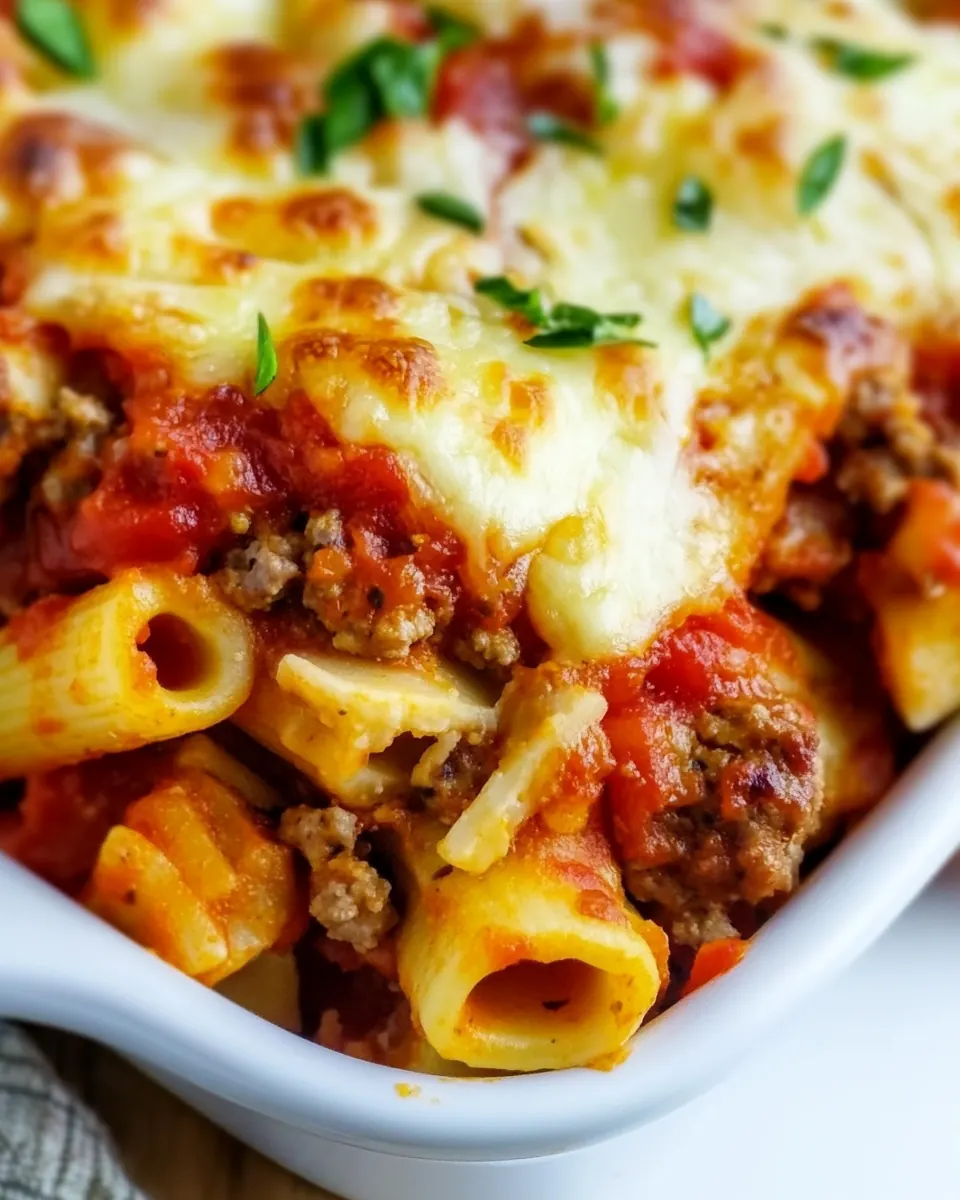
Baked Ziti with Italian Sausage
Baked Ziti with Italian Sausage is the kind of dish that makes the whole house smell like comfort and celebration, and I still remember the first time I served it to friends who begged for the recipe before dessert was even finished.
That evening began with a chaotic afternoon at the farmers market, where I discovered the sweetest yellow onions and the creamiest mascarpone, and I knew they belonged together in a saucy, cheesy bake. As I browned the Italian sausage in a skillet, the aroma filled the kitchen and neighbors wandered by asking what smelled so good. I let the sauce simmer patiently while I set the table, and the bubbling casserole that came out of the oven felt like a warm hug for everyone at the table.
Recipe Snapshot
57 mins
30 mins
27 mins
Medium
450 kcal
Italian
Keto, Gluten-Free
Dinner
Dutch oven, 9 x 13-inch baking pan, Skillet, Colander
What Makes This Baked Ziti with Italian Sausage Special
Layered, comforting flavor
I fell for this version because every layer contributes something essential. The ziti soaks up rich tomato flavors, while pockets of mascarpone and ricotta create a lusciously creamy texture. I like how each forkful gives you tangy tomato, silky cheese, and savory sausage, it keeps the palate engaged from the first bite to the last.
Family friendly and forgiving
We cook this when guests are unpredictable, because it tolerates timing shifts. You can prepare most of it ahead, refrigerate, then bake when you are ready. I often assemble it in the morning for an evening meal, which makes hosting stress free and gives me more time to enjoy company.
Textural contrast that wins
The contrast between creamy cheeses and the slightly chewy ziti plus melted, slightly browned cheese on top is what people actually rave about. I love the little crisped edges of cheese that form under the broiler, they provide a welcome contrast to the saucy middle.
Built for sharing
This recipe scales up with ease, which is why I reach for it for gatherings. It feeds a crowd without requiring last minute fiddling, and it travels well if you need to bring a dish to someone else. We recently brought it to a potluck and it vanished within minutes.
Comfort with a touch of sophistication
While it feels rustic and homey, the addition of mascarpone gives the casserole a luxurious mouthfeel that elevates it beyond basic weeknight pasta. I enjoy serving it when I want simple, reliable comfort that still feels a little special.
Ingredient List for Baked Ziti with Italian Sausage
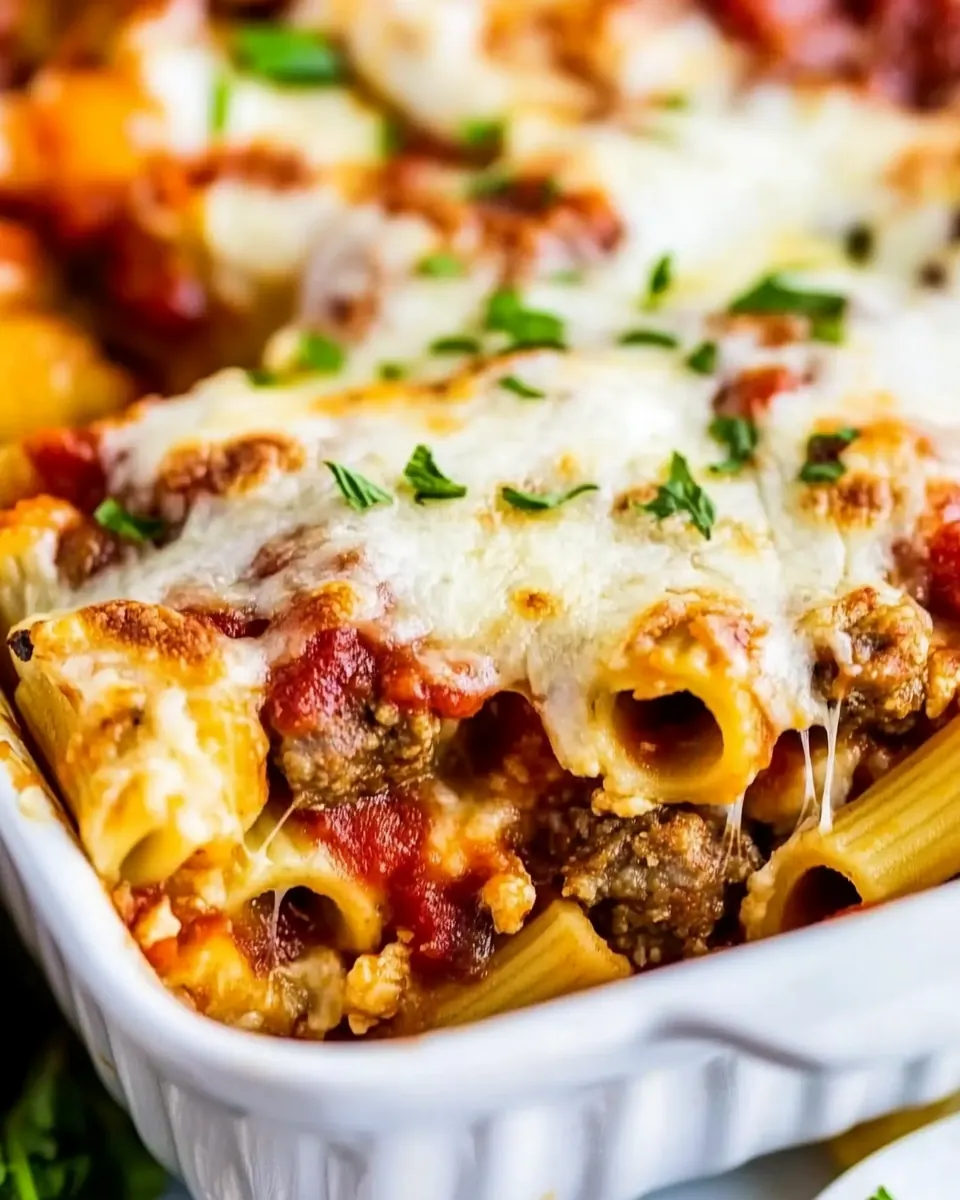
These ingredients work together to build a balanced layered casserole. The key players are the ziti for structure, the tomato base for acidity and depth, and a trio of cheeses for creaminess and melt. The Italian sausage contributes savory fattiness and seasoning, while the onion and garlic form an aromatic backbone that ties the whole dish together.
- 1 pound Italian sausage links: Brown and crumble to release flavorful fat that forms the base of the sauce, adding rich, savory depth; cook until no longer pink and juices run clear, then drain excess fat if desired to control richness.
- 2 tablespoons olive oil: Sauté to gently cook aromatics and prevent sticking while imparting a fruity, peppery backbone to the sauce; heat until shimmering before adding onions or sausage to bloom flavors.
- 1 medium yellow or sweet onion, diced: Sweat until translucent to provide sweet, mellow onion flavor that complements the tomatoes; dice small for even cooking and stir until soft but not browned for best texture.
- 4 garlic cloves, minced: Mince finely and sauté briefly to deliver pungent, aromatic lift that brightens the tomato sauce; add toward the end of onion cooking to avoid burning and turning bitter.
- 2 teaspoons Italian seasoning: Season early to infuse the sauce with a balanced Mediterranean herb profile, blending oregano, basil, thyme, and other herbs; sprinkle in during sauteing so oils release and flavors meld.
- 3/4 teaspoon crushed red pepper flakes: Pinch in conservatively to add heat and complexity, providing a gentle, lingering spice that contrasts the creamy cheeses; adjust amount to taste based on preferred heat level.
- 1 (28-ounce) can crushed tomatoes: Pour in as the primary tomato body to give a smooth, saucy texture and deep tomato flavor; simmer to concentrate flavors and integrate with sausage and seasonings for a cohesive sauce.
- 2 (14-ounce) cans stewed tomatoes: Stir in to contribute chunkier tomato pieces and a slightly sweeter, cooked tomato note that contrasts crushed tomatoes; combine both for a pleasing balance of texture and flavor in the sauce.
- salt and pepper: Season lightly and adjust to taste to enhance all flavors and balance acidity and sweetness; add salt gradually during cooking and finish with pepper for subtle heat.
- 1 pound ziti: Cook until al dente to provide sturdy tubular pasta that holds sauce and cheese layers well; drain but reserve some pasta water to adjust sauce consistency if needed.
- 8 ounces mascarpone cheese: Fold in at the end to add ultra-creamy, slightly tangy richness that makes the casserole luscious; temper by warming slightly before mixing with hot pasta to prevent curdling.
- 1 cup cottage cheese or ricotta cheese: Stir in as a lighter, slightly grainy creamy element or substitute to add mild tang and moisture; combine evenly with mascarpone or use alone for a softer texture variation.
- 8 ounces sliced Provolone, cut into strips: Layer as a melty, mild, smoky cheese that creates long, stretchy strands and pockets of gooey satisfaction; cut into strips for even distribution and melty ribbons throughout the bake.
- 2 cups shredded mozzarella: Sprinkle generously to create a golden, bubbly, milky cheese topping that stretches and browns pleasingly; use freshly shredded for best melting and texture in the finished casserole.
- 1/2 cup shredded Parmesan cheese: Grate finely and finish on top to add sharp, nutty umami that enhances savory depth and provides a slightly granular, salty contrast when melted and browned.
Cooking Method for Baked Ziti with Italian Sausage
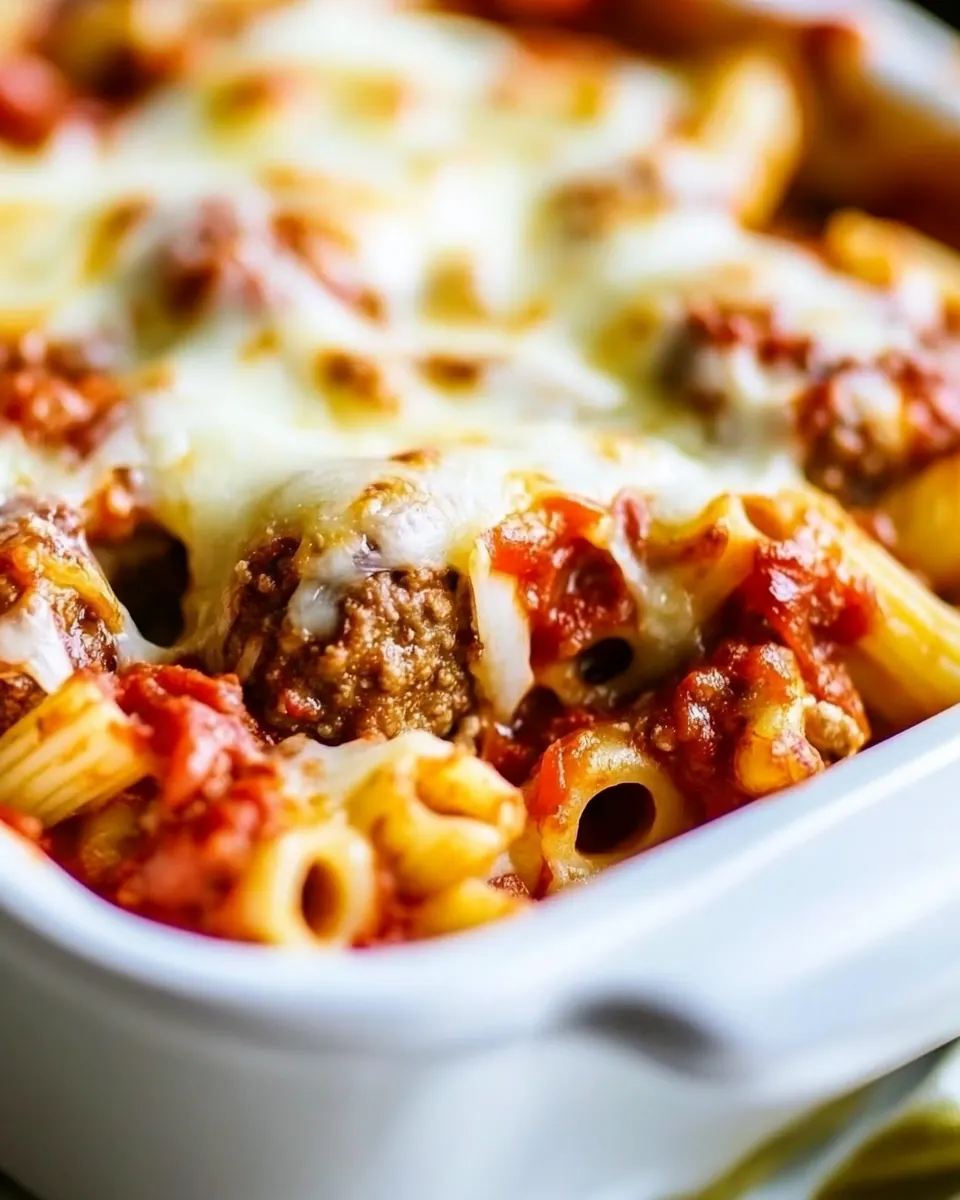
This method walks you through browning, simmering, boiling, layering, and baking, with sensory cues and troubleshooting so you feel confident at every stage. Take your time with each step, especially when building the sauce and assembling the layers, because that patience rewards you with deep flavor.
- Cook Italian sausage in a lightly greased pan until browned on all sides. Remove to a cutting board and let cool. (Sausage does not need to be cooked through at this point. It will finish cooking in the sauce.) When sausage has cooled some, cut it into slices.: The pan will make a pronounced sizzle as the sausages hit the surface, and you should watch for a rich brown color developing on each side which signals caramelized flavor. The rendered fat left behind is full of seasoning, so do not discard it, it is the foundation of your sauce. Letting the sausages rest for a few minutes firms them up, making them easier to slice without tearing, and ensures you avoid splattering hot grease. A common mistake is crowding the pan, which causes steaming rather than browning, so give each link room to develop that golden crust. Use tongs to turn them gently, and if they are very fatty, blot excess fat with a paper towel before slicing to prevent an overly oily sauce.
- Add 2 tablespoons olive oil to a Dutch oven. Add onion and cook 5 to 7 minutes to soften. Add garlic and cook 1 more minute.: As the olive oil warms the diced onion , you will see it turn translucent and hear a faint gentle sizzle, and this softness creates a sweet, mellow base for the sauce. Adding the minced garlic near the end preserves its aromatic brightness, releasing a warm, inviting scent without burning. Cook on medium heat so the vegetables sweat slowly rather than brown; excessive color here will shift the flavor. If the heat is too high and the garlic scorches, it turns bitter, so reduce the flame and stir frequently. The fond left on the bottom of the pot after the onions cook is gold for flavor, so deglaze with a splash from the tomato can when you add the sauce.
- Add Italian seasoning, crushed red pepper flakes, crushed tomatoes, and stewed tomatoes. Season to taste with salt and pepper. Bring to a simmer and add Italian sausage slices. Simmer for 15 minutes, stirring occasionally.: When the canned crushed tomatoes and stewed tomatoes hit the pot they loosen the fond and the kitchen will fill with robust tomato perfume. The herbs and red pepper integrate with the tomato, and as the mixture comes to a simmer you will notice little wisps of steam and tiny bubbles along the edge, signaling the flavors are concentrating. Adding the sliced Italian sausage at this point allows the meat to finish cooking slowly and release savory juices into the sauce. Simmering for about 15 minutes helps the tomatoes meld with the aromatics, producing a cohesive sauce that clings to the ziti . A common pitfall is boiling too vigorously which can break down the tomatoes and make the sauce thin, so maintain a gentle simmer and skim off any excess fat if it pools on the surface.
- Cook ziti in salted water according to package directions. Drain.: As the water returns to a gentle boil, add the ziti and stir immediately to prevent sticking, you will hear a lively rolling boil at first which then calms. Salting the pasta water seasons the pasta through and enhances overall flavor, and cooking to al dente ensures the tubes keep shape after baking. Drain the pasta well to avoid diluting the sauce, and give it a quick toss with a little oil if it will sit for a moment to prevent clumping. Overcooking is the most common mistake here, which results in a mushy interior once the dish bakes, so test a piece for a slight bite before draining.
- Preheat oven to 375 degrees. Ladle about 1/4 of the sauce into the bottom of a greased 9 x 13-inch pan.: Preheating ensures even baking and predictable melt and browning, and at 375 degrees you achieve thorough heat penetration without drying out the casserole. The initial layer of sauce prevents the pasta from sticking and creates a moist base. When you spoon the sauce into the pan you should see a glossy sheen, which indicates proper fat and liquid balance. Skipping the preheating step can lead to uneven cooking and underbaked centers, so always allow the oven to come to temperature before you place the casserole inside.
- Evenly arrange 1/2 the ziti in the pan. Dollop half the mascarpone cheese and cottage cheese over the ziti. Add half the provolone cheese strips and half the mozzarella.: As you layer, distribute the ziti so each area receives an equal amount of sauce and cheese, creating consistent bites. The dollops of mascarpone and cottage cheese will melt into creamy pockets that contrast with the stringy mozzarella and the slightly tangy Provolone . You should notice the cheeses begin to soften as they contact the warm pasta, and small seams of melted cheese will form between tubes. A frequent error is piling cheese unevenly which leads to dry spots, so spread intentionally and press gently so ingredients nestle together for even melting.
- Top cheese with half the remaining sauce followed by the remaining ziti.: The secondary sauce layer reintroduces moisture and flavor before the final pasta layer, ensuring the bake stays saucy throughout. When you add the second portion of ziti , press gently so it contacts the sauce and cheese, this contact is what allows the casserole to knit together while baking. You should see a glossy finish on the pasta where sauce adheres, and this indicates good coverage. If sauce is too scant, the center can dry out during baking, so reserve enough to keep the layers moist.
- Dollop on the remaining mascarpone cheese and cottage cheese. Layer with the remaining sauce. Sprinkle with the rest of the mozzarella cheese, the provolone and the Parmesan. Cover with a piece of aluminum foil that has been sprayed with cooking spray so that the cheese doesn't stick.: The final cheese layer creates a decadent top that will brown attractively. Dotting remaining mascarpone and cottage cheese distributes cream evenly so every portion benefits. Spraying the foil prevents melted cheese from clinging and tearing off when removed, preserving that lovely browned surface. Expect the casserole to look glossy and well sealed before baking. Avoid wrapping too tightly which can trap too much steam and prevent browning, the foil should be tented just enough to avoid contact with the cheese.
- Bake for 25 minutes. Remove foil and broil for a few minutes to brown the cheese.: During the bake you will notice the sauce bubbling gently around the edges and the smell will deepen into a roasted tomato and cheese aroma, which is a reliable indicator of doneness. Removing the foil and broiling briefly produces a golden, slightly blistered top with irresistible texture; watch it closely under the broiler because browning happens fast. If the broiler is too close the top can burn rather than brown, so position the oven rack so the casserole sits a comfortable distance from the heat source. A common misstep is leaving it under the broiler too long, which leads to blackened spots, so broil in short bursts and rotate the pan if necessary for even color.
Recipe Tips about Baked Ziti with Italian Sausage
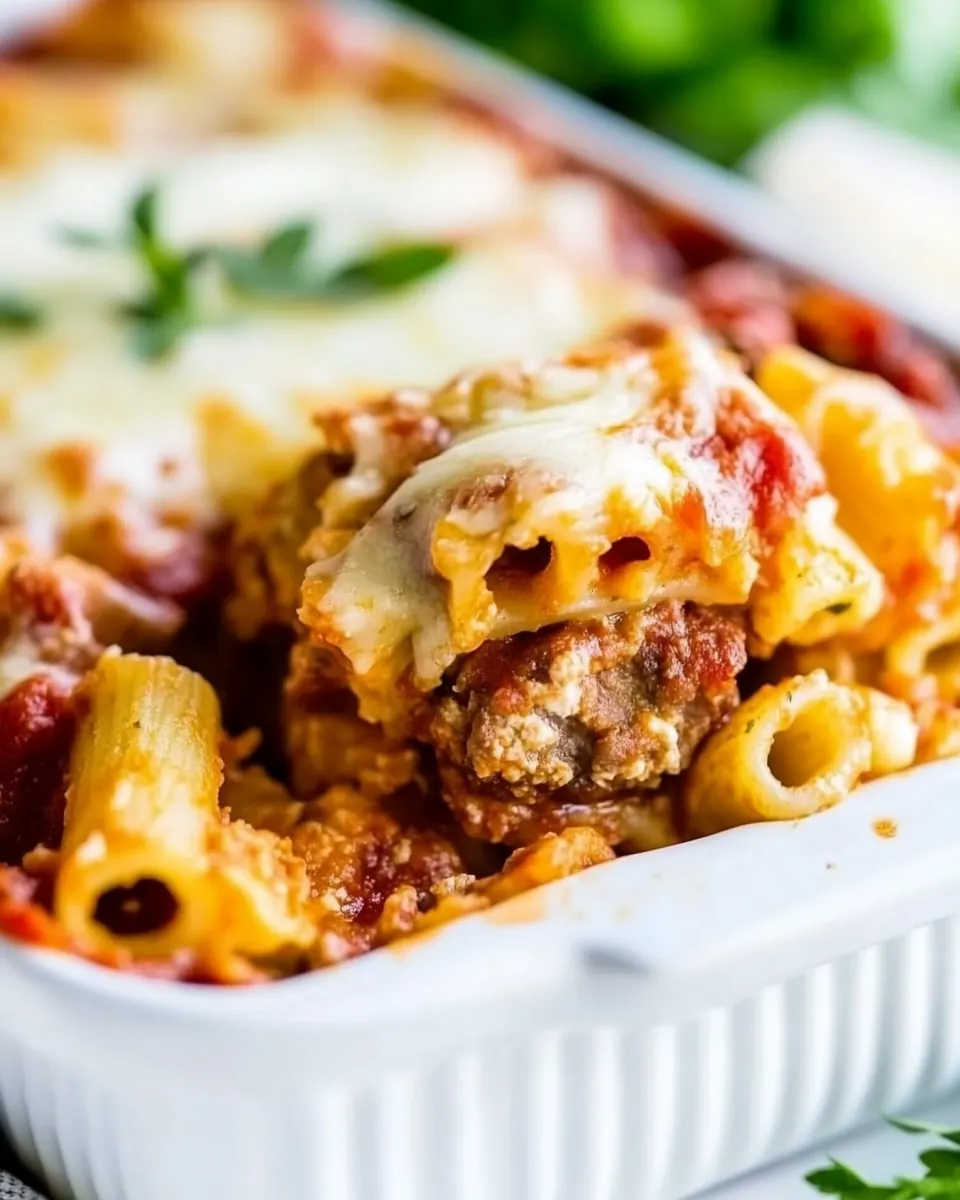
I like to share practical tips that make this casserole foolproof, whether you are assembling it ahead or baking it right away. These pointers focus on texture, timing, and small techniques that yield big flavor improvements.
- Use room temperature cheeses to help them melt more uniformly and create creamy pockets during baking.
- Don’t overcook the pasta because it will continue to soften in the oven and you want a pleasant bite, not a mushy casserole.
- Brown the sausage well to develop caramelized flavors that enrich the sauce, avoid overcrowding the pan so the links crisp rather than steam.
- Simmer the sauce gently to concentrate flavors without breaking down the tomatoes, maintain a low, steady simmer.
- Layer evenly so each serving has balanced cheese to pasta ratio, uneven layering creates dry or overly saucy portions.
- Broil at the end for just a few minutes to achieve a golden top, and monitor constantly to prevent burning.
Serving This Baked Ziti with Italian Sausage
Serving this casserole can be casual or festive, and I like to tailor accompaniments to the occasion. Whether it is a weeknight family dinner or a winter gathering, the dish pairs well with bright salads and warm breads.
- Family dinner: Serve slices straight from the pan with a simple green salad dressed in a light vinaigrette to cut through the richness.
- Casual gathering: Offer garlic bread or a crusty baguette so guests can mop up extra sauce, and place a small bowl of extra Parmesan for sprinkling.
- Holiday or potluck: Transport the casserole covered and reheat gently until bubbly, it scales up easily to feed a crowd without complex prep.
- Storage: Refrigerate leftovers in an airtight container for up to four days, reheat in the oven at moderate heat until warmed through to preserve texture.
- Make ahead: Assemble the dish and keep it covered in the fridge for up to 24 hours before baking, add a few extra minutes to the bake time if going in straight from cold.
FAQ
Conclusion
This Baked Ziti with Italian Sausage stands out for its layered textures and comforting, crowd pleasing flavor. It balances tangy tomato, savory sausage, and a luxurious mix of cheeses to deliver a dish that feels both homey and special. I encourage you to try it the next time you want a dependable, impressive meal that feeds a group with minimal fuss. Serve it warm from the oven, enjoy the golden top and melty interior, and watch how quickly it becomes a requested repeat in your rotation.
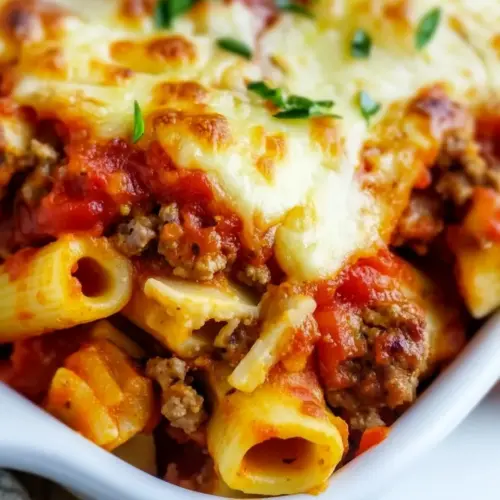
Baked Ziti with Italian Sausage
Equipment
- Dutch Oven
- 9 x 13-inch baking pan
- Skillet
- Colander
Ingredients
- 1 pound Italian sausage links Brown and crumble to release flavorful fat that forms the base of the sauce, adding rich, savory depth; cook until no longer pink and juices run clear, then drain excess fat if desired to control richness.
- 2 tablespoons olive oil Sauté to gently cook aromatics and prevent sticking while imparting a fruity, peppery backbone to the sauce; heat until shimmering before adding onions or sausage to bloom flavors.
- 1 medium yellow or sweet onion, diced Sweat until translucent to provide sweet, mellow onion flavor that complements the tomatoes; dice small for even cooking and stir until soft but not browned for best texture.
- 4 garlic cloves, minced Mince finely and sauté briefly to deliver pungent, aromatic lift that brightens the tomato sauce; add toward the end of onion cooking to avoid burning and turning bitter.
- 2 teaspoons Italian seasoning Season early to infuse the sauce with a balanced Mediterranean herb profile, blending oregano, basil, thyme, and other herbs; sprinkle in during sauteing so oils release and flavors meld.
- 3/4 teaspoon crushed red pepper flakes Pinch in conservatively to add heat and complexity, providing a gentle, lingering spice that contrasts the creamy cheeses; adjust amount to taste based on preferred heat level.
- 1 (28-ounce) can crushed tomatoes Pour in as the primary tomato body to give a smooth, saucy texture and deep tomato flavor; simmer to concentrate flavors and integrate with sausage and seasonings for a cohesive sauce.
- 2 (14-ounce) cans stewed tomatoes Stir in to contribute chunkier tomato pieces and a slightly sweeter, cooked tomato note that contrasts crushed tomatoes; combine both for a pleasing balance of texture and flavor in the sauce.
- salt and pepper Season lightly and adjust to taste to enhance all flavors and balance acidity and sweetness; add salt gradually during cooking and finish with pepper for subtle heat.
- 1 pound ziti Cook until al dente to provide sturdy tubular pasta that holds sauce and cheese layers well; drain but reserve some pasta water to adjust sauce consistency if needed.
- 8 ounces mascarpone cheese Fold in at the end to add ultra-creamy, slightly tangy richness that makes the casserole luscious; temper by warming slightly before mixing with hot pasta to prevent curdling.
- 1 cup cottage cheese or ricotta cheese Stir in as a lighter, slightly grainy creamy element or substitute to add mild tang and moisture; combine evenly with mascarpone or use alone for a softer texture variation.
- 8 ounces sliced Provolone, cut into strips Layer as a melty, mild, smoky cheese that creates long, stretchy strands and pockets of gooey satisfaction; cut into strips for even distribution and melty ribbons throughout the bake.
- 2 cups shredded mozzarella Sprinkle generously to create a golden, bubbly, milky cheese topping that stretches and browns pleasingly; use freshly shredded for best melting and texture in the finished casserole.
- 1/2 cup shredded Parmesan cheese Grate finely and finish on top to add sharp, nutty umami that enhances savory depth and provides a slightly granular, salty contrast when melted and browned.
Instructions
- Cook Italian sausage in a lightly greased pan until browned on all sides. Remove to a cutting board and let cool. (Sausage does not need to be cooked through at this point. It will finish cooking in the sauce.) When sausage has cooled some, cut it into slices.: The pan will make a pronounced sizzle as the sausages hit the surface, and you should watch for a rich brown color developing on each side which signals caramelized flavor. The rendered fat left behind is full of seasoning, so do not discard it, it is the foundation of your sauce. Letting the sausages rest for a few minutes firms them up, making them easier to slice without tearing, and ensures you avoid splattering hot grease. A common mistake is crowding the pan, which causes steaming rather than browning, so give each link room to develop that golden crust. Use tongs to turn them gently, and if they are very fatty, blot excess fat with a paper towel before slicing to prevent an overly oily sauce.
- Add 2 tablespoons olive oil to a Dutch oven. Add onion and cook 5 to 7 minutes to soften. Add garlic and cook 1 more minute.: As the olive oil warms the diced onion , you will see it turn translucent and hear a faint gentle sizzle, and this softness creates a sweet, mellow base for the sauce. Adding the minced garlic near the end preserves its aromatic brightness, releasing a warm, inviting scent without burning. Cook on medium heat so the vegetables sweat slowly rather than brown; excessive color here will shift the flavor. If the heat is too high and the garlic scorches, it turns bitter, so reduce the flame and stir frequently. The fond left on the bottom of the pot after the onions cook is gold for flavor, so deglaze with a splash from the tomato can when you add the sauce.
- Add Italian seasoning, crushed red pepper flakes, crushed tomatoes, and stewed tomatoes. Season to taste with salt and pepper. Bring to a simmer and add Italian sausage slices. Simmer for 15 minutes, stirring occasionally.: When the canned crushed tomatoes and stewed tomatoes hit the pot they loosen the fond and the kitchen will fill with robust tomato perfume. The herbs and red pepper integrate with the tomato, and as the mixture comes to a simmer you will notice little wisps of steam and tiny bubbles along the edge, signaling the flavors are concentrating. Adding the sliced Italian sausage at this point allows the meat to finish cooking slowly and release savory juices into the sauce. Simmering for about 15 minutes helps the tomatoes meld with the aromatics, producing a cohesive sauce that clings to the ziti . A common pitfall is boiling too vigorously which can break down the tomatoes and make the sauce thin, so maintain a gentle simmer and skim off any excess fat if it pools on the surface.
- Cook ziti in salted water according to package directions. Drain.: As the water returns to a gentle boil, add the ziti and stir immediately to prevent sticking, you will hear a lively rolling boil at first which then calms. Salting the pasta water seasons the pasta through and enhances overall flavor, and cooking to al dente ensures the tubes keep shape after baking. Drain the pasta well to avoid diluting the sauce, and give it a quick toss with a little oil if it will sit for a moment to prevent clumping. Overcooking is the most common mistake here, which results in a mushy interior once the dish bakes, so test a piece for a slight bite before draining.
- Preheat oven to 375 degrees. Ladle about 1/4 of the sauce into the bottom of a greased 9 x 13-inch pan.: Preheating ensures even baking and predictable melt and browning, and at 375 degrees you achieve thorough heat penetration without drying out the casserole. The initial layer of sauce prevents the pasta from sticking and creates a moist base. When you spoon the sauce into the pan you should see a glossy sheen, which indicates proper fat and liquid balance. Skipping the preheating step can lead to uneven cooking and underbaked centers, so always allow the oven to come to temperature before you place the casserole inside.
- Evenly arrange 1/2 the ziti in the pan. Dollop half the mascarpone cheese and cottage cheese over the ziti. Add half the provolone cheese strips and half the mozzarella.: As you layer, distribute the ziti so each area receives an equal amount of sauce and cheese, creating consistent bites. The dollops of mascarpone and cottage cheese will melt into creamy pockets that contrast with the stringy mozzarella and the slightly tangy Provolone . You should notice the cheeses begin to soften as they contact the warm pasta, and small seams of melted cheese will form between tubes. A frequent error is piling cheese unevenly which leads to dry spots, so spread intentionally and press gently so ingredients nestle together for even melting.
- Top cheese with half the remaining sauce followed by the remaining ziti.: The secondary sauce layer reintroduces moisture and flavor before the final pasta layer, ensuring the bake stays saucy throughout. When you add the second portion of ziti , press gently so it contacts the sauce and cheese, this contact is what allows the casserole to knit together while baking. You should see a glossy finish on the pasta where sauce adheres, and this indicates good coverage. If sauce is too scant, the center can dry out during baking, so reserve enough to keep the layers moist.
- Dollop on the remaining mascarpone cheese and cottage cheese. Layer with the remaining sauce. Sprinkle with the rest of the mozzarella cheese, the provolone and the Parmesan. Cover with a piece of aluminum foil that has been sprayed with cooking spray so that the cheese doesn't stick.: The final cheese layer creates a decadent top that will brown attractively. Dotting remaining mascarpone and cottage cheese distributes cream evenly so every portion benefits. Spraying the foil prevents melted cheese from clinging and tearing off when removed, preserving that lovely browned surface. Expect the casserole to look glossy and well sealed before baking. Avoid wrapping too tightly which can trap too much steam and prevent browning, the foil should be tented just enough to avoid contact with the cheese.
- Bake for 25 minutes. Remove foil and broil for a few minutes to brown the cheese.: During the bake you will notice the sauce bubbling gently around the edges and the smell will deepen into a roasted tomato and cheese aroma, which is a reliable indicator of doneness. Removing the foil and broiling briefly produces a golden, slightly blistered top with irresistible texture; watch it closely under the broiler because browning happens fast. If the broiler is too close the top can burn rather than brown, so position the oven rack so the casserole sits a comfortable distance from the heat source. A common misstep is leaving it under the broiler too long, which leads to blackened spots, so broil in short bursts and rotate the pan if necessary for even color.
Notes
- Use room temperature cheeses to help them melt more uniformly and create creamy pockets during baking.
- Don’t overcook the pasta because it will continue to soften in the oven and you want a pleasant bite, not a mushy casserole.
- Brown the sausage well to develop caramelized flavors that enrich the sauce, avoid overcrowding the pan so the links crisp rather than steam.
- Simmer the sauce gently to concentrate flavors without breaking down the tomatoes, maintain a low, steady simmer.
- Layer evenly so each serving has balanced cheese to pasta ratio, uneven layering creates dry or overly saucy portions.
- Broil at the end for just a few minutes to achieve a golden top, and monitor constantly to prevent burning.