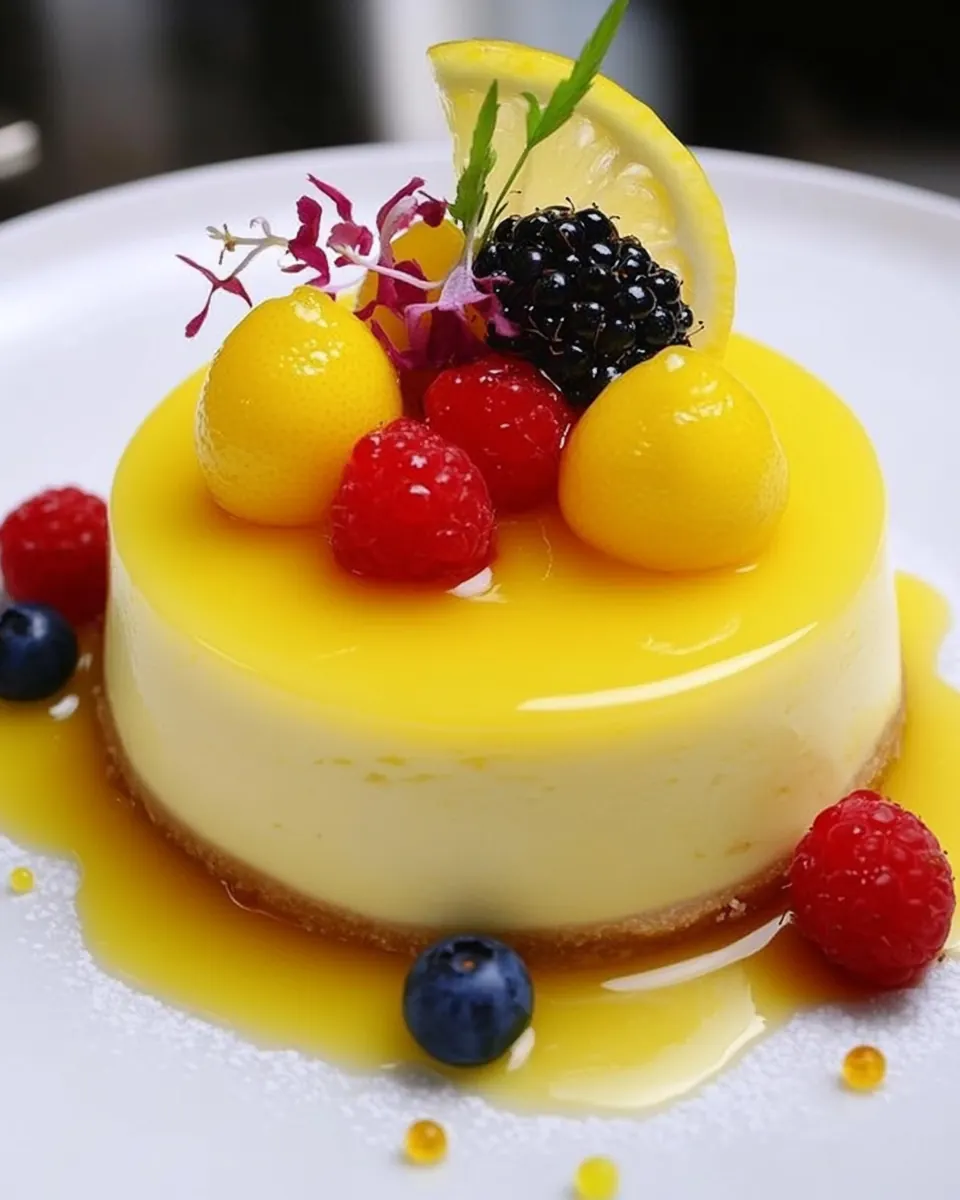
Lemon Cheesecake with Fresh Berries
Lemon Cheesecake with Fresh Berries has been a centerpiece at so many of my gatherings, it feels like a family heirloom I gladly share.
I first made this cake on a bright spring afternoon when I wanted something that tasted like sunshine. The moment I sliced into the creamy filling and saw the scattered fresh berries on top, everyone around the table exhaled in the same way, a small, satisfied sound that told me I had done something right. I remember the texture, a balance of silk and gentle spring, and how the tartness of the lemon juice lifted the whole dessert. That day taught me how a few thoughtful touches, like candied lemon pieces folded into the filling and a ribbon of melted white chocolate, can make a classic feel modern and celebratory.
Over time I adjusted proportions, tasting and tweaking until the crumb and the filling played a harmonious duet. There are memories tied to this recipe, like watching neighbors trade forkfuls at a backyard party, or slicing it thinly for an afternoon tea. I love how the cream cheese base becomes almost floral when paired with zesty lemon, and how a scatter of berries adds both color and a hint of acidity that keeps each bite lively. You will find this cake forgiving, and once you get the rhythm it becomes a joyful project rather than a chore.
Recipe Snapshot
30 mins
15 mins
15 mins
Medium
350 kcal
American
Gluten-Free, Low FODMAP
Desserts
Mixer with paddle attachment, Saucepan, Blender or immersion blender, Oven
The Beauty of This Lemon Cheesecake with Fresh Berries
Bright citrus lift
I adore how Lemon Cheesecake with Fresh Berries uses lemon juice and candied lemon to cut through the richness of the cream cheese. The citrus gives each bite a lively finish, so it never feels too heavy even though it is decadently creamy.
Silky yet stable texture
I love that the combination of whipped cream elements and precise folding yields a filling that is both airy and firm. This means clean slices at the table, and a pleasing mouthfeel that reads as refined, not dense.
Contrast of flavors and colors
Adding fresh berries brings a visual pop and a tart-sweet contrast that complements the sweet white chocolate and the tang of the lemon juice. I always say plating matters, and here it truly transforms the dessert into something festive.
Flexible for gatherings
This recipe scales well, which I appreciate when hosting. Whether you make a large tray or individual portions, the structure holds and the flavors stay balanced. I often prepare parts ahead, which saves stress on the day of the event.
Playful finishing touches
Little details like using candied lemon or folding in semi whipped cream let you personalize the cake without changing the core method. I find those touches make the dessert feel handmade and thoughtful, not complicated.
What You Need for Lemon Cheesecake with Fresh Berries
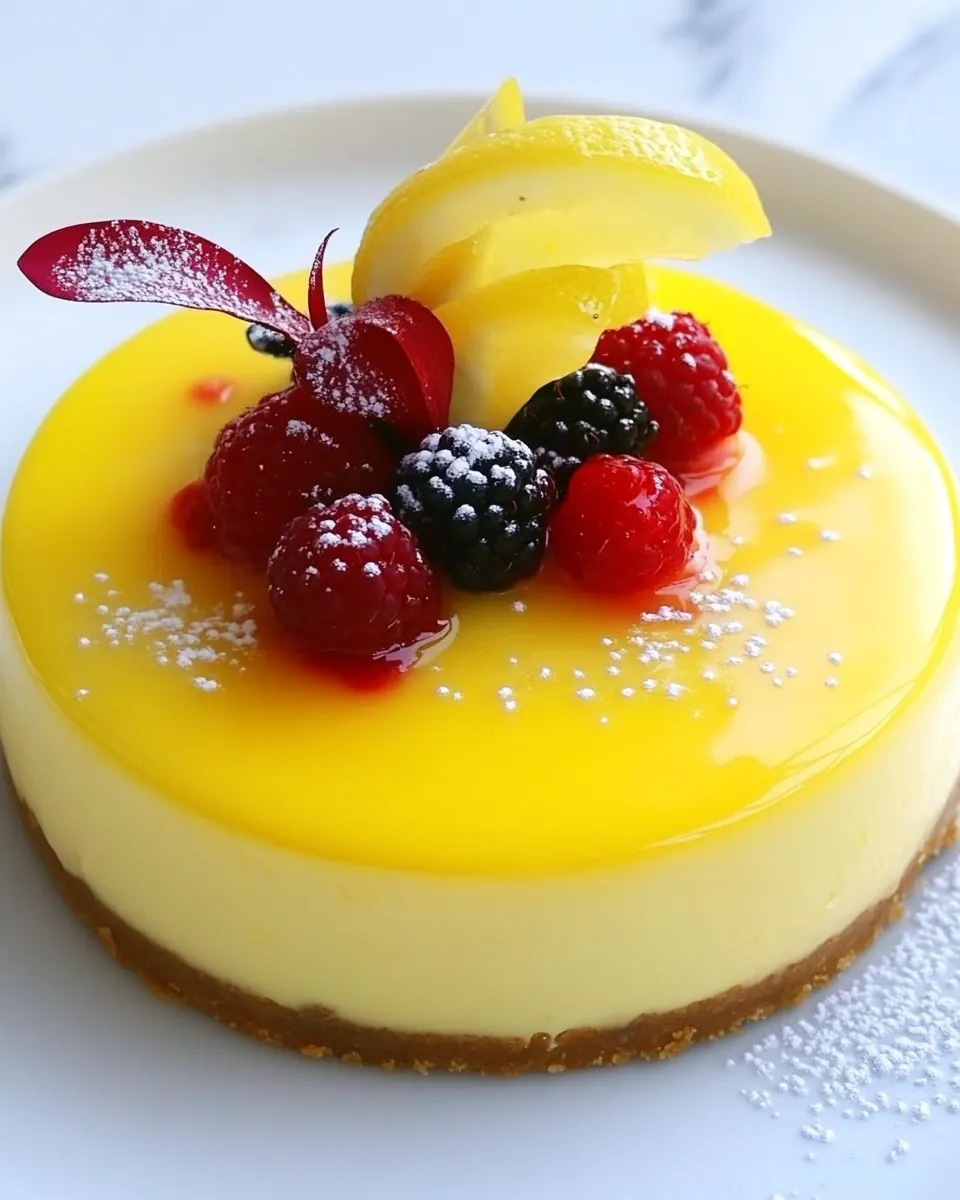
The ingredients here are chosen to balance richness, structure, and bright flavor. The cream cheese and whipped cream create a luscious filling, while white chocolate and candied lemon add depth and personality. For the cake components, eggs, flour, and a touch of oil and milk form a tender base that supports the filling without overwhelming it. Together these elements produce a dessert that slices cleanly and keeps its joyful lemon note in every bite.
- 455 g rcream cheese: Soften and enrich the filling with a smooth, tangy texture; provides creamy structure and a mild savory balance to the cheesecake. Bring to room temperature before whipping to avoid lumps and ensure even incorporation with sugars and eggs. Helps set the body of the cake when combined with melted white chocolate and eggs.
- 110 g ricing sugar: Sweeten and stabilize the cheesecake mixture while helping dissolve other dry components; contributes fine, even sweetness without grittiness. Gradually blend into the cream cheese to prevent grainy texture and to control sweetness level. Also aids in reducing moisture when combined with eggs and heat.
- 10 g rvanilla bean: Infuse an intense, aromatic flavor with small flecks that elevate the dessert's complexity; offers floral, creamy notes distinct from extract. Scrape seeds and gently fold into the filling to distribute flavor evenly and pair well with citrus components. Use sparingly to avoid overpowering delicate cream cheese nuances.
- 150 g rwhite chocolate: Add rich, sweet cocoa butter flavor and additional body to the filling when melted and folded in; increases silkiness and helps stabilize the custard. Melt gently and temper into warm cream cheese mixture to avoid seizing. Complements the lemon and vanilla while contributing fat for a smoother mouthfeel.
- 230 g rwhipped cream: Lighten and aerate the filling by folding in softly whipped cream; introduces a delicate, airy texture and a light finish. Whip to medium-soft peaks and carefully fold to retain volume without deflating the batter. Balances density from cream cheese and white chocolate for a tender bite.
- 55 g rcandied lemon: Provide concentrated citrus sweetness and chewy texture that punctuates each bite with bright, candied lemon flavor. Finely chop and fold into the batter or use as garnish to distribute bursts of intense lemon throughout the cheesecake. Helps reinforce lemon profile alongside lemon juice and vanilla.
- 65 g rlemon juice: Brighten and acidify the filling to deliver fresh, tangy citrus brightness and to balance overall sweetness. Add gradually and taste to achieve the desired tartness; acid also aids in setting the custard properly. Pair with candied lemon and vanilla for layered lemon character.
- 200 g rsugar: Sweeten the cake base or syrup components with crystalline sweetness that also assists in structure when heated; acts as a key sweetening agent for crusts, fillings, or compotes. Dissolve completely to avoid gritty textures and to ensure even caramelization if used for toppings. Controls final dessert sweetness when combined with icing sugar.
- 100 g regg yolks: Thicken and enrich the filling by adding a dense, custardy richness and protein that helps bind the mixture. Whisk yolks thoroughly with sugar before incorporating to ensure smooth texture and proper emulsification with fats. Yolks contribute to color, silkiness, and stability when baked.
- 50 g reggs: Introduce aeration and additional structure when whole eggs are required; proteins set during baking to form a stable crumb and lift. Beat lightly and incorporate to avoid overaeration which could create cracks. Maintain appropriate temperature to blend evenly into the batter.
- 250 g rbutter: Provide fat and richness to the crust or base, contributing tenderness and a cohesive texture when melted into crumbs or batter. Use softened or melted butter depending on application to bind dry ingredients effectively. Also adds a buttery flavor that complements the lemon and cream cheese.
- 225 g rsugar: Sweeten and balance components such as crusts, fillings, or meringues with fine granulated sugar that integrates smoothly. Measure carefully to maintain proper texture and avoid overly dense results. Also assists in browning and creating tender crumb in baked elements.
- 30 g rwhole eggs: Contribute structure, moisture, and binding to batters or crusts while adding richness and additional protein for setting during baking. Beat whole eggs properly to ensure even incorporation and to support emulsification between fats and liquids. They also aid in color development and stability of the final product.
- 84 g rvegetable oil: Provide moistness and emulsification through fat content, improving mouthfeel and tenderness in cakes or bases. Gently incorporate to maintain a smooth batter and prevent separation from aqueous components. Also helps suspend flavors and promotes even browning.
- 123 g rfresh milk: Add liquid dairy for hydration, tenderness, and slight creaminess while contributing to batter fluidity and gluten development control. Warm or room-temperature milk blends more evenly with fats and flours and helps achieve a consistent batter. Also affects crumb softness and baking time.
- 183 g rT45 cake flour: Supply the primary structure and lightness of the cake by offering fine wheat starch and gluten for crumb formation; ideal for delicate sponge-like textures. Sift before mixing to avoid lumps and ensure uniform aeration when combined with eggs and leavening. Pair with baking powder to achieve proper rise and crumb.
- 12 g rbaking powder: Leaven and add lift to the batter by releasing gases during baking, resulting in a lighter, airy texture. Mix evenly with dry ingredients to prevent uneven pockets and to ensure consistent rising. Use measured amounts to balance rise without creating coarse holes.
Making Lemon Cheesecake with Fresh Berries
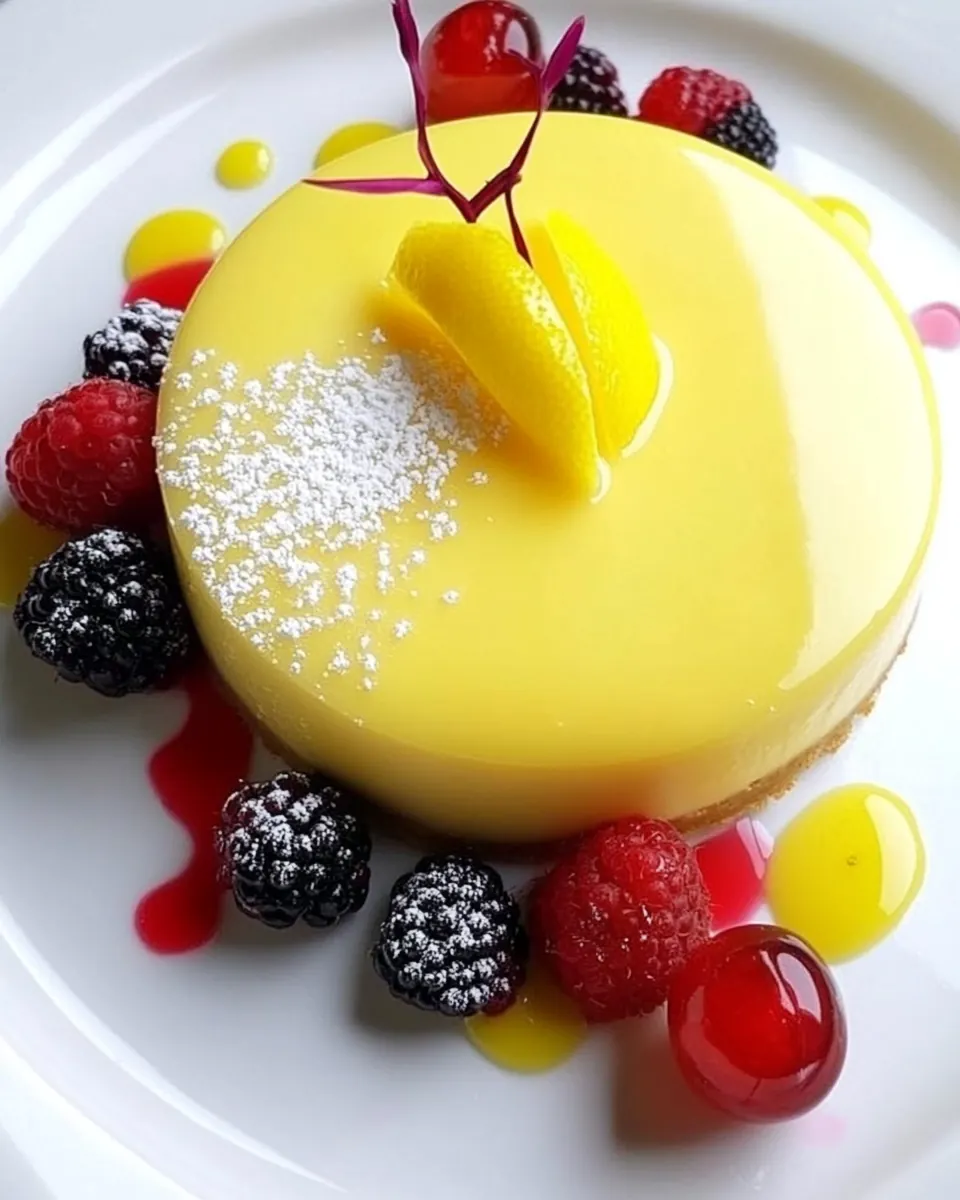
Now that your mise en place is ready, approach these steps with patience and attention to texture. I like to cue my senses at every stage, so I know the mixture is progressing correctly. You will work through creating a lemon curd like component, folding airy elements into a cheese base, and baking a tender cake that supports the filling.
- Beat with paddle cream cheese, vanilla bean and icing sugar until creamy.: The bowl will thrum with a faint vibration as the paddle turns through softened cream cheese , releasing a light tang and the sweet perfume of scraped vanilla bean . You want a glossy, lump free texture that spreads easily on a spatula. This step matters because a smooth base prevents graininess in the final filling. If you rush and leave cold bits, you will get streaks and a curdled appearance. Take the time to scrape the bowl and stop once the mix is uniformly creamy and slightly aerated.
- Add melted chocolate to the mixture cheese and keep mixing.: Warm, melted white chocolate folded into the mix will lend a subtle sweetness and a silky sheen; you should smell its gentle cocoa butter aroma. Incorporate it slowly so the heat does not loosen the mixture excessively. This technique helps the filling remain stable; adding hot chocolate too fast risks breaking the emulsion. If you notice any separation, cool the bowl slightly and continue folding gently until it reunites into a smooth mass.
- Once well combined add candied lemon and semi-whipped cream and fold into the mixture cheese.: As you fold in the glossy chunks of candied lemon and airy semi whipped cream , listen for a quieter, softer scraping sound as the batter accepts the air. The visual shifts to a lighter color and a texture that holds soft peaks in parts. Folding preserves that air, creating a lift in the final bake; over mixing will flatten it, so stop when the streaks vanish and the batter looks homogeneous. A common mistake is using a whisk and beating out the air, so always fold with a spatula.
- Mix the sugar and lemon juice.: When you combine granulated sugar with fresh lemon juice , the mixture will smell intensely citrusy and feel slightly grainy until it warms. This step is foundational because the sugar helps stabilize the curd and the juice provides the acid that balances sweetness. Stir until the sugar begins to dissolve noticeably; if it remains gritty, warming gently will help. Avoid burning the sugars by using moderate heat and watch closely.
- Bring to boil.: As the lemon and sugar reach a boil, you will see a glossy surface and hear a steady, lively bubbling sound. Boiling activates thickening when you later add the eggs, and it helps concentrate flavors. Keep stirring to avoid hot spots that can caramelize. A frequent error is letting the mixture scorch on the edges, which imparts a bitter note, so use even heat and a heavy bottom pan for control.
- Add yolks, eggs.: Temper the egg yolks and whole eggs by adding a small stream of hot lemon syrup while whisking, then incorporate them into the pan. The mixture will thicken and become velvety, and you will notice a richer color. This step creates a custard like body; rushing it can cause curdling. If curdling begins, remove from heat and whisk vigorously while cooling to smooth it out.
- Remove from the heat, cool down till 60 °C (140 °F) and add the butter.: Pull the pan off the burner and let the curd value fall to the specified temperature. Adding room temperature or slightly warmed butter at the right moment yields a shiny emulsion. If the mixture is too hot, the butter will separate and you will lose that velvety gloss. A mistake is adding cold butter to a near cold curd, which can cause pooling; warm the butter slightly for easier incorporation.
- Blend it till smooth.: Using a blender or immersion tool, process the curd until it reads silky, with no visible bits. You will feel the texture become uniform and hear a steadier hum. This ensures a satiny finish and eliminates any stringy or grainy pockets. Over blending can incorporate too much air, so pulse until smooth then stop. If you see bubbles, let the curd rest before folding into the filling.
- Whip the eggs with sugar till foamy.: Whipping whole eggs and sugar aerates the batter, creating lightness in the cake layers. The mixture should transform into ribbons that fall slowly from the whisk, and you will hear a brighter, higher pitch as more air is incorporated. This step impacts crumb structure, so stop once the foam holds soft peaks; over whipping can make the batter collapse later.
- Add dry ingredients.: Fold in the sifted T45 cake flour and baking powder , taking care to keep the air you've built. The batter will thicken and look more matte as the powder integrates. This step matters because it controls crumb and rise; adding flour too forcefully will deflate the batter. A common pitfall is uneven mixing, leaving flour pockets, so fold until the streaks disappear.
- Add liquid ingredients: milk and oil.: Gently incorporate the fresh milk and vegetable oil to achieve a smooth, glossy batter that pours easily. The oil ensures moistness, while milk brings tenderness. Combine until homogeneous, but do not overwork the batter, or the crumb will become tight. If you see separation, a few gentle folds will bring it back together.
- Bake at 200 °C (392 °F) for 8 minutes.: The oven will produce a golden edge very quickly at this temperature, and you should hear a soft settling sound as moisture evaporates. The exterior should be lightly colored while the interior remains tender. This brief, high heat step sets the crumb and helps create a stable surface for the filling. Watch carefully because even a minute too long can dry the cake. If the top browns too quickly, lower the temperature slightly or cover with foil.
Customization Ideas
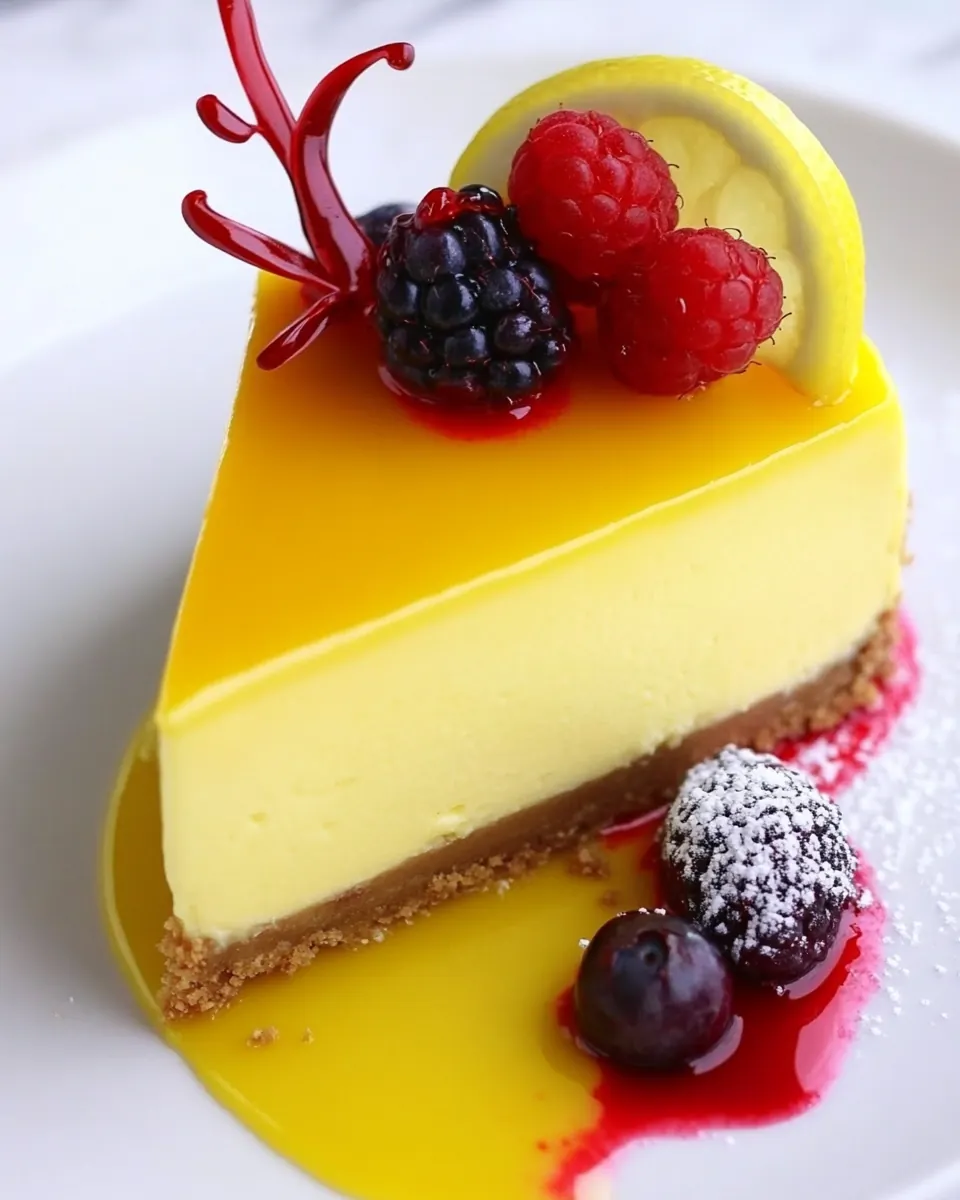
You can tailor Lemon Cheesecake with Fresh Berries to suit different occasions and tastes. Below are practical, creative ideas to help you make the recipe your own without losing the core identity.
- Swap berry varieties Use a mix of fresh berries such as strawberries, blueberries and raspberries to vary sweetness and texture while keeping the vibrant finish.
- Adjust lemon intensity Increase or decrease the amount of lemon juice to make the cake brighter or more mellow to suit your audience’s preference.
- White chocolate balance If you prefer less sweetness, reduce the white chocolate slightly and fold in a touch more semi whipped cream for lift.
- Candied lemon distribution Chop the candied lemon finer for subtle bursts, or leave larger pieces for distinct pockets of flavor.
- Make ahead tips Prepare the curd and cake layers a day ahead and assemble the filling on the day you serve to keep textures vibrant.
How to Enjoy Lemon Cheesecake with Fresh Berries
This dessert is wonderfully versatile, fitting both casual and celebratory moments. Serve slices slightly chilled so the filling holds shape but the texture is tender, and present with a scattering of fresh berries to accent the lemon notes.
- Elegant plating Serve each slice on a warmed plate with a small spoonful of extra lemon curd and a nest of fresh berries for a restaurant style finish.
- Casual gatherings Cut into small squares for buffet style service, allowing guests to sample without committing to a full slice.
- Seasonal pairing Highlight this cake in spring, when berries are bright and flavorful, and the citrus feels especially refreshing.
- Storage Keep covered in the refrigerator for up to four days, ensuring the filling remains creamy and the cake does not dry out.
- Occasions It works beautifully for afternoon tea, birthdays, and festive dinners, offering a balance of sweet and tart that appeals to many palates.
FAQ
Conclusion
Lemon Cheesecake with Fresh Berries stands out for its bright citrus lift, silky filling, and the joyful contrast provided by fresh fruit. This cake is approachable yet elegant, offering a satisfying balance of tang and sweetness that feels both celebratory and comforting. I encourage you to give it a try at your next gathering, whether you are serving a small group or a larger crowd, because the texture and flavor profile make it a reliable showstopper. Enjoy the process of folding, tasting, and arranging the berries, and take pride in presenting a dessert that brings people together with every slice.
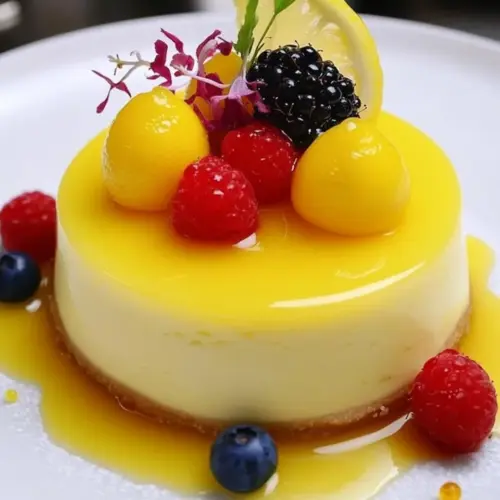
Lemon Cheesecake with Fresh Berries
Equipment
- Mixer with paddle attachment
- Saucepan
- Blender or immersion blender
- Oven
Ingredients
- 455 g rcream cheese Soften and enrich the filling with a smooth, tangy texture; provides creamy structure and a mild savory balance to the cheesecake. Bring to room temperature before whipping to avoid lumps and ensure even incorporation with sugars and eggs. Helps set the body of the cake when combined with melted white chocolate and eggs.
- 110 g ricing sugar Sweeten and stabilize the cheesecake mixture while helping dissolve other dry components; contributes fine, even sweetness without grittiness. Gradually blend into the cream cheese to prevent grainy texture and to control sweetness level. Also aids in reducing moisture when combined with eggs and heat.
- 10 g rvanilla bean Infuse an intense, aromatic flavor with small flecks that elevate the dessert's complexity; offers floral, creamy notes distinct from extract. Scrape seeds and gently fold into the filling to distribute flavor evenly and pair well with citrus components. Use sparingly to avoid overpowering delicate cream cheese nuances.
- 150 g rwhite chocolate Add rich, sweet cocoa butter flavor and additional body to the filling when melted and folded in; increases silkiness and helps stabilize the custard. Melt gently and temper into warm cream cheese mixture to avoid seizing. Complements the lemon and vanilla while contributing fat for a smoother mouthfeel.
- 230 g rwhipped cream Lighten and aerate the filling by folding in softly whipped cream; introduces a delicate, airy texture and a light finish. Whip to medium-soft peaks and carefully fold to retain volume without deflating the batter. Balances density from cream cheese and white chocolate for a tender bite.
- 55 g rcandied lemon Provide concentrated citrus sweetness and chewy texture that punctuates each bite with bright, candied lemon flavor. Finely chop and fold into the batter or use as garnish to distribute bursts of intense lemon throughout the cheesecake. Helps reinforce lemon profile alongside lemon juice and vanilla.
- 65 g rlemon juice Brighten and acidify the filling to deliver fresh, tangy citrus brightness and to balance overall sweetness. Add gradually and taste to achieve the desired tartness; acid also aids in setting the custard properly. Pair with candied lemon and vanilla for layered lemon character.
- 200 g rsugar Sweeten the cake base or syrup components with crystalline sweetness that also assists in structure when heated; acts as a key sweetening agent for crusts, fillings, or compotes. Dissolve completely to avoid gritty textures and to ensure even caramelization if used for toppings. Controls final dessert sweetness when combined with icing sugar.
- 100 g regg yolks Thicken and enrich the filling by adding a dense, custardy richness and protein that helps bind the mixture. Whisk yolks thoroughly with sugar before incorporating to ensure smooth texture and proper emulsification with fats. Yolks contribute to color, silkiness, and stability when baked.
- 50 g reggs Introduce aeration and additional structure when whole eggs are required; proteins set during baking to form a stable crumb and lift. Beat lightly and incorporate to avoid overaeration which could create cracks. Maintain appropriate temperature to blend evenly into the batter.
- 250 g rbutter Provide fat and richness to the crust or base, contributing tenderness and a cohesive texture when melted into crumbs or batter. Use softened or melted butter depending on application to bind dry ingredients effectively. Also adds a buttery flavor that complements the lemon and cream cheese.
- 225 g rsugar Sweeten and balance components such as crusts, fillings, or meringues with fine granulated sugar that integrates smoothly. Measure carefully to maintain proper texture and avoid overly dense results. Also assists in browning and creating tender crumb in baked elements.
- 30 g rwhole eggs Contribute structure, moisture, and binding to batters or crusts while adding richness and additional protein for setting during baking. Beat whole eggs properly to ensure even incorporation and to support emulsification between fats and liquids. They also aid in color development and stability of the final product.
- 84 g rvegetable oil Provide moistness and emulsification through fat content, improving mouthfeel and tenderness in cakes or bases. Gently incorporate to maintain a smooth batter and prevent separation from aqueous components. Also helps suspend flavors and promotes even browning.
- 123 g rfresh milk Add liquid dairy for hydration, tenderness, and slight creaminess while contributing to batter fluidity and gluten development control. Warm or room-temperature milk blends more evenly with fats and flours and helps achieve a consistent batter. Also affects crumb softness and baking time.
- 183 g rT45 cake flour Supply the primary structure and lightness of the cake by offering fine wheat starch and gluten for crumb formation; ideal for delicate sponge-like textures. Sift before mixing to avoid lumps and ensure uniform aeration when combined with eggs and leavening. Pair with baking powder to achieve proper rise and crumb.
- 12 g rbaking powder Leaven and add lift to the batter by releasing gases during baking, resulting in a lighter, airy texture. Mix evenly with dry ingredients to prevent uneven pockets and to ensure consistent rising. Use measured amounts to balance rise without creating coarse holes.
Instructions
- Beat with paddle cream cheese, vanilla bean and icing sugar until creamy.: The bowl will thrum with a faint vibration as the paddle turns through softened cream cheese , releasing a light tang and the sweet perfume of scraped vanilla bean . You want a glossy, lump free texture that spreads easily on a spatula. This step matters because a smooth base prevents graininess in the final filling. If you rush and leave cold bits, you will get streaks and a curdled appearance. Take the time to scrape the bowl and stop once the mix is uniformly creamy and slightly aerated.
- Add melted chocolate to the mixture cheese and keep mixing.: Warm, melted white chocolate folded into the mix will lend a subtle sweetness and a silky sheen; you should smell its gentle cocoa butter aroma. Incorporate it slowly so the heat does not loosen the mixture excessively. This technique helps the filling remain stable; adding hot chocolate too fast risks breaking the emulsion. If you notice any separation, cool the bowl slightly and continue folding gently until it reunites into a smooth mass.
- Once well combined add candied lemon and semi-whipped cream and fold into the mixture cheese.: As you fold in the glossy chunks of candied lemon and airy semi whipped cream , listen for a quieter, softer scraping sound as the batter accepts the air. The visual shifts to a lighter color and a texture that holds soft peaks in parts. Folding preserves that air, creating a lift in the final bake; over mixing will flatten it, so stop when the streaks vanish and the batter looks homogeneous. A common mistake is using a whisk and beating out the air, so always fold with a spatula.
- Mix the sugar and lemon juice.: When you combine granulated sugar with fresh lemon juice , the mixture will smell intensely citrusy and feel slightly grainy until it warms. This step is foundational because the sugar helps stabilize the curd and the juice provides the acid that balances sweetness. Stir until the sugar begins to dissolve noticeably; if it remains gritty, warming gently will help. Avoid burning the sugars by using moderate heat and watch closely.
- Bring to boil.: As the lemon and sugar reach a boil, you will see a glossy surface and hear a steady, lively bubbling sound. Boiling activates thickening when you later add the eggs, and it helps concentrate flavors. Keep stirring to avoid hot spots that can caramelize. A frequent error is letting the mixture scorch on the edges, which imparts a bitter note, so use even heat and a heavy bottom pan for control.
- Add yolks, eggs.: Temper the egg yolks and whole eggs by adding a small stream of hot lemon syrup while whisking, then incorporate them into the pan. The mixture will thicken and become velvety, and you will notice a richer color. This step creates a custard like body; rushing it can cause curdling. If curdling begins, remove from heat and whisk vigorously while cooling to smooth it out.
- Remove from the heat, cool down till 60 °C (140 °F) and add the butter.: Pull the pan off the burner and let the curd value fall to the specified temperature. Adding room temperature or slightly warmed butter at the right moment yields a shiny emulsion. If the mixture is too hot, the butter will separate and you will lose that velvety gloss. A mistake is adding cold butter to a near cold curd, which can cause pooling; warm the butter slightly for easier incorporation.
- Blend it till smooth.: Using a blender or immersion tool, process the curd until it reads silky, with no visible bits. You will feel the texture become uniform and hear a steadier hum. This ensures a satiny finish and eliminates any stringy or grainy pockets. Over blending can incorporate too much air, so pulse until smooth then stop. If you see bubbles, let the curd rest before folding into the filling.
- Whip the eggs with sugar till foamy.: Whipping whole eggs and sugar aerates the batter, creating lightness in the cake layers. The mixture should transform into ribbons that fall slowly from the whisk, and you will hear a brighter, higher pitch as more air is incorporated. This step impacts crumb structure, so stop once the foam holds soft peaks; over whipping can make the batter collapse later.
- Add dry ingredients.: Fold in the sifted T45 cake flour and baking powder , taking care to keep the air you've built. The batter will thicken and look more matte as the powder integrates. This step matters because it controls crumb and rise; adding flour too forcefully will deflate the batter. A common pitfall is uneven mixing, leaving flour pockets, so fold until the streaks disappear.
- Add liquid ingredients: milk and oil.: Gently incorporate the fresh milk and vegetable oil to achieve a smooth, glossy batter that pours easily. The oil ensures moistness, while milk brings tenderness. Combine until homogeneous, but do not overwork the batter, or the crumb will become tight. If you see separation, a few gentle folds will bring it back together.
- Bake at 200 °C (392 °F) for 8 minutes.: The oven will produce a golden edge very quickly at this temperature, and you should hear a soft settling sound as moisture evaporates. The exterior should be lightly colored while the interior remains tender. This brief, high heat step sets the crumb and helps create a stable surface for the filling. Watch carefully because even a minute too long can dry the cake. If the top browns too quickly, lower the temperature slightly or cover with foil.
Notes
- Swap berry varieties Use a mix of fresh berries such as strawberries, blueberries and raspberries to vary sweetness and texture while keeping the vibrant finish.
- Adjust lemon intensity Increase or decrease the amount of lemon juice to make the cake brighter or more mellow to suit your audience's preference.
- White chocolate balance If you prefer less sweetness, reduce the white chocolate slightly and fold in a touch more semi whipped cream for lift.
- Candied lemon distribution Chop the candied lemon finer for subtle bursts, or leave larger pieces for distinct pockets of flavor.
- Make ahead tips Prepare the curd and cake layers a day ahead and assemble the filling on the day you serve to keep textures vibrant.