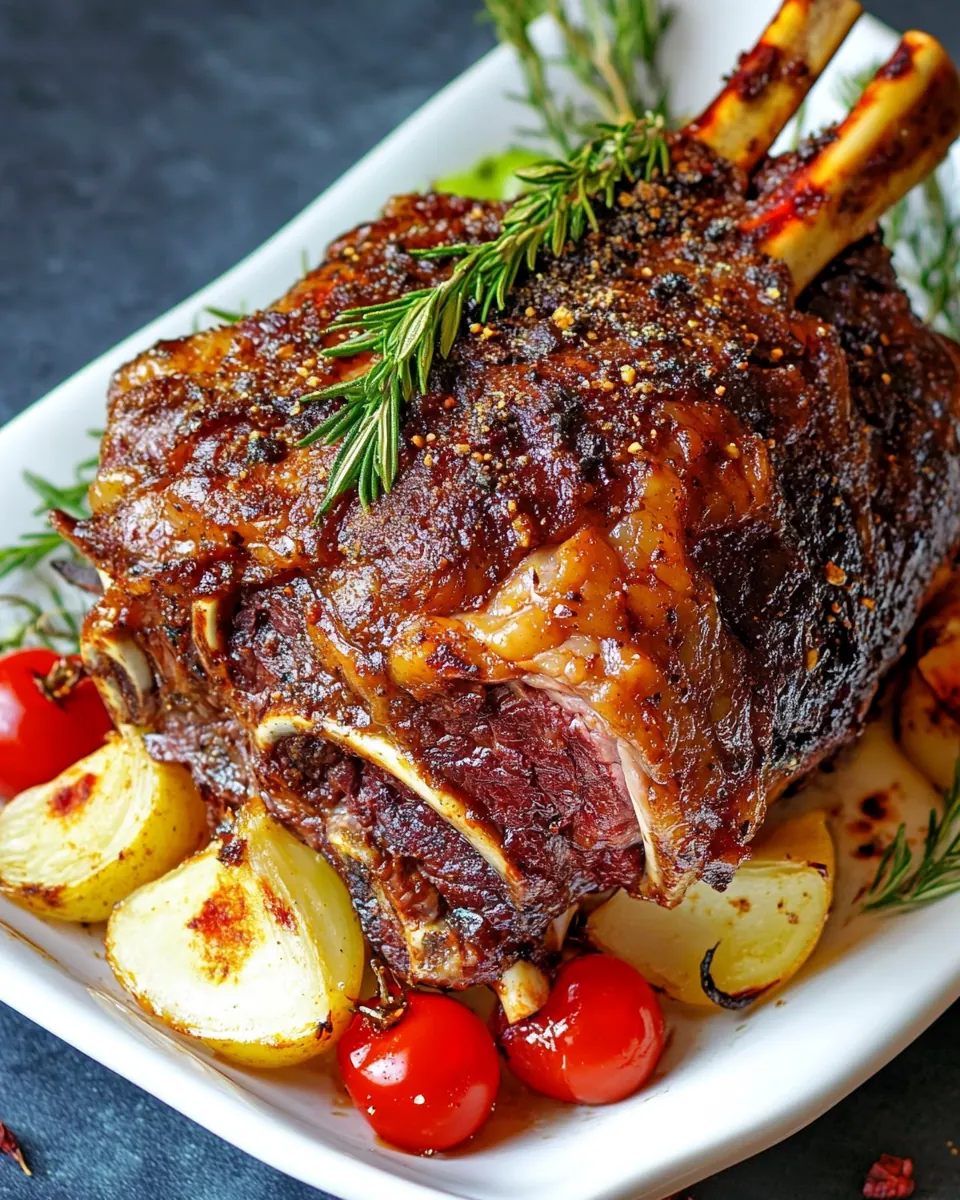
Kashmiri Style Leg of Lamb
Kashmiri Style Leg of Lamb has been a dish I turn to when I want something that feels ceremonial without feeling precious. The first time I made it I was hosting a small autumn gathering and I wanted something that would smell like warmth and spice the moment guests stepped inside. I still remember the way the kitchen filled with the sweet, resinous aroma of cardamom and cinnamon as the leg slowly roasted, and how conversation softened around the scent.
Over the years I’ve tweaked the marinade and the way I handle the lamb, learning small tricks that make a big difference. I like to make deep slits in the meat so the marinade can travel into the center, and I always press the spice paste into those slits with my fingers because the physical act feels like setting an intention. The yogurt and nuts create a lush coating that keeps the exterior glossy and adds a gentle tang to balance the spices.
Recipe Snapshot
2 hr
10 mins
110 mins
Medium
500 kcal
Indian
Gluten-Free, Keto
Dinner
Oven, Roasting pan, Food processor, Sharp knife, Meat thermometer
Why You Need This Kashmiri Style Leg of Lamb
Warm, aromatic flavor profile
I love how Kashmiri Style Leg of Lamb layers sweet, savory, and floral notes, giving each bite complexity without being busy. The blend of turmeric, cumin, and sweet spices gives a unique scent profile that lingers in the kitchen and on the plate. This is a roast that rewards patience with a deeply developed aroma.
Impressive yet accessible
I’ve served this when I wanted to impress and when I needed a comforting family dinner, and it works both ways. The technique is straightforward, and the ritual of marinating overnight means most of the work is hands off. That makes it approachable for cooks who are confident enough to handle a larger cut of meat but who do not want to fuss for hours in the kitchen.
Texture that sings
When done right, the exterior develops a slightly caramelized coating from the yogurt and honey, while the interior stays tender and succulent. I cherish the contrast between the glossy crust and the yielding, pull apart texture of the cooked lamb. It slices beautifully for a centerpiece and carves elegantly for guests.
Flexible for menus and occasions
You can make this for a cozy fall supper or a festive holiday table, and it plays well with a range of sides. I often prepare it a day ahead and rewarm gently, which means less stress the day of the gathering. The flavor is bold enough to anchor a meal, yet it leaves room for bright, fresh accompaniments.
Hands on techniques that matter
The steps are simple to learn but the small details improve results dramatically. Making deep slits, pressing the rub into the meat, and giving plenty of time for the yogurt and spices to work are small habits that reward you with a superior roast. I appreciate recipes that teach technique through repetition, and this one does exactly that.
Kashmiri Style Leg of Lamb Ingredients
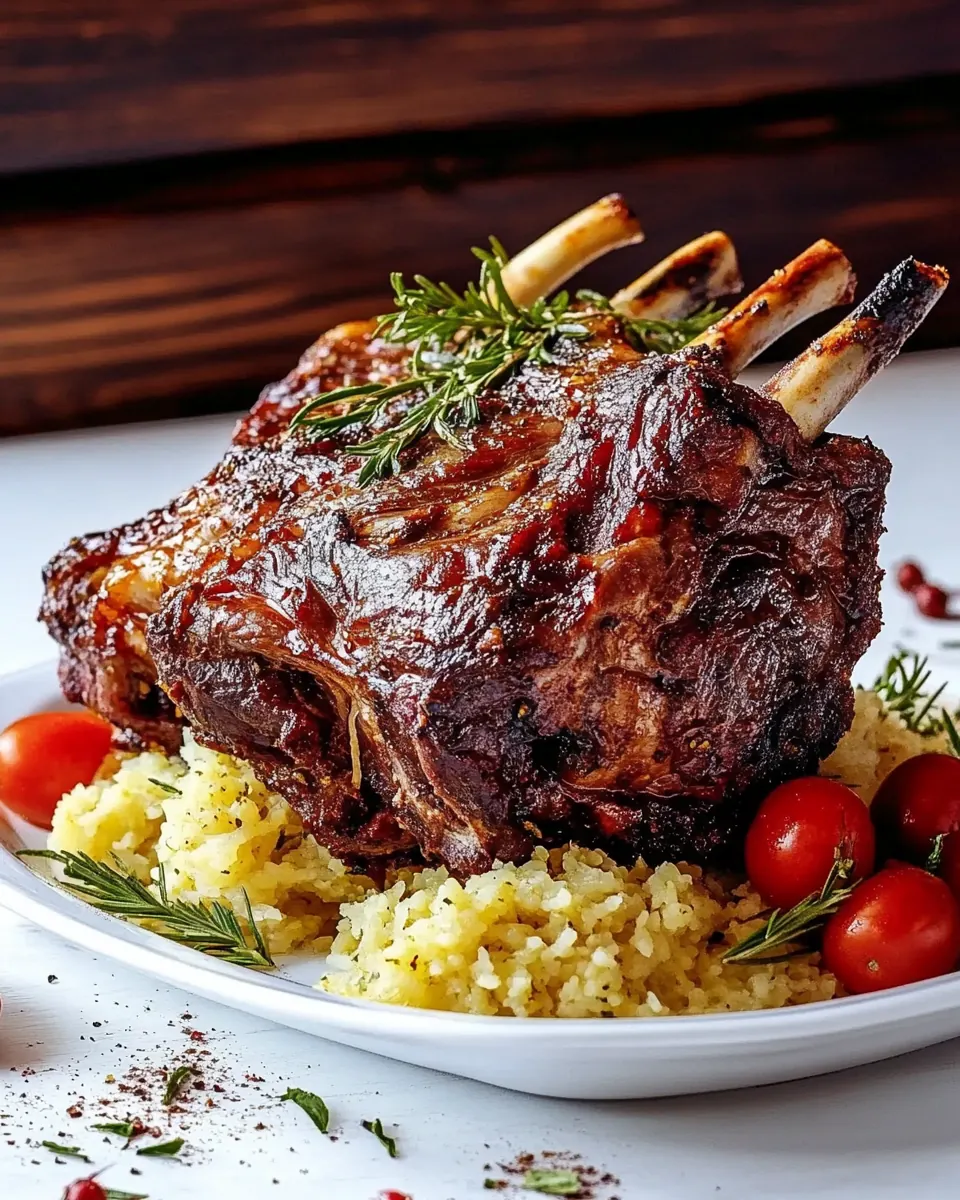
These ingredients come from a tradition of layered spices and dairy based marinades that tenderize and flavor the lamb. The key players are the aromatic spices that provide warmth, the yogurt which both tenderizes and adds tang, and the nuts which lend body and texture. Together they create a marinade that penetrates deeply, balances richness, and forms a glossy exterior during roasting.
- 5 pound leg of lamb: Roast and baste to provide the main protein and centerpiece for the dish, offering rich, savory flavor and substantial texture; allow ample marinating time for spices to penetrate and tenderize the meat. Serve sliced against the grain to maximize tenderness and present the lamb as the focal point of the Kashmiri-style entrée.
- 2 tablespoons fresh lemon juice: Brighten and tenderize the meat with fresh acidity, helping to balance rich flavors while loosening muscle fibers during marination; stir into the yogurt-based marinade for even distribution. Use fresh lemon juice to lift aromatic spices and enhance mouthfeel without overpowering delicate notes.
- 1 tablespoon peeled, grated fresh ginger: Unwind aromatic warmth and pungency into the marinade by grating fresh ginger, which contributes enzymes that gently break down proteins and add a bright, peppery edge. Incorporate evenly to ensure the ginger's zing complements garlic and spices rather than dominating the dish.
- 4 garlic cloves, crushed in a press: Crush and infuse deep, savory aromatics by pressing garlic into the marinade to add pungency, depth, and a complementary sweetness once cooked. Combine with ginger and lemon to form a balanced flavor base that penetrates the lamb for robust savory notes.
- 1 teaspoons salt: Season and enhance overall flavor by providing necessary salt for taste amplification and aiding in moisture retention during marination; distribute evenly to avoid uneven seasoning. Adjust sparingly if using salted accompaniments, while remembering salt also helps the yogurt and acids tenderize the meat.
- 1 teaspoons ground cumin: Impart warm, earthy notes and a nutty, slightly citrusy nuance that complements other spices; grind into the marinade so the cumin's aroma melds with the lamb. Use measured amounts to add depth without overwhelming the subtler saffron-like or floral elements typical of Kashmiri profiles.
- 1 teaspoons turmeric: Introduce mild bitter-sweet earthiness and golden color, contributing to the classic spice profile and marrying with turmeric already present in the recipe. Blend thoroughly into the marinade to ensure the turmeric's color and subtle flavor permeate the meat evenly.
- 1/2 teaspoon ground cinnamon: Add subtle sweet warmth and woody complexity in small amounts, enhancing the spice blend with a faintly exotic aroma that pairs well with cardamom and cloves. Use sparingly to avoid cloying sweetness and to maintain a harmonious balance among the warm spices.
- 1/2 teaspoon ground cardamom: Deliver floral, resinous warmth with a slightly green, citrusy lift that complements the cinnamon and cloves while adding sophisticated aromatic layers. Grind into the marinade to infuse the lamb with delicate perfumed notes without dominating the overall spice ensemble.
- 1/2 teaspoon pure chili powder: Provide controlled heat and bright red color, contributing a sharp, spicy edge that accents the richer, aromatic spices without overwhelming the palate. Add cautiously to achieve the desired warmth consistent with Kashmiri-style flavoring traditions.
- 1/4 teaspoon ground cloves: Contribute concentrated sweet-bitter depth and aromatic intensity in a tiny quantity, enhancing the overall spice blend with a warm, clove-like bite. Balance carefully so the cloves accentuate rather than overpower the more delicate cardamom and cinnamon notes.
- 1 cup plain yogurt fat-free is not recommended: Cream and tenderize by coating the lamb in a tangy, rich base that helps spices adhere and facilitates enzymatic breakdown of proteins; choose full-fat yogurt for optimal texture and flavor. Stir until smooth and evenly distributed so the yogurt creates a luxurious marinade that browns nicely during roasting.
- 2 tablespoons blanched slivered almonds: Add crunchy, nutty texture and mild sweetness when blended into the marinade or used as a garnish, providing a subtle almond fragrance that complements the dish's warm spices. Lightly toast if desired to amplify flavor before mixing with other nuts for a balanced nutty element.
- 2 tablespoons chopped pistachios: Provide vivid color and a buttery, slightly sweet flavor with a tender, crunchy bite that pairs well with almonds and spices; use chopped pistachios for garnish or to be incorporated into the marinade for texture contrast. Keep pieces uniform to ensure even distribution and attractive presentation.
- 1 tablespoons ground turmeric: Intensify golden color and earthy warmth by contributing another layer of turmeric flavor, reinforcing the spice's visual and taste profile in the dish. Combine with the earlier turmeric measurement carefully to maintain balance and avoid excessive bitterness.
- 1 tablespoon honey: Sweeten and glaze the lamb with a touch of floral, mellow sugar that helps create caramelized edges and round out the savory and spicy components. Mix into the marinade or brush during roasting for subtle sheen and depth without cloying sweetness.
Step by Step Guide for Kashmiri Style Leg of Lamb
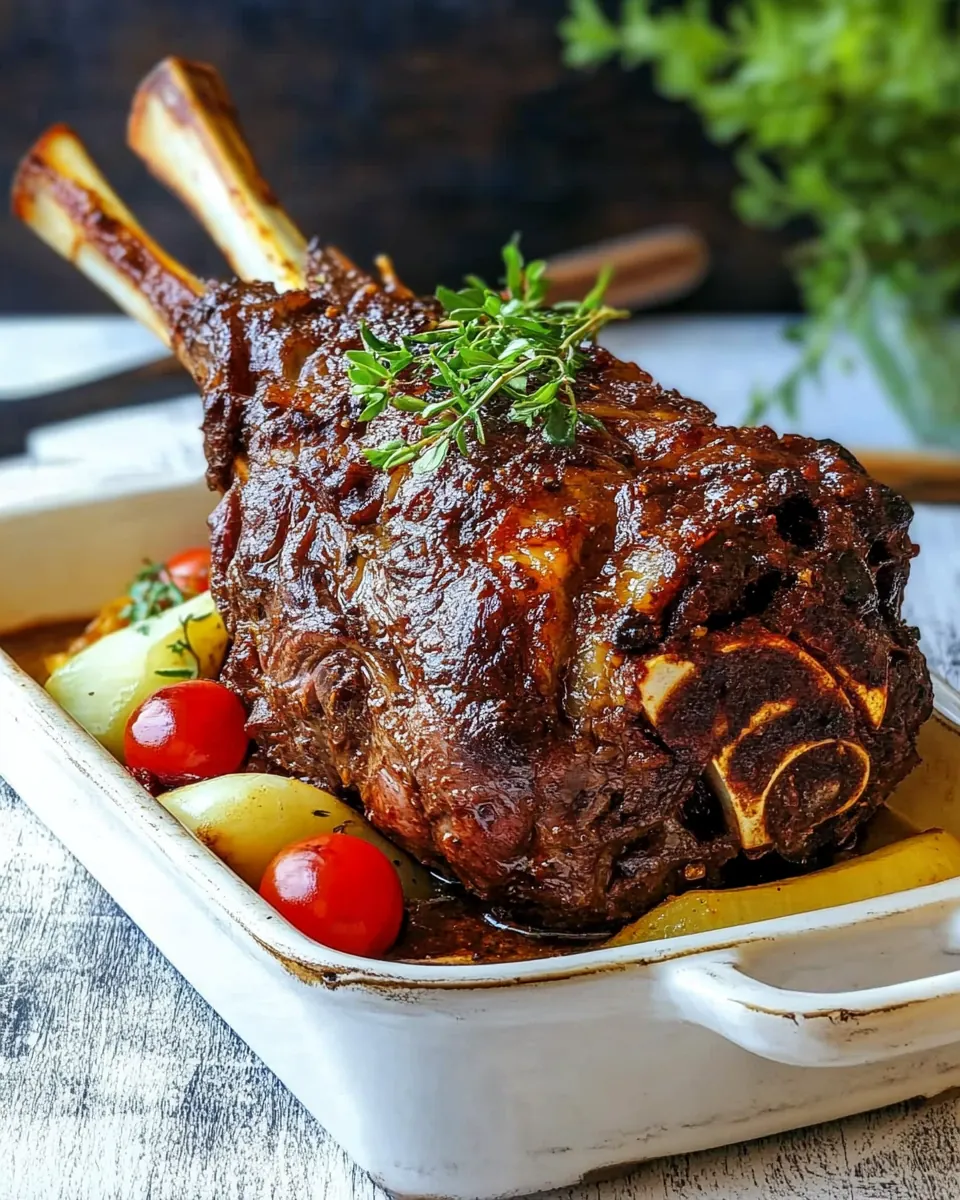
This roast rewards patience and attention. Below I expand each direction into detailed steps that focus on what you will see, smell, and feel, and how to avoid common mistakes. Read each step fully before you begin, and gather your tools so the process flows.
- Prepare the lamb: Remove any excess fat from the lamb. Using the point of a sharp knife, make deep slits all over the leg. Place the lamb in a large non-reactive dish.: The first sensory cue here is sight and touch, you will notice the cool, raw surface of the lamb as you remove excess fat, and the sound of a sharp knife whispering through the meat as you make deep slits. Why this matters, the slits allow the marinade to reach deeper muscle fibers so flavor penetrates beyond the surface, producing a more evenly seasoned roast. Use a clean, sharp knife and steady pressure, making slits about one inch deep spaced across the leg. Trouble to avoid, do not slice too shallowly, or the marinade will only sit on the surface and not flavor the interior. Also, avoid cutting too deep into bone as that can make carving uneven. Press any trimmed fat into a bowl for disposal or saving for other uses, and pat the surface dry with paper towels so the rub adheres better.
- Prepare the lamb rub: Combine all the spice blend ingredients in a small bowl. Rub over the lamb, pressing it into the slits.: At this stage the smell of the dry spices will be bright and aromatic, the warm notes of cumin and cardamom releasing as you mix them. Combining the ground spices by hand in a small bowl allows you to coax out their fragrance by rubbing them gently between your fingers before applying, which helps the oils bloom and become more pronounced during cooking. The reason this technique matters is that evenly combined spices ensure every bite tastes balanced rather than punctuated by a single dominant spice. Common mistake to avoid, do not overcrowd the bowl with other ingredients that mask the fragrance, and measure spices precisely to keep the intended balance. When the rub smells fragrant and cohesive, press it into the slits and across the surface so the aromatics are in direct contact with meat.
- Marinate the lamb: In a food processor or blender, thoroughly blend the yogurt, nuts, and turmeric. Spread over the lamb. Drizzle the honey over the lamb, cover, and marinate for 1 day in the refrigerator, turning occasionally.: When you blend the yogurt , nuts, and spice, you will notice a creamy, fragrant paste with flecks of nutty texture and a bright sheen. The sound is minimal, a soft whirl from your food processor, and the visual is a thick, even coating that will cling to the lamb . This step matters because the yogurt tenderizes proteins through gentle acidity while the nuts add body and help the marinade adhere, creating a flavorful crust during roasting. A troubleshooting note, do not use fat free yogurt as it will not produce the same protective coating and can yield a drier roast. Spread the paste into the deep slits as well as over the surface, drizzle the honey for a hint of sweetness, then cover tightly and refrigerate for 24 hours. One mistake I often see is marinating for too short a time, which leaves the interior under flavored. Turn the roast occasionally during the day so the marinade contacts all sides evenly.
- Roast the lamb: Preheat the oven to 450°F. Transfer the lamb to a roasting pan, cover (aluminum foil is fine), and cook for 30 minutes. Reduce the oven temperature to 350°F and cook for 1 3/4 hours more, or until meltingly tender. Uncover and serve warm or at room temperature.: As you preheat the oven you will hear the oven fan and smell a faint hint of the spices coming off the chilled meat as it warms. When you transfer the roast to a pan and cover it, expect a quiet, slow build of heat that will gradually coax the connective tissue to melt into gelatin, producing a succulent texture. The initial high heat gives the exterior a quick sear, locking juices in and beginning the caramelization of the honey and yogurt. After reducing the oven to the lower temperature, the room will fill with a deeper, warm spice aroma and you will notice the juices start to glisten in the roasting pan. Why this two stage cooking matters, the high start followed by slower roasting creates both a glossy, flavorful crust and a tender interior that pulls apart easily. A common error is opening the oven frequently to check, which drops the temperature and extends cooking time; instead, use a probe thermometer to monitor internal temperature. When the roast registers in the target range and the exterior is a rich, golden brown, remove it and let it rest before carving to allow juices to redistribute.
Variations to Try
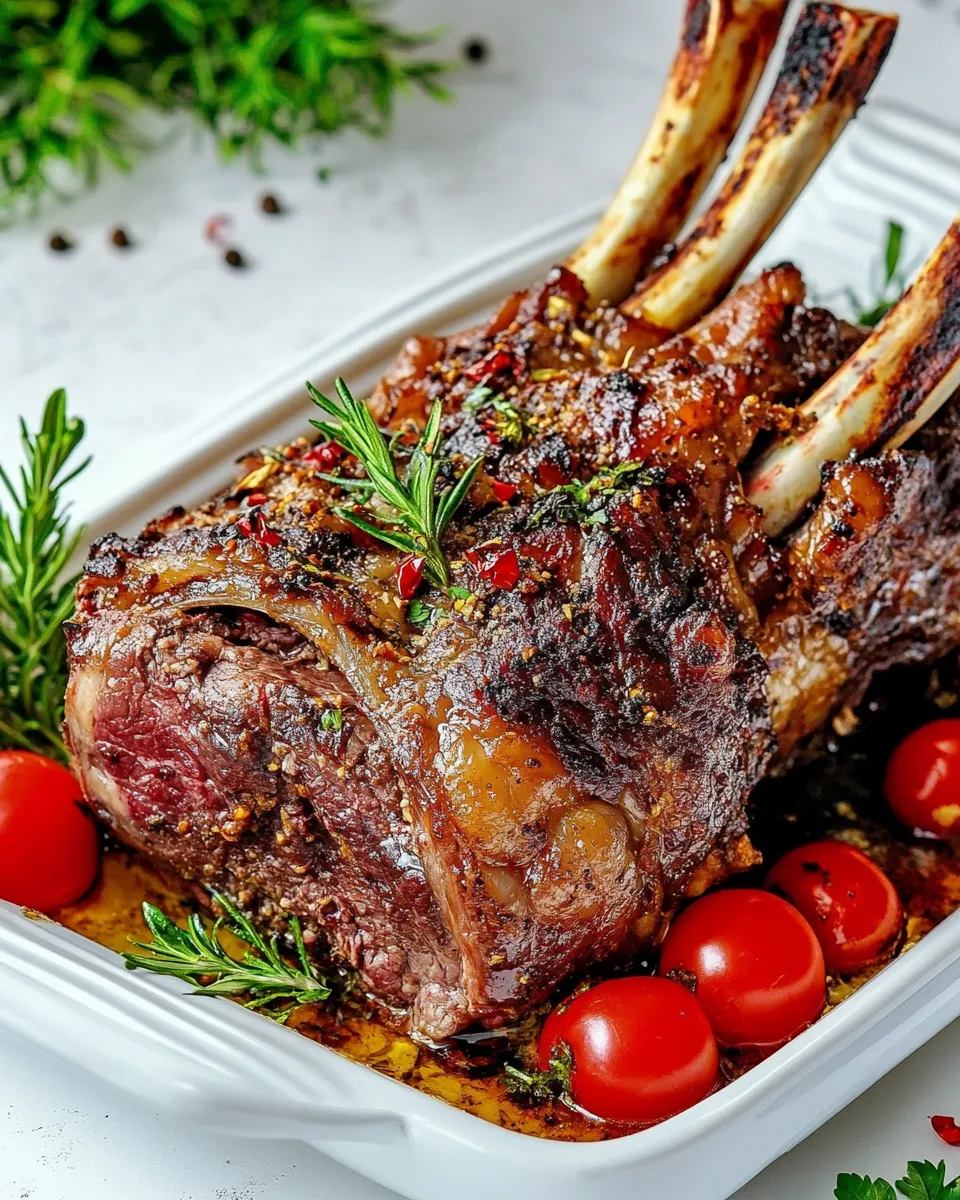
Below are thoughtful ways I have adapted this recipe over time to suit different tastes, occasions, and ingredient availability. Each variation keeps the spirit of the original while offering a focused change to explore.
- Add more nuts for a richer paste Use a higher ratio of slivered almonds and chopped pistachios blended into the yogurt to create a denser, more luxurious marinade that yields a slightly thicker crust after roasting.
- Adjust heat to taste Increase or decrease the chili powder depending on your tolerance, starting small and testing a dab of paste on your wrist to preview the heat before applying to the whole roast.
- Swap honey timing Brush the honey only in the last fifteen to twenty minutes of roasting for a more pronounced caramelized glaze, rather than having it mellow during the long marination.
- Make it ahead Prepare the marinade and coat the lamb the day before serving, then keep refrigerated; bring to room temperature before roasting to ensure even cooking.
- Use a thermometer for precision Aim for one of the recommended finish temperatures to achieve your preferred doneness, and always rest after roasting for the best texture.
What Complements This Kashmiri Style Leg of Lamb
This roast pairs beautifully with bright, textural side dishes and can be dressed up for special occasions or served simply for a family meal. Below are serving ideas, storage notes, and occasion pairings to help you plan the full experience around the roast.
- Serve with fragrant rice A saffron tinted rice or pilaf highlights the warm spices and gives a neutral base for the richly seasoned lamb.
- Offer crisp salads A simple green salad with a lemon vinaigrette provides contrast, cutting through the richness and keeping the meal balanced for dinner or a festive spread.
- Include chutneys or raitas A cool, yogurt based raita with cucumber soothes the palate and echoes the tang from the marinade, making it ideal for warmer evenings or Ramadan Iftar meals.
- Carving for a crowd Rest the roast and slice thinly against the grain for easy plating at a family dinner or holiday table, it carves well and stretches to feed guests.
- Storage and reheating Refrigerate leftovers in an airtight container for up to three days, gently reheat in a low oven to preserve moisture, or slice cold for sandwiches and salads.
- Seasonal pairings This recipe shines in fall when you want warming spices, and it also makes a cozy centerpiece for special dinners during the cooler months.
FAQ
Conclusion
This Kashmiri Style Leg of Lamb stands out because it combines a fragrant spice blend with a creamy nut and yogurt marinade that yields a tender, richly flavored roast. I encourage you to give it a try, especially when you want a centerpiece that impresses without demanding constant attention. Let the long marination work for you, and enjoy the way the smell of spices fills your kitchen as the roast comes together.
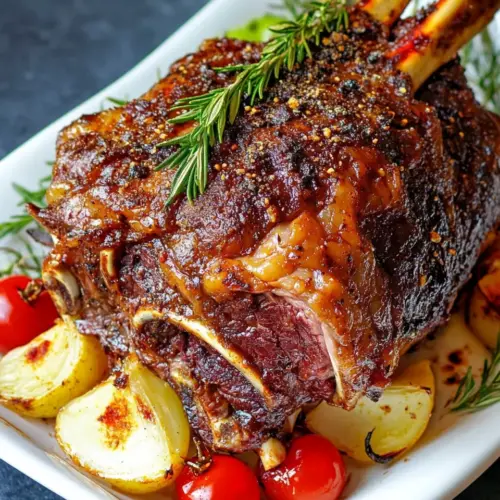
Kashmiri Style Leg of Lamb
Equipment
- Oven
- Roasting Pan
- Food Processor
- Sharp Knife
- Meat Thermometer
Ingredients
- 5 pound leg of lamb Roast and baste to provide the main protein and centerpiece for the dish, offering rich, savory flavor and substantial texture; allow ample marinating time for spices to penetrate and tenderize the meat. Serve sliced against the grain to maximize tenderness and present the lamb as the focal point of the Kashmiri-style entrée.
- 2 tablespoons fresh lemon juice Brighten and tenderize the meat with fresh acidity, helping to balance rich flavors while loosening muscle fibers during marination; stir into the yogurt-based marinade for even distribution. Use fresh lemon juice to lift aromatic spices and enhance mouthfeel without overpowering delicate notes.
- 1 tablespoon peeled, grated fresh ginger Unwind aromatic warmth and pungency into the marinade by grating fresh ginger, which contributes enzymes that gently break down proteins and add a bright, peppery edge. Incorporate evenly to ensure the ginger's zing complements garlic and spices rather than dominating the dish.
- 4 garlic cloves, crushed in a press Crush and infuse deep, savory aromatics by pressing garlic into the marinade to add pungency, depth, and a complementary sweetness once cooked. Combine with ginger and lemon to form a balanced flavor base that penetrates the lamb for robust savory notes.
- 1 teaspoons salt Season and enhance overall flavor by providing necessary salt for taste amplification and aiding in moisture retention during marination; distribute evenly to avoid uneven seasoning. Adjust sparingly if using salted accompaniments, while remembering salt also helps the yogurt and acids tenderize the meat.
- 1 teaspoons ground cumin Impart warm, earthy notes and a nutty, slightly citrusy nuance that complements other spices; grind into the marinade so the cumin's aroma melds with the lamb. Use measured amounts to add depth without overwhelming the subtler saffron-like or floral elements typical of Kashmiri profiles.
- 1 teaspoons turmeric Introduce mild bitter-sweet earthiness and golden color, contributing to the classic spice profile and marrying with turmeric already present in the recipe. Blend thoroughly into the marinade to ensure the turmeric's color and subtle flavor permeate the meat evenly.
- 1/2 teaspoon ground cinnamon Add subtle sweet warmth and woody complexity in small amounts, enhancing the spice blend with a faintly exotic aroma that pairs well with cardamom and cloves. Use sparingly to avoid cloying sweetness and to maintain a harmonious balance among the warm spices.
- 1/2 teaspoon ground cardamom Deliver floral, resinous warmth with a slightly green, citrusy lift that complements the cinnamon and cloves while adding sophisticated aromatic layers. Grind into the marinade to infuse the lamb with delicate perfumed notes without dominating the overall spice ensemble.
- 1/2 teaspoon pure chili powder Provide controlled heat and bright red color, contributing a sharp, spicy edge that accents the richer, aromatic spices without overwhelming the palate. Add cautiously to achieve the desired warmth consistent with Kashmiri-style flavoring traditions.
- 1/4 teaspoon ground cloves Contribute concentrated sweet-bitter depth and aromatic intensity in a tiny quantity, enhancing the overall spice blend with a warm, clove-like bite. Balance carefully so the cloves accentuate rather than overpower the more delicate cardamom and cinnamon notes.
- 1 cup plain yogurt fat-free is not recommended Cream and tenderize by coating the lamb in a tangy, rich base that helps spices adhere and facilitates enzymatic breakdown of proteins; choose full-fat yogurt for optimal texture and flavor. Stir until smooth and evenly distributed so the yogurt creates a luxurious marinade that browns nicely during roasting.
- 2 tablespoons blanched slivered almonds Add crunchy, nutty texture and mild sweetness when blended into the marinade or used as a garnish, providing a subtle almond fragrance that complements the dish's warm spices. Lightly toast if desired to amplify flavor before mixing with other nuts for a balanced nutty element.
- 2 tablespoons chopped pistachios Provide vivid color and a buttery, slightly sweet flavor with a tender, crunchy bite that pairs well with almonds and spices; use chopped pistachios for garnish or to be incorporated into the marinade for texture contrast. Keep pieces uniform to ensure even distribution and attractive presentation.
- 1 tablespoons ground turmeric Intensify golden color and earthy warmth by contributing another layer of turmeric flavor, reinforcing the spice's visual and taste profile in the dish. Combine with the earlier turmeric measurement carefully to maintain balance and avoid excessive bitterness.
- 1 tablespoon honey Sweeten and glaze the lamb with a touch of floral, mellow sugar that helps create caramelized edges and round out the savory and spicy components. Mix into the marinade or brush during roasting for subtle sheen and depth without cloying sweetness.
Instructions
- Prepare the lamb: Remove any excess fat from the lamb. Using the point of a sharp knife, make deep slits all over the leg. Place the lamb in a large non-reactive dish.: The first sensory cue here is sight and touch, you will notice the cool, raw surface of the lamb as you remove excess fat, and the sound of a sharp knife whispering through the meat as you make deep slits. Why this matters, the slits allow the marinade to reach deeper muscle fibers so flavor penetrates beyond the surface, producing a more evenly seasoned roast. Use a clean, sharp knife and steady pressure, making slits about one inch deep spaced across the leg. Trouble to avoid, do not slice too shallowly, or the marinade will only sit on the surface and not flavor the interior. Also, avoid cutting too deep into bone as that can make carving uneven. Press any trimmed fat into a bowl for disposal or saving for other uses, and pat the surface dry with paper towels so the rub adheres better.
- Prepare the lamb rub: Combine all the spice blend ingredients in a small bowl. Rub over the lamb, pressing it into the slits.: At this stage the smell of the dry spices will be bright and aromatic, the warm notes of cumin and cardamom releasing as you mix them. Combining the ground spices by hand in a small bowl allows you to coax out their fragrance by rubbing them gently between your fingers before applying, which helps the oils bloom and become more pronounced during cooking. The reason this technique matters is that evenly combined spices ensure every bite tastes balanced rather than punctuated by a single dominant spice. Common mistake to avoid, do not overcrowd the bowl with other ingredients that mask the fragrance, and measure spices precisely to keep the intended balance. When the rub smells fragrant and cohesive, press it into the slits and across the surface so the aromatics are in direct contact with meat.
- Marinate the lamb: In a food processor or blender, thoroughly blend the yogurt, nuts, and turmeric. Spread over the lamb. Drizzle the honey over the lamb, cover, and marinate for 1 day in the refrigerator, turning occasionally.: When you blend the yogurt , nuts, and spice, you will notice a creamy, fragrant paste with flecks of nutty texture and a bright sheen. The sound is minimal, a soft whirl from your food processor, and the visual is a thick, even coating that will cling to the lamb . This step matters because the yogurt tenderizes proteins through gentle acidity while the nuts add body and help the marinade adhere, creating a flavorful crust during roasting. A troubleshooting note, do not use fat free yogurt as it will not produce the same protective coating and can yield a drier roast. Spread the paste into the deep slits as well as over the surface, drizzle the honey for a hint of sweetness, then cover tightly and refrigerate for 24 hours. One mistake I often see is marinating for too short a time, which leaves the interior under flavored. Turn the roast occasionally during the day so the marinade contacts all sides evenly.
- Roast the lamb: Preheat the oven to 450°F. Transfer the lamb to a roasting pan, cover (aluminum foil is fine), and cook for 30 minutes. Reduce the oven temperature to 350°F and cook for 1 3/4 hours more, or until meltingly tender. Uncover and serve warm or at room temperature.: As you preheat the oven you will hear the oven fan and smell a faint hint of the spices coming off the chilled meat as it warms. When you transfer the roast to a pan and cover it, expect a quiet, slow build of heat that will gradually coax the connective tissue to melt into gelatin, producing a succulent texture. The initial high heat gives the exterior a quick sear, locking juices in and beginning the caramelization of the honey and yogurt. After reducing the oven to the lower temperature, the room will fill with a deeper, warm spice aroma and you will notice the juices start to glisten in the roasting pan. Why this two stage cooking matters, the high start followed by slower roasting creates both a glossy, flavorful crust and a tender interior that pulls apart easily. A common error is opening the oven frequently to check, which drops the temperature and extends cooking time; instead, use a probe thermometer to monitor internal temperature. When the roast registers in the target range and the exterior is a rich, golden brown, remove it and let it rest before carving to allow juices to redistribute.
Notes
- Add more nuts for a richer paste Use a higher ratio of slivered almonds and chopped pistachios blended into the yogurt to create a denser, more luxurious marinade that yields a slightly thicker crust after roasting.
- Adjust heat to taste Increase or decrease the chili powder depending on your tolerance, starting small and testing a dab of paste on your wrist to preview the heat before applying to the whole roast.
- Swap honey timing Brush the honey only in the last fifteen to twenty minutes of roasting for a more pronounced caramelized glaze, rather than having it mellow during the long marination.
- Make it ahead Prepare the marinade and coat the lamb the day before serving, then keep refrigerated; bring to room temperature before roasting to ensure even cooking.
- Use a thermometer for precision Aim for one of the recommended finish temperatures to achieve your preferred doneness, and always rest after roasting for the best texture.