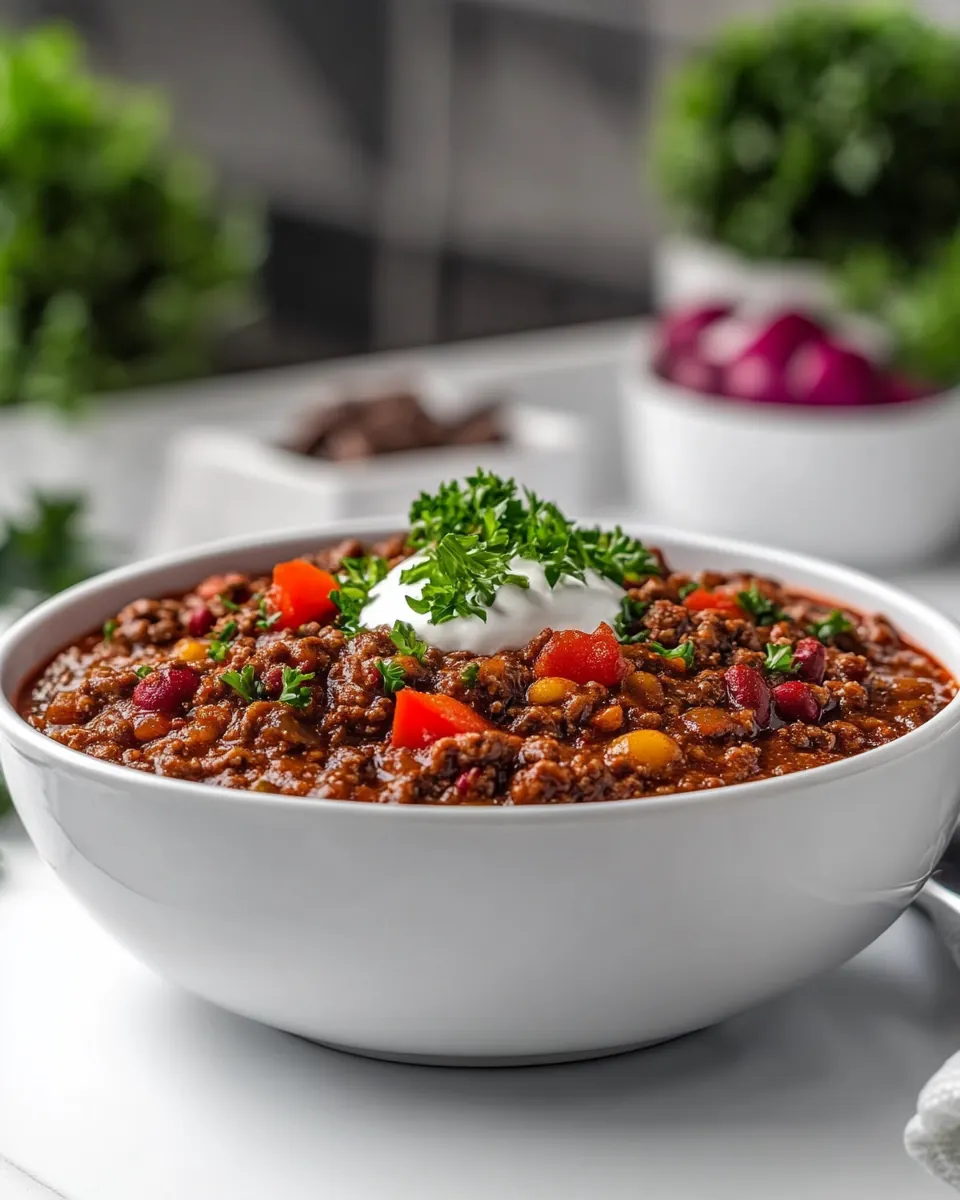
Chocolate Chili
Chocolate Chili is one of those recipes I turn to when the nights are long and the craving for something cozy hits. The first time I made Chocolate Chili I was chasing a deep, layered flavor that felt like a hug in a bowl, and the moment the dark chocolate melted into the tomato and spices I knew I was onto something. I remember stirring the pot while the street outside hissed with winter rain, and how the aroma pulled everyone into the kitchen before I even had bowls ready.
Over the years I have tweaked the balance so the chocolate supports the savory notes instead of taking over, and every time I serve Chocolate Chili at a casual dinner it sparks the same conversation about the secret ingredient. I like to tell the story of how I learned to brown ground beef properly, and how letting the spice mix bloom for just a minute changes everything. You’ll hear my small tricks peppered through this write up, because I want you to get the same warm, complex bowl that I do on a chilly evening.
Recipe Snapshot
40 mins
10 mins
30 mins
Easy
350 kcal
American
Gluten-Free, Low FODMAP
Dinner
Large pot, Wooden spoon, Can opener
Why This Chocolate Chili Is So Good
Rich complexity without fuss
I love that Chocolate Chili layers flavor so simply. The combination of dark chocolate with tomato and spices creates a rounded taste where bitter, sweet, and savory play together. I reach for this recipe when I want depth but not hours of hands on time, because a short simmer brings everything into harmony.
Comforting and filling
This dish is hearty, thanks to the protein packed ground beef and the fiber rich black beans. I often serve it when friends stay late, because it warms bellies and conversation alike. There is a satisfying mouthfeel from the beans and broth that makes it a true weeknight winner.
Easy pantry driven
I appreciate recipes that use staples, and this one relies on accessible items like canned diced tomatoes and dried spices. I can pull it together quickly from pantry basics, which is why it’s become a reliable option for busy evenings and last minute plans.
Layers you can tweak
What I adore about Chocolate Chili is the room to personalize. I sometimes nudge the chili powder up or down depending on the crowd, and the hint of dark chocolate can be more or less pronounced. That flexibility keeps it interesting every time I make it.
Great for sharing
This recipe scales neatly, and it stores well for next day meals. I’ve brought it to potlucks, and it travels like a champion. The flavors often mature overnight, so I recommend making it a day ahead if you want an even deeper profile.
Ingredients to Make Chocolate Chili
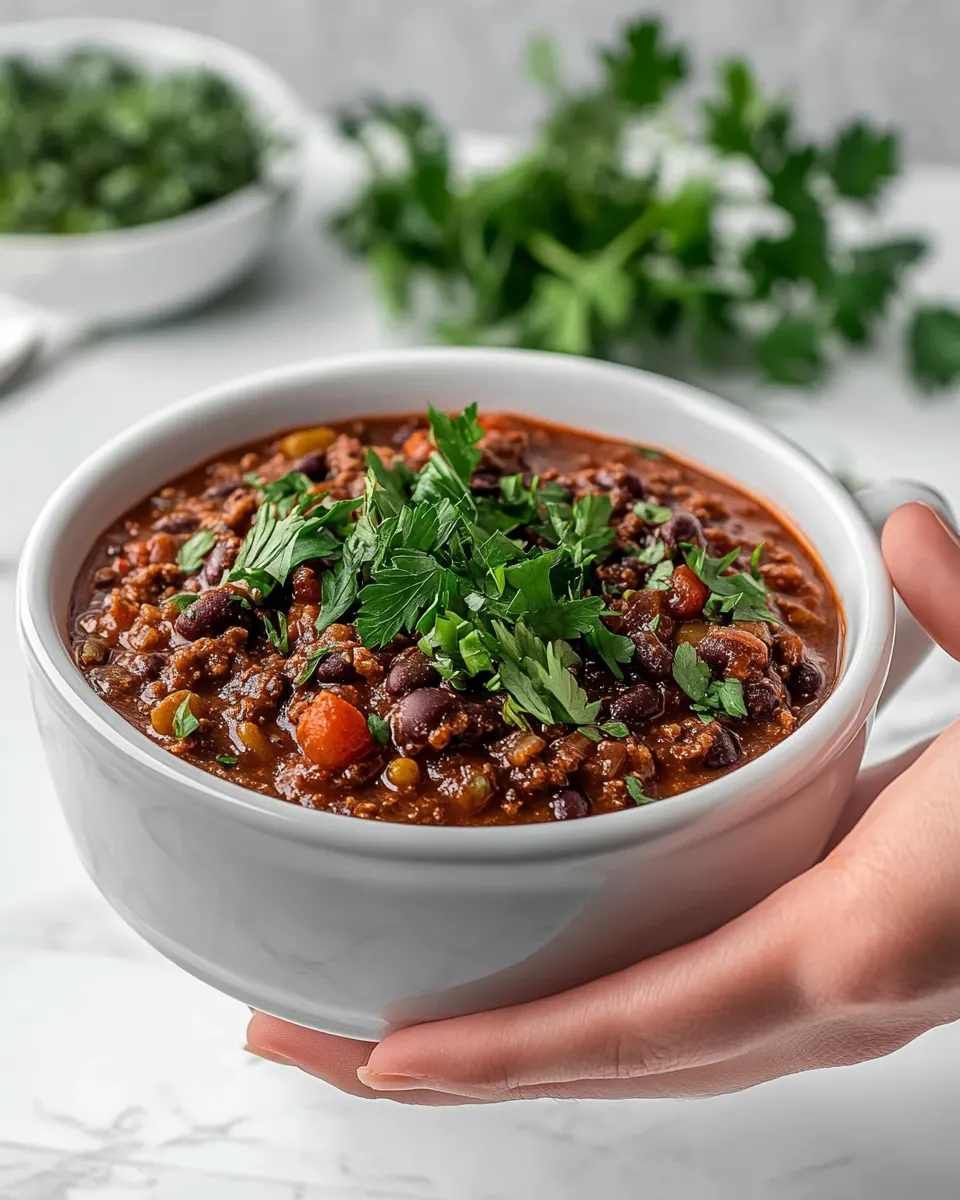
These ingredients come together to create a balanced, layered chili that is both savory and subtly complex. The key players are the aromatic base of onion and garlic, the hearty backbone of ground beef and black beans, and the surprising finishing note of dark chocolate. Each item has a job, whether it is building texture, adding body, or deepening flavor.
- 1 tablespoon olive oil: Heat olive oil in a pot to create a nonstick layer that carries and mellows flavors; it helps brown aromatics and meat evenly. Use it to prevent sticking and to develop the base of the chili through gentle frying. Choose a high-quality extra-virgin or regular olive oil depending on desired flavor intensity.
- 1 large onion diced: Dice onion finely to provide sweet, aromatic depth and natural moisture to the chili as it softens and caramelizes. Sauté until translucent to release sugars that balance the spice and bitterness from other components. Onions also contribute body and a subtle texture contrast in the finished dish.
- 2 cloves garlic minced: Mince garlic to release sharp, pungent aromatics that infuse the chili with savory complexity when briefly cooked. Add toward the end of sautéing onions to avoid burning while maximizing its fragrant oils. Garlic enhances umami perception and ties together meat, spices, and chocolate.
- 1 pound lean ground beef: Brown lean ground beef to build rich, meaty flavor and hearty texture that anchors the chili; lean meat reduces excess fat while still providing protein and savoriness. Break into small crumbles as it cooks to distribute evenly throughout the dish. Deglaze the pan after browning to incorporate browned bits into the sauce for deeper taste.
- 2 tablespoons chili powder: Toast chili powder briefly in the hot oil to bloom its smoky, spicy, and slightly sweet flavors that define the chili profile. Stir into the cooking meat and aromatics so its heat and color infuse the sauce evenly. Adjust quantity to control overall spiciness while maintaining classic chili character.
- 1 teaspoon ground cumin: Add ground cumin to introduce warm, earthy, and slightly citrusy notes that complement chili powder and enrich the spice layer. Use it sparingly and allow it to bloom in the oil to avoid raw, powdery taste. Cumin helps create a rounded, savory backbone for the chili.
- 1 teaspoon dried oregano: Sprinkle dried oregano to offer herbal, slightly bitter, and aromatic undertones that lift the chili’s flavor complexity. Allow it to simmer with the broth and tomatoes so its essential oils disperse throughout the sauce. Oregano pairs well with cumin and chili to mimic traditional chili seasoning blends.
- 1/2 teaspoon salt: Incorporate salt to enhance and balance all flavors, bringing out natural sweetness in onions and depth in the meat and chocolate. Season gradually and taste as the chili reduces since concentrations change during simmering. Proper salting is essential to avoid a flat or overly muted final dish.
- 1/4 teaspoon black pepper: Add black pepper to provide mild heat, sharpness, and a subtle floral-pungent accent that complements chili spice. Grind freshly if possible and add during cooking to integrate its aroma into the sauce. Pepper rounds out the seasoning and helps cut richness from meat and chocolate.
- 1 can (15 ounces) black beans drained and rinsed: Drain and rinse black beans to remove excess sodium and packing liquid while retaining creamy texture and protein that bulk the chili. Fold them into the simmering pot to heat through and absorb surrounding flavors without falling apart. Beans add fiber, body, and a contrasting texture to the meat.
- 1 can (15 ounces) diced tomatoes undrained: Pour undrained diced tomatoes to supply acidity, sweetness, and chunky texture that form the saucy base of the chili. The tomato liquid contributes moisture and helps meld spices, meat, and chocolate during simmering. Use whole or seasoned diced tomatoes depending on desired consistency and flavor.
- 2 ounces dark chocolate roughly chopped: Stir in roughly chopped dark chocolate to introduce deep cocoa bitterness and subtle sweetness that amplify umami and smooth the sauce’s richness. Allow chocolate to melt into the hot chili, balancing acidity from tomatoes and adding complexity to the spice profile. Dark chocolate also enhances mouthfeel and color without making the dish taste overtly chocolatey.
- 2 cups low-sodium beef broth: Add low-sodium beef broth to create a flavorful liquid medium that simmers ingredients together and controls chili consistency. Use low-sodium to better manage overall salt levels and to let other seasonings shine. Simmer to concentrate flavors and tenderize ingredients while adjusting thickness to preference.
How to Make Chocolate Chili
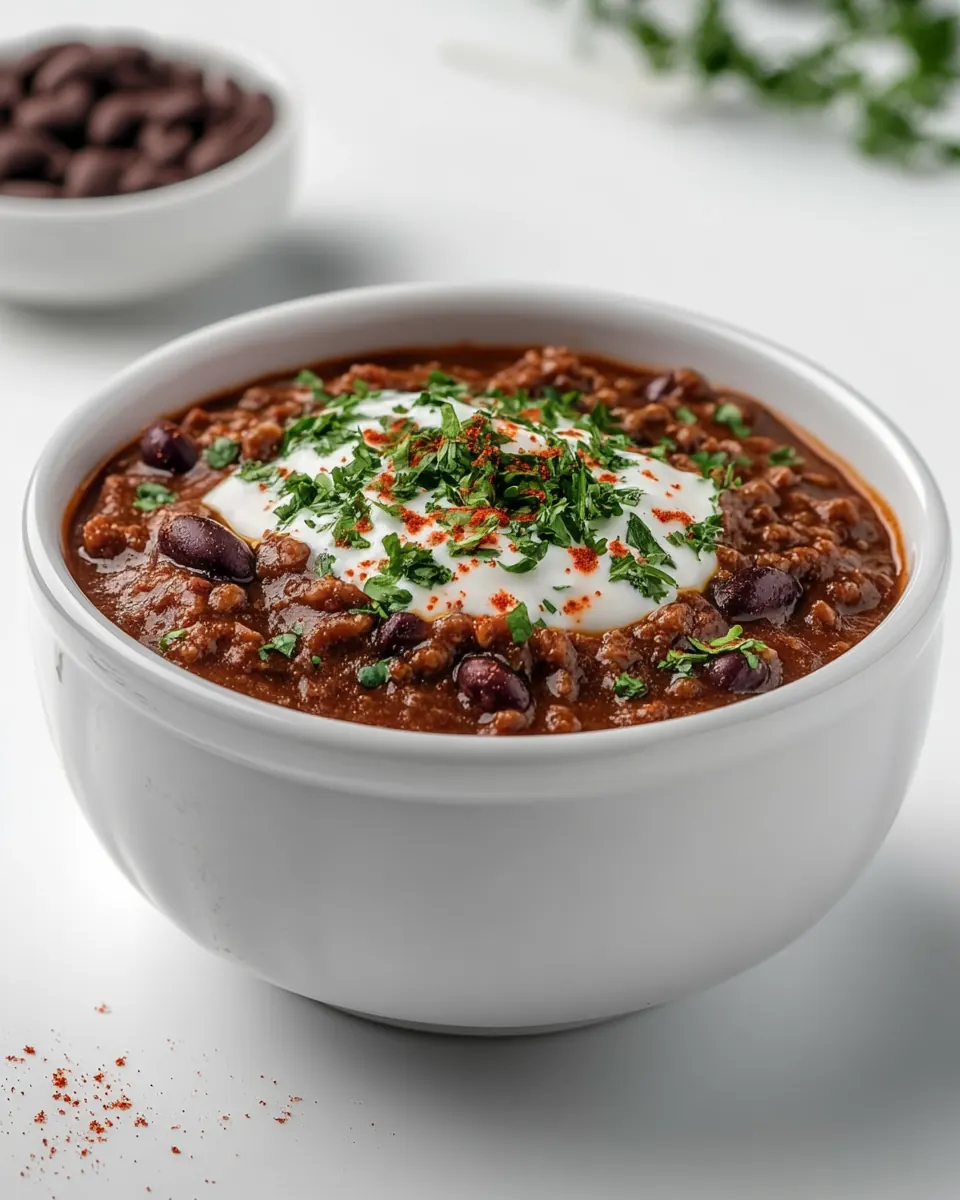
I like to keep the cooking introduction focused and calm, because good chili rewards patience more than speed. These steps will walk you through building flavor, layering ingredients, and finishing with the perfect texture for serving.
- Heat olive oil in a large pot over medium heat. Add onions and garlic, sautéing until softened, about 5 minutes.: The air will scent faintly of warm oil as it shimmers, a signal that the pan is ready. This step is crucial because adding aromatics to oil releases their flavors more evenly, creating a gentle sizzle that lets the onion soften rather than stick. If the oil smokes you have the heat too high, so lower the flame and wipe the pan before trying again. A common mistake is rushing this step and adding ingredients to oil that is either too cool or too hot, which prevents proper sweating of the aromatics.
- Increase heat to medium-high and add ground beef, cooking until browned. Drain excess fat if necessary.: As the onion sweats you will notice it turning translucent and sweet, while the garlic releases a warm, toasty aroma. Pay attention to the sound change from vigorous sizzle to a gentler whisper, that tells you the moisture is releasing and the aromatics are tenderizing. Stir frequently to avoid localized browning, because burnt bits can make the whole pot taste acrid. If your garlic begins to brown too quickly, pull the pan off heat briefly to cool it down.
- Stir in chili powder, cumin, oregano, salt, and pepper, cooking for another minute until fragrant.: When the ground beef hits the hot surface you will hear a satisfying sear, and those browned bits will accumulate and add deep savory notes. Break the meat into pieces so it browns evenly and develops texture instead of steaming. Drain excess fat if you see a pool forming, because too much oil will dilute the chili and make it greasy. A mistake here is stirring too often before the meat has a chance to brown, which prevents the caramelized flavor from developing.
- Add black beans, diced tomatoes with their juice, dark chocolate, and beef broth to the pot. Bring to a simmer.: The pot will bloom with spice aroma as the heat coaxes essential oils from the dried spices, a small but dramatic transformation. This moment is vital to unlocking their full flavor, so give them a minute to toast gently with residual heat. Watch closely, because spices can turn bitter if left too long without moisture. If the mixture looks dry, a splash of broth will prevent scorching.
- Reduce heat to low and let the chili simmer, uncovered, for 20-25 minutes, stirring occasionally.: When the canned tomatoes and broth hit the browned base they create a comforting steam and the scent will shift toward savory tomato richness. The dark chocolate will sink, soften, and dissolve into the liquid, adding a subtle bittersweet note that rounds acidity. Stir thoroughly so the chocolate disperses evenly; if you see clumps, warm gently while stirring until it melts. A common pitfall is adding chocolate too early at high heat, which can scorch and create graininess instead of a silky finish.
- Serve the chili hot with your choice of toppings.: You will see small bubbles forming at the edges as the pot settles into a gentle simmer, that slow movement is perfect for melding flavors without over reducing the liquid too fast. Simmering allows the spices to integrate with the meat and beans, and it creates a cohesive texture. Avoid a rolling boil which can break down beans and toughen meat; if you notice vigorous bubbling, reduce the heat until it calms down.
- Reduce heat to low and let the chili simmer, uncovered, for 20 to 25 minutes, stirring occasionally: During this gentle cook the broth will thicken slightly and the flavors will concentrate, giving you that warm, rounded character. You should smell the chocolate alongside tomato and spice, and the surface may develop a few glossy ripples as it reduces. Stir occasionally to prevent sticking on the bottom, and skim any foam if it appears to keep the broth clear. Leaving it unattended is the usual mistake here, because a sticky bottom can ruin the texture of the finished chili.
- Serve the chili hot with your choice of toppings: The final bowl should steam invitingly with a complex aroma and a velvety mouthfeel where the dark chocolate lingers in the background. Choose simple toppings that complement without overshadowing, and ladle the chili into warmed bowls for best results. A common serving error is to add salty toppings before tasting, which can push the balance too far; always taste first and adjust if needed.
Recipe Variations about Chocolate Chili
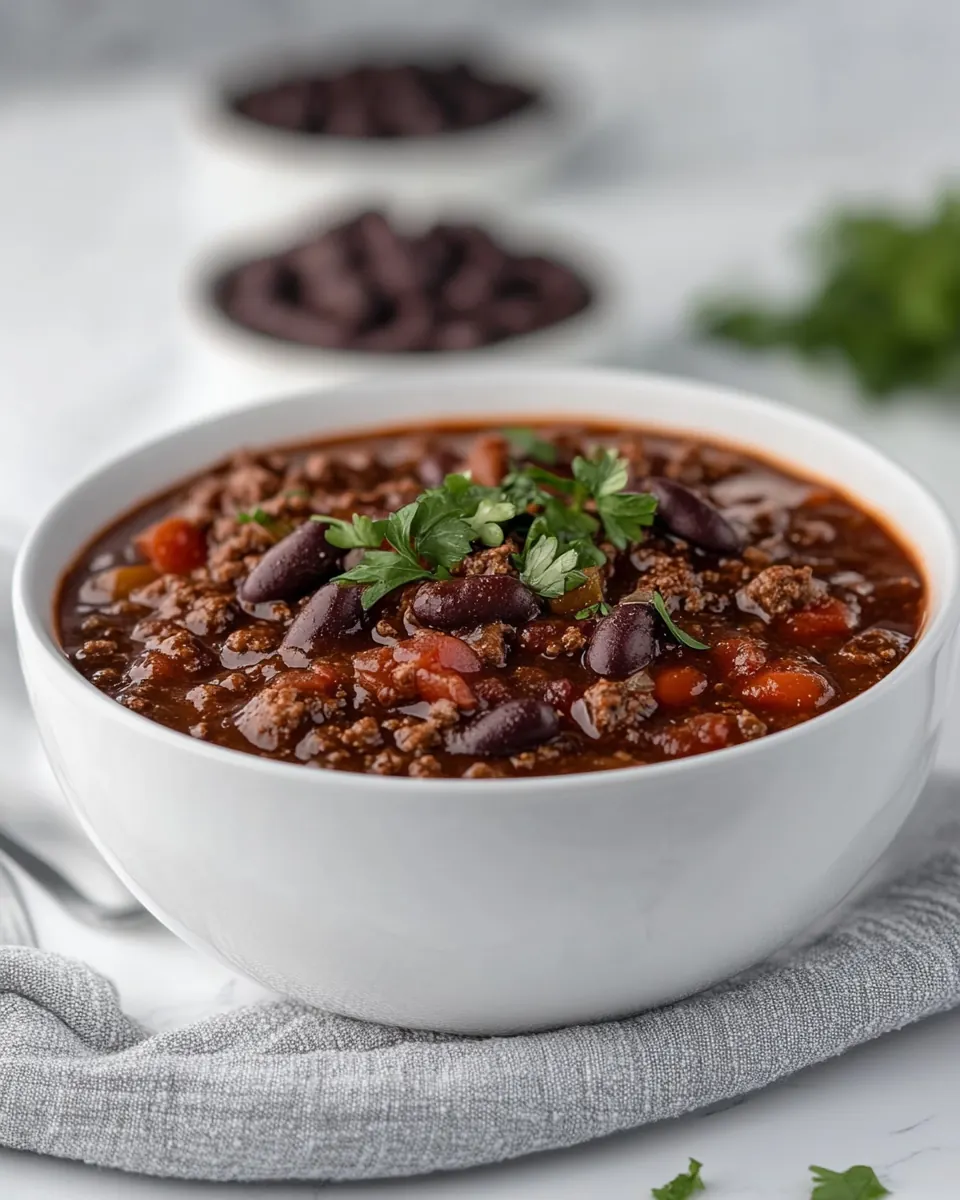
I like to offer variations that respect the original balance while letting you personalize the bowl. Below are practical ideas you can try depending on mood, crowd, or pantry contents.
- Make it spicier Add a pinch more chili powder or a touch of cayenne to increase heat gradually, tasting as you go to keep the balance in check.
- Adjust chocolate intensity Use a slightly milder chocolate if you prefer a hint of richness rather than a noticeable bitter note, and add it incrementally until you reach the flavor you like.
- Stretch with beans Increase the quantity of black beans to make the recipe more vegetarian forward in texture, while still relying on the beef broth for depth.
- Thicken the chili Simmer a bit longer uncovered, or mash a few beans against the pot side to naturally thicken the base without adding thickeners.
- Make-ahead advantage Cook a day ahead and refrigerate, as the flavors meld overnight and often taste even better the next day.
Serving This Chocolate Chili
This chili is versatile when it comes to serving. Whether you are planning a casual weeknight meal or a heartier dinner for guests, the ways to present and pair it are simple and satisfying.
- Classic bowls Serve hot in shallow bowls with a drizzle of any neutral topping you prefer, allowing the chocolate note to remain subtle.
- Accompaniments Offer crusty bread or warm tortillas on the side to sop up the broth, enhancing the comfort factor.
- Occasions Ideal for cold weather gatherings, weeknight dinners, or informal potlucks where guests can serve themselves from a large pot.
- Storage Refrigerate leftovers in an airtight container for up to four days, and reheat gently on the stove to preserve texture and flavor.
- Freezing This chili freezes well for up to three months; thaw overnight in the refrigerator before reheating slowly on low heat.
- Seasonal pairings Serve during winter months when you want a warming dish that feels substantial and comforting.
FAQ
Conclusion
This Chocolate Chili stands out because it marries savory, spicy, and bitter elements into a deeply satisfying bowl. It’s easy enough for a weeknight but layered enough to impress guests, and the subtle addition of dark chocolate gives the chili a unique, rounded finish. Try it when you want a comforting, flavorful meal that improves with time, and don’t be surprised if leftovers taste even better the next day. Serve it simply, enjoy the warmth, and let the quiet complexity win over your dinner companions.

Chocolate Chili
Equipment
- Large Pot
- Wooden Spoon
- Can opener
Ingredients
- 1 tablespoon olive oil Heat olive oil in a pot to create a nonstick layer that carries and mellows flavors; it helps brown aromatics and meat evenly. Use it to prevent sticking and to develop the base of the chili through gentle frying. Choose a high-quality extra-virgin or regular olive oil depending on desired flavor intensity.
- 1 large onion diced Dice onion finely to provide sweet, aromatic depth and natural moisture to the chili as it softens and caramelizes. Sauté until translucent to release sugars that balance the spice and bitterness from other components. Onions also contribute body and a subtle texture contrast in the finished dish.
- 2 cloves garlic minced Mince garlic to release sharp, pungent aromatics that infuse the chili with savory complexity when briefly cooked. Add toward the end of sautéing onions to avoid burning while maximizing its fragrant oils. Garlic enhances umami perception and ties together meat, spices, and chocolate.
- 1 pound lean ground beef Brown lean ground beef to build rich, meaty flavor and hearty texture that anchors the chili; lean meat reduces excess fat while still providing protein and savoriness. Break into small crumbles as it cooks to distribute evenly throughout the dish. Deglaze the pan after browning to incorporate browned bits into the sauce for deeper taste.
- 2 tablespoons chili powder Toast chili powder briefly in the hot oil to bloom its smoky, spicy, and slightly sweet flavors that define the chili profile. Stir into the cooking meat and aromatics so its heat and color infuse the sauce evenly. Adjust quantity to control overall spiciness while maintaining classic chili character.
- 1 teaspoon ground cumin Add ground cumin to introduce warm, earthy, and slightly citrusy notes that complement chili powder and enrich the spice layer. Use it sparingly and allow it to bloom in the oil to avoid raw, powdery taste. Cumin helps create a rounded, savory backbone for the chili.
- 1 teaspoon dried oregano Sprinkle dried oregano to offer herbal, slightly bitter, and aromatic undertones that lift the chili’s flavor complexity. Allow it to simmer with the broth and tomatoes so its essential oils disperse throughout the sauce. Oregano pairs well with cumin and chili to mimic traditional chili seasoning blends.
- 1/2 teaspoon salt Incorporate salt to enhance and balance all flavors, bringing out natural sweetness in onions and depth in the meat and chocolate. Season gradually and taste as the chili reduces since concentrations change during simmering. Proper salting is essential to avoid a flat or overly muted final dish.
- 1/4 teaspoon black pepper Add black pepper to provide mild heat, sharpness, and a subtle floral-pungent accent that complements chili spice. Grind freshly if possible and add during cooking to integrate its aroma into the sauce. Pepper rounds out the seasoning and helps cut richness from meat and chocolate.
- 1 can (15 ounces) black beans drained and rinsed Drain and rinse black beans to remove excess sodium and packing liquid while retaining creamy texture and protein that bulk the chili. Fold them into the simmering pot to heat through and absorb surrounding flavors without falling apart. Beans add fiber, body, and a contrasting texture to the meat.
- 1 can (15 ounces) diced tomatoes undrained Pour undrained diced tomatoes to supply acidity, sweetness, and chunky texture that form the saucy base of the chili. The tomato liquid contributes moisture and helps meld spices, meat, and chocolate during simmering. Use whole or seasoned diced tomatoes depending on desired consistency and flavor.
- 2 ounces dark chocolate roughly chopped Stir in roughly chopped dark chocolate to introduce deep cocoa bitterness and subtle sweetness that amplify umami and smooth the sauce’s richness. Allow chocolate to melt into the hot chili, balancing acidity from tomatoes and adding complexity to the spice profile. Dark chocolate also enhances mouthfeel and color without making the dish taste overtly chocolatey.
- 2 cups low-sodium beef broth Add low-sodium beef broth to create a flavorful liquid medium that simmers ingredients together and controls chili consistency. Use low-sodium to better manage overall salt levels and to let other seasonings shine. Simmer to concentrate flavors and tenderize ingredients while adjusting thickness to preference.
Instructions
- Heat olive oil in a large pot over medium heat. Add onions and garlic, sautéing until softened, about 5 minutes.: The air will scent faintly of warm oil as it shimmers, a signal that the pan is ready. This step is crucial because adding aromatics to oil releases their flavors more evenly, creating a gentle sizzle that lets the onion soften rather than stick. If the oil smokes you have the heat too high, so lower the flame and wipe the pan before trying again. A common mistake is rushing this step and adding ingredients to oil that is either too cool or too hot, which prevents proper sweating of the aromatics.
- Increase heat to medium-high and add ground beef, cooking until browned. Drain excess fat if necessary.: As the onion sweats you will notice it turning translucent and sweet, while the garlic releases a warm, toasty aroma. Pay attention to the sound change from vigorous sizzle to a gentler whisper, that tells you the moisture is releasing and the aromatics are tenderizing. Stir frequently to avoid localized browning, because burnt bits can make the whole pot taste acrid. If your garlic begins to brown too quickly, pull the pan off heat briefly to cool it down.
- Stir in chili powder, cumin, oregano, salt, and pepper, cooking for another minute until fragrant.: When the ground beef hits the hot surface you will hear a satisfying sear, and those browned bits will accumulate and add deep savory notes. Break the meat into pieces so it browns evenly and develops texture instead of steaming. Drain excess fat if you see a pool forming, because too much oil will dilute the chili and make it greasy. A mistake here is stirring too often before the meat has a chance to brown, which prevents the caramelized flavor from developing.
- Add black beans, diced tomatoes with their juice, dark chocolate, and beef broth to the pot. Bring to a simmer.: The pot will bloom with spice aroma as the heat coaxes essential oils from the dried spices, a small but dramatic transformation. This moment is vital to unlocking their full flavor, so give them a minute to toast gently with residual heat. Watch closely, because spices can turn bitter if left too long without moisture. If the mixture looks dry, a splash of broth will prevent scorching.
- Reduce heat to low and let the chili simmer, uncovered, for 20-25 minutes, stirring occasionally.: When the canned tomatoes and broth hit the browned base they create a comforting steam and the scent will shift toward savory tomato richness. The dark chocolate will sink, soften, and dissolve into the liquid, adding a subtle bittersweet note that rounds acidity. Stir thoroughly so the chocolate disperses evenly; if you see clumps, warm gently while stirring until it melts. A common pitfall is adding chocolate too early at high heat, which can scorch and create graininess instead of a silky finish.
- Serve the chili hot with your choice of toppings.: You will see small bubbles forming at the edges as the pot settles into a gentle simmer, that slow movement is perfect for melding flavors without over reducing the liquid too fast. Simmering allows the spices to integrate with the meat and beans, and it creates a cohesive texture. Avoid a rolling boil which can break down beans and toughen meat; if you notice vigorous bubbling, reduce the heat until it calms down.
- Reduce heat to low and let the chili simmer, uncovered, for 20 to 25 minutes, stirring occasionally: During this gentle cook the broth will thicken slightly and the flavors will concentrate, giving you that warm, rounded character. You should smell the chocolate alongside tomato and spice, and the surface may develop a few glossy ripples as it reduces. Stir occasionally to prevent sticking on the bottom, and skim any foam if it appears to keep the broth clear. Leaving it unattended is the usual mistake here, because a sticky bottom can ruin the texture of the finished chili.
- Serve the chili hot with your choice of toppings: The final bowl should steam invitingly with a complex aroma and a velvety mouthfeel where the dark chocolate lingers in the background. Choose simple toppings that complement without overshadowing, and ladle the chili into warmed bowls for best results. A common serving error is to add salty toppings before tasting, which can push the balance too far; always taste first and adjust if needed.
Notes
- Make it spicier Add a pinch more chili powder or a touch of cayenne to increase heat gradually, tasting as you go to keep the balance in check.
- Adjust chocolate intensity Use a slightly milder chocolate if you prefer a hint of richness rather than a noticeable bitter note, and add it incrementally until you reach the flavor you like.
- Stretch with beans Increase the quantity of black beans to make the recipe more vegetarian forward in texture, while still relying on the beef broth for depth.
- Thicken the chili Simmer a bit longer uncovered, or mash a few beans against the pot side to naturally thicken the base without adding thickeners.
- Make-ahead advantage Cook a day ahead and refrigerate, as the flavors meld overnight and often taste even better the next day.
