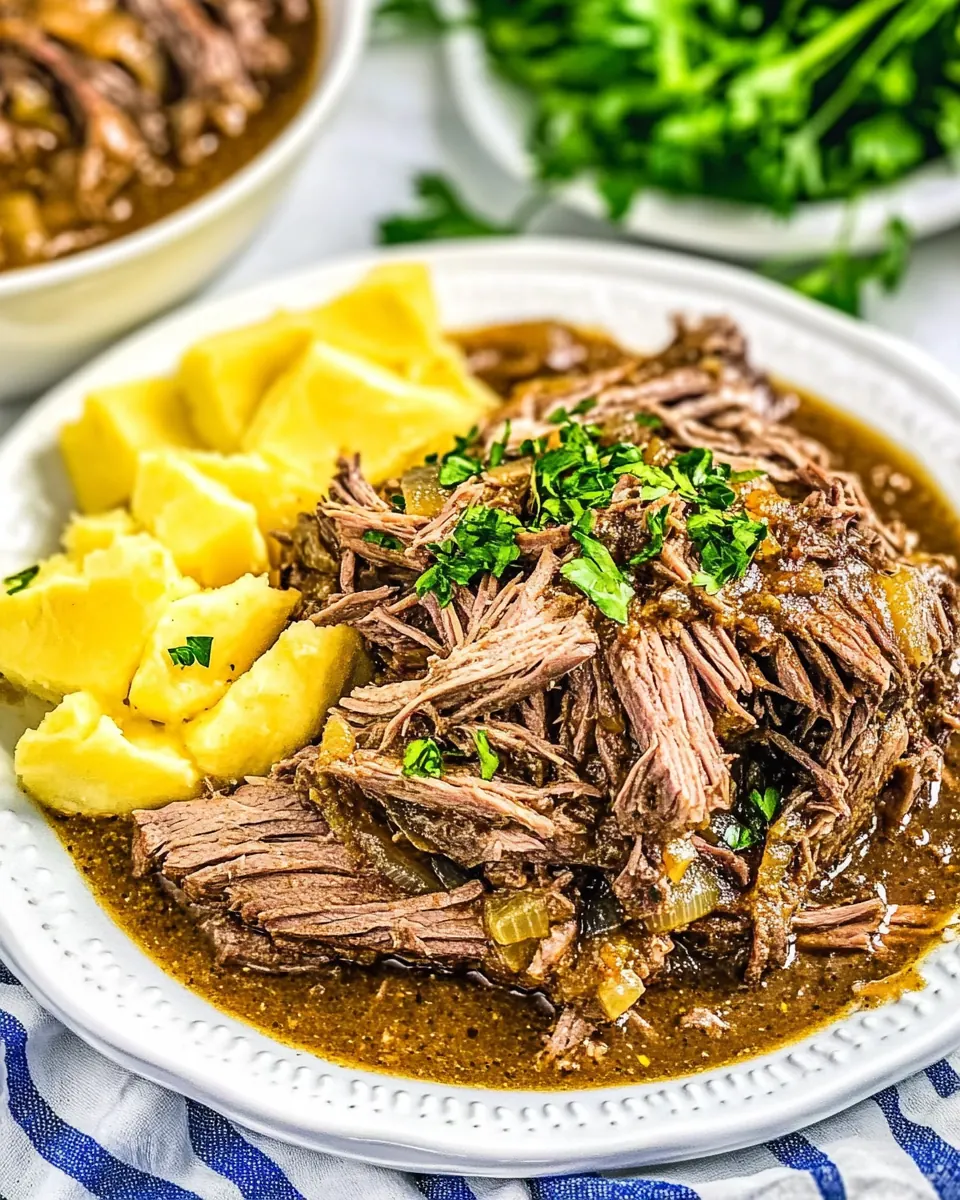
Slow Cooker Mississippi Pot Roast
Slow Cooker Mississippi Pot Roast is the kind of recipe I reach for when I need a hands off, crowd pleasing dinner that still tastes like a home cooked celebration. The first time I made this, the aroma that filled the kitchen felt like a warm, confident hug, and the meat fell apart in the most satisfying way when I touched it with a fork. From that day on, it has become my fallback for busy weekends and holiday gatherings where I want to enjoy company instead of hovering over a stove.
My family remembers the day I served it on a snowy afternoon, and how the glossy, pepperoncini studded juices became the topic of conversation long before we cut into the roast. I like to tell people this recipe is equal parts comfort and showstopper, because the buttery richness and tangy pepperoncini flavors make every forkful feel indulgent, yet it requires almost no babysitting. I often pair it with something creamy and simple, letting the roast be the star while I focus on sides that soak up that glorious sauce.
Over the years I tweaked tiny things, like searing in a heavy skillet for extra caramelization, or arranging the butter so it melts into the meat slowly. Those small choices change the texture and the final depth of flavor. If you want a recipe that rewards patience and gives you a proud, effortless result, this one fits the bill every time.
Recipe Snapshot
8 hr 10 mins
10 mins
480 mins
Hard
500 kcal
American
Keto, Gluten-Free
Dinner
large skillet, 8-Quart Slow Cooker
Why This Slow Cooker Mississippi Pot Roast Works
Comfort Without the Fuss
I love that Slow Cooker Mississippi Pot Roast delivers deep, comforting flavors while letting you step away from the kitchen. The slow cooker does the heavy lifting, so you can get on with your day, and still come home to a meal that tastes like you spent all afternoon tending it.
Bold, Balanced Flavors
The combination of the dry onion soup mix, Ranch seasoning, pepperoncini juice, and butter gives this roast a dynamic profile. You get savory, tangy, and silky notes in each bite, which keeps the palate interested and makes leftovers sing even louder the next day.
Impressive Texture
When done right, the boneless chuck roast becomes fall apart tender, yet still moist. I appreciate how the slow, steady heat breaks down connective tissue, creating a silky mouthfeel that makes slices or shredded servings feel luxurious without fuss.
Versatile and Crowd Friendly
This recipe scales well, which is why I reach for it when feeding a group. It pairs with mashed vegetables, rice, or simple roasted vegetables, and it works for casual family nights or holiday spreads. I can set it in the morning and trust it to be dinner ready, which is a rare gift on busy days.
Minimal Ingredient Power
What I adore is how a handful of pantry friendly items create a complex result. The humble packet mixes and a few pepperoncini turn a plain roast into a memorable centerpiece. That kind of efficiency is a win in my book.
Ingredients to Make Slow Cooker Mississippi Pot Roast
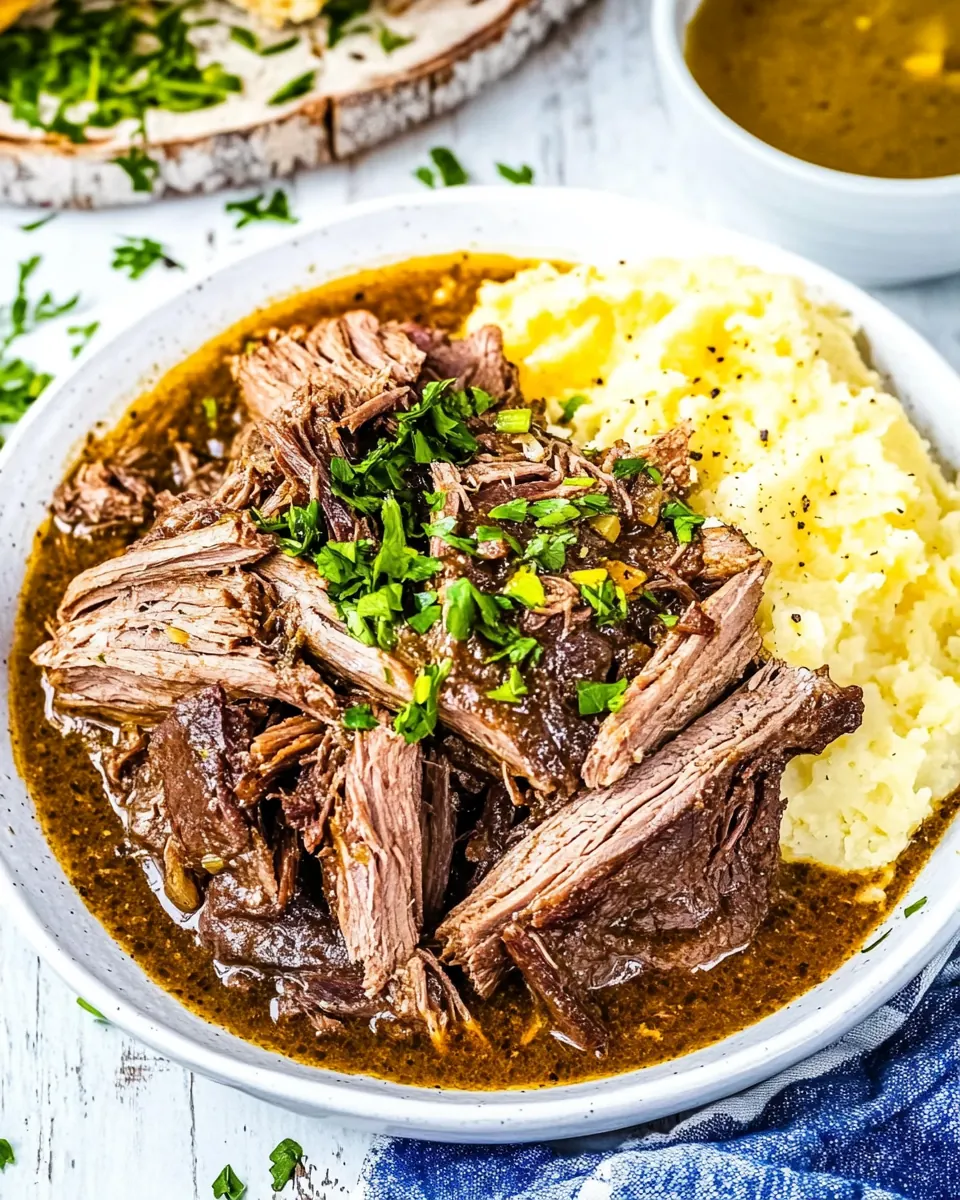
These ingredients are selected to build layers of savory, tangy, and buttery flavor while allowing the beef to shine. The key players are the boneless chuck roast which provides rich, beefy foundation, the dry seasoning packets which add concentrated savory notes, and the pepperoncini elements that bring bright acidity to cut through the richness. Together they melt into a silky sauce that clings to the meat, creating the classic Mississippi profile.
- 4 pound boneless chuck roast, trim large pieces of fat: Trim large pieces of fat and choose a well-marbled cut to provide rich, slow-cooked tenderness and depth of flavor during long braising.
- kosher salt, as necessary to coat and season the meat: Season generously with kosher salt to enhance the roast's natural flavors and help the meat retain moisture while breaking down connective tissue.
- freshly ground black pepper, as necessary to coat and season the meat: Grind fresh black pepper onto the meat to add sharp, aromatic heat that complements the savory braising liquids and balances richness.
- 2 tablespoons olive oil: Heat olive oil to sear the roast before slow cooking, creating a flavorful brown crust and rendering some surface fat for improved texture.
- one packet, about 2-ounces onion soup mix, dry: Sprinkle dry onion soup mix over the meat to introduce savory onion and herb notes, concentrating umami and seasoning throughout the cooking process.
- one packet, about 1-ounce Ranch seasoning mix, dry: Add Ranch seasoning mix to contribute tangy, herby flavors and powdered buttermilk notes that deepen the overall savory profile of the dish.
- 1/3 cup pepperoncini pepper juice: Pour pepperoncini pepper juice into the slow cooker to impart bright acidity and mild vinegar tang that helps tenderize the meat and brighten flavors.
- 6 to 8 pepperoncini peppers, I prefer whole although sliced may be substituted: Include whole pepperoncini peppers for mellow heat and pickled flavor bursts; leave whole to infuse flavor slowly or slice for more distribution.
- 1/2 cup unsalted butter, cubed small: Cube unsalted butter to melt over the roast, enriching the braising liquid with silky mouthfeel and carrying flavors while preventing oversalting.
- Fresh parsley, finely minced; for garnishing (optional): Garnish with finely minced fresh parsley to add a clean, herbaceous finish and visual contrast that lifts the rich flavors of the finished roast.
Preparation Steps for Slow Cooker Mississippi Pot Roast
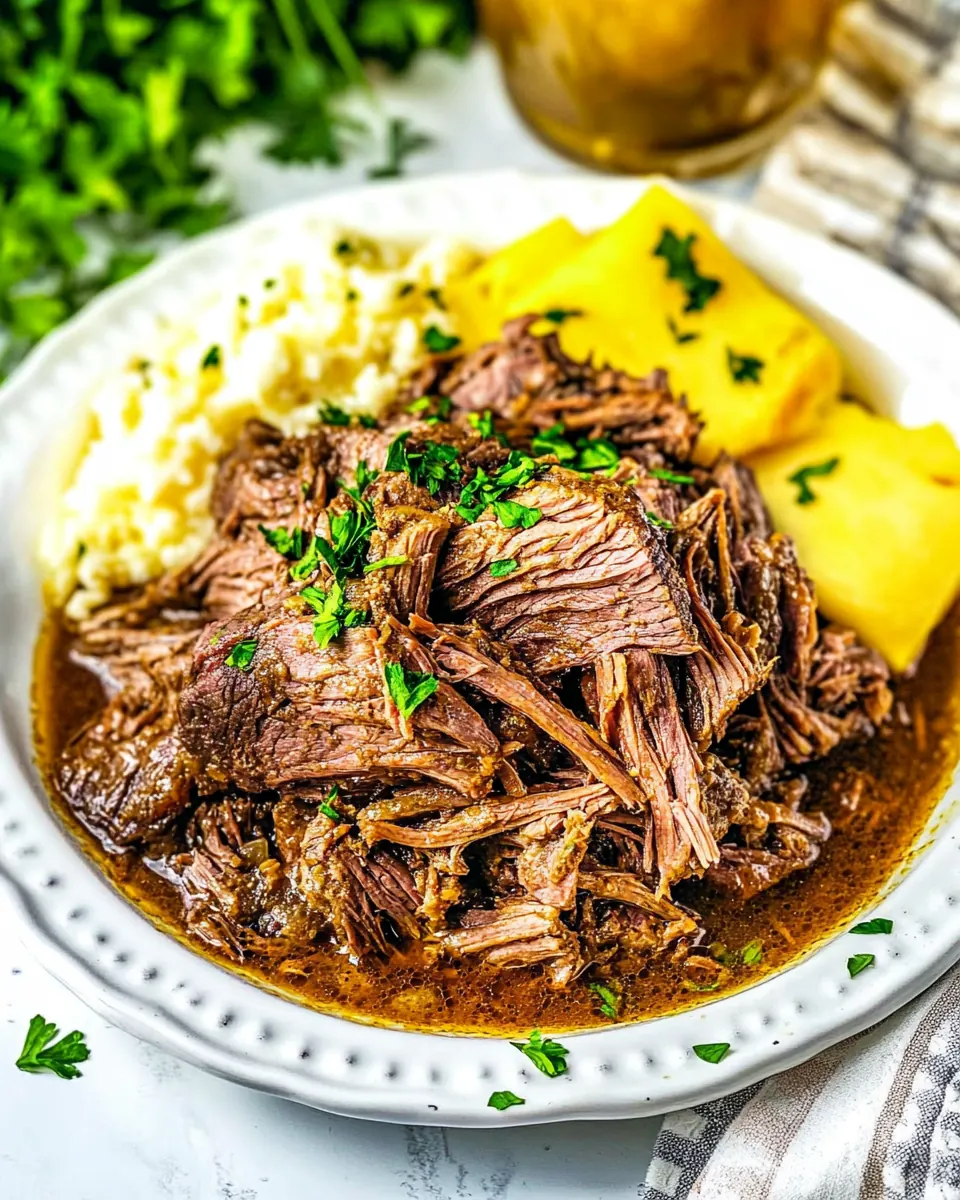
These directions will walk you through the entire process from trimming to resting. I like to approach the sequence methodically so each phase builds toward a tender, flavorful roast. Read each step fully so you know the sensory cues and what to watch for.
- Trim the roast, then evenly and generously sprinkle with salt and pepper on all sides.: You will notice the texture of the meat as you trim, removing only the largest fat caps while leaving some marbling for moisture. The sound of the knife against the muscle is quiet, and the surface should feel cool and slightly tacky when properly seasoned. The salt draws flavors toward the surface, and the freshly ground black pepper gives aromatic lift. Avoid over trimming which can remove flavor, and do not skimp on seasoning, because under seasoned meat will taste flat even after long cooking.
- To a large skillet (cast iron or stainless steel recommended), add the olive oil, beef, and sear on all sides over medium-high heat until browned, about 2 minutes per side or as necessary.: As the roast hits the hot pan, you should hear a steady sizzle that signals the Maillard reaction taking place, creating a nutty, caramelized aroma. Visually look for an even golden brown crust on each face, which adds depth to the final sauce. Use a large skillet to avoid crowding which causes steaming instead of browning. A frequent mistake is moving the meat too often; let it sit so a proper crust forms, otherwise you lose that concentrated flavor.
- Transfer the beef to an 8-quart slow cooker or similar sized, evenly sprinkle the onion soup mix, and the Ranch seasoning mix over the top of the beef.: The moment you transfer the roast, you will notice the contrast from sizzling pan to the quieter hum of the slow cooker. Sprinkle the dry mixes evenly so they form a seasoned blanket that will dissolve into the juices. The powders will smell concentrated at first, then mellow as they dissolve. Do not pile the mixes in one spot, which can create overly salty pockets rather than an even seasoning throughout the roast.
- Slowly drizzle the pepperoncini pepper juice over the top, and then evenly sprinkle the pepperoncini peppers.: As you drizzle the pepperoncini juice, you will see it bead and run over the seasoning, beginning the acid integration that brightens the dish. Placing the peppers around the roast creates small acidic pockets that will infuse as the meat cooks. The aroma is tangy and slightly vinegary, which balances the butter and beef. A typical error is adding too much additional liquid; this recipe relies on the roast and the pepperoncini juice, so avoid diluting the flavors.
- Evenly add and stagger the butter, around the meat, and on top of it. Note– Do not add any additional liquid as the roast will make more as it cooks.: As you place small cubes of unsalted butter , watch how they begin to melt and bead on the surface, slowly sliding down the sides and pooling with the seasoning. This melting butter creates a glossy, emulsified coating as it mingles with meat juices. Staggering the cubes ensures continuous basting, which keeps the roast moist. Avoid dumping all the butter in one area, because uneven melting can over concentrate fats in spots rather than uniformly enriching the roast.
- Cover with a lid and cook for 4 to 5 hours on high OR 8 to 10 hours on low. Tip– Do not open the lid, stare at your Mississippi pot roast wondering what it’s doing, allow all the steam to escape; and repeat every hour. It will just slow the cooking time and process down, and doesn’t do anything positive for the final result of the roast. Leave it alone and watch it through the glass lid that your slow cooker likely has.: When cooking begins, the slow cooker emits a gentle steam and a deepening savory aroma that intensifies over hours. The long, low heat breaks down collagen, yielding a tender texture that is both soft and shreddable. I resist the urge to lift the lid, because every peek releases steam and lengthens cooking time. Opening frequently is the chief mistake here; it cools the environment and delays tenderness, so trust the process and keep the lid closed.
- Cook until done* (See Notes).: You will know the roast is done when a fork slides into the meat easily and the fibers begin to separate with minimal resistance. The sound is subtle, a gentle tear rather than a tough pull, and juices will run clear and glossy. This fork test is more reliable than any clock because slow cooker performance varies. If the roast resists, return it to cook longer rather than slicing prematurely, which leads to toughness.
- Allow meat to rest at least 10 minutes before slicing, optionally garnishing with parsley, and serving. Meat will keep airtight in the fridge for up to 5 days or in the freezer for up to 4 months.: After removing the roast, let it rest on a cutting board, covered loosely to retain warmth. During this pause, juices redistribute, making slices juicier and preventing a dry result. The surface will steam faintly and the meat will relax, giving you cleaner slices. A common misstep is slicing immediately, which causes juices to run out and leaves the roast drier than it should be. Store leftovers airtight in the fridge for up to 5 days or freeze for up to 4 months.
Pro Tips and Tweaks
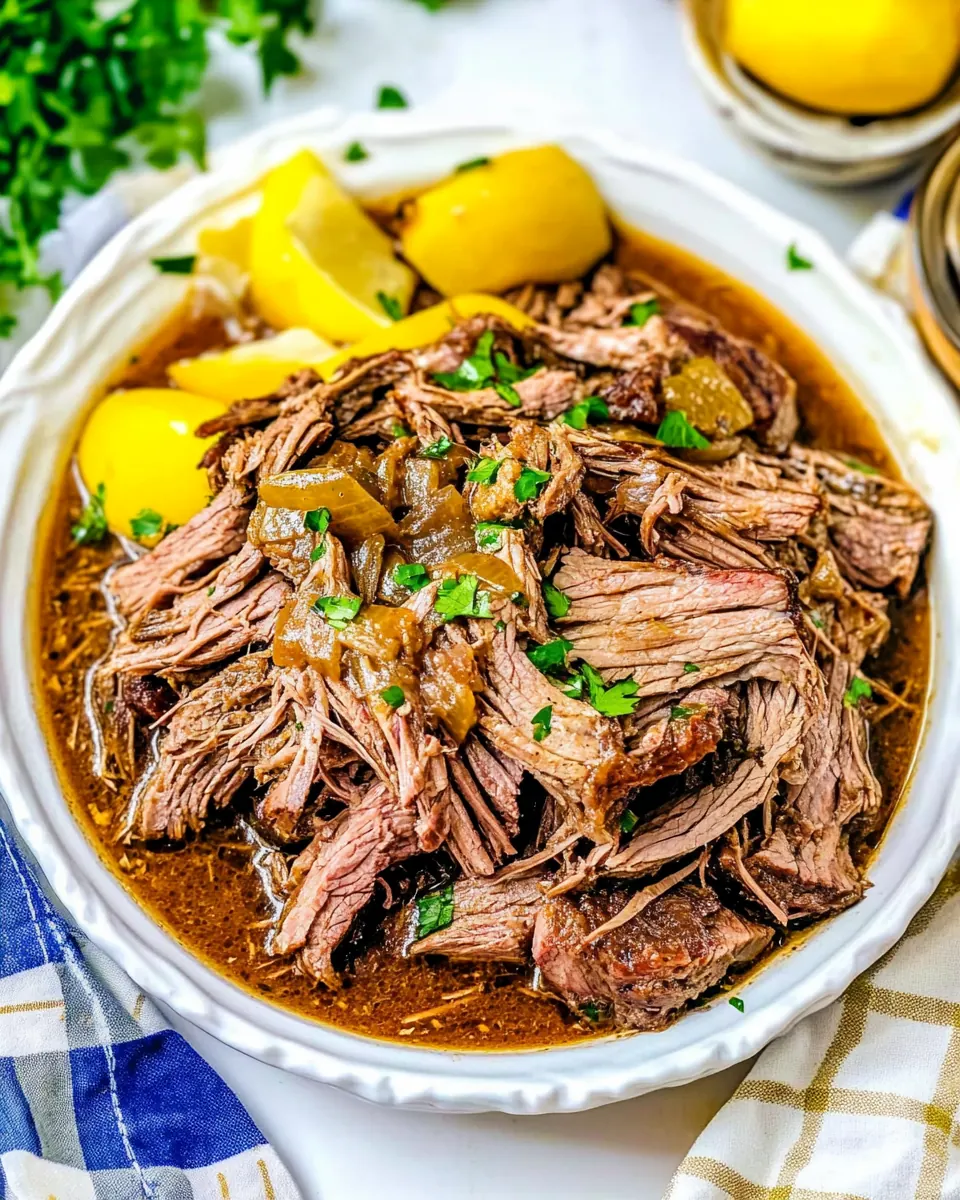
I like to offer practical pointers that help you get the most from Slow Cooker Mississippi Pot Roast. These pro tips cover technique, timing, and small adjustments that pay big dividends in flavor and texture.
- Sear for flavor. A proper sear creates caramelized notes that enrich the final sauce. Heat your olive oil until it shimmers and do not move the roast until a crust forms, about 2 minutes per side. If you skip this step you miss out on a layer of savory complexity that the slow cooker cannot replicate.
- Distribute seasonings evenly. Sprinkle the dry onion soup and Ranch mixes across the roast instead of dumping them in one spot. Even distribution prevents pockets of intensity, ensuring the sauce develops balanced seasoning as it dissolves.
- Use whole pepperoncini for pockets of tang. Placing whole pepperoncini around the roast provides bursts of briny acidity. If you prefer more even heat distribution, slice them, but expect a slightly different concentration of flavor.
- Stagger the butter cubes. Place small cubes around and on top so they melt progressively and baste the meat. This technique keeps texture glossy without one area becoming overly fatty.
- Resist peeking. Keep the lid closed for the majority of cook time, because every lid lift releases steam and slows the breakdown of collagen. Trust the slow cooker to do its job for consistent tenderness.
- Rest before slicing. Let the roast rest at least 10 minutes so juices redistribute for moister slices. Cutting too soon causes juices to run out and yields a drier result.
Great Combinations for Slow Cooker Mississippi Pot Roast
This roast pairs well with simple, comforting sides that soak up the sauce and balance the rich, tangy profile. The suggestions below cover serving styles, occasions, and storage tips to help you plan the whole meal.
- Mashed potatoes. Creamy mashed potatoes are a classic partner, absorbing the savory, buttery sauce for a hearty bite that family members love at dinner.
- Steamed rice. Plain or buttered rice provides a neutral bed for the roast, letting the pepperoncini and seasoning shine while offering an easy weeknight option.
- Roasted vegetables. Roasted carrots and root vegetables add sweetness and texture contrast, making them great for colder seasons like winter when you want a warming plate.
- Simple green salad. A crisp salad with a light vinaigrette cuts through the richness, providing a refreshing counterpoint during lunch or dinner occasions.
- Occasions and gatherings. This recipe scales well for family dinners, small holiday gatherings, or potlucks where you want something impressive yet low maintenance.
- Storage tips. Keep leftovers airtight in the fridge for up to 5 days, or freeze portions for up to 4 months. Reheat gently so the meat stays tender and the sauce stays glossy.
- Seasonal pairings. In colder months like winter, serve with root vegetables and warm sides. For milder seasons, pair with brighter salads and lighter sides to balance the plate.
FAQ
Conclusion
Slow Cooker Mississippi Pot Roast stands out for its rich, tangy sauce and melt in your mouth texture that feels indulgent yet effortless. I encourage you to give it a try whenever you want a satisfying, low effort centerpiece that impresses without overtime in the kitchen. It rewards a bit of patience and simple techniques, producing a comforting plate that’s perfect for sharing with family or guests.
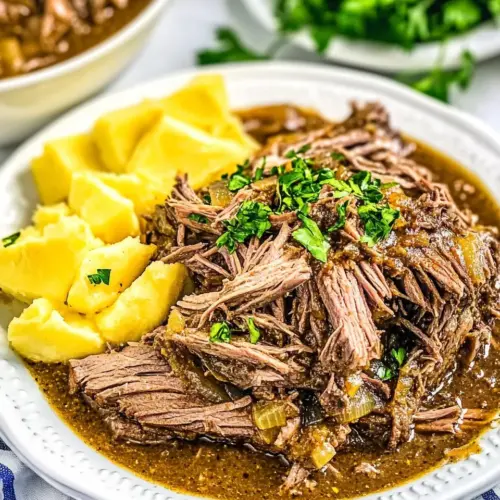
Slow Cooker Mississippi Pot Roast
Equipment
- Large Skillet
- 8-Quart Slow Cooker
Ingredients
- 4 pound boneless chuck roast, trim large pieces of fat Trim large pieces of fat and choose a well-marbled cut to provide rich, slow-cooked tenderness and depth of flavor during long braising.
- kosher salt, as necessary to coat and season the meat Season generously with kosher salt to enhance the roast's natural flavors and help the meat retain moisture while breaking down connective tissue.
- freshly ground black pepper, as necessary to coat and season the meat Grind fresh black pepper onto the meat to add sharp, aromatic heat that complements the savory braising liquids and balances richness.
- 2 tablespoons olive oil Heat olive oil to sear the roast before slow cooking, creating a flavorful brown crust and rendering some surface fat for improved texture.
- one packet, about 2-ounces onion soup mix, dry Sprinkle dry onion soup mix over the meat to introduce savory onion and herb notes, concentrating umami and seasoning throughout the cooking process.
- one packet, about 1-ounce Ranch seasoning mix, dry Add Ranch seasoning mix to contribute tangy, herby flavors and powdered buttermilk notes that deepen the overall savory profile of the dish.
- 1/3 cup pepperoncini pepper juice Pour pepperoncini pepper juice into the slow cooker to impart bright acidity and mild vinegar tang that helps tenderize the meat and brighten flavors.
- 6 to 8 pepperoncini peppers, I prefer whole although sliced may be substituted Include whole pepperoncini peppers for mellow heat and pickled flavor bursts; leave whole to infuse flavor slowly or slice for more distribution.
- 1/2 cup unsalted butter, cubed small Cube unsalted butter to melt over the roast, enriching the braising liquid with silky mouthfeel and carrying flavors while preventing oversalting.
- Fresh parsley, finely minced; optional for garnishing Garnish with finely minced fresh parsley to add a clean, herbaceous finish and visual contrast that lifts the rich flavors of the finished roast.
Instructions
- Trim the roast, then evenly and generously sprinkle with salt and pepper on all sides.: You will notice the texture of the meat as you trim, removing only the largest fat caps while leaving some marbling for moisture. The sound of the knife against the muscle is quiet, and the surface should feel cool and slightly tacky when properly seasoned. The salt draws flavors toward the surface, and the freshly ground black pepper gives aromatic lift. Avoid over trimming which can remove flavor, and do not skimp on seasoning, because under seasoned meat will taste flat even after long cooking.
- To a large skillet (cast iron or stainless steel recommended), add the olive oil, beef, and sear on all sides over medium-high heat until browned, about 2 minutes per side or as necessary.: As the roast hits the hot pan, you should hear a steady sizzle that signals the Maillard reaction taking place, creating a nutty, caramelized aroma. Visually look for an even golden brown crust on each face, which adds depth to the final sauce. Use a large skillet to avoid crowding which causes steaming instead of browning. A frequent mistake is moving the meat too often; let it sit so a proper crust forms, otherwise you lose that concentrated flavor.
- Transfer the beef to an 8-quart slow cooker or similar sized, evenly sprinkle the onion soup mix, and the Ranch seasoning mix over the top of the beef.: The moment you transfer the roast, you will notice the contrast from sizzling pan to the quieter hum of the slow cooker. Sprinkle the dry mixes evenly so they form a seasoned blanket that will dissolve into the juices. The powders will smell concentrated at first, then mellow as they dissolve. Do not pile the mixes in one spot, which can create overly salty pockets rather than an even seasoning throughout the roast.
- Slowly drizzle the pepperoncini pepper juice over the top, and then evenly sprinkle the pepperoncini peppers.: As you drizzle the pepperoncini juice, you will see it bead and run over the seasoning, beginning the acid integration that brightens the dish. Placing the peppers around the roast creates small acidic pockets that will infuse as the meat cooks. The aroma is tangy and slightly vinegary, which balances the butter and beef. A typical error is adding too much additional liquid; this recipe relies on the roast and the pepperoncini juice, so avoid diluting the flavors.
- Evenly add and stagger the butter, around the meat, and on top of it. Note– Do not add any additional liquid as the roast will make more as it cooks.: As you place small cubes of unsalted butter , watch how they begin to melt and bead on the surface, slowly sliding down the sides and pooling with the seasoning. This melting butter creates a glossy, emulsified coating as it mingles with meat juices. Staggering the cubes ensures continuous basting, which keeps the roast moist. Avoid dumping all the butter in one area, because uneven melting can over concentrate fats in spots rather than uniformly enriching the roast.
- Cover with a lid and cook for 4 to 5 hours on high OR 8 to 10 hours on low. Tip– Do not open the lid, stare at your Mississippi pot roast wondering what it’s doing, allow all the steam to escape; and repeat every hour. It will just slow the cooking time and process down, and doesn’t do anything positive for the final result of the roast. Leave it alone and watch it through the glass lid that your slow cooker likely has.: When cooking begins, the slow cooker emits a gentle steam and a deepening savory aroma that intensifies over hours. The long, low heat breaks down collagen, yielding a tender texture that is both soft and shreddable. I resist the urge to lift the lid, because every peek releases steam and lengthens cooking time. Opening frequently is the chief mistake here; it cools the environment and delays tenderness, so trust the process and keep the lid closed.
- Cook until done* (See Notes).: You will know the roast is done when a fork slides into the meat easily and the fibers begin to separate with minimal resistance. The sound is subtle, a gentle tear rather than a tough pull, and juices will run clear and glossy. This fork test is more reliable than any clock because slow cooker performance varies. If the roast resists, return it to cook longer rather than slicing prematurely, which leads to toughness.
- Allow meat to rest at least 10 minutes before slicing, optionally garnishing with parsley, and serving. Meat will keep airtight in the fridge for up to 5 days or in the freezer for up to 4 months.: After removing the roast, let it rest on a cutting board, covered loosely to retain warmth. During this pause, juices redistribute, making slices juicier and preventing a dry result. The surface will steam faintly and the meat will relax, giving you cleaner slices. A common misstep is slicing immediately, which causes juices to run out and leaves the roast drier than it should be. Store leftovers airtight in the fridge for up to 5 days or freeze for up to 4 months.
Notes
- Sear for flavor. A proper sear creates caramelized notes that enrich the final sauce. Heat your olive oil until it shimmers and do not move the roast until a crust forms, about 2 minutes per side. If you skip this step you miss out on a layer of savory complexity that the slow cooker cannot replicate.
- Distribute seasonings evenly. Sprinkle the dry onion soup and Ranch mixes across the roast instead of dumping them in one spot. Even distribution prevents pockets of intensity, ensuring the sauce develops balanced seasoning as it dissolves.
- Use whole pepperoncini for pockets of tang. Placing whole pepperoncini around the roast provides bursts of briny acidity. If you prefer more even heat distribution, slice them, but expect a slightly different concentration of flavor.
- Stagger the butter cubes. Place small cubes around and on top so they melt progressively and baste the meat. This technique keeps texture glossy without one area becoming overly fatty.
- Resist peeking. Keep the lid closed for the majority of cook time, because every lid lift releases steam and slows the breakdown of collagen. Trust the slow cooker to do its job for consistent tenderness.
- Rest before slicing. Let the roast rest at least 10 minutes so juices redistribute for moister slices. Cutting too soon causes juices to run out and yields a drier result.
