
Easy Tomato and Basil Slow Cooker Stew
Easy Tomato and Basil Slow Cooker Stew is one of those cozy, no fuss meals I turn to when the week feels long and I want comfort without a lot of hands on time. The first time I made it I remember coming home to the gentle, layered scent of simmering tomatoes and warm dried basil, and how it felt like an edible hug after a gray afternoon. I loved that it tasted homemade even though the prep was simple, and I kept thinking about how the flavors had married while I ran errands.
Over the years I have tweaked small things, but the heart of this recipe has stayed the same. I often start the day with the slow cooker ready, toss in the chopped vegetables and herbs, and let it do its quiet work. There is a calm satisfaction in returning to a pot that has deepened in color and aroma, and knowing a wholesome bowl of stew is waiting. I also like that parmesan adds a whisper of creaminess without heaviness, and the fresh basil at the end brightens every spoonful.
Recipe Snapshot
4 hr 35 mins
5 mins
270 mins
Hard
250 kcal
Italian
Gluten-Free, Low FODMAP
Dinner
Slow Cooker, Blender, Ladle, Sturdy Masher
What Sets This Easy Tomato and Basil Slow Cooker Stew Apart
I love how effortless it is
I can set up the ingredients in minutes and walk away, which makes this recipe perfect for busy days. The slow cooker takes over, and I come back to a pot that smells like a small celebration. That hands off convenience is why I keep this on rotation.
The flavor layering is incredible
Using both dried and fresh basil gives the stew depth and a finishing brightness. The dried herbs release their oils over long cooking, creating an undercurrent of flavor, while the fresh leaves added at the end lift the whole bowl. I personally feel this two step herb approach makes a huge difference.
Comfort without heaviness
With skim milk and low fat parmesan cheese, the stew keeps a silky texture without feeling greasy. It is rich enough to be satisfying, yet light enough for an evening meal when you do not want to be weighed down. I appreciate this balance on weeknights.
Flexible and forgiving
The base is forgiving if your vegetables are a bit larger or smaller than written, and mashing or blending lets you adjust the texture from chunky to smooth. I have had guests love it both ways, and I feel comfortable improvising if the moment calls for it.
Great for sharing
This stew stretches well, and the flavors often improve if you make it a day ahead. I like preparing it for casual dinners because it holds warmth and taste, making it easy to serve a relaxed crowd. It is one of those recipes that feels communal, and that is a reason I return to it again and again.
Ingredients You’ll Need for Easy Tomato and Basil Slow Cooker Stew
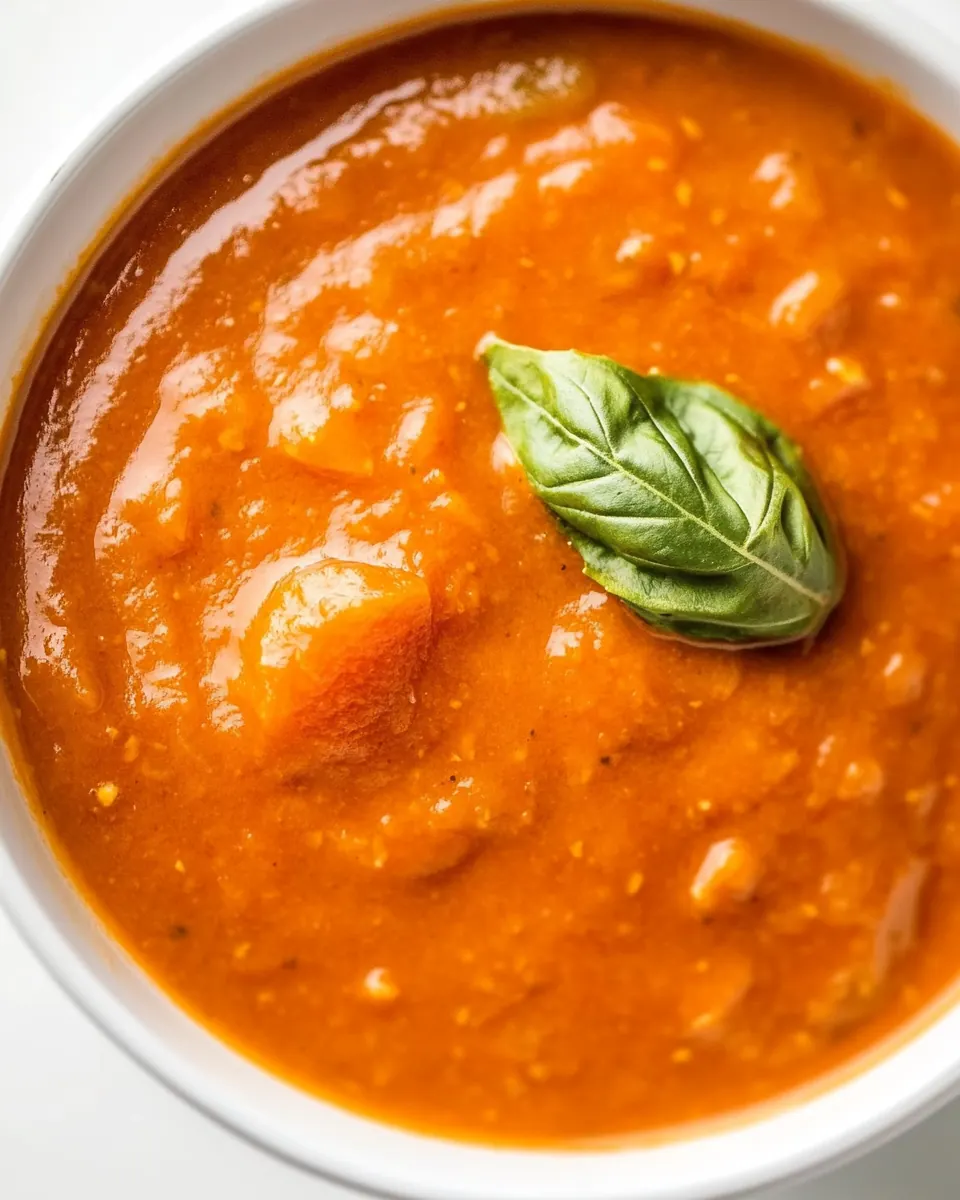
These ingredients are chosen to build a stew that is both hearty and bright. The core players, like tomatoes and basil, create the main flavor profile, while carrots and onions provide sweetness and body. The broth and skim milk give the stew its comforting mouthfeel, and the parmesan cheese lends savory depth. Together they balance acidity, sweetness, and creaminess.
- 28 ounces diced tomatoes cans: Add to provide a rich, tomato-forward base and natural acidity that forms the stew’s primary flavor; choose high-quality diced tomatoes with their juices to create body and depth. Canned tomatoes also add convenience and consistency, breaking down during slow cooking to thicken the stew naturally.
- 1 cup carrots diced: Contribute a sweet, earthy crunch and natural sweetness when diced; carrots soften over long cooking and help balance the tomatoes’ acidity while adding color. Retain some texture by dicing uniformly so they cook evenly without disintegrating completely.
- 1 cup onions diced: Provide aromatic savory notes and sweetness once softened; onions create a flavor foundation that melds with herbs and tomatoes in the slow cooker. Sautéing briefly before adding can deepen their sweetness, though they will also mellow over the long cook time.
- 1 teaspoon kosher salt: Season to enhance and unify all flavors, helping to bring out the natural sweetness of vegetables and the savory herbs; kosher salt dissolves easily and distributes well in a stew. Adjust amount to taste, keeping in mind other salty ingredients like parmesan.
- 1/4 teaspoon ground black pepper: Add mild heat and a subtle bite that complements the savory profile without overwhelming other flavors; a small amount of ground black pepper brightens the stew. Grind fresh if possible for more aromatic and nuanced pepper notes.
- 1/4 teaspoon crushed red pepper: Provide a touch of heat and warmth to lift the tomato and herb flavors; crushed red pepper adds spiciness that can be adjusted to personal preference. Use sparingly for a gentle background heat or increase for a more pronounced kick.
- 2 tablespoons dried basil: Impart concentrated herbal, slightly sweet and peppery notes that echo basil’s fresh character; dried basil is robust and releases flavor slowly during long cooking. Add early in the cook to allow rehydration and integration into the stew’s broth.
- 1 tablespoon dried oregano: Bring an earthy, slightly bitter Mediterranean herb note that complements tomatoes and basil; dried oregano adds depth and supports the overall savory profile. Sprinkle in at the start so the flavors meld with the tomatoes and broth over time.
- 1 cup vegetable broth: Provide savory liquid to create the stew’s cooking medium while adding a subtle umami base; vegetable broth enhances the overall savory balance without overpowering the tomato. Use a low-sodium broth if you want tighter control over salt levels.
- 1 1/2 cups skim milk: Contribute creaminess and a touch of dairy richness to mellow acidity and add body to the stew; skim milk lightens texture while still offering smoothness. Stir in toward the end of cooking or temper before adding to avoid curdling during residual heat.
- 1/2 cup parmesan cheese low-fat: Add a salty, nutty umami finish and slight creaminess when stirred in; low-fat parmesan offers cheesy depth without excess fat. Grate finely so it melts evenly into the stew, enriching flavor and thickening the liquid slightly.
- 1/4 cup basil fresh, finely chopped: Finish with bright, herbaceous freshness and a burst of color to lift the finished stew; finely chopped fresh basil revitalizes the dried herbs and adds aromatic top notes. Sprinkle over servings just before serving to preserve its fragrance and appearance.
Making Easy Tomato and Basil Slow Cooker Stew
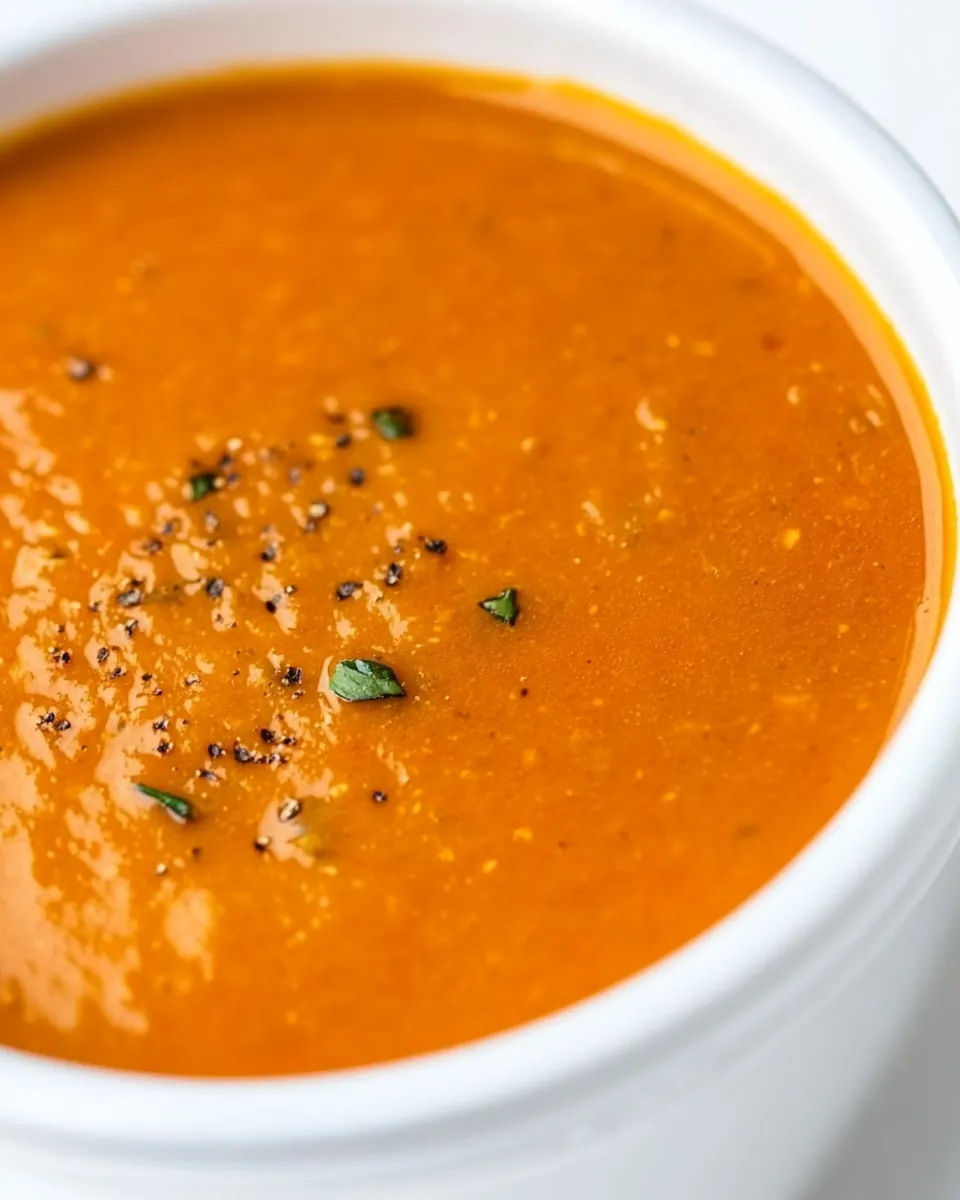
I like to treat the steps as a gentle rhythm rather than a race, because long cooking rewards patience. The directions are straightforward, but each stage has sensory cues that show you are on track. Below I expand each direction into detailed guidance so you can cook with confidence.
- In a slow cooker, combine all ingredients except for milk, cheese, and fresh basil. Cook on high for 4 hours or low for 8 hours.: The air will be filled with the bright scent of canned tomatoes and the sweet, rooty perfume of diced carrots and onions , which will soften and meld as they warm. As the mixture settles into the slow cooker you should notice the liquid glistening around the vegetables, and the dried herbs starting to release a faint herbal aroma. This stage matters because it lets the flavors mingle slowly, allowing the dried basil and oregano to unfold and the vegetables to begin breaking down. A common mistake is overfilling the pot or packing the vegetables too tightly, which slows even cooking; leave a little headspace for circulation and gentle bubbling. Visually, you will see the red of the tomatoes dominate, speckled with orange from the carrots and flecks of dried herbs, and you will hear a quiet, regular simmer when the heat is right.
- After the time has completed mash the vegetables in the stew. For a creamier stew, blend the cooked vegetables in a blender and return to the slow cooker. Stir in the milk and cook, uncovered, on low for 30 minutes.: As the stew cooks, you will notice the aromas deepen and the texture transform, with the carrots and onions becoming tender and starting to fall apart into the sauce. On high, expect a confident, steady bubbling and more pronounced steam released when you lift the lid, while low produces a gentler, barely audible simmer that coaxes sweetness from the vegetables over time. This slow extraction of flavor is crucial for creating a rich body without adding heavy ingredients, because extended heat drives off sharp edges and yields complexity. Watch for a consistent, low simmer rather than a violent boil, which can toughen flavors; an overly hot pot can also reduce liquids too aggressively and concentrate seasoning unevenly. Use the sound and the aroma as guides; the scent will shift from raw tomato to a mellow, rounded stew fragrance as the time passes.
- Ladle into bowls and top with parmesan and fresh basil. Serve and enjoy.: When the cooking time is finished, the vegetables should be soft enough to break apart under gentle pressure, and the pot will be steaming with a savory tomato perfume. Mashing by hand with a sturdy masher gives a rustic texture, leaving some chunks for body while integrating softened pieces into the broth. If you prefer a silkier mouthfeel, transfer portions to a blender briefly, and you will see a glossy, uniform texture emerge that coats the spoon pleasingly. The reason to mash or blend now is to control the final consistency and to help the stew bind, creating a thicker, more comforting spoonful. Avoid overblending if you like texture, and be careful when blending hot liquids, vent the lid slightly to prevent a steam burst. A common misstep is mashing while the stew is too hot to handle, which can make the process awkward; give it a few minutes off the heat to settle if needed.
- For a creamier stew blend the cooked vegetables in a blender and return to the slow cooker: As you blend, you'll notice the sound change from chugging to a smooth, steady whirl, and the color will become more uniform and satiny. Returning the blended base to the cooker gives it a chance to warm back up gently and integrate with the remaining ingredients. This technique matters because it creates a cohesive mouthfeel, allowing the skim milk and parmesan cheese to dissolve evenly into the body of the stew, rather than floating or separating. A pitfall is blending too long and creating a texture that feels pasty, so pulse to your desired smoothness and taste for seasoning. The aroma at this stage is richer and slightly sweeter, as the mechanical action of blending releases more volatile flavor compounds.
- Stir in the milk and cook uncovered on low for 30 minutes: After adding the skim milk , the pot will emit a creamier steam and the liquid will look silkier as it warms. Cooking uncovered allows some evaporation, which concentrates flavors and thickens the stew to a satisfying consistency. This step matters to temper acidity and produce a gentle creaminess without heaviness, so stir occasionally to prevent a skin from forming and to ensure even heat distribution. A common mistake is bringing the heat up too high after adding milk, which can cause curdling or a grainy texture; keep it low and patient. You will notice the smell mellowing and the surface developing a cohesive, glossy sheen that signals readiness.
- Ladle into bowls and top with parmesan and fresh basil: The final assembly is when the bright, herbaceous perfume of freshly chopped basil and the salty umami of grated low fat parmesan cheese marry with the warm stew. As you ladle, you can see the steam rise and feel the satisfying weight of a well rounded bowl. The finishing basil and parmesan cheese add textural contrast and aromatic lift, making the first spoonful lively. Avoid adding the fresh basil too early, or it will wilt and lose its scent. Serve immediately while the stew is warm and fragrant, and enjoy the layered, comforting flavors.
Making Adjustments

This section helps you tailor the stew to your pantry and preferences. I will walk through practical adjustments and explain why they work. Each tip begins with a bold phrase you can scan quickly.
- Adjusting thickness: If the stew is thinner than you like, simmer uncovered a bit longer so liquid reduces and flavors concentrate, or mash more of the cooked vegetables to naturally thicken the base.
- Boosting umami: Stirring in a higher quality low fat parmesan cheese or increasing the amount slightly will deepen savory notes, but taste as you go to prevent oversalting.
- Controlling spice: If you prefer less heat, reduce the crushed red pepper to a pinch, and add freshly ground black pepper to finish for controlled warmth.
- Preserving herb brightness: Add the fresh chopped basil right before serving to retain its aroma and vibrant color, rather than cooking it in.
- Serving for a crowd: Double the recipe in a large slow cooker or in two pots, but keep the same ratio of liquids to solids, and extend the high cooking time slightly if the pot is very full to ensure even tenderness.
Serving This Easy Tomato and Basil Slow Cooker Stew
This stew is versatile and comfortable on many occasions. Below are detailed serving ideas, pairings, and storage notes written as a list so you can pick what fits your meal. I highlight practical phrases so you can scan quickly.
- Weeknight dinner: Serve bowls of hot stew with grated parmesan cheese and a sprinkle of fresh basil for an easy weeknight dinner that feels special but is low effort.
- Casual lunch: Ladle into bowls with crusty bread for dipping, making it a satisfying casual lunch that holds well if guests arrive at different times.
- Family meal: Offer grated parmesan cheese at the table so everyone can customize their bowl, which makes it family friendly and adaptable to tastes.
- Make ahead: The flavors often improve the next day, so store in an airtight container in the refrigerator and gently rewarm on low, stirring in a splash of broth if it has thickened too much.
- Freezing: Cool completely before transferring to freezer safe containers. Freeze up to three months, and thaw overnight in the refrigerator before reheating slowly on the stove to preserve texture.
- Occasions: This stew is suited to cozy dinners, casual gatherings, or nights when you want something warming and uncomplicated; it also fits seasonal fall menus thanks to its root vegetable comfort.
- Portioning: The recipe yields four generous portions, so if serving as a starter pair it with a simple salad or bread. For heartier main course portions, serve with a side grain or toasted sandwich.
- Presentation: Finish with a drizzle of olive oil if you like, and add a few torn leaves of fresh basil for color contrast and immediate aroma at the table.
- Storage tip: Keep leftovers in shallow containers so they cool quickly and safely, and reheat only what you plan to eat to maintain best texture.
- Seasonal pairing: This stew pairs well with autumn produce sides and is particularly comforting during cooler months when you crave warm, savory bowls.
FAQ
Conclusion
This stew stands out for its balance of bright tomato, warming herbs, and a light creamy finish. You can make it with minimal prep and trust the slow cooker to develop deep, comforting flavors while you go about your day. I encourage you to try it when you want something that tastes homemade without hours of active cooking. Serve it with a sprinkle of fresh basil and grated low fat parmesan for an immediately satisfying bowl that feels both nourishing and special.

Easy Tomato and Basil Slow Cooker Stew
Equipment
- Slow Cooker
- Blender
- Ladle
- Sturdy Masher
Ingredients
- 28 ounces diced tomatoes cans Add to provide a rich, tomato-forward base and natural acidity that forms the stew’s primary flavor; choose high-quality diced tomatoes with their juices to create body and depth. Canned tomatoes also add convenience and consistency, breaking down during slow cooking to thicken the stew naturally.
- 1 cup carrots diced Contribute a sweet, earthy crunch and natural sweetness when diced; carrots soften over long cooking and help balance the tomatoes’ acidity while adding color. Retain some texture by dicing uniformly so they cook evenly without disintegrating completely.
- 1 cup onions diced Provide aromatic savory notes and sweetness once softened; onions create a flavor foundation that melds with herbs and tomatoes in the slow cooker. Sautéing briefly before adding can deepen their sweetness, though they will also mellow over the long cook time.
- 1 teaspoon kosher salt Season to enhance and unify all flavors, helping to bring out the natural sweetness of vegetables and the savory herbs; kosher salt dissolves easily and distributes well in a stew. Adjust amount to taste, keeping in mind other salty ingredients like parmesan.
- 1/4 teaspoon ground black pepper Add mild heat and a subtle bite that complements the savory profile without overwhelming other flavors; a small amount of ground black pepper brightens the stew. Grind fresh if possible for more aromatic and nuanced pepper notes.
- 1/4 teaspoon crushed red pepper Provide a touch of heat and warmth to lift the tomato and herb flavors; crushed red pepper adds spiciness that can be adjusted to personal preference. Use sparingly for a gentle background heat or increase for a more pronounced kick.
- 2 tablespoons dried basil Impart concentrated herbal, slightly sweet and peppery notes that echo basil’s fresh character; dried basil is robust and releases flavor slowly during long cooking. Add early in the cook to allow rehydration and integration into the stew’s broth.
- 1 tablespoon dried oregano Bring an earthy, slightly bitter Mediterranean herb note that complements tomatoes and basil; dried oregano adds depth and supports the overall savory profile. Sprinkle in at the start so the flavors meld with the tomatoes and broth over time.
- 1 cup vegetable broth Provide savory liquid to create the stew’s cooking medium while adding a subtle umami base; vegetable broth enhances the overall savory balance without overpowering the tomato. Use a low-sodium broth if you want tighter control over salt levels.
- 1 1/2 cups skim milk Contribute creaminess and a touch of dairy richness to mellow acidity and add body to the stew; skim milk lightens texture while still offering smoothness. Stir in toward the end of cooking or temper before adding to avoid curdling during residual heat.
- 1/2 cup parmesan cheese low-fat Add a salty, nutty umami finish and slight creaminess when stirred in; low-fat parmesan offers cheesy depth without excess fat. Grate finely so it melts evenly into the stew, enriching flavor and thickening the liquid slightly.
- 1/4 cup basil fresh, finely chopped Finish with bright, herbaceous freshness and a burst of color to lift the finished stew; finely chopped fresh basil revitalizes the dried herbs and adds aromatic top notes. Sprinkle over servings just before serving to preserve its fragrance and appearance.
Instructions
- In a slow cooker, combine all ingredients except for milk, cheese, and fresh basil. Cook on high for 4 hours or low for 8 hours.: The air will be filled with the bright scent of canned tomatoes and the sweet, rooty perfume of diced carrots and onions , which will soften and meld as they warm. As the mixture settles into the slow cooker you should notice the liquid glistening around the vegetables, and the dried herbs starting to release a faint herbal aroma. This stage matters because it lets the flavors mingle slowly, allowing the dried basil and oregano to unfold and the vegetables to begin breaking down. A common mistake is overfilling the pot or packing the vegetables too tightly, which slows even cooking; leave a little headspace for circulation and gentle bubbling. Visually, you will see the red of the tomatoes dominate, speckled with orange from the carrots and flecks of dried herbs, and you will hear a quiet, regular simmer when the heat is right.
- After the time has completed mash the vegetables in the stew. For a creamier stew, blend the cooked vegetables in a blender and return to the slow cooker. Stir in the milk and cook, uncovered, on low for 30 minutes.: As the stew cooks, you will notice the aromas deepen and the texture transform, with the carrots and onions becoming tender and starting to fall apart into the sauce. On high, expect a confident, steady bubbling and more pronounced steam released when you lift the lid, while low produces a gentler, barely audible simmer that coaxes sweetness from the vegetables over time. This slow extraction of flavor is crucial for creating a rich body without adding heavy ingredients, because extended heat drives off sharp edges and yields complexity. Watch for a consistent, low simmer rather than a violent boil, which can toughen flavors; an overly hot pot can also reduce liquids too aggressively and concentrate seasoning unevenly. Use the sound and the aroma as guides; the scent will shift from raw tomato to a mellow, rounded stew fragrance as the time passes.
- Ladle into bowls and top with parmesan and fresh basil. Serve and enjoy.: When the cooking time is finished, the vegetables should be soft enough to break apart under gentle pressure, and the pot will be steaming with a savory tomato perfume. Mashing by hand with a sturdy masher gives a rustic texture, leaving some chunks for body while integrating softened pieces into the broth. If you prefer a silkier mouthfeel, transfer portions to a blender briefly, and you will see a glossy, uniform texture emerge that coats the spoon pleasingly. The reason to mash or blend now is to control the final consistency and to help the stew bind, creating a thicker, more comforting spoonful. Avoid overblending if you like texture, and be careful when blending hot liquids, vent the lid slightly to prevent a steam burst. A common misstep is mashing while the stew is too hot to handle, which can make the process awkward; give it a few minutes off the heat to settle if needed.
- For a creamier stew blend the cooked vegetables in a blender and return to the slow cooker: As you blend, you'll notice the sound change from chugging to a smooth, steady whirl, and the color will become more uniform and satiny. Returning the blended base to the cooker gives it a chance to warm back up gently and integrate with the remaining ingredients. This technique matters because it creates a cohesive mouthfeel, allowing the skim milk and parmesan cheese to dissolve evenly into the body of the stew, rather than floating or separating. A pitfall is blending too long and creating a texture that feels pasty, so pulse to your desired smoothness and taste for seasoning. The aroma at this stage is richer and slightly sweeter, as the mechanical action of blending releases more volatile flavor compounds.
- Stir in the milk and cook uncovered on low for 30 minutes: After adding the skim milk , the pot will emit a creamier steam and the liquid will look silkier as it warms. Cooking uncovered allows some evaporation, which concentrates flavors and thickens the stew to a satisfying consistency. This step matters to temper acidity and produce a gentle creaminess without heaviness, so stir occasionally to prevent a skin from forming and to ensure even heat distribution. A common mistake is bringing the heat up too high after adding milk, which can cause curdling or a grainy texture; keep it low and patient. You will notice the smell mellowing and the surface developing a cohesive, glossy sheen that signals readiness.
- Ladle into bowls and top with parmesan and fresh basil: The final assembly is when the bright, herbaceous perfume of freshly chopped basil and the salty umami of grated low fat parmesan cheese marry with the warm stew. As you ladle, you can see the steam rise and feel the satisfying weight of a well rounded bowl. The finishing basil and parmesan cheese add textural contrast and aromatic lift, making the first spoonful lively. Avoid adding the fresh basil too early, or it will wilt and lose its scent. Serve immediately while the stew is warm and fragrant, and enjoy the layered, comforting flavors.
Notes
- Adjusting thickness: If the stew is thinner than you like, simmer uncovered a bit longer so liquid reduces and flavors concentrate, or mash more of the cooked vegetables to naturally thicken the base.
- Boosting umami: Stirring in a higher quality low fat parmesan cheese or increasing the amount slightly will deepen savory notes, but taste as you go to prevent oversalting.
- Controlling spice: If you prefer less heat, reduce the crushed red pepper to a pinch, and add freshly ground black pepper to finish for controlled warmth.
- Preserving herb brightness: Add the fresh chopped basil right before serving to retain its aroma and vibrant color, rather than cooking it in.
- Serving for a crowd: Double the recipe in a large slow cooker or in two pots, but keep the same ratio of liquids to solids, and extend the high cooking time slightly if the pot is very full to ensure even tenderness.
