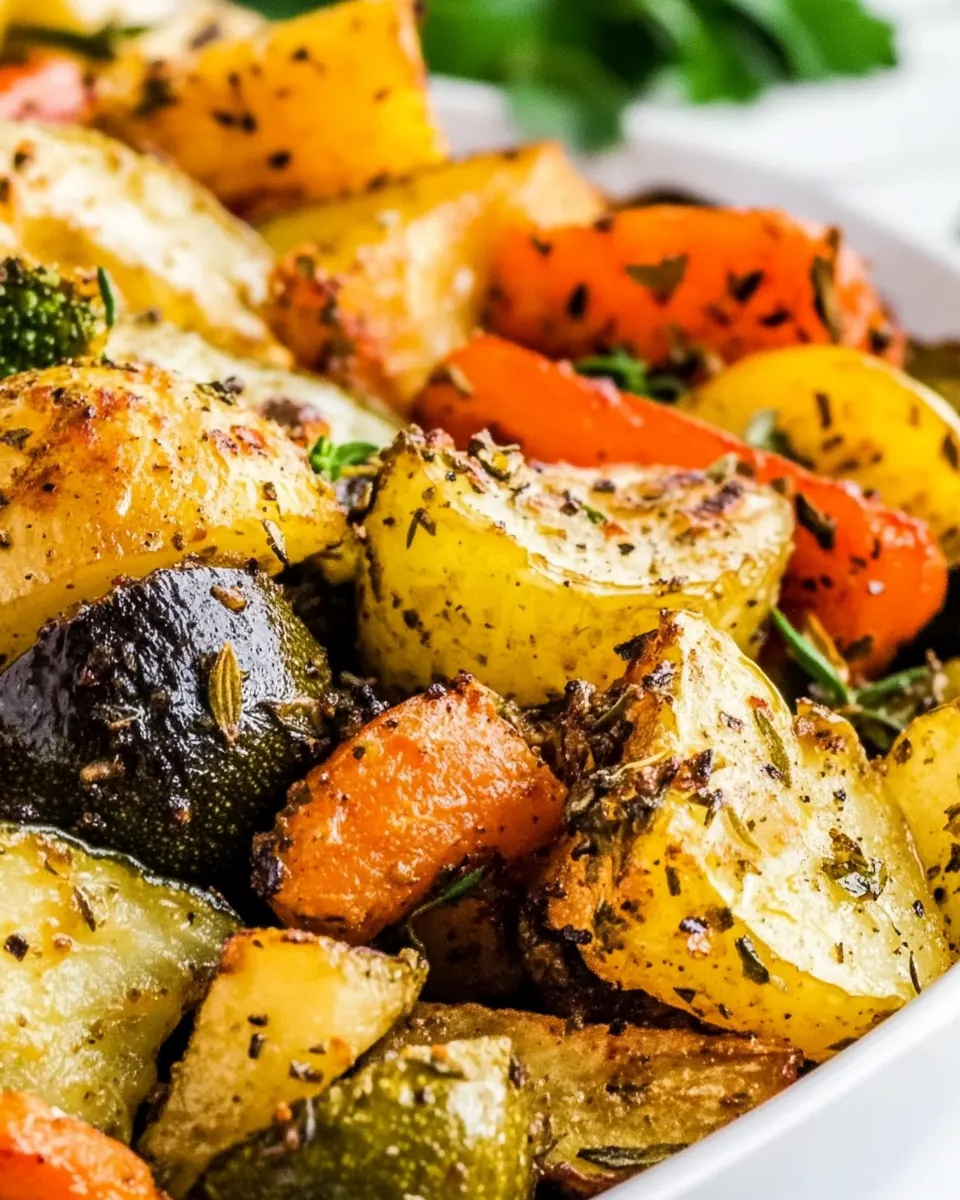
Italian Roasted Vegetables
Italian Roasted Vegetables are the kind of dish I reach for when I want something bright, rustic, and reliably comforting on the table. The first time I made them I was coming home from a long day and had a basket of mismatched produce in the fridge. I grabbed a rimmed baking sheet, a bottle of extra-virgin olive oil, and a handful of seasonings, and in less than an hour the kitchen smelled like a trattoria, warm and herb scented. The mix of tender baby red potatoes and caramelized red onion felt like a small celebration of simple ingredients.
Another memory of this recipe is serving it at a casual fall supper with friends. I remember how the table went quiet for a beat as everyone reached for the pan, then erupted in praise for how the edges of the zucchini and eggplant blistered and sweetened, how the Parmesan cheese added that final savory note. It is forgiving, easy to tweak, and forgiving for last minute additions. I often double the batch when I know guests are coming, because it holds well and still tastes great the next day. Over time I learned a few little habits that coax the best texture and flavor from these vegetables, and I enjoy sharing those small tricks with the people I cook for.
Recipe Snapshot
40 mins
10 mins
30 mins
Medium
150 kcal
Italian
Gluten-Free, Paleo
Side Dishes
Rimmed Baking Sheet
What’s Great About This Italian Roasted Vegetables
Reliable, Everyday Flavor
I love Italian Roasted Vegetables because they deliver deeply satisfying flavor with minimal fuss. A quick toss with extra-virgin olive oil and a sprinkle of Tuscan seasoning transforms plain produce into something richly savory. The roasting process concentrates natural sugars, so the resulting dish tastes almost indulgent, even when it is purely vegetable based.
Versatility on the Plate
We can serve this as a side, fold it into pasta, or use it as a warm salad topping. The combination of baby red potatoes, zucchini, and eggplant means the texture range is pleasing, from creamy to slightly crisp. That flexibility makes these Italian Roasted Vegetables perfect for weeknight dinners, potlucks, or holiday sides.
Simple Yet Elegant
I find the recipe feels special without being precious. A little Parmesan cheese at the end adds a finishing touch that lifts the whole pan, creating a golden, salty crust where the cheese meets the warm vegetables. It is the kind of detail that impresses guests while keeping the overall method approachable.
Friendly to Cook’s Mistakes
One reason I return to Italian Roasted Vegetables is how forgiving the technique is. If you toss the vegetables a bit late, or the oven runs a touch hot, the veggies still come out delicious. The key flavors are robust, so minor timing slips do not ruin the dish. That reliability makes it a go to when your schedule is unpredictable.
Seasonal and Satisfying
Because the core ingredients are widely available, this dish adapts to different seasons, though I particularly appreciate it in the fall when root vegetables are at their peak. The comforting textures and herb forward profile make it feel like an intentional, seasonal choice that still works for everyday meals.
Essential Ingredients for Italian Roasted Vegetables
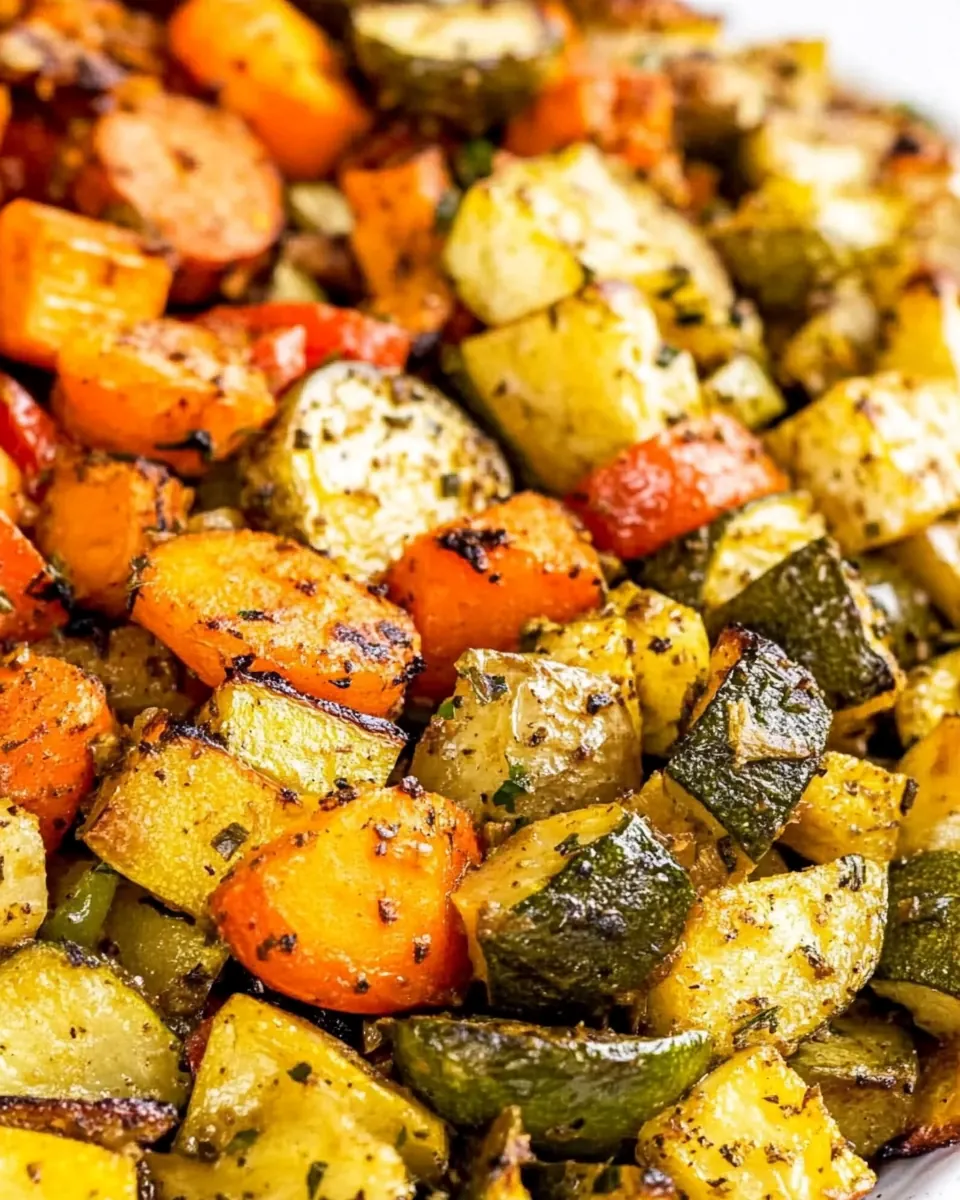
These ingredients are intentionally simple, chosen to highlight natural vegetable flavors while adding structure and savory depth. The key players are the starchy baby red potatoes which offer a creamy base, the softer vegetables like zucchini and eggplant that blister and sweeten, and finishing elements like Parmesan cheese that add umami. The oil and butter help with browning and mouthfeel, while the Tuscan seasoning ties everything together.
- 1 pound baby red potatoes, cut in half: Hold as the starchy base that adds body and creamy texture when roasted; halve to ensure quick, even cooking and golden edges while absorbing seasonings.
- 2 tablespoons extra-virgin olive oil, divided: Coat vegetables and promote browning while adding subtle fruitiness; divide use allows initial high-heat roasting and a finishing drizzle for gloss and flavor balance.
- 1 medium zucchini, cut into half-moon shapes: Provide tender, slightly sweet flesh with a mild bite when cut into half-moons; contribute moisture and a contrasting texture to root vegetables in the roast.
- 1/2 medium eggplant, cut into 1-inch pieces: Offer a meaty, absorbent texture that soaks up oil and seasoning; cutting into 1-inch pieces yields even roasting and caramelized surfaces without turning mushy.
- 1 medium red onion, cut into 1 1/2-inch pieces: Impart sweet, savory notes and soft caramelized layers when cut into 1 1/2-inch pieces; add aromatic depth and color contrast among the mixed vegetables.
- 1 1/2 cups cauliflower florets: Contribute a slightly nutty flavor and delicate crumbly texture when roasted; florets brown at the tips and add visual variety to the tray.
- 1 cup baby carrots: Introduce crunchy-sweet roots that hold shape under high heat; use whole baby carrots for uniform appearance and a naturally sweet counterpoint to savory items.
- 1 tablespoon melted butter: Provide a small amount of richness and help brown edges; melted butter adds to flavor complexity and gives a glossy finish to roasted pieces.
- 1/2 teaspoons salt: Enhance overall seasoning and bring out natural flavors; use the half-teaspoon to avoid over-salting while allowing other herbs and cheese to shine.
- 1/2 teaspoon black pepper: Add a sharp, warming note and highlight savory elements; half a teaspoon offers a balanced peppery finish without overwhelming delicate vegetables.
- 1 tablespoon Tuscan seasoning: Season with an herby, garlicky blend that evokes Tuscan flavors; one tablespoon seasons the mix evenly and supports the Parmesan topping.
- 1/4 cup freshly shredded Parmesan cheese: Top the finished vegetables with savory, salty richness and a lightly nutty finish; freshly shredding ensures quick melting and better texture integration.
Recipe Directions for Italian Roasted Vegetables
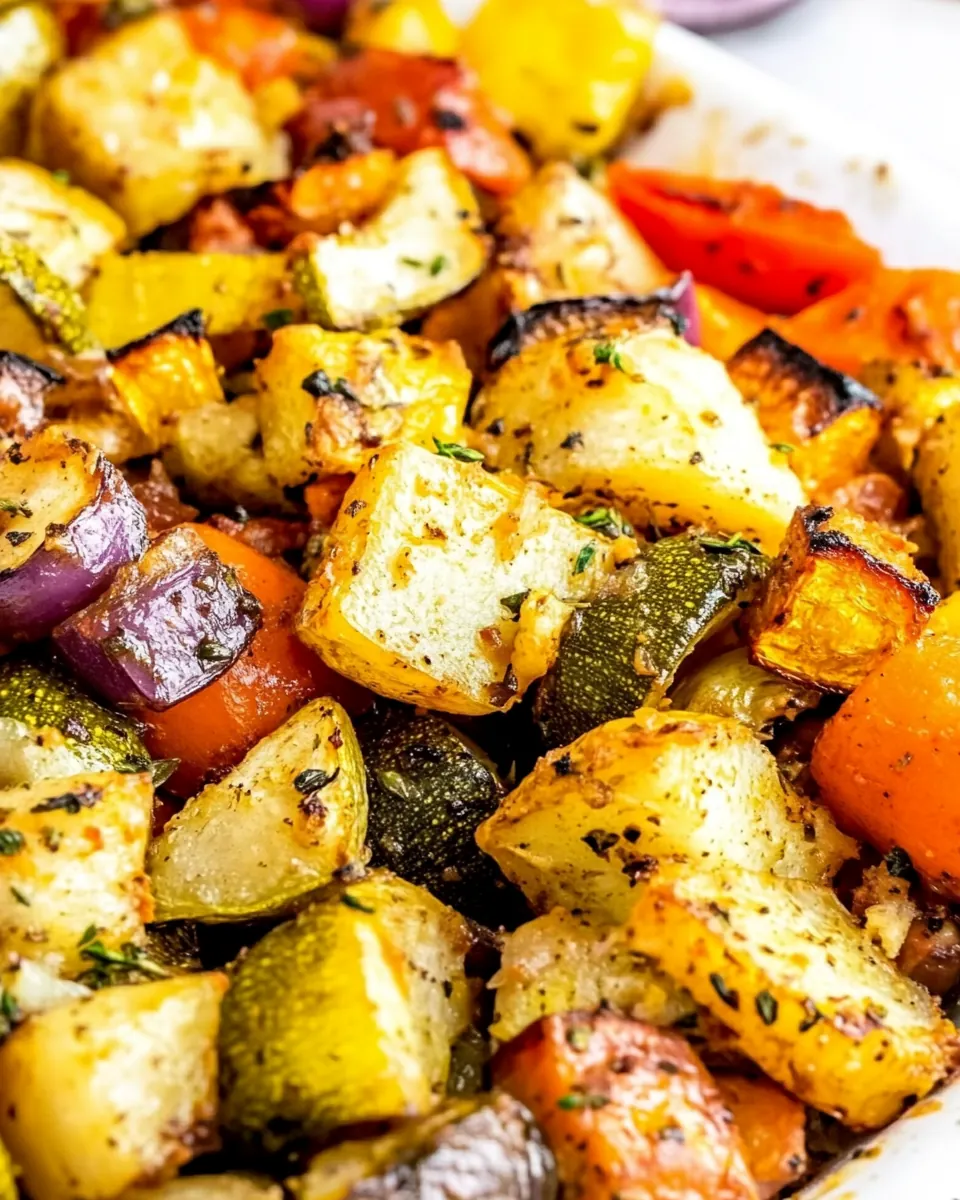
These directions walk you through timing and layering so each vegetable reaches perfect doneness. Read them through so you understand when to add more delicate pieces and why we give some a head start. The process is simple, but attention to texture makes the difference between a good roast and a great one.
- Preheat oven to 400 degrees and grease a large rimmed baking sheet. (Note: Line with parchment paper or aluminum foil for easy clean-up.): The first thing your nose will notice is the warm, dry heat filling the kitchen as the oven approaches 400 degrees , which is ideal for caramelization without overcooking. Greasing the sheet ensures the vegetables will slide when they are done and helps the edges brown evenly, creating those desirable crisp, toasty bits. If you line the pan with parchment or foil, cleanup becomes trivial, though be sure the foil is flat so vegetables roast on an even surface. A common mistake is skipping preheating, which results in uneven roasting and limp texture; always wait until the oven reaches temperature before you put the vegetables in.
- Place potatoes on the baking sheet and drizzle with 1 tablespoon of oil.: When you place the baby red potatoes on the hot sheet and drizzle that first tablespoon of extra–virgin olive oil , you will hear the faint, satisfying sizzle as oil meets warm metal, and that quick contact begins forming a crust. This early oiling helps the potatoes start to brown and develop a slightly crispy skin while protecting the tender interior. Spread them so each piece has breathing room, because crowding traps steam and prevents that lovely crisp. A frequent misstep is piling pieces together, which yields steamed, pale potatoes instead of golden ones.
- Roast for 10 minutes.: As the potatoes roast for about ten minutes, you will smell the earthy aroma deepen and notice the edges taking on a golden tint; this short initial roast gives them a head start so they finish at the same time as the quicker cooking vegetables. It also softens the interior so the remainder of the vegetables can share the pan without turning to mush. Resist the urge to open the oven repeatedly, because losing heat early in the roast slows browning and extends cook time.
- Remove baking sheet from oven and add the remaining vegetables to it.: Pulling the pan out, you will see small brown freckles on the potatoes, which is your cue to add in the zucchini , eggplant , red onion , cauliflower , and baby carrots . Adding them now ensures the softer pieces do not overcook and become watery. Arrange everything evenly so similar sizes sit near one another, making the visual harmony pleasant and the heat distribution consistent. A common oversight is tossing all vegetables together before the initial potato roast, which results in an unevenly cooked pan.
- Drizzle the remaining olive oil and the butter over the veggies. Sprinkle with salt, pepper, and Tuscan seasoning. Stir to mix and spread out in a single layer.: The moment you add the second drizzle of extra–virgin olive oil and the melted butter , you will notice the pan gleam and the herbs bloom, releasing their scent as they hit warm surfaces. The fat helps the seasoning cling, promotes browning, and gives a silky mouthfeel to the finished pieces. Stirring ensures even seasoning, but be gentle so you do not break delicate vegetables. Spread the veggies in a single layer, giving them space to crisp. Overlapping is the most frequent culprit behind soggy results, so take a few extra seconds to arrange them thoughtfully.
- Return to oven for 20 minutes.: When the pan goes back into the oven, the heat will coax the sugars in the onion and carrots to caramelize, the eggplant to turn silky, and the zucchini edges to darken slightly. After about twenty minutes you should see golden brown edges and smell a deep, nutty aroma. If your oven runs hot, check at fifteen minutes to avoid excessive charring; conversely, if your vegetables are still pale, an extra five minutes can help develop color. A typical error here is not rotating the pan; if your oven has hot spots, a quick turn at the ten minute mark keeps browning even.
- Sprinkle with Parmesan cheese and serve.: Once you pull the pan from the oven, the final act of sprinkling the Parmesan cheese creates pockets of savory richness that melt against the hot vegetables, forming golden flecks of umami. The aroma is uplifting, and the contrast between the warm veggies and the salty cheese is immediate. Serve right away so the cheese keeps a slight crisp where it meets the heat. A common mistake is waiting too long to serve, which lets the cheese lose its texture and the vegetables cool, so bring it straight to the table for peak flavor and warmth.
Helpful Notes about Italian Roasted Vegetables
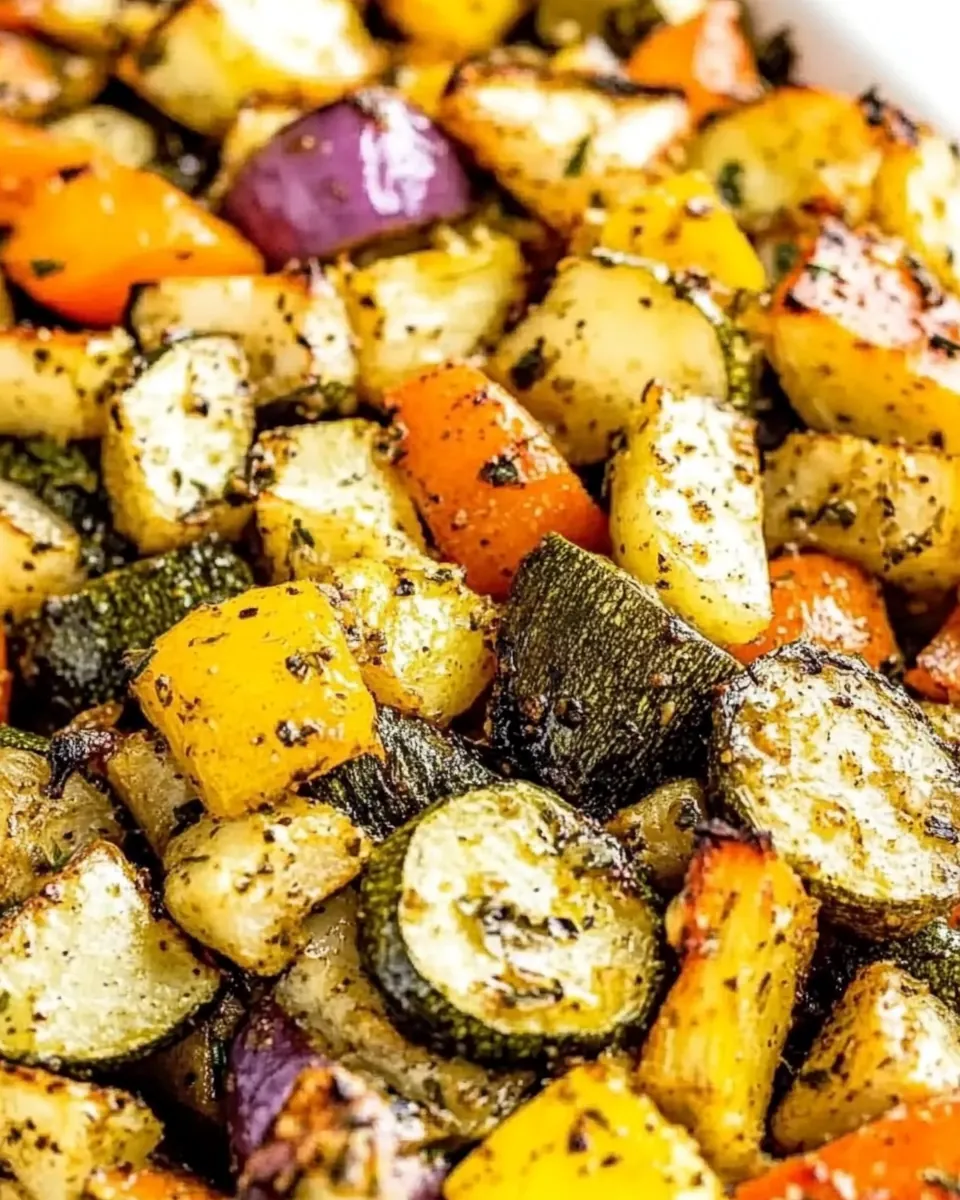
These notes expand on small choices that have big impacts, from seasoning swaps to storage. I include both practical swaps and technique reminders so you can make this dish your own while achieving consistent results.
- Seasoning swap Try Italian seasoning if you cannot find Tuscan seasoning, the herb profile will be similar and still complement the vegetables nicely.
- Spice it up For heat, add crushed red pepper flakes to the seasoning mix, starting with a small amount and adjusting to taste so it does not overwhelm the natural sweetness of the vegetables.
- Even cuts Cut vegetables to similar sizes to ensure uniform roasting, which prevents some pieces from burning while others remain underdone.
- Oil control Use the olive oil sparingly and divide it in stages, too much oil will lead to soggy results rather than crisp, browned edges.
- Make ahead Roast ahead and reheat briefly in a 350 degree oven to re-crisp edges before serving, adding fresh Parmesan cheese after reheating.
What Complements This Italian Roasted Vegetables
These Italian Roasted Vegetables pair beautifully with simple proteins and grain based sides, and they suit many occasions from casual weeknight dinners to festive fall gatherings. Below are serving ideas, storage tips, and occasion matches to help you plan.
- Serve with crusty bread A loaf of warm, crusty bread lets diners scoop up the pan juices and roasted bits, turning the dish into a comforting, communal experience.
- Pair with grains Serve over polenta, couscous, or farro for a heartier plate; the grains soak up the flavors and make the meal more substantial for dinner.
- Occasions These vegetables are excellent for fall family dinners, potlucks, and holiday spreads where vegetable sides are appreciated, providing color and warmth to the table.
- Storage tips Refrigerate leftovers in an airtight container for up to three days, then reheat in the oven to revive crisp edges rather than using a microwave which can make them limp.
- Seasonal pairing In fall, pair with roasted root vegetables and apple based salads; in milder months, serve alongside light proteins and fresh green salads for balance.
FAQ
Conclusion
What makes these Italian Roasted Vegetables special is the way simple produce transforms into something richly flavored with just a little oil, seasoning, and heat. The combination of creamy baby red potatoes, blistered zucchini, and savory Parmesan cheese creates a comforting, textured dish that works for everyday meals and gatherings alike. I encourage you to try this recipe the next time you want a fuss free, flavorful vegetable side; tweak the seasoning to your taste and enjoy how roasting brings out the best in seasonal vegetables.
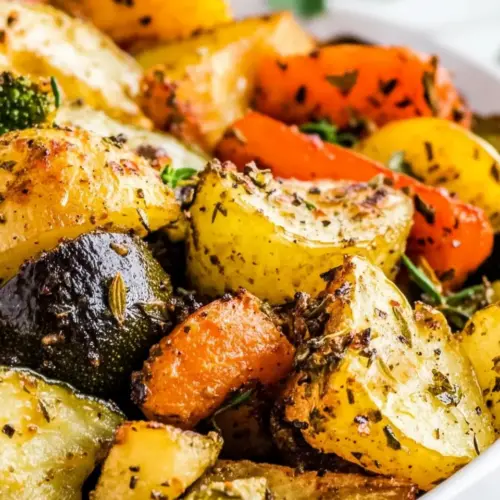
Italian Roasted Vegetables
Equipment
- Rimmed Baking Sheet
Ingredients
- 1 pound baby red potatoes, cut in half Hold as the starchy base that adds body and creamy texture when roasted; halve to ensure quick, even cooking and golden edges while absorbing seasonings.
- 2 tablespoons extra-virgin olive oil, divided Coat vegetables and promote browning while adding subtle fruitiness; divide use allows initial high-heat roasting and a finishing drizzle for gloss and flavor balance.
- 1 medium zucchini, cut into half-moon shapes Provide tender, slightly sweet flesh with a mild bite when cut into half-moons; contribute moisture and a contrasting texture to root vegetables in the roast.
- 1/2 medium eggplant, cut into 1-inch pieces Offer a meaty, absorbent texture that soaks up oil and seasoning; cutting into 1-inch pieces yields even roasting and caramelized surfaces without turning mushy.
- 1 medium red onion, cut into 1 1/2-inch pieces Impart sweet, savory notes and soft caramelized layers when cut into 1 1/2-inch pieces; add aromatic depth and color contrast among the mixed vegetables.
- 1 1/2 cups cauliflower florets Contribute a slightly nutty flavor and delicate crumbly texture when roasted; florets brown at the tips and add visual variety to the tray.
- 1 cup baby carrots Introduce crunchy-sweet roots that hold shape under high heat; use whole baby carrots for uniform appearance and a naturally sweet counterpoint to savory items.
- 1 tablespoon melted butter Provide a small amount of richness and help brown edges; melted butter adds to flavor complexity and gives a glossy finish to roasted pieces.
- 1/2 teaspoons salt Enhance overall seasoning and bring out natural flavors; use the half-teaspoon to avoid over-salting while allowing other herbs and cheese to shine.
- 1/2 teaspoon black pepper Add a sharp, warming note and highlight savory elements; half a teaspoon offers a balanced peppery finish without overwhelming delicate vegetables.
- 1 tablespoon Tuscan seasoning Season with an herby, garlicky blend that evokes Tuscan flavors; one tablespoon seasons the mix evenly and supports the Parmesan topping.
- 1/4 cup freshly shredded Parmesan cheese Top the finished vegetables with savory, salty richness and a lightly nutty finish; freshly shredding ensures quick melting and better texture integration.
Instructions
- Preheat oven to 400 degrees and grease a large rimmed baking sheet. (Note: Line with parchment paper or aluminum foil for easy clean-up.): The first thing your nose will notice is the warm, dry heat filling the kitchen as the oven approaches 400 degrees , which is ideal for caramelization without overcooking. Greasing the sheet ensures the vegetables will slide when they are done and helps the edges brown evenly, creating those desirable crisp, toasty bits. If you line the pan with parchment or foil, cleanup becomes trivial, though be sure the foil is flat so vegetables roast on an even surface. A common mistake is skipping preheating, which results in uneven roasting and limp texture; always wait until the oven reaches temperature before you put the vegetables in.
- Place potatoes on the baking sheet and drizzle with 1 tablespoon of oil.: When you place the baby red potatoes on the hot sheet and drizzle that first tablespoon of extra-virgin olive oil , you will hear the faint, satisfying sizzle as oil meets warm metal, and that quick contact begins forming a crust. This early oiling helps the potatoes start to brown and develop a slightly crispy skin while protecting the tender interior. Spread them so each piece has breathing room, because crowding traps steam and prevents that lovely crisp. A frequent misstep is piling pieces together, which yields steamed, pale potatoes instead of golden ones.
- Roast for 10 minutes.: As the potatoes roast for about ten minutes, you will smell the earthy aroma deepen and notice the edges taking on a golden tint; this short initial roast gives them a head start so they finish at the same time as the quicker cooking vegetables. It also softens the interior so the remainder of the vegetables can share the pan without turning to mush. Resist the urge to open the oven repeatedly, because losing heat early in the roast slows browning and extends cook time.
- Remove baking sheet from oven and add the remaining vegetables to it.: Pulling the pan out, you will see small brown freckles on the potatoes, which is your cue to add in the zucchini , eggplant , red onion , cauliflower , and baby carrots . Adding them now ensures the softer pieces do not overcook and become watery. Arrange everything evenly so similar sizes sit near one another, making the visual harmony pleasant and the heat distribution consistent. A common oversight is tossing all vegetables together before the initial potato roast, which results in an unevenly cooked pan.
- Drizzle the remaining olive oil and the butter over the veggies. Sprinkle with salt, pepper, and Tuscan seasoning. Stir to mix and spread out in a single layer.: The moment you add the second drizzle of extra-virgin olive oil and the melted butter , you will notice the pan gleam and the herbs bloom, releasing their scent as they hit warm surfaces. The fat helps the seasoning cling, promotes browning, and gives a silky mouthfeel to the finished pieces. Stirring ensures even seasoning, but be gentle so you do not break delicate vegetables. Spread the veggies in a single layer, giving them space to crisp. Overlapping is the most frequent culprit behind soggy results, so take a few extra seconds to arrange them thoughtfully.
- Return to oven for 20 minutes.: When the pan goes back into the oven, the heat will coax the sugars in the onion and carrots to caramelize, the eggplant to turn silky, and the zucchini edges to darken slightly. After about twenty minutes you should see golden brown edges and smell a deep, nutty aroma. If your oven runs hot, check at fifteen minutes to avoid excessive charring; conversely, if your vegetables are still pale, an extra five minutes can help develop color. A typical error here is not rotating the pan; if your oven has hot spots, a quick turn at the ten minute mark keeps browning even.
- Sprinkle with Parmesan cheese and serve.: Once you pull the pan from the oven, the final act of sprinkling the Parmesan cheese creates pockets of savory richness that melt against the hot vegetables, forming golden flecks of umami. The aroma is uplifting, and the contrast between the warm veggies and the salty cheese is immediate. Serve right away so the cheese keeps a slight crisp where it meets the heat. A common mistake is waiting too long to serve, which lets the cheese lose its texture and the vegetables cool, so bring it straight to the table for peak flavor and warmth.
Notes
- Seasoning swap Try Italian seasoning if you cannot find Tuscan seasoning, the herb profile will be similar and still complement the vegetables nicely.
- Spice it up For heat, add crushed red pepper flakes to the seasoning mix, starting with a small amount and adjusting to taste so it does not overwhelm the natural sweetness of the vegetables.
- Even cuts Cut vegetables to similar sizes to ensure uniform roasting, which prevents some pieces from burning while others remain underdone.
- Oil control Use the olive oil sparingly and divide it in stages, too much oil will lead to soggy results rather than crisp, browned edges.
- Make ahead Roast ahead and reheat briefly in a 350 degree oven to re-crisp edges before serving, adding fresh Parmesan cheese after reheating.
