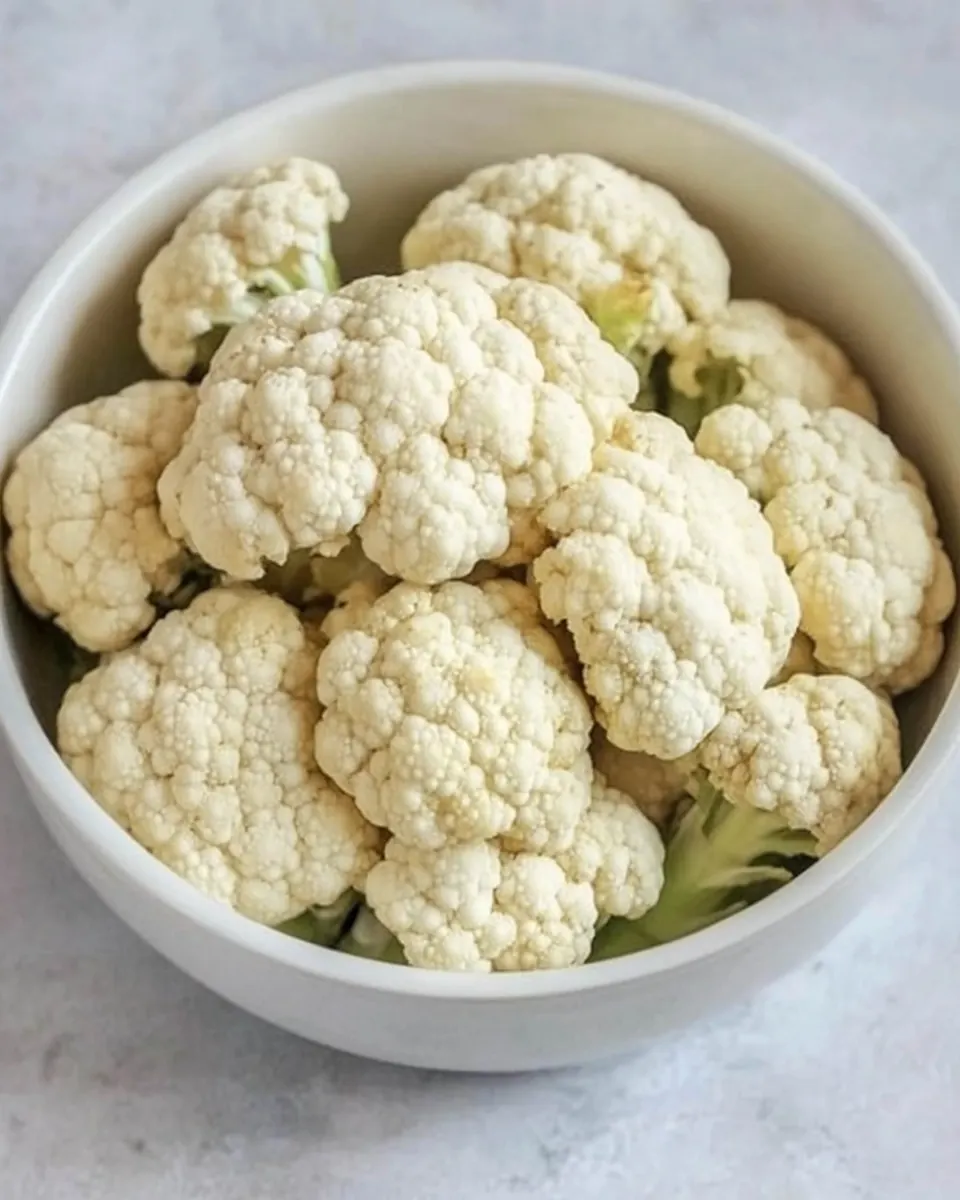
How to Cook Cauliflower
How to Cook Cauliflower is the kind of recipe that rescued many of my rushed weeknights, and it still feels like comfort food when I crave something simple and honest.
I first learned how to cook cauliflower on a rainy evening when my fridge was sparse and I wanted something cozy without fuss. I remember steaming the first batch until the kitchen filled with a mild, sweet scent that made me think of nutty creaminess waiting to happen. Later that week I roasted another head, and the oven coaxed out caramelized notes that made me pause and savor a forkful, deciding then that this humble vegetable deserved a permanent place in my rotation.
Over time I experimented with textures, from tender florets that melt on the tongue to rice like crumbles that soak up sauces. Each technique taught me a little more about patience and timing, and now I often pick the method based on what else is on the stove. I like to tell friends that once you master a few basic approaches, you can dress cauliflower up for weeknight dinners or let it play a starring role on a weekend table.
Recipe Snapshot
20 mins
10 mins
10 mins
Medium
150 kcal
American
Keto, Gluten-Free
Side Dishes
Medium pot, Steamer basket, Large skillet, Food processor, Saucepan, Fine mesh strainer, Rimmed baking sheet
Why This How to Cook Cauliflower Stands Out
Versatility that fits any meal
I love how How to Cook Cauliflower adapts. You can steam, boil, sauté, roast, or pulse it into a rice substitute, and each method creates a distinct personality. When I need something delicate, steaming yields soft, almost creamy florets. If I want texture and char, roasting brings out a deeper, savory profile. That flexibility makes this a dependable recipe when I want to stretch pantry staples into something special.
Simple pantry friendly
We rarely need more than a few staples to make this shine. A head of cauliflower, a splash of olive oil or a pat of butter, and salt are often all it takes. Because the ingredients are so straightforward, the natural flavor of the vegetable becomes the focus. I appreciate recipes that respect ingredients rather than hide them behind heavy sauces.
Quick and forgiving technique
Time is a gift, and this recipe usually takes under 30 minutes. I can steam or boil florets while prepping other parts of dinner, or roast if I have a little extra hands off time. The methods are forgiving too. If a floret is slightly more tender than intended, it still tastes great. That kind of leeway is why I reach for this when hosting guests with different preferences.
Healthy and adaptable for diets
I often turn to How to Cook Cauliflower when I want lighter fare that still feels satisfying. The vegetable offers fiber and a subtle sweetness without heaviness. Because the base is neutral, you can add bold herbs and spices or keep it minimal for picky eaters. That makes it easy to pair with many cuisines and meal types, which I love when planning weekly menus.
Comfortable for beginners and pros alike
Every cook can find something to learn here. Beginners gain confidence with basic techniques like steaming and pan sautéing, while more experienced cooks can experiment with texture transformation, like pulsing into rice or roasting for caramelized edges. I find that sharing these small wins with friends makes cooking feel collaborative and fun.
How to Cook Cauliflower Shopping List
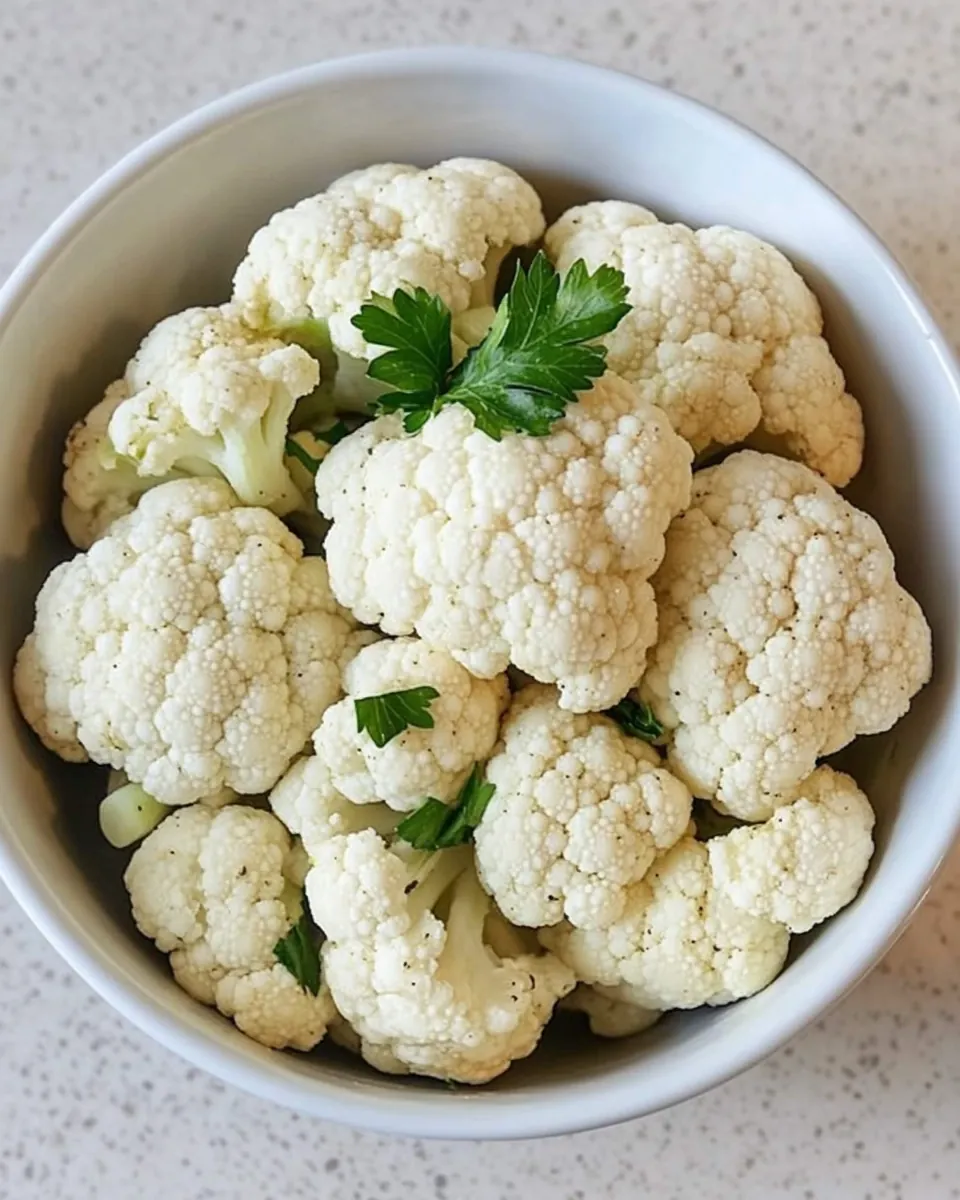
These ingredients are intentionally modest so the vegetable can take center stage. I think about the cast members as a small supporting troupe: the cauliflower provides texture and subtle sweetness, while olive oil or butter carries and enhances flavor. Salt and pepper, though not all listed explicitly here, are implied seasonings we rely on to lift flavors.
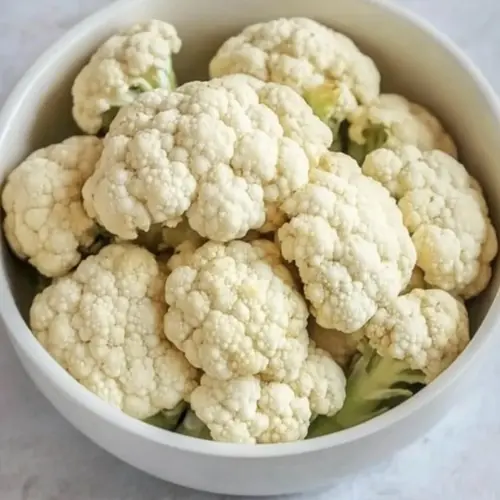
- 1 head cauliflower: Trim and separate into florets to provide the main vegetable body of the dish; holds up well to roasting or steaming and absorbs seasonings while offering a tender-crisp texture when cooked properly.
- 1 2 tablespoons olive oil (or butter and/or salt as desired): Drizzle or melt over the cauliflower to add fat and flavor; enhances browning, mouthfeel, and seasoning adhesion while optionally providing a buttery richness or savory salt balance depending on choice.
The Method for How to Cook Cauliflower
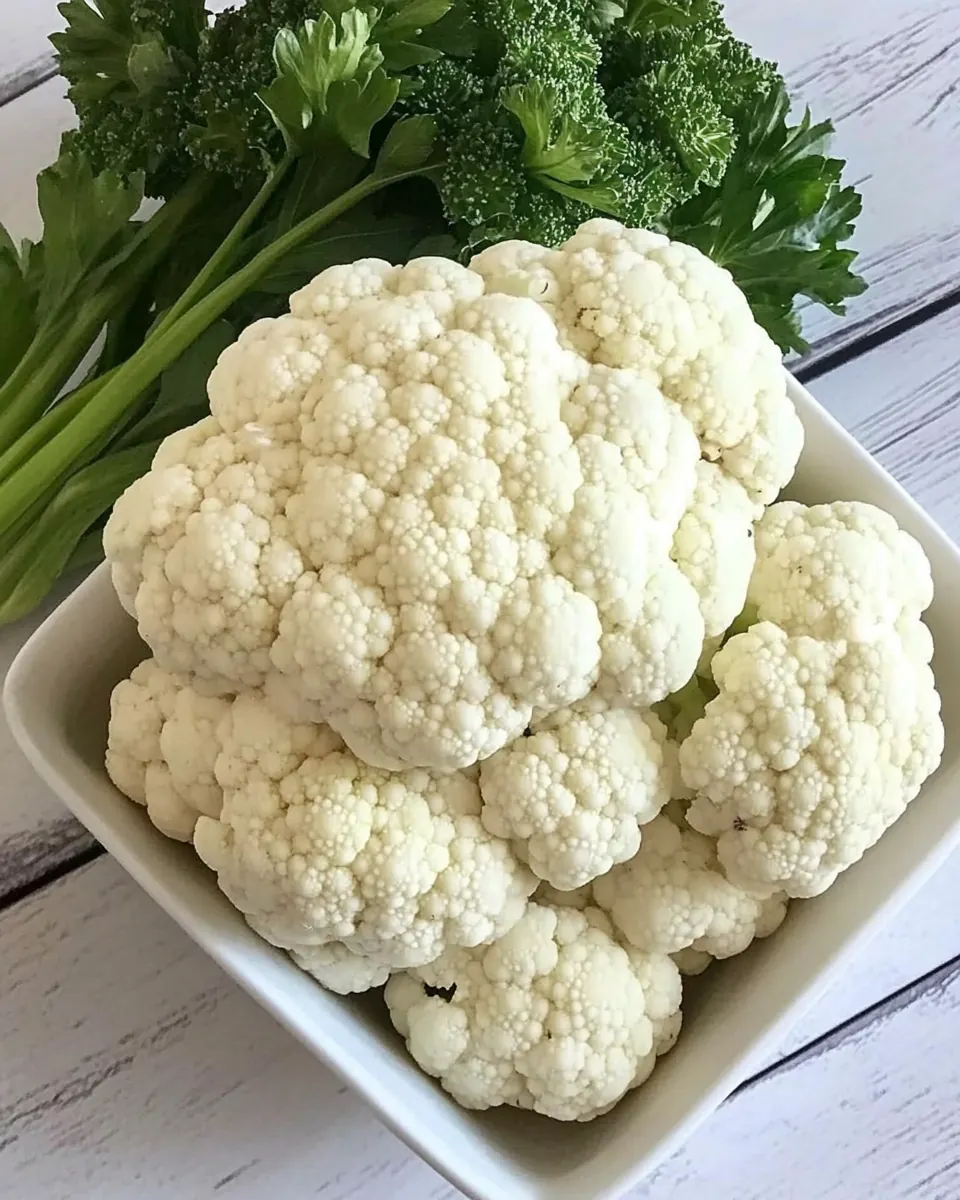
I like to think of the cooking stage as deciding the personality I want for the vegetable. Below, I expand the original directions into sensory rich, actionable steps so you can pick the right finish for your meal.
- Add 2 inches of water to a medium pot fitted with a steamer basket over medium heat. Bring to a simmer. Add cauliflower florets, cover, and cook for 8-10 minutes or until tender. Transfer cauliflower to a bowl and season to taste with butter or olive oil and salt and pepper.: As the pot nears a simmer you will hear a gentle hiss, and steam will smell faintly vegetal and sweet. The florets should become tender but not mushy, yielding to a fork with slight resistance. This method locks in moisture and keeps the texture delicate, which is lovely when you want a softer mouthfeel. A common mistake is overheating the pot so the water boils aggressively, which can make florets waterlogged. Watch for a steady simmer and check at eight minutes to avoid overcooking.
- Add your cauliflower florets to a medium pot and just cover with water. Bring to a boil over medium heat, then lower to a simmer. Simmer for 5-7 minutes or until cauliflower is tender when poked with a fork. Drain and toss with butter or olive oil and salt.: The sound shifts from quiet to a brisk bubbling as the water reaches a boil, and the kitchen fills with a mild sweetness. Boiling cooks quickly and is great when you want a no fuss soft texture. After draining, press gently so excess water does not dilute any sauce or dressing. Avoid boiling too long, which dulls the flavor and creates a soggy texture that lacks interest.
- Heat a large skillet over medium heat. Add butter or olive oil and when warm, add cauliflower florets. Toss to coat with oil. Cook, stirring often, for 8-10 minutes, or until the florets are tender when poked with a fork or a knife. I often cover the skillet for about half of the cooking time to trap some steam and help the cauliflower cook evenly all the way through.: When the fat hits the pan you will hear a soft sizzle, and the aroma will turn richer and slightly nutty as the edges brown. Tossing encourages even contact so you get golden bits while the interior softens. Covering briefly creates steam which speeds tenderness, then uncover near the end to reintroduce crispness. A typical error is overcrowding the skillet, which causes steaming instead of browning; cook in batches if needed.
- Place 2 cups cauliflower florets into a food processor. Grind into small, rice-size pieces.: The machine will make a rhythmic chopping sound as florets transform into grain like pieces. This texture is excellent for absorbing sauces and making lighter, grain free alternatives. Pulse in short bursts to avoid turning the florets into a paste. Over processing results in mushy, wet rice that will not hold up in sautés or salads, so stop as soon as you reach rice like granules.
- Place into a saucepan and cover with about 1 inch water. Bring to a simmer over medium heat. Simmer for about 5 minutes or until tender.: As the cauliflower rice simmers, steam rises and the scent becomes subtle and delicate. This brief simmer tenderizes the grains without becoming soggy, leaving a pleasant bite. Stir gently to ensure even heating. A frequent slip up is using too much water which creates a watery texture, so keep the liquid minimal and drain promptly when done.
- Drain in a fine-mesh strainer. Press with a spoon to release as much water as possible.: Pressing the cooked pieces releases steam and excess liquid, and you will feel the weight lessen under your spoon. Removing moisture is key to avoid a watery final dish, especially when combining with dressings or sautéing further. Be careful not to press so hard that you mash the grains into a paste, which can create a gummy texture instead of light, separate pieces.
- Season to taste with butter or olive oil and salt.: The final seasoning step is where the flavors snap into focus. The richness of butter or the fruity notes of olive oil meld with salt to enhance the vegetable's natural sweetness. Add small amounts, taste, and adjust, because excessive salt can overpower the delicate flavor. A common oversight is adding too much at once; season gradually and sample as you go.
- Preheat the oven to 400 degrees F.: The oven warming produces a dry heat that is ideal for caramelization. You will notice the preheating phase brings a steady warmth that encourages even roasting. Ensure the oven reaches temperature before placing the tray in, or you risk uneven doneness. A mistake is skipping preheat which can lengthen cooking time and reduce browning.
- Place cauliflower florets onto a rimmed baking sheet and drizzle with olive oil. Sprinkle with salt. Toss to coat well. Roast for 12-15 minutes, turning once, or until tender when poked with a fork. Serve warm.: As the florets roast you will see edges deepen to golden and occasionally amber, with a toasty, savory aroma that makes it hard to wait. Turning once promotes even color on all sides and helps create crisp edges. The contrast between a tender interior and caramelized exterior is what makes roasted florets so appealing. Avoid crowding the sheet, which creates steam pockets and prevents proper browning.
- You can also do this with slices of cauliflower, which is just a way to change up the way it looks. (The flavor is the same!) Follow the same directions as above, adding a few additional minutes if needed for the stem to soften.: Slicing into steaks presents a different texture and a more dramatic presentation, with the same core flavor profile. Thicker slices may need a few more minutes to reach full tenderness, so watch the stem area for doneness. A usual mistake is assuming slice thickness does not matter; uniform slices give the most consistent results across the pan.
Ways to Adapt This Recipe
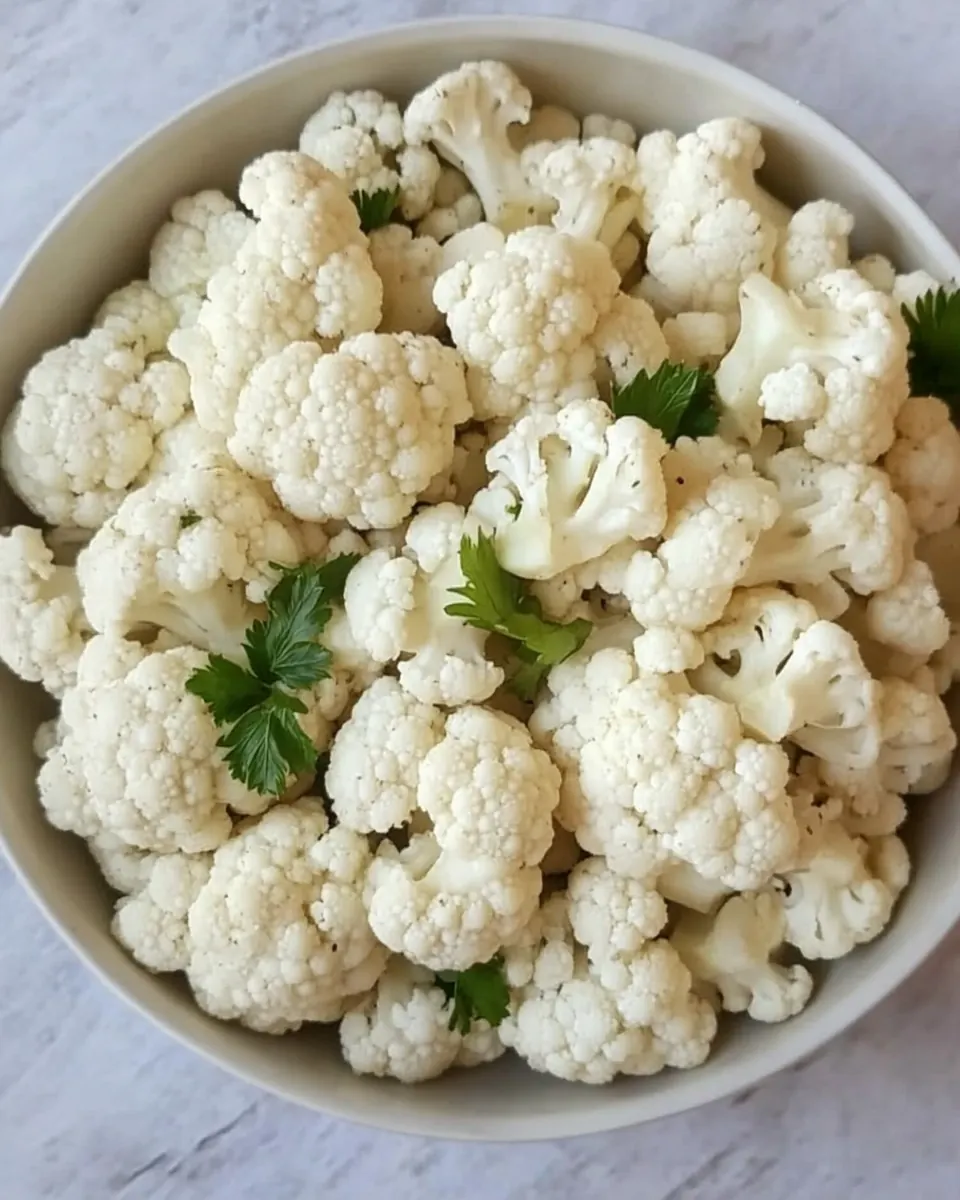
I like offering flexible suggestions because How to Cook Cauliflower works in so many contexts. Below are practical ways to adapt the texture, flavor, and finish. Each tip starts with a bolded idea to help you scan quickly.
- For a crispier finish Roast on a hot tray and avoid overcrowding so each floret gets direct heat and caramelization.
- For a creamier texture Steam or boil until very tender, then toss with a bit of butter so the fat dissolves into the cooked cauliflower, creating silkiness.
- To make cauliflower rice Pulse small batches in the food processor and briefly sauté to remove excess moisture for a fluffy result.
- To change presentation Slice into steaks instead of breaking into florets for a rustic, impressive main or side.
- To adjust seasoning Keep the base neutral, then finish with salt and a final drizzle of olive oil or a pat of butter to highlight the vegetable.
What Goes Well With This How to Cook Cauliflower
Serving How to Cook Cauliflower can be as simple or as composed as you like. Below are ideas for pairing, occasions, and storage that help make this ingredient shine in meals.
- Simple weeknight pairing Serve roasted florets alongside a whole grain and a light protein so the vegetable provides texture and depth without stealing the show.
- Comfort style When you want cozy fare, toss steamed florets with a little butter and a sprinkle of a melting cheese for a quick gratin style side.
- Light seasonal menu Pair cauliflower rice with bright salads and grilled vegetables for spring or summer meals that feel fresh and balanced.
- Occasions This recipe fits casual dinners, family lunches, or Ramadan iftar spreads because it is adaptable and easy to make in batches.
- Storage tips Store leftovers in an airtight container in the fridge for three to five days, and rewarm briefly in the microwave or a skillet to revive texture.
- Presentation ideas Serve cauliflower steaks as a centerpiece garnished with a finishing oil, or pile roasted florets on a platter for sharing at gatherings.
FAQ
Conclusion
What makes this recipe special is how it elevates a simple head of cauliflower into multiple delicious textures, from tender steamed florets to caramelized roasted bites. Give a method a try and you will quickly see how adaptable this vegetable can be for weeknights or paced weekend meals. I hope you enjoy experimenting with these techniques and find one that becomes a favorite in your kitchen; there is satisfaction in turning minimal ingredients into something truly comforting and versatile.
How to Cook Cauliflower
Equipment
- Medium Pot
- Steamer basket
- Large Skillet
- Food Processor
- Saucepan
- Fine-mesh strainer
- Rimmed Baking Sheet
Ingredients
- 1 head cauliflower Trim and separate into florets to provide the main vegetable body of the dish; holds up well to roasting or steaming and absorbs seasonings while offering a tender-crisp texture when cooked properly.
- 1 -2 tablespoons olive oil (or butter and/or salt as desired) Drizzle or melt over the cauliflower to add fat and flavor; enhances browning, mouthfeel, and seasoning adhesion while optionally providing a buttery richness or savory salt balance depending on choice.
Instructions
- Add 2 inches of water to a medium pot fitted with a steamer basket over medium heat. Bring to a simmer. Add cauliflower florets, cover, and cook for 8-10 minutes or until tender. Transfer cauliflower to a bowl and season to taste with butter or olive oil and salt and pepper.: As the pot nears a simmer you will hear a gentle hiss, and steam will smell faintly vegetal and sweet. The florets should become tender but not mushy, yielding to a fork with slight resistance. This method locks in moisture and keeps the texture delicate, which is lovely when you want a softer mouthfeel. A common mistake is overheating the pot so the water boils aggressively, which can make florets waterlogged. Watch for a steady simmer and check at eight minutes to avoid overcooking.
- Add your cauliflower florets to a medium pot and just cover with water. Bring to a boil over medium heat, then lower to a simmer. Simmer for 5-7 minutes or until cauliflower is tender when poked with a fork. Drain and toss with butter or olive oil and salt.: The sound shifts from quiet to a brisk bubbling as the water reaches a boil, and the kitchen fills with a mild sweetness. Boiling cooks quickly and is great when you want a no fuss soft texture. After draining, press gently so excess water does not dilute any sauce or dressing. Avoid boiling too long, which dulls the flavor and creates a soggy texture that lacks interest.
- Heat a large skillet over medium heat. Add butter or olive oil and when warm, add cauliflower florets. Toss to coat with oil. Cook, stirring often, for 8-10 minutes, or until the florets are tender when poked with a fork or a knife. I often cover the skillet for about half of the cooking time to trap some steam and help the cauliflower cook evenly all the way through.: When the fat hits the pan you will hear a soft sizzle, and the aroma will turn richer and slightly nutty as the edges brown. Tossing encourages even contact so you get golden bits while the interior softens. Covering briefly creates steam which speeds tenderness, then uncover near the end to reintroduce crispness. A typical error is overcrowding the skillet, which causes steaming instead of browning; cook in batches if needed.
- Place 2 cups cauliflower florets into a food processor. Grind into small, rice-size pieces.: The machine will make a rhythmic chopping sound as florets transform into grain like pieces. This texture is excellent for absorbing sauces and making lighter, grain free alternatives. Pulse in short bursts to avoid turning the florets into a paste. Over processing results in mushy, wet rice that will not hold up in sautés or salads, so stop as soon as you reach rice like granules.
- Place into a saucepan and cover with about 1 inch water. Bring to a simmer over medium heat. Simmer for about 5 minutes or until tender.: As the cauliflower rice simmers, steam rises and the scent becomes subtle and delicate. This brief simmer tenderizes the grains without becoming soggy, leaving a pleasant bite. Stir gently to ensure even heating. A frequent slip up is using too much water which creates a watery texture, so keep the liquid minimal and drain promptly when done.
- Drain in a fine-mesh strainer. Press with a spoon to release as much water as possible.: Pressing the cooked pieces releases steam and excess liquid, and you will feel the weight lessen under your spoon. Removing moisture is key to avoid a watery final dish, especially when combining with dressings or sautéing further. Be careful not to press so hard that you mash the grains into a paste, which can create a gummy texture instead of light, separate pieces.
- Season to taste with butter or olive oil and salt.: The final seasoning step is where the flavors snap into focus. The richness of butter or the fruity notes of olive oil meld with salt to enhance the vegetable's natural sweetness. Add small amounts, taste, and adjust, because excessive salt can overpower the delicate flavor. A common oversight is adding too much at once; season gradually and sample as you go.
- Preheat the oven to 400 degrees F.: The oven warming produces a dry heat that is ideal for caramelization. You will notice the preheating phase brings a steady warmth that encourages even roasting. Ensure the oven reaches temperature before placing the tray in, or you risk uneven doneness. A mistake is skipping preheat which can lengthen cooking time and reduce browning.
- Place cauliflower florets onto a rimmed baking sheet and drizzle with olive oil. Sprinkle with salt. Toss to coat well. Roast for 12-15 minutes, turning once, or until tender when poked with a fork. Serve warm.: As the florets roast you will see edges deepen to golden and occasionally amber, with a toasty, savory aroma that makes it hard to wait. Turning once promotes even color on all sides and helps create crisp edges. The contrast between a tender interior and caramelized exterior is what makes roasted florets so appealing. Avoid crowding the sheet, which creates steam pockets and prevents proper browning.
- You can also do this with slices of cauliflower, which is just a way to change up the way it looks. (The flavor is the same!) Follow the same directions as above, adding a few additional minutes if needed for the stem to soften.: Slicing into steaks presents a different texture and a more dramatic presentation, with the same core flavor profile. Thicker slices may need a few more minutes to reach full tenderness, so watch the stem area for doneness. A usual mistake is assuming slice thickness does not matter; uniform slices give the most consistent results across the pan.
Notes
- For a crispier finish Roast on a hot tray and avoid overcrowding so each floret gets direct heat and caramelization.
- For a creamier texture Steam or boil until very tender, then toss with a bit of butter so the fat dissolves into the cooked cauliflower, creating silkiness.
- To make cauliflower rice Pulse small batches in the food processor and briefly sauté to remove excess moisture for a fluffy result.
- To change presentation Slice into steaks instead of breaking into florets for a rustic, impressive main or side.
- To adjust seasoning Keep the base neutral, then finish with salt and a final drizzle of olive oil or a pat of butter to highlight the vegetable.
