Hungarian Easter Twisted Bread
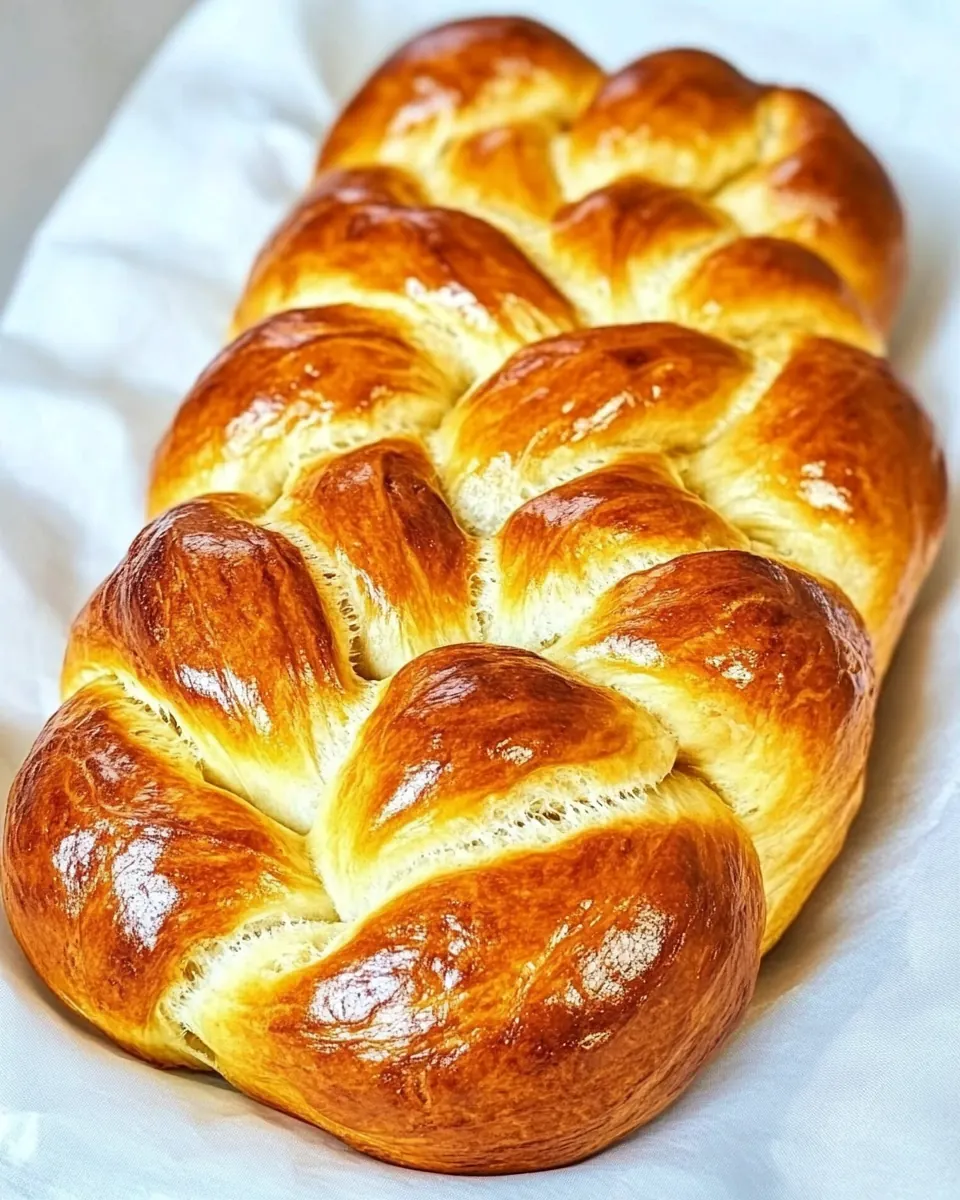
Hungarian Easter Twisted Bread has been a comforting ritual in my kitchen for years, a braided loaf that arrives warm, glossy, and aromatic on holiday mornings. I first learned to braid it at my grandmother’s elbow, flour on both of our hands as she humored my clumsy attempts and let me tuck the ends under until the loaf looked presentable. The scent of warm milk and butter rising in the house still carries me back to that small sunlit kitchen.
Some years I wake before dawn to shape the dough while the world is still quiet, other years I enlist curious kids to roll the dough into ropes, delighting in the simple, tactile task. The rhythm of braiding, pressing the strands together, and brushing the glossy egg wash becomes a small act of celebration. I love how a few pantry ingredients turn into something special, and how the slightly sweet crumb pairs with morning tea.
Recipe Snapshot
1 hr 15 mins
30 mins
45 mins
Medium
200 kcal
Hungarian
Gluten-Free, Low FODMAP
Breakfast
Large bowl, Mixing spoon, Baking paper, Oven, Rolling surface
The Best Thing About This Hungarian Easter Twisted Bread
Traditional texture and flavor
I adore how Hungarian Easter Twisted Bread balances a tender crumb with a slightly chewy crust, thanks to the combination of enriched dough and careful braiding. The use of butter, milk, and eggs creates a soft, enriched crumb that keeps well and slices beautifully for sharing.
Simple ingredients, impressive result
This recipe relies on everyday items like flour, sugar, and yeast, yet the final loaf looks and tastes like something artisanal. I love that you can pull together the dough quickly, then let the yeast do much of the work while you relax or set the table.
Hands on and meditative
Braiding the loaves is oddly calming, it turns baking into a craft experience rather than a chore. Working the dough gives immediate feedback, from the silky texture under your palms to the audible slight stretch as you shape each strand.
Versatile for occasions
Hungarian Easter Twisted Bread fits everything from a festive Easter brunch to a lazy weekend breakfast. You can present it plain, or slice and toast it for sandwiches; it holds up well across situations, which is why I often make two loaves at once.
Kid friendly and shareable
Families appreciate that the dough is forgiving for beginners and that the braids are fun for kids to make. It becomes a shared activity, and the resulting loaves are easy to portion and hand out to guests.
What to Buy for Hungarian Easter Twisted Bread
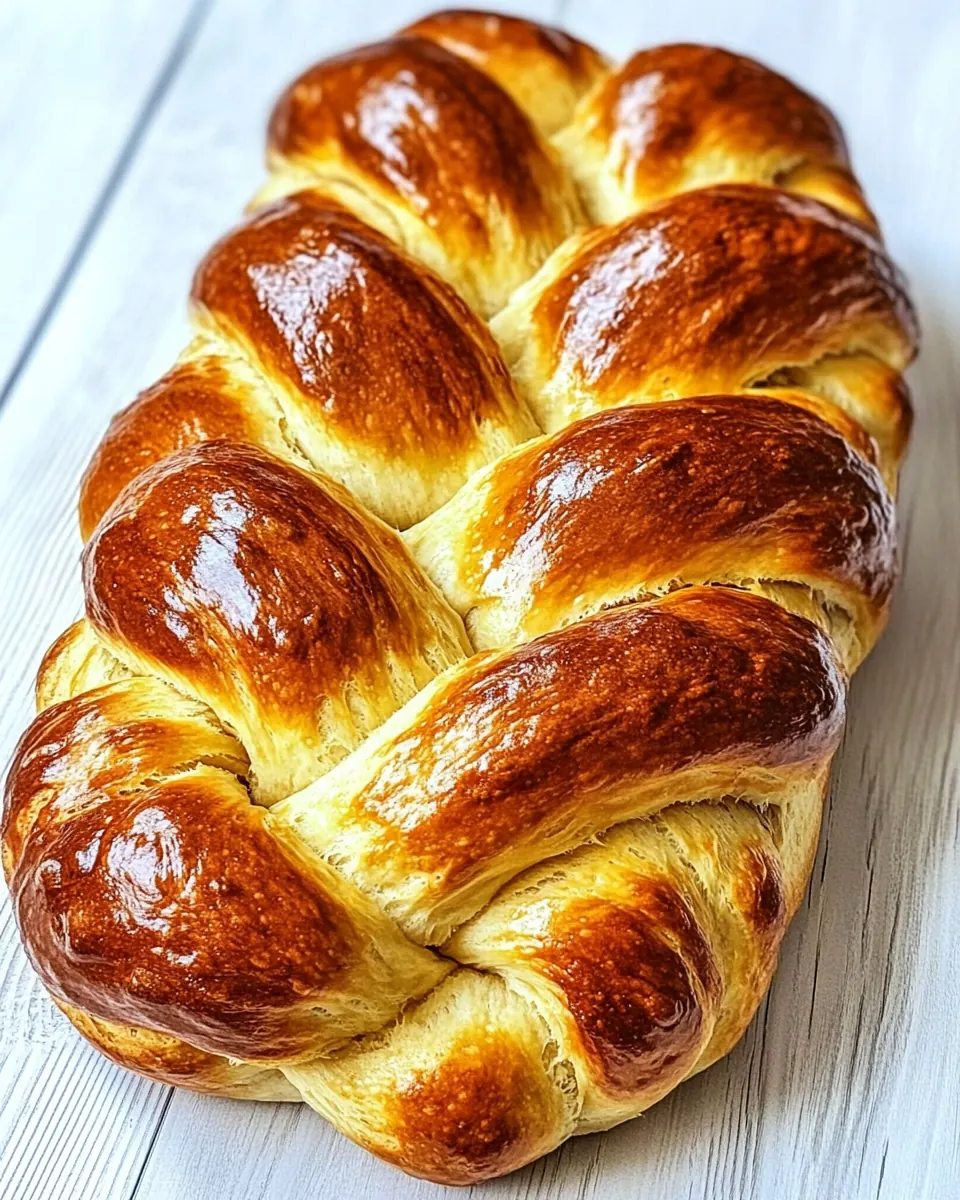
For a loaf this simple and soulful, each ingredient plays a clear role. The enriched dough depends on the fat and liquid to produce a soft crumb, while the yeast and sugar work together to give lift and mild sweetness. The eggs add structure, and a final egg wash gives the braid its signature shine. Together, these pantry ingredients create a classic, tender braided bread that is worth the little bit of hands on time.
- 4 cups flour: Provide structure and bulk to the dough, forming the gluten network when mixed and kneaded; measure accurately for consistent texture and rise. Support browning and tooth when baked, and allow for proper hydration with the liquid ingredients.
- 3 1/2 tbsp melted butter: Add richness and tender crumb by coating flour proteins and shortening gluten strands; melt before incorporating to distribute fat evenly. Contribute subtle buttery aroma and aid in browning of the crust during baking.
- 25 g fresh yeast or 2 1/2 tsp dry yeast: Activate fermentation and leaven the dough by producing carbon dioxide gas during proofing; choose fresh for more immediate activity or dry for longer shelf life. Regulate amount carefully to control rise time and final crumb openness.
- 2 tsp salt: Enhance flavor balance and strengthen gluten structure by tightening the dough slightly, helping it hold gas without collapsing; dissolve into the liquid for even distribution. Also controls yeast activity and improves overall taste complexity.
- 1/3 cups sugar: Provide sweetness to feed yeast slightly and contribute to browning and flavor depth in the final bread; adjust for desired sweetness level without overwhelming. Dissolve into warm liquid to ensure even incorporation and consistent fermentation.
- 1 1/5 cups milk: Hydrate the flour, enabling gluten development and dissolving other ingredients; warm milk helps activate yeast and contributes to softer crumb and richer flavor. Also adds lactose and milk proteins that improve browning and tenderness.
- 2 eggs: Enrich the dough with moisture, fat, and protein to create a softer, richer crumb and better texture; beat lightly before adding for even distribution. Contribute to structure as proteins coagulate during baking, helping set the loaf.
- 1 egg yolk: Increase richness and aid in a glossy, golden finish when brushed on or incorporated; add concentrated fat and lecithin to improve tenderness and color. Use for enhanced yolk-driven color and slightly silkier crumb when mixed into dough.
How to Assemble Hungarian Easter Twisted Bread
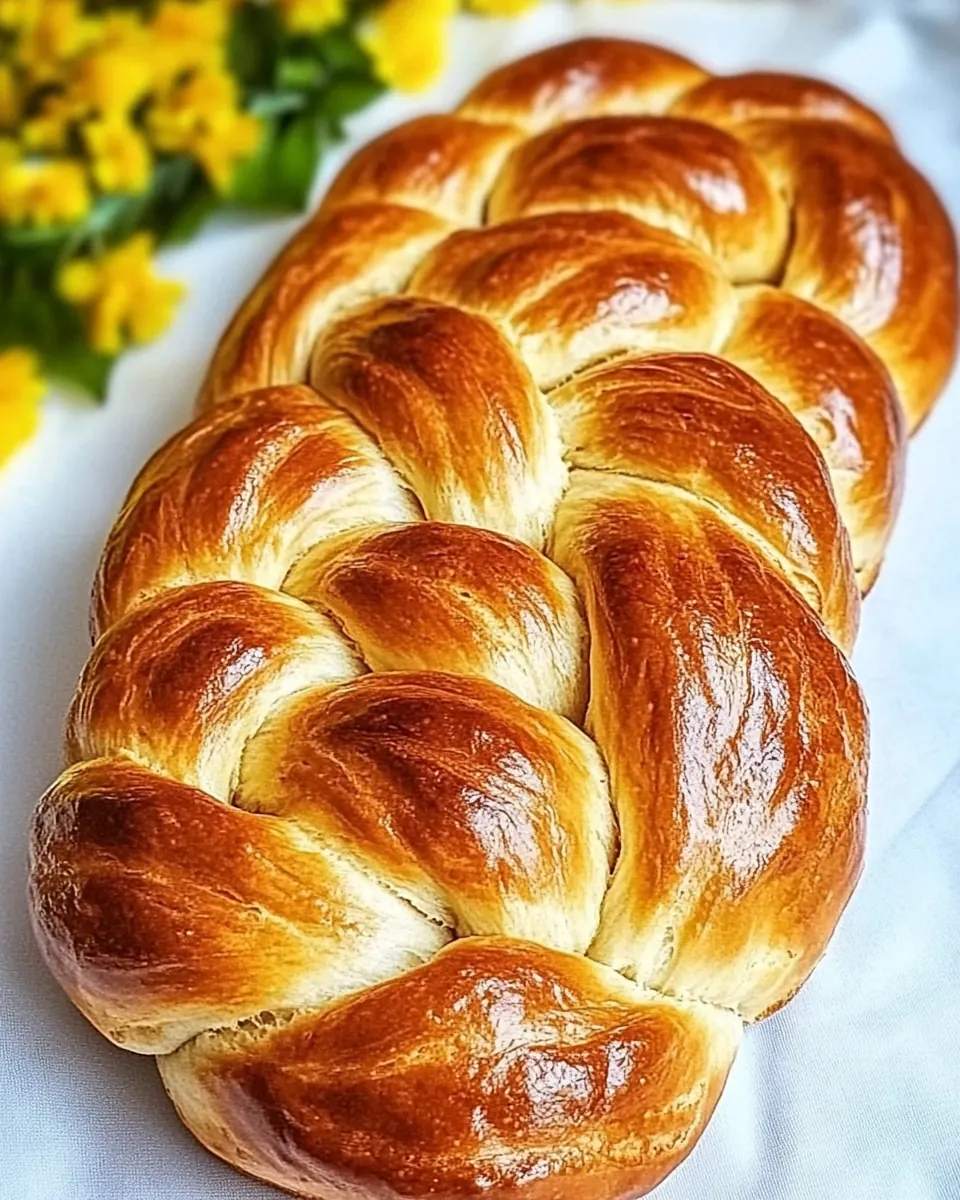
Assembling this braid is a satisfying blend of rhythm and observation. I like to have my surface floured, my milk warmed, and my hands ready to knead. Below are the cleaned steps rewritten into rich, sensory instructions that help you know when each stage is right.
- Dissolve the sugar and yeast into the warmed milk, cover, and put aside for 10 minutes.: The warm milk should feel like a cozy bath, not hot to the touch, and as the sugar and yeast mingle you will notice a light foam forming after several minutes, a sign of a lively yeast . This scent of faint fermentation is reassuring and signals that fermentation is starting to produce tiny gas bubbles that will lift the dough. If you do not see any foaming, your yeast may be old or the milk was too hot, so try again with fresh yeast or cooler liquid. Avoid adding cold milk because the yeast will not wake up well and the rise will be sluggish.
- Put the flour, salt, melted butter, 1 egg, and 1 egg yolk in a large bowl, mix, and pour in the activated yeast mixture.: After combining these enriched elements, the dough will start to come together into a slightly sticky mass. Use your hands or a sturdy spoon to bring the ingredients into a shaggy dough before kneading so the fats and proteins begin to unite; you will smell a warm, bready aroma as the emulsion forms. If the dough feels excessively dry, a tablespoon of warm milk helps, whereas too wet a dough can be corrected with a dusting of flour . Be careful not to add too much flour at once, that can toughen the loaf.
- Knead the dough for 10-15 minutes, cover, and leave to rise for about 1 hour in a warm place until it doubles in size.: Proper kneading develops gluten so the dough becomes smooth and slightly elastic, which you will notice under your palms as it stretches and springs back. The texture will change from shaggy to satin smooth, and when you press an indentation it should slowly fill back in. During the rise the air pockets formed by the yeast will give a gentle yeasty aroma. If the dough does not rise well, the room may be too cool, so find a slightly warmer spot or allow more time. Avoid punching it down aggressively at this point, as you want to preserve those delicate air bubbles.
- Place the dough on a floured surface and divide into 6 equal parts. Roll each part into a ball, cover, and leave to rise for 10 minutes. Then roll the dough balls into sticks.: Working on a floured board, feel each piece transform from a ball into a smooth rope, the surface tightening as you roll. After the short bench rest the gluten relaxes, making the shaping easier and preventing spring back. The ropes should be uniform in thickness so the braid bakes evenly and you will notice the strands hold tension without tearing. If the dough resists rolling, give it another minute to relax under the cloth, forcing it usually leads to irregular strands.
- Take 3 rolled sticks and braid them, joining the ends. Do the same for the other 3.: Braiding is tactile therapy, and the interlaced strands will press together, creating that classic plaited look. Keep an even, gentle tension so the braid is snug but not constricted, which helps the loaf expand uniformly in the oven. If one strand is thicker, adjust by gently stretching or compressing to match the others; unequal strands will create uneven baking and different textures in the finished loaf. Don’t rush the braid, steady hands make a neat, attractive loaf.
- Place them gently on baking paper, beat the remaining egg and brush over the top. Let it rest for 30 minutes while you preheat the oven to 356° F/ 180 °C.: The glossy egg wash will amplify browning and give a lacquered sheen. As the braid rests, you will see it puff slightly and the egg will settle into crevices, readying the surface for an even golden finish. The room will fill with a faint sweet yeast scent as the final rise completes. If the wash pools in low spots, dab lightly with a brush to avoid overbrowning. Ensure your oven is fully heated to 356° F/180 °C so the loaf begins browning immediately upon baking.
- Bake at 356° F/180 °C for 35-45 minutes. Let them cool before serving.: During baking the crust will gradually darken to a deep golden brown while the interior sets into a tender crumb, and you may notice a pleasant, toasty aroma filling the kitchen. A properly baked loaf should sound hollow if lightly tapped on the bottom, and an instant read thermometer placed into the center will register a warm, set interior. If the top browns too quickly, tent with foil to prevent overbrowning while the center finishes baking. Allow the loaf to cool thoroughly so the crumb firms and slices cleanly.
Helpful Hints
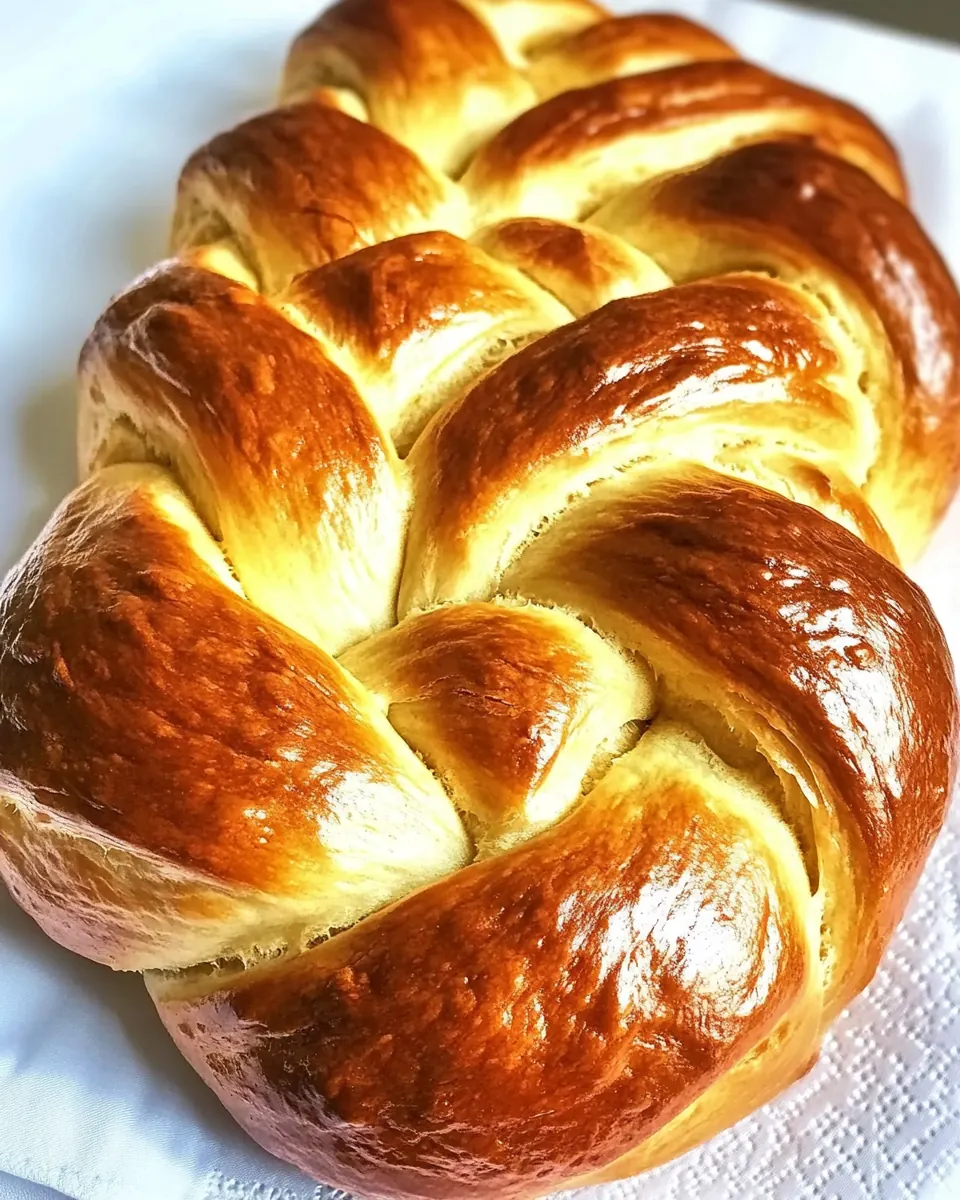
These notes are designed to make your baking smoother from first proof to final slice. I expanded the original short notes into thorough, practical tips you can use while making Hungarian Easter Twisted Bread.
- Check yeast freshness: Always proof your yeast in warm milk with a pinch of sugar and look for foaming within 10 minutes, a clear sign the yeast is active and will provide good rise.
- Measure flour correctly: Spoon flour into a measuring cup and level it off or use a scale for accuracy, because compacted flour can make the dough dry and dense.
- Adjust hydration sparingly: If the dough feels sticky after kneading, dust with a tablespoon of flour at a time; if it is too stiff, add a teaspoon of warm milk to avoid overcorrecting.
- Consistent strand thickness: When rolling ropes for braiding, keep the thickness uniform so the loaf bakes evenly and slices look neat, which also affects mouthfeel.
- Use an oven thermometer: Ovens vary, so check that it reaches the target of 356° F/180 °C before baking to ensure proper crumb set and crust color.
- Cool before slicing: Let the loaf cool completely on a rack to prevent a gummy interior, the residual heat finishes the crumb structure and gives clean slices.
Great Combinations for Hungarian Easter Twisted Bread
Hungarian Easter Twisted Bread shines on a brunch table and as part of a light dinner spread. It pairs well with savory and sweet accompaniments, and presents beautifully alongside seasonal items. Below are serving ideas, storage advice, and suggested occasions for sharing this braided loaf.
- Breakfast spread: Serve sliced warm with softened butter and a selection of jams for a comforting morning treat that highlights the bread’s tender crumb.
- Brunch centerpiece: Place a whole braided loaf on the table as a shared centerpiece during holiday brunches, offering slices to guests alongside tea and coffee.
- Light dessert: Toast thin slices and serve with honey or fruit compote for a delicate after meal option that is satisfying without being heavy.
- Gift loaf: Wrap a cooled braid in parchment and twine for a thoughtful homemade gift during spring celebrations or as a hostess offering.
- Storage tips: Keep the loaf in a paper bag at room temperature for up to two days, or slice and freeze portions for up to one month, then toast to refresh the texture.
- Occasions: Ideal for Easter brunch, family breakfasts, or any spring gathering where a shareable, attractive bread is welcome.
FAQ
Conclusion
What makes this recipe special is its ability to turn a few simple pantry staples into a glossy, shareable braided loaf that evokes family mornings and holiday gatherings. I encourage you to give the braiding a try, embrace the hands on process, and enjoy the comforting scents that fill your kitchen as it bakes. This bread rewards patience with a tender crumb, beautiful presentation, and the kind of warmth that turns a meal into a memory.
Hungarian Easter Twisted Bread
Equipment
- Large Bowl
- Mixing Spoon
- Baking paper
- Oven
- Rolling surface
Ingredients
- 4 cups flour Provide structure and bulk to the dough, forming the gluten network when mixed and kneaded; measure accurately for consistent texture and rise. Support browning and tooth when baked, and allow for proper hydration with the liquid ingredients.
- 3 1/2 tbsp melted butter Add richness and tender crumb by coating flour proteins and shortening gluten strands; melt before incorporating to distribute fat evenly. Contribute subtle buttery aroma and aid in browning of the crust during baking.
- 25 g fresh yeast or 2 1/2 tsp dry yeast Activate fermentation and leaven the dough by producing carbon dioxide gas during proofing; choose fresh for more immediate activity or dry for longer shelf life. Regulate amount carefully to control rise time and final crumb openness.
- 2 tsp salt Enhance flavor balance and strengthen gluten structure by tightening the dough slightly, helping it hold gas without collapsing; dissolve into the liquid for even distribution. Also controls yeast activity and improves overall taste complexity.
- 1/3 cups sugar Provide sweetness to feed yeast slightly and contribute to browning and flavor depth in the final bread; adjust for desired sweetness level without overwhelming. Dissolve into warm liquid to ensure even incorporation and consistent fermentation.
- 1 1/5 cups milk Hydrate the flour, enabling gluten development and dissolving other ingredients; warm milk helps activate yeast and contributes to softer crumb and richer flavor. Also adds lactose and milk proteins that improve browning and tenderness.
- 2 eggs Enrich the dough with moisture, fat, and protein to create a softer, richer crumb and better texture; beat lightly before adding for even distribution. Contribute to structure as proteins coagulate during baking, helping set the loaf.
- 1 egg yolk Increase richness and aid in a glossy, golden finish when brushed on or incorporated; add concentrated fat and lecithin to improve tenderness and color. Use for enhanced yolk-driven color and slightly silkier crumb when mixed into dough.
Instructions
- Dissolve the sugar and yeast into the warmed milk, cover, and put aside for 10 minutes.: The warm milk should feel like a cozy bath, not hot to the touch, and as the sugar and yeast mingle you will notice a light foam forming after several minutes, a sign of a lively yeast . This scent of faint fermentation is reassuring and signals that fermentation is starting to produce tiny gas bubbles that will lift the dough. If you do not see any foaming, your yeast may be old or the milk was too hot, so try again with fresh yeast or cooler liquid. Avoid adding cold milk because the yeast will not wake up well and the rise will be sluggish.
- Put the flour, salt, melted butter, 1 egg, and 1 egg yolk in a large bowl, mix, and pour in the activated yeast mixture.: After combining these enriched elements, the dough will start to come together into a slightly sticky mass. Use your hands or a sturdy spoon to bring the ingredients into a shaggy dough before kneading so the fats and proteins begin to unite; you will smell a warm, bready aroma as the emulsion forms. If the dough feels excessively dry, a tablespoon of warm milk helps, whereas too wet a dough can be corrected with a dusting of flour . Be careful not to add too much flour at once, that can toughen the loaf.
- Knead the dough for 10-15 minutes, cover, and leave to rise for about 1 hour in a warm place until it doubles in size.: Proper kneading develops gluten so the dough becomes smooth and slightly elastic, which you will notice under your palms as it stretches and springs back. The texture will change from shaggy to satin smooth, and when you press an indentation it should slowly fill back in. During the rise the air pockets formed by the yeast will give a gentle yeasty aroma. If the dough does not rise well, the room may be too cool, so find a slightly warmer spot or allow more time. Avoid punching it down aggressively at this point, as you want to preserve those delicate air bubbles.
- Place the dough on a floured surface and divide into 6 equal parts. Roll each part into a ball, cover, and leave to rise for 10 minutes. Then roll the dough balls into sticks.: Working on a floured board, feel each piece transform from a ball into a smooth rope, the surface tightening as you roll. After the short bench rest the gluten relaxes, making the shaping easier and preventing spring back. The ropes should be uniform in thickness so the braid bakes evenly and you will notice the strands hold tension without tearing. If the dough resists rolling, give it another minute to relax under the cloth, forcing it usually leads to irregular strands.
- Take 3 rolled sticks and braid them, joining the ends. Do the same for the other 3.: Braiding is tactile therapy, and the interlaced strands will press together, creating that classic plaited look. Keep an even, gentle tension so the braid is snug but not constricted, which helps the loaf expand uniformly in the oven. If one strand is thicker, adjust by gently stretching or compressing to match the others; unequal strands will create uneven baking and different textures in the finished loaf. Don’t rush the braid, steady hands make a neat, attractive loaf.
- Place them gently on baking paper, beat the remaining egg and brush over the top. Let it rest for 30 minutes while you preheat the oven to 356° F/ 180 °C.: The glossy egg wash will amplify browning and give a lacquered sheen. As the braid rests, you will see it puff slightly and the egg will settle into crevices, readying the surface for an even golden finish. The room will fill with a faint sweet yeast scent as the final rise completes. If the wash pools in low spots, dab lightly with a brush to avoid overbrowning. Ensure your oven is fully heated to 356° F/180 °C so the loaf begins browning immediately upon baking.
- Bake at 356° F/180 °C for 35-45 minutes. Let them cool before serving.: During baking the crust will gradually darken to a deep golden brown while the interior sets into a tender crumb, and you may notice a pleasant, toasty aroma filling the kitchen. A properly baked loaf should sound hollow if lightly tapped on the bottom, and an instant read thermometer placed into the center will register a warm, set interior. If the top browns too quickly, tent with foil to prevent overbrowning while the center finishes baking. Allow the loaf to cool thoroughly so the crumb firms and slices cleanly.
Notes
- Check yeast freshness: Always proof your yeast in warm milk with a pinch of sugar and look for foaming within 10 minutes, a clear sign the yeast is active and will provide good rise.
- Measure flour correctly: Spoon flour into a measuring cup and level it off or use a scale for accuracy, because compacted flour can make the dough dry and dense.
- Adjust hydration sparingly: If the dough feels sticky after kneading, dust with a tablespoon of flour at a time; if it is too stiff, add a teaspoon of warm milk to avoid overcorrecting.
- Consistent strand thickness: When rolling ropes for braiding, keep the thickness uniform so the loaf bakes evenly and slices look neat, which also affects mouthfeel.
- Use an oven thermometer: Ovens vary, so check that it reaches the target of 356° F/180 °C before baking to ensure proper crumb set and crust color.
- Cool before slicing: Let the loaf cool completely on a rack to prevent a gummy interior, the residual heat finishes the crumb structure and gives clean slices.