How to Cook Split Peas
How to Cook Split Peas is one of those simple kitchen rituals I turn to when I want something honest, nourishing, and unfussy. The first time I properly cooked split peas I remember the warm, vegetal aroma that filled my small apartment, and how that modest pot felt like a tiny hearth on a chilly evening. Over the years I learned small adjustments that make the texture creamy without turning mushy, and I still grin when I hear the quiet, steady simmering that signals success.
There are nights when I do a quick batch after work and other times when I make a larger pot to use all week. I love that split peas can play so many roles, from a base for a rustic mash to a thickener for soups, and they forgive a little wandering attention. Each time I cook them I tweak water levels and seasoning based on what they will become next, and that flexibility is part of their charm.
Recipe Snapshot
30 mins
5 mins
25 mins
Easy
180 kcal
American
Vegan, Gluten-Free
Dinner
Medium pot, Colander
What You’ll Enjoy About This How to Cook Split Peas
Comforting and Nourishing
I turn to How to Cook Split Peas when I want a bowl that feels like a warm hug without being heavy. The texture becomes velvety with minimal fuss, and the natural earthy notes of split peas shine, which is why I keep this method in regular rotation.
Ridiculously Versatile
One batch can transform into several meals. I use these cooked split peas in stews, as a protein-rich salad topper, or mashed into spreads. That adaptability makes them a kitchen MVP.
Fast and Frugal
Because split peas need only a short soak or none at all, and they cook quickly, they are perfect for busy weeknights. I appreciate how economical they are, feeding more people for less money while delivering substantial flavor.
Simple Technique, Big Reward
The method here is forgiving, but small details matter, like rinsing and watching the simmer. I love teaching this to friends because they often expect a lot of steps, and then they are surprised how effortless it really is.
Easy to Store and Reuse
I often make a double batch and refrigerate or freeze portions. Having cooked split peas on hand changes weeknight decisions, and I enjoy the convenience whenever I need a quick protein boost.
Essential Ingredients for How to Cook Split Peas
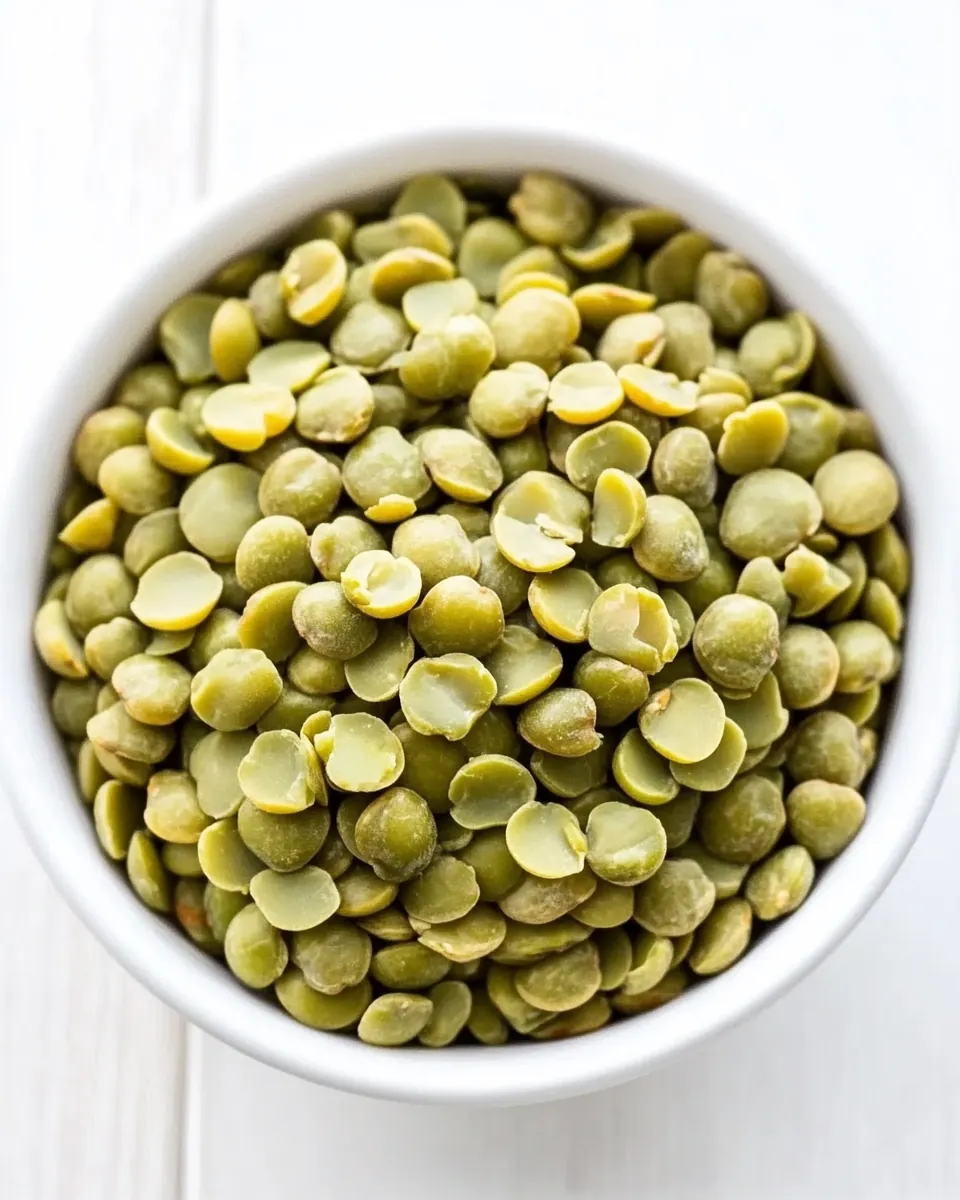
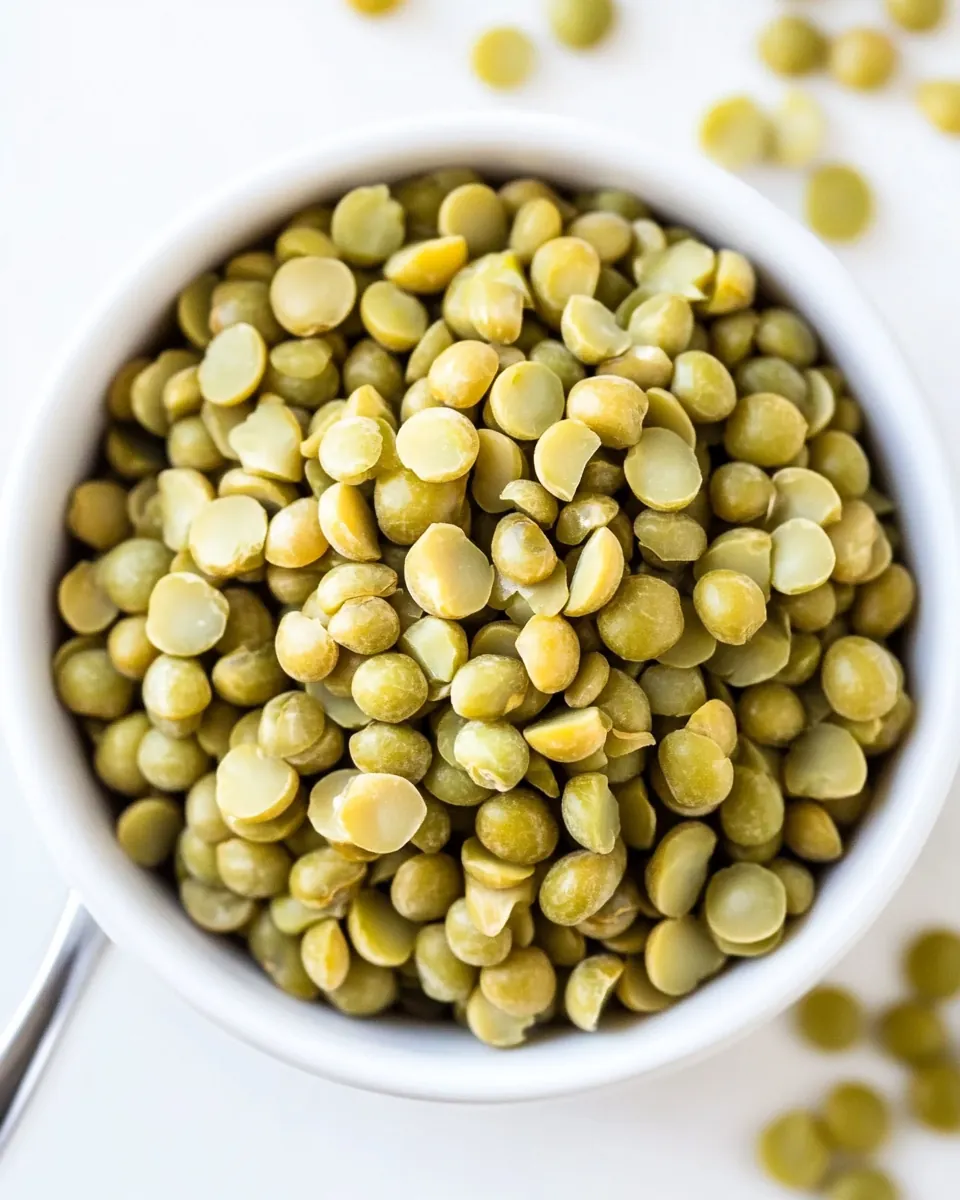
These ingredients are intentionally minimal, which is the point. The 1 cup dried green split peas provides texture and earthy flavor, while the 2 cups water or stock controls consistency and depth. A small amount of sea salt lifts the natural taste. Together they create a clean canvas that can be adapted to soups, purees, or salads.
- 1 cup dried green split peas: Soak and simmer to become the creamy, starchy base of the dish; provides body and plant-based protein when cooked until tender, and helps thicken the soup naturally over low heat.
- 2 cups water or stock: Boil and adjust to control cooking intensity and texture; contributes to hydration, allows peas to soften evenly, and infuses additional flavor when using stock instead of water.
- sea salt to taste: Season and enhance to bring out natural flavors; balances and brightens the dish when added toward the end, and can be adjusted to taste for a finished savory profile.
Step by Step Instructions for How to Cook Split Peas
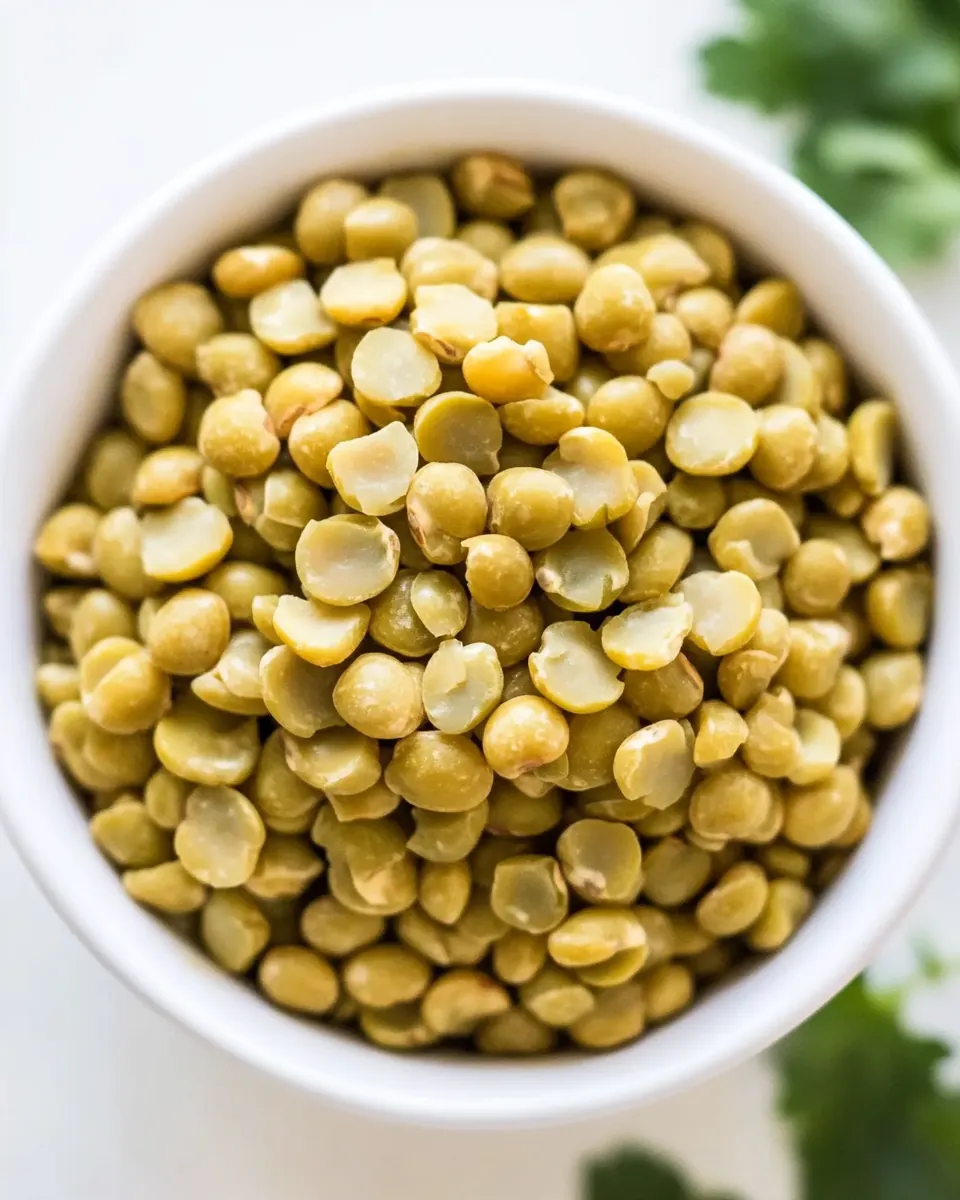
This method is straightforward and comforting. I walk you through each stage so you can rely on sensory cues rather than a stopwatch. Expect clear visual and aromatic signs that tell you the peas are done, and trust the simmer over frantic stirring.
- Rinse the split peas in a colander under cold water.: You will notice the water running clearer as you gently agitate the split peas , and the initial dusty scent will fade, which helps prevent off flavors in the finished dish. Rinsing removes surface starch and dust, improving final texture and preventing excessive foam while boiling. A common mistake is skipping this step, which can leave grit in the pot, so inspect the rinse water and repeat until it runs mostly clear.
- Transfer the peas to a medium-size pot along with water, or stock, and salt.: As you add the split peas and liquid, notice how they begin to settle and absorb moisture at the edges. Using a medium-size pot gives them room to move and prevents boil-over. The choice of water or stock influences aroma immediately, with stock offering an early savory lift. Avoid crowding the pot, which can lead to uneven cooking, and be careful not to add too much salt at this stage if using a salted stock.
- Bring the peas to a boil over high heat.: The pot will transition from quiet to lively, with rapid bubbling and a rising aroma of cooked legumes. Boiling kick-starts the softening process and helps release starches that will thicken the cooking liquid. Watch for foaming, which is normal, and skim if it threatens to spill. A common error is leaving a vigorous boil unchecked, which can lead to foaming over and loss of liquid.
- Add on a lid and simmer over low heat for 25 minutes or just until tender.: When the heat comes down, you will hear a gentle, steady simmer and see smaller bubbles breaking the surface. Simmering tenderizes the split peas gently, helping them break down into a creamy consistency without falling apart completely. Check for tenderness after about 20 minutes and taste a pea for doneness, because age and variety can change timing. Avoid rapid boiling here, which can make peas burst unevenly and develop a mealy texture.
- Strain the cooked peas and use in a recipe, or chill to use in a recipe later. See reheating instructions.: After draining, the aroma should be warm and vegetal, and the peas will feel soft when pressed between fingers. Straining stops the cooking and helps you control final moisture; reserve cooking liquid if you want to adjust consistency later. A common oversight is letting cooked peas sit in hot water, which causes overcooking and a gummy texture, so cool promptly if you are not using them right away.
Recipe Tips about How to Cook Split Peas
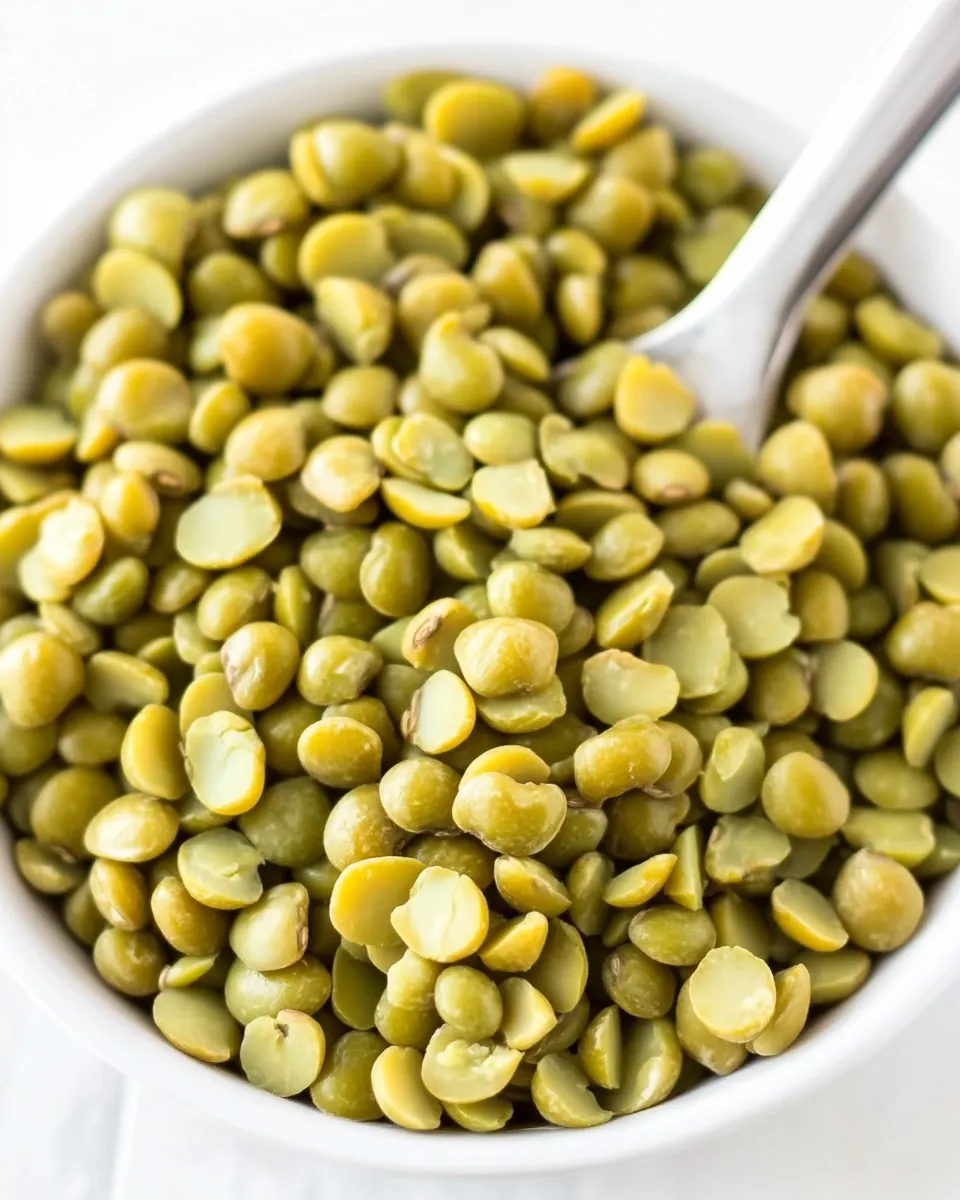
These tips are based on experience and small adjustments I use to make reliable batches every time. Read them before you start for better results and easier storage.
- Rinse until clear — Spend an extra minute rinsing your split peas in a colander and swirl them under cold water; this clears dust and reduces surface starch, which keeps the cooking liquid from foaming excessively.
- Choose your liquid wisely — If you want more depth, use a light vegetable stock; for a neutral base use plain water, both will yield creamy results, but stock adds immediate savory notes.
- Watch the simmer — Bring to a vigorous boil, then reduce to a low steady simmer; this gentle cooking helps peas break down uniformly without becoming gluey.
- Check around 20 minutes — Because dried split peas vary in age, start checking for tenderness at about 20 minutes so you avoid overcooking or undercooking.
- Cool quickly for storage — If you are not using them immediately, spread the cooked peas in a shallow container to cool faster before refrigerating to preserve texture and safety.
Serve This How to Cook Split Peas With
I like to think about serving in practical terms, whether I am plating a quick weeknight meal or prepping for a busy day. These options highlight how flexible cooked split peas can be, from hearty dinners to pantry-friendly additions. Below are ideas and situations where they shine.
- As a base for soups — Stir the cooked split peas into broths to thicken and add protein, perfect for a simple lunch or a comforting dinner on cooler days.
- Mashed as a spread — Mash with a little reserved cooking liquid, season to taste, and use as a savory spread for sandwiches or toasts for a quick snack or light meal.
- Added to stews — Fold them into vegetable stews to enrich body and texture, ideal for family dinners and batch cooking for the week.
- Meal prep and storage — Portion into airtight containers and refrigerate up to five days, or freeze in meal-sized bags for up to three months, handy for busy weeks or Ramadan meal planning.
- Seasonal pairing — They pair beautifully with root vegetables and braised greens in colder months, making them a reliable choice for winter lunches and dinners.
FAQ
Conclusion
This recipe stands out for its simplicity and reliability, transforming a few humble ingredients into a versatile, nourishing base. Give it a try and you may find yourself reaching for cooked split peas as a go-to ingredient for soups, stews, and spreads. I hope this method becomes a small, comforting ritual in your kitchen, one that makes weeknight meals easier and more satisfying.
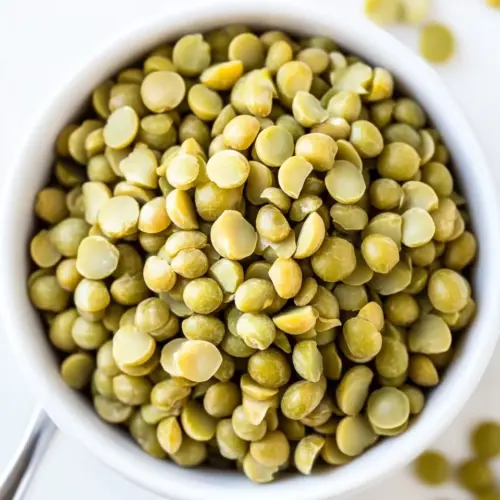
How to Cook Split Peas
Equipment
- Medium Pot
- Colander
Ingredients
- 1 cup dried green split peas Soak and simmer to become the creamy, starchy base of the dish; provides body and plant-based protein when cooked until tender, and helps thicken the soup naturally over low heat.
- 2 cups water or stock Boil and adjust to control cooking intensity and texture; contributes to hydration, allows peas to soften evenly, and infuses additional flavor when using stock instead of water.
- sea salt to taste Season and enhance to bring out natural flavors; balances and brightens the dish when added toward the end, and can be adjusted to taste for a finished savory profile.
Instructions
- Rinse the split peas in a colander under cold water.: You will notice the water running clearer as you gently agitate the split peas , and the initial dusty scent will fade, which helps prevent off flavors in the finished dish. Rinsing removes surface starch and dust, improving final texture and preventing excessive foam while boiling. A common mistake is skipping this step, which can leave grit in the pot, so inspect the rinse water and repeat until it runs mostly clear.
- Transfer the peas to a medium-size pot along with water, or stock, and salt.: As you add the split peas and liquid, notice how they begin to settle and absorb moisture at the edges. Using a medium-size pot gives them room to move and prevents boil-over. The choice of water or stock influences aroma immediately, with stock offering an early savory lift. Avoid crowding the pot, which can lead to uneven cooking, and be careful not to add too much salt at this stage if using a salted stock.
- Bring the peas to a boil over high heat.: The pot will transition from quiet to lively, with rapid bubbling and a rising aroma of cooked legumes. Boiling kick-starts the softening process and helps release starches that will thicken the cooking liquid. Watch for foaming, which is normal, and skim if it threatens to spill. A common error is leaving a vigorous boil unchecked, which can lead to foaming over and loss of liquid.
- Add on a lid and simmer over low heat for 25 minutes or just until tender.: When the heat comes down, you will hear a gentle, steady simmer and see smaller bubbles breaking the surface. Simmering tenderizes the split peas gently, helping them break down into a creamy consistency without falling apart completely. Check for tenderness after about 20 minutes and taste a pea for doneness, because age and variety can change timing. Avoid rapid boiling here, which can make peas burst unevenly and develop a mealy texture.
- Strain the cooked peas and use in a recipe, or chill to use in a recipe later. See reheating instructions.: After draining, the aroma should be warm and vegetal, and the peas will feel soft when pressed between fingers. Straining stops the cooking and helps you control final moisture; reserve cooking liquid if you want to adjust consistency later. A common oversight is letting cooked peas sit in hot water, which causes overcooking and a gummy texture, so cool promptly if you are not using them right away.
Notes
- Rinse until clear — Spend an extra minute rinsing your split peas in a colander and swirl them under cold water; this clears dust and reduces surface starch, which keeps the cooking liquid from foaming excessively.
- Choose your liquid wisely — If you want more depth, use a light vegetable stock; for a neutral base use plain water, both will yield creamy results, but stock adds immediate savory notes.
- Watch the simmer — Bring to a vigorous boil, then reduce to a low steady simmer; this gentle cooking helps peas break down uniformly without becoming gluey.
- Check around 20 minutes — Because dried split peas vary in age, start checking for tenderness at about 20 minutes so you avoid overcooking or undercooking.
- Cool quickly for storage — If you are not using them immediately, spread the cooked peas in a shallow container to cool faster before refrigerating to preserve texture and safety.