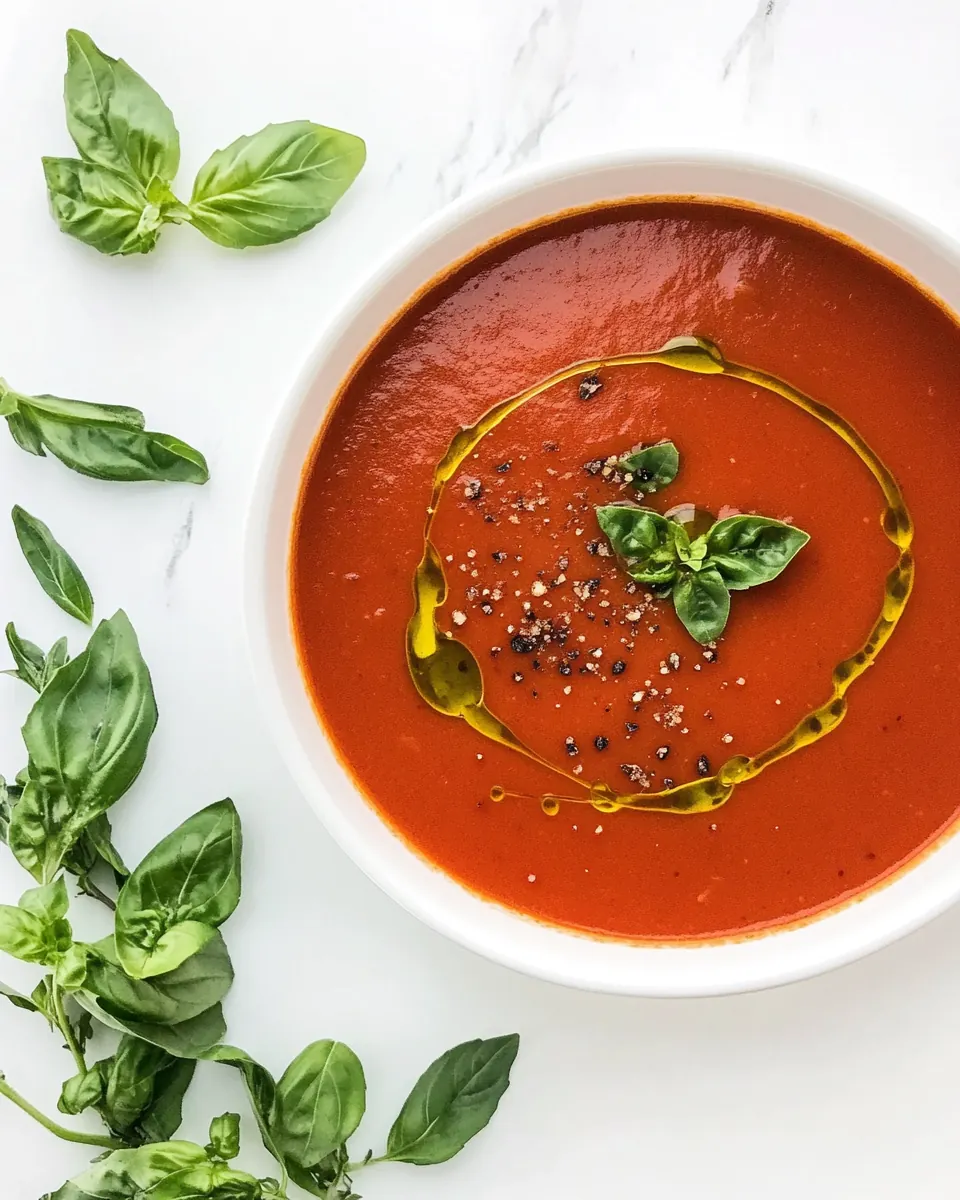
Tomato Soup Recipe
Tomato Soup Recipe has been the kind of bowl I reach for when I want warmth, comfort, and simple, honest flavor that reminds me of home.
I remember the first time I made this soup on a rainy afternoon, standing at the stove with a towel thrown over my shoulder and a loaf of crusty bread warming in the oven. The aroma of onion softening in extra virgin olive oil and salted sweet cream butter made the whole kitchen feel like a hug. Each stir felt like a small therapy session, and by the time the soup simmered, the house sounded quieter, as if everyone was waiting.
Over the years I have tweaked the seasoning and technique until the flavors felt balanced, and this version is the one I keep coming back to. It is forgiving, which I love, because life does not always allow for precision. I often serve it when friends drop by unexpectedly, because it comes together with pantry staples and always earns a second bowl.
Recipe Snapshot
50 mins
20 mins
30 mins
Medium
150 kcal
American
Gluten-Free, Vegan
Soups
Stockpot, Whisk, Spoon
Why This Tomato Soup Recipe Is So Good
Comforting, but not cloying
I love how Tomato Soup Recipe hits that sweet spot between cozy and bright. The sweetness from a touch of granulated sugar tames acidity, while the tomato puree keeps the soup vibrant. When I spoon it into a bowl I want warmth that still feels fresh, and this recipe does just that.
Simple pantry ingredients that sing
One reason I keep this recipe in my regular rotation is that it leans on staples like all purpose flour, vegetable broth, and dried herbs. Those humble elements combine to create depth, and when you cook them slowly the layers of flavor reveal themselves. I appreciate a recipe that trusts simple techniques over fancy components.
Technique driven texture
I’m a big fan of the roux formed by cooking flour with fat, because it gives the soup body without relying on cream. It feels like using a chef trick without fuss. The gentle simmer afterwards allows the soup to thicken naturally and the flavors to marry, which is why I cherish this method.
Adaptable to your mood
We often want different textures depending on the night; sometimes we want silky smooth, other times chunky and rustic. I enjoy that Tomato Soup Recipe can be blitzed for silkiness or left as is for a hearty mouthfeel. That flexibility makes it suitable for weeknight dinners or a cozy weekend bowl.
Garnish makes the final impression
A simple garnish of thinly sliced basil or a drizzle of good oil elevates the whole experience. Little touches like that make the soup feel thoughtful without adding hassle, and I always tell guests that finishing touches are where personality comes through.
Shopping List for Tomato Soup Recipe
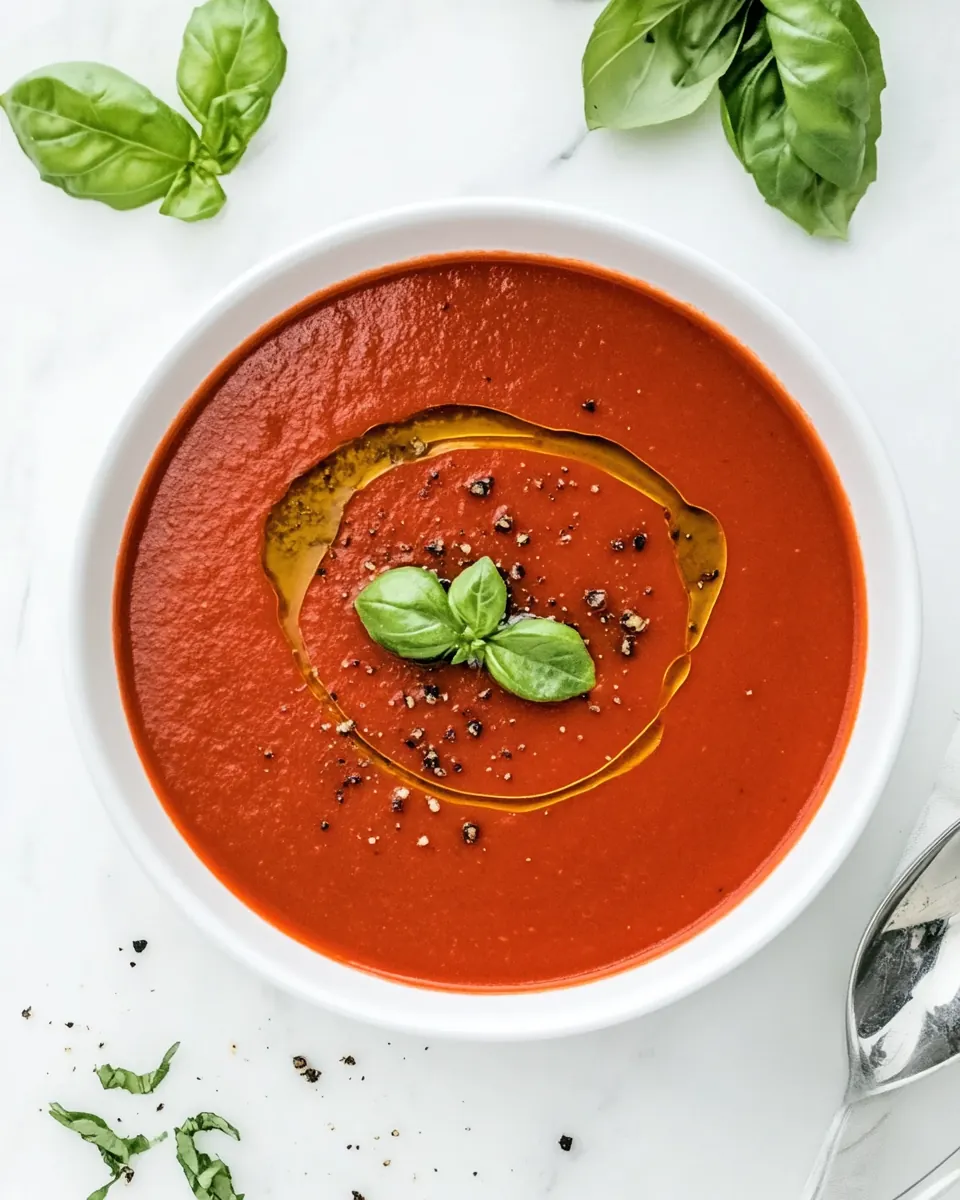
These ingredients work together to create a balanced, rounded soup. The base fats help carry flavor and create texture, while the tomato puree provides bright, savory depth. Aromatics like onion and garlic build the foundation, while spices and seasonings fine tune the final profile.
- 3 tablespoons extra virgin olive oil: Enhance flavor and prevent sticking by warming the oil before sautéing; contributes a fruity, peppery base and helps carry aromatic compounds into the soup. Use medium heat to gently coat the pot and marry with butter for richness. Adds a glossy finish and aids in emulsifying the soup once liquid is added.
- 3 tablespoons salted sweet cream butter: Provide creamy richness and a silky mouthfeel when melted with oil; browns lightly to add a subtle nutty depth to the soup. Balances acidity from tomatoes and rounds sharp flavors from aromatics. Use at the start to build a smooth, luxurious base for the soup.
- 1 1/2 cups sweet yellow onion finely diced: Soften and sweeten to build the aromatic backbone; sweating until translucent releases natural sugars that balance tomato acidity. Finely dicing ensures even cooking and integration into the soup for consistent texture. Cook until softened but not caramelized to preserve brightness.
- 1 tablespoon fresh garlic minced: Impart a pungent savory note and fragrant aroma when minced and sautéed briefly; contributes umami and depth to the overall flavor profile. Add toward the end of the onion cooking stage to avoid burning and becoming bitter. Releases essential oils that infuse the soup.
- 3 tablespoons all-purpose flour: Thicken the base and create body by forming a roux with fat; cooks briefly to remove raw flour taste before adding liquids. Coating aromatics with flour helps bind the soup for a velvety consistency. Cook until lightly golden to maintain a smooth texture.
- 58 ounces tomato puree: Provide the concentrated tomato flavor and primary liquid component; offers a rich, cohesive tomato base for the soup. Controls acidity and color while delivering savory sweetness depending on puree quality. Simmer gently to meld flavors and reduce any metallic notes.
- 32 ounces vegetable broth: Add savory depth and adjust desired soup consistency while contributing vegetal stock flavor; equilibrates acidity and complements the tomato base. Use preferably low-sodium broth to better control overall saltiness. Simmer with tomatoes and aromatics to develop complexity.
- 1 tablespoon tomato paste: Intensify tomato flavor and add concentrated umami; stir in to boost depth and balance watery tomatoes. Helps thicken slightly and round out the tomato profile without adding extra liquid. Incorporate early to dissolve fully and integrate with other flavors.
- 1 tablespoon granulated sugar: Balance acidity and enhance perceived sweetness without altering texture; dissolves easily to tame sharp tomato tang. Adds subtle caramel-like sweetness that harmonizes flavors. Use sparingly and taste as the soup reduces.
- 1 1/2 teaspoons kosher salt: Season evenly to elevate overall flavor and manage taste balance; dissolves into the liquid for consistent seasoning. Kosher salt also aids in extracting flavors from vegetables during cooking. Adjust to preference after simmering.
- 1 teaspoon dried basil: Contribute earthy, slightly sweet herbaceous notes that echo fresh basil; enhances Italian flavor profile in a convenient dry form. Add during simmering so the herb rehydrates and releases its essential oils. Works with fresh basil garnish for layered herb flavor.
- 1/2 teaspoon fresh cracked black pepper: Provide mild heat and aromatic peppery flavor when freshly cracked; adds subtle warmth without overpowering. Adjust amount to taste to keep soup approachable for most palates. Freshly ground texture gives immediate flavor release.
- 1/8 teaspoon red pepper flakes: Introduce a touch of heat and complexity; crushed red pepper flakes lend bright, lingering warmth to cut through richness. Use sparingly to avoid overwhelming the soup and balance with sugar and butter. Adds a pleasant tooth of spice on the finish.
- 2 whole bay leaves: Infuse a subtle herbal, slightly floral layer during simmering; whole bay leaves release complementary aromatics that deepen savory notes. Remove before serving to avoid astringent texture and overpowering flavor. Add early in the simmer to allow full infusion.
- 2 tablespoons basil thinly sliced ( garnish) (optional): Finish with fresh herbal brightness and visual appeal when thinly sliced and sprinkled as a garnish; elevates aroma and adds contrast to the rich soup. Use optional garnish to introduce a clean, peppery basil flavor that complements dried herbs. Add just before serving for maximum freshness.
How to Prepare Tomato Soup Recipe
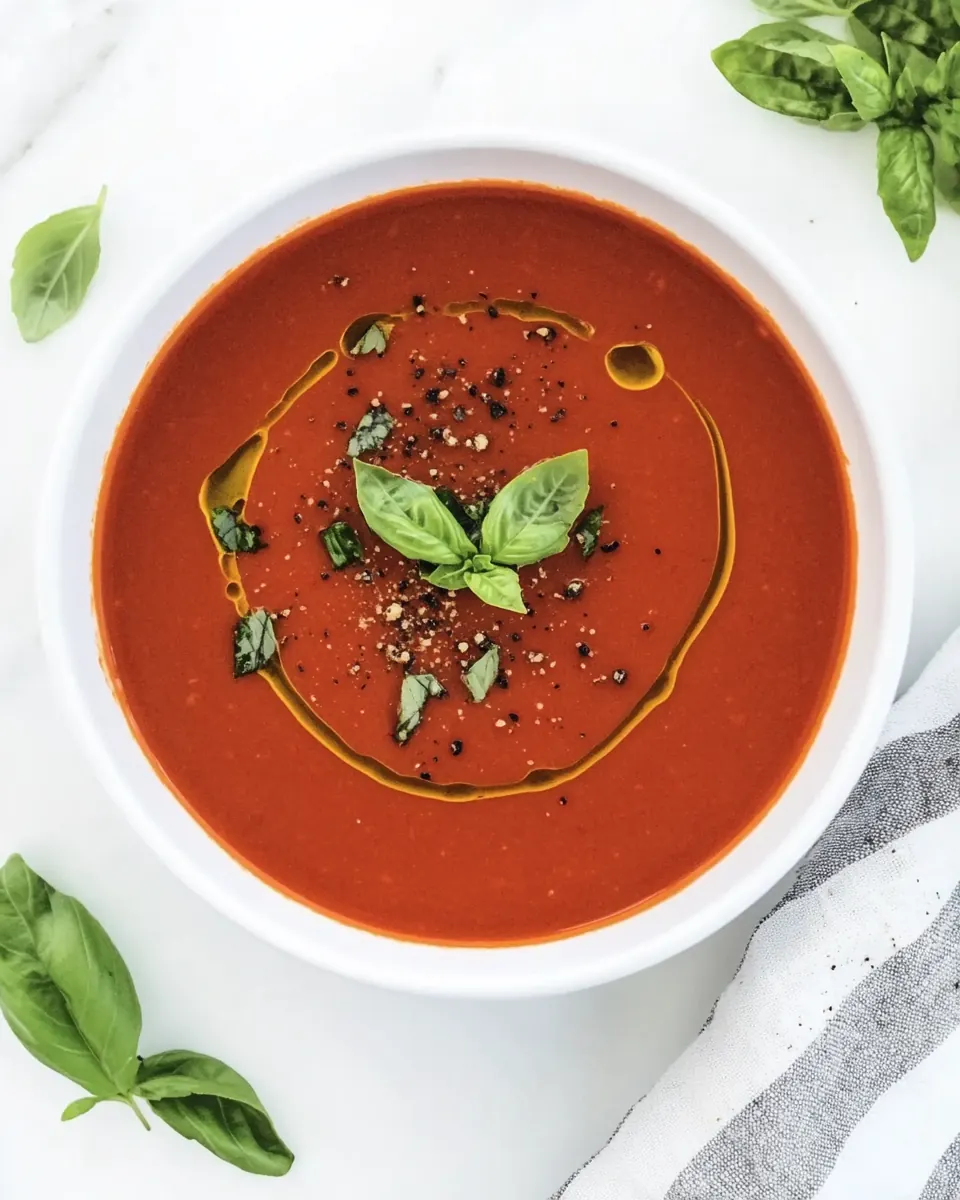
This recipe moves from sweat to simmer, and the technique is where the texture and depth develop. I like to keep the stove at a steady pace, listening and smelling my way through each phase so the soup never rushes. Have your measuring spoons and a whisk at the ready before you begin.
- Using a five to six quart stockpot, over medium-high heat, add the olive oil and butter.: The moment the fats hit the warm pot you will hear a soft sizzle and smell the buttery sweetness combine with the peppery fruit of the extra virgin olive oil . This sound signals the pan is ready for the onion . The purpose of heating the fats first is to create an even coating for the flour later, which helps the roux develop smoothly. Be careful not to let the butter brown too quickly, as that will add a nutty, rather than sweet, note and change the profile. If the fats start to smoke, lower the heat immediately and wipe the pan if necessary.
- Add the finely diced onion and fresh minced garlic. Cook for five to seven minutes, stirring often until the onion is translucent.: At first you will hear gentle bubbling and see small translucent edges appear on the onion . As they cook, a sweet fragrance will emerge and the kitchen will feel warmer. Stirring often ensures even softening and prevents the garlic from sticking and burning, which would impart bitterness. A common mistake is rushing this step with higher heat, which yields browned edges and a sharper, less mellow flavor, so keep the heat moderate and patient.
- Whisk in the flour and continue to cook and stir for two minutes.: After the onion is translucent, adding the all purpose flour and whisking creates a light roux that will thicken the soup. You will notice the flour absorb the fats and form a paste with a faint toasted smell as the raw flour cooks out. This step matters because it prevents a grainy texture later and gives the soup body without cream. Do not skip cooking the flour long enough, or the raw, chalky taste will remain.
- Add the tomato puree, vegetable broth, and tomato paste. Stir to completely incorporate the tomato paste.: Pour the deep red tomato puree and the vegetable broth in slowly while whisking so the roux disperses evenly. When you stir in the tomato paste it should dissolve and darken the liquid, creating a cohesive color and scent that turns richer and more savory. This melding is crucial for uniform flavor. If you add cold liquid too quickly the roux may clump, so temper gradually and keep whisking to avoid lumps.
- Add the granulated sugar, kosher salt, dried basil, cracked pepper, red pepper flakes, and whole bay leaves. Stir occasionally until the soup begins to simmer. Lower the heat to medium and continue to cook for 15 to 20 minutes, stirring occasionally.: Once the aromatics and liquids combine, you will notice steam rising and the soup giving off a deep tomato aroma. The granulated sugar will subtly round the acid, while the dried basil and spices release their oils into the hot liquid. As it reaches a simmer, gentle bubbles should break the surface rather than a rolling boil, which keeps the texture smooth. Simmering allows flavors to meld and the soup to thicken naturally. A frequent error is boiling too vigorously, which can separate flavors and make the texture thinner, so keep it at a steady simmer and stir occasionally to prevent sticking.
- Remove the soup from the heat. Remove the bay leaves before serving.: When you take the pot off the stove, the aroma mellows slightly and the surface calms. Removing the whole bay leaves is essential because they will continue to infuse bitter, astringent notes if left in the serving bowl. The rest period after heat helps the flavors settle and gives you a chance to taste and adjust seasoning. Avoid serving with bay leaves still in the pot, as someone may bite into one, which is unpleasant.
- Garnish with fresh, thinly sliced basil.: The final visual cue is the pop of green from the thin basil slices floating on top, releasing a fresh, herbal perfume as soon as the bowl is set down. Garnish just before serving so the leaves remain bright and do not wilt into the hot liquid. This touch ties the whole dish together with freshness. One small pitfall is adding the garnish too early, which will cause the basil to lose its color and aromatic impact.
Variations to Try
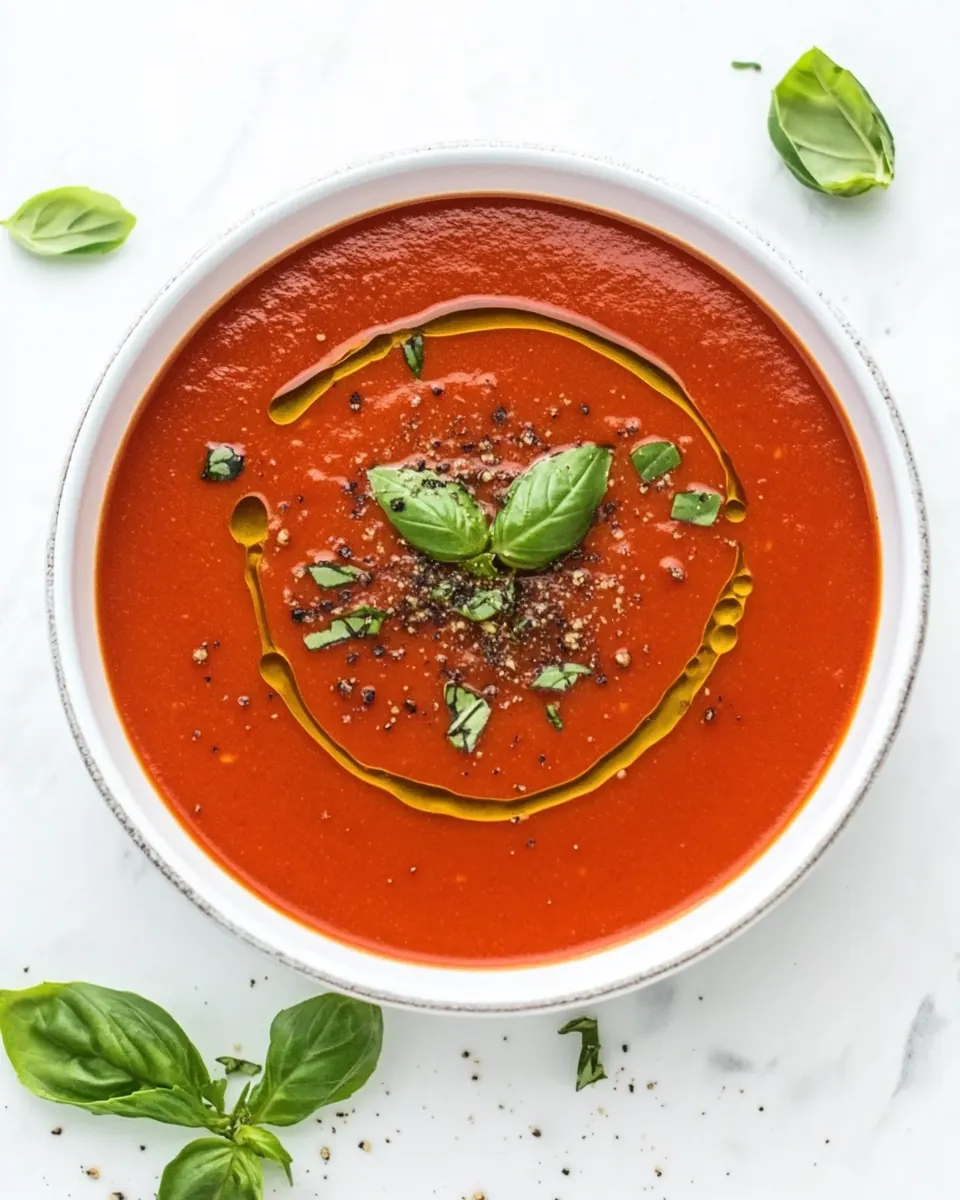
This section offers flexible ideas to personalize the soup while staying true to the recipe core. Below are practical variations and finishing touches you can try depending on mood and pantry availability.
- Smoother texture Blend the soup with an immersion blender until silky, then reheat briefly so the flavor integrates and the mouthfeel becomes velvet like.
- Chunky option Reserve a portion of sautéed onion and stir it back in after cooking for more bite and rustic texture.
- Creamier finish Stir in a splash of milk or cream at the end for a richer, softer profile that coats the spoon luxuriously.
- Spice boost Increase the red pepper flakes slightly for a livelier heat, adding in small increments so the balance stays pleasant.
- Herb forward Fold in extra fresh basil at the end to brighten the bowl and give an aromatic lift.
What to Pair With Tomato Soup Recipe
This soup is versatile for many occasions, and the pairings below help define the meal whether you want casual, elegant, or seasonal comfort. Consider texture, temperature, and contrast when choosing sides.
- Grilled cheese sandwich A classic companion, the melty cheese and toasted bread provide crunchy contrast and rich, gooey comfort that complements the smooth soup.
- Crusty bread A torn loaf or baguette is perfect for dipping and sopping, adding rustic texture and making the meal more satiating for lunch or a light dinner.
- Light salad A simple green salad with a bright vinaigrette offers a refreshing counterpoint, making this suitable for a balanced lunch or light supper.
- Winter family dinner Serve for a cozy dinner during cooler months, paired with roasted vegetables or a grain side to round out the meal.
- Storage tips Cool the soup completely, store in an airtight container for up to four days in the fridge, and reheat gently on the stove to preserve texture.
- Make ahead This soup holds well and can be made a day ahead; flavors often deepen overnight, making it an ideal meal prep option.
FAQ
Conclusion
This Tomato Soup Recipe stands out for its comforting balance of bright tomato flavor and smooth, satisfying texture. It is approachable, pantry friendly, and adaptable for both quick weeknight meals and leisurely dinners with guests. Give it a try the next rainy afternoon or anytime you crave a warm, nurturing bowl. I hope it becomes one of those go to recipes you keep returning to when you want reliable comfort.
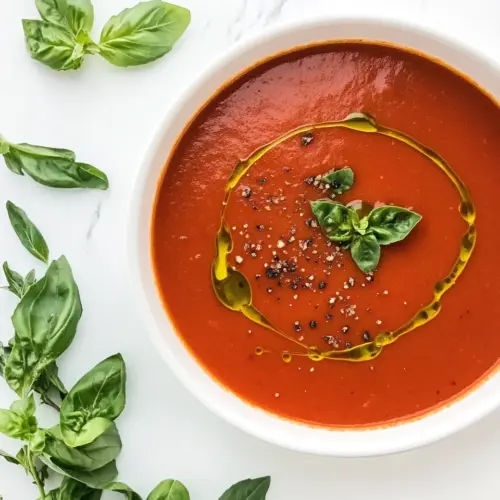
Tomato Soup Recipe
Equipment
- Stockpot
- Whisk
- Spoon
Ingredients
- 3 tablespoons extra virgin olive oil Enhance flavor and prevent sticking by warming the oil before sautéing; contributes a fruity, peppery base and helps carry aromatic compounds into the soup. Use medium heat to gently coat the pot and marry with butter for richness. Adds a glossy finish and aids in emulsifying the soup once liquid is added.
- 3 tablespoons salted sweet cream butter Provide creamy richness and a silky mouthfeel when melted with oil; browns lightly to add a subtle nutty depth to the soup. Balances acidity from tomatoes and rounds sharp flavors from aromatics. Use at the start to build a smooth, luxurious base for the soup.
- 1 1/2 cups sweet yellow onion finely diced Soften and sweeten to build the aromatic backbone; sweating until translucent releases natural sugars that balance tomato acidity. Finely dicing ensures even cooking and integration into the soup for consistent texture. Cook until softened but not caramelized to preserve brightness.
- 1 tablespoon fresh garlic minced Impart a pungent savory note and fragrant aroma when minced and sautéed briefly; contributes umami and depth to the overall flavor profile. Add toward the end of the onion cooking stage to avoid burning and becoming bitter. Releases essential oils that infuse the soup.
- 3 tablespoons all-purpose flour Thicken the base and create body by forming a roux with fat; cooks briefly to remove raw flour taste before adding liquids. Coating aromatics with flour helps bind the soup for a velvety consistency. Cook until lightly golden to maintain a smooth texture.
- 58 ounces tomato puree Provide the concentrated tomato flavor and primary liquid component; offers a rich, cohesive tomato base for the soup. Controls acidity and color while delivering savory sweetness depending on puree quality. Simmer gently to meld flavors and reduce any metallic notes.
- 32 ounces vegetable broth Add savory depth and adjust desired soup consistency while contributing vegetal stock flavor; equilibrates acidity and complements the tomato base. Use preferably low-sodium broth to better control overall saltiness. Simmer with tomatoes and aromatics to develop complexity.
- 1 tablespoon tomato paste Intensify tomato flavor and add concentrated umami; stir in to boost depth and balance watery tomatoes. Helps thicken slightly and round out the tomato profile without adding extra liquid. Incorporate early to dissolve fully and integrate with other flavors.
- 1 tablespoon granulated sugar Balance acidity and enhance perceived sweetness without altering texture; dissolves easily to tame sharp tomato tang. Adds subtle caramel-like sweetness that harmonizes flavors. Use sparingly and taste as the soup reduces.
- 1 1/2 teaspoons kosher salt Season evenly to elevate overall flavor and manage taste balance; dissolves into the liquid for consistent seasoning. Kosher salt also aids in extracting flavors from vegetables during cooking. Adjust to preference after simmering.
- 1 teaspoon dried basil Contribute earthy, slightly sweet herbaceous notes that echo fresh basil; enhances Italian flavor profile in a convenient dry form. Add during simmering so the herb rehydrates and releases its essential oils. Works with fresh basil garnish for layered herb flavor.
- 1/2 teaspoon fresh cracked black pepper Provide mild heat and aromatic peppery flavor when freshly cracked; adds subtle warmth without overpowering. Adjust amount to taste to keep soup approachable for most palates. Freshly ground texture gives immediate flavor release.
- 1/8 teaspoon red pepper flakes Introduce a touch of heat and complexity; crushed red pepper flakes lend bright, lingering warmth to cut through richness. Use sparingly to avoid overwhelming the soup and balance with sugar and butter. Adds a pleasant tooth of spice on the finish.
- 2 whole bay leaves Infuse a subtle herbal, slightly floral layer during simmering; whole bay leaves release complementary aromatics that deepen savory notes. Remove before serving to avoid astringent texture and overpowering flavor. Add early in the simmer to allow full infusion.
- 2 tablespoons basil thinly sliced (optional garnish) Finish with fresh herbal brightness and visual appeal when thinly sliced and sprinkled as a garnish; elevates aroma and adds contrast to the rich soup. Use optional garnish to introduce a clean, peppery basil flavor that complements dried herbs. Add just before serving for maximum freshness.
Instructions
- Using a five to six quart stockpot, over medium-high heat, add the olive oil and butter.: The moment the fats hit the warm pot you will hear a soft sizzle and smell the buttery sweetness combine with the peppery fruit of the extra virgin olive oil . This sound signals the pan is ready for the onion . The purpose of heating the fats first is to create an even coating for the flour later, which helps the roux develop smoothly. Be careful not to let the butter brown too quickly, as that will add a nutty, rather than sweet, note and change the profile. If the fats start to smoke, lower the heat immediately and wipe the pan if necessary.
- Add the finely diced onion and fresh minced garlic. Cook for five to seven minutes, stirring often until the onion is translucent.: At first you will hear gentle bubbling and see small translucent edges appear on the onion . As they cook, a sweet fragrance will emerge and the kitchen will feel warmer. Stirring often ensures even softening and prevents the garlic from sticking and burning, which would impart bitterness. A common mistake is rushing this step with higher heat, which yields browned edges and a sharper, less mellow flavor, so keep the heat moderate and patient.
- Whisk in the flour and continue to cook and stir for two minutes.: After the onion is translucent, adding the all purpose flour and whisking creates a light roux that will thicken the soup. You will notice the flour absorb the fats and form a paste with a faint toasted smell as the raw flour cooks out. This step matters because it prevents a grainy texture later and gives the soup body without cream. Do not skip cooking the flour long enough, or the raw, chalky taste will remain.
- Add the tomato puree, vegetable broth, and tomato paste. Stir to completely incorporate the tomato paste.: Pour the deep red tomato puree and the vegetable broth in slowly while whisking so the roux disperses evenly. When you stir in the tomato paste it should dissolve and darken the liquid, creating a cohesive color and scent that turns richer and more savory. This melding is crucial for uniform flavor. If you add cold liquid too quickly the roux may clump, so temper gradually and keep whisking to avoid lumps.
- Add the granulated sugar, kosher salt, dried basil, cracked pepper, red pepper flakes, and whole bay leaves. Stir occasionally until the soup begins to simmer. Lower the heat to medium and continue to cook for 15 to 20 minutes, stirring occasionally.: Once the aromatics and liquids combine, you will notice steam rising and the soup giving off a deep tomato aroma. The granulated sugar will subtly round the acid, while the dried basil and spices release their oils into the hot liquid. As it reaches a simmer, gentle bubbles should break the surface rather than a rolling boil, which keeps the texture smooth. Simmering allows flavors to meld and the soup to thicken naturally. A frequent error is boiling too vigorously, which can separate flavors and make the texture thinner, so keep it at a steady simmer and stir occasionally to prevent sticking.
- Remove the soup from the heat. Remove the bay leaves before serving.: When you take the pot off the stove, the aroma mellows slightly and the surface calms. Removing the whole bay leaves is essential because they will continue to infuse bitter, astringent notes if left in the serving bowl. The rest period after heat helps the flavors settle and gives you a chance to taste and adjust seasoning. Avoid serving with bay leaves still in the pot, as someone may bite into one, which is unpleasant.
- Garnish with fresh, thinly sliced basil.: The final visual cue is the pop of green from the thin basil slices floating on top, releasing a fresh, herbal perfume as soon as the bowl is set down. Garnish just before serving so the leaves remain bright and do not wilt into the hot liquid. This touch ties the whole dish together with freshness. One small pitfall is adding the garnish too early, which will cause the basil to lose its color and aromatic impact.
Notes
- Smoother texture Blend the soup with an immersion blender until silky, then reheat briefly so the flavor integrates and the mouthfeel becomes velvet like.
- Chunky option Reserve a portion of sautéed onion and stir it back in after cooking for more bite and rustic texture.
- Creamier finish Stir in a splash of milk or cream at the end for a richer, softer profile that coats the spoon luxuriously.
- Spice boost Increase the red pepper flakes slightly for a livelier heat, adding in small increments so the balance stays pleasant.
- Herb forward Fold in extra fresh basil at the end to brighten the bowl and give an aromatic lift.
