
Crawfish Cornbread
Crawfish Cornbread has been a kitchen favorite the moment I first folded spicy seafood into a golden batter. I remember the hum of conversation at a small family gathering while the aroma of butter and sautéed onion filled the house, and the cast iron skillet held a bubbling, savory corn bread that made everyone reach for seconds. That first bite, warm and studded with cheddar cheese and tender crawfish tails, convinced me that this mashup of Southern soul and homestyle baking was a keeper.
Over the years, I’ve adapted the recipe for busy weeknights and festive fall suppers. I like to think of Crawfish Cornbread as the bridge between comfort food and a little coastal flair. The texture, somewhere between moist cornbread and savory pancake, invites forks and easy passing around the table. Friends often ask me how to get that perfect golden top, and I always smile, because it comes down to a few small details I happily share when we cook together.
When I serve Crawfish Cornbread, I aim for a relaxed, communal vibe. There is something about tearing pieces straight from the skillet, the steam rising, the cheese stretching, that turns any meal into an event. I love handing someone a warm wedge and watching their face when the spicy notes from jalapeno and the smoky Creole touch of seasoning meet sweet corn. It’s one of those dishes that keeps conversations going and plates coming back for more.
Recipe Snapshot
55 mins
15 mins
40 mins
Medium
320 kcal
American
Gluten-Free, Low FODMAP
Side Dishes
10-inch cast iron skillet
The Best Thing About This Crawfish Cornbread
Bold, layered flavors
I adore how Crawfish Cornbread combines vivid, contrasting tastes. The sweetness of canned cream-style corn and the savory bite of cheddar cheese create a satisfying yin and yang. Each forkful offers a balance of tender crawfish tails and aromatic vegetables, making every bite feel intentional and well crafted.
Textural contrast that sings
One reason I keep coming back to this recipe is the textural play. The cornmeal base gives a hearty crumb while pockets of gooey cheddar cheese and plump bits of crawfish tails add tenderness. When you slice into the skillet, you should see a slightly crisp, golden top and a moist, tender interior, which keeps people reaching for more.
Easy to scale for gatherings
I often make Crawfish Cornbread for fall potlucks and casual dinners because it scales well. Using a 10 inch cast iron skillet concentrates heat for a reliably golden crust, but you can switch pans if needed. The ingredient list is straightforward, so you can multiply quantities without worrying about complex technique, which I appreciate when hosting last minute guests.
Comfort with a coastal twist
What draws me in is how this recipe feels like classic Southern comfort with a little coastal personality. The addition of creole seasoning and jalapeno lifts the cornbread out of the ordinary. It’s familiar and adventurous at once, making it a dependable dish when you want to impress without sweating the details.
Reliable crowd pleaser
Finally, this dish is forgiving. Small variations in texture or spice still yield a delicious result. That flexibility makes Crawfish Cornbread a recipe I trust for potlucks, family dinners, and seasonal menus, because it reliably brings warmth and flavor to the table.
Key Ingredients for Crawfish Cornbread
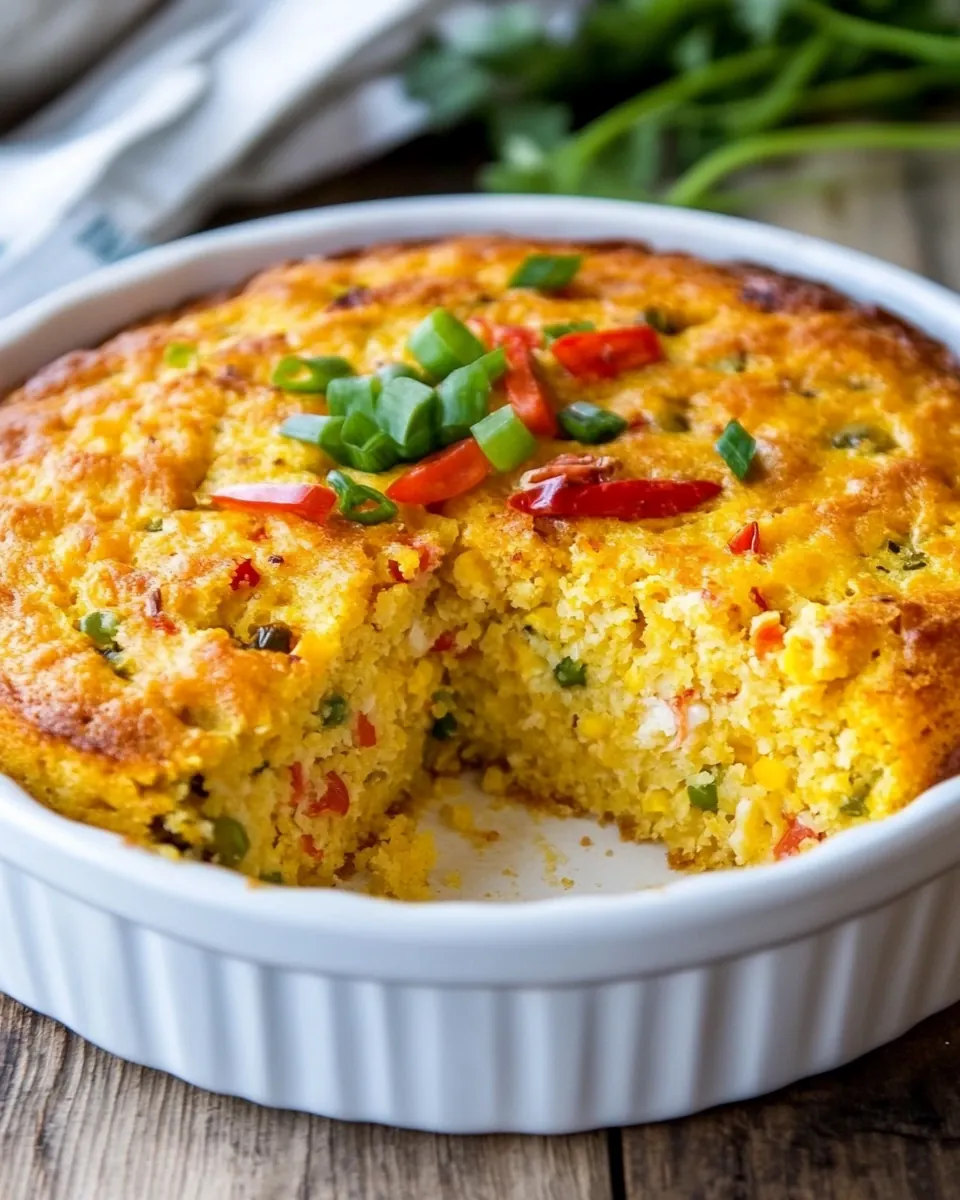
I like to think of these ingredients as a well matched ensemble. The cornmeal builds the structure, while cream-style corn and milk keep the crumb tender and moist. The seafood elements provide a savory lift, and the aromatics and seasonings add depth and brightness. Together they create a cornbread that is hearty enough for dinner, but soft and flavorful enough to serve at celebrations.
- 1/4 cup butter: Melted and rich, provides a silky base for sautéing aromatics and adds a buttery flavor to the cornbread batter, enhancing moistness and mouthfeel throughout the dish.
- 1 cup diced yellow or sweet onion: Diced finely, contributes sweet and savory depth when softened in butter, building the aromatic foundation and balancing the dish's spice and corn flavors.
- 1/2 cup chopped red bell pepper: Chopped and vibrant, offers a crisp, sweet peppery note that brightens flavor and adds color contrast, complementing the seafood and corn elements.
- 1/4 cup chopped green onion: Finely chopped and fresh, brings a mild oniony brightness and subtle herb-like sharpness that lifts the overall flavor profile and adds visual green flecks.
- 2 jalapenos, chopped: Chopped and spicy, injects heat and a sharp, grassy chili flavor that can be moderated by removing seeds; enhances complexity and warmth in each bite.
- 1/2 teaspoon Creole seasoning: Balanced seasoning blend, delivers a mix of salt, pepper, and regional spices to underscore the savory components and unify the dish's Cajun-inspired flavors.
- 1 pound frozen crawfish tails, thawed: Cooked or folded in as the star protein, supplies sweet, briny seafood flavor and tender texture, creating the signature crawfish presence within the cornbread.
- 2 cups yellow cornmeal: Coarse and hearty, forms the structural base of the batter, providing characteristic cornbread grain, texture, and corn flavor when combined with wet ingredients.
- 1 tablespoon baking powder: Leavening booster, contributes lift and helps create a light, tender crumb by reacting with other leavening agents and heat during baking.
- 1 teaspoon salt: Essential seasoning, enhances overall taste by providing basic salinity and balancing sweetness from corn and richness from dairy and fats.
- 1/2 teaspoon baking soda: Chemical leavener, reacts with acidic components and baking powder to add additional rise and create a tender, airy cornbread texture.
- 1 1/2 cups shredded cheddar cheese: Sharp and melty, adds creamy, tangy cheesiness that enriches flavor, increases moisture, and creates pockets of gooey richness throughout the baked cornbread.
- 1 (15-ounce) can cream-style corn: Sweet and creamy, contributes moisture, corn flavor, and a soft texture while adding a bit of natural sweetness that blends with the cornmeal.
- 1 cup milk: Thin and balancing liquid, hydrates the dry ingredients to form batter and helps dissolve leaveners while contributing dairy richness and slight tang depending on milk type.
- 1/2 cup vegetable oil: Neutral frying oil, keeps the cornbread moist, assists with even heat distribution during baking, and helps achieve a tender crumb and golden crust.
- 3 large eggs, lightly beaten: Beaten to incorporate air, binds the batter together, provides structure and stability during baking, and contributes richness and color to the finished cornbread.
Preparation Steps for Crawfish Cornbread

This recipe is straightforward but rewarding, and I like to walk you through it so the final skillet comes out golden and tender. The directions below expand on each original step with sensory cues, explanations, and troubleshooting notes so you know what to expect and how to fix common issues.
- Preheat oven to 400 degrees.: As the oven warms, you should feel a gentle heat rise from the racks and hear the faint hum of the heating elements. Preheating to 400 degrees ensures the pan is hot enough to create a golden crust quickly, which traps steam and keeps the interior moist. A common mistake is not waiting until the oven reaches temperature, which can lead to a pale top and uneven baking. If your oven runs cool, allow an extra 5 minutes and consider using an oven thermometer to verify accuracy.
- Place the butter in a large nonstick pan and heat over medium-high heat. When melted, add onion and bell pepper. Cook 3 minutes and then add green onion and jalapeno. Cook another few minutes or until onions and peppers are soft.: You will smell the sweet scent of butter as it melts, followed by the bright, vegetal aromas of sizzling onion and red bell pepper . The edges of the vegetables should glisten and become translucent, with a slight softening under your spatula. This step builds the aromatic foundation, and softening prevents raw bites in the finished product. A pitfall is using too high heat which can brown or burn the vegetables, introducing a bitter note; keep the pan at medium-high and stir frequently for even cooking.
- Drain any liquid from crawfish and add to pan along with creole seasoning. Remove from heat and set aside.: When you add the drained crawfish tails , you should hear a faint sizzle and notice their sweet, briny aroma blending with the seasoned vegetables. The Creole seasoning adds peppery, smoky notes that cling to the seafood, giving the mixture character. Removing the pan from heat prevents the crawfish tails from overcooking and getting tough, which is a common mistake. If there is excess moisture, pat the tails dry before adding them, as too much liquid can make the batter runny.
- In a large bowl, whisk together cornmeal, baking powder, salt, and baking soda.: Whisking the dry ingredients creates an even distribution of leavening so the batter rises uniformly. You will see the pale yellow cornmeal coated by the lighter baking powder and baking soda flecks, and the mixture should look homogeneous. This step matters because clumps of leavener can make pockets of uneven rise, leading to odd texture. A common oversight is failing to whisk thoroughly, so take a moment to aerate and blend the dry mix.
- Add cheddar cheese, canned corn, milk, oil, and eggs. Add onion/crawfish mixture. Stir to mix well.: As you fold in the wet ingredients, the batter transforms into a glossy, slightly thick mixture speckled with shredded cheddar cheese and cream–style corn . The aroma becomes richer as the dairy and cheddar cheese mingle with the vegetables and crawfish tails . Stir just until combined to avoid overworking the batter which can toughen the crumb. A common mistake is overmixing, which yields a dense texture; stop stirring when the ingredients appear evenly distributed and the batter has a uniform color and consistency.
- Transfer mixture to a greased 10-inch cast iron skillet. Bake for 35 to 45 minutes, or until golden on top and set in the middle.: When pouring the batter into a warmed, greased 10 inch cast iron skillet, you will hear a soft, satisfying slide as it settles. The batter will begin to puff and the top will turn a rich golden brown at the edges first, then across the center. Use a toothpick to check the center; it should come out mostly clean with a few moist crumbs. If the top browns too quickly, tent loosely with foil to prevent overbrowning while the center finishes. A frequent error is removing it too early, leaving the middle undercooked; ensure the interior is set and springs back slightly when touched.
Helpful Notes about Crawfish Cornbread
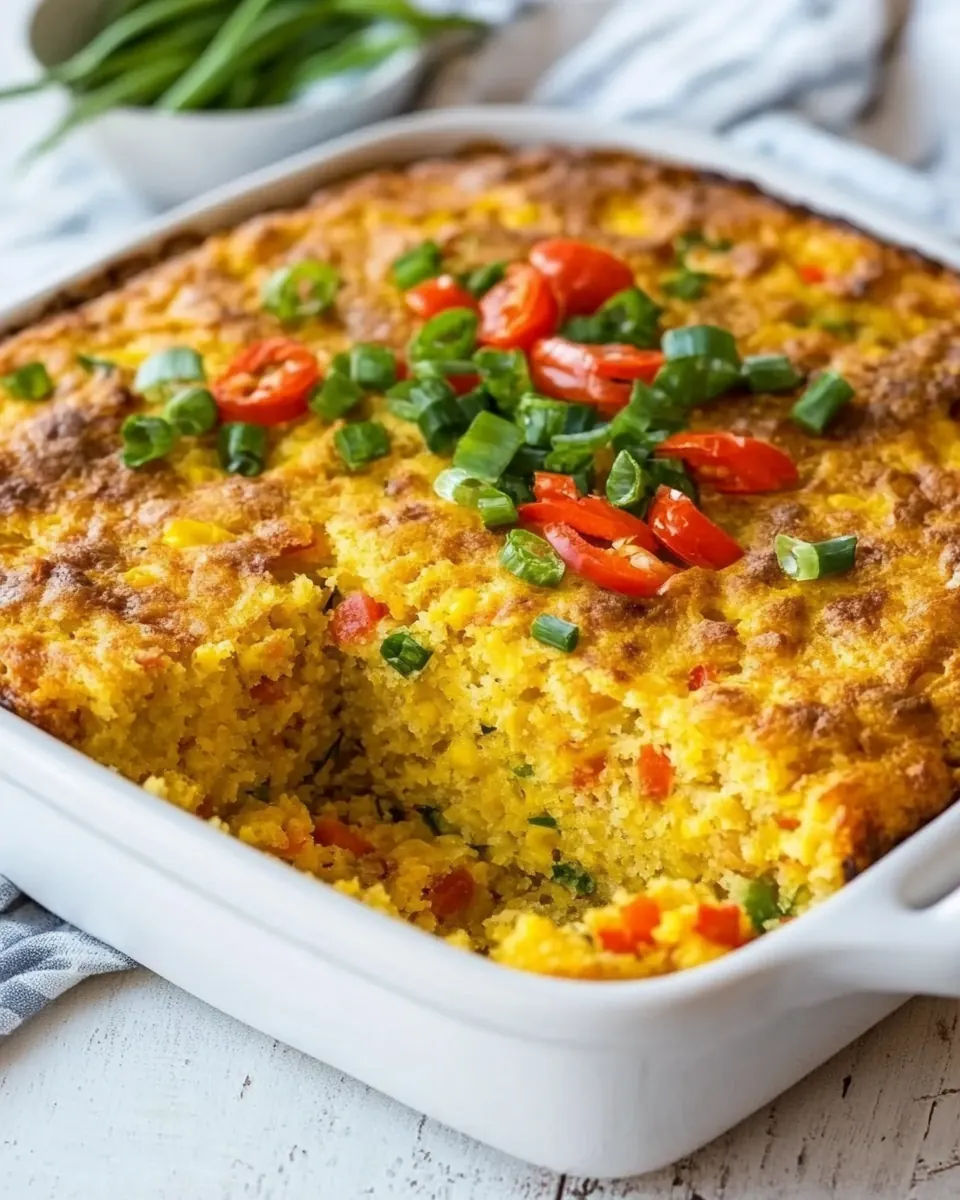
I like to share notes that make the difference between a good bake and a memorable one. These practical tips cover swaps, timing, and small tricks that help the recipe shine even when your kitchen is busy. Read through them before you start for a smoother experience.
- Skillet swap: If you do not have a 10 inch cast iron skillet, a 9×13 inch baking pan will work, though the baking time may vary slightly because the batter will be thinner; keep an eye on color and middle set.
- Cheese distribution: Toss the shredded cheddar cheese with a tablespoon of cornmeal before folding it in to prevent it from sinking and to encourage even pockets of melted cheese throughout.
- Control moisture: If your batter seems too loose, refrigerate it for 10 minutes to allow the cornmeal to hydrate and thicken, which helps achieve a better structure while baking.
- Make ahead: You can prepare the vegetable and crawfish tails mixture a day ahead and refrigerate it, bringing it to room temperature before folding into the batter to maintain even baking.
- Even browning: For an extra crisp edge, place the skillet on the middle rack with the oven set to convection if available, or move it to the top third of the oven for the final 5 minutes to deepen the color without drying the center.
How to Enjoy Crawfish Cornbread
This cornbread is versatile and welcoming, and I like describing serving ideas that work for weeknights and special occasions. Think of it as both a main attraction and a hearty side that pairs with many meals. Here are detailed ways to present and preserve it, suitable for gatherings and daily dinners.
- Family style: Serve the skillet straight to the table so guests can tear warm wedges; this creates a cozy communal feel and showcases the golden crust and melted cheddar cheese.
- With stews and soups: Offer slices alongside a bowl of stew or chowder where the tender crumb soaks up flavorful broth, making each spoonful richer.
- Potluck centerpiece: Bring the cornbread in the cast iron skillet for a dramatic presentation; it travels well if wrapped in foil and reheated briefly before serving to refresh the crust.
- Seasonal menu: This dish fits fall gatherings particularly well; the warm, savory elements pair with roasted vegetables and simple salads for a comforting seasonal spread.
- Storage tips: Wrap leftovers tightly in foil or store in an airtight container in the refrigerator for up to three days; reheat in a low oven to revive the crust and warm the interior.
- Serving size: Cut into wedges to serve as a hearty side or small squares for appetizer portions at parties; it scales well for both casual and formal settings.
FAQ
Conclusion
Crawfish Cornbread stands out because it marries classic cornbread texture with bright, coastal flavors in every slice. The combination of sweet cream-style corn, melty cheddar cheese, and tender crawfish tails creates a comforting, memorable dish that works for casual dinners and festive fall gatherings. Give it a try the next time you want to impress with minimal fuss, and enjoy the warm, savory results shared around the table.

Crawfish Cornbread
Equipment
- 10-inch cast iron skillet
Ingredients
- 1/4 cup butter Melted and rich, provides a silky base for sautéing aromatics and adds a buttery flavor to the cornbread batter, enhancing moistness and mouthfeel throughout the dish.
- 1 cup diced yellow or sweet onion Diced finely, contributes sweet and savory depth when softened in butter, building the aromatic foundation and balancing the dish's spice and corn flavors.
- 1/2 cup chopped red bell pepper Chopped and vibrant, offers a crisp, sweet peppery note that brightens flavor and adds color contrast, complementing the seafood and corn elements.
- 1/4 cup chopped green onion Finely chopped and fresh, brings a mild oniony brightness and subtle herb-like sharpness that lifts the overall flavor profile and adds visual green flecks.
- 2 jalapenos, chopped Chopped and spicy, injects heat and a sharp, grassy chili flavor that can be moderated by removing seeds; enhances complexity and warmth in each bite.
- 1/2 teaspoon Creole seasoning Balanced seasoning blend, delivers a mix of salt, pepper, and regional spices to underscore the savory components and unify the dish's Cajun-inspired flavors.
- 1 pound frozen crawfish tails, thawed Cooked or folded in as the star protein, supplies sweet, briny seafood flavor and tender texture, creating the signature crawfish presence within the cornbread.
- 2 cups yellow cornmeal Coarse and hearty, forms the structural base of the batter, providing characteristic cornbread grain, texture, and corn flavor when combined with wet ingredients.
- 1 tablespoon baking powder Leavening booster, contributes lift and helps create a light, tender crumb by reacting with other leavening agents and heat during baking.
- 1 teaspoon salt Essential seasoning, enhances overall taste by providing basic salinity and balancing sweetness from corn and richness from dairy and fats.
- 1/2 teaspoon baking soda Chemical leavener, reacts with acidic components and baking powder to add additional rise and create a tender, airy cornbread texture.
- 1 1/2 cups shredded cheddar cheese Sharp and melty, adds creamy, tangy cheesiness that enriches flavor, increases moisture, and creates pockets of gooey richness throughout the baked cornbread.
- 1 (15-ounce) can cream-style corn Sweet and creamy, contributes moisture, corn flavor, and a soft texture while adding a bit of natural sweetness that blends with the cornmeal.
- 1 cup milk Thin and balancing liquid, hydrates the dry ingredients to form batter and helps dissolve leaveners while contributing dairy richness and slight tang depending on milk type.
- 1/2 cup vegetable oil Neutral frying oil, keeps the cornbread moist, assists with even heat distribution during baking, and helps achieve a tender crumb and golden crust.
- 3 large eggs, lightly beaten Beaten to incorporate air, binds the batter together, provides structure and stability during baking, and contributes richness and color to the finished cornbread.
Instructions
- Preheat oven to 400 degrees.: As the oven warms, you should feel a gentle heat rise from the racks and hear the faint hum of the heating elements. Preheating to 400 degrees ensures the pan is hot enough to create a golden crust quickly, which traps steam and keeps the interior moist. A common mistake is not waiting until the oven reaches temperature, which can lead to a pale top and uneven baking. If your oven runs cool, allow an extra 5 minutes and consider using an oven thermometer to verify accuracy.
- Place the butter in a large nonstick pan and heat over medium-high heat. When melted, add onion and bell pepper. Cook 3 minutes and then add green onion and jalapeno. Cook another few minutes or until onions and peppers are soft.: You will smell the sweet scent of butter as it melts, followed by the bright, vegetal aromas of sizzling onion and red bell pepper . The edges of the vegetables should glisten and become translucent, with a slight softening under your spatula. This step builds the aromatic foundation, and softening prevents raw bites in the finished product. A pitfall is using too high heat which can brown or burn the vegetables, introducing a bitter note; keep the pan at medium-high and stir frequently for even cooking.
- Drain any liquid from crawfish and add to pan along with creole seasoning. Remove from heat and set aside.: When you add the drained crawfish tails , you should hear a faint sizzle and notice their sweet, briny aroma blending with the seasoned vegetables. The Creole seasoning adds peppery, smoky notes that cling to the seafood, giving the mixture character. Removing the pan from heat prevents the crawfish tails from overcooking and getting tough, which is a common mistake. If there is excess moisture, pat the tails dry before adding them, as too much liquid can make the batter runny.
- In a large bowl, whisk together cornmeal, baking powder, salt, and baking soda.: Whisking the dry ingredients creates an even distribution of leavening so the batter rises uniformly. You will see the pale yellow cornmeal coated by the lighter baking powder and baking soda flecks, and the mixture should look homogeneous. This step matters because clumps of leavener can make pockets of uneven rise, leading to odd texture. A common oversight is failing to whisk thoroughly, so take a moment to aerate and blend the dry mix.
- Add cheddar cheese, canned corn, milk, oil, and eggs. Add onion/crawfish mixture. Stir to mix well.: As you fold in the wet ingredients, the batter transforms into a glossy, slightly thick mixture speckled with shredded cheddar cheese and cream-style corn . The aroma becomes richer as the dairy and cheddar cheese mingle with the vegetables and crawfish tails . Stir just until combined to avoid overworking the batter which can toughen the crumb. A common mistake is overmixing, which yields a dense texture; stop stirring when the ingredients appear evenly distributed and the batter has a uniform color and consistency.
- Transfer mixture to a greased 10-inch cast iron skillet. Bake for 35 to 45 minutes, or until golden on top and set in the middle.: When pouring the batter into a warmed, greased 10 inch cast iron skillet, you will hear a soft, satisfying slide as it settles. The batter will begin to puff and the top will turn a rich golden brown at the edges first, then across the center. Use a toothpick to check the center; it should come out mostly clean with a few moist crumbs. If the top browns too quickly, tent loosely with foil to prevent overbrowning while the center finishes. A frequent error is removing it too early, leaving the middle undercooked; ensure the interior is set and springs back slightly when touched.
Notes
- Skillet swap: If you do not have a 10 inch cast iron skillet, a 9x13 inch baking pan will work, though the baking time may vary slightly because the batter will be thinner; keep an eye on color and middle set.
- Cheese distribution: Toss the shredded cheddar cheese with a tablespoon of cornmeal before folding it in to prevent it from sinking and to encourage even pockets of melted cheese throughout.
- Control moisture: If your batter seems too loose, refrigerate it for 10 minutes to allow the cornmeal to hydrate and thicken, which helps achieve a better structure while baking.
- Make ahead: You can prepare the vegetable and crawfish tails mixture a day ahead and refrigerate it, bringing it to room temperature before folding into the batter to maintain even baking.
- Even browning: For an extra crisp edge, place the skillet on the middle rack with the oven set to convection if available, or move it to the top third of the oven for the final 5 minutes to deepen the color without drying the center.
