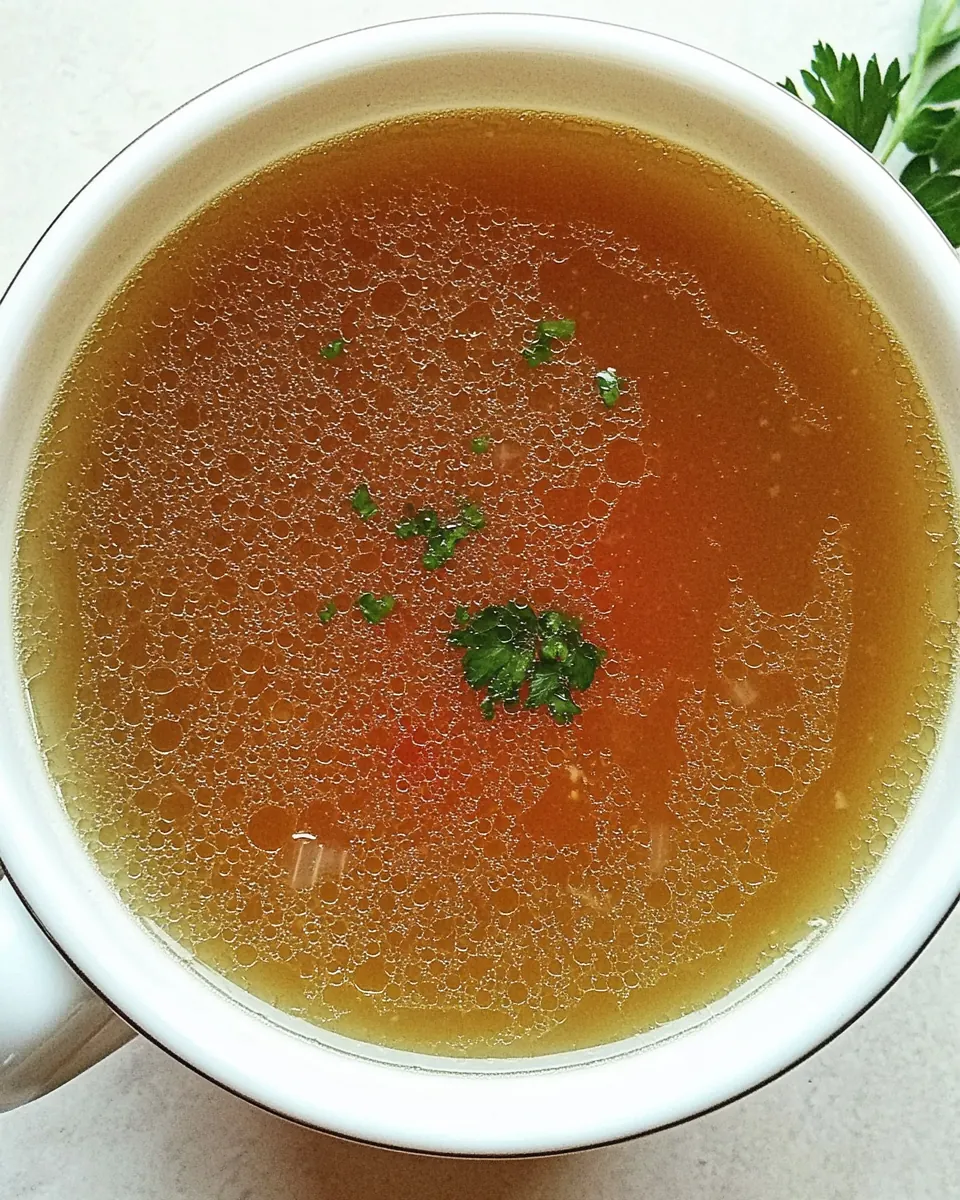
Homemade Vegetable Broth
Homemade Vegetable Broth is the kitchen ritual I come back to when I want something honest, warming, and completely under my control.
Years ago I learned to make this broth on a rainy afternoon when my pantry felt bare but I still wanted something nourishing. I pulled together a mismatched bunch of vegetables, set a pot on the stove, and let the kitchen fill with an aroma that felt like a slow exhale. The smell of caramelizing onion and toasted carrots turned the tiny ritual into a practice I now repeat whenever I need comfort food or a flavor base that elevates everything from soups to grains. Over time I tuned the balance of leeks and celery, learned to treat ginger as a subtle lift, and discovered that a handful of kale and sprigs of thyme and parsley make the broth sing without overshadowing simplicity.
I love how this recipe stretches a few humble vegetables into a pot of pure utility. It’s perfect for clearing out the crisper, soothing a sore throat, or serving as the foundation for an easy weeknight bowl. Every time I strain the pot and press down on the cooked vegetables, I feel like I’m bottling sunshine: a clear, savory liquid that’s the result of gentle heat, patience, and a willingness to let flavors unfold. The first sip is always the best test, warm and clean, with an undernote of sweet parsnips and an earthy trace of bay leaf.
Recipe Snapshot
1 hr 40 mins
20 mins
80 mins
Medium
50 kcal
Mediterranean
Paleo, Whole30
Soups
Saucepan, Fine sieve, Ladle, Cutting board, Knife
The Appeal of This Homemade Vegetable Broth
I keep this broth on hand because it is endlessly versatile
I use Homemade Vegetable Broth as my go to building block. It transforms plain rice into a flavored side, lifts sautéed greens, and makes soups taste curated rather than canned. Because I can control the salt and aromatics, the broth adapts to many dishes and diets.
It’s remarkably simple yet deeply flavorful
Cooking the vegetables first in extra virgin olive oil develops sweet, caramelized notes that you don’t get from raw simmering alone. That initial browning is my secret for a broth that feels full bodied, not thin. I like that the technique is low fuss but high reward.
The ingredient list is forgiving and economical
I love that you can use odd bits from the fridge. The recipe highlights humble players like onion and carrots, while parsips and leeks add depth. It’s a frugal way to extract maximum flavor from a few simple items.
It stores beautifully and saves time later
Making a big pot on the weekend gives you ready to go liquid for quick dinners. I often freeze portions so I always have broth when a recipe calls for it. This small bit of prep yields hours of convenience and better tasting meals.
It’s a gentle, warming ritual
There’s something meditative about stirring a pot and watching flavor develop. I find it calming, and the finished broth is comfort in a cup. Sharing it with friends or using it in a sauce feels like giving a little care through food.
Homemade Vegetable Broth Shopping List
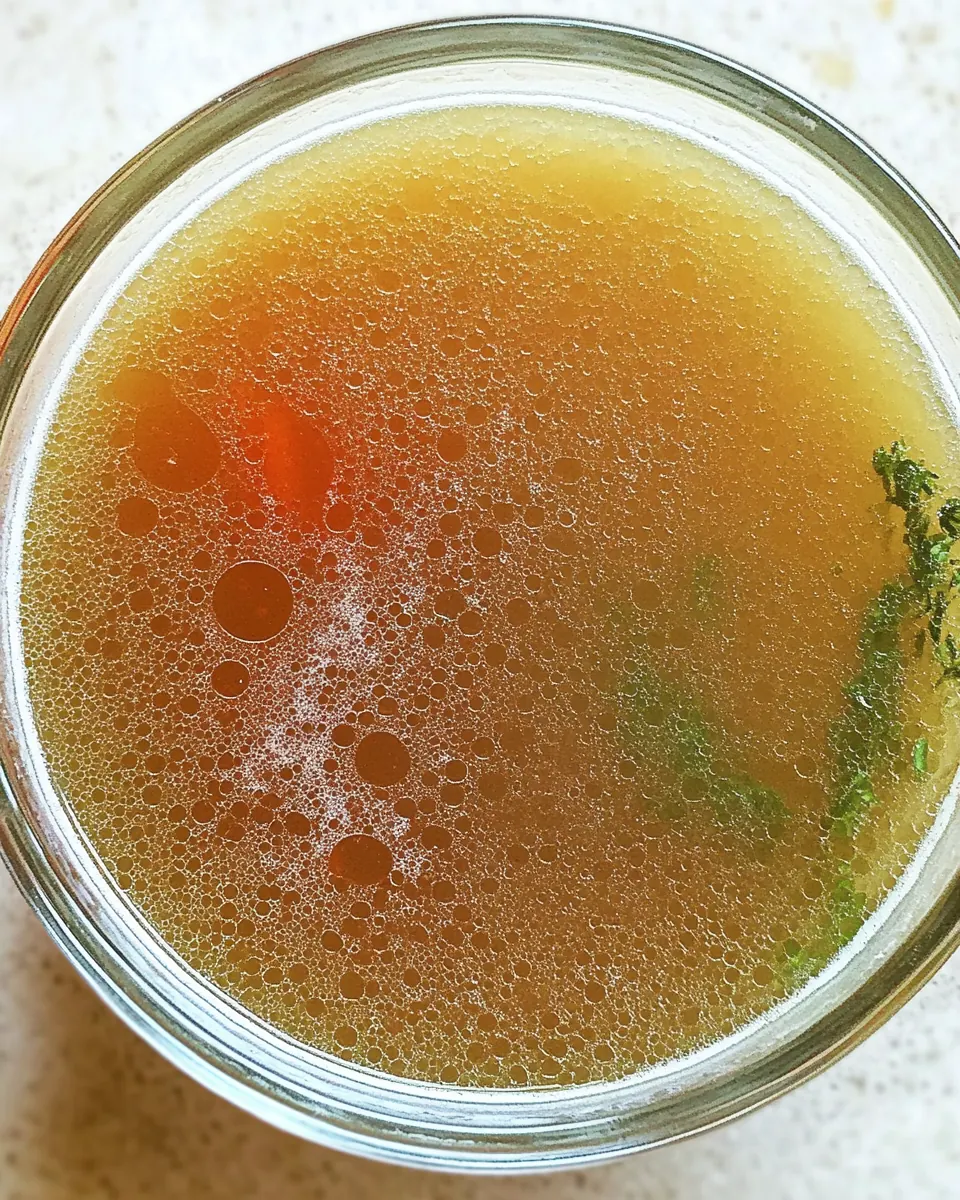
These ingredients are about harmony rather than complexity. Each item plays a role: aromatics for the backbone, root vegetables for sweetness, leafy herbs for brightness, and a touch of ginger and bay leaf for nuance. Together they create a clear, savory broth that feels balanced and nourishing. I think of them as key players in a small orchestra where restraint leads to clarity.
- 1 1/2 tablespoons extra virgin olive oil: Adds a fruity, peppery base for sautéing aromatics and helps carry flavors through the broth; use to lightly brown vegetables without overpowering the stock. Provides healthy monounsaturated fats and a subtle richness that rounds out the overall mouthfeel of the broth. Use moderate heat to avoid burning and preserve delicate olive oil notes.
- 1 medium onion, coarsely chopped: Provides a sweet, savory backbone and releases natural sugars when sautéed, contributing depth and body to the broth. Supplies glutamates that enhance umami and pairs well with other root vegetables to build complexity. Chop coarsely to increase surface area and extract more flavor during simmering.
- 2 medium carrots, coarsely chopped: Contributes natural sweetness, earthy notes, and a bright carrot aroma that lightens the broth; helps balance savory elements with vegetal sugar. Adds color and a gentle carrot-specific flavor that complements root vegetables and herbs. Coarse chopping allows robust extraction during simmer.
- 2 medium parsnips, coarsely chopped: Offers a nutty, sweet flavor with subtle earthiness that deepens the broth’s profile; parsnip compounds add complexity alongside carrots and onions. Helps thicken the mouthfeel slightly as pectins and starches release during simmering. Coarsely chopping accelerates flavor release without turning mushy.
- 2 medium leeks, trimmed and washed thoroughly, then sliced into 1-inch chunks: Provides a mild, sweet allium flavor with a hint of leeky greenness that enhances aromatic complexity and freshness. Contributes delicate onion-like sweetness without overpowering, especially when thoroughly washed to remove grit. Sliced into chunks for even cooking and gentle release of flavors.
- 1 large stalk celery, coarsely chopped: Adds crisp vegetal notes and a faint bitterness that balances sweeter roots and onions; celery’s aromatic compounds enhance savory depth. Supplies additional body and classic 'stock' flavor elements that meld with herbs during simmering. Coarsely chopped to release flavor without dissolving completely.
- 1 large handful chopped kale leaves: Imparts earthy, slightly bitter, and cabbage-like green flavors that introduce verdant brightness to the broth. Adds nutritional value and a layered vegetal note that complements roots and herbs. Chop into a large handful to avoid dominating the stock while still contributing color and taste.
- 3 sprigs fresh thyme: Delivers an aromatic, slightly floral, and savory herbal note that lifts the broth and adds complexity. Contains volatile oils that infuse during simmering and pair well with parsley and bay leaf for a balanced herbaceous profile. Use sprigs whole for easy removal after cooking.
- 3 sprigs fresh parsley: Offers fresh, bright, and slightly grassy herbaceousness that brightens and clarifies the broth’s flavor profile. Contains parsley oils that add clean vegetal top notes and enhance perceived freshness. Use sprigs to infuse without leaving small leaves dispersed throughout.
- 2 1-inch pieces peeled ginger: Adds a warm, slightly spicy, and zesty undertone that brings subtle heat and complexity to the broth; ginger’s aromatics cut through rich flavors. Enhances overall brightness and adds a hint of warmth that complements herbs and roots. Peel and include in chunks to infuse flavor without overpowering.
- 1 large bay leaf: Provides a single, robust bay-like depth with herbal, slightly floral, and savory notes that underpin the broth. Adds subtle bitterness and complexity that rounds out the flavor profile and ties other aromatics together. Use whole to infuse and remove before serving.
Putting Together Homemade Vegetable Broth
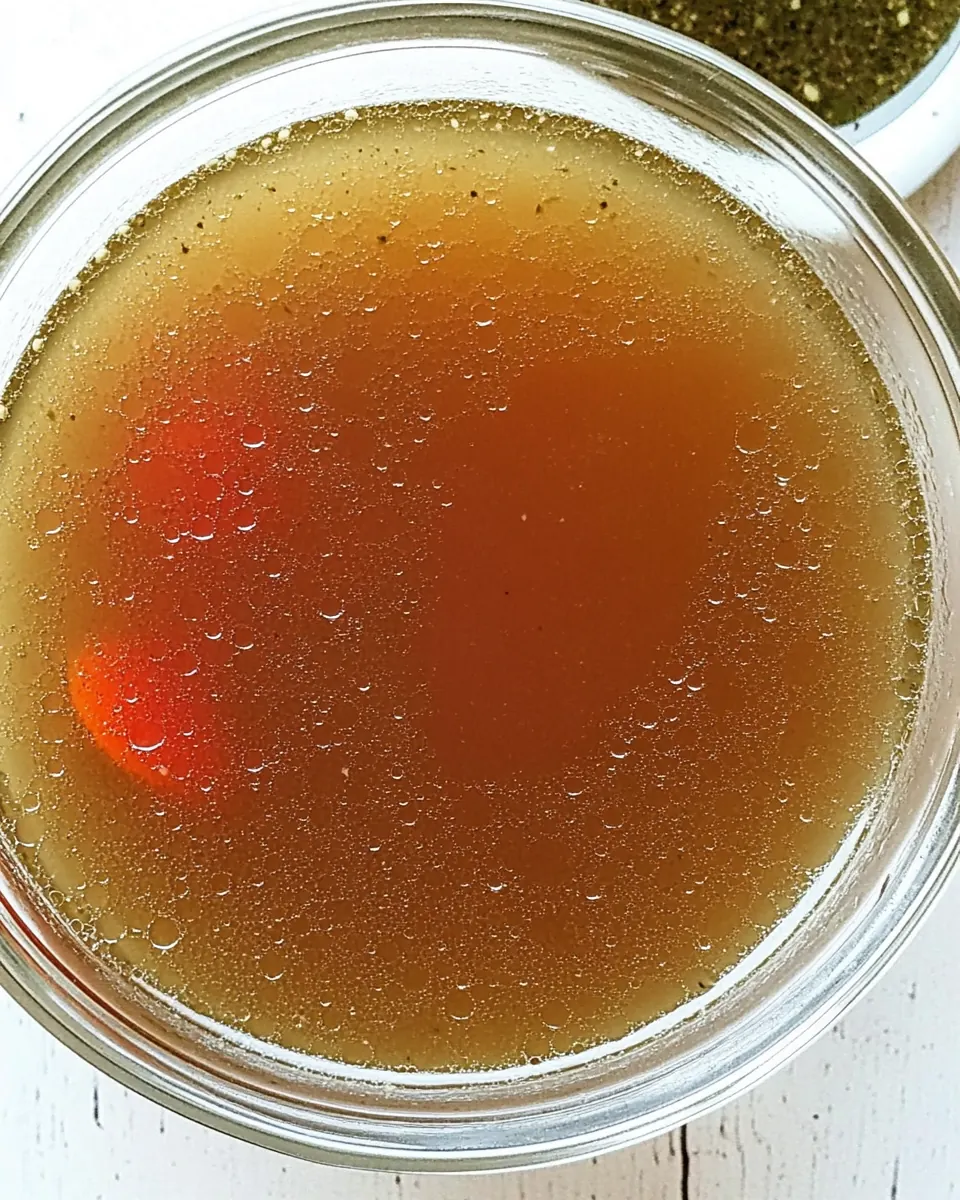
Making this broth is a slow, sensory process that rewards patience. Below I expand each direction into detailed, practical steps so you can replicate the exact aromas, textures, and visual cues I use when cooking.
- In a medium to large saucepan, heat the olive oil over medium-high heat. Add the onion and cook, stirring until caramelized, about 8 minutes. Add the carrots, parsnips, leeks and celery. Continue to cook and stir until the vegetables begin to soften, about 10 minutes.: At the start you will smell a bright, grassy note from the extra virgin olive oil as it warms, then the kitchen fills with sweet onion perfume as the onion softens and edges turn golden. Listen for a gentle sizzle that signals moisture leaving the onion ; the sound should be steady not frantic. Visually aim for even golden color across pieces, not a deep brown or burn. This caramelization builds a sweet and savory base for the broth, which is why we do it first, it brings complexity that simmering alone will not. A common mistake is to crank the heat too high, which makes the onion burn rather than sweeten, so keep the flame moderate and stir regularly to prevent sticking. If your pan begins to smoke, reduce the heat and add a splash of water to lift browned bits, preventing bitterness.
- Add 10 cups (2 1/2 quarts) of water, plus the kale leaves, thyme, parsley, ginger and bay leaf. Bring to a boil, reduce heat, and let simmer about 1 hour.: When you add the chopped carrots , parsnips , leeks , and celery , the aroma deepens into layered sweetness and earthiness. You will hear a livelier sizzle as moisture from the new vegetables hits the pan, and the colors will brighten, especially the orange of the carrots . Stir so the pieces brown slightly on their edges, creating additional caramelized notes. The vegetables should become tender but not collapsing, giving body to the broth when simmered. This step is crucial because lightly browning the vegetables unlocks sugars and adds complexity. Watch for over browning, which can introduce bitterness; if that happens, lower the heat and stir more frequently. Another pitfall is overcrowding the pan, which steams rather than browns the vegetables, so use a pan with enough surface area.
- Remove from heat and strain the broth through a fine sieve, pressing on the vegetables to extract as much juice and flavor as possible. Discard the vegetables (don't worry… you've sucked all of the flavor and nutrients in them and transferred them to the broth).: When you pour in the water, steam will carry up a concentrated version of the pan aromas, and the pot will start to smell fuller. Add the kale , thyme , parsley , ginger , and bay leaf , and you will notice fresh herbal and bright peppery notes emerging. Bring the liquid to a lively boil, then lower the heat to a gentle simmer where small bubbles rise occasionally, not a rolling boil. The gentle simmer lets flavors migrate from solids into the liquid without breaking down into cloudiness. After about an hour, the vegetables should be soft and the broth richly flavored. The why here is important: long, gentle simmering extracts flavors and collagen like components from the vegetables, producing a rounded mouthfeel. A common error is boiling too hard, which can make the broth cloudy and reduce nuance; keep it to a gentle simmer and skim any foam if you see it.
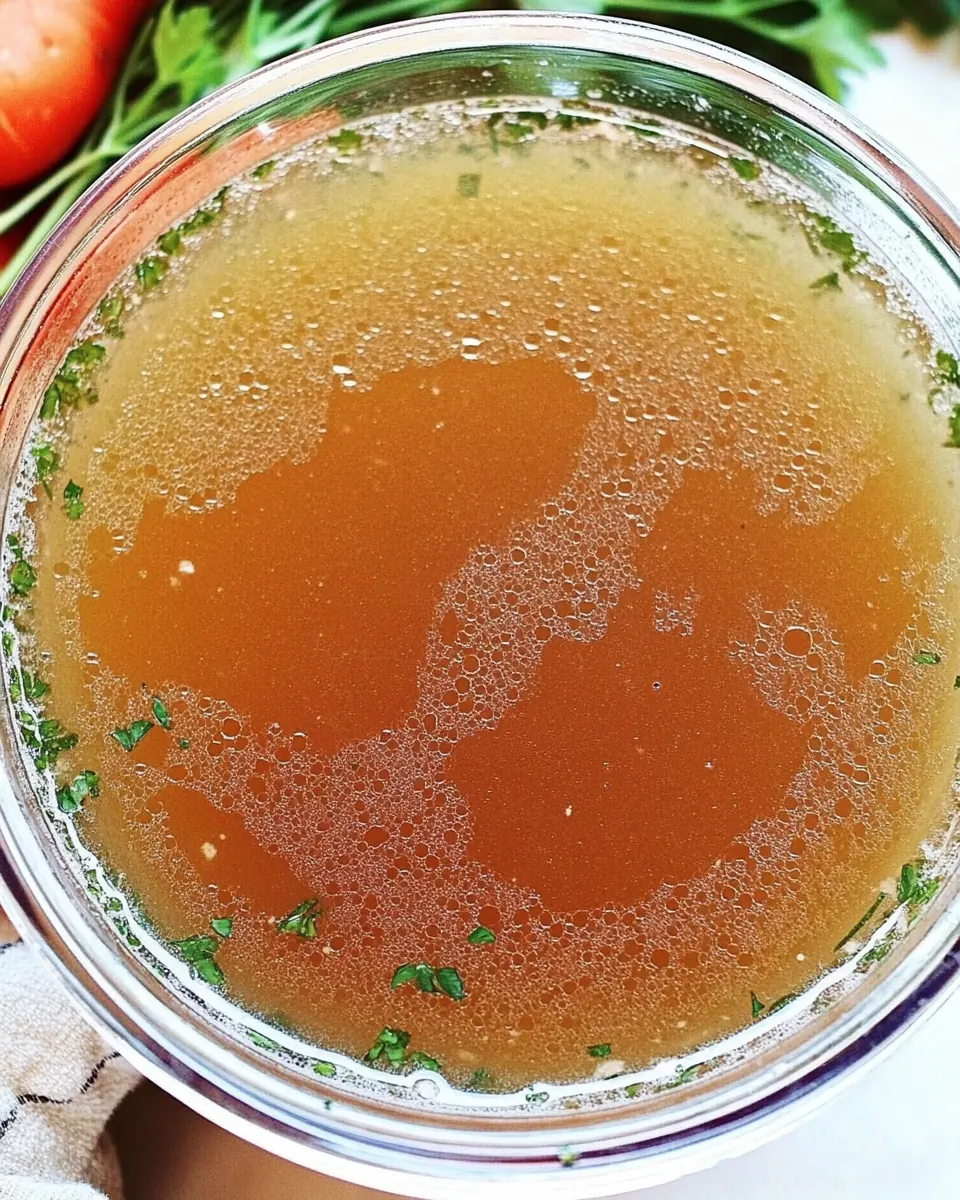
- The broth can be refrigerated for 3 to 4 days, and it can be stored in the freezer for up to 3 months.: Once you remove the pot from heat, the aroma mellows into a warm, balanced scent. Pour the contents through a fine sieve over a large bowl or pot, then use the back of a ladle to press firmly on the cooked vegetables, feeling the resistance as they surrender their liquid. You want to extract the concentrated juices and aroma into the broth, leaving mostly fibrous solids. The visual cue is a clear, golden to amber liquid, free of large particulates. Pressing is why your broth captures the maximum flavor from each piece. A typical mistake is to skip pressing and lose depth, or to press too roughly and push fine pulp into the liquid, clouding it, so press with steady even force.
- Discard the vegetables: After straining and pressing, the remaining solids will look soft, pale, and squeezed out. They have given up their flavor and nutrients to the broth, so it is time to discard them. You will notice the broth tastes fuller than the remnants, which confirms the extraction worked. I sometimes use a small amount of the cooked vegetables for composting rather than reuse, as their texture is mushy and the flavors are spent. The reason we discard them is to keep the broth clear and untextured for versatile use. Avoid the mistake of trying to reuse them in a dish where a fresh texture is required, they will not hold up well.
- The broth can be refrigerated for 3 to 4 days, and it can be stored in the freezer for up to 3 months: As the broth cools, its aroma becomes softer and more melded. Pour into airtight containers and let it come to room temperature before placing in the fridge to avoid condensation. When chilled, a thin layer of fat may solidify on top from the extra virgin olive oil ; you can skim this if you want a clearer liquid. For longer storage, portion into freezer safe containers or ice cube trays for convenient single cup or tablespoon portions. Labeling with date helps you track freshness. A frequent error is storing hot broth immediately in a full fridge where it raises the temperature; cool it slightly and leave headroom in containers for expansion when freezing to prevent splitting.
Helpful Hints
These tips highlight small adjustments that influence clarity, flavor, and storage. Below I expand on practical ways to improve results, preserve the broth, and tailor the ginger intensity if you prefer a bolder lift.
- Control the ginger intensity Grate one piece of ginger directly into the pot if you want a pronounced warming note; stirring it in releases more essential oils than whole pieces and will yield a brighter ginger presence in the finished broth.
- Don’t overcrowd the pan Giving the vegetables room to brown is essential; overcrowding leads to steaming which reduces caramelization and flattens the final flavor profile.
- Use fresh herbs late Add the parsley and thyme toward the end of simmering if you prefer a fresher herbal brightness, or earlier for a more integrated herbaceous background note.
- Strain carefully Use a fine sieve and press gently to avoid pushing pulp through; this keeps the broth clear and visually appealing for sauces and clear soups.
- Portion for convenience Freeze in measured containers, such as 1 cup portions or ice cube trays, to make it simple to grab what you need for recipes without thawing an entire batch.
What to Serve Alongside Homemade Vegetable Broth
This broth is a versatile companion for many meals and occasions; serve it warm as a cup to start a light lunch, use it as a base for noodle bowls on a chilly night, or keep it on hand during busy weeks. Below are ideas for pairings, occasions, and storage that make the most of a pot of broth.
- Simple soup bowls Use the broth as the base for a clear vegetable or noodle soup, adding cooked grains or small diced vegetables for a quick lunch.
- Grain cooking liquid Substitute the broth for water when cooking rice, quinoa, or barley to impart deeper, savory flavor into side dishes.
- Comfort starter Serve a warm cup before dinner to gently open the appetite, ideal for light suppers or when you want something soothing.
- Weeknight meal base Keep portions frozen for easy weeknight use, it speeds up making risottos, stews, and skillet braises by providing immediate depth of flavor.
- Seasonal occasions Perfect for cool weather months or when you need a restorative sip; it fits well into cozy dinners, light lunches, and slow evenings at home.
- Storage tips Refrigerate for up to 4 days or freeze up to 3 months; label containers and leave headroom to allow for expansion in the freezer.
FAQ
Conclusion
Homemade Vegetable Broth shines because it turns everyday vegetables into a clear, flavorful foundation that lifts so many dishes. It is approachable, adaptable, and a small act of cooking that pays dividends throughout the week. I encourage you to make a pot, taste the difference that caramelization and fresh herbs bring, and freeze portions for instant flavor boosts. This broth is an easy way to add depth to meals and a comforting ritual to your cooking routine.

Homemade Vegetable Broth
Equipment
- Saucepan
- Fine sieve
- Ladle
- Cutting Board
- Knife
Ingredients
- 1 1/2 tablespoons extra virgin olive oil Adds a fruity, peppery base for sautéing aromatics and helps carry flavors through the broth; use to lightly brown vegetables without overpowering the stock. Provides healthy monounsaturated fats and a subtle richness that rounds out the overall mouthfeel of the broth. Use moderate heat to avoid burning and preserve delicate olive oil notes.
- 1 medium onion, coarsely chopped Provides a sweet, savory backbone and releases natural sugars when sautéed, contributing depth and body to the broth. Supplies glutamates that enhance umami and pairs well with other root vegetables to build complexity. Chop coarsely to increase surface area and extract more flavor during simmering.
- 2 medium carrots, coarsely chopped Contributes natural sweetness, earthy notes, and a bright carrot aroma that lightens the broth; helps balance savory elements with vegetal sugar. Adds color and a gentle carrot-specific flavor that complements root vegetables and herbs. Coarse chopping allows robust extraction during simmer.
- 2 medium parsnips, coarsely chopped Offers a nutty, sweet flavor with subtle earthiness that deepens the broth’s profile; parsnip compounds add complexity alongside carrots and onions. Helps thicken the mouthfeel slightly as pectins and starches release during simmering. Coarsely chopping accelerates flavor release without turning mushy.
- 2 medium leeks, trimmed and washed thoroughly, then sliced into 1-inch chunks Provides a mild, sweet allium flavor with a hint of leeky greenness that enhances aromatic complexity and freshness. Contributes delicate onion-like sweetness without overpowering, especially when thoroughly washed to remove grit. Sliced into chunks for even cooking and gentle release of flavors.
- 1 large stalk celery, coarsely chopped Adds crisp vegetal notes and a faint bitterness that balances sweeter roots and onions; celery’s aromatic compounds enhance savory depth. Supplies additional body and classic 'stock' flavor elements that meld with herbs during simmering. Coarsely chopped to release flavor without dissolving completely.
- 1 large handful chopped kale leaves Imparts earthy, slightly bitter, and cabbage-like green flavors that introduce verdant brightness to the broth. Adds nutritional value and a layered vegetal note that complements roots and herbs. Chop into a large handful to avoid dominating the stock while still contributing color and taste.
- 3 sprigs fresh thyme Delivers an aromatic, slightly floral, and savory herbal note that lifts the broth and adds complexity. Contains volatile oils that infuse during simmering and pair well with parsley and bay leaf for a balanced herbaceous profile. Use sprigs whole for easy removal after cooking.
- 3 sprigs fresh parsley Offers fresh, bright, and slightly grassy herbaceousness that brightens and clarifies the broth’s flavor profile. Contains parsley oils that add clean vegetal top notes and enhance perceived freshness. Use sprigs to infuse without leaving small leaves dispersed throughout.
- 2 1-inch pieces peeled ginger Adds a warm, slightly spicy, and zesty undertone that brings subtle heat and complexity to the broth; ginger’s aromatics cut through rich flavors. Enhances overall brightness and adds a hint of warmth that complements herbs and roots. Peel and include in chunks to infuse flavor without overpowering.
- 1 large bay leaf Provides a single, robust bay-like depth with herbal, slightly floral, and savory notes that underpin the broth. Adds subtle bitterness and complexity that rounds out the flavor profile and ties other aromatics together. Use whole to infuse and remove before serving.
Instructions
- In a medium to large saucepan, heat the olive oil over medium-high heat. Add the onion and cook, stirring until caramelized, about 8 minutes. Add the carrots, parsnips, leeks and celery. Continue to cook and stir until the vegetables begin to soften, about 10 minutes.: At the start you will smell a bright, grassy note from the extra virgin olive oil as it warms, then the kitchen fills with sweet onion perfume as the onion softens and edges turn golden. Listen for a gentle sizzle that signals moisture leaving the onion ; the sound should be steady not frantic. Visually aim for even golden color across pieces, not a deep brown or burn. This caramelization builds a sweet and savory base for the broth, which is why we do it first, it brings complexity that simmering alone will not. A common mistake is to crank the heat too high, which makes the onion burn rather than sweeten, so keep the flame moderate and stir regularly to prevent sticking. If your pan begins to smoke, reduce the heat and add a splash of water to lift browned bits, preventing bitterness.
- Add 10 cups (2 1/2 quarts) of water, plus the kale leaves, thyme, parsley, ginger and bay leaf. Bring to a boil, reduce heat, and let simmer about 1 hour.: When you add the chopped carrots , parsnips , leeks , and celery , the aroma deepens into layered sweetness and earthiness. You will hear a livelier sizzle as moisture from the new vegetables hits the pan, and the colors will brighten, especially the orange of the carrots . Stir so the pieces brown slightly on their edges, creating additional caramelized notes. The vegetables should become tender but not collapsing, giving body to the broth when simmered. This step is crucial because lightly browning the vegetables unlocks sugars and adds complexity. Watch for over browning, which can introduce bitterness; if that happens, lower the heat and stir more frequently. Another pitfall is overcrowding the pan, which steams rather than browns the vegetables, so use a pan with enough surface area.
- Remove from heat and strain the broth through a fine sieve, pressing on the vegetables to extract as much juice and flavor as possible. Discard the vegetables (don't worry... you've sucked all of the flavor and nutrients in them and transferred them to the broth).: When you pour in the water, steam will carry up a concentrated version of the pan aromas, and the pot will start to smell fuller. Add the kale , thyme , parsley , ginger , and bay leaf , and you will notice fresh herbal and bright peppery notes emerging. Bring the liquid to a lively boil, then lower the heat to a gentle simmer where small bubbles rise occasionally, not a rolling boil. The gentle simmer lets flavors migrate from solids into the liquid without breaking down into cloudiness. After about an hour, the vegetables should be soft and the broth richly flavored. The why here is important: long, gentle simmering extracts flavors and collagen like components from the vegetables, producing a rounded mouthfeel. A common error is boiling too hard, which can make the broth cloudy and reduce nuance; keep it to a gentle simmer and skim any foam if you see it.
- The broth can be refrigerated for 3 to 4 days, and it can be stored in the freezer for up to 3 months.: Once you remove the pot from heat, the aroma mellows into a warm, balanced scent. Pour the contents through a fine sieve over a large bowl or pot, then use the back of a ladle to press firmly on the cooked vegetables, feeling the resistance as they surrender their liquid. You want to extract the concentrated juices and aroma into the broth, leaving mostly fibrous solids. The visual cue is a clear, golden to amber liquid, free of large particulates. Pressing is why your broth captures the maximum flavor from each piece. A typical mistake is to skip pressing and lose depth, or to press too roughly and push fine pulp into the liquid, clouding it, so press with steady even force.
- Discard the vegetables: After straining and pressing, the remaining solids will look soft, pale, and squeezed out. They have given up their flavor and nutrients to the broth, so it is time to discard them. You will notice the broth tastes fuller than the remnants, which confirms the extraction worked. I sometimes use a small amount of the cooked vegetables for composting rather than reuse, as their texture is mushy and the flavors are spent. The reason we discard them is to keep the broth clear and untextured for versatile use. Avoid the mistake of trying to reuse them in a dish where a fresh texture is required, they will not hold up well.
- The broth can be refrigerated for 3 to 4 days, and it can be stored in the freezer for up to 3 months: As the broth cools, its aroma becomes softer and more melded. Pour into airtight containers and let it come to room temperature before placing in the fridge to avoid condensation. When chilled, a thin layer of fat may solidify on top from the extra virgin olive oil ; you can skim this if you want a clearer liquid. For longer storage, portion into freezer safe containers or ice cube trays for convenient single cup or tablespoon portions. Labeling with date helps you track freshness. A frequent error is storing hot broth immediately in a full fridge where it raises the temperature; cool it slightly and leave headroom in containers for expansion when freezing to prevent splitting.
Notes
- Control the ginger intensity Grate one piece of ginger directly into the pot if you want a pronounced warming note; stirring it in releases more essential oils than whole pieces and will yield a brighter ginger presence in the finished broth.
- Don’t overcrowd the pan Giving the vegetables room to brown is essential; overcrowding leads to steaming which reduces caramelization and flattens the final flavor profile.
- Use fresh herbs late Add the parsley and thyme toward the end of simmering if you prefer a fresher herbal brightness, or earlier for a more integrated herbaceous background note.
- Strain carefully Use a fine sieve and press gently to avoid pushing pulp through; this keeps the broth clear and visually appealing for sauces and clear soups.
- Portion for convenience Freeze in measured containers, such as 1 cup portions or ice cube trays, to make it simple to grab what you need for recipes without thawing an entire batch.