Arrabbiata Sauce
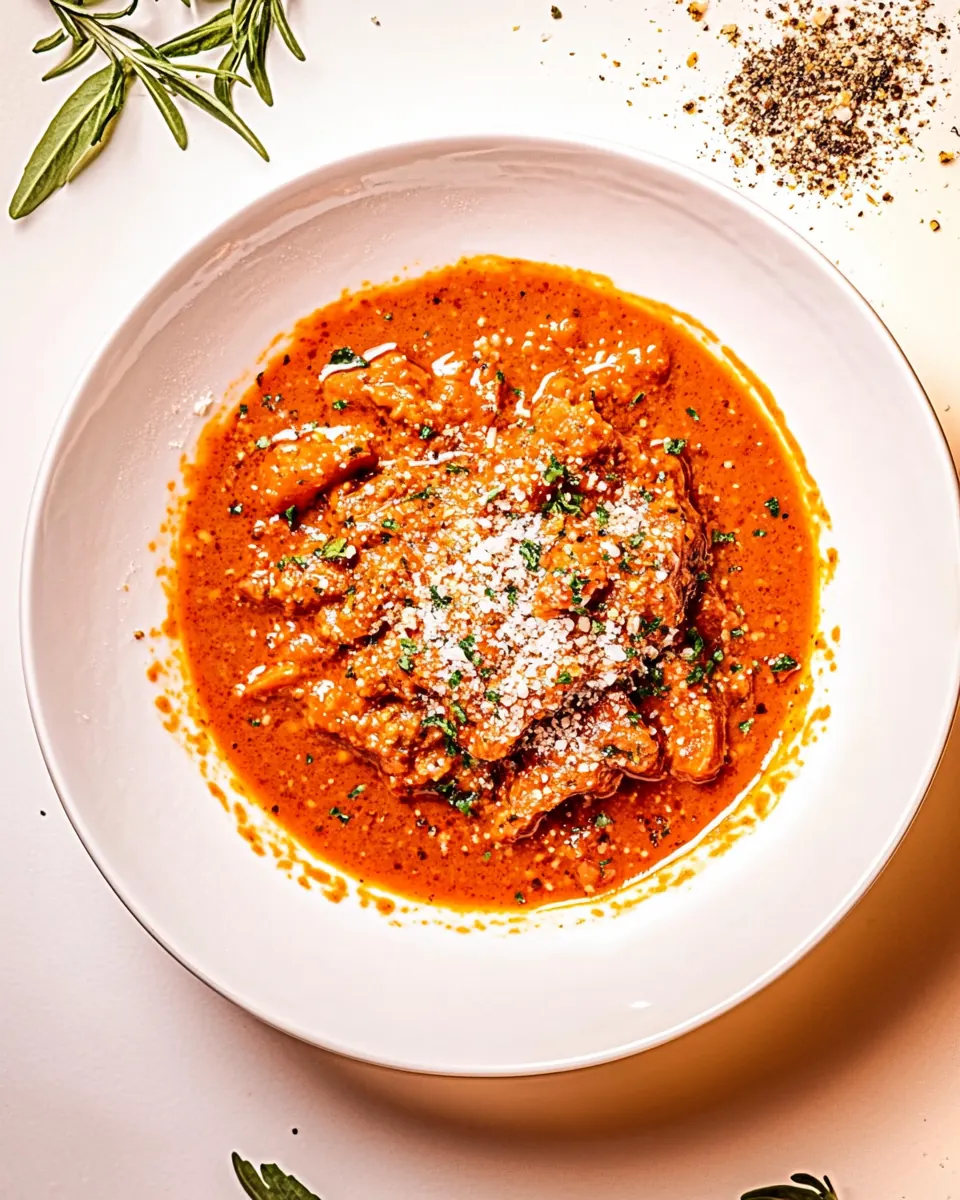
Arrabbiata Sauce is one of those recipes I reach for when I crave bold, simple flavors that come together fast and honestly.
I first learned how to make Arrabbiata Sauce on a cramped stove in a tiny rental kitchen, where a can of tomatoes, a head of garlic, and a stubborn box of penne felt like treasure. That evening taught me how a few pantry staples can produce a punchy, comforting meal, and how the right balance of heat, acid, and salt can transform humble cans into something memorable. I remember stirring the bubbling pot, the steam carrying a smoky, spicy perfume that filled the whole apartment, and thinking how satisfying it is when simple techniques reward you so generously.
Over time I tweaked the recipe to include a crunchy, savory walnut topping that mimics grated cheese without dairy, and a touch of miso for depth. Now, whenever I want something quick for guests or a solo weeknight dinner that still feels special, I pull out this recipe. It travels well to dinner parties, pairs beautifully with a crisp salad, and even makes a sturdy leftover lunch. I love how it scales, and how swapping short pastas gives a new mouthfeel every time. The combination of spicy red pepper, garlicky aroma, and rich tomato creates a sauce that is straightforward yet layered, and I always find myself smiling when the first forkful hits my lips.
Recipe Snapshot
25 mins
5 mins
20 mins
Medium
250 kcal
Italian
Vegan, Gluten-Free
Dinner
Saucepan, Food processor, Pot for boiling pasta
Why You’ll Love This Arrabbiata Sauce
Pure, focused flavor
I adore how Arrabbiata Sauce concentrates big tastes without fuss. With only a few ingredients, you get bright tomato acidity, fragrant garlic, and a sustained heat from crushed red pepper flakes. The result is punchy and unapologetic, which is exactly the energy I want when feeding hungry family or friends.
Speed and simplicity
One of the reasons I keep this recipe in heavy rotation is how fast it comes together. From warming the extra virgin olive oil to tossing with hot penne pasta takes under half an hour. That makes it an ideal easy weeknight dinner, a rescue meal after a long day, or a last minute centerpiece when plans change.
Versatile and adaptable
I love that the sauce plays well with additions. The walnut and miso crumble gives a nutty, umami lift that stands in for cheese, which is perfect when you want a richer mouthfeel without dairy. You can also adjust the heat up or down, or change the pasta shape to alter texture, and each choice yields a satisfying dish.
Comfort with a little attitude
Arrabbiata Sauce is comforting, but it has personality. The chili flakes keep it lively, and that contrast between warmth and tang keeps each bite interesting. I often serve it when I want cozy food that still feels grown up.
Great for leftovers and make ahead
Another reason I recommend this recipe is how well the sauce stores. It deepens in flavor after a day or two, and the walnut crumble can be made in advance. That makes it a practical choice for meal prep, and a reliable option when you want impressive results with minimal daily effort.
Key Ingredients for Arrabbiata Sauce
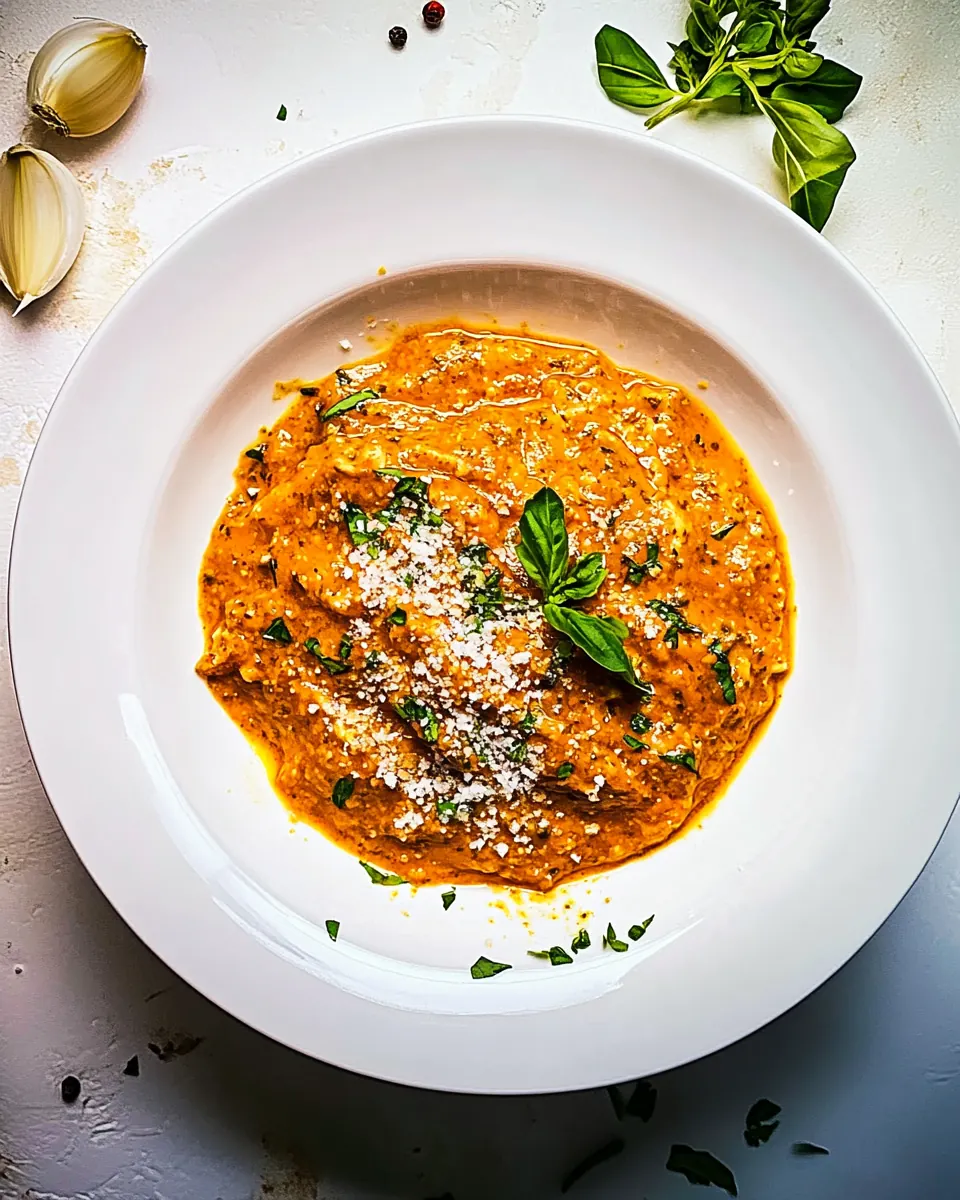
These ingredients form a small, powerful team. The tin tomatoes supply body and acidity, garlic brings aromatic depth, and the crushed red pepper flakes provide the characteristic heat. Meanwhile, the walnut and miso combination acts as a savory finish that mimics grated cheese while adding texture. Together they create a balanced sauce that clings to short pasta and sings on the palate.
- 2 tablespoons extra virgin olive oil: Enhance flavor by gently infusing the sauce with a rich, fruity fat that helps carry aromatics and meld tomato acidity; use at the start of cooking to sauté garlic and allow flavors to bloom.
- 5 minced garlic cloves: Provide pungent aromatics by releasing sweet, savory, and slightly spicy oils when minced and lightly sautéed; add early to develop the sauce’s fragrant base while avoiding burning.
- 2 14.5 oz cans tomato sauce: Provide the savory, tangy tomato foundation that supplies body, color, and umami; simmer with aromatics and spices to concentrate flavors and create the classic arrabbiata sauce texture.
- 1 2 teaspoons crushed red pepper flakes, plus more to taste: Add concentrated heat and bright chili flavor to build the sauce’s signature spiciness; start with a lower amount and adjust toward the end to reach desired warmth.
- 1 teaspoon dried oregano: Contribute an earthy, slightly floral Mediterranean herb note to complement tomatoes and chili; sprinkle in during simmering to infuse the sauce with balanced herbal complexity.
- 1 teaspoon cane sugar, or white sugar: Balance acidity and round out flavor by adding a touch of sweetness that prevents the sauce from tasting sharp; dissolve during simmering to harmonize tomatoes and herbs.
- sea salt, to taste: Season and enhance all other flavors by providing saline depth and taste balance; add gradually and taste often to avoid over-salting.
- 1 16 oz box penne pasta or other short pasta (rotini, cavatelli, ziti, etc.), boiled according to the package directions in heavily salted water: Provide the vehicle for serving by offering a sturdy, sauce-holding pasta shape; cook in heavily salted water until al dente then toss with the sauce to marry flavors.
- 1 cup walnuts, toasted or raw: Introduce crunchy, toasty, and slightly bitter notes that add texture and depth when blended or chopped into the sauce; toast for more pronounced nuttiness or use raw for a milder profile.
- 1/4 tbsp nutritional yeast: Supply a subtle savory, umami boost with a lightly cheesy, nutty flavor that enriches the sauce when stirred in sparingly; dissolves to complement walnuts if blended.
- 1 tbsp white miso paste: Deliver a deep, savory umami and mild sweetness that enhances tomato richness and creates a rounded, savory backbone when whisked into the finished sauce.
Instructions for Arrabbiata Sauce
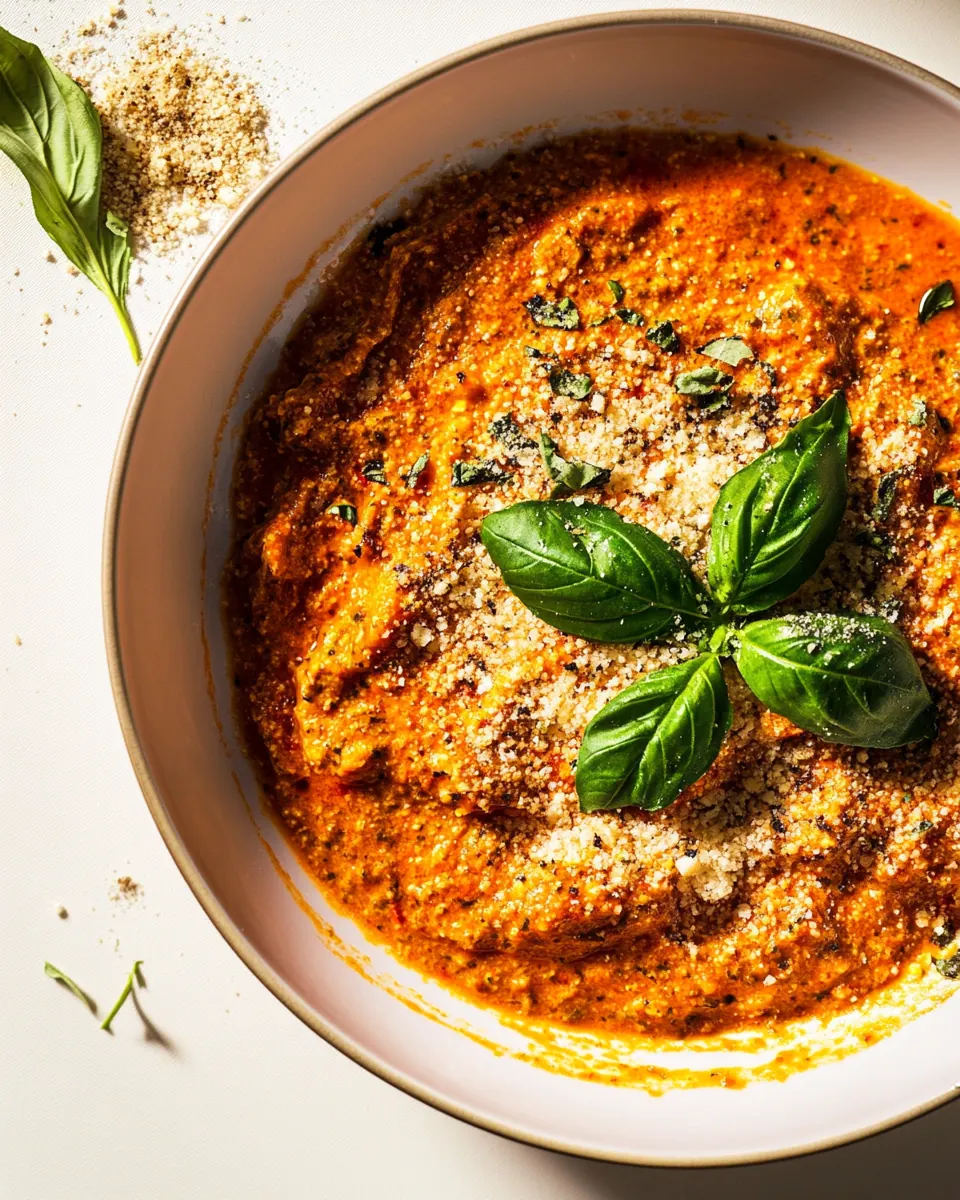
These directions walk you through building the sauce from aroma to plate, then finishing with the walnut miso crumble. Read each step so you can watch for the visual and sensory cues that tell you the sauce is ready.
- Warm the olive oil in a saucepan over medium heat.: When the oil first warms it should shimmer slightly and release a faint, fruity scent, not smoke. I like to place the pan on medium and let it settle, watching for a thin ripple rather than visible clouds of steam. This gentle heat readies the pan to coax the flavors from the garlic . If the oil starts to smoke, the pan is too hot, which can give off a bitter note and ruin the delicate aromas. A common mistake is rushing this step with high heat, which causes the oil to overheat and then the next ingredients to brown too fast; keep the temperature steady so flavors develop slowly.
- Add the minced garlic and a generous pinch of red chili flakes. Sauté, stirring frequently, until the garlic turns slightly golden. Be careful not to burn it!: As you add the minced garlic to the warm oil, you will smell a surge of savory perfume almost immediately. Stirring frequently prevents hot spots and ensures even coloring. Look for the garlic to take on a pale gold hue at the edges, and stop once that appears because the residual heat will continue cooking it. Overcooked garlic shifts from sweet to bitter, which is the most frequent misstep here; if you see dark brown bits, quickly lower the heat and remove the pan from the flame to cool slightly.
- Add the tomato sauce and stir. Next, add the crushed red pepper flakes, dried oregano, and sugar. Stir well.: When the tomato sauce hits the pan it will hiss softly and release steam, and you should immediately stir to combine the infused oil and tomato base. The crushed red pepper flakes will float and slowly release heat, while the dried oregano softens and perfumes the sauce. The teaspoon of sugar helps tame any sharp acidity, rounding the profile. A useful sign you are on track is a uniform glossy sheen across the surface; uneven patches indicate incomplete mixing. Avoid dumping everything in at high heat, which can cause spatter and uneven flavor melding.
- Bring the sauce to a simmer. Place the saucepan lid on the pan slightly ajar and simmer on medium-low for 20 minutes or until a deep red color.: As the sauce reaches a simmer you will see small, steady bubbles form and gently break on the surface. Setting the lid slightly ajar traps modest steam, allowing the sauce to reduce while keeping moisture so it does not dry out. Over the 20 minutes the color will deepen and the sauce will thicken, becoming more concentrated and less watery. The aroma will change from raw tomato to a richer, stewed fragrance. A frequent error is simmering too vigorously which causes rapid evaporation and can scorch the bottom; maintain a gentle simmer for even reduction.
- Season the sauce to taste with salt.: After simmering, the sauce will have developed concentrated flavors, so add sea salt gradually while tasting. The right amount of salt will make the other flavors pop without being overt. Taste on a spoon and adjust, remembering that the pasta will also carry seasoning. Over-salting is easy if you add too much at once; correct this by adding a splash of tomato or a pinch of sugar, but prevention is better, so add salt in small increments.
- Toss the hot pasta with half of the arrabbiata sauce. Add additional sauce as desired to achieve your desired sauce-to-pasta ratio. Garnish the pasta with the walnut parmesan (below) if desired and serve hot.: When you drain the cooked penne pasta leave it vigorously hot so it absorbs sauce easily. Tossing the pasta with half of the sauce allows the noodles to get coated without becoming swampy. The steam and residual heat help the sauce cling in the crevices, and you can add more sauce to achieve your preferred level of sauciness. A common mistake is adding all the sauce at once, which can overwhelm texture; start with less and add as needed for the ideal sauce-to-pasta ratio.
- Place the walnuts, nutritional yeast, and miso paste into a food processor. Pulse until a nutty crumble texture. Sprinkle over the penne arrabbiata to garnish.: As you pulse the walnuts with nutritional yeast and white miso paste , you will see a coarse, crumbly mixture that resembles grated cheese. The aroma becomes richer and nuttier, and the miso gives a savory umami lift. Sprinkle this on the hot pasta immediately so it softens slightly and clings to the noodles, creating a textural contrast to the saucy penne . Avoid over-processing into a paste, which loses the desirable crunch; pulse in short bursts until you reach the right crumble consistency.
Recipe Notes about Arrabbiata Sauce
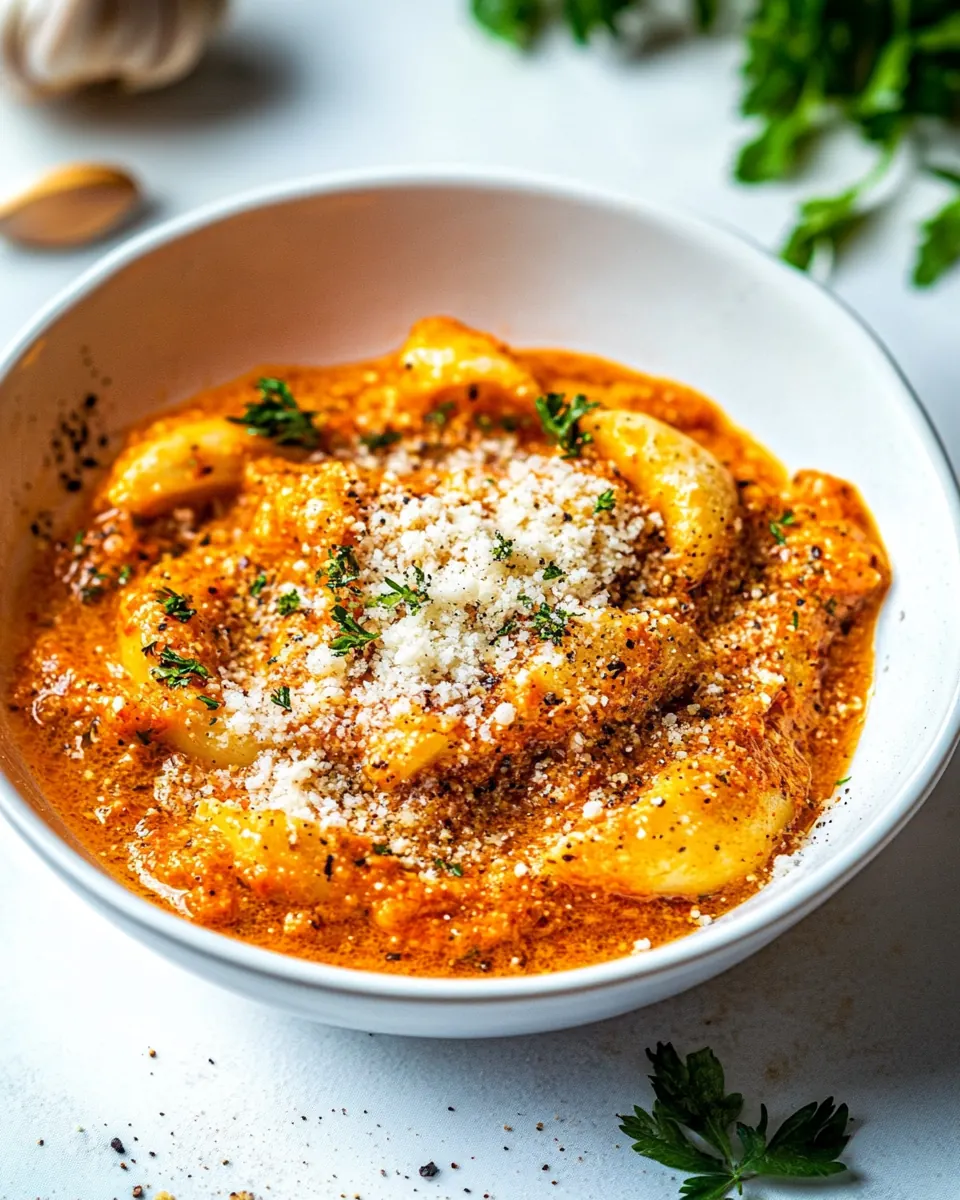
This recipe thrives on technique and ingredient quality. The following notes expand on storage, small swaps, and how to get the most expressive flavors from these modest components. Read them to make the process smoother and results more consistent.
- Storage tip Store leftover sauce and cooked pasta separately in airtight containers. Cool the sauce completely before refrigerating to preserve flavor, and toss noodles with a little oil to prevent sticking.
- Freezing guidance Transfer cooled sauce to freezer safe containers and freeze for up to three months. Thaw overnight in the refrigerator before reheating on the stovetop with a splash of water to restore consistency.
- Reheating method Reheat sauce gently over medium heat, stirring frequently. For frozen noodles, plunge into boiling water for a minute or two to refresh al dente texture rather than relying solely on the microwave.
- Pasta cooking Cook the penne pasta al dente according to package instructions, testing a minute or two before the indicated time, because the noodles will finish absorbing sauce off heat.
- Ingredient quality Use a good canned tomato sauce and a flavorful extra virgin olive oil. These two ingredients are the backbone, and higher quality will yield a noticeably better final dish.
Perfect Matches for Arrabbiata Sauce
Arrabbiata Sauce is versatile for many occasions, from quick weeknight dinners to relaxed gatherings. Its bold flavors pair well with simple sides and seasonal salads, and the sauce stores well for make ahead meals or meal prep. Here are thoughtful serving ideas and pairing tips to elevate your plate.
- Classic pairing Serve tossed with hot penne pasta for a traditional presentation, garnished with the walnut miso crumble for texture and umami.
- Vegetable sides Offer a lightly dressed green salad to add a crisp, refreshing contrast to the warm, spicy sauce. A salad softens the palate between peppery bites.
- Occasions This dish is great for easy weeknight dinners and casual weekend lunches, and it suits gatherings where you want a no fuss yet bold main course.
- Storage tips Refrigerate sauce and pasta separately; the sauce will keep up to five days and freezes well for up to three months, making it a reliable make ahead option.
- Seasonal pairing In cooler months the warm, spicy profile is comforting, while in warmer weather it pairs nicely with lighter accompaniments like a lemon dressed arugula salad to brighten the meal.
- Serving style Serve family style in a large bowl so guests can adjust sauce quantity, or plate individually for a composed presentation with the walnut crumble sprinkled on top.
FAQ
Conclusion
This version of Arrabbiata Sauce stands out for its bold simplicity and clever walnut miso crumble that adds savory depth without dairy. Try it when you want a quick, flavorful dinner that feels satisfying and slightly spicy, perfect for busy evenings or casual gatherings. I hope you give it a whirl and enjoy how pantry ingredients transform into a memorable plate with minimal fuss and maximum character.
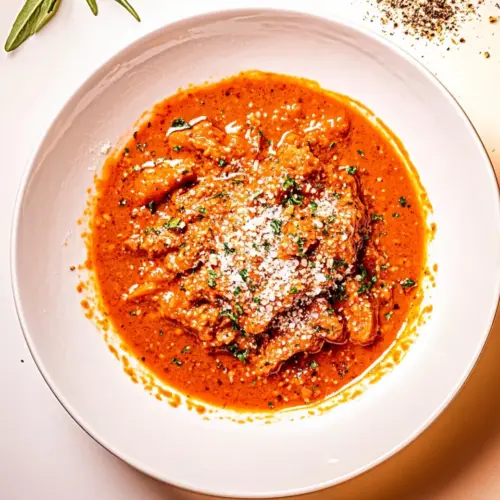
Arrabbiata Sauce
Equipment
- Saucepan
- Food Processor
- Pot for boiling pasta
Ingredients
- 2 tablespoons extra virgin olive oil Enhance flavor by gently infusing the sauce with a rich, fruity fat that helps carry aromatics and meld tomato acidity; use at the start of cooking to sauté garlic and allow flavors to bloom.
- 5 minced garlic cloves Provide pungent aromatics by releasing sweet, savory, and slightly spicy oils when minced and lightly sautéed; add early to develop the sauce’s fragrant base while avoiding burning.
- 2 14.5 oz cans tomato sauce Provide the savory, tangy tomato foundation that supplies body, color, and umami; simmer with aromatics and spices to concentrate flavors and create the classic arrabbiata sauce texture.
- 1 -2 teaspoons crushed red pepper flakes, plus more to taste Add concentrated heat and bright chili flavor to build the sauce’s signature spiciness; start with a lower amount and adjust toward the end to reach desired warmth.
- 1 teaspoon dried oregano Contribute an earthy, slightly floral Mediterranean herb note to complement tomatoes and chili; sprinkle in during simmering to infuse the sauce with balanced herbal complexity.
- 1 teaspoon cane sugar, or white sugar Balance acidity and round out flavor by adding a touch of sweetness that prevents the sauce from tasting sharp; dissolve during simmering to harmonize tomatoes and herbs.
- sea salt, to taste Season and enhance all other flavors by providing saline depth and taste balance; add gradually and taste often to avoid over-salting.
- 1 16 oz box penne pasta or other short pasta (rotini, cavatelli, ziti, etc.), boiled according to the package directions in heavily salted water Provide the vehicle for serving by offering a sturdy, sauce-holding pasta shape; cook in heavily salted water until al dente then toss with the sauce to marry flavors.
- 1 cup walnuts, toasted or raw Introduce crunchy, toasty, and slightly bitter notes that add texture and depth when blended or chopped into the sauce; toast for more pronounced nuttiness or use raw for a milder profile.
- 1/4 tbsp nutritional yeast Supply a subtle savory, umami boost with a lightly cheesy, nutty flavor that enriches the sauce when stirred in sparingly; dissolves to complement walnuts if blended.
- 1 tbsp white miso paste Deliver a deep, savory umami and mild sweetness that enhances tomato richness and creates a rounded, savory backbone when whisked into the finished sauce.
Instructions
- Warm the olive oil in a saucepan over medium heat.: When the oil first warms it should shimmer slightly and release a faint, fruity scent, not smoke. I like to place the pan on medium and let it settle, watching for a thin ripple rather than visible clouds of steam. This gentle heat readies the pan to coax the flavors from the garlic . If the oil starts to smoke, the pan is too hot, which can give off a bitter note and ruin the delicate aromas. A common mistake is rushing this step with high heat, which causes the oil to overheat and then the next ingredients to brown too fast; keep the temperature steady so flavors develop slowly.
- Add the minced garlic and a generous pinch of red chili flakes. Sauté, stirring frequently, until the garlic turns slightly golden. Be careful not to burn it!: As you add the minced garlic to the warm oil, you will smell a surge of savory perfume almost immediately. Stirring frequently prevents hot spots and ensures even coloring. Look for the garlic to take on a pale gold hue at the edges, and stop once that appears because the residual heat will continue cooking it. Overcooked garlic shifts from sweet to bitter, which is the most frequent misstep here; if you see dark brown bits, quickly lower the heat and remove the pan from the flame to cool slightly.
- Add the tomato sauce and stir. Next, add the crushed red pepper flakes, dried oregano, and sugar. Stir well.: When the tomato sauce hits the pan it will hiss softly and release steam, and you should immediately stir to combine the infused oil and tomato base. The crushed red pepper flakes will float and slowly release heat, while the dried oregano softens and perfumes the sauce. The teaspoon of sugar helps tame any sharp acidity, rounding the profile. A useful sign you are on track is a uniform glossy sheen across the surface; uneven patches indicate incomplete mixing. Avoid dumping everything in at high heat, which can cause spatter and uneven flavor melding.
- Bring the sauce to a simmer. Place the saucepan lid on the pan slightly ajar and simmer on medium-low for 20 minutes or until a deep red color.: As the sauce reaches a simmer you will see small, steady bubbles form and gently break on the surface. Setting the lid slightly ajar traps modest steam, allowing the sauce to reduce while keeping moisture so it does not dry out. Over the 20 minutes the color will deepen and the sauce will thicken, becoming more concentrated and less watery. The aroma will change from raw tomato to a richer, stewed fragrance. A frequent error is simmering too vigorously which causes rapid evaporation and can scorch the bottom; maintain a gentle simmer for even reduction.
- Season the sauce to taste with salt.: After simmering, the sauce will have developed concentrated flavors, so add sea salt gradually while tasting. The right amount of salt will make the other flavors pop without being overt. Taste on a spoon and adjust, remembering that the pasta will also carry seasoning. Over-salting is easy if you add too much at once; correct this by adding a splash of tomato or a pinch of sugar, but prevention is better, so add salt in small increments.
- Toss the hot pasta with half of the arrabbiata sauce. Add additional sauce as desired to achieve your desired sauce-to-pasta ratio. Garnish the pasta with the walnut parmesan (below) if desired and serve hot.: When you drain the cooked penne pasta leave it vigorously hot so it absorbs sauce easily. Tossing the pasta with half of the sauce allows the noodles to get coated without becoming swampy. The steam and residual heat help the sauce cling in the crevices, and you can add more sauce to achieve your preferred level of sauciness. A common mistake is adding all the sauce at once, which can overwhelm texture; start with less and add as needed for the ideal sauce-to-pasta ratio.
- Place the walnuts, nutritional yeast, and miso paste into a food processor. Pulse until a nutty crumble texture. Sprinkle over the penne arrabbiata to garnish.: As you pulse the walnuts with nutritional yeast and white miso paste , you will see a coarse, crumbly mixture that resembles grated cheese. The aroma becomes richer and nuttier, and the miso gives a savory umami lift. Sprinkle this on the hot pasta immediately so it softens slightly and clings to the noodles, creating a textural contrast to the saucy penne . Avoid over-processing into a paste, which loses the desirable crunch; pulse in short bursts until you reach the right crumble consistency.
Notes
- Storage tip Store leftover sauce and cooked pasta separately in airtight containers. Cool the sauce completely before refrigerating to preserve flavor, and toss noodles with a little oil to prevent sticking.
- Freezing guidance Transfer cooled sauce to freezer safe containers and freeze for up to three months. Thaw overnight in the refrigerator before reheating on the stovetop with a splash of water to restore consistency.
- Reheating method Reheat sauce gently over medium heat, stirring frequently. For frozen noodles, plunge into boiling water for a minute or two to refresh al dente texture rather than relying solely on the microwave.
- Pasta cooking Cook the penne pasta al dente according to package instructions, testing a minute or two before the indicated time, because the noodles will finish absorbing sauce off heat.
- Ingredient quality Use a good canned tomato sauce and a flavorful extra virgin olive oil. These two ingredients are the backbone, and higher quality will yield a noticeably better final dish.