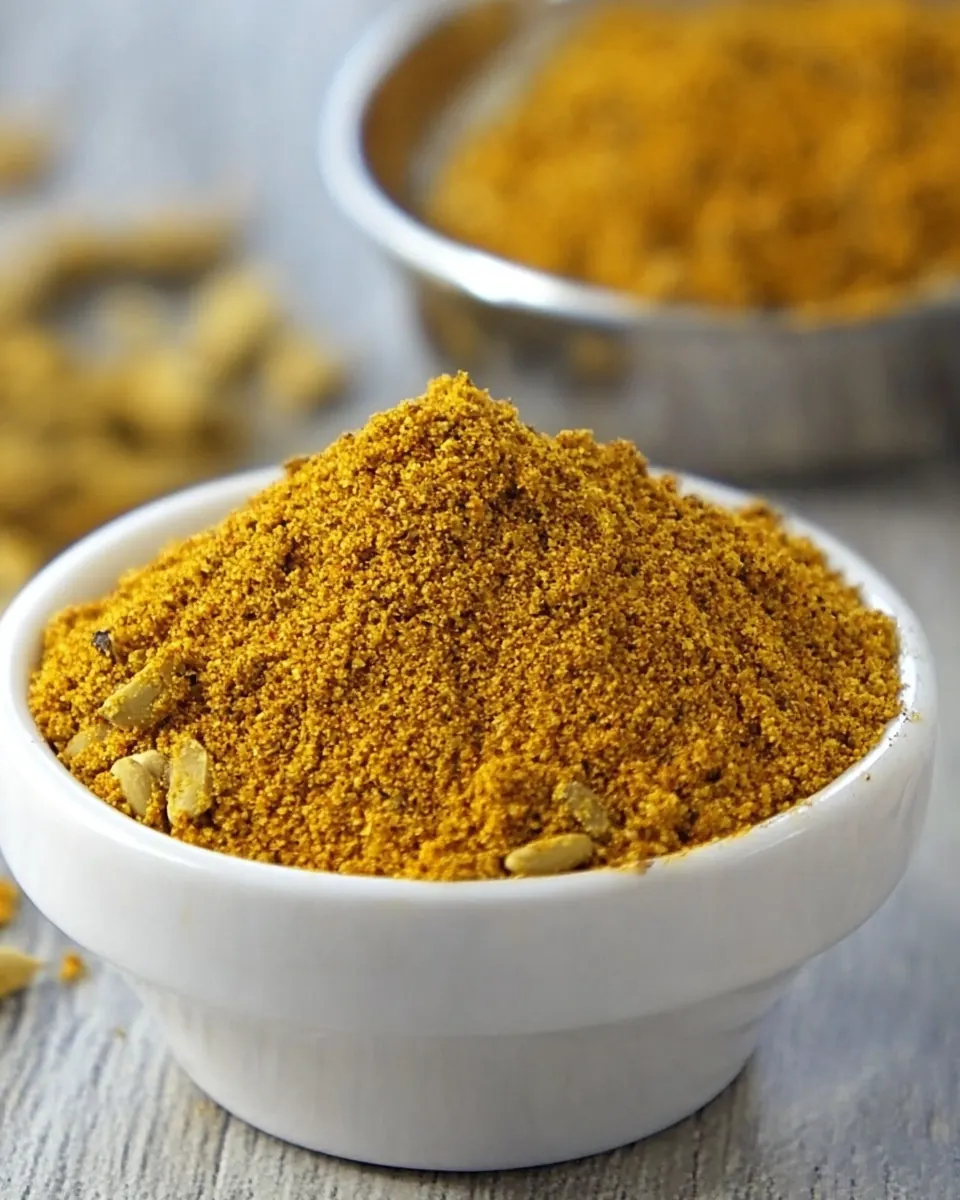
Homemade Curry Powder
Homemade Curry Powder is the pantry ritual I return to when I want one thing to lift a hundred dishes.
There was a rainy Saturday years ago when I first learned why toasting seeds matters. I was trying to coax warmth into a simple lentil stew, and the preground spice jar felt flat. I grabbed a skillet, browned a few seeds until their aroma changed, and the whole kitchen inhaled. From that day on, I started blending my own curry powder. It feels a little like alchemy, turning plain seeds and bright turmeric into something aromatic and complex. I love that it’s customizable, quick, and that the scent itself transports me to a bustling spice market in my imagination.
Over time I developed a go to mix that is forgiving and vibrant. It’s the blend I reach for when I want to finish a bowl of roasted vegetables, season a pot of chickpeas, or sprinkle on roasted cauliflower. Making Homemade Curry Powder taught me patience because the toasting and cooling steps matter, but it rewarded me with a freshness that store jars rarely deliver. I still keep a small jar by the stove, and guests always comment on how bright and fragrant the food smells. That little ritual of toasting, cooling, and grinding has become one of my favorite kitchen meditations.
Recipe Snapshot
10 mins
5 mins
5 mins
Easy
40 kcal
Indian
Keto, Paleo
Dinner
Spice or Coffee Grinder
Why You’ll Love This Homemade Curry Powder
Freshness that transforms flavors
I can’t overstate how much fresher homemade spices taste. When I make Homemade Curry Powder, the aromas are immediate and alive. The act of toasting the cumin, cardamom, and coriander unlocks oils and yields a fragrance that preground blends simply do not have. That freshness lifts everything you add it to, from stews to roasted vegetables.
Control over heat and balance
Making your own blend means you decide how much warmth you want. With this mix, the measured pinch of cayenne pepper offers a gentle kick but you can adjust it for family members who prefer mild dishes. I appreciate being able to nudge the turmeric forward for color or back it off when I want subtler earthiness.
Simple, pantry friendly ingredients
All the components for Homemade Curry Powder are likely already in your spice cabinet or easy to find. The list is short, and the technique is forgiving. Even if you are new to spice blending, you’ll find success quickly, and the payoff is high for the effort.
Versatility across cuisines
I use this curry powder in everything from lentil soups to marinades and dry rubs. The balance of cumin and coriander gives a warm backbone, while the cardamom adds a subtle floral note. It’s a small jar with a big job, and it adapts well whether I’m making a rustic weekday meal or seasoning something special for guests.
Great for gifting and building confidence
People always appreciate a homemade spice blend. When I’ve gifted jars of Homemade Curry Powder, friends call later to report how it brightened their dishes. It’s a lovely way to share something practical and personal, and it builds your confidence to experiment further with spice blends.
What Goes Into Homemade Curry Powder
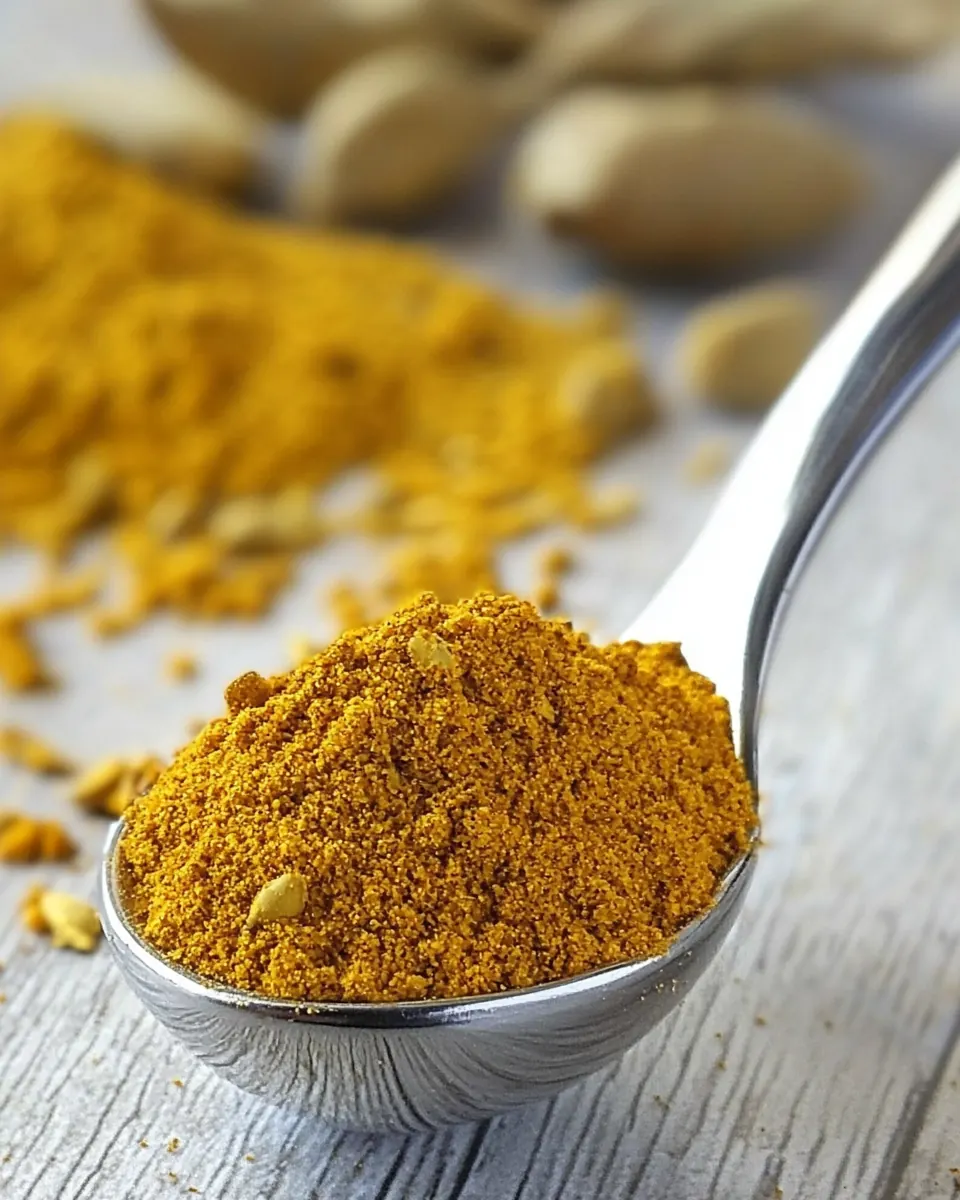
The philosophy behind these ingredients is about balance and synergy. Each spice plays a specific role: toasted seeds provide warmth and depth, turmeric brings color and earthiness, and the pinch of cayenne pepper lifts the blend with heat. When combined, they create a multi layered profile that is greater than the sum of its parts.
- 2 teaspoon cumin seeds: Add toasted warmth and earthy aroma that anchors the blend; gently fry whole seeds briefly to release oils before grinding. Provide traditional depth and a slightly bitter, smoky backbone that complements brighter spices.
- 2 teaspoon cardamom seeds: Lend a sweet floral perfume and bright citrusy notes that lift the overall flavor; lightly crush seeds to expose delicate oils prior to melding. Contribute subtle sweet-spicy complexity that balances heavier spices in the mix.
- 2 teaspoon coriander seeds: Offer citrusy, slightly nutty freshness that provides a clean, bright counterpoint to warm spices; dry-roast seeds to enhance their essential oils and flavor. Bring a versatile base note that rounds out the curry powder and supports both savory and aromatic elements.
- 1 tablespoon plus 1 teaspoon ground turmeric: Impart vivid color and mild earthy bitterness that defines classic curry powder; measure carefully since its intensity can dominate the blend. Supply anti-inflammatory properties and a warm, slightly pungent foundation that visually and flavorfully anchors the mix.
- 1 teaspoon dry mustard: Deliver sharp, tangy pungency that cuts through richness and adds zip to the blend; use sparingly to avoid overpowering subtler notes. Act as a brightening spice that enhances overall balance and gives a characteristic piquant edge.
- 1/2 teaspoon cayenne pepper: Provide concentrated heat and bright chili spice that enlivens the mixture; adjust quantity to control overall spiciness. Introduce a warming finish that heightens flavors without masking aromatic complexities.
How to Make Homemade Curry Powder
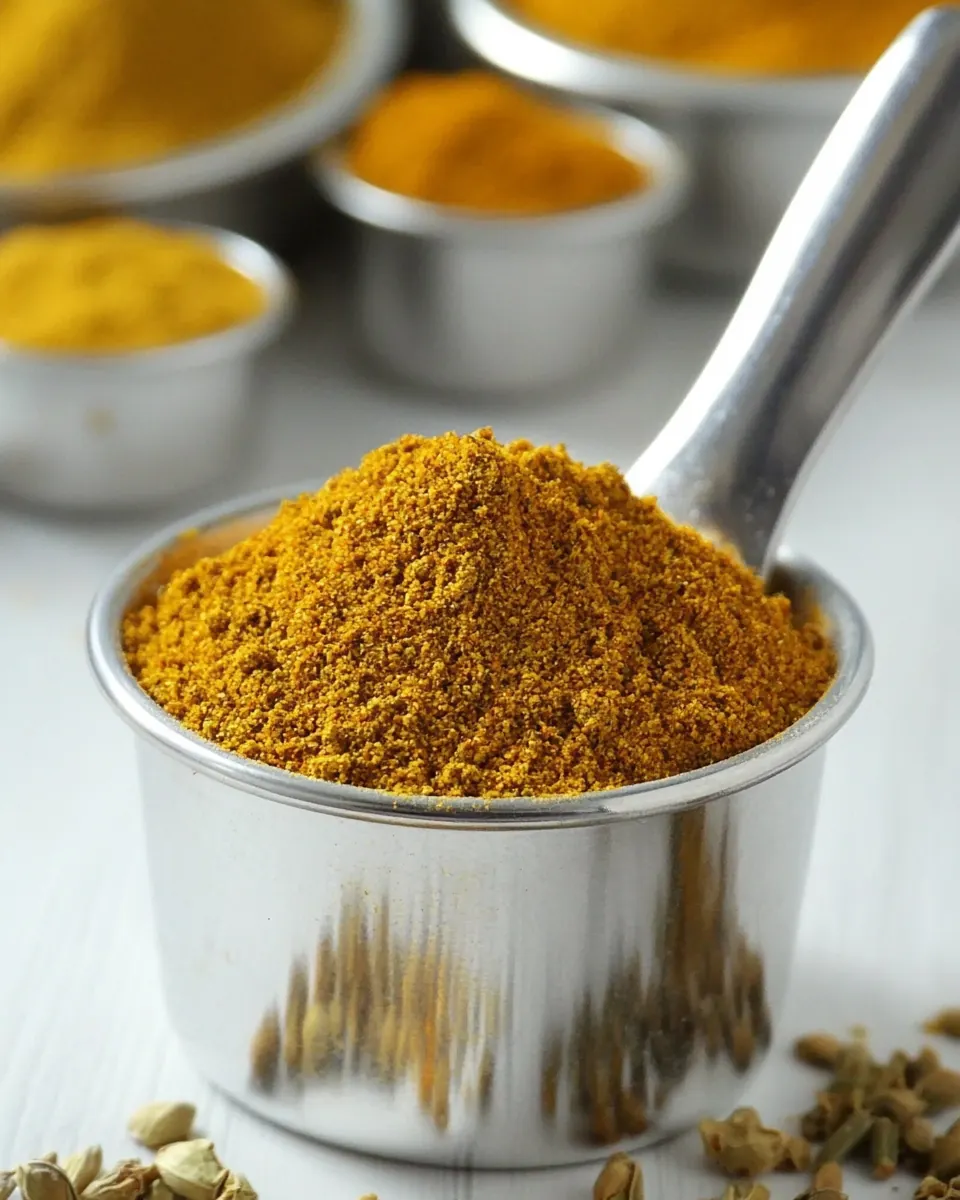
This recipe is straightforward but each step rewards attention. The technique centers on careful toasting, cooling, and fine grinding, which together produce a vibrant, aromatic powder. Take your time, follow the sensory cues, and you will end up with something much more flavorful than store bought blends.
- In a small to medium saucepan or skillet over low-medium heat, add the cumin, cardamom, and coriander seeds and toast them until they are fragrant, about 2 to 3 minutes.: The moment the seeds begin to crackle you will notice a wave of warm aroma, bright and nutty for cumin , citrusy for coriander , and floral for cardamom . Listen for the faint popping and watch the seeds darken just a touch, not becoming black. This step unlocks essential oils, improving both aroma and flavor. If the seeds begin to smoke, remove the pan immediately, because burnt spices turn bitter and will ruin the blend. Move the pan gently in small circles to ensure even toasting and keep the flame low so you control the color development.
- Transfer to a small bowl and let cool.: As the seeds cool you will sense the aroma mellow and become more complex. Cooling is crucial because grinding hot seeds releases steam, which can make the final powder clump or alter the texture. I always spread them on a shallow bowl so they cool quickly and evenly. A common error is grinding while warm, which produces a paste like texture and reduces shelf life. Wait until the seeds are completely cool to the touch before proceeding.
- Add the turmeric, mustard powder, and cayenne and mix to combine.: The bright yellow of the turmeric will stand out visually, and the dry mustard adds a faintly sharp, tangy aroma while the cayenne pepper brings a subtle heat. Mixing dry spices before grinding helps distribute fine particles evenly, so each spoonful tastes balanced. The texture at this stage is still granular and aromatic. Avoid adding any moisture, as that can cause clumping and reduce the shelf life. Mix thoroughly with a whisk or spoon until the color and scent are uniform.
- Grind the spices in a spice or coffee grinder.: As you grind, the sound will shift from coarse rattling to a smoother hum, and the fragrance should become intense and immediate. Grind until a fine, even powder forms, pausing to tap down the sides so everything processes uniformly. The fine grind ensures the powder dissolves and melds into dishes without gritty bits. One mistake is overfilling the grinder, which prevents even processing; grind in batches if needed. After grinding, sift if you want an ultra smooth texture, and stir any retained coarse bits back in or re grind them.
- Store in an airtight container for up to 2 months.: When you seal the jar the aroma will concentrate and stay fresher than store bought blends. Keep it in a cool dark cabinet away from heat and sunlight to preserve color and potency. The powder should smell lively when opened, and you will notice the difference in brightness when you use it. A frequent misstep is storing near the stove or a sunny window, which can accelerate flavor loss. Label the jar with the date, and use within two months for peak flavor.
Recipe Notes about Homemade Curry Powder
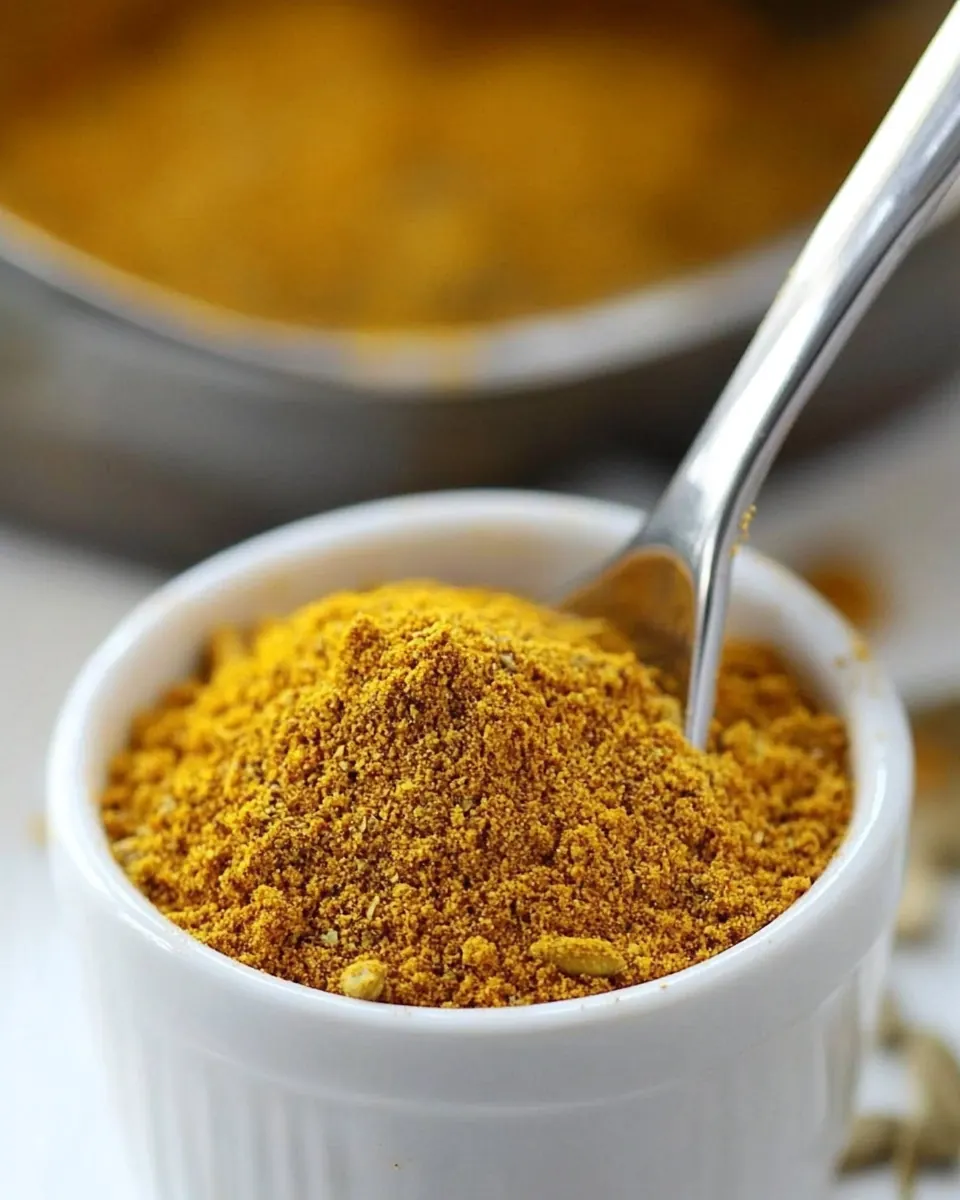
These notes expand on technique and storage, helping you keep your spice blend vibrant and useful. I wrote them from years of trial and adjustments, focusing on common pitfalls and practical tweaks that keep the powder tasting fresh.
- Keep heat low while toasting to draw out essential oils without burning the seeds, which would impart a bitter, harsh flavor.
- Let seeds cool completely before grinding, this prevents moisture buildup and clumping which shortens shelf life and compromises texture.
- Use a dedicated grinder for spices to avoid flavor contamination from coffee or other foods, or thoroughly clean between uses to keep the aroma pure.
- Grind in small batches if your grinder is small, this ensures an even, fine powder rather than a mix of coarse and fine particles.
- Label with a date and use within two months for best aroma and potency, after that it will still work but lose brightness.
Serving Ideas for Homemade Curry Powder
This section outlines many ways to use your freshly made blend, from quick weeknight additions to special occasion uses. The suggestions consider texture, temperature, and pairing with other flavors so you can make the most of your spice jar.
- Sprinkle on roasted vegetables to add warm aromatic notes, try it on roasted cauliflower or carrots for color and depth.
- Stir into lentil soups near the end of cooking to preserve fragrance, it brightens the broth and enriches the profile.
- Use as a dry rub for grilled proteins like chicken or shrimp, applying a light coat before cooking for a flavorful crust.
- Add to marinades with yogurt or oil for meats and vegetables, it infuses with warm spice and enhances tenderness.
- Mix into rice or grain dishes to color and flavor the base, a teaspoon or two goes a long way to transform plain grains.
- Keep a small jar by the stove for quick finishing touches, sprinkling over stews, eggs, or roasted nuts brings instant aroma.
- Include in vegetarian meals for added complexity, it pairs especially well with lentils, chickpeas, and roasted root vegetables.
- Store in a cool dark place away from direct heat to prolong flavor, use within two months for peak freshness.
- Use sparingly when first adding to a dish then adjust, because fresh homemade blends can be more potent than commercial ones.
- Label jars clearly with date and contents so you can rotate stock and keep flavors vibrant across batches.
FAQ
Conclusion
What makes this recipe special is how a few simple pantry ingredients transform into a bright aromatic blend that lifts so many dishes. I encourage you to try making a jar, pay attention to the toasting and cooling stages, and enjoy the immediate difference fresh spice brings. It is an easy ritual that rewards patience and gives you a reliable, versatile seasoning to reach for at a moments notice.
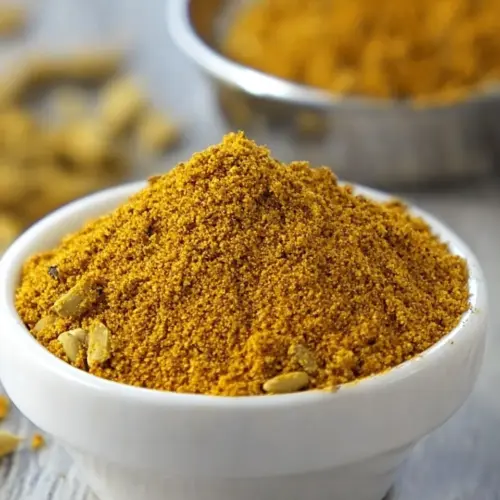
Homemade Curry Powder
Equipment
- Spice or coffee grinder
Ingredients
- 2 teaspoon cumin seeds Add toasted warmth and earthy aroma that anchors the blend; gently fry whole seeds briefly to release oils before grinding. Provide traditional depth and a slightly bitter, smoky backbone that complements brighter spices.
- 2 teaspoon cardamom seeds Lend a sweet floral perfume and bright citrusy notes that lift the overall flavor; lightly crush seeds to expose delicate oils prior to melding. Contribute subtle sweet-spicy complexity that balances heavier spices in the mix.
- 2 teaspoon coriander seeds Offer citrusy, slightly nutty freshness that provides a clean, bright counterpoint to warm spices; dry-roast seeds to enhance their essential oils and flavor. Bring a versatile base note that rounds out the curry powder and supports both savory and aromatic elements.
- 1 tablespoon plus 1 teaspoon ground turmeric Impart vivid color and mild earthy bitterness that defines classic curry powder; measure carefully since its intensity can dominate the blend. Supply anti-inflammatory properties and a warm, slightly pungent foundation that visually and flavorfully anchors the mix.
- 1 teaspoon dry mustard Deliver sharp, tangy pungency that cuts through richness and adds zip to the blend; use sparingly to avoid overpowering subtler notes. Act as a brightening spice that enhances overall balance and gives a characteristic piquant edge.
- 1/2 teaspoon cayenne pepper Provide concentrated heat and bright chili spice that enlivens the mixture; adjust quantity to control overall spiciness. Introduce a warming finish that heightens flavors without masking aromatic complexities.
Instructions
- In a small to medium saucepan or skillet over low-medium heat, add the cumin, cardamom, and coriander seeds and toast them until they are fragrant, about 2 to 3 minutes.: The moment the seeds begin to crackle you will notice a wave of warm aroma, bright and nutty for cumin , citrusy for coriander , and floral for cardamom . Listen for the faint popping and watch the seeds darken just a touch, not becoming black. This step unlocks essential oils, improving both aroma and flavor. If the seeds begin to smoke, remove the pan immediately, because burnt spices turn bitter and will ruin the blend. Move the pan gently in small circles to ensure even toasting and keep the flame low so you control the color development.
- Transfer to a small bowl and let cool.: As the seeds cool you will sense the aroma mellow and become more complex. Cooling is crucial because grinding hot seeds releases steam, which can make the final powder clump or alter the texture. I always spread them on a shallow bowl so they cool quickly and evenly. A common error is grinding while warm, which produces a paste like texture and reduces shelf life. Wait until the seeds are completely cool to the touch before proceeding.
- Add the turmeric, mustard powder, and cayenne and mix to combine.: The bright yellow of the turmeric will stand out visually, and the dry mustard adds a faintly sharp, tangy aroma while the cayenne pepper brings a subtle heat. Mixing dry spices before grinding helps distribute fine particles evenly, so each spoonful tastes balanced. The texture at this stage is still granular and aromatic. Avoid adding any moisture, as that can cause clumping and reduce the shelf life. Mix thoroughly with a whisk or spoon until the color and scent are uniform.
- Grind the spices in a spice or coffee grinder.: As you grind, the sound will shift from coarse rattling to a smoother hum, and the fragrance should become intense and immediate. Grind until a fine, even powder forms, pausing to tap down the sides so everything processes uniformly. The fine grind ensures the powder dissolves and melds into dishes without gritty bits. One mistake is overfilling the grinder, which prevents even processing; grind in batches if needed. After grinding, sift if you want an ultra smooth texture, and stir any retained coarse bits back in or re grind them.
- Store in an airtight container for up to 2 months.: When you seal the jar the aroma will concentrate and stay fresher than store bought blends. Keep it in a cool dark cabinet away from heat and sunlight to preserve color and potency. The powder should smell lively when opened, and you will notice the difference in brightness when you use it. A frequent misstep is storing near the stove or a sunny window, which can accelerate flavor loss. Label the jar with the date, and use within two months for peak flavor.
Notes
- Keep heat low while toasting to draw out essential oils without burning the seeds, which would impart a bitter, harsh flavor.
- Let seeds cool completely before grinding, this prevents moisture buildup and clumping which shortens shelf life and compromises texture.
- Use a dedicated grinder for spices to avoid flavor contamination from coffee or other foods, or thoroughly clean between uses to keep the aroma pure.
- Grind in small batches if your grinder is small, this ensures an even, fine powder rather than a mix of coarse and fine particles.
- Label with a date and use within two months for best aroma and potency, after that it will still work but lose brightness.