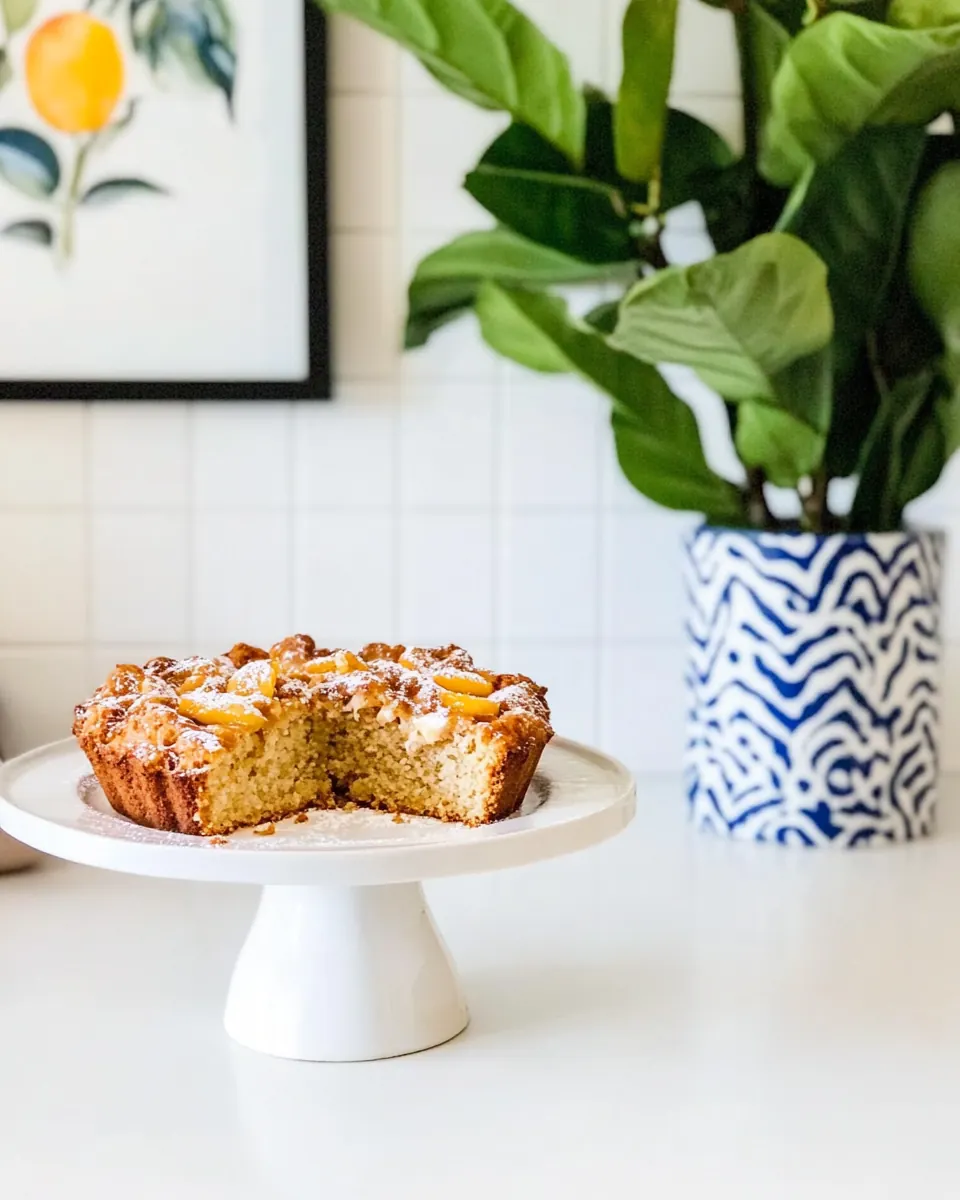
Nectarine Coffee Cake
Nectarine Coffee Cake has been one of those recipes that quietly stole my weekends the moment I first baked it. I remember the summer that the backyard tree collapsed under the weight of fruit, and I ended up with baskets of white nectarines and a stubborn need to turn them into something comforting. I pulled out my favorite springform pan and started adapting a basic batter, and what emerged was a tender, buttery crumb studded with juicier pockets of fruit that made each bite feel like a small celebration.
Every time I make Nectarine Coffee Cake I find myself pausing to take in the warm perfume of baked fruit and butter that fills the kitchen, and then I slice a piece while it is still slightly warm. Friends and family always comment on how the cake manages to be both homey and a little elegant, mainly because the crumb topping browns to crunchy bits that contrast the soft, almost custardy cake underneath. Over the years I have learned small tricks that keep the cake from becoming soggy, and I love sharing those notes because they make the difference between a good cake and a truly memorable one.
Recipe Snapshot
1 hr 20 mins
20 mins
60 mins
Medium
300 kcal
American
Gluten-Free, Low FODMAP
Desserts
9-inch springform pan, Stand mixer with paddle attachment, Medium mixing bowls, Offset spatula
Why This Nectarine Coffee Cake Shines
Peach like freshness without fuss
I adore how Nectarine Coffee Cake captures late summer flavors with minimal effort. The fruit provides a natural, juicy lift while the cake base stays tender, so you get seasonal brightness without complicated prep. I like that you can lean into the fruit, or keep it understated, depending on how ripe your nectarines are.
Textural contrast that sings
The crumb topping creates a small triumph of textures. When warm, the bits of butter mixed with flour and almond meal toast slightly, giving a nuttiness that plays against the soft interior. I always aim for that crackly edge, because it makes each forkful more interesting and satisfying.
Reliable everyday technique
This recipe reads like an everyday cake, yet it behaves like something special when you serve it. The batter is forgiving, and the step of folding in wet and dry components in stages helps maintain a light crumb. I appreciate recipes that reward patience rather than require precision.
Flexible and seasonal
I often swap in other stone fruit when nectarines are out of season. Peaches or plums will do nicely, and the loaf still shines. The adaptability means I reach for this recipe through summer and into early fall, and it never feels repetitive.
Great for sharing
Because it slices beautifully and travels well, I find myself bringing this cake to gatherings often. It appeals across ages, and the straightforward ingredient list means hosts rarely need to worry about dietary complications. I love recipes that make hosting easier while letting the food feel homemade and sincere.
What to Gather for Nectarine Coffee Cake
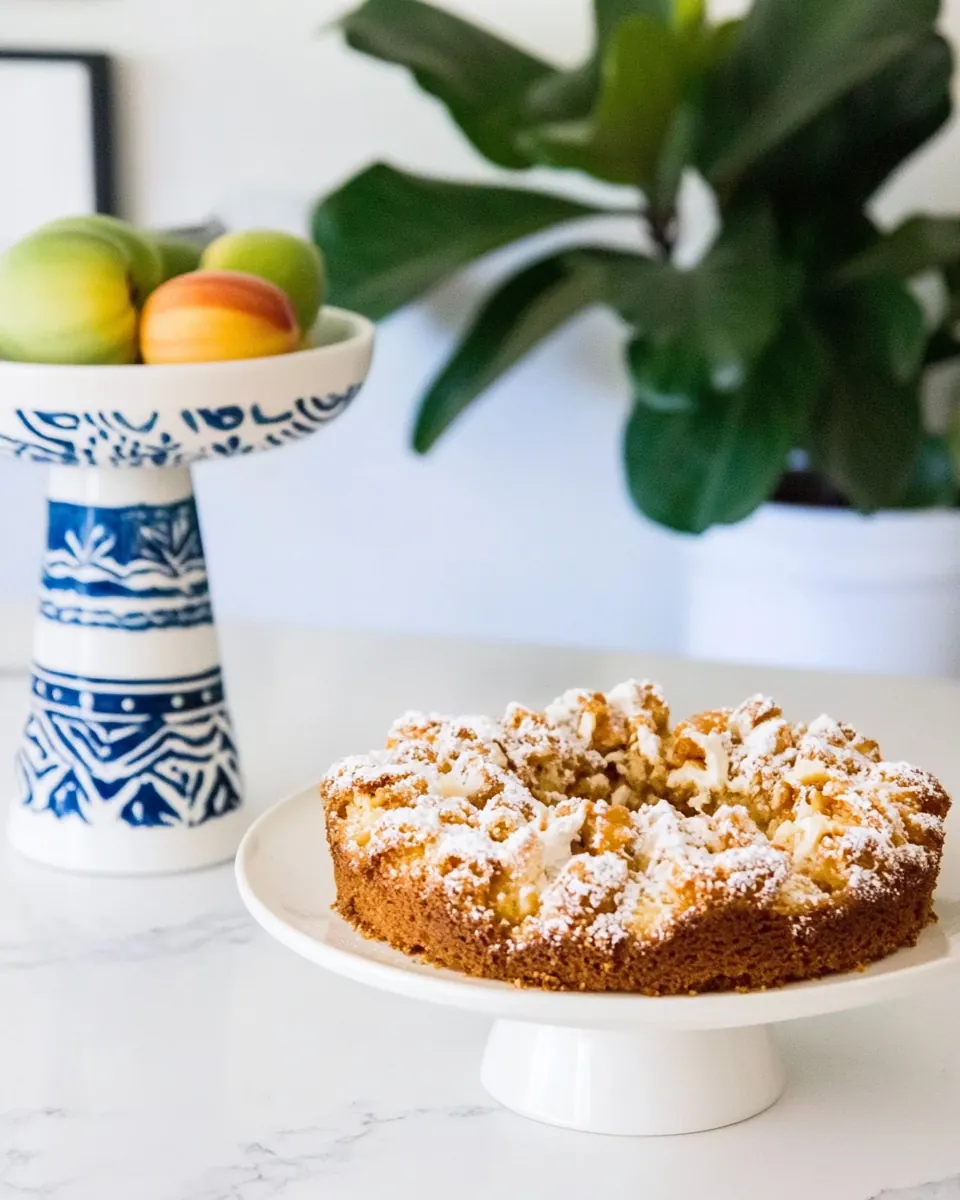
These ingredients form a simple, trustworthy foundation. The combination of all-purpose flour, leaveners, and a balance of fats and dairy creates a tender crumb, while the nectarines and a buttery crumb topping bring juicy brightness and crunchy contrast. Each listed element plays a clear role, from structure to flavor to texture.
- 2 cups all-purpose flour, plus more for the pan: Provide structure and bulk to baked goods, forming the cake’s crumb and supporting leavening agents; sift or whisk to ensure even distribution and avoid lumps when combined with wet ingredients.
- 1 teaspoon baking powder: Act as a leavening accelerator in combination with baking soda, helping the cake rise evenly and contribute lightness to the crumb; measure precisely for proper chemical balance.
- 1 teaspoon baking soda: React with acidic components to produce carbon dioxide, aiding rise and tenderness; distribute evenly through the dry mix to ensure consistent texture throughout the cake.
- 1/2 teaspoon fine grain sea salt: Enhance flavor and control overall seasoning while slightly strengthening gluten; use fine–grain sea salt to ensure it dissolves and seasons the batter uniformly.
- 1 stick (1/2 cup) unsalted butter, at room temperature, plus more for the pan: Provide rich fat for tenderness, moisture, and flavor while aiding creaming with sugar to incorporate air; bring to room temperature so it blends smoothly into the batter.
- 1 cup sugar: Add sweetness and contribute to texture and browning through caramelization; cream with butter to help aerate the batter for a lighter cake.
- 2 eggs: Supply moisture, structure, and emulsification from proteins and lecithin, helping the cake set while contributing richness; beat in individually for even incorporation.
- 1 cup whole milk Greek yogurt: Contribute moisture, tang, and a tender crumb through acidity and fat, while reacting with baking soda for lift; choose whole milk Greek yogurt for creaminess and stability.
- 2 teaspoons vanilla extract: Provide aromatic flavor and enhance sweetness perception, rounding out the cake’s profile; add with wet ingredients to distribute flavor evenly.
- 4 white nectarines (1 1/4 pounds), peeled, pitted and sliced (any stone fruit would work here): Offer fresh, juicy fruit flavor and moisture, adding natural sweetness and a pleasant texture contrast when layered or folded into batter; peel, pit, and slice evenly for consistent baking.
- 5 1/2 tablespoons unsalted butter, softened: Provide a buttery topping component that helps bind streusel or crumble and encourages browning; soften to spread or combine easily with dry topping ingredients.
- 1/2 cup all-purpose flour: Add weight and structure to a crumble or streusel topping, helping create a crisp, tender contrast to the cake; use measured flour to maintain topping texture balance.
- 1/2 cup almond meal, ground almonds: Introduce nutty flavor, tender crumb, and subtle tooth to the topping while contributing fat that improves mouthfeel and browning; use almond meal for an even, moist crumb in the streusel.
- 4 1/2 teaspoons sugar: Contribute focused sweetness to a topping or filling while aiding caramelization and balance against tart fruit; use precise measurement to maintain topping texture.
- 1/2 teaspoon fine grain sea salt: Provide a small amount of seasoning for the topping to balance sweetness and enhance overall flavors; use fine–grain sea salt so it disperses uniformly in the crumble.
Making This Nectarine Coffee Cake
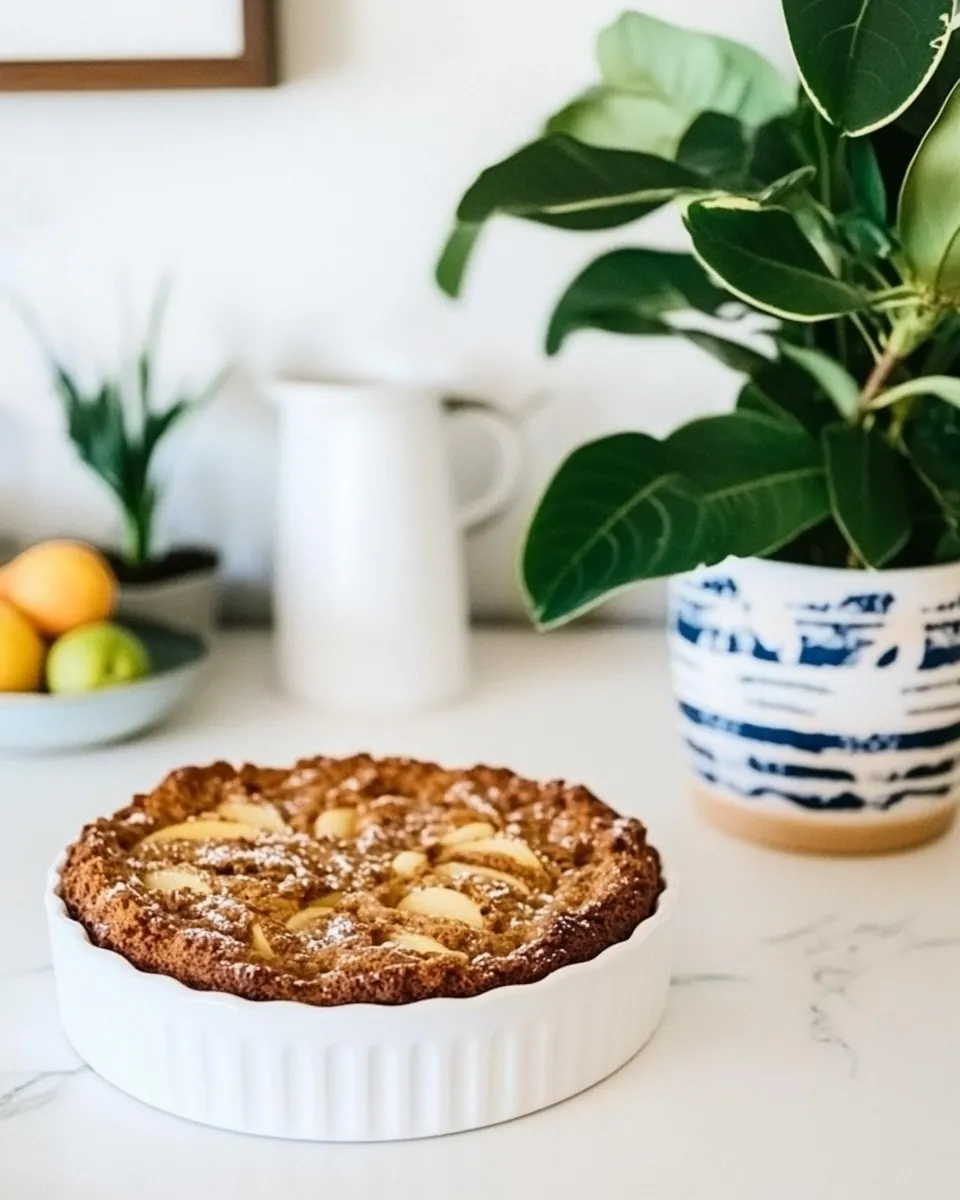
Bringing this cake together is straightforward, but I like to move with intention. Set up your ingredients and take a moment to notice textures and temperatures, because those small observations will guide you through the steps. Keep your workspace tidy, and listen for the subtle changes as ingredients combine.
- Butter and flour a 9-inch springform pan and set aside. Preheat oven to 350°F, and set a rack in the middle position.: The kitchen will smell faintly of butter as you grease the pan, and the flour will cling to the surface to create a dry barrier that prevents sticking; this step matters because it helps the cake release cleanly and preserves its pretty sides. A common mistake is to skip thorough greasing, which can cause the cake to tear when you remove the ring, so take the time to coat evenly and tap out excess flour .
- In a medium bowl, whisk together flour, baking powder, baking soda and salt. In the bowl of a stand mixer fitted with the paddle attachment, beat butter and sugar on medium-high until light and fluffy (about 3 minutes). Beat in eggs 1 at a time until incorporated, scraping down the sides as needed. Beat in the Greek yogurt followed by the vanilla. Add the flour mixture in 2 additions, and mix on low just until incorporated. Scrape the batter into the prepared springform pan, and spread out to an even layer. Top with an even layer of sliced nectarines.: You will feel the warm wave from the oven as it comes up to temperature, and positioning the rack in the middle encourages balanced browning. Preheating ensures the cake begins rising immediately, which affects texture; if you put the batter into a cold oven, it can bake unevenly and produce a dense center.
- In a medium bowl, combine the butter, flour, almond meal, sugar and sea salt, and using your fingers, work the butter into the dry ingredients. The mixture should be uniformly moist with a good mix of small crumbs and bits of butter. Evenly top the nectarines with the crumbs.: As you whisk, the dry ingredients will look uniform and slightly aerated, which helps distribute leavening so the rise is even. This blending prevents pockets of baking soda or powder that could create off flavors or uneven texture; forgetting to whisk thoroughly may result in uneven lift.
- Bake the cake until a toothpick (or skewer) inserted in the center comes out clean and the top is golden brown (55 to 1 hour and 5 minutes). Start testing around 50 minutes. Transfer to a rack to cool for 30 minutes in the pan, then remove the ring, and let cool completely before enjoying with your favorite Green Mountain Coffee® brew.: You will notice the unsalted butter lighten in color and the mixture become airy, with a faint, sweet aroma; this creaming traps tiny air bubbles that support lift and tenderness. Overbeating can break down the structure and incorporate too much air, while underbeating leaves a dense batter, so aim for a pale, fluffy look.
- Beat in eggs 1 at a time until incorporated scraping down the sides as needed: Adding eggs individually creates a glossy, cohesive batter, and scraping the bowl ensures none of the butter or bits stick to the sides, which would result in uneven texture. If you add eggs too quickly or fail to scrape, the mixture may appear curdled; that is often fixable by slowing down and thoroughly mixing until smooth.
- Beat in the Greek yogurt followed by the vanilla: When you fold in the Greek yogurt , the batter will loosen and smell tangy and rich, and the vanilla will introduce warm aromatics. This combination keeps the cake moist and tender; if you rush mixing, you might under-distribute the dairy, leaving streaks or pockets that change the crumb.
- Add the flour mixture in 2 additions and mix on low just until incorporated: Adding the dry mix in two parts helps prevent overworking the flour , which would develop gluten and make the cake tough. Mix on low and stop as soon as you no longer see streaks of flour , because extra mixing will tighten the crumb. A frequent error is vigorous mixing, resulting in a dense, chewy texture rather than a tender cake.
- Scrape the batter into the prepared springform pan and spread out to an even layer: The batter should feel smooth and slightly thick as you spread it, and an even surface helps the fruit sit uniformly and bake at the same rate. Use an offset spatula for a flat top, because uneven batter can cause the fruit to sink in places, producing inconsistent texture across slices.
- Top with an even layer of sliced nectarines: Arrange the peeled and sliced nectarines so they overlap slightly, creating even pockets of fruit; you will see their juices glisten and know they are ripe enough. Even distribution prevents some slices from becoming too moist and others too dry. A common mistake is crowding the fruit, which can trap steam and lead to a soggy patch in the center.
- In a medium bowl combine the butter flour almond meal sugar and sea salt and using your fingers work the butter into the dry ingredients: As you rub the softened unsalted butter into the flour and almond meal , the mixture will transform into a mix of fine crumbs and pea sized bits; this variety is what creates delightful texture once baked. The little buttery pieces will toast in the oven, providing nutty notes and crunch. If you overwork the mixture it can become pasty instead of crumbly, so stop when you have a mix of small crumbs and larger bits.
- The mixture should be uniformly moist with a good mix of small crumbs and bits of butter: You should feel a range of textures between your fingers, and the aroma will be buttery and slightly nutty; this indicates the topping is ready to brown attractively in the oven. Uniform moisture ensures crumbs adhere to the fruit and don’t simply slide off. A common pitfall is leaving the butter too cold or too melted, which prevents forming the right crumb structure.
- Evenly top the nectarines with the crumbs: Scatter the crumb topping over the fruit so it covers most of the surface, leaving some fruit peeking through; this arrangement encourages crunchy peaks where the crumbs are exposed and softer spots where they sit atop fruit. The contrast is the signature of the cake. If you pile the crumbs too thickly in one area, that patch may bake differently, so aim for an even layer.
- Bake the cake until a toothpick or skewer inserted in the center comes out clean and the top is golden brown 55 to 1 hour and 5 minutes: You will watch the top turn a deep golden as the aroma fills the kitchen, and the edges will pull slightly from the pan when ready; testing with a toothpick helps confirm doneness. Start testing near 50 minutes to avoid overbaking, which can dry the crumb. A mistake is relying solely on color for doneness, since ovens vary; always test near the end time.
- Start testing around 50 minutes: The cake may finish earlier or later depending on fruit moisture and oven accuracy, so check for a clean toothpick and gentle spring when pressed. Visual and toothpick cues together tell you the cake is set but still moist. If you remove it too soon it may collapse, while leaving it too long results in a dry texture, so aim for a clean test and slight give.
- Transfer to a rack to cool for 30 minutes in the pan then remove the ring and let cool completely before enjoying with your favorite Green Mountain Coffee brew: Cooling in the pan allows the cake to finish setting while the crumb firms just enough to slice cleanly, and removing the ring after 30 minutes prevents the top from sticking to the edges as it cools. The cake will release its aroma during cooling, and patience here yields neater slices. Cutting while too warm can cause the fruit to smear and the crumb to crumble, so let it cool adequately.
Recipe Tips about Nectarine Coffee Cake
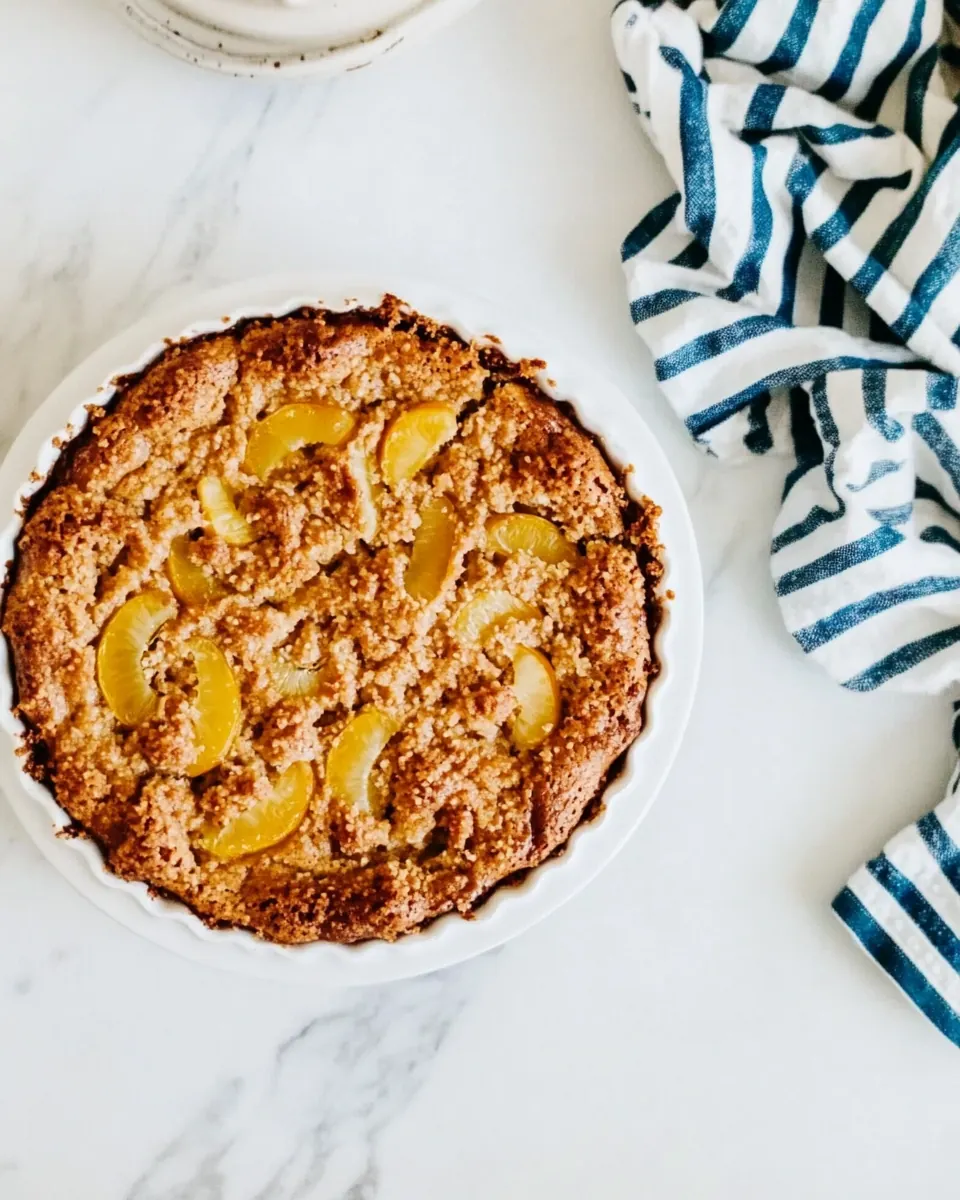
I like to treat this cake as both a weekend project and a quick-showcase for ripe fruit. With a few careful choices you can boost its texture and flavor without changing the core recipe. Below are practical tips I use every time I bake it.
- Room temperature ingredients: Bring unsalted butter and eggs to room temperature so they blend smoothly, which helps the batter trap air and produce a tender crumb.
- Even fruit slices: Slice the nectarines to similar thickness so they bake uniformly, preventing some pieces from drying while others remain underdone.
- Work the crumb by hand: Use your fingers to mix the crumb topping until you see a range of small crumbs and larger bits, this creates the most appealing texture after baking.
- Avoid overmixing: Stir the flour mixture into the wet ingredients on low and stop when streaks disappear to prevent a tough cake.
- Check early for doneness: Start testing at 50 minutes with a toothpick, since fruit juices can lengthen baking time and you want to avoid overdrying.
How to Enjoy Nectarine Coffee Cake
Serve this cake slightly warm or at room temperature, and it will be widely enjoyed across occasions. It is versatile enough for breakfast, brunch, or dessert, and it pairs beautifully with coffee or tea. Store slices chilled for longer keeping, and bring to room temperature before serving for best texture.
- Breakfast or brunch: Offer slices alongside a pot of coffee, the cake sips well with morning drinks and feels indulgent without being heavy.
- Casual dessert: Serve with a dollop of plain yogurt for added tang, balancing the sweet crumb and the fruit.
- Entertaining: Slice into neat wedges to present on a platter, the cake travels well for potlucks and picnics because it holds together.
- Storage: Wrap tightly and refrigerate for up to 4 days, or freeze individual slices for longer keeping; thaw slowly to retain moisture.
- Seasonal pairing: Highlight the fruit by serving in summer or early fall when nectarines are at peak ripeness, the cake will taste brightest then.
FAQ
Conclusion
This cake stands out because it blends tender, yogurt enriched crumb with juicy nectarines and a crunchy almond crumb for contrast. I encourage you to try Nectarine Coffee Cake when stone fruit is at its peak, because the flavors truly sing together and the method is forgiving. It makes an excellent weekend baking project or a wonderful addition to any brunch spread, and once you taste the warm, buttery crumbs against the soft fruit, I think you will find it becoming a seasonal favorite.
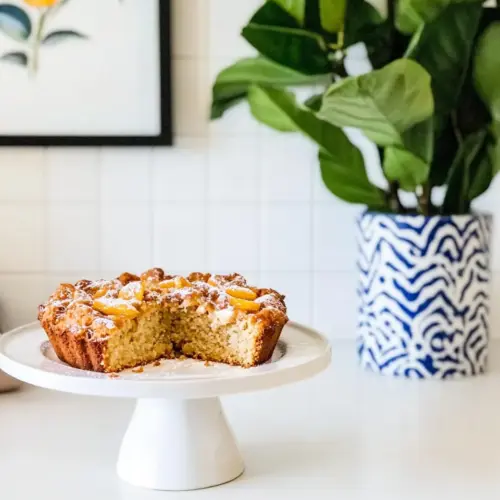
Nectarine Coffee Cake
Equipment
- 9-inch Springform Pan
- Stand mixer with paddle attachment
- medium mixing bowls
- Offset Spatula
Ingredients
- 2 cups all-purpose flour, plus more for the pan Provide structure and bulk to baked goods, forming the cake’s crumb and supporting leavening agents; sift or whisk to ensure even distribution and avoid lumps when combined with wet ingredients.
- 1 teaspoon baking powder Act as a leavening accelerator in combination with baking soda, helping the cake rise evenly and contribute lightness to the crumb; measure precisely for proper chemical balance.
- 1 teaspoon baking soda React with acidic components to produce carbon dioxide, aiding rise and tenderness; distribute evenly through the dry mix to ensure consistent texture throughout the cake.
- 1/2 teaspoon fine grain sea salt Enhance flavor and control overall seasoning while slightly strengthening gluten; use fine-grain sea salt to ensure it dissolves and seasons the batter uniformly.
- 1 stick (1/2 cup) unsalted butter, at room temperature, plus more for the pan Provide rich fat for tenderness, moisture, and flavor while aiding creaming with sugar to incorporate air; bring to room temperature so it blends smoothly into the batter.
- 1 cup sugar Add sweetness and contribute to texture and browning through caramelization; cream with butter to help aerate the batter for a lighter cake.
- 2 eggs Supply moisture, structure, and emulsification from proteins and lecithin, helping the cake set while contributing richness; beat in individually for even incorporation.
- 1 cup whole milk Greek yogurt Contribute moisture, tang, and a tender crumb through acidity and fat, while reacting with baking soda for lift; choose whole milk Greek yogurt for creaminess and stability.
- 2 teaspoons vanilla extract Provide aromatic flavor and enhance sweetness perception, rounding out the cake’s profile; add with wet ingredients to distribute flavor evenly.
- 4 white nectarines (1 1/4 pounds), peeled, pitted and sliced (any stone fruit would work here) Offer fresh, juicy fruit flavor and moisture, adding natural sweetness and a pleasant texture contrast when layered or folded into batter; peel, pit, and slice evenly for consistent baking.
- 5 1/2 tablespoons unsalted butter, softened Provide a buttery topping component that helps bind streusel or crumble and encourages browning; soften to spread or combine easily with dry topping ingredients.
- 1/2 cup all-purpose flour Add weight and structure to a crumble or streusel topping, helping create a crisp, tender contrast to the cake; use measured flour to maintain topping texture balance.
- 1/2 cup almond meal, ground almonds Introduce nutty flavor, tender crumb, and subtle tooth to the topping while contributing fat that improves mouthfeel and browning; use almond meal for an even, moist crumb in the streusel.
- 4 1/2 teaspoons sugar Contribute focused sweetness to a topping or filling while aiding caramelization and balance against tart fruit; use precise measurement to maintain topping texture.
- 1/2 teaspoon fine grain sea salt Provide a small amount of seasoning for the topping to balance sweetness and enhance overall flavors; use fine-grain sea salt so it disperses uniformly in the crumble.
Instructions
- Butter and flour a 9-inch springform pan and set aside. Preheat oven to 350°F, and set a rack in the middle position.: The kitchen will smell faintly of butter as you grease the pan, and the flour will cling to the surface to create a dry barrier that prevents sticking; this step matters because it helps the cake release cleanly and preserves its pretty sides. A common mistake is to skip thorough greasing, which can cause the cake to tear when you remove the ring, so take the time to coat evenly and tap out excess flour .
- In a medium bowl, whisk together flour, baking powder, baking soda and salt. In the bowl of a stand mixer fitted with the paddle attachment, beat butter and sugar on medium-high until light and fluffy (about 3 minutes). Beat in eggs 1 at a time until incorporated, scraping down the sides as needed. Beat in the Greek yogurt followed by the vanilla. Add the flour mixture in 2 additions, and mix on low just until incorporated. Scrape the batter into the prepared springform pan, and spread out to an even layer. Top with an even layer of sliced nectarines.: You will feel the warm wave from the oven as it comes up to temperature, and positioning the rack in the middle encourages balanced browning. Preheating ensures the cake begins rising immediately, which affects texture; if you put the batter into a cold oven, it can bake unevenly and produce a dense center.
- In a medium bowl, combine the butter, flour, almond meal, sugar and sea salt, and using your fingers, work the butter into the dry ingredients. The mixture should be uniformly moist with a good mix of small crumbs and bits of butter. Evenly top the nectarines with the crumbs.: As you whisk, the dry ingredients will look uniform and slightly aerated, which helps distribute leavening so the rise is even. This blending prevents pockets of baking soda or powder that could create off flavors or uneven texture; forgetting to whisk thoroughly may result in uneven lift.
- Bake the cake until a toothpick (or skewer) inserted in the center comes out clean and the top is golden brown (55 to 1 hour and 5 minutes). Start testing around 50 minutes. Transfer to a rack to cool for 30 minutes in the pan, then remove the ring, and let cool completely before enjoying with your favorite Green Mountain Coffee® brew.: You will notice the unsalted butter lighten in color and the mixture become airy, with a faint, sweet aroma; this creaming traps tiny air bubbles that support lift and tenderness. Overbeating can break down the structure and incorporate too much air, while underbeating leaves a dense batter, so aim for a pale, fluffy look.
- Beat in eggs 1 at a time until incorporated scraping down the sides as needed: Adding eggs individually creates a glossy, cohesive batter, and scraping the bowl ensures none of the butter or bits stick to the sides, which would result in uneven texture. If you add eggs too quickly or fail to scrape, the mixture may appear curdled; that is often fixable by slowing down and thoroughly mixing until smooth.
- Beat in the Greek yogurt followed by the vanilla: When you fold in the Greek yogurt , the batter will loosen and smell tangy and rich, and the vanilla will introduce warm aromatics. This combination keeps the cake moist and tender; if you rush mixing, you might under-distribute the dairy, leaving streaks or pockets that change the crumb.
- Add the flour mixture in 2 additions and mix on low just until incorporated: Adding the dry mix in two parts helps prevent overworking the flour , which would develop gluten and make the cake tough. Mix on low and stop as soon as you no longer see streaks of flour , because extra mixing will tighten the crumb. A frequent error is vigorous mixing, resulting in a dense, chewy texture rather than a tender cake.
- Scrape the batter into the prepared springform pan and spread out to an even layer: The batter should feel smooth and slightly thick as you spread it, and an even surface helps the fruit sit uniformly and bake at the same rate. Use an offset spatula for a flat top, because uneven batter can cause the fruit to sink in places, producing inconsistent texture across slices.
- Top with an even layer of sliced nectarines: Arrange the peeled and sliced nectarines so they overlap slightly, creating even pockets of fruit; you will see their juices glisten and know they are ripe enough. Even distribution prevents some slices from becoming too moist and others too dry. A common mistake is crowding the fruit, which can trap steam and lead to a soggy patch in the center.
- In a medium bowl combine the butter flour almond meal sugar and sea salt and using your fingers work the butter into the dry ingredients: As you rub the softened unsalted butter into the flour and almond meal , the mixture will transform into a mix of fine crumbs and pea sized bits; this variety is what creates delightful texture once baked. The little buttery pieces will toast in the oven, providing nutty notes and crunch. If you overwork the mixture it can become pasty instead of crumbly, so stop when you have a mix of small crumbs and larger bits.
- The mixture should be uniformly moist with a good mix of small crumbs and bits of butter: You should feel a range of textures between your fingers, and the aroma will be buttery and slightly nutty; this indicates the topping is ready to brown attractively in the oven. Uniform moisture ensures crumbs adhere to the fruit and don’t simply slide off. A common pitfall is leaving the butter too cold or too melted, which prevents forming the right crumb structure.
- Evenly top the nectarines with the crumbs: Scatter the crumb topping over the fruit so it covers most of the surface, leaving some fruit peeking through; this arrangement encourages crunchy peaks where the crumbs are exposed and softer spots where they sit atop fruit. The contrast is the signature of the cake. If you pile the crumbs too thickly in one area, that patch may bake differently, so aim for an even layer.
- Bake the cake until a toothpick or skewer inserted in the center comes out clean and the top is golden brown 55 to 1 hour and 5 minutes: You will watch the top turn a deep golden as the aroma fills the kitchen, and the edges will pull slightly from the pan when ready; testing with a toothpick helps confirm doneness. Start testing near 50 minutes to avoid overbaking, which can dry the crumb. A mistake is relying solely on color for doneness, since ovens vary; always test near the end time.
- Start testing around 50 minutes: The cake may finish earlier or later depending on fruit moisture and oven accuracy, so check for a clean toothpick and gentle spring when pressed. Visual and toothpick cues together tell you the cake is set but still moist. If you remove it too soon it may collapse, while leaving it too long results in a dry texture, so aim for a clean test and slight give.
- Transfer to a rack to cool for 30 minutes in the pan then remove the ring and let cool completely before enjoying with your favorite Green Mountain Coffee brew: Cooling in the pan allows the cake to finish setting while the crumb firms just enough to slice cleanly, and removing the ring after 30 minutes prevents the top from sticking to the edges as it cools. The cake will release its aroma during cooling, and patience here yields neater slices. Cutting while too warm can cause the fruit to smear and the crumb to crumble, so let it cool adequately.
Notes
- Room temperature ingredients: Bring unsalted butter and eggs to room temperature so they blend smoothly, which helps the batter trap air and produce a tender crumb.
- Even fruit slices: Slice the nectarines to similar thickness so they bake uniformly, preventing some pieces from drying while others remain underdone.
- Work the crumb by hand: Use your fingers to mix the crumb topping until you see a range of small crumbs and larger bits, this creates the most appealing texture after baking.
- Avoid overmixing: Stir the flour mixture into the wet ingredients on low and stop when streaks disappear to prevent a tough cake.
- Check early for doneness: Start testing at 50 minutes with a toothpick, since fruit juices can lengthen baking time and you want to avoid overdrying.