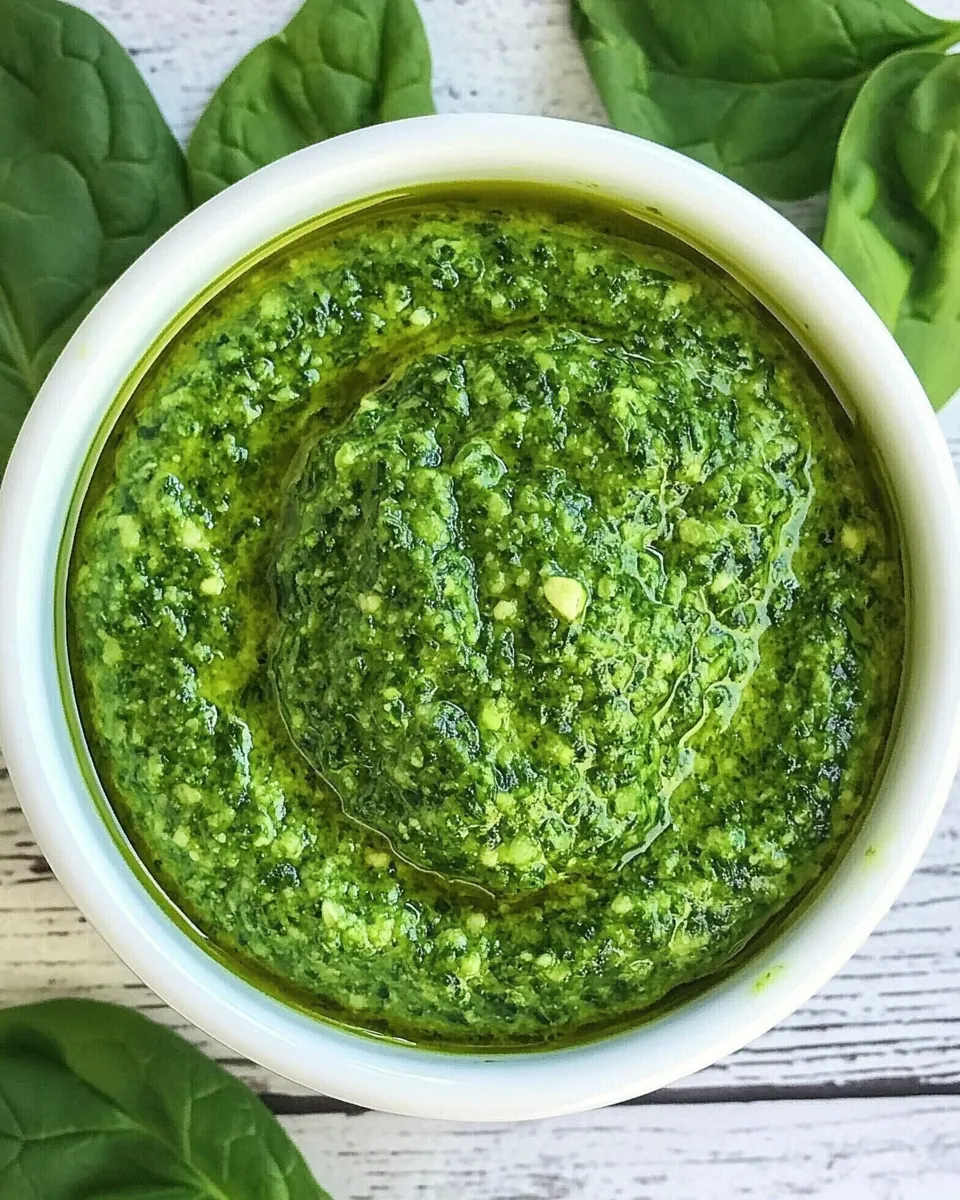
Spinach Basil Pesto
Spinach Basil Pesto is the kind of simple sauce I reach for when I want big flavor with almost no fuss. The first time I made this, I had a crowded fridge and a craving for something bright and herby, so I tossed a bunch of greens into my food processor and watched a humble pile of spinach and basil transform into something silky and unapologetically green. I still remember the way the kitchen filled with the fresh aroma of basil as the blades whirred, and how a spoonful tasted like summer in a jar.
I tend to keep a jar on hand, because you never know when a lazy lunch moment will call. Slathered on toasted bread, stirred into hot pasta, or spooned over roasted vegetables, this sauce is endlessly useful. When friends drop by unexpectedly, I no longer scramble for something fancy, I simply pull out the pesto and let it do the talking. Over time I adjusted small things, like the balance of lemon to olive oil, until it felt just right to my palate. Each batch I make now carries those tiny refinements, and every time I open the fridge I get that same little thrill.
Recipe Snapshot
5 mins
5 mins
Easy
200 kcal
Italian
Keto, Gluten-Free
Appetizers
Food processor, Spatula, Measuring spoons
The Best Thing About This Spinach Basil Pesto
Bright flavor without the fuss
I love how Spinach Basil Pesto delivers a burst of fresh, herbaceous taste from just a handful of ingredients. The basil gives that classic pesto perfume, while the spinach adds body and a milder green note, so you get complexity without overpowering heat. It’s perfect when I want something that tastes like summer, any day of the week.
Versatility is a big win
I’ve used this sauce on pasta, as a spread, and even as a quick dressing for a grain bowl. Its versatility means one recipe opens many doors, which is why I always make extra to keep on hand. You can change how you use it based on what you have, and it still sings.
Fast and forgiving
This recipe comes together in minutes, so it fits right into busy evenings or last minute meals. The texture is forgiving meaning if you want it thinner or chunkier you can control the olive oil amount and processing time. That flexibility makes it a dependable option when I have variable ingredient quantities.
Nut free and friendly
Because this version skips nuts, it works for guests with allergies, and it still keeps the creamy mouthfeel thanks to the balance of olive oil and Parmesan cheese. I appreciate being able to bring something to a gathering that most people can eat safely.
Store friendly and make ahead
I often make a double batch because it stores beautifully in the fridge and freezes well. Having jars ready reduces stress on busy days, and it also makes entertaining effortless since a spoonful instantly upgrades simple dishes. Small conveniences like this keep me cooking at home more often.
Key Ingredients for Spinach Basil Pesto
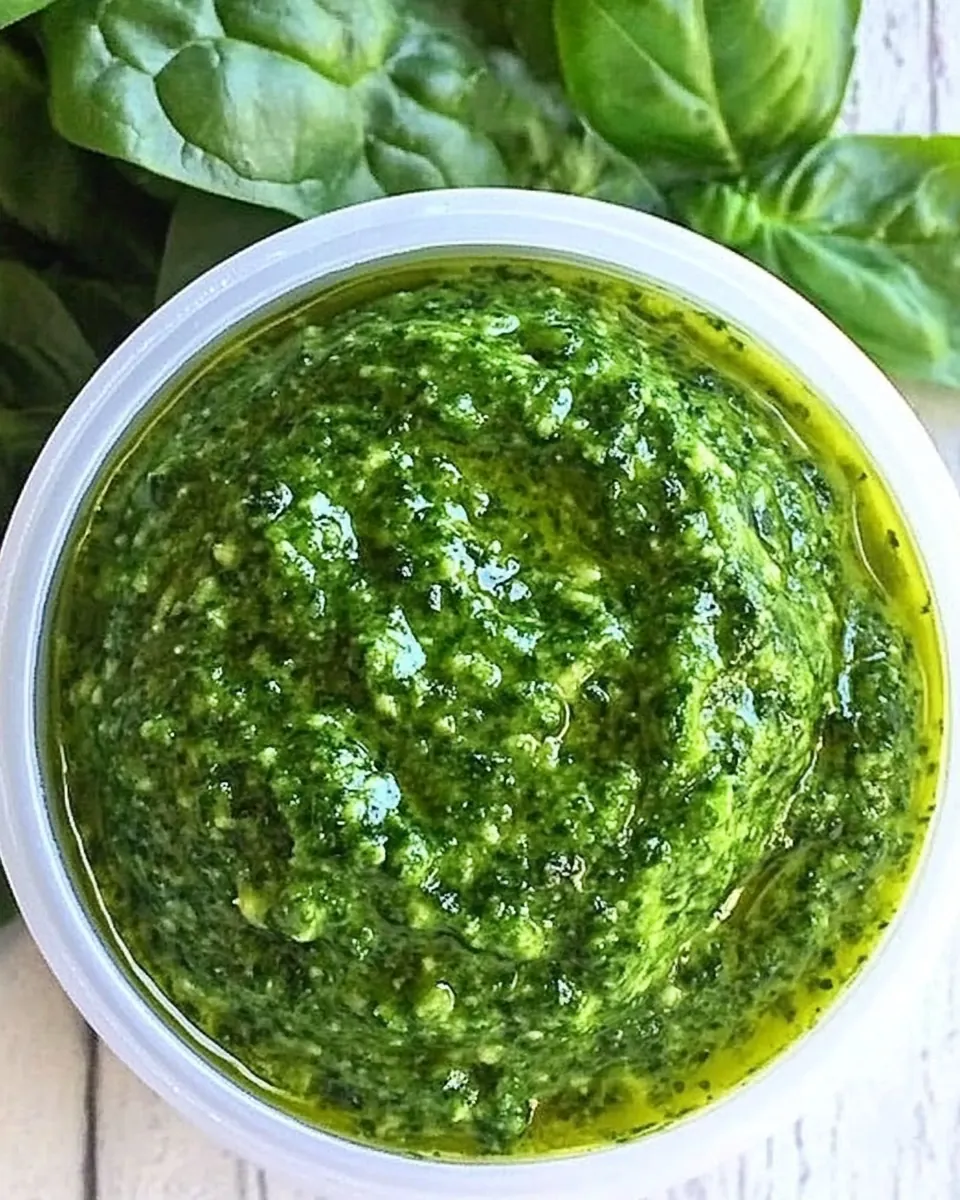
The philosophy behind this ingredient list is balance. I rely on vibrant herbs for aroma, leafy spinach for volume and a gentle green taste, and olive oil plus Parmesan cheese for luscious texture. Each element supports the others so the final pesto is bright, silky, and versatile. Below I walk through the key players and why they matter.
- 1/2 cup olive oil: Adds a smooth, fruity base and helps emulsify the pesto for a glossy, spreadable texture; coats the herbs to preserve freshness and carry flavors. Also adds healthy fats that enhance mouthfeel and help dissolve fat-soluble aroma compounds.
- 4 cups packed spinach leaves: Provides vibrant color and a mild, earthy vegetal backbone that lightens the intensity of basil while increasing volume. Contributes vitamins and minerals along with a tender leaf texture when blended into the sauce.
- 2 cups packed basil leaves: Delivers aromatic, sweet, and peppery notes that form the characteristic flavor profile of pesto; strongly influences aroma and overall herbaceousness. Adds essential oils that pair with olive oil to create a fragrant, savory spread.
- 2 cloves garlic: Imparts pungent, savory heat that brightens and anchors the herb flavors; helps create depth and balance by adding sharpness. Releases aromatic sulfur compounds when crushed, which amplify the overall savory profile.
- 2 tablespoons lemon juice: Adds bright acidity to lift and balance the richness of oil and cheese while preserving the green color of the herbs. Helps round out flavors and gives a fresh, zesty finish to the pesto.
- 1/4 cups shredded Parmesan cheese: Contributes savory, umami richness and a slightly salty, nutty complexity that enhances overall depth; helps thicken and bind the sauce. Melts into the mix to provide a rounded, cheesy backbone without overwhelming the herbs.
- 1/2 teaspoons salt: Adds saline seasoning that enhances and balances all other flavors, controlling overall taste intensity; helps bring out the natural sweetness of the herbs. Should be adjusted to taste to avoid overpowering the pesto.
- 1/4 teaspoon black pepper: Provides subtle warmth and a slight bitterness that complements the herbs and cheese while adding a gentle spice note. Balances the sauce and adds complexity without dominating the bright, fresh flavors.
Making Spinach Basil Pesto
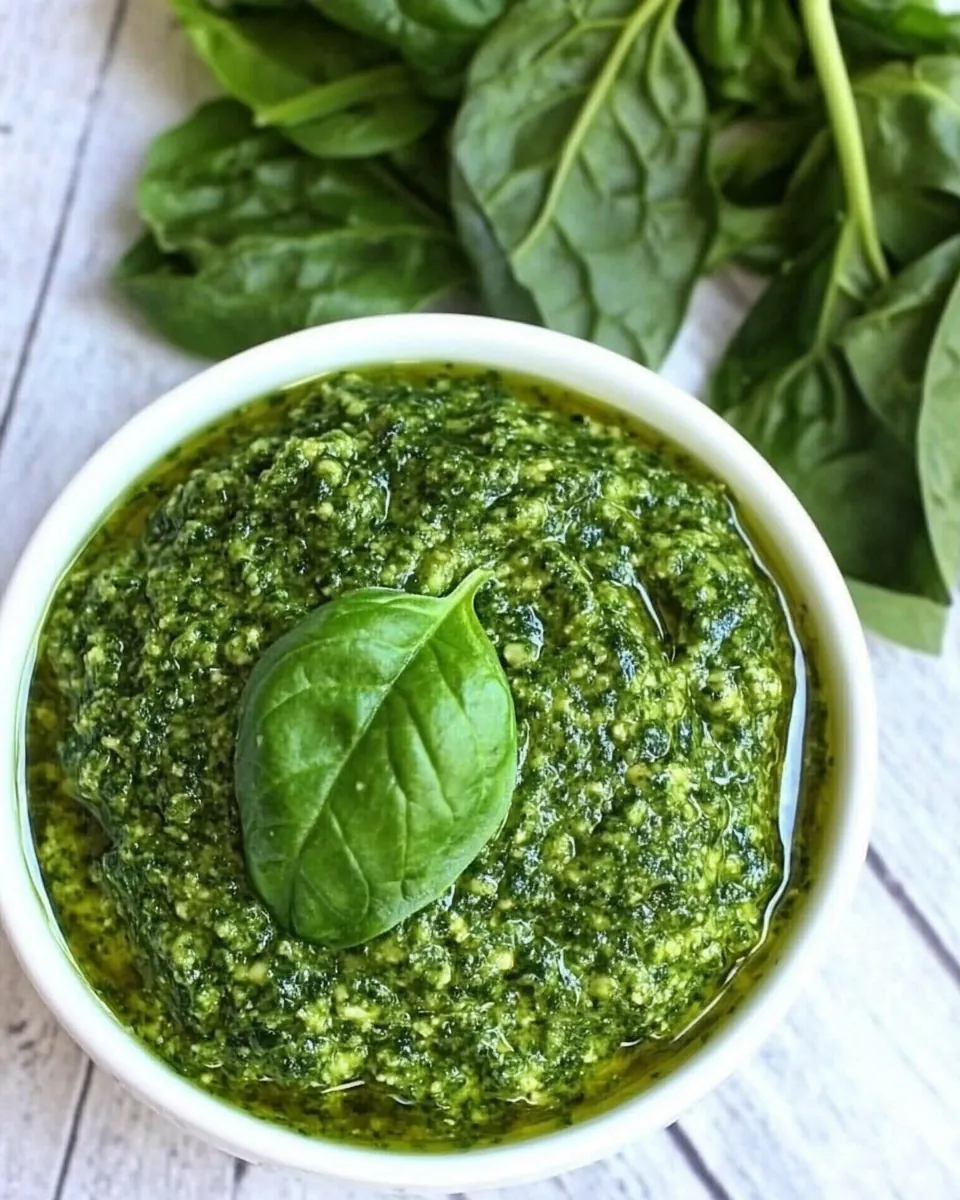
This recipe is incredibly quick, and the directions are straightforward, but a few small techniques make a big difference in texture and flavor. Below I expand each direction into detailed steps so you can achieve a smooth, vibrant pesto every time.
- Place the olive oil, spinach, basil, garlic, lemon juice, parmesan cheese, salt, and pepper in a food processor or blender. Turn on the machine and blend for 30 seconds. Stop and scrape with a spatula and blend again until smooth. Taste and add more salt and pepper, if necessary.: As you gather the ingredients you will notice the contrast between the glossy olive oil and the matte green of the spinach and basil . Loading them into the bowl distributes ingredients so the blades can work evenly. The basil's aroma will already begin to rise, while the garlic promises a sharper scent. This initial arrangement matters because it prevents pockets of dry herb that can stick to the sides. A frequent error is overcrowding the processor which leads to uneven processing, so give the blades room to move.
- Serve with pasta, veggies, chicken, fish, as a spread, etc. Store the pesto in a jar or container in the fridge for up to 2 weeks. This pesto also freezes well. Enjoy!: In those first seconds you will hear the blades shift from a thud to a steady whir and see the mixture break down into a coarse green mass. The sound will be a steady hum, and the smell of basil and garlic will intensify. This first blitz shreds the leaves and begins to emulsify the oil, which is important for developing a cohesive texture. Avoid the temptation to run the machine too long here, as sustained heat from the motor can warm the greens and dull their color.
- Stop and scrape with a spatula and blend again until smooth: When you stop, use a spatula to collect any bits clinging to the bowl; they often hold the most concentrated flavors. After scraping, blend again in short pulses until the texture is uniformly smooth. You should see a glossy green paste that moves like soft butter. If you need it thinner, add a tablespoon of olive oil at a time. A common mistake is failing to scrape, which leaves lumps and prevents a truly smooth finish.
- Taste and add more salt and pepper, if necessary: At this stage the aroma will be quite bright and the flavors will be layered. Spoon a small taste and consider whether the Parmesan cheese provided enough salt or if you want more lemon juice for acidity. Adding seasoning bit by bit keeps the balance intact. Over-salting is easy, so adjust cautiously and remember you can always add more but you cannot take it away.
- Serve with pasta, veggies, chicken, fish, as a spread, etc: Once the pesto is finished you will notice a glossy sheen and a concentrated green scent. When tossed with warm pasta the sauce will thin slightly and coat each strand, releasing its aroma. Spooned onto roasted veggies or as a sandwich spread it adds a fresh lift. Heat can change texture, so add it at the end of cooking to preserve color and bright flavor. A misstep here is exposing the pesto to prolonged high heat which can make it lose its vividness.
- Store the pesto in a jar or container in the fridge for up to 2 weeks: Transfer the pesto to an airtight jar and smooth the top, then pour a thin layer of olive oil over the surface to minimize oxidation. Stored properly the pesto keeps its vibrant color and flavor for days, and the fridge coldness helps flavors meld. Remember to use a clean spoon to avoid contamination. The typical mistake is leaving air gaps in the container, which accelerates browning.
- This pesto also freezes well: For longer storage portion the pesto into an ice cube tray or small jars, then freeze until solid. Frozen cubes are convenient for single servings, and when you drop one into hot pasta it melts quickly, releasing its flavor. Label containers with the date so you use the oldest first. A common hiccup is thawing at room temperature which can encourage separation, so thaw gently in the fridge or stir while warming.
- Enjoy: When you scoop a spoonful you will be greeted by a bright herby fragrance and a creamy texture that spreads easily. The finishing touch is noticing how the interplay of basil , spinach , garlic , and Parmesan cheese creates a balanced sauce. If the texture or flavor is slightly off, small adjustments like extra olive oil or a squeeze of lemon juice make it right quickly. The typical error is expecting perfection on the first attempt; each batch teaches you more about your machine and taste.
Ways to Adapt This Recipe
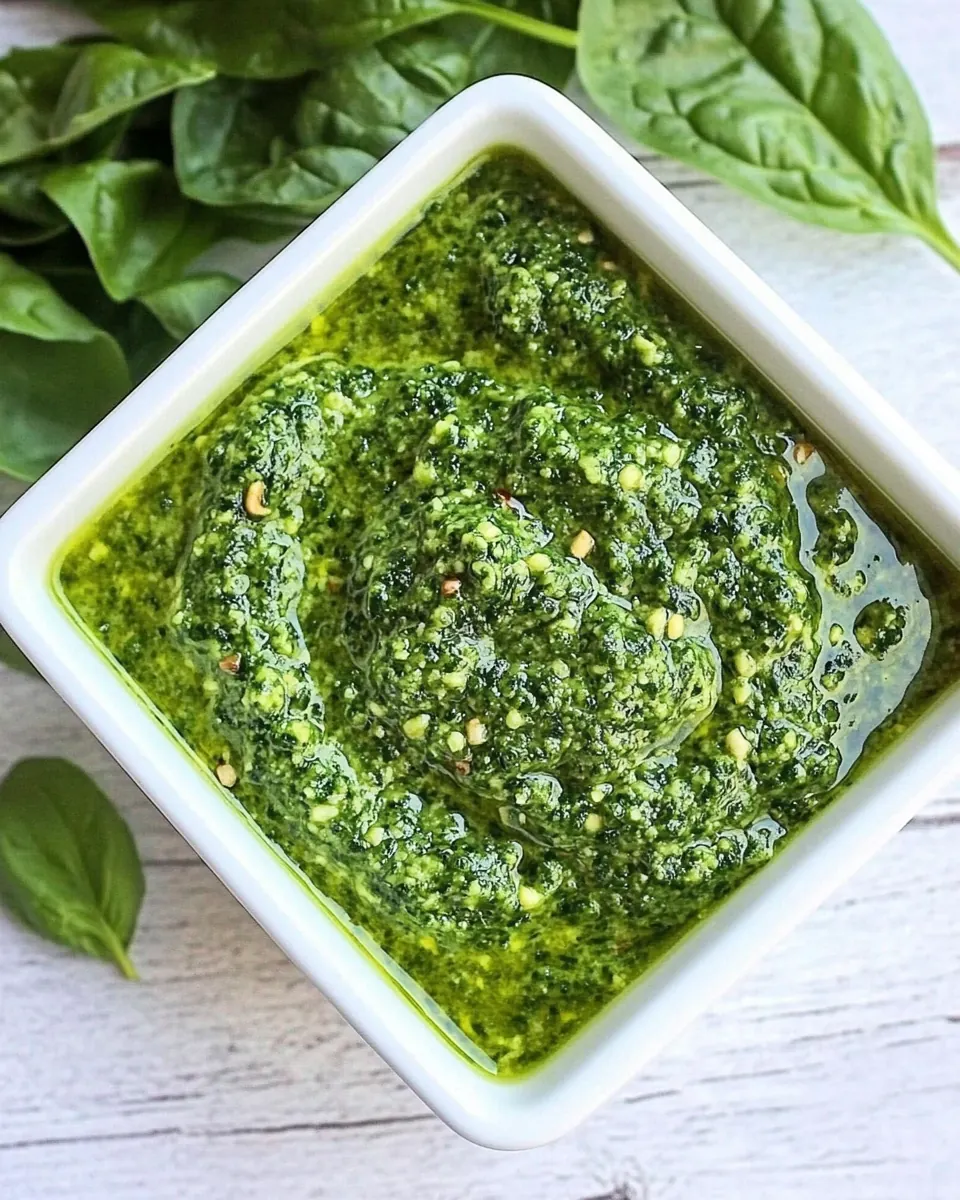
This section offers practical, creative adaptations so you can tailor Spinach Basil Pesto to your pantry and preferences. Each tip begins with a strong highlighted phrase and then expands on how to implement the idea while preserving the pesto’s core character.
- Make it thinner — If you prefer a pourable pesto for dressings or drizzling, stir in extra olive oil one tablespoon at a time until you reach the desired texture; warming the oil slightly helps it incorporate more smoothly without watering down flavor.
- Adjust garlic intensity — For a milder garlic presence use a single garlic clove or roast the cloves first, which softens the sharpness and adds a gentle caramel note that pairs beautifully with the herbs.
- Pack it for later — Portion pesto into small jars or an ice cube tray then freeze; this makes it easy to thaw single servings and prevents waste while preserving most of the fresh flavor.
- Boost the umami — If you want a stronger savory depth, increase the amount of Parmesan cheese slightly and taste as you go, keeping in mind that the cheese also adds salt so adjust salt accordingly.
- Brighten with lemon — If the pesto tastes a little flat, a teaspoon of extra lemon juice will lift the flavors and refresh the green notes, especially after refrigeration when flavors can mellow.
- Serve warm or cold — Add the pesto at the end of cooking to keep its color and aroma intact; when adding to hot dishes, remove from heat first and stir in gently to preserve the fresh herb character.
- Scale safely — When doubling the recipe, blend in batches to maintain an even texture and prevent the processor from overheating; blending too much at once can produce a bitter-tasting result.
What to Serve Alongside Spinach Basil Pesto
Spinach Basil Pesto is highly adaptable when it comes to pairing. Whether you want a light lunch, a comforting dinner, or something special for guests, this pesto can elevate many dishes. Below are ideas for sides, occasions, and storage notes, formatted as a practical list.
- With pasta — Toss the pesto with hot pasta and a splash of the reserved cooking water to create a glossy sauce that clings to each strand; serve as a simple main for weeknights or dressed up with roasted vegetables for company.
- As a spread — Use the pesto on toasted bread or sandwiches to add a vibrant layer of flavor, perfect for casual lunches or picnics where you want something easy yet flavorful.
- With vegetables — Spoon over grilled or roasted veggies to bring an herbal lift to sweeter root vegetables or a contrast to charred summer produce, making it great for seasonal sides.
- For proteins — A dollop beside chicken or fish adds freshness and ties a meal together; add it at the end of cooking to preserve the pesto’s color and brightness when serving warm proteins.
- Occasions — This pesto is ideal for casual family dinners, outdoor gatherings, and holiday buffets where you need make ahead options; its nut free profile makes it comfortable to bring to shared tables.
- Storage tips — Keep refrigerated for up to two weeks with a thin layer of olive oil on top; for longer storage, freeze in portions and label with dates to ensure best quality.
- Seasonal pairing — In spring serve it with tender grilled asparagus or new potatoes, while in summer it pairs beautifully with ripe tomatoes and fresh mozzarella style dishes when using as a condiment.
FAQ
Conclusion
This Spinach Basil Pesto shines because it turns a few fresh ingredients into a concentrated, versatile sauce that livens up many dishes. Its nut free profile and quick preparation make it a reliable go to for busy cooks and hosts alike. Give it a try this week: blend a batch, taste and tweak, then enjoy how a spoonful can transform pasta, sandwiches, and roasted vegetables. Keep a jar in the fridge and you will be surprised how often it becomes the secret ingredient that pulls meals together.
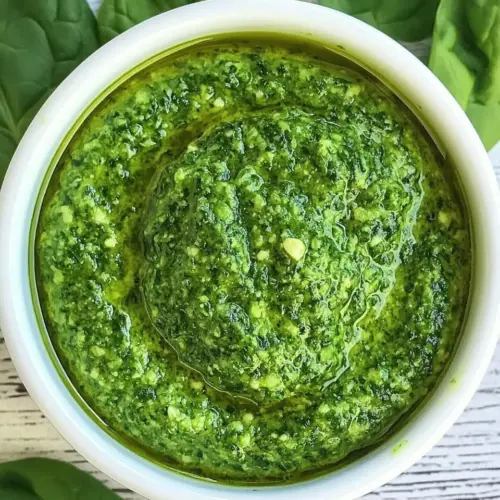
Spinach Basil Pesto
Equipment
- Food Processor
- Spatula
- Measuring Spoons
Ingredients
- 1/2 cup olive oil Adds a smooth, fruity base and helps emulsify the pesto for a glossy, spreadable texture; coats the herbs to preserve freshness and carry flavors. Also adds healthy fats that enhance mouthfeel and help dissolve fat-soluble aroma compounds.
- 4 cups packed spinach leaves Provides vibrant color and a mild, earthy vegetal backbone that lightens the intensity of basil while increasing volume. Contributes vitamins and minerals along with a tender leaf texture when blended into the sauce.
- 2 cups packed basil leaves Delivers aromatic, sweet, and peppery notes that form the characteristic flavor profile of pesto; strongly influences aroma and overall herbaceousness. Adds essential oils that pair with olive oil to create a fragrant, savory spread.
- 2 cloves garlic Imparts pungent, savory heat that brightens and anchors the herb flavors; helps create depth and balance by adding sharpness. Releases aromatic sulfur compounds when crushed, which amplify the overall savory profile.
- 2 tablespoons lemon juice Adds bright acidity to lift and balance the richness of oil and cheese while preserving the green color of the herbs. Helps round out flavors and gives a fresh, zesty finish to the pesto.
- 1/4 cups shredded Parmesan cheese Contributes savory, umami richness and a slightly salty, nutty complexity that enhances overall depth; helps thicken and bind the sauce. Melts into the mix to provide a rounded, cheesy backbone without overwhelming the herbs.
- 1/2 teaspoons salt Adds saline seasoning that enhances and balances all other flavors, controlling overall taste intensity; helps bring out the natural sweetness of the herbs. Should be adjusted to taste to avoid overpowering the pesto.
- 1/4 teaspoon black pepper Provides subtle warmth and a slight bitterness that complements the herbs and cheese while adding a gentle spice note. Balances the sauce and adds complexity without dominating the bright, fresh flavors.
Instructions
- Place the olive oil, spinach, basil, garlic, lemon juice, parmesan cheese, salt, and pepper in a food processor or blender. Turn on the machine and blend for 30 seconds. Stop and scrape with a spatula and blend again until smooth. Taste and add more salt and pepper, if necessary.: As you gather the ingredients you will notice the contrast between the glossy olive oil and the matte green of the spinach and basil . Loading them into the bowl distributes ingredients so the blades can work evenly. The basil's aroma will already begin to rise, while the garlic promises a sharper scent. This initial arrangement matters because it prevents pockets of dry herb that can stick to the sides. A frequent error is overcrowding the processor which leads to uneven processing, so give the blades room to move.
- Serve with pasta, veggies, chicken, fish, as a spread, etc. Store the pesto in a jar or container in the fridge for up to 2 weeks. This pesto also freezes well. Enjoy!: In those first seconds you will hear the blades shift from a thud to a steady whir and see the mixture break down into a coarse green mass. The sound will be a steady hum, and the smell of basil and garlic will intensify. This first blitz shreds the leaves and begins to emulsify the oil, which is important for developing a cohesive texture. Avoid the temptation to run the machine too long here, as sustained heat from the motor can warm the greens and dull their color.
- Stop and scrape with a spatula and blend again until smooth: When you stop, use a spatula to collect any bits clinging to the bowl; they often hold the most concentrated flavors. After scraping, blend again in short pulses until the texture is uniformly smooth. You should see a glossy green paste that moves like soft butter. If you need it thinner, add a tablespoon of olive oil at a time. A common mistake is failing to scrape, which leaves lumps and prevents a truly smooth finish.
- Taste and add more salt and pepper, if necessary: At this stage the aroma will be quite bright and the flavors will be layered. Spoon a small taste and consider whether the Parmesan cheese provided enough salt or if you want more lemon juice for acidity. Adding seasoning bit by bit keeps the balance intact. Over-salting is easy, so adjust cautiously and remember you can always add more but you cannot take it away.
- Serve with pasta, veggies, chicken, fish, as a spread, etc: Once the pesto is finished you will notice a glossy sheen and a concentrated green scent. When tossed with warm pasta the sauce will thin slightly and coat each strand, releasing its aroma. Spooned onto roasted veggies or as a sandwich spread it adds a fresh lift. Heat can change texture, so add it at the end of cooking to preserve color and bright flavor. A misstep here is exposing the pesto to prolonged high heat which can make it lose its vividness.
- Store the pesto in a jar or container in the fridge for up to 2 weeks: Transfer the pesto to an airtight jar and smooth the top, then pour a thin layer of olive oil over the surface to minimize oxidation. Stored properly the pesto keeps its vibrant color and flavor for days, and the fridge coldness helps flavors meld. Remember to use a clean spoon to avoid contamination. The typical mistake is leaving air gaps in the container, which accelerates browning.
- This pesto also freezes well: For longer storage portion the pesto into an ice cube tray or small jars, then freeze until solid. Frozen cubes are convenient for single servings, and when you drop one into hot pasta it melts quickly, releasing its flavor. Label containers with the date so you use the oldest first. A common hiccup is thawing at room temperature which can encourage separation, so thaw gently in the fridge or stir while warming.
- Enjoy: When you scoop a spoonful you will be greeted by a bright herby fragrance and a creamy texture that spreads easily. The finishing touch is noticing how the interplay of basil , spinach , garlic , and Parmesan cheese creates a balanced sauce. If the texture or flavor is slightly off, small adjustments like extra olive oil or a squeeze of lemon juice make it right quickly. The typical error is expecting perfection on the first attempt; each batch teaches you more about your machine and taste.
Notes
- Make it thinner — If you prefer a pourable pesto for dressings or drizzling, stir in extra olive oil one tablespoon at a time until you reach the desired texture; warming the oil slightly helps it incorporate more smoothly without watering down flavor.
- Adjust garlic intensity — For a milder garlic presence use a single garlic clove or roast the cloves first, which softens the sharpness and adds a gentle caramel note that pairs beautifully with the herbs.
- Pack it for later — Portion pesto into small jars or an ice cube tray then freeze; this makes it easy to thaw single servings and prevents waste while preserving most of the fresh flavor.
- Boost the umami — If you want a stronger savory depth, increase the amount of Parmesan cheese slightly and taste as you go, keeping in mind that the cheese also adds salt so adjust salt accordingly.
- Brighten with lemon — If the pesto tastes a little flat, a teaspoon of extra lemon juice will lift the flavors and refresh the green notes, especially after refrigeration when flavors can mellow.
- Serve warm or cold — Add the pesto at the end of cooking to keep its color and aroma intact; when adding to hot dishes, remove from heat first and stir in gently to preserve the fresh herb character.
- Scale safely — When doubling the recipe, blend in batches to maintain an even texture and prevent the processor from overheating; blending too much at once can produce a bitter-tasting result.