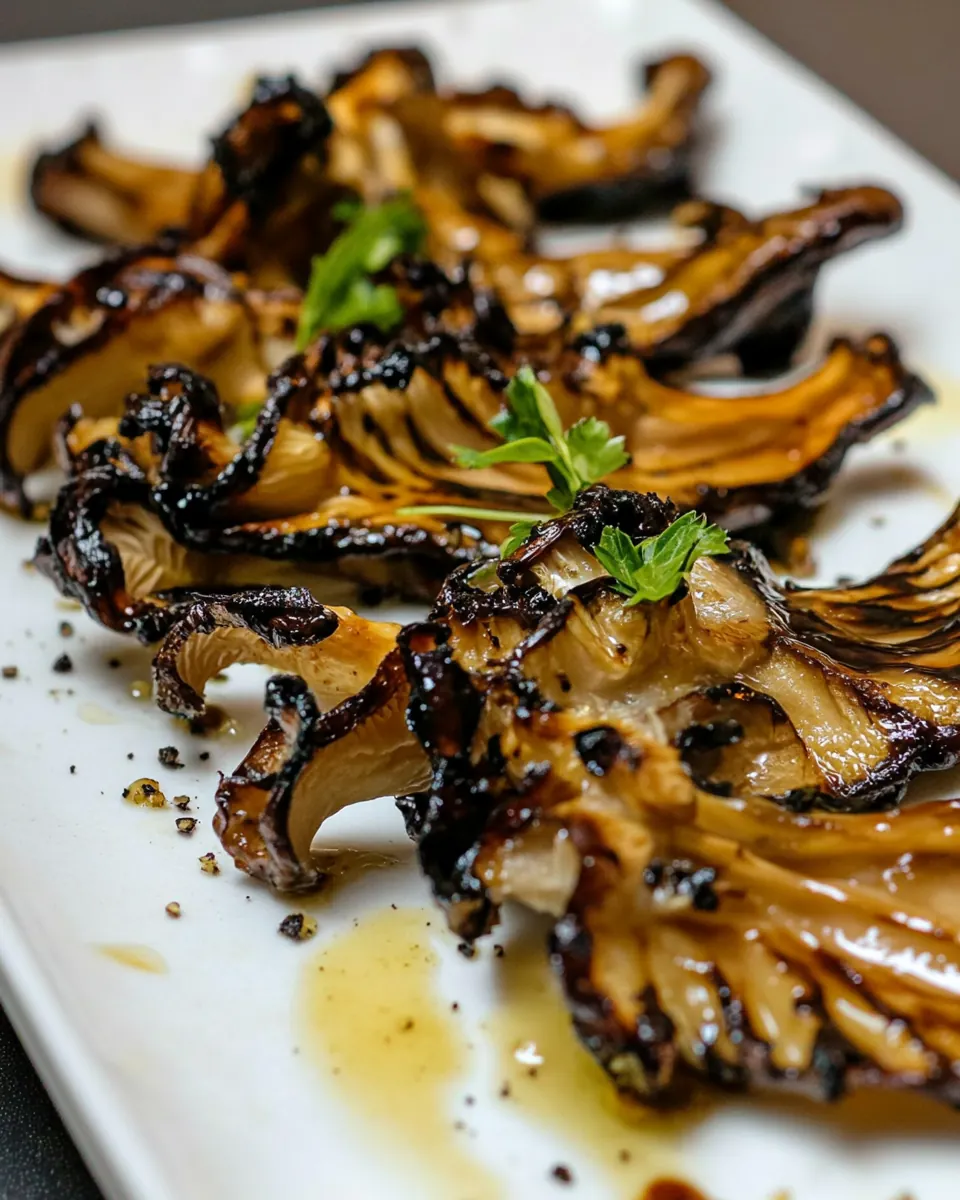
Grilled Maitake Mushrooms with Garlic Sauce
Grilled Maitake Mushrooms with Garlic Sauce came into my weeknight rotation after a summer farmers market visit where the maitake looked like a little forest I wanted to eat. I remember carrying that cluster home, feeling excited and slightly nervous because maitake has personality, it soaks up flavor yet keeps a meaty texture. From that first sizzle on the grill to the final flourish of orange zest, this dish felt like the kind of thing I wanted to serve to friends and then ask what they thought, because every bite tells a story.
Over the next few attempts I developed a rhythm, learning how long to leave the edges to char so they stay tender inside. I experimented with the garlic cream sauce until it reached a balance that felt luxurious without overpowering the mushroom. There are nights I make a double batch just so I have leftovers for a quick salad topper, and other times I plate it simply, letting the mushrooms and sauce be the stars. You will notice little rituals I use, like the way I brush oil into the mushroom folds to coax smokiness into every nook.
Recipe Snapshot
2 hr 20 mins
20 mins
120 mins
Hard
450 kcal
American
Gluten-Free, Paleo
Dinner
Grill, Saute pan, Stock pot, Vitamix or blender, Fine mesh chinois
The Appeal of This Grilled Maitake Mushrooms with Garlic Sauce
Bold, smoky flavor that still feels elegant
I love how Grilled Maitake Mushrooms with Garlic Sauce manages to be both rustic and refined. When you grill the maitake mushrooms until they have obvious char marks, they develop a deep, savory note that pairs beautifully with the silky garlic cream sauce. That contrast of smoke and cream is what hooked me from the start, and it keeps me coming back when I want a memorable vegetarian main or side.
Versatility on the plate
We often serve this as a centerpiece, but it also shines as a hearty addition to salads, bowls, or shared small plates. The recipe’s components, especially the reserved mushroom stock and the glaze, let you adjust richness depending on the occasion. I like it for casual dinners and for those moments when I want something impressive without fuss.
Texture you can feel
The meatiness of the maitake mushrooms holds up to grilling, so you get tender, chewy bites with crisp edges. The garlic cream sauce provides a lush mouthfeel that lingers, and the finishing orange zest and black sesame add tiny bursts of brightness and crunch. That combination of mouthfeels makes each forkful interesting and deeply satisfying.
Layered technique that rewards patience
I appreciate a recipe where deliberate steps improve the result. Taking time to simmer a concentrated mushroom stock, to repeatedly soften the garlic cloves, and to reduce the glaze yields a complexity you cannot buy. It does take time, but if you enjoy cooking as a process, each technique contributes to building layers of flavor.
Great for sharing and scaling
Finally, this recipe scales well, so whether you are cooking for two or four, the method adapts. I often double parts like the garlic cream sauce when I know guests are coming, because it stores beautifully for a day or two. In short, this dish is flexible, impressive, and honest, which is why I keep it in rotation.
Everything You Need for Grilled Maitake Mushrooms with Garlic Sauce
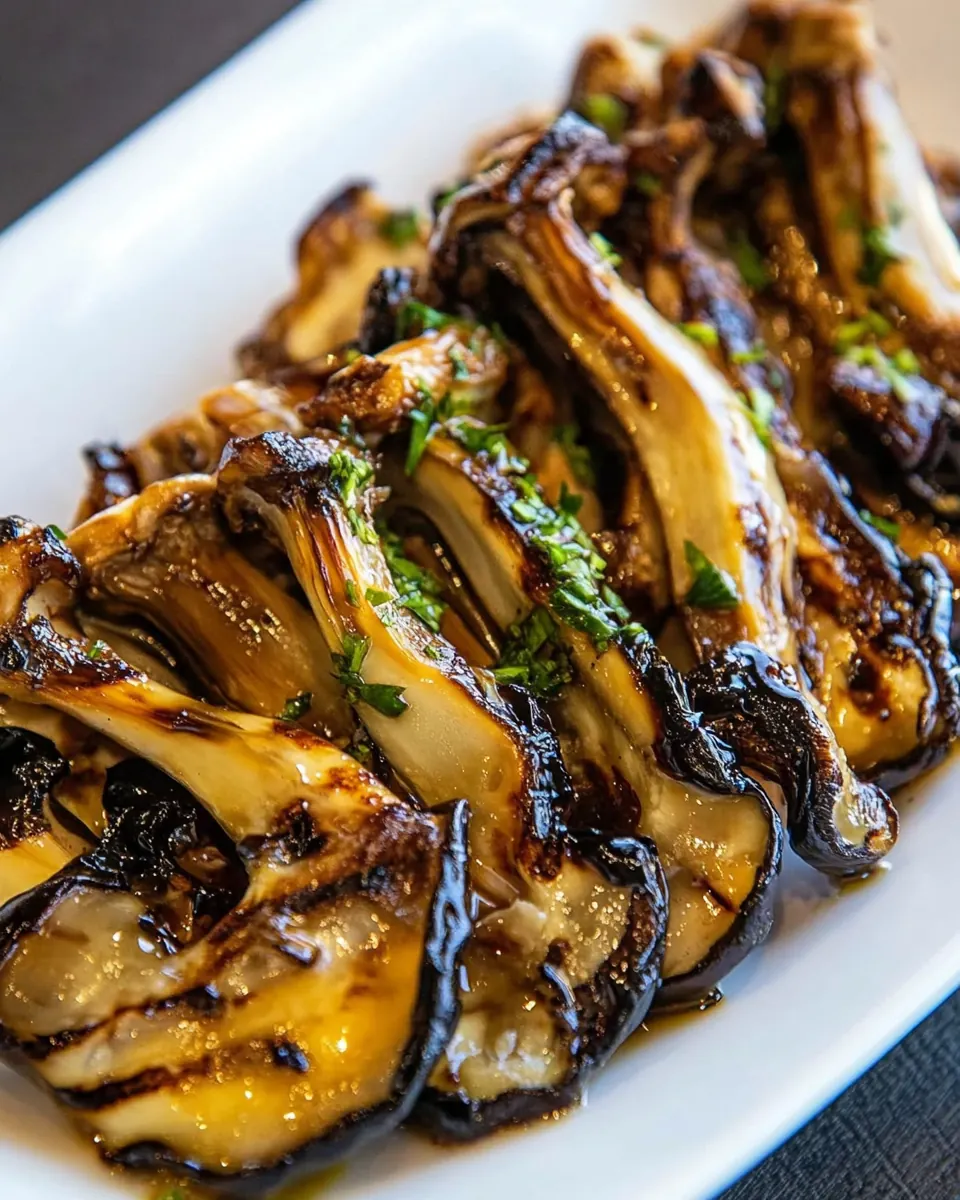
These ingredients are a study in balance, where umami rich maitake mushrooms meet bright and aromatic accents. I choose items that layer flavor and texture, from the grounding mushroom stock to the glossy mushroom glaze, and the garlic elements that turn savory into indulgent. The key players are the mushrooms themselves, the aromatic oils and spices, and the luxurious garlic cream sauce that ties everything together.
- 400 grams maitake mushrooms: Provide earthy, umami-packed texture and body that crisps nicely when grilled; break apart into bite-sized clusters to encourage even charring. Marinate briefly to allow flavors to penetrate and serve as the star component. Pair well with the garlic sauce for a savory centerpiece.
- 80 grams mushroom glaze: Contribute concentrated mushroom umami and a glossy finish to glazed mushrooms; use sparingly to enhance savory depth without overpowering. Brush onto maitake during finishing to build layers of flavor and sheen.
- orange zest: Add bright citrus aroma and a zesty lift when grated over finished mushrooms; incorporate into marinades or final garnish for contrast. Use sparingly to avoid bitterness and elevate overall flavor balance.
- 4 grams black sesame: Provide a crunchy, nutty garnish and visual contrast when toasted lightly; sprinkle over finished dish to add sesame aroma and textural interest. Complement the sesame oil blend and reinforce toasted seed flavors.
- 1 pinch togarashi: Deliver a faint heat and smoky seasoning profile when dusted lightly over the mushrooms; balance spicy notes with the garlic cream sauce. Use sparingly to add complexity without overwhelming delicate mushroom flavors.
- 28 grams garlic cream sauce: Supply creamy, garlicky richness to coat the mushrooms and bind flavors; warm gently before tossing with grilled mushrooms for an indulgent finish. Use as the primary finishing sauce to emphasize the garlic theme.
- 12 grams sesame oil blend: Impart toasted sesame aroma and a silky mouthfeel when used in marinades or finishing oil; blend with canola oil for balanced smoke and nutty notes. Drizzle lightly to enhance overall richness and depth.
- maldon salt to taste: Provide flaky finishing salt for bright bursts of oceanic flavor and crunch; sprinkle to taste just before serving to enhance natural mushroom savoriness. Use cautiously to avoid oversalting the garlic sauce.
- 1 part canola oil: Offer a neutral, high-heat cooking medium for searing and grilling the mushrooms; combine with sesame oil to balance flavor and smoking point. Use measured parts to achieve desired browning without burning.
- 1 part sesame oil: Contribute robust sesame flavor and aroma when paired with canola oil; use in smaller proportion to avoid a heavy toasted note. Blend into the cooking oil mix to introduce nutty complexity.
- 4 mushroom stems: Add robust mushroomy flavor from stems for simmering into stock or sauces; bruise or chop to release deeper savory compounds. Simmer with other aromatics and strain before finishing.
- 3 sprigs thyme: Deliver fresh herbal mint-like notes and subtle floral tones; add sprigs to stocks or marinades to infuse a gentle aromatic lift. Remove before serving to avoid woody stems on the plate.
- 3 bay leaves: Provide a warm, slightly bitter herbal background when simmered into broths or used in marinades; add whole to infuse slowly and discard before serving. Complement thyme and other aromatics for complexity.
- 50 grams garlic cloves crushed: Supply intense garlic presence when crushed and used in sauces or marinades; cook briefly to mellow harshness and release sweet, aromatic compounds. Incorporate into the garlic cream sauce or sauté with mushrooms as needed.
- 1 gram garlic roughly chopped: Introduce chopped raw garlic pieces for immediate pungency and texture; add later in cooking to retain some sharpness and a fresher bite. Use judiciously to avoid overpowering other flavors.
- 350 grams heavy cream: Contribute rich fat and body when used to create creamy sauces; simmer gently to reduce and concentrate flavors without curdling. Combine with garlic and xanthan gum for a stable, velvety sauce.
- 1 gram xanthan gum: Stabilize and thicken sauces when dispersed properly to achieve a silky, clingy texture; use minimal amounts to avoid a gummy mouthfeel. Hydrate in a small liquid first for even incorporation.
- salt to taste: Add essential seasoning to balance flavors and enhance taste perception; season gradually and taste frequently to reach the desired savory profile. Use Maldon salt sparingly at finish for flakes and texture.
- 1200 ml mushroom stock: Provide deep, savory liquid base for braising or simmering mushrooms and aromatics; simmer to concentrate flavors and build umami depth. Strain and adjust seasoning before finishing the sauce.
- 400 ml orange juice: Contribute bright acidity and citrus sweetness when reduced into glazes or sauces; balance with savory elements to prevent cloying taste. Simmer to concentrate flavor and integrate with mushroom stock.
- 400 grams honey: Supply caramel-like sweetness and viscosity when incorporated into glazes or sauces; use carefully to balance acidity and umami. Warm gently to dissolve and blend evenly into reductions.
- 2 grams togarashi: Deliver an additional layer of Japanese-inspired heat and spice when used alongside the pinch earlier; sprinkle to taste for uniform seasoning and visual interest. Balance with sweet and creamy components.
- 250 ml water: Provide neutral dilution and cooking liquid to adjust sauce consistency and aid in controlled simmering; add gradually to reach the desired thickness without thinning flavor. Use at room temperature to avoid shocking emulsions.
Preparation Steps for Grilled Maitake Mushrooms with Garlic Sauce
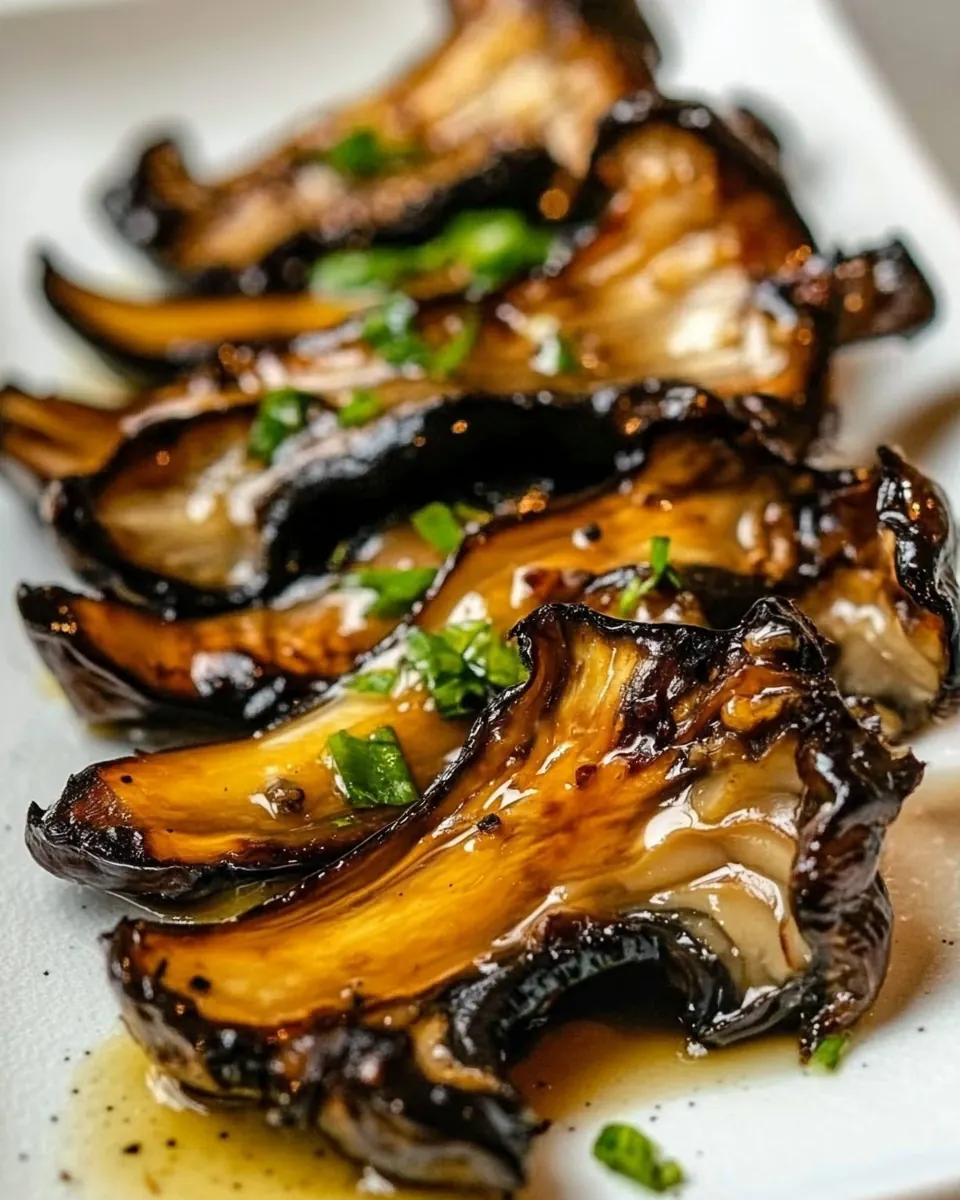
I like to approach these steps like a playlist, moving from grilling to sauce and then assembly. The work is sequential, and patience with each stage rewards you with depth of flavor. Below I expand the original directions into carefully observed actions so you know what to look, smell, and listen for at every turn.
- Toss maitake in a generous amount of sesame oil blend, season with salt, a small amount of togarashi.: Right away you will notice the aroma of the sesame oil blend lifting as it coats the maitake mushrooms , which helps the mushrooms brown evenly and absorb seasoning. The oil slicks into the mushroom folds, ensuring each bite crisps at the edges while remaining tender inside. When you season with salt and a touch of togarashi , that spice clings to the oil and to the mushroom's surface, creating layers of flavor that will intensify on the grill. Watch that you do not over oil the mushrooms, which can prevent proper charring, and avoid adding too much salt at this stage because flavors concentrate during grilling.
- Grill until marks form on both sides, transfer to saute pan with mushroom glaze and black sesame seeds.: As the mushrooms hit a hot grill, listen for a steady sizzle that signals proper contact and Maillard reaction. Look for distinct grill marks that tell you sugars are caramelizing and the outer edges are crisping. Once both sides have attractive char, move them into a warm saute pan containing the mushroom glaze and scattered black sesame . The glaze should hiss gently as it kisses the hot surface, and the seeds will toast quickly, releasing nutty aroma. Avoid leaving mushrooms on the grill too long, which dries them out; the goal is charred exterior and juicy interior.
- Reduce glaze until mushrooms are evenly coated.: Here the pan should show a glossy reduction that thickens and adheres to the mushrooms, coating each piece in layers of umami and sweetness. You will see the liquid become syrupy, and the aroma will deepen into concentrated mushroom notes mingled with the orange juice and honey reduction if used in your glaze. Stir gently so the mushrooms pick up the glaze without breaking apart, and keep the heat medium to avoid burning. A common mistake is rushing this step on high heat, which scorches sugars rather than reducing flavors evenly.
- Season again if necessary.: After reduction, taste a small piece to judge salt and balance. The glaze will have concentrated flavors that may shift the seasoning, so add a touch more salt or a whisper of togarashi as needed. This stage is about subtle adjustments, and the sensory cues to follow are aroma balance and how the glaze plays with the mushroom's natural umami. Be careful not to over correct, as the seasoning will become more pronounced as the dish rests.
- Plate with garlic cream sauce on the plate; sprinkle black sesame seeds and togarashi over cream sauce, lay glazed mushroom over sauce, and finish with orange zest and maldon.: When assembling, spoon a smear or pool of the garlic cream sauce onto the plate; its velvety texture should contrast with the grilled mushroom's char. Scatter toasted black sesame and a light dusting of togarashi over the sauce so each bite combines cream, spice, and umami. Lay the glazed maitake mushrooms over the sauce, and finish with bright orange zest and a few flakes of maldon salt to wake the palate. Watch for overplating, which can mask textures, and keep the presentation balanced so each element is clearly tasted.
- Whisk oils together to combine.: For the oil blend you will whisk the measured parts of canola oil and sesame oil until they marry into a cohesive dressing. The gentle whisking distributes sesame aroma while preserving a neutral base for high heat work on the grill. Visually, you will see a uniform sheen; aromatically, the sesame presence should be noticeable but not dominant. A pitfall is using too much raw sesame oil for high heat, which can burn and create bitterness.
- Cover all ingredients with water in medium sized stock pot.: Place the mushroom stems , thyme , bay leaves , and any reserved trimmings into a stock pot and cover with the specified water . Bringing everything together extracts savory compounds into the liquid. As it heats you will see small bubbles form around the edge and aromas will begin to bloom. Keep the heat steady because an aggressive boil can emulsify fats and cloud your stock, while a simmer gives a clearer, cleaner result.
- Bring to a boil and reduce down to a simmer.: After the pot reaches a boil, reduce heat so the liquid moves gently with occasional small bubbles. That steady simmer is where connective tissue and mushroom umami release without aggressive agitation. You will taste a developing depth after an hour, and the aroma will shift from vegetal to rich and savory. Avoid leaving it at a rolling boil, which will evaporate liquid too rapidly and can make the stock bitter.
- Simmer for 120 minutes, strain and reserve mushroom stock.: Long, low simmering concentrates flavor into a robust mushroom stock . Over two hours you will notice the liquid reducing and becoming more golden brown, filled with mushroom perfume. Strain through a fine sieve, pressing solids gently to extract every bit of liquid, and reserve the stock for the glaze or other uses. One common error is not skimming occasionally, which leaves bits clouding the stock; a clear stock is visually pleasing and purer in flavor.
- Using 250 ml/1 cup of the water each time, cover the garlic cloves and bring to a simmer for 5 min.: Place the garlic cloves in fresh water and bring to a gentle simmer for five minutes to soften and extract flavor without harshness. You will smell the garlic soften and see the liquid take on a faint garlicky tone. Repeat this process extracts volatile compounds gradually, producing a mellower, sweeter garlic base for the cream. Watch the simmer carefully, because higher heat can break down delicate flavors and make them bitter.
- Strain water and then simmer cloves again two more times.: Repeating the short simmers concentrates and refines the garlic's flavor while mellowing sharp raw edges. Each cycle yields a clearer, more rounded garlic essence that builds complexity without overwhelming. Straining between simmers keeps the water clean and prevents cloudiness. A typical mistake is skipping repetitions, which results in a more astringent garlic profile that can dominate the sauce.
- On the fourth time add the heavy cream and the chopped raw garlic and bring to a simmer for 10 min.: Now combine the softened garlic cloves with heavy cream and add the small amount of raw garlic to introduce a fresh, bright thread. Gently simmer for ten minutes until the cream warms and absorbs garlic essence. You will detect a mellow dairy aroma inflected with garlic, and visually the cream lightens with suspended bits. Avoid boiling here to prevent separation, and keep the heat moderate so the cream thickens subtly.
- Put this mixture into a vitamix and blend until smooth then slowly add the xanthan gum until desired thickness is reached.: Blending transforms the mixture into a silkier sauce, and the whirring sound signals air incorporation that lightens texture. Add the xanthan gum incrementally while blending to control viscosity; a little produces cling without gummy thickness. The finished sauce should coat a spoon and flow slowly. Over-thickening is a common misstep, so add the gum sparingly and test between additions.
- Season with salt to taste.: Taste the blended sauce and adjust with salt to balance richness and bring flavors forward. Salt enhances the cream's natural sweetness and harmonizes the garlic. Add in small increments, stirring and tasting, because the sauce concentrates as it rests. A mistake is oversalting at this point, which is hard to correct in a small sauce.
- Strain through a fine mesh chinois.: For a pristine, velvety finish run the sauce through a fine mesh sieve to remove any remaining solids or fibrous bits. The texture becomes glossy and smooth, perfect for plating. Use a spatula to press the sauce through gently, then chill briefly if you need it to firm slightly. Skipping this step can leave an uneven mouthfeel that competes with the mushrooms.
- Whisk all ingredients together and reserve for later use.: Finally, combine the remaining wet elements, including any reserved oil blend, reduced stock, and finishing touches, whisking until cohesive. The result should harmonize in texture and aroma, ready to dress or accompany the grilled mushrooms. Keep it warm or at room temperature depending on timing, and avoid leaving dairy based sauces at unsafe temperatures for extended periods.
Pro Tips and Tweaks
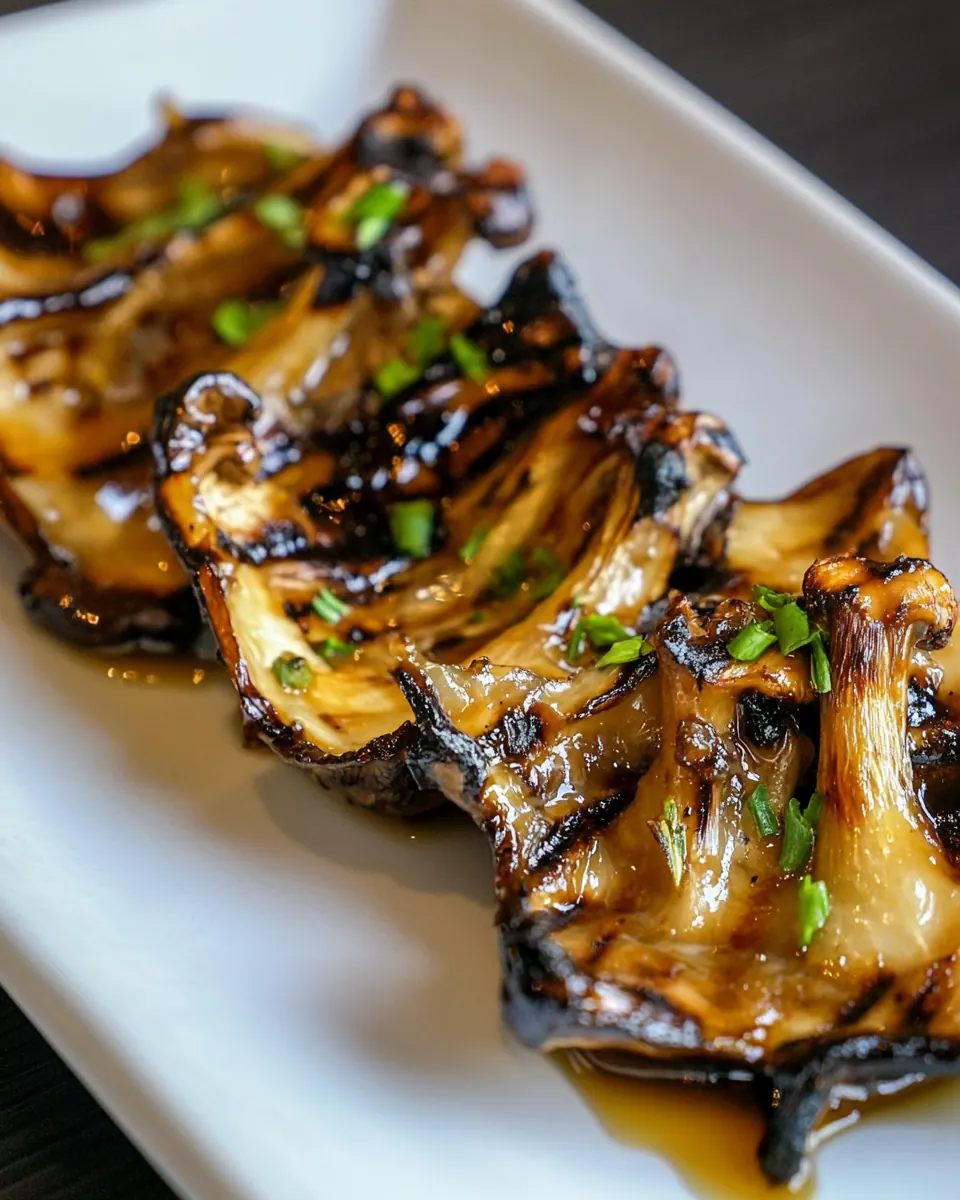
I like to keep a few professional habits when making Grilled Maitake Mushrooms with Garlic Sauce. Small adjustments yield big dividends, especially when balancing the glaze and the sauce. Below are expanded tips you can use to refine timing, texture, and flavor.
- Prep mushrooms properly Clean the maitake mushrooms by gently brushing or wiping them rather than soaking, which can waterlog their porous structure. Trim the stems into usable pieces for stock and separate the clusters into sizes that will cook evenly. If pieces vary too much, the smaller bits will char and dry while larger pieces remain underdone.
- Control grill temperature Aim for a medium to medium high heat to encourage caramelization without burning. A screaming hot grill can blacken the outside before the interior warms through. Preheat and oil the grates so the mushrooms get clean marks and release easily when flipped.
- Layer the seasoning Season in stages, starting lightly before grilling and adjusting after the glaze reduction. As flavors concentrate they change character, so tasting after each major step prevents over salting. Keep finishing salt like maldon on hand for delicate flake finish.
- Make stock ahead The mushroom stock benefits from time, so if you can simmer it earlier in the day or the day before, you will capture deeper umami. Chilled stock also clarifies more easily, making the glaze visually appealing when reduced.
- Mind the garlic processing Repeatedly simmering the garlic cloves mellows them and yields a gentler flavor in the cream. Do not rush this, and when blending, ensure the garlic is fully softened to avoid stringy or granular texture.
- Finish with citrus The final touch of orange zest brightens the plate; add it at the end so the oils are fresh and aromatic. Zest a little directly over the mushrooms for an immediate perfume boost.
Best Served With
Grilled Maitake Mushrooms with Garlic Sauce rewards thoughtful pairing. I often plan simple accompaniments that let the mushrooms remain the star, while adding textural contrasts and complementary flavors. Below are serving suggestions and occasions where this dish really shines.
- Light grain bowls Pair the mushrooms with warm rice or barley for a nourishing lunch or light dinner; the cream sauce adds richness while grains provide balance.
- Shared small plates Serve as part of a mezze style spread for casual gatherings, placing the mushrooms on a communal platter so guests can taste the smoky glaze and garlic sauce together.
- Weeknight dinner Keep it simple by serving alongside a green salad dressed lightly so the mushrooms remain the focal point; this makes for an easy weeknight dinner that feels special.
- Seasonal occasions Especially lovely in summer when fresh mushrooms are abundant, but the dish also fits cozy autumn dinner parties due to its deep umami profile.
- Storage tips Store leftover glazed mushrooms and sauce separately in airtight containers in the refrigerator for up to two to three days; reheat gently to preserve texture and avoid breaking the cream.
FAQ
Conclusion
This recipe stands out because it combines smoky, grilled maitake mushrooms with a luxuriously smooth garlic cream, creating a satisfying balance of texture and flavor. Give it a try on a weekend when you have a little extra time to nurture the stock and sauce, and you will be rewarded with layered umami and elegant presentation. I hope you enjoy making it as much as I do, and that it becomes one of those dishes you return to when you want something both comforting and special.
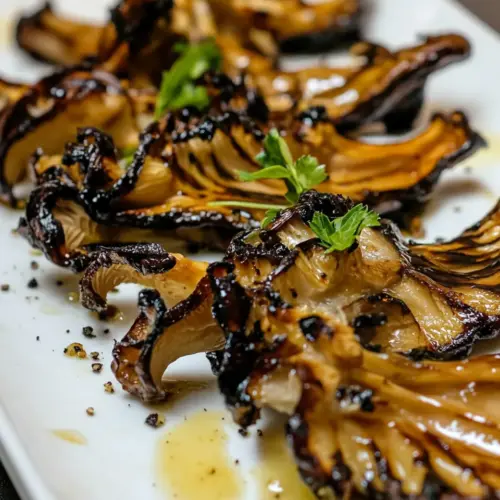
Grilled Maitake Mushrooms with Garlic Sauce
Equipment
- Grill
- Sauté Pan
- Stock Pot
- Vitamix or blender
- Fine mesh chinois
Ingredients
- 400 grams maitake mushrooms Provide earthy, umami-packed texture and body that crisps nicely when grilled; break apart into bite-sized clusters to encourage even charring. Marinate briefly to allow flavors to penetrate and serve as the star component. Pair well with the garlic sauce for a savory centerpiece.
- 80 grams mushroom glaze Contribute concentrated mushroom umami and a glossy finish to glazed mushrooms; use sparingly to enhance savory depth without overpowering. Brush onto maitake during finishing to build layers of flavor and sheen.
- orange zest Add bright citrus aroma and a zesty lift when grated over finished mushrooms; incorporate into marinades or final garnish for contrast. Use sparingly to avoid bitterness and elevate overall flavor balance.
- 4 grams black sesame Provide a crunchy, nutty garnish and visual contrast when toasted lightly; sprinkle over finished dish to add sesame aroma and textural interest. Complement the sesame oil blend and reinforce toasted seed flavors.
- 1 pinch togarashi Deliver a faint heat and smoky seasoning profile when dusted lightly over the mushrooms; balance spicy notes with the garlic cream sauce. Use sparingly to add complexity without overwhelming delicate mushroom flavors.
- 28 grams garlic cream sauce Supply creamy, garlicky richness to coat the mushrooms and bind flavors; warm gently before tossing with grilled mushrooms for an indulgent finish. Use as the primary finishing sauce to emphasize the garlic theme.
- 12 grams sesame oil blend Impart toasted sesame aroma and a silky mouthfeel when used in marinades or finishing oil; blend with canola oil for balanced smoke and nutty notes. Drizzle lightly to enhance overall richness and depth.
- maldon salt to taste Provide flaky finishing salt for bright bursts of oceanic flavor and crunch; sprinkle to taste just before serving to enhance natural mushroom savoriness. Use cautiously to avoid oversalting the garlic sauce.
- 1 part canola oil Offer a neutral, high-heat cooking medium for searing and grilling the mushrooms; combine with sesame oil to balance flavor and smoking point. Use measured parts to achieve desired browning without burning.
- 1 part sesame oil Contribute robust sesame flavor and aroma when paired with canola oil; use in smaller proportion to avoid a heavy toasted note. Blend into the cooking oil mix to introduce nutty complexity.
- 4 mushroom stems Add robust mushroomy flavor from stems for simmering into stock or sauces; bruise or chop to release deeper savory compounds. Simmer with other aromatics and strain before finishing.
- 3 sprigs thyme Deliver fresh herbal mint-like notes and subtle floral tones; add sprigs to stocks or marinades to infuse a gentle aromatic lift. Remove before serving to avoid woody stems on the plate.
- 3 bay leaves Provide a warm, slightly bitter herbal background when simmered into broths or used in marinades; add whole to infuse slowly and discard before serving. Complement thyme and other aromatics for complexity.
- 50 grams garlic cloves crushed Supply intense garlic presence when crushed and used in sauces or marinades; cook briefly to mellow harshness and release sweet, aromatic compounds. Incorporate into the garlic cream sauce or sauté with mushrooms as needed.
- 1 gram garlic roughly chopped Introduce chopped raw garlic pieces for immediate pungency and texture; add later in cooking to retain some sharpness and a fresher bite. Use judiciously to avoid overpowering other flavors.
- 350 grams heavy cream Contribute rich fat and body when used to create creamy sauces; simmer gently to reduce and concentrate flavors without curdling. Combine with garlic and xanthan gum for a stable, velvety sauce.
- 1 gram xanthan gum Stabilize and thicken sauces when dispersed properly to achieve a silky, clingy texture; use minimal amounts to avoid a gummy mouthfeel. Hydrate in a small liquid first for even incorporation.
- salt to taste Add essential seasoning to balance flavors and enhance taste perception; season gradually and taste frequently to reach the desired savory profile. Use Maldon salt sparingly at finish for flakes and texture.
- 1200 ml mushroom stock Provide deep, savory liquid base for braising or simmering mushrooms and aromatics; simmer to concentrate flavors and build umami depth. Strain and adjust seasoning before finishing the sauce.
- 400 ml orange juice Contribute bright acidity and citrus sweetness when reduced into glazes or sauces; balance with savory elements to prevent cloying taste. Simmer to concentrate flavor and integrate with mushroom stock.
- 400 grams honey Supply caramel-like sweetness and viscosity when incorporated into glazes or sauces; use carefully to balance acidity and umami. Warm gently to dissolve and blend evenly into reductions.
- 2 grams togarashi Deliver an additional layer of Japanese-inspired heat and spice when used alongside the pinch earlier; sprinkle to taste for uniform seasoning and visual interest. Balance with sweet and creamy components.
- 250 ml water Provide neutral dilution and cooking liquid to adjust sauce consistency and aid in controlled simmering; add gradually to reach the desired thickness without thinning flavor. Use at room temperature to avoid shocking emulsions.
Instructions
- Toss maitake in a generous amount of sesame oil blend, season with salt, a small amount of togarashi.: Right away you will notice the aroma of the sesame oil blend lifting as it coats the maitake mushrooms , which helps the mushrooms brown evenly and absorb seasoning. The oil slicks into the mushroom folds, ensuring each bite crisps at the edges while remaining tender inside. When you season with salt and a touch of togarashi , that spice clings to the oil and to the mushroom's surface, creating layers of flavor that will intensify on the grill. Watch that you do not over oil the mushrooms, which can prevent proper charring, and avoid adding too much salt at this stage because flavors concentrate during grilling.
- Grill until marks form on both sides, transfer to saute pan with mushroom glaze and black sesame seeds.: As the mushrooms hit a hot grill, listen for a steady sizzle that signals proper contact and Maillard reaction. Look for distinct grill marks that tell you sugars are caramelizing and the outer edges are crisping. Once both sides have attractive char, move them into a warm saute pan containing the mushroom glaze and scattered black sesame . The glaze should hiss gently as it kisses the hot surface, and the seeds will toast quickly, releasing nutty aroma. Avoid leaving mushrooms on the grill too long, which dries them out; the goal is charred exterior and juicy interior.
- Reduce glaze until mushrooms are evenly coated.: Here the pan should show a glossy reduction that thickens and adheres to the mushrooms, coating each piece in layers of umami and sweetness. You will see the liquid become syrupy, and the aroma will deepen into concentrated mushroom notes mingled with the orange juice and honey reduction if used in your glaze. Stir gently so the mushrooms pick up the glaze without breaking apart, and keep the heat medium to avoid burning. A common mistake is rushing this step on high heat, which scorches sugars rather than reducing flavors evenly.
- Season again if necessary.: After reduction, taste a small piece to judge salt and balance. The glaze will have concentrated flavors that may shift the seasoning, so add a touch more salt or a whisper of togarashi as needed. This stage is about subtle adjustments, and the sensory cues to follow are aroma balance and how the glaze plays with the mushroom's natural umami. Be careful not to over correct, as the seasoning will become more pronounced as the dish rests.
- Plate with garlic cream sauce on the plate; sprinkle black sesame seeds and togarashi over cream sauce, lay glazed mushroom over sauce, and finish with orange zest and maldon.: When assembling, spoon a smear or pool of the garlic cream sauce onto the plate; its velvety texture should contrast with the grilled mushroom's char. Scatter toasted black sesame and a light dusting of togarashi over the sauce so each bite combines cream, spice, and umami. Lay the glazed maitake mushrooms over the sauce, and finish with bright orange zest and a few flakes of maldon salt to wake the palate. Watch for overplating, which can mask textures, and keep the presentation balanced so each element is clearly tasted.
- Whisk oils together to combine.: For the oil blend you will whisk the measured parts of canola oil and sesame oil until they marry into a cohesive dressing. The gentle whisking distributes sesame aroma while preserving a neutral base for high heat work on the grill. Visually, you will see a uniform sheen; aromatically, the sesame presence should be noticeable but not dominant. A pitfall is using too much raw sesame oil for high heat, which can burn and create bitterness.
- Cover all ingredients with water in medium sized stock pot.: Place the mushroom stems , thyme , bay leaves , and any reserved trimmings into a stock pot and cover with the specified water . Bringing everything together extracts savory compounds into the liquid. As it heats you will see small bubbles form around the edge and aromas will begin to bloom. Keep the heat steady because an aggressive boil can emulsify fats and cloud your stock, while a simmer gives a clearer, cleaner result.
- Bring to a boil and reduce down to a simmer.: After the pot reaches a boil, reduce heat so the liquid moves gently with occasional small bubbles. That steady simmer is where connective tissue and mushroom umami release without aggressive agitation. You will taste a developing depth after an hour, and the aroma will shift from vegetal to rich and savory. Avoid leaving it at a rolling boil, which will evaporate liquid too rapidly and can make the stock bitter.
- Simmer for 120 minutes, strain and reserve mushroom stock.: Long, low simmering concentrates flavor into a robust mushroom stock . Over two hours you will notice the liquid reducing and becoming more golden brown, filled with mushroom perfume. Strain through a fine sieve, pressing solids gently to extract every bit of liquid, and reserve the stock for the glaze or other uses. One common error is not skimming occasionally, which leaves bits clouding the stock; a clear stock is visually pleasing and purer in flavor.
- Using 250 ml/1 cup of the water each time, cover the garlic cloves and bring to a simmer for 5 min.: Place the garlic cloves in fresh water and bring to a gentle simmer for five minutes to soften and extract flavor without harshness. You will smell the garlic soften and see the liquid take on a faint garlicky tone. Repeat this process extracts volatile compounds gradually, producing a mellower, sweeter garlic base for the cream. Watch the simmer carefully, because higher heat can break down delicate flavors and make them bitter.
- Strain water and then simmer cloves again two more times.: Repeating the short simmers concentrates and refines the garlic's flavor while mellowing sharp raw edges. Each cycle yields a clearer, more rounded garlic essence that builds complexity without overwhelming. Straining between simmers keeps the water clean and prevents cloudiness. A typical mistake is skipping repetitions, which results in a more astringent garlic profile that can dominate the sauce.
- On the fourth time add the heavy cream and the chopped raw garlic and bring to a simmer for 10 min.: Now combine the softened garlic cloves with heavy cream and add the small amount of raw garlic to introduce a fresh, bright thread. Gently simmer for ten minutes until the cream warms and absorbs garlic essence. You will detect a mellow dairy aroma inflected with garlic, and visually the cream lightens with suspended bits. Avoid boiling here to prevent separation, and keep the heat moderate so the cream thickens subtly.
- Put this mixture into a vitamix and blend until smooth then slowly add the xanthan gum until desired thickness is reached.: Blending transforms the mixture into a silkier sauce, and the whirring sound signals air incorporation that lightens texture. Add the xanthan gum incrementally while blending to control viscosity; a little produces cling without gummy thickness. The finished sauce should coat a spoon and flow slowly. Over-thickening is a common misstep, so add the gum sparingly and test between additions.
- Season with salt to taste.: Taste the blended sauce and adjust with salt to balance richness and bring flavors forward. Salt enhances the cream's natural sweetness and harmonizes the garlic. Add in small increments, stirring and tasting, because the sauce concentrates as it rests. A mistake is oversalting at this point, which is hard to correct in a small sauce.
- Strain through a fine mesh chinois.: For a pristine, velvety finish run the sauce through a fine mesh sieve to remove any remaining solids or fibrous bits. The texture becomes glossy and smooth, perfect for plating. Use a spatula to press the sauce through gently, then chill briefly if you need it to firm slightly. Skipping this step can leave an uneven mouthfeel that competes with the mushrooms.
- Whisk all ingredients together and reserve for later use.: Finally, combine the remaining wet elements, including any reserved oil blend, reduced stock, and finishing touches, whisking until cohesive. The result should harmonize in texture and aroma, ready to dress or accompany the grilled mushrooms. Keep it warm or at room temperature depending on timing, and avoid leaving dairy based sauces at unsafe temperatures for extended periods.
Notes
- Prep mushrooms properly Clean the maitake mushrooms by gently brushing or wiping them rather than soaking, which can waterlog their porous structure. Trim the stems into usable pieces for stock and separate the clusters into sizes that will cook evenly. If pieces vary too much, the smaller bits will char and dry while larger pieces remain underdone.
- Control grill temperature Aim for a medium to medium high heat to encourage caramelization without burning. A screaming hot grill can blacken the outside before the interior warms through. Preheat and oil the grates so the mushrooms get clean marks and release easily when flipped.
- Layer the seasoning Season in stages, starting lightly before grilling and adjusting after the glaze reduction. As flavors concentrate they change character, so tasting after each major step prevents over salting. Keep finishing salt like maldon on hand for delicate flake finish.
- Make stock ahead The mushroom stock benefits from time, so if you can simmer it earlier in the day or the day before, you will capture deeper umami. Chilled stock also clarifies more easily, making the glaze visually appealing when reduced.
- Mind the garlic processing Repeatedly simmering the garlic cloves mellows them and yields a gentler flavor in the cream. Do not rush this, and when blending, ensure the garlic is fully softened to avoid stringy or granular texture.
- Finish with citrus The final touch of orange zest brightens the plate; add it at the end so the oils are fresh and aromatic. Zest a little directly over the mushrooms for an immediate perfume boost.