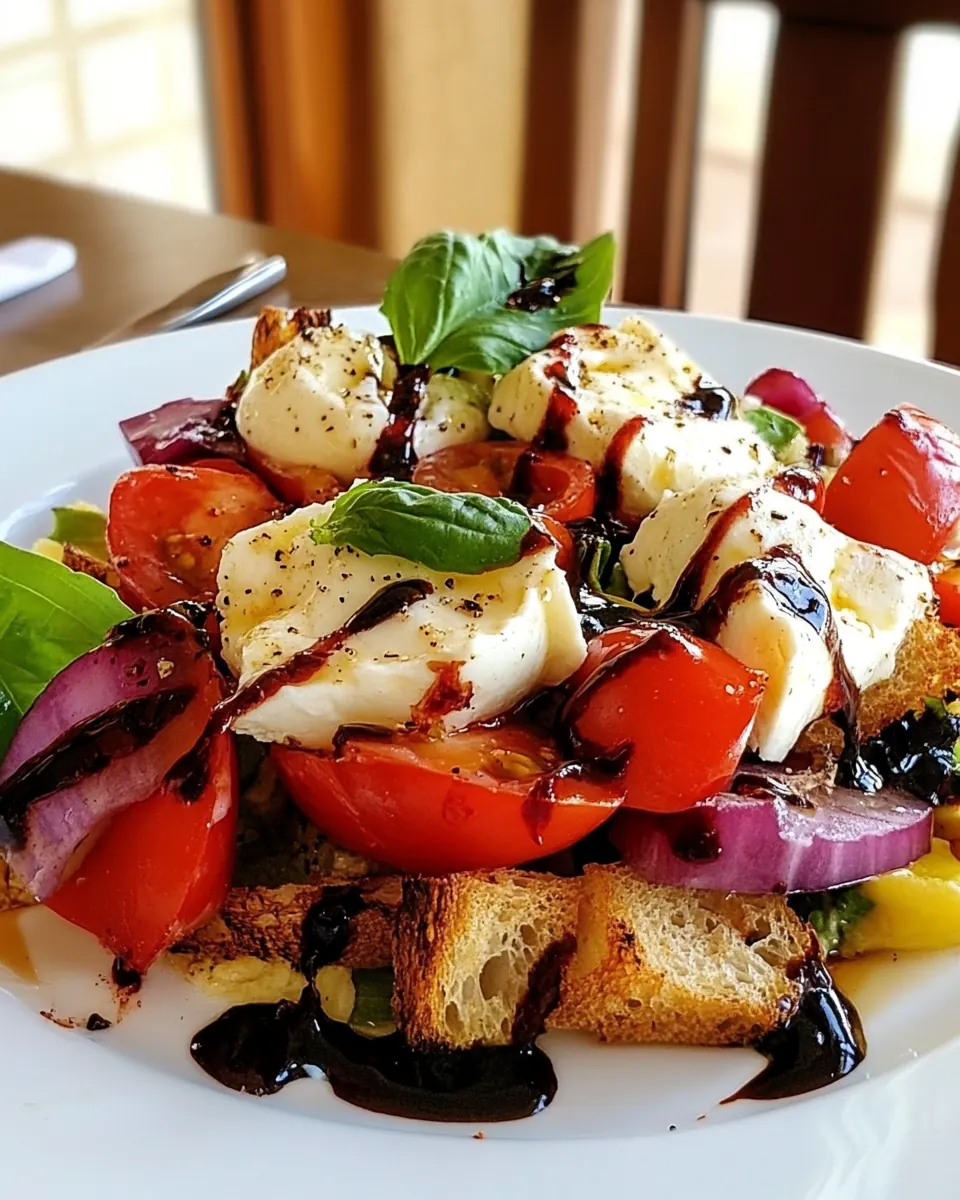
Panzanella Caprese Salad
Panzanella Caprese Salad is one of those salads I return to when I want something that feels both simple and indulgent, the kind of dish that makes a weeknight feel like a small celebration. I remember the first time I tossed torn bread with juicy tomatoes and creamy cheese, the kitchen filled with the bright scent of olive oil and balsamic, and I knew I had stumbled onto a combination I would recreate again and again.
Here I share how I build this salad so it sings on the plate. I like to keep things rustic, letting textures and temperatures play off one another, so the crunch of day old bread meets the silky yield of burrata mozzarella, and the peppery lift of the greens ties it all together. I’ll tell you the little choices that make a big difference, like how I dress the tomatoes and when I add the nuts for maximum crunch.
Over time, this recipe has become my go to for summer lunches and last minute dinners when I want something that looks effortless but tastes considered. I love how flexible it is, yet each version still feels unmistakably comforting. Whether you’re serving two or sharing with friends, this is the kind of salad that brings people to the table without fuss.
Recipe Snapshot
5 mins
5 mins
Easy
350 kcal
Italian
Vegan, Gluten-Free
Salads
Knife, Plate, Pan, Salad spinner
Why This Panzanella Caprese Salad Is So Good
Bright, Seasonal Flavors
I adore how Panzanella Caprese Salad celebrates peak summer produce. The tomato is the star, offering juicy acidity that wakes up your palate, while the mixed green salad adds freshness and a subtle peppery edge. When produce is in season, the contrast between the bread and vegetables is simply unbeatable.
Comfort with Textural Contrast
One reason I keep making this salad is the way textures work together. The crisp chew of toasted bread plays against the creamy interior of the burrata mozzarella, and the little crunch of pine nuts adds a satisfying finish. That interplay keeps every bite interesting, and I often find myself savoring the small differences between mouthfuls.
Minimalist Dressing, Maximum Impact
I love that the dressing is just olive oil and balsamic vinegar. It’s simple, but when applied thoughtfully it enhances rather than masks the ingredients. I prefer to drizzle, not soak, so the flavors remain bright and the bread keeps some of its integrity. This restraint is what sets this salad apart from heavier, over dressed versions.
Quick, Yet Impressive
For busy evenings, Panzanella Caprese Salad is a lifesaver because it comes together fast, yet feels like you invested time. You can serve it straight away or let it rest briefly so the flavors mingle. Either way, it looks sophisticated on the plate, which makes it wonderful for guests when you want to keep things relaxed and homemade.
Adaptable and Shareable
I also appreciate how forgiving this dish is. If you have slightly stale bread, it works better, and if your tomato is extra ripe, you can balance it with a touch more olive oil. It’s easy to scale, so whether you’re making it for two or a small group, it remains reliable. I find that people feel invited to help themselves, which makes it a great social centerpiece.
Essential Ingredients for Panzanella Caprese Salad
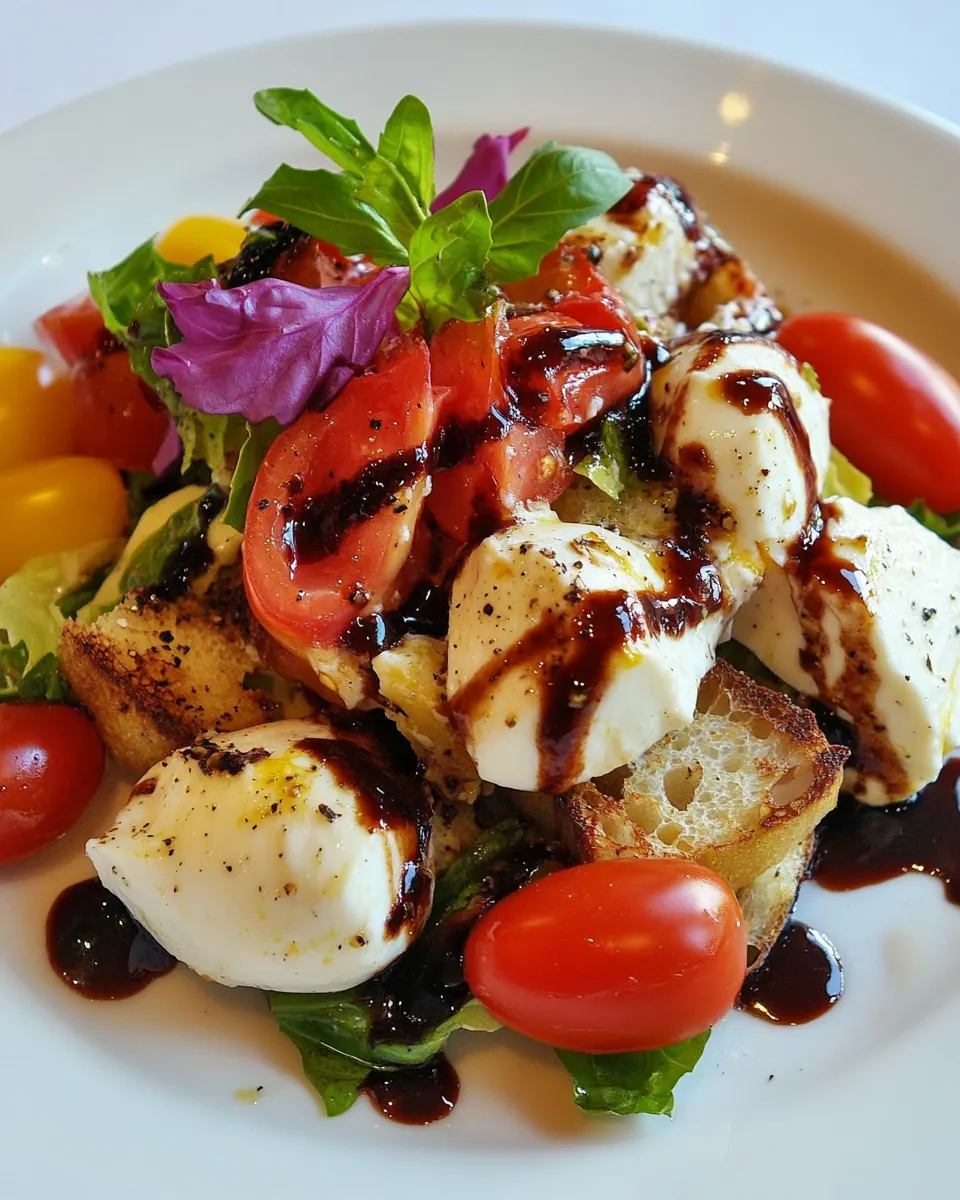
The philosophy behind these ingredients is simple: let quality produce speak. This salad relies on a few excellent elements that each play a distinct role. The mixed green salad gives lift and bitterness, the tomato supplies juicy acidity, burrata mozzarella brings creamy richness, and the bread provides texture and substance. The small additions of pine nuts, olive oil, and balsamic vinegar round out the flavors without overwhelming them.
- 2 cups mixed green salad, washed: Provide a crisp, fresh base that adds volume and a light, leafy texture to the salad; toss with dressing just before serving to keep greens vibrant and prevent wilting.
- 1 tomato, sliced: Add juicy acidity and bright flavor that contrasts creamy cheese and toasted bread; slice evenly to distribute moisture and color throughout the panzanella.
- 2 burrata mozzarella, 4 ounce each: Contribute a rich, creamy center and mild milky flavor that brings luxurious texture to each bite; tear or halve before arranging so the soft curd melds with tomatoes and bread.
- 1 teaspoon pine nuts: Offer a delicate nutty crunch and subtle buttery taste that lifts the salad’s texture profile; toast lightly to enhance aroma and sprinkle over just prior to serving.
- 2 tablespoons olive oil: Provide a smooth, fruity fat that binds flavors and coats components for balanced mouthfeel; drizzle evenly to bring out the herbs, tomatoes, and bread’s flavor.
- 1 tablespoon balsamic vinegar: Introduce a tangy, sweet acidity that brightens the dish and balances the richness of cheese and oil; whisk with olive oil to make a simple dressing before tossing.
- 4 slices italian or French bread, 2: Deliver hearty chew and absorb dressing and tomato juices, turning stale or toasted slices into flavorful crouton-like pieces; cube or tear and toast lightly to maintain structure in the salad.
Recipe Directions for Panzanella Caprese Salad
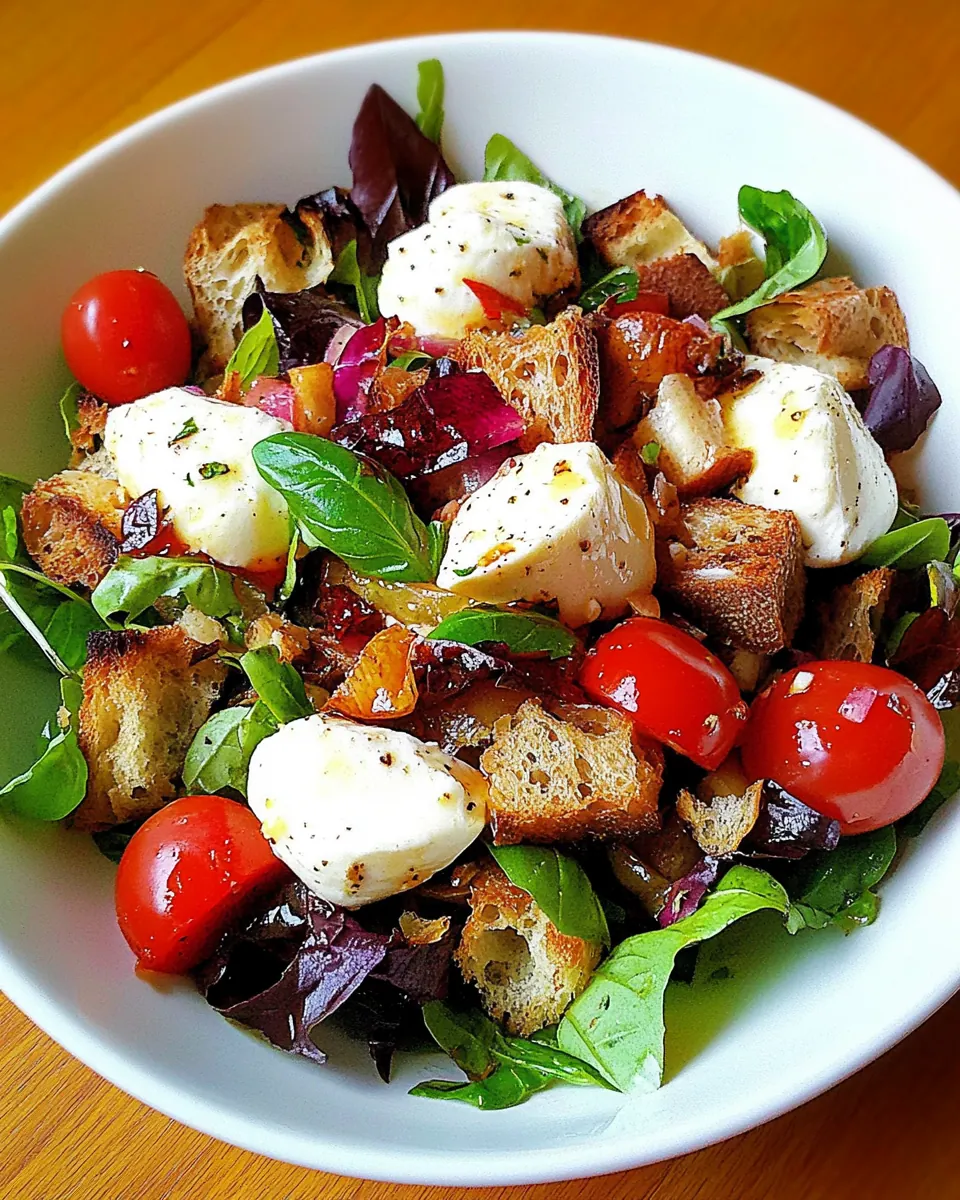
This salad comes together with a few thoughtful actions that emphasize texture and balance. Below, each step is expanded with sensory cues, the reason behind the technique, and a troubleshooting tip so you can get the result I love in my kitchen.
- Clean the spring green salad, gently pat dry them, and place it on a plate. Top it with sliced tomatoes.: The greens should feel cool and slightly crisp, with a faint earthy scent. Gently patting them dry ensures the olive oil clings to the leaves rather than pooling, which preserves texture and prevents wilting. If they still feel wet, the dressing will slide off and the salad becomes watery, so use a clean towel or salad spinner to get them nearly dry. A common error is rushing this step, which leads to diluted flavors and limp greens. Aim for a gentle rustling sound when you move the leaves, and arrange them so there is room for other elements to sit without being crowded.
- Add the burrata mozzarella over the tomatoes. Slice it and open, you will see it run over the tomato. Arrange the sliced bread around it.: As you add the tomato , notice the bright, slightly sweet aroma and the juice that forms at the cut surface. Place the slices atop the greens so their juices can mingle with the leaves. This step softens the bread later, creating a meld of textures and flavors. Avoid overly thin slices that will disintegrate or overly thick slices that dominate a bite; medium thickness gives both substance and juiciness. If your tomatoes are mealy or flavorless, the whole salad will suffer, so choose ones that smell of the vine.
- Sprinkle generously with cracked pepper and salt. Drizzle olive oil and balsamic vinegar. Add the pine nuts over it.: When you set the burrata mozzarella on the tomatoes, you should hear a faint, soft give as you cut or tear it open, and a silky interior will flow out, coating nearby fruit. That creaminess is crucial because it becomes a luscious binder for the salad. Be careful when cutting, use a gentle sawing motion, and allow the cheese to settle so the temperature of the plate is even. One mistake is slicing too early and letting the cream leak; cut just before serving so the texture remains optimal. The smell should be milky and fresh, not sour.
- Slice it and open, you will see it run over the tomato: As the creamy center spills, take a moment to appreciate the visual contrast, the glossy white against vibrant red. This creaminess helps balance the acidity of the tomato and the peppery bite of the mixed green salad . If it looks dry or crumbly, the cheese may be past its prime, and replacing it will restore the intended silky mouthfeel. Handling the cheese gently prevents it from breaking into unattractive pieces and losing its visual impact.
- Arrange the sliced bread around it: The bread pieces should be placed so they can absorb some dressing without sitting in pools of liquid. You want a pleasing arrangement, with crunchy edges visible. The bread’s aroma should be toasty, and when bitten it should offer firm resistance followed by chew. If the bread becomes soggy too quickly, you likely used overly watery tomatoes or too much dressing; to avoid this, toast the slices lightly or add them at the last moment. Look for a golden hue and a crisp snap when you break a piece.
- Sprinkle generously with cracked pepper and salt: Freshly cracked pepper will add a bright, aromatic heat while salt heightens all flavors. As you grind the pepper, inhale the fragrance; it should be sharp and lively. Salt should be sprinkled sparingly and tasted as you go, because it concentrates flavors quickly. Over salting is an easy pitfall, and it can mask the delicate creaminess of the burrata mozzarella . If unsure, start light and adjust after the dressing is added so you can balance salt with acidity.
- Drizzle olive oil and balsamic vinegar: The olive oil should glisten on the surface, leaving a fruity scent, while the balsamic vinegar adds a sweet tang. Drizzle in a controlled spiral or dotted pattern so every component receives a touch without becoming saturated. The sound is subtle, a soft glug, and the visual cue is a slight shine on leaves and bread. If the dressing pools, blot a little with a paper towel and remix gently. Using inferior oil or a very sharp vinegar can throw off the balance, so taste and adjust in small increments.
- Add the pine nuts over it: Toasted pine nuts should be warm and fragrant with a gentle nutty aroma. As you scatter them across the salad, they provide that final nutty pop and contrast to the creamy burrata mozzarella . If they clump, separate them with your fingers so each bite gets a touch of crunch. Burning during toasting results in bitterness, so if you detect a bitter note, start over with fresh nuts. The ideal texture is light and crisp, and when you bite, the pine nuts should shatter into small pieces that disperse their flavor.
Tips and Tricks about Panzanella Caprese Salad
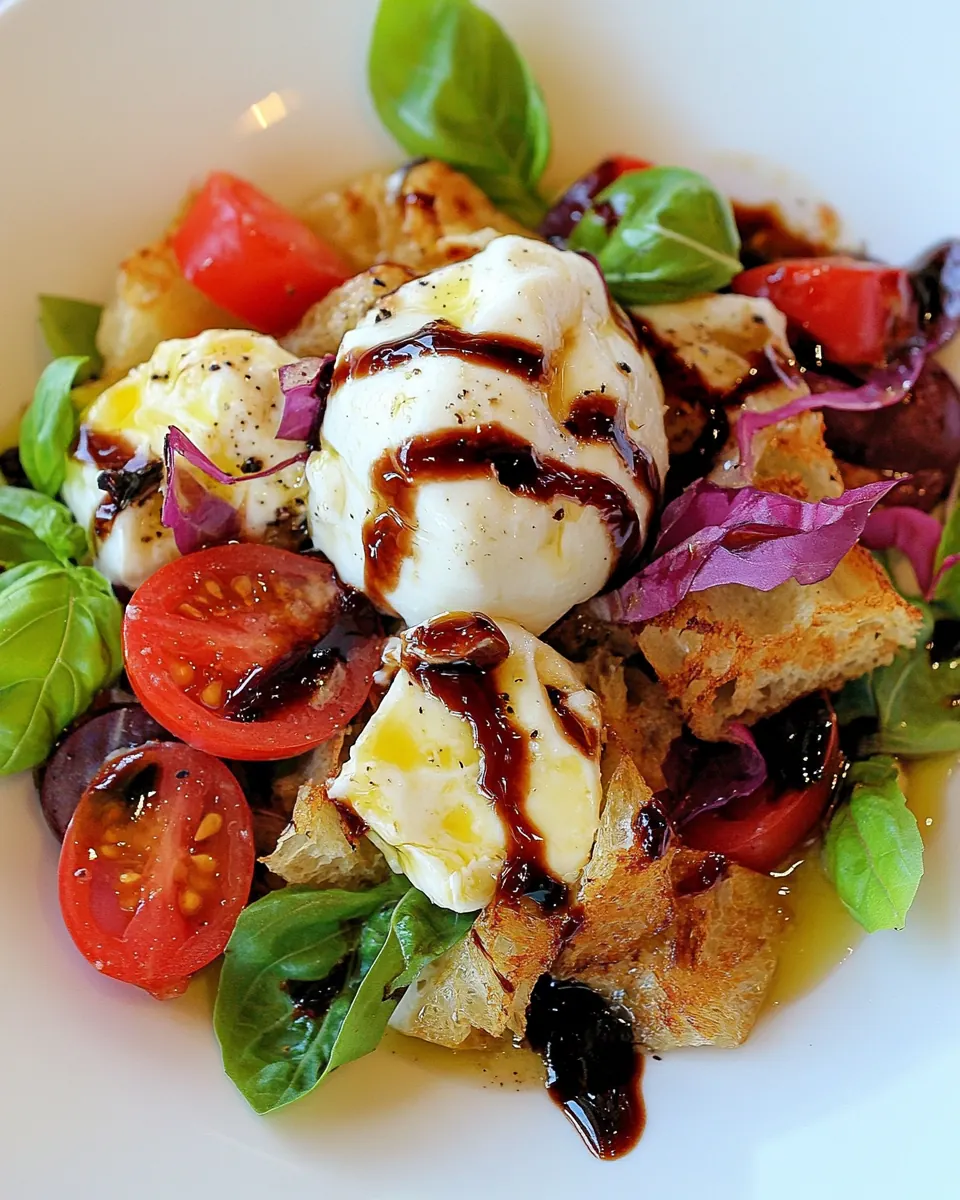
This salad benefits from a few intentional choices that elevate it from good to memorable. Below are hands on tips I use to preserve texture, intensify flavor, and present the dish beautifully. Read through and pick a couple that suit your style.
- Choose ripe tomatoes: Ripe tomatoes should smell sweet and feel slightly soft to the touch, which ensures juicy slices that release flavorful juices into the salad.
- Dry greens well: Excess moisture dilutes the dressing, so use a salad spinner or towel dry the mixed green salad to keep leaves crisp.
- Use quality olive oil: A fruity extra virgin olive oil will lift the entire dish, avoid neutral or low grade oils that mute flavor.
- Toast pine nuts briefly: Toast until fragrant and pale golden for more pronounced nutty notes, but remove them immediately to prevent bitterness.
- Serve immediately: Add the bread close to serving time to keep crunch, or toast it if you must prepare ahead.
- Gently handle burrata: The soft center is delicate, so slice it just before plating to preserve its creamy texture and visual appeal.
Pairing Suggestions for Panzanella Caprese Salad
This salad is versatile and pairs well across many occasions, from casual lunches to light dinners. Below are serving ideas, side dishes, and storage suggestions to help you plan around the salad for different meals and seasons.
- Serve with crusty bread: Present extra toasted bread on the side so guests can scoop the creamy burrata mozzarella and juices, turning each bite into a small open faced treat.
- Light lunch idea: Pair with a chilled vegetable soup and a glass of sparkling water for a refreshing midday meal that does not feel heavy.
- Summer dinner: Offer alongside grilled vegetables or a simple pasta salad for a casual summer spread; the salad’s brightness balances richer sides.
- Occasion friendly: For brunch or a small gathering, arrange on a large platter so people can serve themselves; it’s visually attractive and encourages sharing.
- Storage tips: Keep components separate if not serving immediately, refrigerate the burrata mozzarella and tomato aside, and toast the bread just before plating to maintain texture.
- Seasonal pairing: In summer spotlight this salad for its fresh produce, while in shoulder seasons use riper tomatoes and heartier greens to keep it satisfying.
FAQ
Conclusion
Panzanella Caprese Salad shines because it pairs a handful of high quality ingredients into something greater than the sum of its parts. The juicy tomato, silky burrata mozzarella, and toasty bread create a balance of textures and flavors that is both simple and satisfying. Give it a try when tomatoes are at their peak, and serve it when you want food that feels thoughtful without fuss. I hope this recipe becomes a dependable favorite in your summer rotation, one you return to whenever you want an easy, elegant meal.
Panzanella Caprese Salad
Equipment
- Knife
- Plate
- Pan
- Salad spinner
Ingredients
- 2 cups mixed green salad, washed Provide a crisp, fresh base that adds volume and a light, leafy texture to the salad; toss with dressing just before serving to keep greens vibrant and prevent wilting.
- 1 tomato, sliced Add juicy acidity and bright flavor that contrasts creamy cheese and toasted bread; slice evenly to distribute moisture and color throughout the panzanella.
- 2 burrata mozzarella, 4 ounce each Contribute a rich, creamy center and mild milky flavor that brings luxurious texture to each bite; tear or halve before arranging so the soft curd melds with tomatoes and bread.
- 1 teaspoon pine nuts, Offer a delicate nutty crunch and subtle buttery taste that lifts the salad’s texture profile; toast lightly to enhance aroma and sprinkle over just prior to serving.
- 2 tablespoons olive oil Provide a smooth, fruity fat that binds flavors and coats components for balanced mouthfeel; drizzle evenly to bring out the herbs, tomatoes, and bread’s flavor.
- 1 tablespoon balsamic vinegar Introduce a tangy, sweet acidity that brightens the dish and balances the richness of cheese and oil; whisk with olive oil to make a simple dressing before tossing.
- 4 slices italian or French bread, 2 Deliver hearty chew and absorb dressing and tomato juices, turning stale or toasted slices into flavorful crouton-like pieces; cube or tear and toast lightly to maintain structure in the salad.
Instructions
- Clean the spring green salad, gently pat dry them, and place it on a plate. Top it with sliced tomatoes.: The greens should feel cool and slightly crisp, with a faint earthy scent. Gently patting them dry ensures the olive oil clings to the leaves rather than pooling, which preserves texture and prevents wilting. If they still feel wet, the dressing will slide off and the salad becomes watery, so use a clean towel or salad spinner to get them nearly dry. A common error is rushing this step, which leads to diluted flavors and limp greens. Aim for a gentle rustling sound when you move the leaves, and arrange them so there is room for other elements to sit without being crowded.
- Add the burrata mozzarella over the tomatoes. Slice it and open, you will see it run over the tomato. Arrange the sliced bread around it.: As you add the tomato , notice the bright, slightly sweet aroma and the juice that forms at the cut surface. Place the slices atop the greens so their juices can mingle with the leaves. This step softens the bread later, creating a meld of textures and flavors. Avoid overly thin slices that will disintegrate or overly thick slices that dominate a bite; medium thickness gives both substance and juiciness. If your tomatoes are mealy or flavorless, the whole salad will suffer, so choose ones that smell of the vine.
- Sprinkle generously with cracked pepper and salt. Drizzle olive oil and balsamic vinegar. Add the pine nuts over it.: When you set the burrata mozzarella on the tomatoes, you should hear a faint, soft give as you cut or tear it open, and a silky interior will flow out, coating nearby fruit. That creaminess is crucial because it becomes a luscious binder for the salad. Be careful when cutting, use a gentle sawing motion, and allow the cheese to settle so the temperature of the plate is even. One mistake is slicing too early and letting the cream leak; cut just before serving so the texture remains optimal. The smell should be milky and fresh, not sour.
- Slice it and open, you will see it run over the tomato: As the creamy center spills, take a moment to appreciate the visual contrast, the glossy white against vibrant red. This creaminess helps balance the acidity of the tomato and the peppery bite of the mixed green salad . If it looks dry or crumbly, the cheese may be past its prime, and replacing it will restore the intended silky mouthfeel. Handling the cheese gently prevents it from breaking into unattractive pieces and losing its visual impact.
- Arrange the sliced bread around it: The bread pieces should be placed so they can absorb some dressing without sitting in pools of liquid. You want a pleasing arrangement, with crunchy edges visible. The bread’s aroma should be toasty, and when bitten it should offer firm resistance followed by chew. If the bread becomes soggy too quickly, you likely used overly watery tomatoes or too much dressing; to avoid this, toast the slices lightly or add them at the last moment. Look for a golden hue and a crisp snap when you break a piece.
- Sprinkle generously with cracked pepper and salt: Freshly cracked pepper will add a bright, aromatic heat while salt heightens all flavors. As you grind the pepper, inhale the fragrance; it should be sharp and lively. Salt should be sprinkled sparingly and tasted as you go, because it concentrates flavors quickly. Over salting is an easy pitfall, and it can mask the delicate creaminess of the burrata mozzarella . If unsure, start light and adjust after the dressing is added so you can balance salt with acidity.
- Drizzle olive oil and balsamic vinegar: The olive oil should glisten on the surface, leaving a fruity scent, while the balsamic vinegar adds a sweet tang. Drizzle in a controlled spiral or dotted pattern so every component receives a touch without becoming saturated. The sound is subtle, a soft glug, and the visual cue is a slight shine on leaves and bread. If the dressing pools, blot a little with a paper towel and remix gently. Using inferior oil or a very sharp vinegar can throw off the balance, so taste and adjust in small increments.
- Add the pine nuts over it: Toasted pine nuts should be warm and fragrant with a gentle nutty aroma. As you scatter them across the salad, they provide that final nutty pop and contrast to the creamy burrata mozzarella . If they clump, separate them with your fingers so each bite gets a touch of crunch. Burning during toasting results in bitterness, so if you detect a bitter note, start over with fresh nuts. The ideal texture is light and crisp, and when you bite, the pine nuts should shatter into small pieces that disperse their flavor.
Notes
- Choose ripe tomatoes: Ripe tomatoes should smell sweet and feel slightly soft to the touch, which ensures juicy slices that release flavorful juices into the salad.
- Dry greens well: Excess moisture dilutes the dressing, so use a salad spinner or towel dry the mixed green salad to keep leaves crisp.
- Use quality olive oil: A fruity extra virgin olive oil will lift the entire dish, avoid neutral or low grade oils that mute flavor.
- Toast pine nuts briefly: Toast until fragrant and pale golden for more pronounced nutty notes, but remove them immediately to prevent bitterness.
- Serve immediately: Add the bread close to serving time to keep crunch, or toast it if you must prepare ahead.
- Gently handle burrata: The soft center is delicate, so slice it just before plating to preserve its creamy texture and visual appeal.