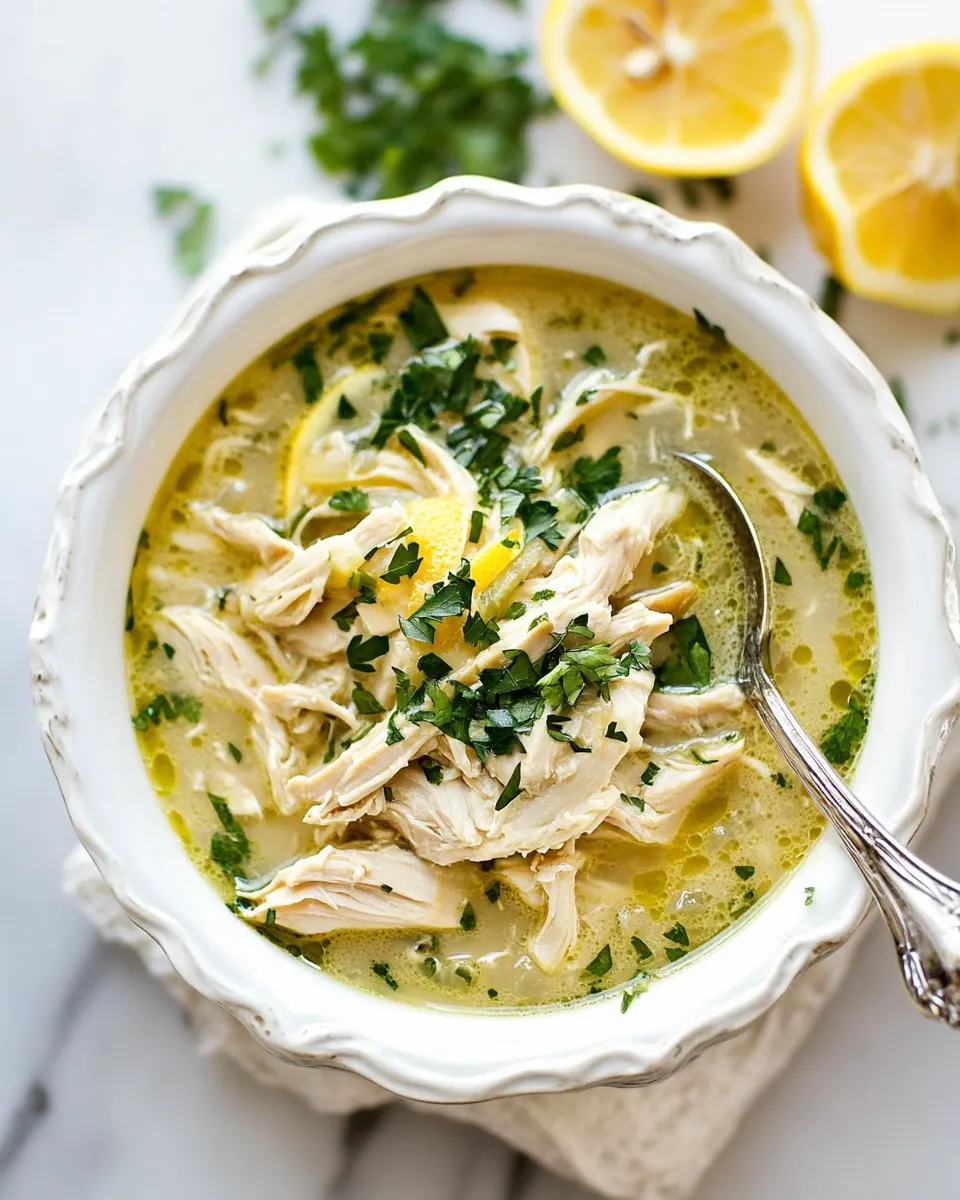
Greek Lemon Chicken Soup
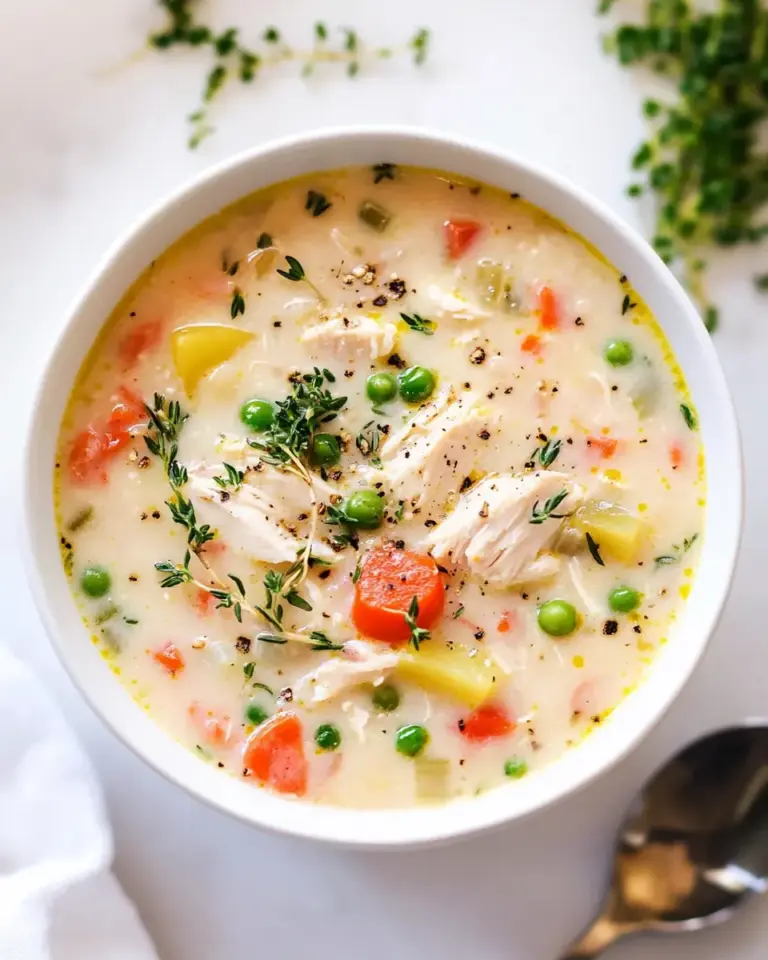
Greek Lemon Chicken Soup is the bowl I turn to when a chilly evening calls for something bright and healing. I first met this recipe on a rain soaked night, when a neighbor dropped off a steaming pot and insisted I try a spoon. The lemon woke up the whole thing, and the combination of tender chicken and tiny pearls of couscous felt like a warm, savory hug. From that night on, I adapted the flavors to what I keep in my pantry and the way my family eats.
Over the years I learned to trust simple techniques, like sweating an onion slowly to coax out sweetness, and adding zest rather than only juice to layer citrus aroma. I often make a double batch and freeze half, because this soup reheats like a dream. If you like hands on comfort food that still tastes light, you will recognize how approachable Greek Lemon Chicken Soup can be. Every spoonful balances tang, salt, and the chewy, comforting texture of Israeli couscous.
There is a ritual to serving it too, one that I adore. I shred the chicken right at the stove so it absorbs the hot broth, then stir in crumbled feta and chopped chive at the last minute to keep the flavors bright. It’s the sort of recipe that invites conversation, and it’s saved more than one weeknight in my house. I hope when you make Greek Lemon Chicken Soup, it becomes a small ritual for you as well: simple, soulful, and reliably comforting.
Recipe Snapshot
30 mins
10 mins
20 mins
Easy
300 kcal
Mediterranean
Gluten-Free, Paleo
Soups
6 to 8 quart sauce pot, Tongs, Fork
Why This Greek Lemon Chicken Soup Is So Good
I love the bright lemon lift
The citrus notes are the signature here, and they cut through the richness of the broth in the most satisfying way. I find lemon zest particularly powerful because it releases essential oils, giving the bowl a fresh perfume that juice alone cannot match. This makes Greek Lemon Chicken Soup feel lively rather than heavy, and it’s one of the reasons I reach for it when I want comfort without sluggishness.
The texture of Israeli couscous
That small, pearl shaped couscous is a textural hero. It softens yet holds a gentle chew, so each spoonful has body and heartiness without weighing the broth down. When I cook it for the right amount of time, the pearls plump and have a slightly springy bite, which contrasts beautifully with tender shredded chicken. It makes the soup feel more substantial than a clear broth, and you can treat it almost like a light pasta in a bowl.
Simple technique, big payoff
Sauteing the onion and garlic slowly in olive oil builds a savory foundation that you can smell across the kitchen. I like that the steps are few but specific, and each one contributes to flavor depth. This recipe proves you do not need complicated methods to achieve layered taste, which is why it’s such a reliable weeknight winner for me.
Feta and chive finish
The final stir of crumbled feta and chopped chive is where the soup becomes distinctively Greek in character. The feta adds a creamy saltiness that melds with the broth while the chive gives a grassy, mild oniony pop. I always reserve these for the end so the textures remain fresh and vibrant on the tongue.
Comfort food with versatility
This soup can be cozy and restorative when you are under the weather, yet elegant enough for guests. I love how it transitions from a quiet family meal to something you would proudly serve at a small dinner. The balance of ingredients means you get warmth, bright acidity, and savory notes in every bowl, which is why it sits in my rotation year after year.
Essential Ingredients for Greek Lemon Chicken Soup
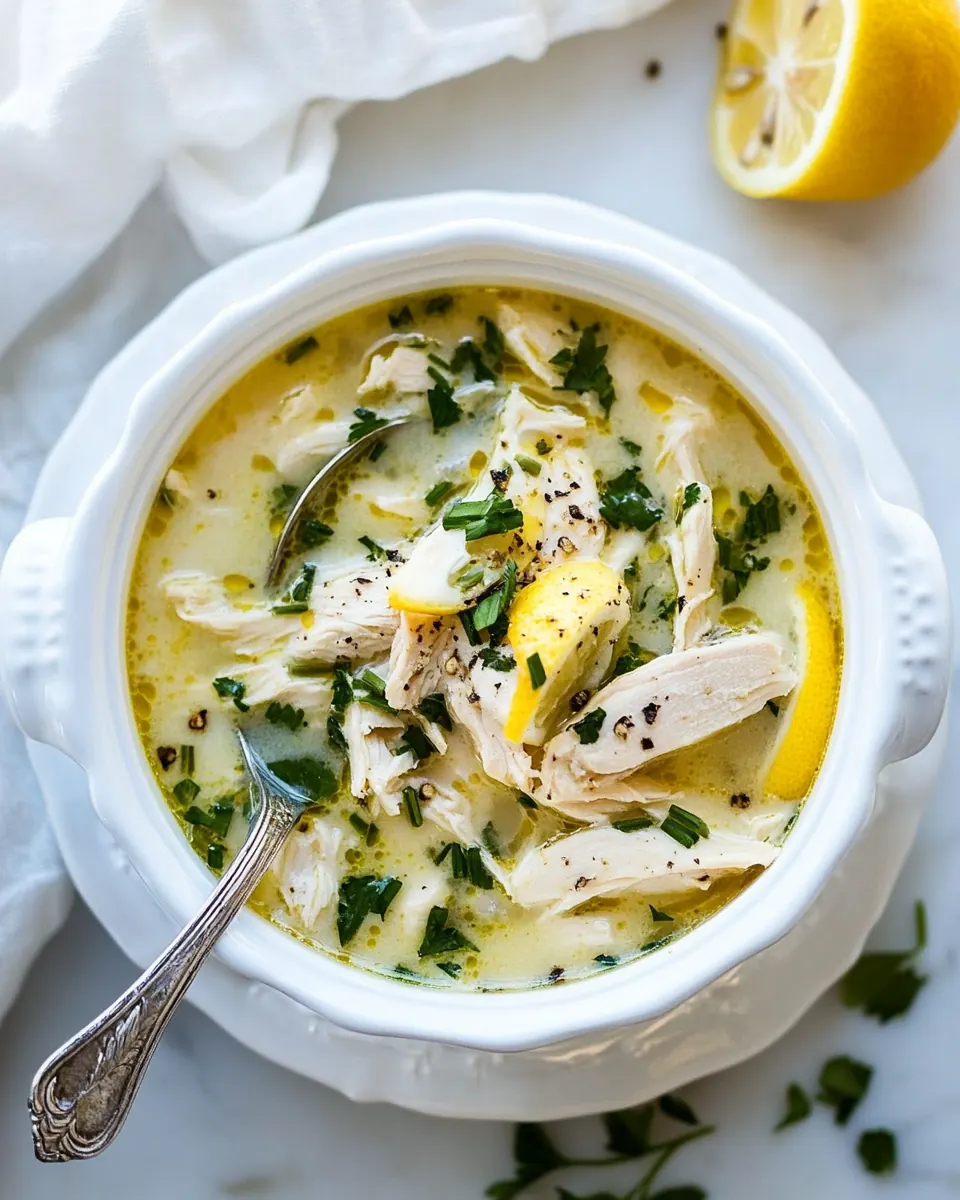
The philosophy here is simple: build a fragrant, savory broth, add tender chicken, then introduce texture and brightness. Each player has a job. The chicken provides protein and body, the chicken broth carries flavor, the onion and garlic lay a savory base, the couscous gives chew, and the lemon and feta lift the palate.
- 10 cups chicken broth: Provide a savory, well-seasoned liquid base that carries all flavors; supports the soup’s brothy texture and richness. Adds moisture and depth so the couscous and chicken meld; choose low-sodium if controlling salt. Warms and unifies the lemon, garlic, and herbs for a balanced bowl.
- 3 tablespoon olive oil: Coat and lightly sauté aromatics to release their flavors and create a gentle richness; enhances mouthfeel and prevents sticking. Adds a fruity, slightly peppery undertone that complements the garlic and lemon. Helps finish the soup with a smooth, glossy texture.
- 8 cloves garlic, minced: Infuse bright, pungent garlicky notes when minced and briefly sautéed; contributes sharp, savory complexity to the broth. Combine with olive oil and onion to build the aromatic base that lifts the lemon and chicken. Provide natural umami that enhances overall savoriness.
- 1 sweet onion: Sweat until softened to create a sweet, mellow aromatic foundation; balance the soup’s acidity and heat with gentle sweetness. Slice or dice for even cooking and integration into the broth. Provide body and subtle texture while harmonizing with garlic and lemon.
- 1 large lemon, zested: Zest to concentrate intense citrus aroma and brighten the soup without adding extra acidity; layer lemon flavor distinct from lemon juice. Include fine strips or micro-zest to distribute fragrance evenly through the broth. Enhance freshness and counterbalance richness from chicken and feta.
- 2 boneless skinless chicken breasts: Poach or shred to provide lean protein and substantial texture; cook directly in the broth to absorb flavors. Slice or cube after cooking for even distribution and a satisfying bite. Contribute heartiness while keeping the soup light and protein-rich.
- 1 cup Israeli couscous (pearl): Add tender, slightly chewy grains that soak up broth and bulk the soup; use Israeli couscous for a pillowy, pearl-like texture. Simmer until al dente so grains remain distinct and not mushy. Provide carbohydrate heft and help make the dish more filling.
- 1/2 teaspoons crushed red pepper: Introduce a touch of heat and subtle warmth when sprinkled sparingly; balance against the lemon and feta. Crush to distribute gentle spice flakes without overpowering the delicate broth. Adjust amount to taste to maintain harmony.
- 2 ounces crumbled feta: Crumble over or stir in at the end to provide creamy, salty, tangy bursts that complement lemon and herbs. Use sparingly to avoid overpowering the soup’s delicate flavors; feta melts slightly into the warm broth. Add a Mediterranean finish and savory contrast.
- 1/3 cup chopped chive: Chop finely to provide mild onion-like freshness and a delicate herbal lift when sprinkled on top. Stir into the soup near the end or use as garnish to preserve color and flavor. Offer a gentle, grassy note that brightens each spoonful.
- Salt and pepper: Season to taste with salt to enhance all flavors and use pepper for mild heat and complexity; adjust incrementally. Taste the broth after cooking and before serving to balance acidity, saltiness, and richness. Ensure final seasoning ties together lemon, chicken, and couscous harmoniously.
Instructions for Greek Lemon Chicken Soup
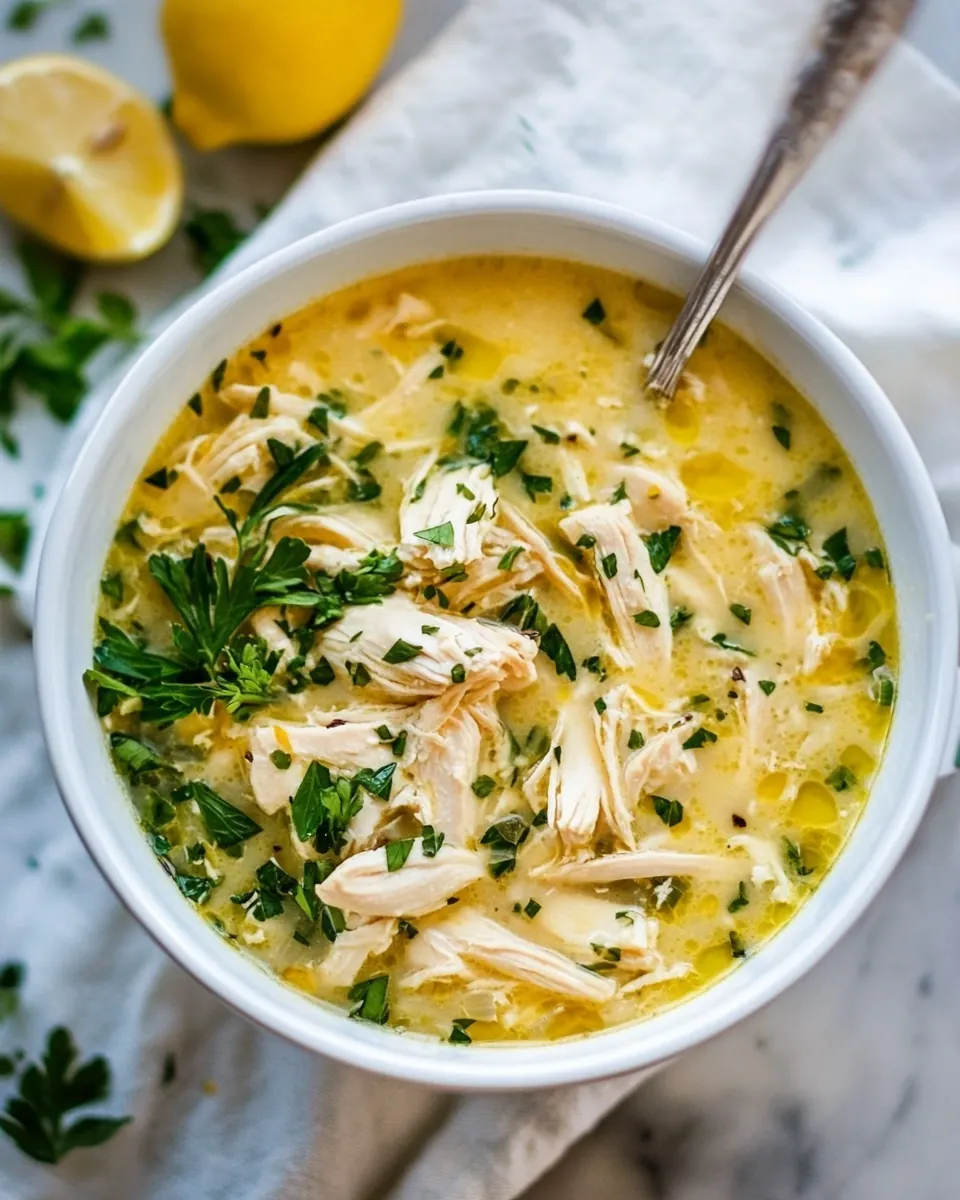
These directions are straightforward, and I like to move through them mindfully because each step shapes the final flavor. Keep your tools ready, and taste as you go. The order matters, so follow the sequence and trust the sensory cues.
- Place the olive oil in a large 6-8 quart sauce pot over medium-low heat. Peel the onion. Then quarter it and slice into thin strips. Once the oil is hot, saute the onion and minced garlic for 3-4 minutes to soften.: When the oil starts to shimmer slightly, you should be able to smell a faint fruity note, which is your cue that the pan is ready. The gentle heat helps extract sweetness from the onion without browning it, preserving a mellow base. A common mistake here is using too high heat, which will brown the onion and change the character of the soup. If it begins to brown, lower the heat and stir more frequently so the aroma becomes sweet rather than caramelized.
- Add the chicken broth, raw chicken breasts, lemon zest, and crushed red pepper to the pot. Raise the heat to high, cover, and bring to a boil. Once boiling, reduce the heat to medium, then simmer for 5 minutes.: The action of peeling and then quartering the onion releases its sharp scent immediately, so you may want ventilation. Once quartered, slice into thin strips so the pieces soften evenly and melt into the broth later. Proper slicing ensures consistent cooking, and uneven pieces can leave chewy bits. To avoid tears, chill the onion briefly before cutting or use a sharp knife so you slice cleanly.
- Stir in the couscous, 1 teaspoon salt, and black pepper to taste. Simmer another 5 minutes. Then turn the heat off.: Thin strips will become tender quickly and contribute a silky texture to the soup. As they hit the warm oil, you will hear a gentle sizzle and see them lose their raw sheen, becoming translucent in a few minutes. If you skip slicing thinly, the larger pieces will take longer to soften and may stand out awkwardly in the finished bowl.
- Using tongs, remove the two chicken breasts from the pot. Use a fork and the tongs to shred the chicken. Then place it back in the pot. Stir in the crumbled feta cheese and chopped chive. Taste and salt and pepper as needed. Serve warm.: During this short saute, the kitchen fills with the savory fragrance of garlic and sweet notes from the onion . Stir often so the garlic does not catch and turn bitter. You want a soft, glossy texture rather than color, because that maintains a delicate base. Overcooking at this stage results in a browned, nutty flavor that shifts the soup toward roasted notes, which is not the goal.
- Add the chicken broth, raw chicken breasts, lemon zest, and crushed red pepper to the pot: As you pour the chicken broth in, it will steam and carry those aromatics upward, creating a fragrant cloud. Nestle the boneless skinless chicken breasts into the liquid so they poach gently, which keeps them tender and shreddable. The lemon zest will release perfume into the hot liquid while the crushed red pepper provides a subtle background warmth. Avoid placing the heat too high immediately, because rapid boiling can toughen the chicken .
- Raise the heat to high, cover, and bring to a boil: You will see vigorous bubbling and hear the pot working as flavors meld quickly. Covering accelerates the process and traps aroma, but watch closely so it does not boil over. Boiling helps cook the chicken through, but prolonged hard boiling can make the meat stringy. When it reaches a full boil, reduce the heat to a gentler simmer as the next step directs.
- Once boiling, reduce the heat to medium, then simmer for 5 minutes: At this pace, the chicken poaches through in a tender way, and the broth takes on the meat’s savory notes. You should see gentle bubbles and occasional steam, and the aroma will be richer and more layered. Simmering rather than prolonged rolling boil preserves the soft texture of the chicken . A common error is under simmering, which leaves the center undercooked, so confirm doneness with a fork; the meat should be opaque and easily shreddable.
- Stir in the couscous, 1 teaspoon salt, and black pepper to taste: When you add the couscous , it will sink and then swell as it absorbs liquid. You should stir gently so the pearls separate and do not clump. The sound of small bubbles will change slightly as the starch releases, and the broth will thicken subtly. If you add too much salt at once, the final bowl may become overly seasoned after the feta is added, so season conservatively and adjust later.
- Simmer another 5 minutes: During this time the couscous should become tender yet retain a slight bite, and you will notice the texture evolving from individual hard pearls to plump, translucent ones. The aroma will be a warm mix of lemon, garlic, and stock. Be mindful because overcooking will make the pearls mushy; taste a pearl to check for the slight chew that indicates perfect doneness.
- Then turn the heat off: Removing the pot from the heat lets residual warmth finish the cooking gently, preventing overdone couscous or dry chicken . You will see steam rise as the pot cools, and the flavors continue to mingle. Turning off the heat also prepares you for the next step where you handle the chicken and finish the dish with cool ingredients like feta and chive .
- Using tongs, remove the two chicken breasts from the pot: The breasts will be hot and tender, with steam releasing as you lift them out. Set them on a plate briefly to shred. Removing them prevents overcooking from residual heat and makes it easy to shred into uniform pieces that blend back into the soup. A common pitfall is leaving them in, which can lead to dry, stringy texture.
- Use a fork and the tongs to shred the chicken: Shredding while the meat is warm yields tender ribbons that soak up broth beautifully. Pull across the grain for tender shreds, and if you prefer bite sized pieces, shred coarsely for heartier texture. Be mindful of any small undercooked spots; they should be fully opaque before shredding. If the chicken resists shredding, it needs a touch more time in the hot liquid.
- Then place it back in the pot: As you return the shredded chicken , it mingles with the hot broth and absorbs flavor, creating a cohesive, hearty bowl. Stir gently so the couscous and meat distribute evenly. This reintegration is what gives each spoonful a good balance of protein and starch. If you skip stirring, you may end up with uneven pockets of chicken or couscous.
- Stir in the crumbled feta cheese and chopped chive: Adding the feta and chive off heat preserves their textures, so the feta softens without fully melting and the chive keeps its fresh color and mild bite. The aroma will brighten instantly, and the taste will shift to a savory tang. A mistake is adding these too early, which mutes their fresh qualities and flattens the finish.
- Taste and salt and pepper as needed: Final seasoning is crucial because the broth, feta , and chicken all contribute sodium differently. Taste thoughtfully, add small increments of salt, and balance with black pepper. The ideal bowl has a harmonious interplay of savory, bright, and mildly spicy notes. Over seasoning at this point is hard to correct, so proceed gradually.
- Serve warm: Ladle into bowls while the soup is steaming, and enjoy immediately so the textures and aromas are at their peak. If you hold it too long, the couscous will continue to absorb liquid and the bowl may thicken more than you want. For leftovers, store sealed to control texture and reheat gently.
Helpful Hints
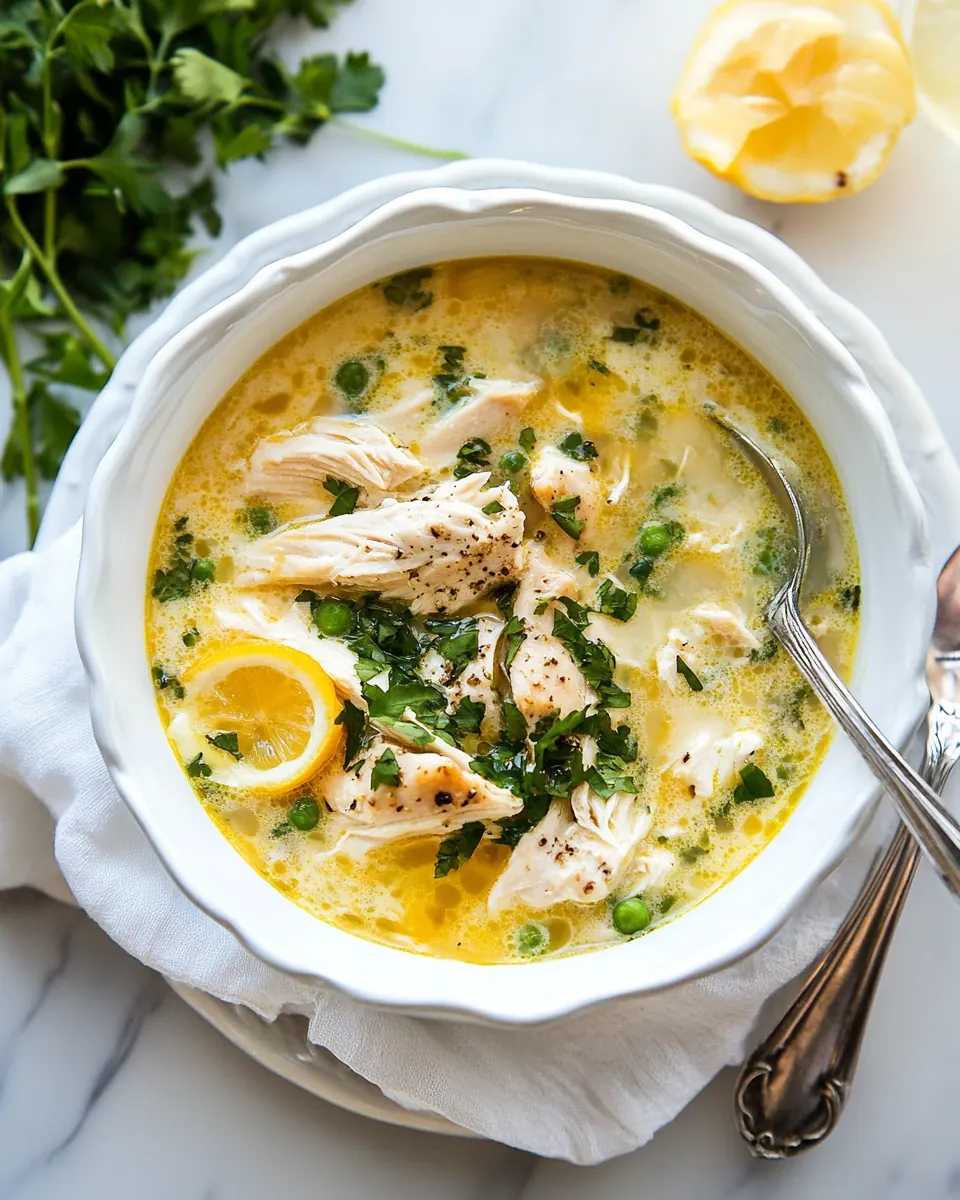
These hints come from repeated making and tasting. They help you navigate seasoning, texture, and timing so each bowl of Greek Lemon Chicken Soup is reliably delicious.
- Pick low sodium broth, it lets you season at the end and prevents the soup from tasting too salty once the feta is added.
- Warm the pot before adding olive oil to help the aromatics bloom gently, creating a sweeter, more complex base.
- Thinly slice the onion so it softens quickly and integrates smoothly into the broth without leaving large, raw pieces.
- Hold back feta and chive until after you remove the pot from heat to maintain bright flavors and varied texture in the finished bowl.
- Shred while warm, because warm chicken shreds more cleanly and soaks up broth, giving you juicy ribbons instead of dry shreds.
- Adjust heat when boiling, reducing to a simmer once it reaches a boil prevents the chicken from tightening and becoming stringy.
- Watch the couscous closely during its final simmer, tasting to reach the plump yet slightly firm stage for best texture.
How to Serve Greek Lemon Chicken Soup
This soup shines on its own but also pairs wonderfully with light sides, and it suits many occasions from weeknight dinners to special seasonal meals. Serve it steaming so the aromas are at their best.
- For a simple meal, serve bowls with extra crumbled feta and a sprinkle of chopped chive so guests can personalize each bowl.
- For a light lunch, place a small green salad alongside to add crisp texture and a cool contrast to the warm broth.
- For a cozy dinner, offer crusty bread or warm pita for dipping, which complements the soup’s savory lemon notes and makes the meal more filling.
- Occasions like family dinners, quiet holiday lunches, or when someone is under the weather are perfect moments to bring out this soup because it’s comforting yet bright.
- Storage tips, refrigerate in an airtight container for up to three days. If you plan to freeze, leave out the couscous and add fresh when reheating to preserve texture.
- Seasonal pairings, the bright lemon and fresh chive make this a winter favorite for lifting spirits, yet it’s light enough to enjoy in spring as well.
FAQ
Conclusion
What makes this recipe special is its balance of bright lemon, tender chicken, and the pleasing chew of Israeli couscous, finished with tangy feta and fresh chive. Give it a try on a cool evening or when you need a bowl that feels both restorative and light. I hope it becomes one of your dependable favorites for simple, comforting meals.
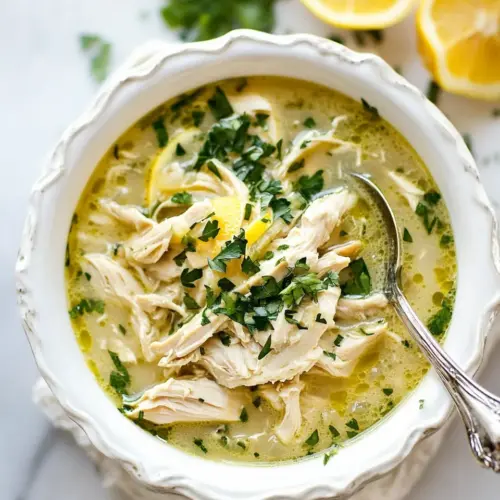
Greek Lemon Chicken Soup
Equipment
- 6 to 8 quart sauce pot
- Tongs
- Fork
Ingredients
- 10 cups chicken broth Provide a savory, well-seasoned liquid base that carries all flavors; supports the soup’s brothy texture and richness. Adds moisture and depth so the couscous and chicken meld; choose low-sodium if controlling salt. Warms and unifies the lemon, garlic, and herbs for a balanced bowl.
- 3 tablespoon olive oil Coat and lightly sauté aromatics to release their flavors and create a gentle richness; enhances mouthfeel and prevents sticking. Adds a fruity, slightly peppery undertone that complements the garlic and lemon. Helps finish the soup with a smooth, glossy texture.
- 8 cloves garlic, minced Infuse bright, pungent garlicky notes when minced and briefly sautéed; contributes sharp, savory complexity to the broth. Combine with olive oil and onion to build the aromatic base that lifts the lemon and chicken. Provide natural umami that enhances overall savoriness.
- 1 sweet onion Sweat until softened to create a sweet, mellow aromatic foundation; balance the soup’s acidity and heat with gentle sweetness. Slice or dice for even cooking and integration into the broth. Provide body and subtle texture while harmonizing with garlic and lemon.
- 1 large lemon, zested Zest to concentrate intense citrus aroma and brighten the soup without adding extra acidity; layer lemon flavor distinct from lemon juice. Include fine strips or micro-zest to distribute fragrance evenly through the broth. Enhance freshness and counterbalance richness from chicken and feta.
- 2 boneless skinless chicken breasts Poach or shred to provide lean protein and substantial texture; cook directly in the broth to absorb flavors. Slice or cube after cooking for even distribution and a satisfying bite. Contribute heartiness while keeping the soup light and protein-rich.
- 1 cup Israeli couscous (pearl) Add tender, slightly chewy grains that soak up broth and bulk the soup; use Israeli couscous for a pillowy, pearl-like texture. Simmer until al dente so grains remain distinct and not mushy. Provide carbohydrate heft and help make the dish more filling.
- 1/2 teaspoons crushed red pepper Introduce a touch of heat and subtle warmth when sprinkled sparingly; balance against the lemon and feta. Crush to distribute gentle spice flakes without overpowering the delicate broth. Adjust amount to taste to maintain harmony.
- 2 ounces crumbled feta Crumble over or stir in at the end to provide creamy, salty, tangy bursts that complement lemon and herbs. Use sparingly to avoid overpowering the soup’s delicate flavors; feta melts slightly into the warm broth. Add a Mediterranean finish and savory contrast.
- 1/3 cup chopped chive Chop finely to provide mild onion-like freshness and a delicate herbal lift when sprinkled on top. Stir into the soup near the end or use as garnish to preserve color and flavor. Offer a gentle, grassy note that brightens each spoonful.
- Salt and pepper Season to taste with salt to enhance all flavors and use pepper for mild heat and complexity; adjust incrementally. Taste the broth after cooking and before serving to balance acidity, saltiness, and richness. Ensure final seasoning ties together lemon, chicken, and couscous harmoniously.
Instructions
- Place the olive oil in a large 6-8 quart sauce pot over medium-low heat. Peel the onion. Then quarter it and slice into thin strips. Once the oil is hot, saute the onion and minced garlic for 3-4 minutes to soften.: When the oil starts to shimmer slightly, you should be able to smell a faint fruity note, which is your cue that the pan is ready. The gentle heat helps extract sweetness from the onion without browning it, preserving a mellow base. A common mistake here is using too high heat, which will brown the onion and change the character of the soup. If it begins to brown, lower the heat and stir more frequently so the aroma becomes sweet rather than caramelized.
- Add the chicken broth, raw chicken breasts, lemon zest, and crushed red pepper to the pot. Raise the heat to high, cover, and bring to a boil. Once boiling, reduce the heat to medium, then simmer for 5 minutes.: The action of peeling and then quartering the onion releases its sharp scent immediately, so you may want ventilation. Once quartered, slice into thin strips so the pieces soften evenly and melt into the broth later. Proper slicing ensures consistent cooking, and uneven pieces can leave chewy bits. To avoid tears, chill the onion briefly before cutting or use a sharp knife so you slice cleanly.
- Stir in the couscous, 1 teaspoon salt, and black pepper to taste. Simmer another 5 minutes. Then turn the heat off.: Thin strips will become tender quickly and contribute a silky texture to the soup. As they hit the warm oil, you will hear a gentle sizzle and see them lose their raw sheen, becoming translucent in a few minutes. If you skip slicing thinly, the larger pieces will take longer to soften and may stand out awkwardly in the finished bowl.
- Using tongs, remove the two chicken breasts from the pot. Use a fork and the tongs to shred the chicken. Then place it back in the pot. Stir in the crumbled feta cheese and chopped chive. Taste and salt and pepper as needed. Serve warm.: During this short saute, the kitchen fills with the savory fragrance of garlic and sweet notes from the onion . Stir often so the garlic does not catch and turn bitter. You want a soft, glossy texture rather than color, because that maintains a delicate base. Overcooking at this stage results in a browned, nutty flavor that shifts the soup toward roasted notes, which is not the goal.
- Add the chicken broth, raw chicken breasts, lemon zest, and crushed red pepper to the pot: As you pour the chicken broth in, it will steam and carry those aromatics upward, creating a fragrant cloud. Nestle the boneless skinless chicken breasts into the liquid so they poach gently, which keeps them tender and shreddable. The lemon zest will release perfume into the hot liquid while the crushed red pepper provides a subtle background warmth. Avoid placing the heat too high immediately, because rapid boiling can toughen the chicken .
- Raise the heat to high, cover, and bring to a boil: You will see vigorous bubbling and hear the pot working as flavors meld quickly. Covering accelerates the process and traps aroma, but watch closely so it does not boil over. Boiling helps cook the chicken through, but prolonged hard boiling can make the meat stringy. When it reaches a full boil, reduce the heat to a gentler simmer as the next step directs.
- Once boiling, reduce the heat to medium, then simmer for 5 minutes: At this pace, the chicken poaches through in a tender way, and the broth takes on the meat’s savory notes. You should see gentle bubbles and occasional steam, and the aroma will be richer and more layered. Simmering rather than prolonged rolling boil preserves the soft texture of the chicken . A common error is under simmering, which leaves the center undercooked, so confirm doneness with a fork; the meat should be opaque and easily shreddable.
- Stir in the couscous, 1 teaspoon salt, and black pepper to taste: When you add the couscous , it will sink and then swell as it absorbs liquid. You should stir gently so the pearls separate and do not clump. The sound of small bubbles will change slightly as the starch releases, and the broth will thicken subtly. If you add too much salt at once, the final bowl may become overly seasoned after the feta is added, so season conservatively and adjust later.
- Simmer another 5 minutes: During this time the couscous should become tender yet retain a slight bite, and you will notice the texture evolving from individual hard pearls to plump, translucent ones. The aroma will be a warm mix of lemon, garlic, and stock. Be mindful because overcooking will make the pearls mushy; taste a pearl to check for the slight chew that indicates perfect doneness.
- Then turn the heat off: Removing the pot from the heat lets residual warmth finish the cooking gently, preventing overdone couscous or dry chicken . You will see steam rise as the pot cools, and the flavors continue to mingle. Turning off the heat also prepares you for the next step where you handle the chicken and finish the dish with cool ingredients like feta and chive .
- Using tongs, remove the two chicken breasts from the pot: The breasts will be hot and tender, with steam releasing as you lift them out. Set them on a plate briefly to shred. Removing them prevents overcooking from residual heat and makes it easy to shred into uniform pieces that blend back into the soup. A common pitfall is leaving them in, which can lead to dry, stringy texture.
- Use a fork and the tongs to shred the chicken: Shredding while the meat is warm yields tender ribbons that soak up broth beautifully. Pull across the grain for tender shreds, and if you prefer bite sized pieces, shred coarsely for heartier texture. Be mindful of any small undercooked spots; they should be fully opaque before shredding. If the chicken resists shredding, it needs a touch more time in the hot liquid.
- Then place it back in the pot: As you return the shredded chicken , it mingles with the hot broth and absorbs flavor, creating a cohesive, hearty bowl. Stir gently so the couscous and meat distribute evenly. This reintegration is what gives each spoonful a good balance of protein and starch. If you skip stirring, you may end up with uneven pockets of chicken or couscous.
- Stir in the crumbled feta cheese and chopped chive: Adding the feta and chive off heat preserves their textures, so the feta softens without fully melting and the chive keeps its fresh color and mild bite. The aroma will brighten instantly, and the taste will shift to a savory tang. A mistake is adding these too early, which mutes their fresh qualities and flattens the finish.
- Taste and salt and pepper as needed: Final seasoning is crucial because the broth, feta , and chicken all contribute sodium differently. Taste thoughtfully, add small increments of salt, and balance with black pepper. The ideal bowl has a harmonious interplay of savory, bright, and mildly spicy notes. Over seasoning at this point is hard to correct, so proceed gradually.
- Serve warm: Ladle into bowls while the soup is steaming, and enjoy immediately so the textures and aromas are at their peak. If you hold it too long, the couscous will continue to absorb liquid and the bowl may thicken more than you want. For leftovers, store sealed to control texture and reheat gently.
Notes
- Pick low sodium broth, it lets you season at the end and prevents the soup from tasting too salty once the feta is added.
- Warm the pot before adding olive oil to help the aromatics bloom gently, creating a sweeter, more complex base.
- Thinly slice the onion so it softens quickly and integrates smoothly into the broth without leaving large, raw pieces.
- Hold back feta and chive until after you remove the pot from heat to maintain bright flavors and varied texture in the finished bowl.
- Shred while warm, because warm chicken shreds more cleanly and soaks up broth, giving you juicy ribbons instead of dry shreds.
- Adjust heat when boiling, reducing to a simmer once it reaches a boil prevents the chicken from tightening and becoming stringy.
- Watch the couscous closely during its final simmer, tasting to reach the plump yet slightly firm stage for best texture.