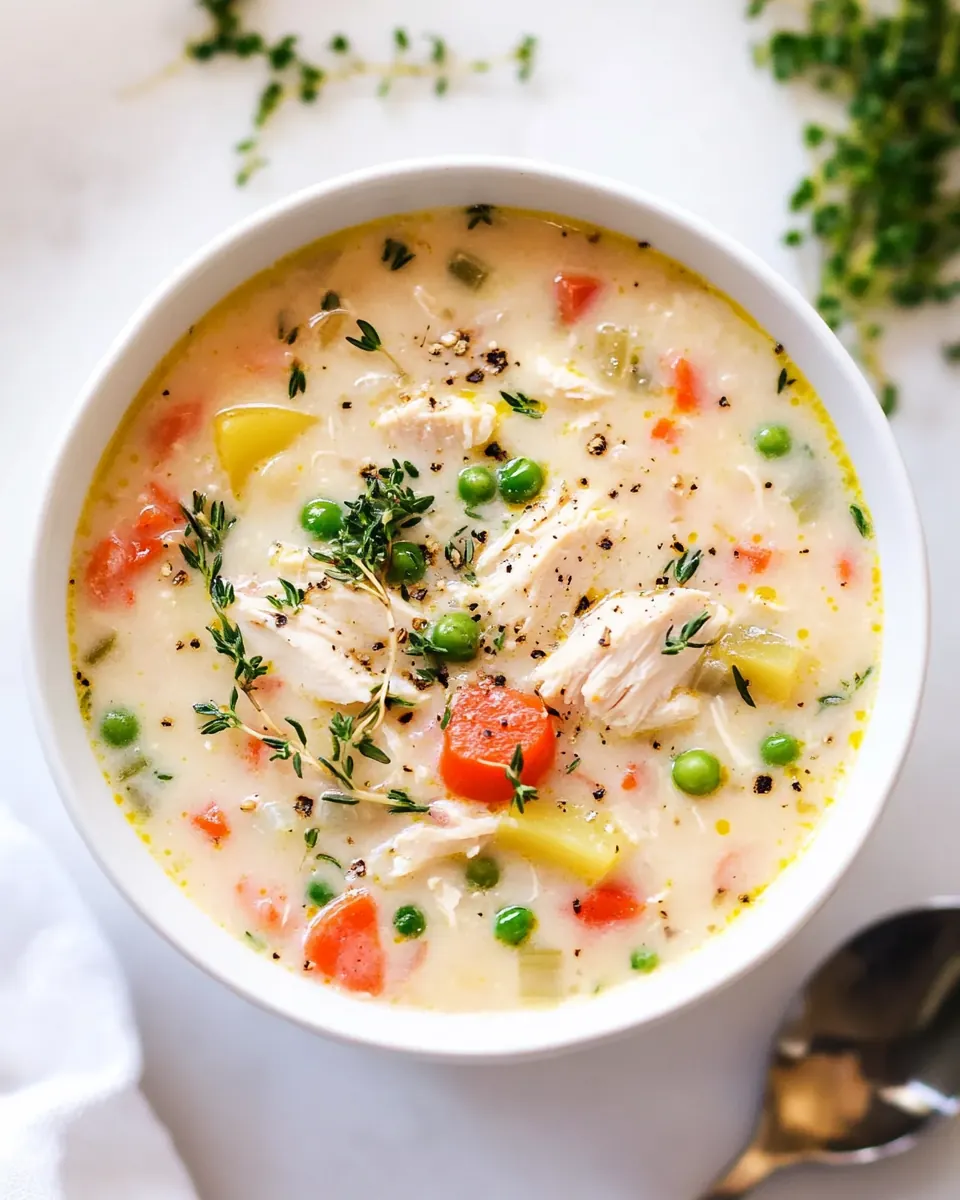
Chicken and Potato Soup
Chicken and Potato Soup has been the dish I lean on when the weather turns chilly and conversation needs softening around the table. The first time I made it I was juggling a sleepy toddler, a stack of mail, and an overexcited dog, yet the kitchen filled with an honest, comfy aroma that instantly calmed everything. I remember thinking how satisfying it is when simple pantry items transform into something nourishing and familiar.
Over the years I have nudged this recipe toward balance, keeping the warmth of the broth, the tenderness of the chicken, and the creamy bite of the potatoes front and center. I like to turn on mellow music, slice the vegetables slowly, and savor the way each step layers flavor. It is the sort of recipe I reach for when I want to be present, rather than racing through a meal.
Family and friends often tell me this soup feels like a hug in a bowl, and I can see why. The texture is rich but never heavy, comforting but thoughtfully brightened by a sprinkle of herbs. I love how it adapts to what I have on hand, and how a few tweaks still keep the spirit of the dish intact. If you want a bowl that quiets the day and brings people closer, this one does exactly that.
Recipe Snapshot
60 mins
30 mins
30 mins
Medium
350 kcal
American
Gluten-Free, Low FODMAP
Soups
Large pot, Medium pot
The Appeal of This Chicken and Potato Soup
Comfort that feels like home
I love that Chicken and Potato Soup delivers instant comfort with minimal fuss. The combination of tender chicken and soft, unpeeled potatoes creates a texture that is both rustic and soothing, perfect for evenings when you want something honest and familiar.
Layered flavor without complexity
What stands out to me is how the simple ingredients build deep flavor. Searing the chicken first leaves fond in the pot that becomes the backbone of the broth, while the sautéed mirepoix adds a sweet savory base. A creamy milk and butter roux brings body, making each spoonful feel indulgent even though the method is straightforward.
Flexible and forgiving
I appreciate recipes that forgive small mistakes, and this one does. If your potatoes take an extra few minutes to soften or you need to thin the soup with a splash of broth later, it still sings. Adding frozen peas or a handful of shredded Cheddar cheese lets you tailor the final bowl to what you and your family prefer.
Perfect for sharing or batch cooking
This soup scales beautifully, which is why I make it when friends drop by or when I want lunches for the week. It reheats well, often tasting even better after a day as flavors mingle. That convenience makes it a practical favorite for busy weeks.
Textural contrast and visual appeal
The contrast of silky broth, tender shredded chicken, and slightly firm diced potatoes is one of my favorite things. A final sprinkle of fresh parsley or thyme adds a bright note and color, making the bowl look as inviting as it tastes.
What to Buy for Chicken and Potato Soup
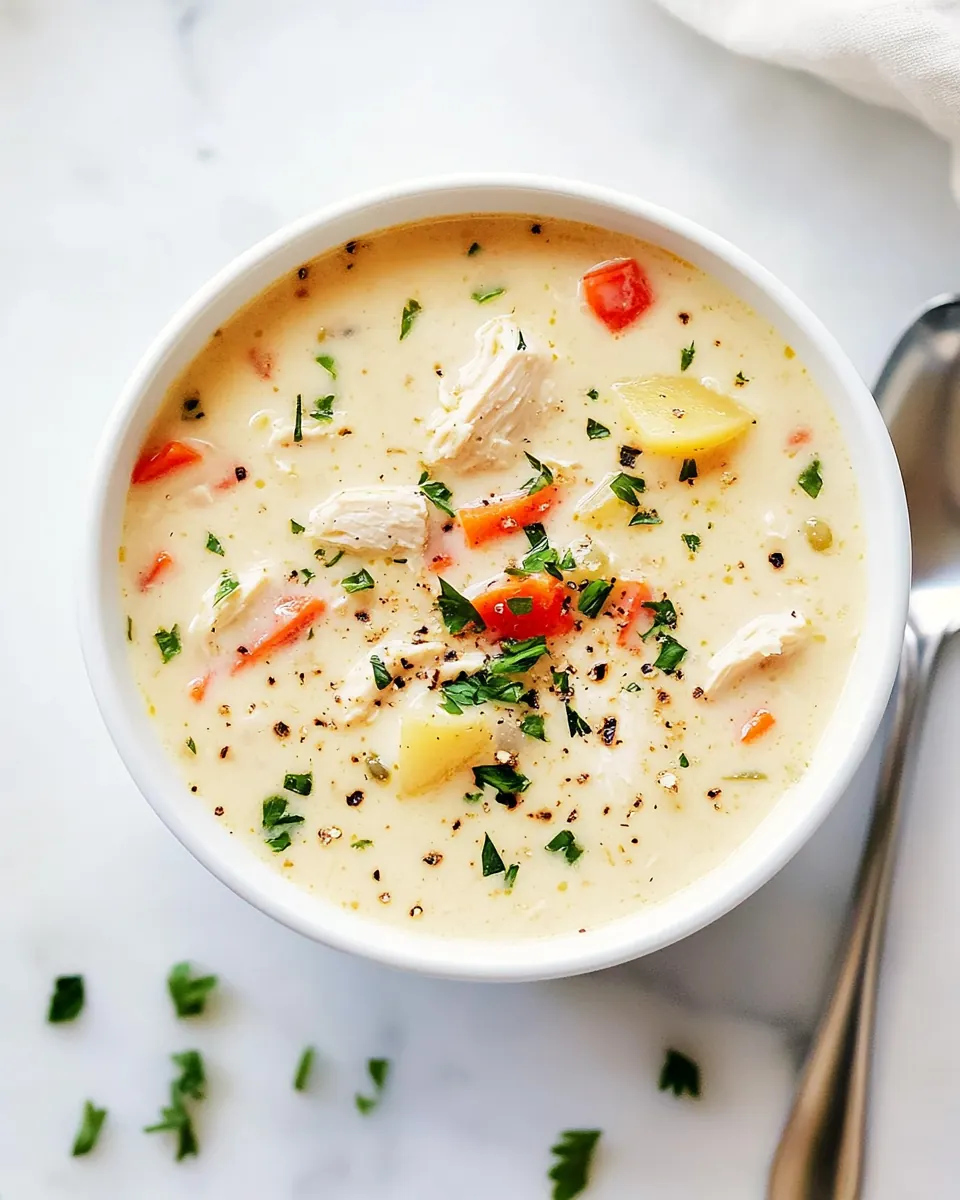
I like to think of these ingredients as a small ensemble where every player has a role. The star is the chicken, providing protein and a gentle savory base. The potatoes thicken the mouthfeel without heavy thickeners, while the mirepoix of carrots, celery, and onion builds sweetness and depth. Dairy elements bring creaminess, and the Cheddar cheese adds a comforting, salty finish.
- 2 medium chicken breasts: Poached or seared and sliced to provide the primary protein and hearty texture; cooks quickly and absorbs surrounding flavors, making each spoonful substantial and satisfying. Can be shredded after cooking to disperse evenly through the soup and pair well with potatoes and broth.
- 1 teaspoon Italian seasoning: Sprinkled to add a balanced blend of dried Mediterranean herbs that lend warmth and aromatic depth; complements chicken and vegetables without overpowering. Works well when added during cooking to release fragrant oils and in finishing for a familiar herbaceous note.
- 1 teaspoon garlic powder: Sprinkled to add savory, mellow garlic flavor in powdered form; mellows during cooking and blends seamlessly into the broth for consistent seasoning. Useful for adding garlicky backbone when fresh garlic is limited or to layer flavors alongside minced garlic.
- 3/4 teaspoons salt: Measured to season the broth and ingredients for balanced savory taste; enhances overall flavor and helps bring out the natural tastes of chicken and vegetables. Best adjusted to preference, keeping in mind other salted components like broth and cheese.
- 3/4 teaspoon pepper: Ground to bring mild heat and aromatic pungency that brightens the savory elements; balances salt and richness while adding a subtle peppery finish. Can be adjusted to taste and combined with other spices for layered seasoning.
- 3 tablespoons olive oil divided: Divided for both sautéing and finishing, providing a fruit-forward oil that helps brown chicken and vegetables while adding richness. Using it in portions prevents greasiness and contributes to aromatic sautéing and flavor buildup.
- 5 tablespoons unsalted butter divided: Split between cooking steps to add creamy richness and mouthfeel; melts to form the base of a silky roux when combined with flour and helps enrich the finished soup. Adds depth and a buttery flavor that complements the cheese and milk.
- 3 cups mirepoix or 1 cup diced carrots, 1 cup diced celery, and 1 cup diced yellow onion: Chopped combination that creates the aromatic foundation of the soup, offering sweetness, earthiness, and savory balance; provides structure and flavor as it softens during sautéing. Using a mirepoix ensures consistent flavor integration between carrots, celery, and onion.
- 1 tablespoon minced garlic: Added to impart fresh pungent garlic flavor and fragrance; sautés quickly to release oils that deepen the soup's savory profile. Works as a bright counterpoint to richer dairy and cheese elements when introduced early in cooking.
- 1 teaspoon chicken bouillon powder: Sprinkled to intensify chicken flavor in a concentrated form and boost savory depth; dissolves into the liquid to round out the broth-like base. Useful for enhancing taste when using low-sodium or simple broths.
- 4 cups diced baby gold potatoes unpeeled: Diced and left unpeeled to contribute tender potato texture, subtle sweetness, and slight earthiness; thickens the soup slightly as starch is released during simmering. Provides satisfying bite and pairs naturally with creamy and cheesy components.
- 3 cups chicken broth: Poured as the primary savory liquid to carry flavors and create the soup's body; supplies chicken essence and salt balance while hydrating vegetables and potatoes. Can be adjusted in volume or strength depending on desired intensity.
- 1/3 cup flour: Measured to form a slurry with melted butter and create a roux or thickener that gives the soup body and smooth texture. Whisked into warm liquids, it helps bind dairy and broth for a velvety consistency.
- 3 cups whole milk: Added to contribute creamy richness and to thin the roux into a smooth, dairy-forward broth; brings lactose-driven sweetness and silky mouthfeel that balances starch and savory flavors. Heats gently to avoid scalding while integrating with cheese.
- 1/2 cup heavy cream: Poured to increase luxuriousness and mouth-coating creaminess; balances the milk for a richer finished texture and a slightly higher fat content. Adds smoothness that enhances the soup's indulgent character without overwhelming flavors.
- 2 cups freshly shredded sharp Cheddar cheese: Shredded and stirred in to provide sharp, salty, tangy intensity and to thicken the soup as it melts; contributes both flavor and body. Melts into the hot soup for cohesive cheesy richness that complements potatoes and chicken.
- 1 cup frozen peas (optional): Tossed in for a pop of color and subtle sweetness when included; adds a pleasant textural contrast and light vegetal flavor that enlivens the creamy base. Best added near the end of cooking to preserve bite and bright green color.
- Fresh parsley or thyme (optional): Chopped and sprinkled as a fresh herb garnish to introduce bright, aromatic notes and mild herbal complexity; enhances appearance and provides a lift to rich flavors. Optional stems and leaves can be used depending on preference for parsley or thyme.
- Hearty buttered bread for serving: Served alongside to soak up broth and add a comforting, crispy or buttery element; pairs well with the soup's creamy texture and makes the meal more filling. Provides a rustic accompaniment that enhances each spoonful when dipped or spread with butter.
Directions for Chicken and Potato Soup
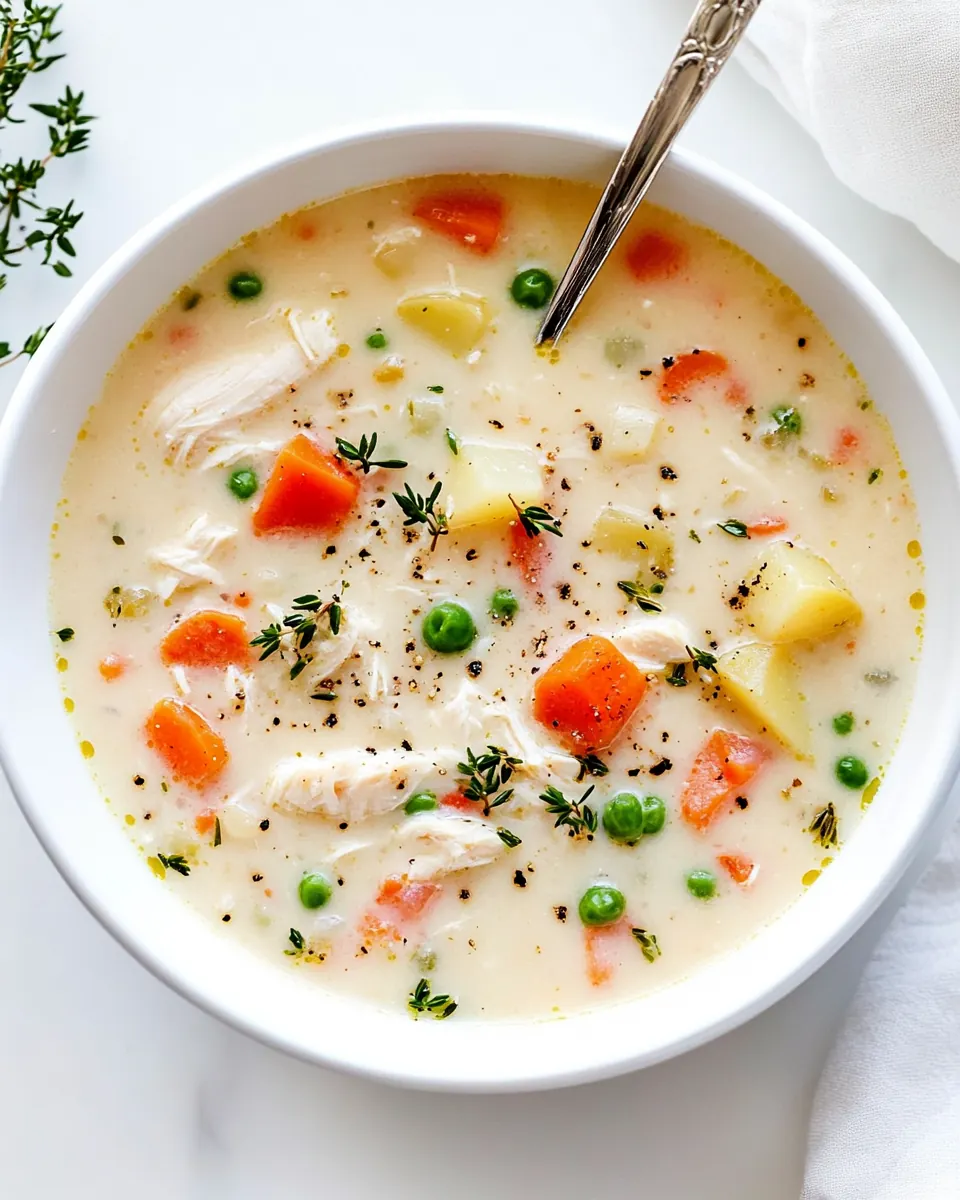
These directions will walk you through from searing the chicken to stirring in the final Cheddar cheese. I like to work methodically and keep my mise en place ready so the sequence flows and nothing boils over. Read through each step before you begin to make the process calmer and more enjoyable.
- Cut chicken breasts in half widthwise to create 4 thinner pieces. Pound each piece to even out thickness. Season both sides with Italian seasoning, garlic powder, salt, and pepper.: The moment you pound and season the chicken you set the stage for even cooking and consistent flavor. As you gently pound, listen for a soft, almost muffled thud rather than a loud smack, and feel the meat relax under the mallet, which helps it cook through quickly and evenly. Seasoning both sides early lets the spices adhere and begin to infuse, so you will smell the herby, garlicky aroma even before the pan heats. A common mistake is pounding too thin, which can make the chicken dry when cooked; aim for uniform thickness rather than paper thin.
- In a large pot, heat 2 tablespoons olive oil over medium-high heat. Cook chicken until it’s 160°F all the way through and the juices run clear, about 3–4 minutes. Transfer chicken to a plate, cover with foil, and let it rest for 5 minutes. Slice, dice, or shred the chicken.: As the chicken sizzles in the oil you will hear a steady, confident sound and smell those browned, caramelized notes. When the exterior is golden and the thermometer reads 160°F, the meat will still be moist after resting, since carryover heat finishes cooking. Resting under foil keeps juices locked in, and slicing or shredding afterward gives you tender pieces that integrate into the soup. Avoid overcrowding the pot which can cause steaming instead of browning, leaving you without that flavorful fond.
- Without wiping it out, add 1 tablespoon oil and 1 tablespoon butter to the same pot you cooked the chicken in. Add mirepoix; sauté for 5–7 minutes. Add minced garlic, chicken bouillon powder, and diced potatoes; sauté for 1 minute.: Using the same pot lets you harness the browned bits left behind, and adding butter with oil offers both flavor and a higher smoke point. The mirepoix will soften and release a sweet, savory aroma, and you should see the edges of the vegetables go translucent with occasional gentle browning. Adding garlic late prevents it from burning and turning bitter, while the potatoes get a quick toss to pick up those flavors. Watch closely and stir often so the garlic does not scorch, which would create a harsh taste.
- Pour in chicken broth and bring to a boil. Reduce heat, cover pot, and simmer for 10–15 minutes until potatoes are fork tender.: When the broth hits a boil, it will steam and shimmer, and that rolling motion means flavors are amalgamating. Lowering to a simmer and covering concentrates heat for even cooking, and testing the potatoes with a fork is the best indicator they are done, feeling tender but not falling apart. Simmering too long can make the potatoes mushy, so check early; undercooked potatoes will remain firm in the center, so patience here ensures good texture.
- In a separate medium pot, melt 4 tablespoons butter over medium heat. Whisk in flour and cook for 1 minute. Gradually add milk while whisking continuously until smooth. Cook until the mixture thickens, then stir in heavy cream. Keep warm, whisking occasionally.: This roux plus milk technique creates a silky, lump free base that gives the soup body. As you whisk, you should see the mixture go from glossy to slightly thickened, with a gentle simmer and faint bubbling at the edges. Adding milk slowly while whisking prevents clumps, and stirring in the heavy cream enriches the texture. A common pitfall is adding cold milk too quickly, which can cause lumps; keep the milk slightly warm or add it gradually to preserve a smooth sauce.
- Pour the milk and cream mixture into the soup. Reduce heat to low. Gradually add shredded cheese, a handful at a time, stirring between additions until melted. Return cooked chicken to the pot. If desired, add frozen peas and stir until warmed. Taste and adjust seasonings as needed.: As the dairy blends with the broth you will notice the soup thicken and the aroma become creamier. Adding Cheddar cheese slowly helps it melt into the mixture rather than clumping; each handful should disappear into a silky ribbon, and the soup will grow richer and slightly glossy. Reintroducing the shredded chicken lets its juices mingle with the creamy base, while the frozen peas will pop with color and a mild sweetness when warmed. Taste at this stage because cheese and bouillon can increase saltiness, so adjust gradually; overheating can cause dairy to separate, so keep the heat low.
- Enjoy the soup warm, garnished with freshly chopped parsley or thyme. Serve with hearty buttered bread if desired.: The final bowl should steam gently and carry a layered aroma of herbs, chicken , and melted Cheddar cheese . A sprinkle of fresh herbs brightens each spoonful, and dunking hearty buttered bread into the bowl amplifies comfort. If the soup seems too thick once cooled, a splash of warm broth loosens it without diluting flavor. Avoid boiling after adding cheese and cream, which can alter the texture and make it grainy.
Ways to Customize
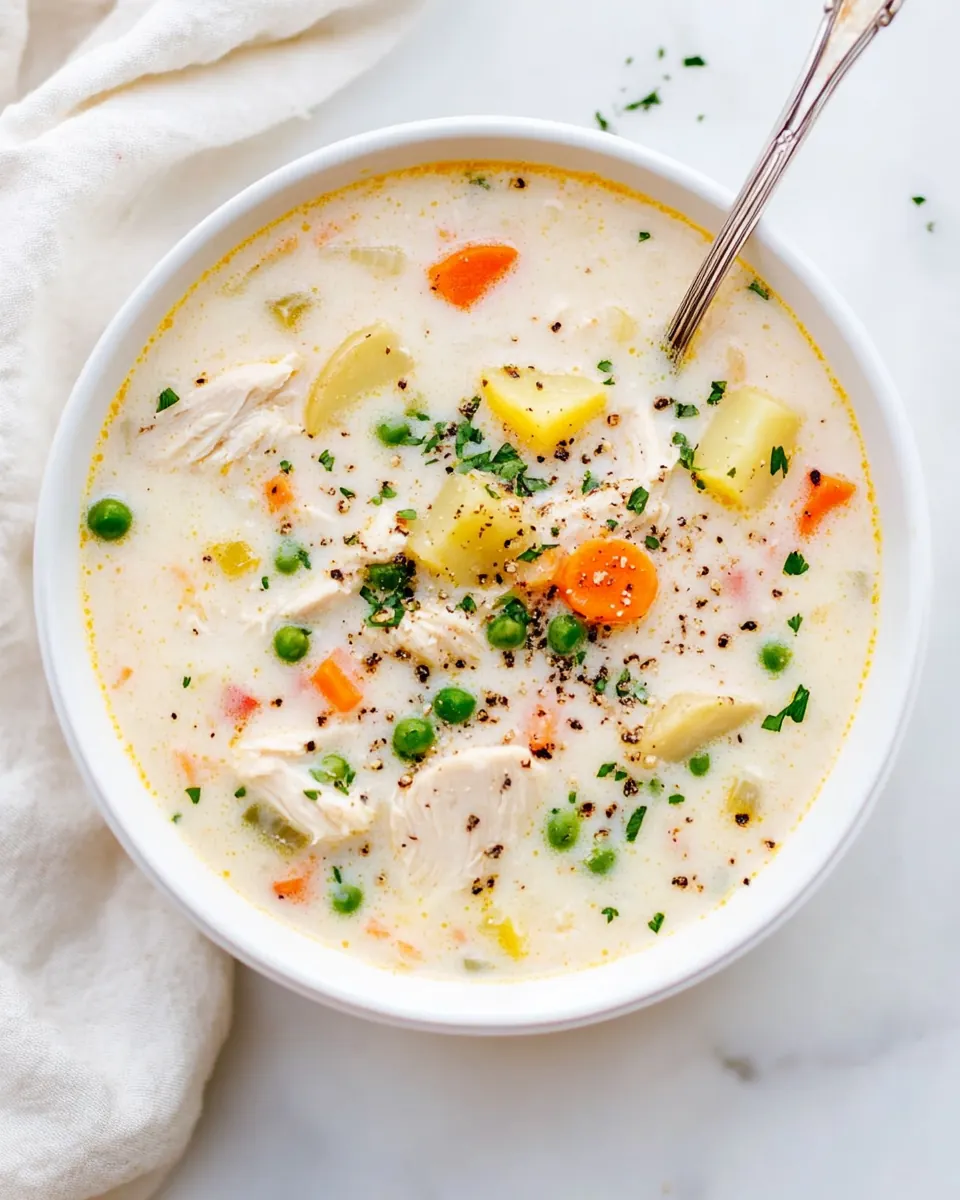
I like to offer several approachable ways to tweak this soup without changing its soul. Below are thoughtful ideas that respect the original flavors while letting you personalize texture, richness, and presentation.
- Make it lighter: Swap half the whole milk for low fat milk and reduce the heavy cream to two tablespoons to cut calories while retaining creaminess.
- Add more veg: Stir in diced leeks or a handful of chopped spinach at the end for extra nutrients and color without changing the comforting profile.
- Boost the herb note: Finish with a teaspoon of lemon zest and a sprinkle of chopped parsley or thyme for a fresher, brighter finish that lifts the richness.
- Cheese variation: Use a blend of mild and sharp cheeses, adding the mild first and the sharp last, to get a balanced melt and controlled tang.
- Make it ahead: Prepare through the simmer stage, cool, and refrigerate the base. Reheat and finish with the dairy and cheese just before serving for the best texture.
- Stovetop control: Keep the heat low after adding milk and cream, stirring frequently to preserve a velvety texture and prevent curdling.
What to Serve Alongside Chicken and Potato Soup
This soup pairs well with simple, buttery accompaniments and flexible side dishes. I like to assemble options so guests can choose how hearty they want the meal to feel. The suggestions below cover weeknight dinners, relaxed lunches, and warming gatherings.
- Buttered crusty bread: A thick slice of buttered sourdough or country loaf is ideal for dipping and soaking up the soup, making each bite more decadent.
- Green salad with vinaigrette: A crisp salad with a bright vinaigrette provides a contrast in texture and acidity, cutting through the creaminess of the soup.
- Roasted seasonal vegetables: Simple roasted carrots, Brussels sprouts, or root vegetables add an earthy note and can be served family style alongside the soup.
- Light sandwiches: A grilled cheese or turkey sandwich pairs especially well for casual lunches, turning the bowl into a fuller, more comforting meal.
- Occasions and timing: This soup is perfect for cozy dinners, chilly winter evenings, or when you need a soothing lunch. It also works well during Ramadan Iftar or for post holiday comfort.
- Storage tips: Cool to room temperature before refrigerating in airtight containers for three to five days, or freeze for two to three months. Reheat gently over low heat and add a splash of broth if needed to loosen the texture.
- Seasonal pairings: In winter serve with warm, spiced sides like roasted squash. In spring, lighten the meal with a lemony arugula salad to brighten the plate.
FAQ
Conclusion
This Chicken and Potato Soup stands out for its warm, layered flavors and comforting, creamy texture that feels like a hug in a bowl. Try it the next chilly evening to enjoy how quickly humble ingredients become something nourishing and crowd pleasing. I hope this recipe becomes one you reach for whenever you want a simple, satisfying meal that brings people together.

Chicken and Potato Soup
Equipment
- Large Pot
- Medium Pot
Ingredients
- 2 medium chicken breasts Poached or seared and sliced to provide the primary protein and hearty texture; cooks quickly and absorbs surrounding flavors, making each spoonful substantial and satisfying. Can be shredded after cooking to disperse evenly through the soup and pair well with potatoes and broth.
- 1 teaspoon Italian seasoning Sprinkled to add a balanced blend of dried Mediterranean herbs that lend warmth and aromatic depth; complements chicken and vegetables without overpowering. Works well when added during cooking to release fragrant oils and in finishing for a familiar herbaceous note.
- 1 teaspoon garlic powder Sprinkled to add savory, mellow garlic flavor in powdered form; mellows during cooking and blends seamlessly into the broth for consistent seasoning. Useful for adding garlicky backbone when fresh garlic is limited or to layer flavors alongside minced garlic.
- 3/4 teaspoons salt Measured to season the broth and ingredients for balanced savory taste; enhances overall flavor and helps bring out the natural tastes of chicken and vegetables. Best adjusted to preference, keeping in mind other salted components like broth and cheese.
- 3/4 teaspoon pepper Ground to bring mild heat and aromatic pungency that brightens the savory elements; balances salt and richness while adding a subtle peppery finish. Can be adjusted to taste and combined with other spices for layered seasoning.
- 3 tablespoons olive oil divided Divided for both sautéing and finishing, providing a fruit-forward oil that helps brown chicken and vegetables while adding richness. Using it in portions prevents greasiness and contributes to aromatic sautéing and flavor buildup.
- 5 tablespoons unsalted butter divided Split between cooking steps to add creamy richness and mouthfeel; melts to form the base of a silky roux when combined with flour and helps enrich the finished soup. Adds depth and a buttery flavor that complements the cheese and milk.
- 3 cups mirepoix or 1 cup diced carrots, 1 cup diced celery, and 1 cup diced yellow onion Chopped combination that creates the aromatic foundation of the soup, offering sweetness, earthiness, and savory balance; provides structure and flavor as it softens during sautéing. Using a mirepoix ensures consistent flavor integration between carrots, celery, and onion.
- 1 tablespoon minced garlic Added to impart fresh pungent garlic flavor and fragrance; sautés quickly to release oils that deepen the soup's savory profile. Works as a bright counterpoint to richer dairy and cheese elements when introduced early in cooking.
- 1 teaspoon chicken bouillon powder Sprinkled to intensify chicken flavor in a concentrated form and boost savory depth; dissolves into the liquid to round out the broth-like base. Useful for enhancing taste when using low-sodium or simple broths.
- 4 cups diced baby gold potatoes unpeeled Diced and left unpeeled to contribute tender potato texture, subtle sweetness, and slight earthiness; thickens the soup slightly as starch is released during simmering. Provides satisfying bite and pairs naturally with creamy and cheesy components.
- 3 cups chicken broth Poured as the primary savory liquid to carry flavors and create the soup's body; supplies chicken essence and salt balance while hydrating vegetables and potatoes. Can be adjusted in volume or strength depending on desired intensity.
- 1/3 cup flour Measured to form a slurry with melted butter and create a roux or thickener that gives the soup body and smooth texture. Whisked into warm liquids, it helps bind dairy and broth for a velvety consistency.
- 3 cups whole milk Added to contribute creamy richness and to thin the roux into a smooth, dairy-forward broth; brings lactose-driven sweetness and silky mouthfeel that balances starch and savory flavors. Heats gently to avoid scalding while integrating with cheese.
- 1/2 cup heavy cream Poured to increase luxuriousness and mouth-coating creaminess; balances the milk for a richer finished texture and a slightly higher fat content. Adds smoothness that enhances the soup's indulgent character without overwhelming flavors.
- 2 cups freshly shredded sharp Cheddar cheese Shredded and stirred in to provide sharp, salty, tangy intensity and to thicken the soup as it melts; contributes both flavor and body. Melts into the hot soup for cohesive cheesy richness that complements potatoes and chicken.
- 1 cup frozen peas optional Tossed in for a pop of color and subtle sweetness when included; adds a pleasant textural contrast and light vegetal flavor that enlivens the creamy base. Best added near the end of cooking to preserve bite and bright green color.
- Fresh parsley or thyme, optional Chopped and sprinkled as a fresh herb garnish to introduce bright, aromatic notes and mild herbal complexity; enhances appearance and provides a lift to rich flavors. Optional stems and leaves can be used depending on preference for parsley or thyme.
- Hearty buttered bread for serving Served alongside to soak up broth and add a comforting, crispy or buttery element; pairs well with the soup's creamy texture and makes the meal more filling. Provides a rustic accompaniment that enhances each spoonful when dipped or spread with butter.
Instructions
- Cut chicken breasts in half widthwise to create 4 thinner pieces. Pound each piece to even out thickness. Season both sides with Italian seasoning, garlic powder, salt, and pepper.: The moment you pound and season the chicken you set the stage for even cooking and consistent flavor. As you gently pound, listen for a soft, almost muffled thud rather than a loud smack, and feel the meat relax under the mallet, which helps it cook through quickly and evenly. Seasoning both sides early lets the spices adhere and begin to infuse, so you will smell the herby, garlicky aroma even before the pan heats. A common mistake is pounding too thin, which can make the chicken dry when cooked; aim for uniform thickness rather than paper thin.
- In a large pot, heat 2 tablespoons olive oil over medium-high heat. Cook chicken until it’s 160°F all the way through and the juices run clear, about 3–4 minutes. Transfer chicken to a plate, cover with foil, and let it rest for 5 minutes. Slice, dice, or shred the chicken.: As the chicken sizzles in the oil you will hear a steady, confident sound and smell those browned, caramelized notes. When the exterior is golden and the thermometer reads 160°F, the meat will still be moist after resting, since carryover heat finishes cooking. Resting under foil keeps juices locked in, and slicing or shredding afterward gives you tender pieces that integrate into the soup. Avoid overcrowding the pot which can cause steaming instead of browning, leaving you without that flavorful fond.
- Without wiping it out, add 1 tablespoon oil and 1 tablespoon butter to the same pot you cooked the chicken in. Add mirepoix; sauté for 5–7 minutes. Add minced garlic, chicken bouillon powder, and diced potatoes; sauté for 1 minute.: Using the same pot lets you harness the browned bits left behind, and adding butter with oil offers both flavor and a higher smoke point. The mirepoix will soften and release a sweet, savory aroma, and you should see the edges of the vegetables go translucent with occasional gentle browning. Adding garlic late prevents it from burning and turning bitter, while the potatoes get a quick toss to pick up those flavors. Watch closely and stir often so the garlic does not scorch, which would create a harsh taste.
- Pour in chicken broth and bring to a boil. Reduce heat, cover pot, and simmer for 10–15 minutes until potatoes are fork tender.: When the broth hits a boil, it will steam and shimmer, and that rolling motion means flavors are amalgamating. Lowering to a simmer and covering concentrates heat for even cooking, and testing the potatoes with a fork is the best indicator they are done, feeling tender but not falling apart. Simmering too long can make the potatoes mushy, so check early; undercooked potatoes will remain firm in the center, so patience here ensures good texture.
- In a separate medium pot, melt 4 tablespoons butter over medium heat. Whisk in flour and cook for 1 minute. Gradually add milk while whisking continuously until smooth. Cook until the mixture thickens, then stir in heavy cream. Keep warm, whisking occasionally.: This roux plus milk technique creates a silky, lump free base that gives the soup body. As you whisk, you should see the mixture go from glossy to slightly thickened, with a gentle simmer and faint bubbling at the edges. Adding milk slowly while whisking prevents clumps, and stirring in the heavy cream enriches the texture. A common pitfall is adding cold milk too quickly, which can cause lumps; keep the milk slightly warm or add it gradually to preserve a smooth sauce.
- Pour the milk and cream mixture into the soup. Reduce heat to low. Gradually add shredded cheese, a handful at a time, stirring between additions until melted. Return cooked chicken to the pot. If desired, add frozen peas and stir until warmed. Taste and adjust seasonings as needed.: As the dairy blends with the broth you will notice the soup thicken and the aroma become creamier. Adding Cheddar cheese slowly helps it melt into the mixture rather than clumping; each handful should disappear into a silky ribbon, and the soup will grow richer and slightly glossy. Reintroducing the shredded chicken lets its juices mingle with the creamy base, while the frozen peas will pop with color and a mild sweetness when warmed. Taste at this stage because cheese and bouillon can increase saltiness, so adjust gradually; overheating can cause dairy to separate, so keep the heat low.
- Enjoy the soup warm, garnished with freshly chopped parsley or thyme. Serve with hearty buttered bread if desired.: The final bowl should steam gently and carry a layered aroma of herbs, chicken , and melted Cheddar cheese . A sprinkle of fresh herbs brightens each spoonful, and dunking hearty buttered bread into the bowl amplifies comfort. If the soup seems too thick once cooled, a splash of warm broth loosens it without diluting flavor. Avoid boiling after adding cheese and cream, which can alter the texture and make it grainy.
Notes
- Make it lighter: Swap half the whole milk for low fat milk and reduce the heavy cream to two tablespoons to cut calories while retaining creaminess.
- Add more veg: Stir in diced leeks or a handful of chopped spinach at the end for extra nutrients and color without changing the comforting profile.
- Boost the herb note: Finish with a teaspoon of lemon zest and a sprinkle of chopped parsley or thyme for a fresher, brighter finish that lifts the richness.
- Cheese variation: Use a blend of mild and sharp cheeses, adding the mild first and the sharp last, to get a balanced melt and controlled tang.
- Make it ahead: Prepare through the simmer stage, cool, and refrigerate the base. Reheat and finish with the dairy and cheese just before serving for the best texture.
- Stovetop control: Keep the heat low after adding milk and cream, stirring frequently to preserve a velvety texture and prevent curdling.
