Goat Cheese Pesto Spread
Goat Cheese Pesto Spread has been a constant in my kitchen for years, the sort of simple, satisfying recipe I reach for when friends drop by unannounced or when I want to turn a modest snack into something memorable.
I first made this while learning to host casually, balancing a full day with a last minute invite from a neighbor. I remember the warm afternoon sunlight on the counter as I pulled the soft goat cheese from its wrapper, the basil still dewy from the garden, and how quickly a little time in the processor transformed those few ingredients into something luxuriously creamy. That moment taught me that great food does not need fuss, just good ingredients and a little attention.
Over the years I’ve tweaked this spread based on what I had on hand. Some days I swapped a few herbs, other times I added more texture with nuts, and occasionally I stretched it thinner with more extra virgin olive oil to make a dip. Each variation felt like a small experiment, and every guest left asking for the recipe. I often tell people this spread is proof that bold flavor can come from humble steps, and it pairs beautifully with simple breads and crackers for easy entertaining.
Recipe Snapshot
10 mins
10 mins
Easy
150 kcal
Mediterranean
Keto, Gluten-Free
Appetizers
Food Processor
The Appeal of This Goat Cheese Pesto Spread
Bright herbal punch
I love how the fresh basil leaves give this Goat Cheese Pesto Spread a vivid, green aroma that cuts through the rich tang of the goat cheese. When I lick a bit from a spoon while cooking, I notice an immediate lift, the kind that wakes up the palate and makes you want more. That herbaceous quality is central to why I keep this recipe in heavy rotation.
Luxurious creamy texture
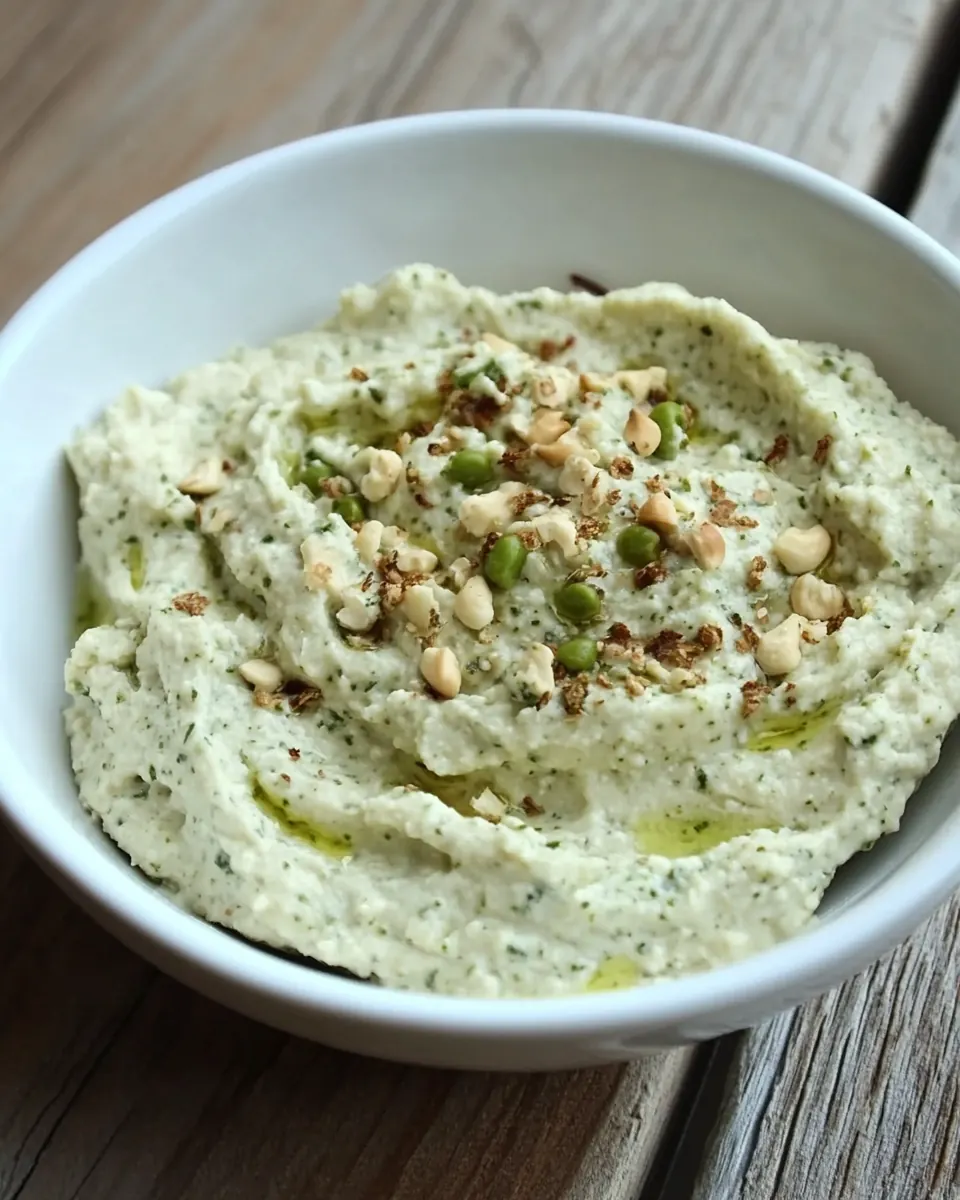
The texture is a standout. When pulsed properly, the mixture turns silkier than you might expect from a no-cook spread. The soft goat cheese creates a velvety base, while the tiny bits of pecans add a pleasant contrast. I find that achieving that creaminess makes even plain crackers feel indulgent.
Speed and simplicity
One of the reasons I reach for this spread is how fast it comes together. With just a few minutes in the food processor, you have something impressive to offer guests. That speed means I can prepare it between tasks, and it never feels like a chore. Convenient recipes that still taste elevated are my favorite kind of weeknight hack.
Flexible for serving
I appreciate how adaptable the spread is. You can keep it thick for spreading on toast, or thin it slightly with a little more extra virgin olive oil for a dip. I often change the texture depending on the plate I am building, and that flexibility keeps the recipe useful for many occasions.
Balanced savory notes
The modest addition of garlic, a pinch of salt, and freshly ground pepper gives just the right savory edge without overwhelming the herbal and tangy elements. For me, it is that balance that transforms simple ingredients into something that feels thoughtfully composed.
What to Gather for Goat Cheese Pesto Spread
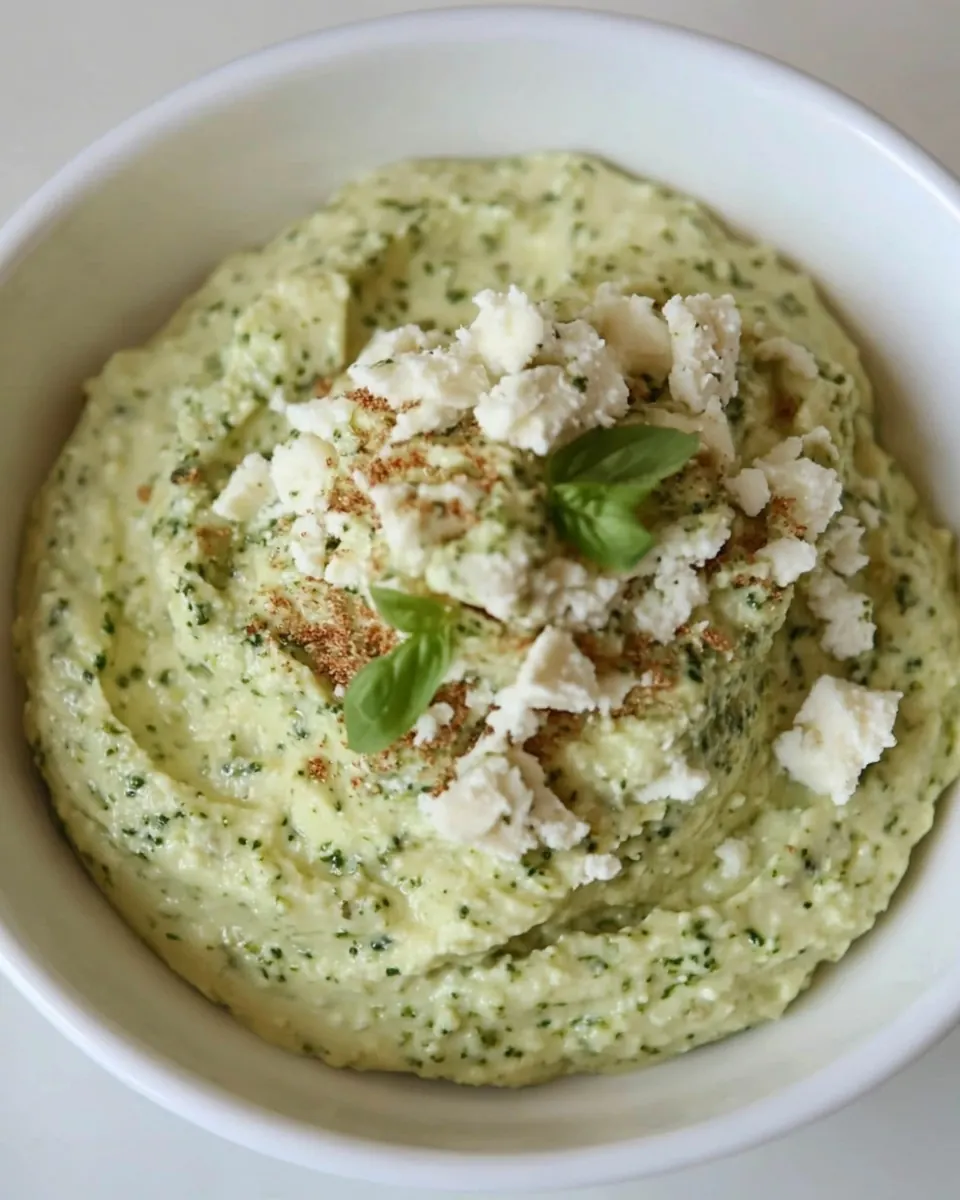
These ingredients are intentionally minimal, chosen to play to each other’s strengths. The creamy tang of goat cheese meets the aromatic lift of basil leaves, while pecans bring texture and extra virgin olive oil ties everything together. The garlic and seasoning are small actors with big impact, nudging the flavors toward savory depth. Together they create a spread that is balanced, bright, and texturally interesting.
- 8 ounces soft goat cheese at room temperature: Soften and provide a creamy tangy base that blends smoothly with herbs and nuts; helps create a spreadable texture and rich mouthfeel. Contributes milky acidity that balances the oil and nuts while carrying pesto flavors on bread or crackers.
- 2 cups basil leaves fresh, packed; Italian parsley (optional): Add bright herbaceous freshness and aromatic notes that define the pesto character; can be substituted partially with Italian parsley for a milder, earthier flavor. Packed leaves also contribute moisture and color to produce a vivid green spread.
- 2 garlic cloves: Impart pungent, savory bite and aromatic depth when minced or crushed; helps cut richness and awaken other flavors in the spread. Fresh cloves offer sharper heat and floral garlic notes compared with powdered forms.
- 1/4 cup pecans chopped: Provide crunchy texture and toasty, buttery flavor when chopped; act as the nutty component of the pesto, adding body and complexity. Pecans can be lightly toasted beforehand to enhance aroma and deepen flavor.
- 2 tablespoons extra virgin olive oil: Emulsify and bind the ingredients while adding fruity, peppery richness; helps achieve a silky consistency and carry fat-soluble flavors. Use gradually to control spread thickness and to blend the herbs and cheese evenly.
- salt to taste: Enhance and balance flavors by increasing overall seasoning; pinch gradually and taste to avoid over-salting given the cheese's natural saltiness. Salt brightens herbal and nutty notes and rounds out the spread's profile.
- pepper freshly ground, to taste: Introduce subtle heat and a sharp finish that complements the creamy cheese and herbaceous pesto; freshly ground pepper provides more vibrant aroma than pre-ground varieties. Adjust coarseness to suit desired mouthfeel and bite.
How to Assemble Goat Cheese Pesto Spread
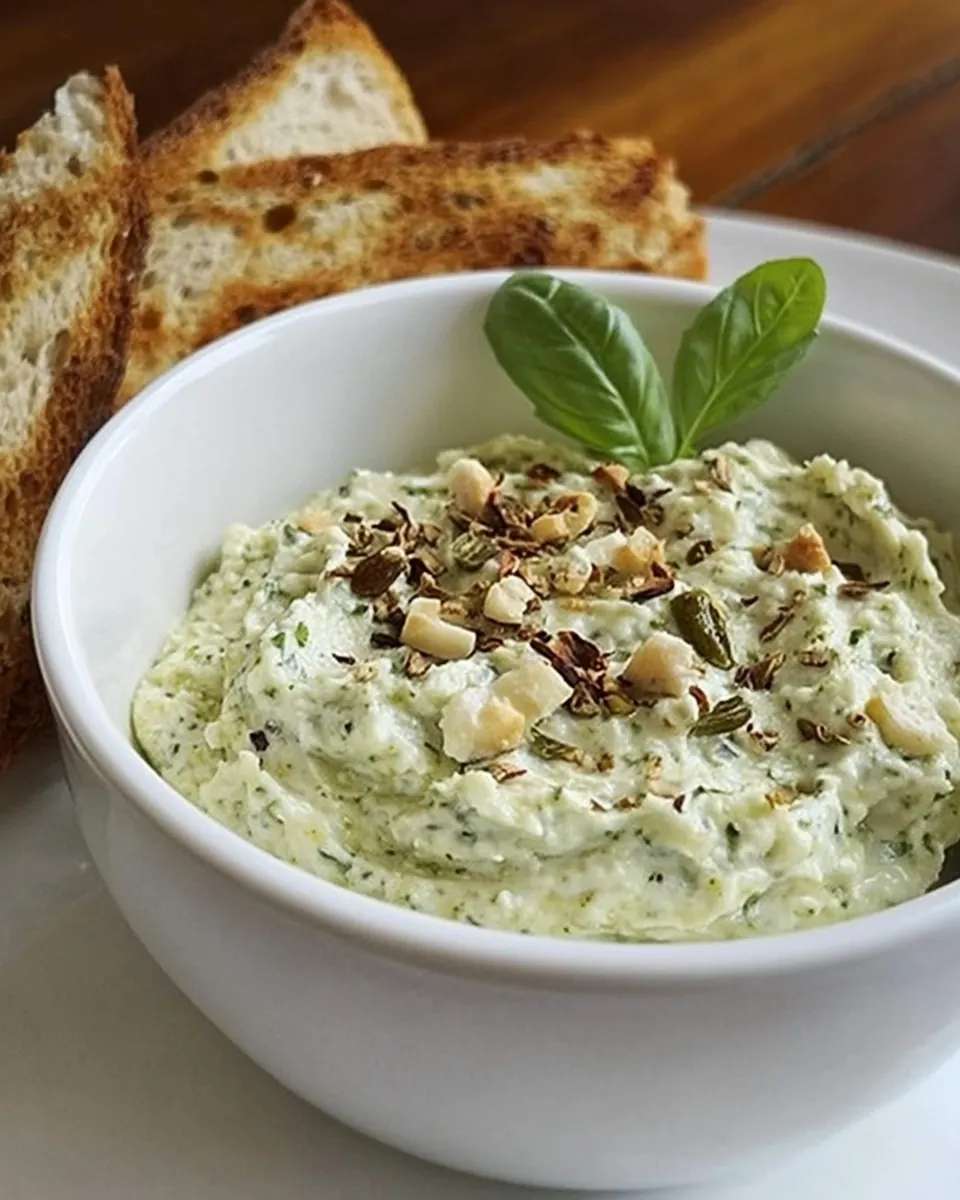
Putting this spread together is almost meditative, and it rewards attention to texture and seasoning. Below you will find clear steps that focus on sensory cues so you can tell when things are right. I like to move methodically, tasting as I go, and keeping an eye on the texture as the blades work.
- Combine the goat cheese, basil, garlic and pecans in a food processor. Slowly drizzle in the olive oil and continue pulsing until smooth and creamy. Season with salt and pepper and serve with desired accompaniments.: The moment those ingredients meet in the bowl you will notice the bright, herbal scent of the basil leaves rising through the creaminess of the goat cheese . The sound is a soft muffled whirl as the blades bring the components together, and visually you will see flecks of green and tan before anything smooths out. This step matters because starting with room temperature goat cheese prevents tearing and ensures even blending. A common mistake is using chilled cheese straight from the fridge, which resists blending and leaves lumps. If that happens, let it warm briefly at room temperature or scrape down the sides and pulse more slowly. Trust the aroma and the way the mixture begins to cohere as your cues here.
- Serve with whole-grain crackers or artisan bread, if desired.: As you add the extra virgin olive oil in a slow, steady stream, the mixture will transform from coarse to glossy. Listen for the change in motor hum, and watch the texture; it should go from grainy to silky. This technique matters because adding oil too quickly can separate the mixture or make it overly loose. One troubleshooting tip is to pause and scrape the sides if the processor clings; this ensures even emulsification. If the spread becomes too thin, stop adding oil and instead pulse briefly to re-emulsify.
- Season with salt and pepper and serve with desired accompaniments: Right after blending, I always taste the spread to adjust the salt and pepper . Small tweaks here make a big difference: salt enhances the dairy tang, and a few turns of freshly ground pepper add warmth. The sensory check is crucial, so take a spoonful and notice the balance between tang, herb, and nutty notes. Avoid the common error of over-salting at the start, instead add incrementally. If the pepper feels too assertive, a tiny squeeze of oil or a touch more cheese can moderate its edge.
- Serve with whole-grain crackers or artisan bread, if desired: The first bite on a crisp cracker or a thin slice of warm bread should produce contrast, the creamy goat cheese against a crunchy vehicle. Pay attention to mouthfeel, because serving texture amplifies the enjoyment of the spread. A mistake many make is pairing it with soft bread that masks the spread rather than showcasing it. For a perfect match, slightly toast the bread so it holds a smear without collapsing, and notice how the scent of basil rises as you take a bite.
Customization Ideas
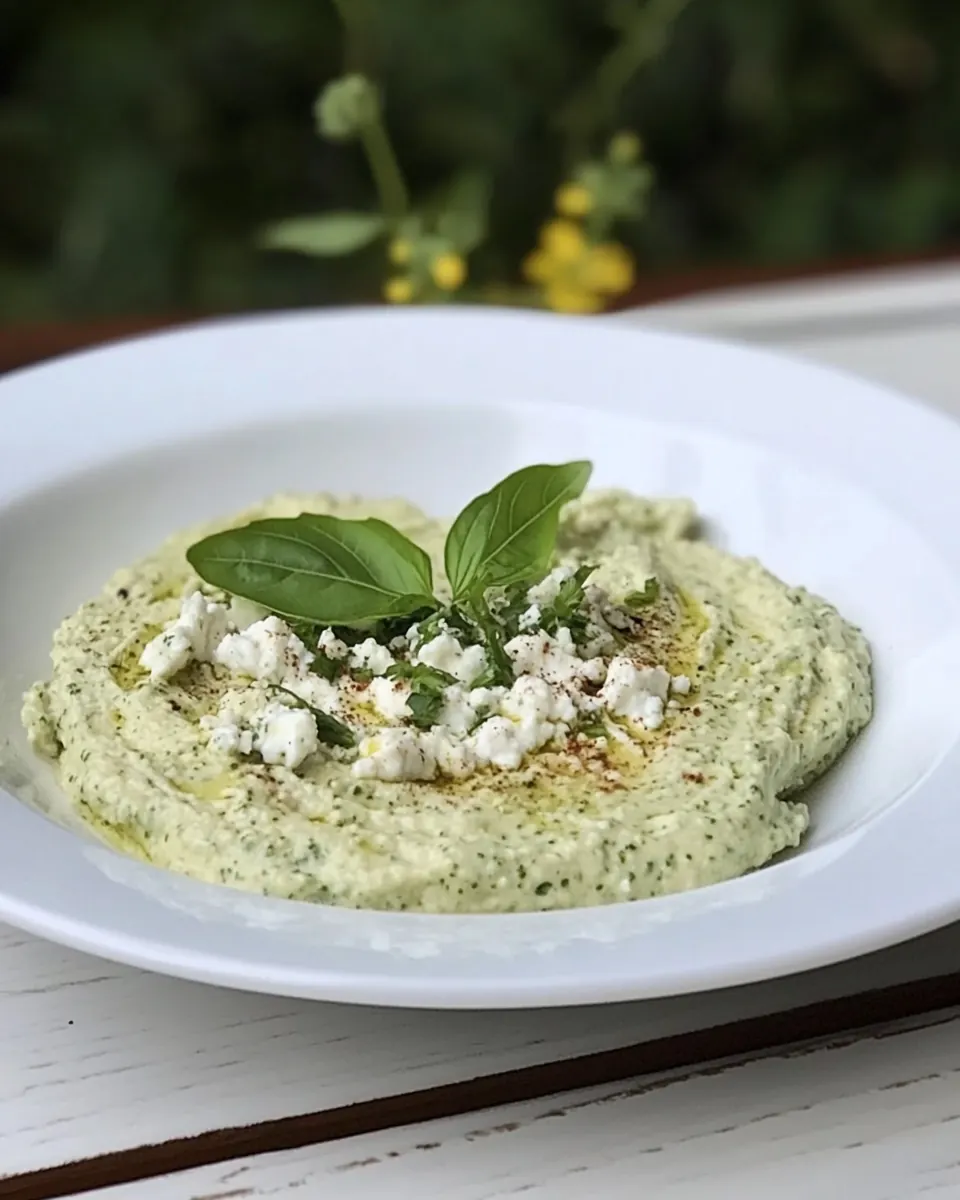
I love offering small swaps and presentation ideas that let you tailor this spread to the moment. Below are practical, flavorful ways to adjust texture, herbs, and serving style so the Goat Cheese Pesto Spread suits a quiet snack or a lively gathering.
- Use toasted nuts: Toasting the chopped pecans in a dry skillet until fragrant deepens their flavor and adds a warm, toasty note that pairs beautifully with the tangy goat cheese.
- Add extra herbs sparingly: If you swap in or add a small handful of parsley to the basil leaves, the spread takes on a brighter, more restrained herbal character without losing depth.
- Adjust oil for serving style: For a spread meant for spreading, use less extra virgin olive oil; for a dip that guests will scoop, increase the oil slightly to loosen the texture.
- Make it ahead: Prepare the spread a few hours in advance and refrigerate; flavors meld and the texture firms, just bring it back to near room temperature before serving for best spreadability.
- Garnish to elevate: Finish with a small drizzle of extra virgin olive oil and a few cracked peppercorns or a sprinkle of reserved chopped pecans to make the presentation pop.
What to Serve Alongside Goat Cheese Pesto Spread
This spread is versatile, and how you serve it can shape the whole snack or meal. Below I outline pairing ideas, occasion suggestions, and storage notes so you can plan a thoughtful presentation that highlights the spread’s texture and flavor.
- Crackers and toasts: Offer an assortment of whole grain crackers and thin slices of toasted artisan bread so guests can choose their preferred crunch level, the firm textures balancing the creamy goat cheese.
- Vegetable crudites: Present sliced vegetables for a lighter option: crisp, neutral flavors like cucumber or carrot let the herbal notes of the basil leaves shine through without overpowering the spread.
- Cheese board additions: Add the spread to a larger board alongside mild cheeses and fresh fruit; its tangy profile works well as a contrast to milder textures and sweet accompaniments.
- Occasions: Serve this at informal gatherings, brunches, or a relaxed dinner party where guests graze. It is particularly useful for spring entertaining when fresh basil leaves are at their peak.
- Storage tips: Keep the spread refrigerated in an airtight container for up to three to four days, and before serving allow it to warm slightly so the texture becomes easily spreadable again.
- Seasonal pairings: In spring, pair with lightly dressed greens or radishes for a fresh note; the herbal brightness of the spread complements crisp seasonal produce.
FAQ
Conclusion
This Goat Cheese Pesto Spread stands out because it transforms a handful of fresh, simple ingredients into something rich, bright, and spreadable. The combination of tangy goat cheese, fragrant basil leaves, and crunchy pecans creates a balanced bite that works for casual snacking or stylish entertaining. Give it a try for your next get together or quiet afternoon snack, and let the straightforward technique and bold flavors do the heavy lifting. I think you will return to this recipe again and again because it reliably delivers big flavor with minimal fuss.
Goat Cheese Pesto Spread
Equipment
- Food Processor
Ingredients
- 8 ounces soft goat cheese at room temperature Soften and provide a creamy tangy base that blends smoothly with herbs and nuts; helps create a spreadable texture and rich mouthfeel. Contributes milky acidity that balances the oil and nuts while carrying pesto flavors on bread or crackers.
- 2 cups basil leaves fresh, packed; optional Italian parsley Add bright herbaceous freshness and aromatic notes that define the pesto character; can be substituted partially with Italian parsley for a milder, earthier flavor. Packed leaves also contribute moisture and color to produce a vivid green spread.
- 2 garlic cloves Impart pungent, savory bite and aromatic depth when minced or crushed; helps cut richness and awaken other flavors in the spread. Fresh cloves offer sharper heat and floral garlic notes compared with powdered forms.
- 1/4 cup pecans chopped Provide crunchy texture and toasty, buttery flavor when chopped; act as the nutty component of the pesto, adding body and complexity. Pecans can be lightly toasted beforehand to enhance aroma and deepen flavor.
- 2 tablespoons extra virgin olive oil Emulsify and bind the ingredients while adding fruity, peppery richness; helps achieve a silky consistency and carry fat-soluble flavors. Use gradually to control spread thickness and to blend the herbs and cheese evenly.
- salt to taste Enhance and balance flavors by increasing overall seasoning; pinch gradually and taste to avoid over-salting given the cheese's natural saltiness. Salt brightens herbal and nutty notes and rounds out the spread's profile.
- pepper freshly ground, to taste Introduce subtle heat and a sharp finish that complements the creamy cheese and herbaceous pesto; freshly ground pepper provides more vibrant aroma than pre-ground varieties. Adjust coarseness to suit desired mouthfeel and bite.
Instructions
- Combine the goat cheese, basil, garlic and pecans in a food processor. Slowly drizzle in the olive oil and continue pulsing until smooth and creamy. Season with salt and pepper and serve with desired accompaniments.: The moment those ingredients meet in the bowl you will notice the bright, herbal scent of the basil leaves rising through the creaminess of the goat cheese . The sound is a soft muffled whirl as the blades bring the components together, and visually you will see flecks of green and tan before anything smooths out. This step matters because starting with room temperature goat cheese prevents tearing and ensures even blending. A common mistake is using chilled cheese straight from the fridge, which resists blending and leaves lumps. If that happens, let it warm briefly at room temperature or scrape down the sides and pulse more slowly. Trust the aroma and the way the mixture begins to cohere as your cues here.
- Serve with whole-grain crackers or artisan bread, if desired.: As you add the extra virgin olive oil in a slow, steady stream, the mixture will transform from coarse to glossy. Listen for the change in motor hum, and watch the texture; it should go from grainy to silky. This technique matters because adding oil too quickly can separate the mixture or make it overly loose. One troubleshooting tip is to pause and scrape the sides if the processor clings; this ensures even emulsification. If the spread becomes too thin, stop adding oil and instead pulse briefly to re-emulsify.
- Season with salt and pepper and serve with desired accompaniments: Right after blending, I always taste the spread to adjust the salt and pepper . Small tweaks here make a big difference: salt enhances the dairy tang, and a few turns of freshly ground pepper add warmth. The sensory check is crucial, so take a spoonful and notice the balance between tang, herb, and nutty notes. Avoid the common error of over-salting at the start, instead add incrementally. If the pepper feels too assertive, a tiny squeeze of oil or a touch more cheese can moderate its edge.
- Serve with whole-grain crackers or artisan bread, if desired: The first bite on a crisp cracker or a thin slice of warm bread should produce contrast, the creamy goat cheese against a crunchy vehicle. Pay attention to mouthfeel, because serving texture amplifies the enjoyment of the spread. A mistake many make is pairing it with soft bread that masks the spread rather than showcasing it. For a perfect match, slightly toast the bread so it holds a smear without collapsing, and notice how the scent of basil rises as you take a bite.
Notes
- Use toasted nuts: Toasting the chopped pecans in a dry skillet until fragrant deepens their flavor and adds a warm, toasty note that pairs beautifully with the tangy goat cheese.
- Add extra herbs sparingly: If you swap in or add a small handful of parsley to the basil leaves, the spread takes on a brighter, more restrained herbal character without losing depth.
- Adjust oil for serving style: For a spread meant for spreading, use less extra virgin olive oil; for a dip that guests will scoop, increase the oil slightly to loosen the texture.
- Make it ahead: Prepare the spread a few hours in advance and refrigerate; flavors meld and the texture firms, just bring it back to near room temperature before serving for best spreadability.
- Garnish to elevate: Finish with a small drizzle of extra virgin olive oil and a few cracked peppercorns or a sprinkle of reserved chopped pecans to make the presentation pop.