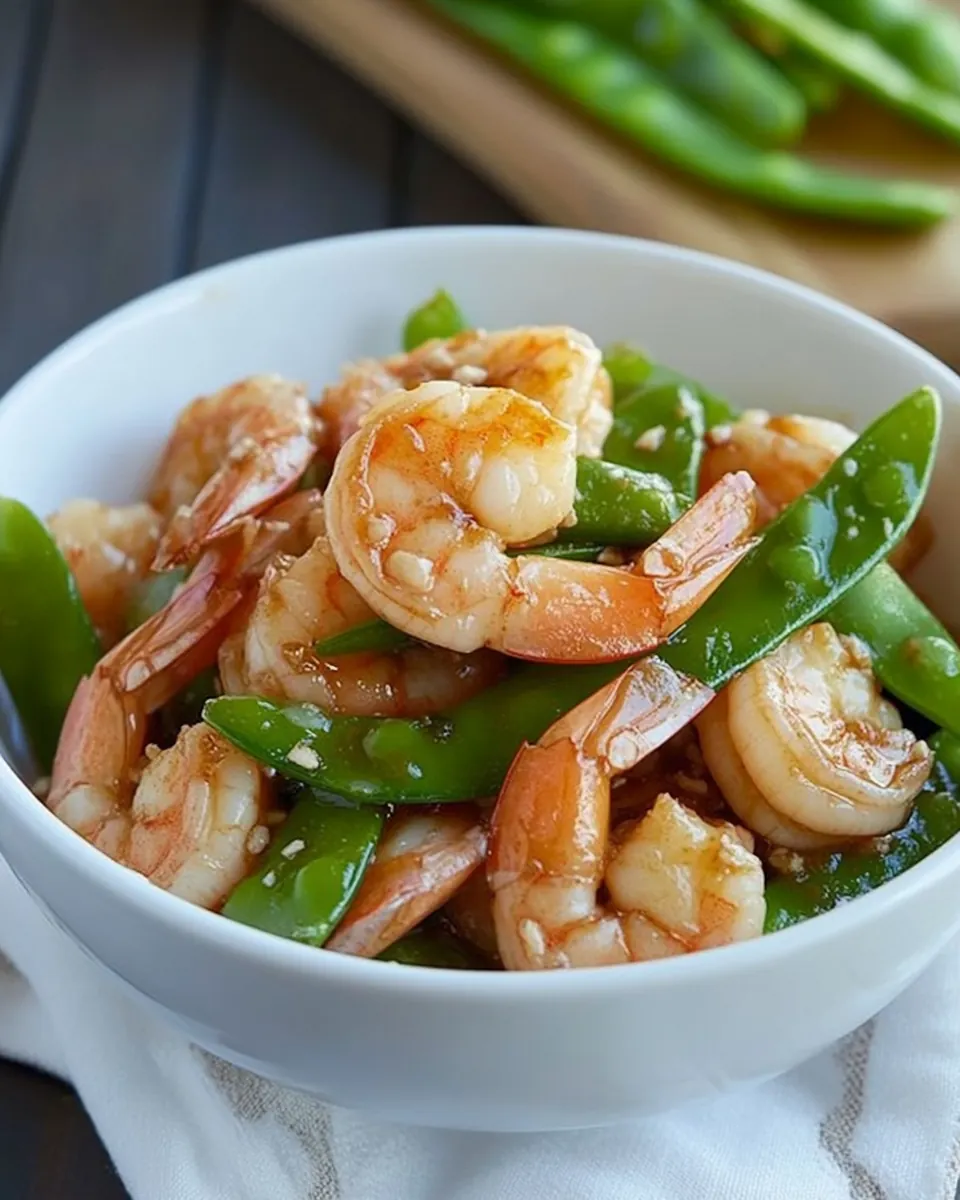
Gingered Stir Fry with Shrimp and Snow Peas
Gingered Stir Fry with Shrimp and Snow Peas came into my weeknight rotation the same week I swore I needed faster dinners that still tasted like something special. I remember rushing home with bags of groceries and deciding to let the produce drawer lead the way. The bright, crunchy snow peas and the sharp, aromatic ribboned ginger felt too good to hide, and the frozen shrimp in my freezer looked like the perfect quick protein to pull everything together.
I love how this dish marries speed and texture, so I started treating it like a little kitchen experiment. Some evenings I chop the green onions extra thin so they wilt and perfume the pan, other nights I keep larger pieces for more bite. Every time the sauce hits the pan and thickens, it gives off that toasty, savory aroma that tells me dinner is near. The combination of a light soy tang and a touch of garlic heat makes the whole thing sing without weighing you down.
Recipe Snapshot
25 mins
10 mins
15 mins
Easy
350 kcal
Asian
Gluten-Free, Low FODMAP
Dinner
Nonstick skillet, Small bowl, Whisk
Why This Gingered Stir Fry with Shrimp and Snow Peas Is So Good
Speed without sacrifice
I want dinner that respects the clock and taste, and this Gingered Stir Fry with Shrimp and Snow Peas does exactly that. Because the recipe hinges on quick stir frying, you finish in under a half hour, yet every bite feels layered. I often tell friends this is my go to when the evening is busy but I still want something restaurant worthy.
Textural contrast
The crunch of the snow peas against the snappy, succulent shrimp is pure joy. I like how the crisp vegetables keep a fresh pop, while the shrimp absorbs the sauce. That contrast is what keeps you reaching for another forkful and I always appreciate a dish that keeps each mouthful interesting.
Bright, warming aromatics
The generous matchsticks of ginger are the secret voice of this recipe. When they hit hot oil they bloom, releasing a warm, zesty perfume that transforms simple ingredients into something memorable. I often slice a little more ginger if I want the scent to dominate the kitchen for a minute or two.
Simple pantry magic
You only need a few odds and ends from the pantry to make the sauce, and it comes together with a quick whisk. The blend of low sodium chicken broth and soy sauce keeps the flavors rounded, while a tiny bit of cornstarch gives that glossy finish that clings to each piece. I always re whisk the sauce right before adding it, it keeps the texture silky.
Flexible and forgiving
I love recipes that adapt to what I have on hand. This stir fry is forgiving about timing, and it still sings if your shrimp are slightly larger or your snow peas are extra wide. That flexibility makes it my fallback when the week gets chaotic, and I often use it to impress guests with minimal fuss.
Ingredients Overview for Gingered Stir Fry with Shrimp and Snow Peas
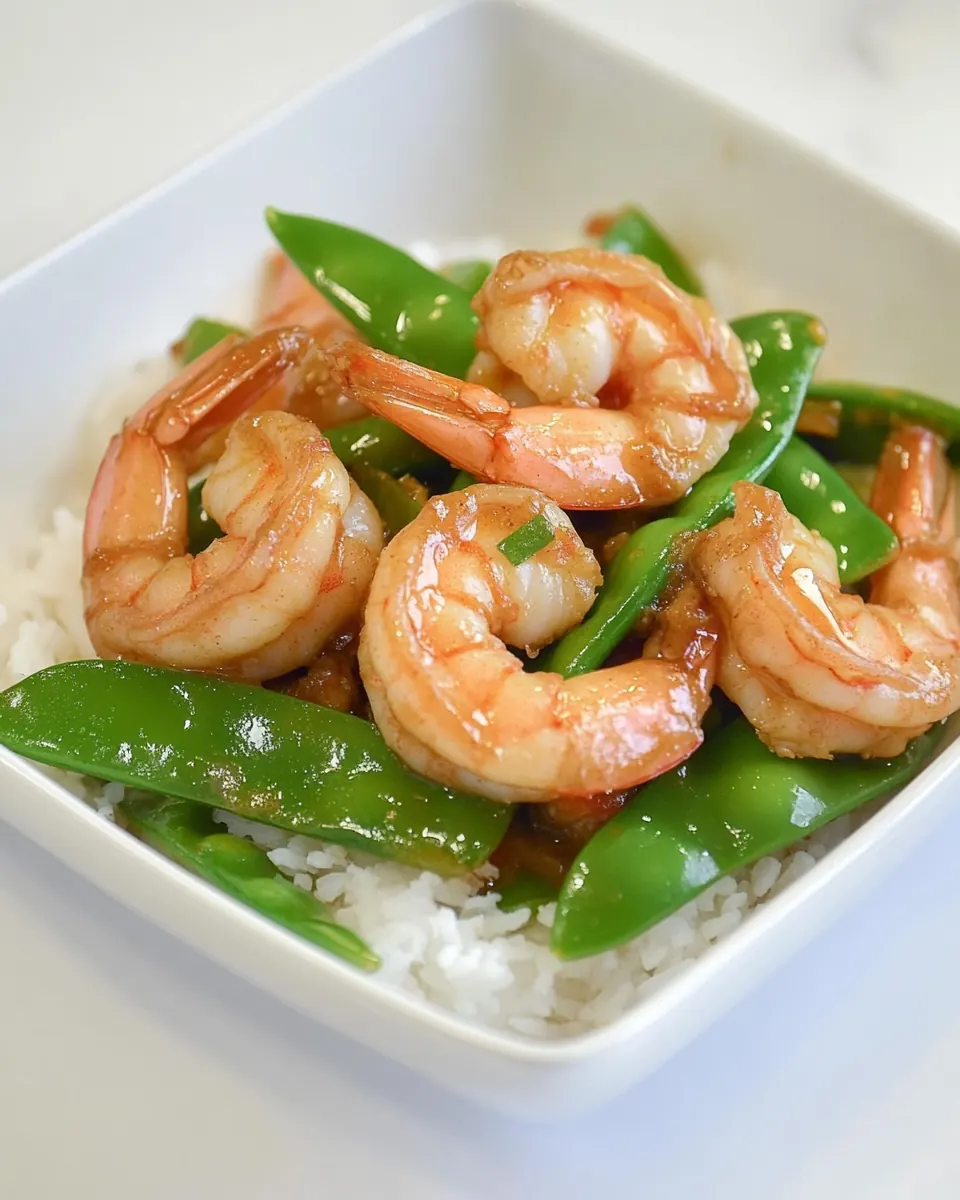
These ingredients create a balance of bright, savory, and textural elements that make the dish sing. The sauce components provide umami and a glossy finish, the aromatics add lift, and the vegetables bring crunch. The key players are the ginger, which perfumes the oil, the light sauce that glazes each piece, and the shrimp, which cooks quickly and soaks up flavor.
- 1/2 cup low-sodium chicken broth: Add to create a savory, low-sodium liquid base that helps meld flavors and provides a bit of steam for cooking; use to deglaze the pan and to combine with cornstarch for a glossy sauce that lightly coats the stir-fry components.
- 2 tablespoons low-sodium soy sauce: Combine to contribute umami and depth while keeping salt moderate; mix with broth and chili garlic sauce to season the dish and balance the brightness of ginger and acidity from aromatics.
- 1 teaspoon Chinese chili garlic sauce: Introduce a spicy, garlicky kick that builds heat and layers of flavor; stir into the sauce blend sparingly to ensure a balanced, slightly fiery background note without overwhelming the dish.
- 1 teaspoon cornstarch: Dissolve to thicken the sauce and create a silky, clingy glaze; whisk into the broth-soy mixture so the sauce adheres to shrimp and vegetables as it cooks and finishes with a glossy sheen.
- 2 tablespoons Vegetable oil: Heat to provide a neutral frying medium with a high smoke point; use for sautéing ginger and onions so they soften and release aroma without burning, and to achieve quick, even cooking of shrimp and peas.
- 1/4 cup fresh ginger cut into fine matchsticks: Slice into fine matchsticks to release intense fresh, peppery heat and citrusy warmth that defines the dish; add early in the stir-fry so the fibers infuse the oil and sauce with bright ginger flavor.
- 1/2 red onion, thinly sliced: Slice thinly to soften and add sweet, slightly sharp onion flavor that complements ginger and chilies; cook until translucent to build a flavorful foundation without dominating the delicate shrimp.
- 1/2 pounds snow peas: Rinse and trim to contribute a tender-crisp bite and bright vegetal sweetness; toss in toward the end of cooking so pods stay crunchy, retain color, and provide contrast to the shrimp and sauce.
- 1 lb . medium shrimp, peeled and deveined: Peel and devein to supply succulent protein that quickly cooks and soaks up the sauce; add at high heat until just opaque to maintain juiciness and a tender texture that pairs with crisp vegetables.
- 4 green onions, thinly sliced on the diagonal: Slice on the diagonal to add mild oniony brightness and a fresh, crunchy garnish; sprinkle over the finished stir-fry to introduce a clean finish and visual contrast in color and texture.
- steamed rice: Serve hot to provide a neutral, comforting base that soaks up the sauce and balances spicy, salty, and aromatic components; portion alongside the stir-fry so each bite combines rice with shrimp and vegetables.
Recipe Steps for Gingered Stir Fry with Shrimp and Snow Peas
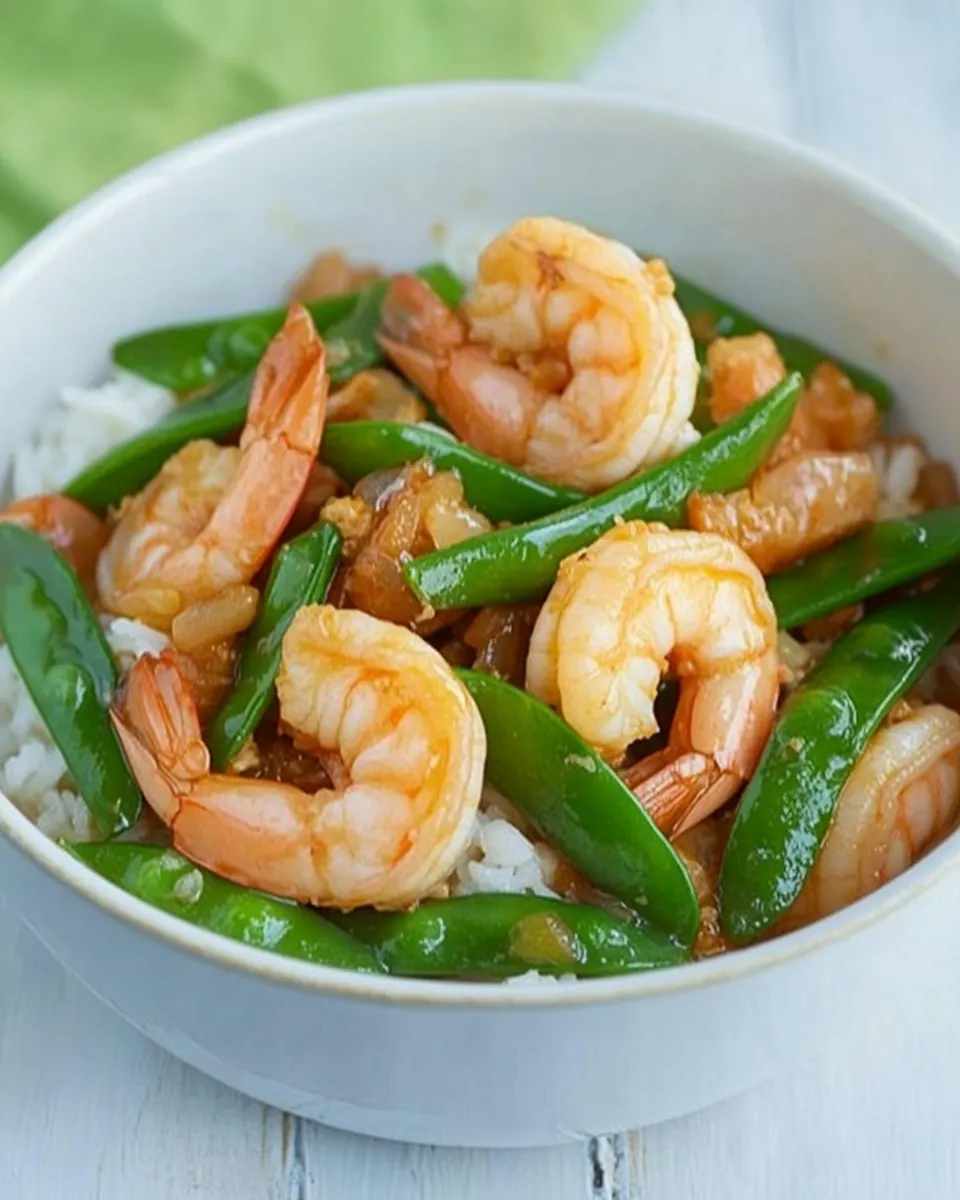
This sequence is straightforward but I treat each moment as important because quick cooking rewards attention. The order of sauce prep, aromatics, vegetables, and shrimp ensures everything finishes at the right time, glossy and vibrant. Take a breath, heat your pan well, and move deliberately.
- In a small bowl whisk together chicken broth, soy sauce, garlic sauce, and cornstarch.: The moment you whisk these ingredients they change from separate flavors into a unified sauce, with the cornstarch suspended in the liquid so it thickens evenly later. You'll notice the broth blending into a slightly cloudy glaze, and the aroma of soy rises softly. This step matters because it prevents lumps and ensures a silky finish on each bite. A common mistake is not fully dissolving the cornstarch, which causes grainy pockets when heated, so whisk thoroughly until smooth and let it sit briefly to hydrate.
- In a large nonstick skillet, heat Vegetable oil until shimmering. Add ginger and stir fry until softened, about 1 minute.: As the oil shimmers you should see gentle ripples across the surface and a faint heat haze, and when the matchstick ginger hits the pan it will sizzle and release a bright, spicy fragrance. The sound is a lively, quick pop that tells you the aromatics are blooming. This technique infuses the oil so every following ingredient picks up that ginger note. Watch closely because ginger softens fast and can brown, becoming sharp and bitter if left too long, so aim for softened not darkened pieces.
- Add red onions and snow peas and stir fry about 2 minutes.: When you add the thinly sliced red onion and the snow peas you want to keep them moving in the pan so they sear lightly and retain bite. You'll hear a sustained sizzling as moisture evaporates and you'll see edges taking on a hint of color, while the peas stay glossy bright green. This quick sear locks in crispness and preserves fresh flavors, which is essential for contrast with the softer shrimp . A frequent slip is overcrowding the pan which causes steaming and soggy vegetables, so give the pan room and stir constantly.
- Add shrimp and stir-fry 1 minute.: The shrimp should hit the pan with a lively sizzle and begin to curl and turn opaque almost immediately. Within this short window you will see their flesh change from translucent to creamy white with pink edges, and the surface gains a faint sear. This speed seals juices and keeps the meat tender, which is why timing is crucial. If you let the shrimp sit too long they toughen, becoming rubbery, so move them quickly and keep the heat high but controlled.
- Add green onions and stir-fry 30 seconds.: The aromatic snap of the green onions hitting the hot pan gives a brief hiss and a bright onion scent that lifts the whole skillet. Because they are thin and delicate, they need only a few moments to warm and wilt slightly while retaining color. This late addition preserves their freshness and adds a final aromatic note. Overcooking them will make them limp and mute their sharpness, so add them at the end.
- Re-whisk the sauce and add to skillet. Cook 1-2 minutes, until sauce is thickened. Serve with rice.: When you re whisk the prepared sauce you reintegrate any settled cornstarch, creating a smooth, glossy slurry that will cling to every piece in the pan. As it hits the hot skillet you will hear a soft bubbling and see the liquid reduce and thicken into a sheen that coats the shrimp and snow peas . The aroma becomes deeper, and the pan juices glisten. This finishing step binds flavors and creates the pleasing mouthfeel of a proper stir fry. A typical error is adding the sauce too early, which prevents adequate thickening and leaves the dish watery, so wait until the pan is hot and the ingredients are nearly done before adding the sauce.
Customization Ideas
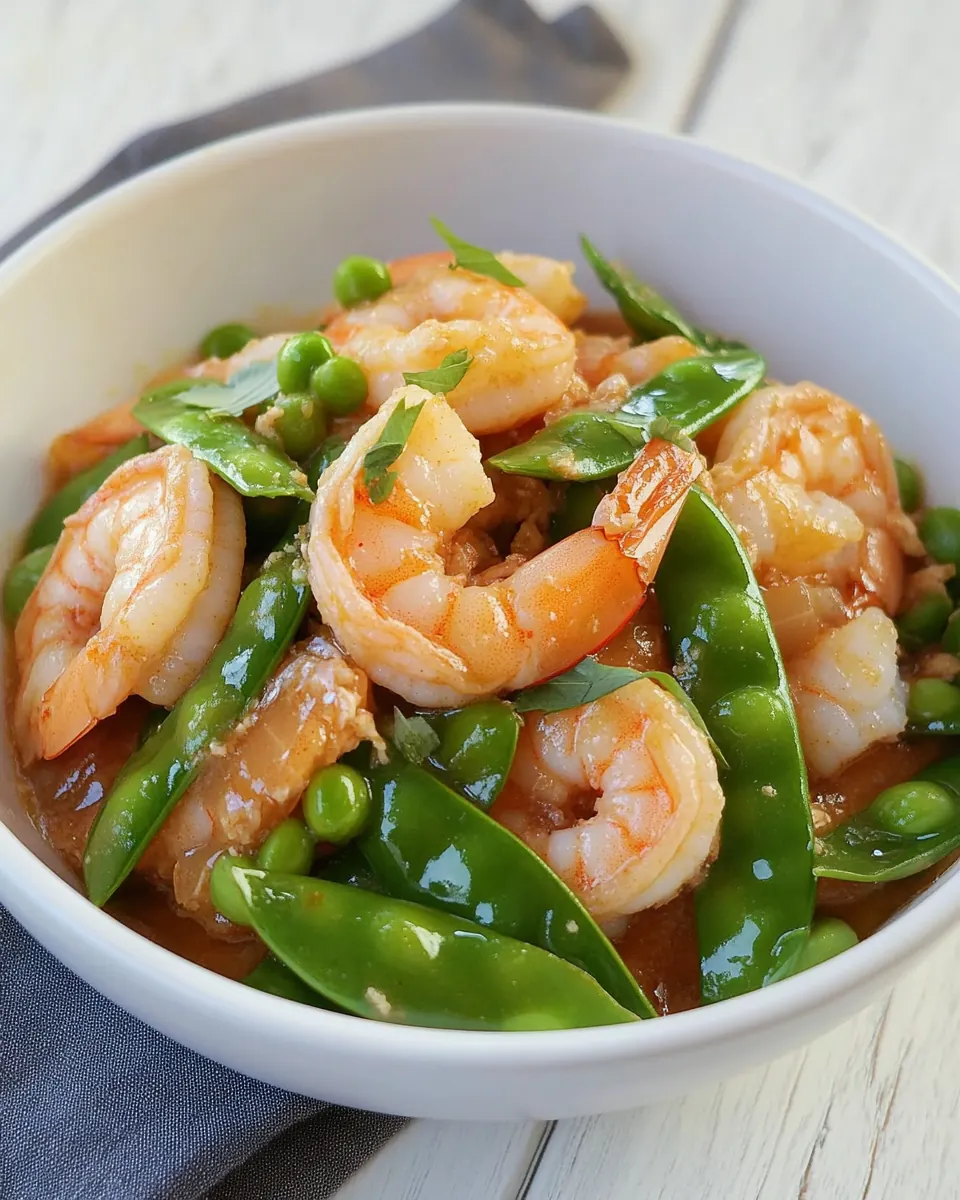
I like to offer practical variations that keep the heart of the dish intact while letting you personalize heat, texture, or presentation. These ideas maintain the original flavor profile but add new interest depending on what you have on hand.
- Adjust the heat Add more or less Chinese chili garlic sauce to change the spice level without altering other flavors, tasting as you go to keep balance.
- Ginger forward Increase the amount of matchstick ginger for a more pronounced aromatic profile, slicing it finer so it softens quickly.
- Vegetable swap Keep the cooking times similar if you swap the snow peas for snap peas or thinly sliced bell pepper, adding them at the same stage to preserve crunch.
- Soy balance Use low sodium soy sauce as written to control saltiness, and add a pinch of salt only at the end if needed after tasting.
- Rice presentation Serve over warm steamed rice and spoon extra glossy sauce on top to make the plate feel more luxurious and cohesive.
What Complements This Gingered Stir Fry with Shrimp and Snow Peas
This stir fry is versatile and pairs well with simple sides that let it shine. I usually serve it with rice and a light vegetable or salad to keep the meal balanced. It suits weeknight dinners and casual gatherings, and stores well for next day lunches.
- Steamed rice is the classic accompaniment, soaking up sauce and making the meal filling for a family dinner.
- Light salad with a citrus vinaigrette provides a refreshing contrast to the savory stir fry and brightens the plate for spring meals.
- Occasions This recipe works for casual weeknight dinners, small dinner parties, and any time you want a fast, flavorful main that feels elevated.
- Make ahead Cook the components separately and store the shrimp and vegetables in the fridge, then reheat quickly in a hot pan, adding the sauce last to preserve texture.
- Seasonal pairing In spring the crisp snow peas are at their best, and the bright flavors match lighter seasonal sides like a simple cucumber salad.
FAQ
Conclusion
This Gingered Stir Fry with Shrimp and Snow Peas stands out for its vibrant aromatics, quick cook time, and delightful textural contrast between crisp vegetables and tender shrimp. Give it a try on a busy night when you want something fast but impressive, and you will likely find it becomes a dependable favorite. I hope you enjoy the lively flavors and glossy sauce as much as I do, and that it earns a regular spot on your weeknight menu.
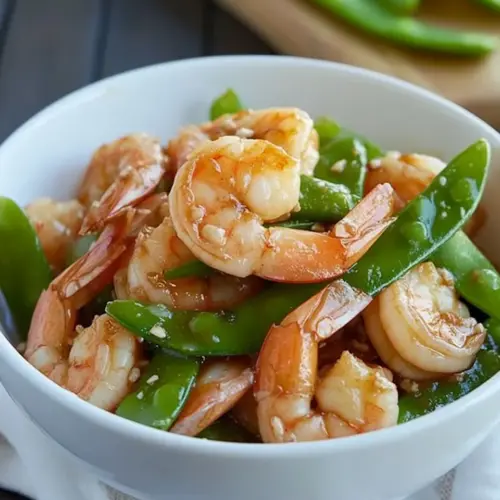
Gingered Stir Fry with Shrimp and Snow Peas
Equipment
- nonstick skillet
- Small Bowl
- Whisk
Ingredients
- 1/2 cup low-sodium chicken broth Add to create a savory, low-sodium liquid base that helps meld flavors and provides a bit of steam for cooking; use to deglaze the pan and to combine with cornstarch for a glossy sauce that lightly coats the stir-fry components.
- 2 tablespoons low-sodium soy sauce Combine to contribute umami and depth while keeping salt moderate; mix with broth and chili garlic sauce to season the dish and balance the brightness of ginger and acidity from aromatics.
- 1 teaspoon Chinese chili garlic sauce Introduce a spicy, garlicky kick that builds heat and layers of flavor; stir into the sauce blend sparingly to ensure a balanced, slightly fiery background note without overwhelming the dish.
- 1 teaspoon cornstarch Dissolve to thicken the sauce and create a silky, clingy glaze; whisk into the broth-soy mixture so the sauce adheres to shrimp and vegetables as it cooks and finishes with a glossy sheen.
- 2 tablespoons Vegetable oil Heat to provide a neutral frying medium with a high smoke point; use for sautéing ginger and onions so they soften and release aroma without burning, and to achieve quick, even cooking of shrimp and peas.
- 1/4 cup fresh ginger cut into fine matchsticks Slice into fine matchsticks to release intense fresh, peppery heat and citrusy warmth that defines the dish; add early in the stir-fry so the fibers infuse the oil and sauce with bright ginger flavor.
- 1/2 red onion, thinly sliced Slice thinly to soften and add sweet, slightly sharp onion flavor that complements ginger and chilies; cook until translucent to build a flavorful foundation without dominating the delicate shrimp.
- 1/2 pounds snow peas Rinse and trim to contribute a tender-crisp bite and bright vegetal sweetness; toss in toward the end of cooking so pods stay crunchy, retain color, and provide contrast to the shrimp and sauce.
- 1 lb . medium shrimp, peeled and deveined Peel and devein to supply succulent protein that quickly cooks and soaks up the sauce; add at high heat until just opaque to maintain juiciness and a tender texture that pairs with crisp vegetables.
- 4 green onions, thinly sliced on the diagonal Slice on the diagonal to add mild oniony brightness and a fresh, crunchy garnish; sprinkle over the finished stir-fry to introduce a clean finish and visual contrast in color and texture.
- steamed rice Serve hot to provide a neutral, comforting base that soaks up the sauce and balances spicy, salty, and aromatic components; portion alongside the stir-fry so each bite combines rice with shrimp and vegetables.
Instructions
- In a small bowl whisk together chicken broth, soy sauce, garlic sauce, and cornstarch.: The moment you whisk these ingredients they change from separate flavors into a unified sauce, with the cornstarch suspended in the liquid so it thickens evenly later. You'll notice the broth blending into a slightly cloudy glaze, and the aroma of soy rises softly. This step matters because it prevents lumps and ensures a silky finish on each bite. A common mistake is not fully dissolving the cornstarch, which causes grainy pockets when heated, so whisk thoroughly until smooth and let it sit briefly to hydrate.
- In a large nonstick skillet, heat Vegetable oil until shimmering. Add ginger and stir fry until softened, about 1 minute.: As the oil shimmers you should see gentle ripples across the surface and a faint heat haze, and when the matchstick ginger hits the pan it will sizzle and release a bright, spicy fragrance. The sound is a lively, quick pop that tells you the aromatics are blooming. This technique infuses the oil so every following ingredient picks up that ginger note. Watch closely because ginger softens fast and can brown, becoming sharp and bitter if left too long, so aim for softened not darkened pieces.
- Add red onions and snow peas and stir fry about 2 minutes.: When you add the thinly sliced red onion and the snow peas you want to keep them moving in the pan so they sear lightly and retain bite. You'll hear a sustained sizzling as moisture evaporates and you'll see edges taking on a hint of color, while the peas stay glossy bright green. This quick sear locks in crispness and preserves fresh flavors, which is essential for contrast with the softer shrimp . A frequent slip is overcrowding the pan which causes steaming and soggy vegetables, so give the pan room and stir constantly.
- Add shrimp and stir-fry 1 minute.: The shrimp should hit the pan with a lively sizzle and begin to curl and turn opaque almost immediately. Within this short window you will see their flesh change from translucent to creamy white with pink edges, and the surface gains a faint sear. This speed seals juices and keeps the meat tender, which is why timing is crucial. If you let the shrimp sit too long they toughen, becoming rubbery, so move them quickly and keep the heat high but controlled.
- Add green onions and stir-fry 30 seconds.: The aromatic snap of the green onions hitting the hot pan gives a brief hiss and a bright onion scent that lifts the whole skillet. Because they are thin and delicate, they need only a few moments to warm and wilt slightly while retaining color. This late addition preserves their freshness and adds a final aromatic note. Overcooking them will make them limp and mute their sharpness, so add them at the end.
- Re-whisk the sauce and add to skillet. Cook 1-2 minutes, until sauce is thickened. Serve with rice.: When you re whisk the prepared sauce you reintegrate any settled cornstarch, creating a smooth, glossy slurry that will cling to every piece in the pan. As it hits the hot skillet you will hear a soft bubbling and see the liquid reduce and thicken into a sheen that coats the shrimp and snow peas . The aroma becomes deeper, and the pan juices glisten. This finishing step binds flavors and creates the pleasing mouthfeel of a proper stir fry. A typical error is adding the sauce too early, which prevents adequate thickening and leaves the dish watery, so wait until the pan is hot and the ingredients are nearly done before adding the sauce.
Notes
- Adjust the heat Add more or less Chinese chili garlic sauce to change the spice level without altering other flavors, tasting as you go to keep balance.
- Ginger forward Increase the amount of matchstick ginger for a more pronounced aromatic profile, slicing it finer so it softens quickly.
- Vegetable swap Keep the cooking times similar if you swap the snow peas for snap peas or thinly sliced bell pepper, adding them at the same stage to preserve crunch.
- Soy balance Use low sodium soy sauce as written to control saltiness, and add a pinch of salt only at the end if needed after tasting.
- Rice presentation Serve over warm steamed rice and spoon extra glossy sauce on top to make the plate feel more luxurious and cohesive.