How to Blanch Asparagus
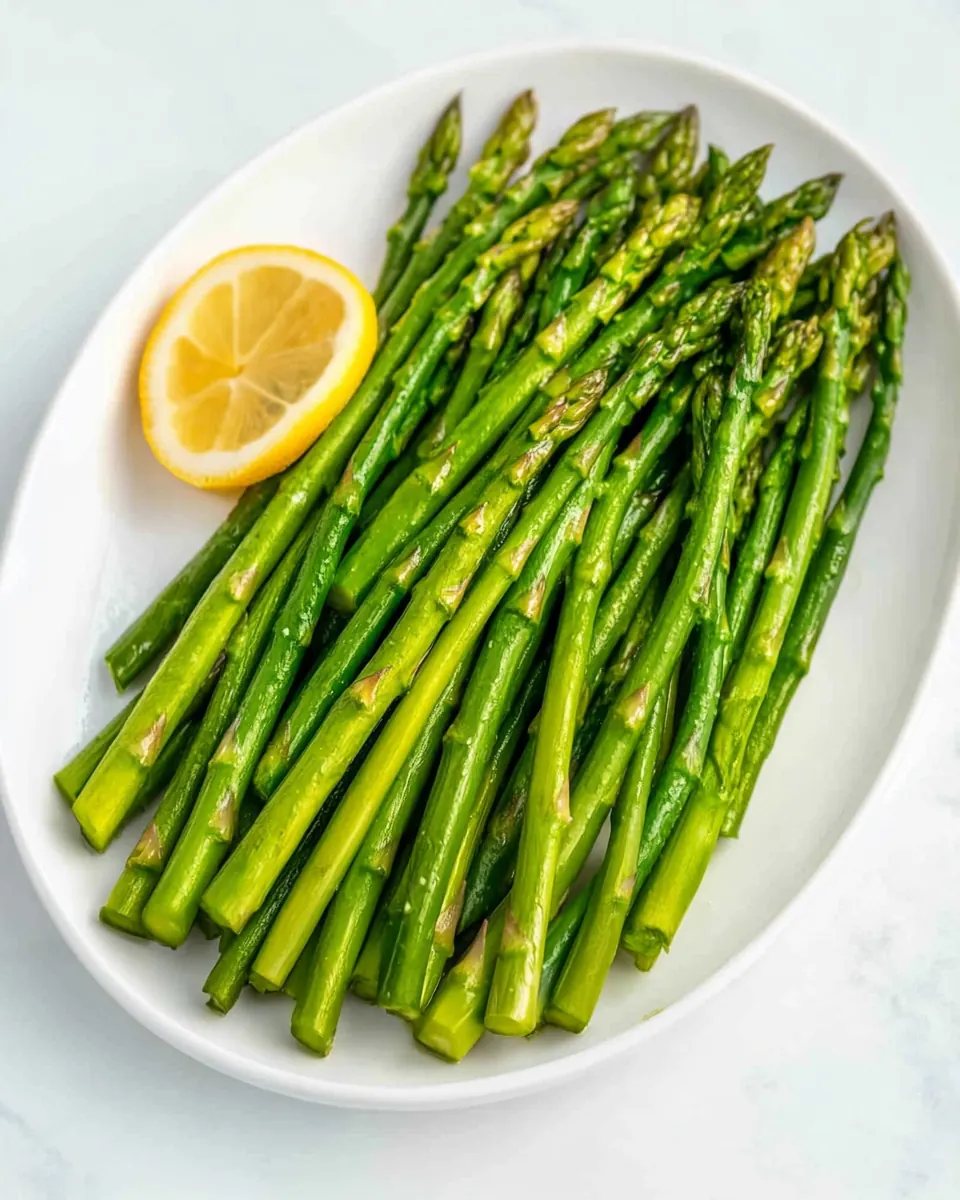
How to Blanch Asparagus was one of those simple kitchen rituals that quietly changed how I cook spring vegetables.
I still remember the first time I learned to blanch asparagus from my grandmother, who treated the process like a small ceremony. She would fill a large pot, salt the water just so, and stand by the stove with a bowl of ice water ready. I loved how the stalks went from dull to a vivid green almost instantly, and that contrast between warm steam and cold shock stuck with me. Over the years I refined her technique, noticing tiny details that make the difference between limp spears and ones that snap with a clean bite.
Now when I blanch asparagus, I think about timing, texture, and what the vegetable will become: a bright side, a salad star, or the backbone of a spring pasta. I often use a spider strainer or tongs to gently move the spears, and I never skip the ice bath, because it preserves both color and that satisfying crisp tenderness. Each batch teaches me something new about heat and rhythm in the kitchen, and I enjoy sharing those observations so you can get the best results without fuss.
Recipe Snapshot
12 mins
10 mins
2 mins
Easy
80 kcal
American
Vegan, Gluten-Free
Side Dishes
Saucepan, Kitchen tongs, Colander, Large bowl
What We Adore About This How to Blanch Asparagus
Quick and Reliable
I love that How to Blanch Asparagus gives you a consistently perfect result in minutes. You can count on the method to turn asparagus vivid green and slightly tender while keeping a lively snap. That reliability makes it ideal for busy weeknights when you want something fast yet impressive.
Versatile Finishing Options
This basic technique opens a lot of doors. Once blanched, asparagus can be tossed into salads, lightly sautéed, chilled for antipasti, or frozen for later use. Because I can adapt the final seasoning or treatment, the same batch can serve different meals across the week.
Boosts Texture and Flavor
I find that blanching enhances the vegetable’s natural sweetness while taming any grassy edge. The brief cooking concentrates aromas and brightens the color, and the rapid cool down locks it all in. That contrast between warm and cold creates a more complex mouthfeel than simply steaming or roasting alone.
Preserves Nutrients and Freshness
When I blanch and then ice-shock asparagus, it keeps more of its nutrients and stays crisp in the fridge. This technique is my go-to when I want to prep ahead, because the spears hold up well and maintain their vibrant appearance for salads or quick sautés.
Minimal Equipment, Maximum Impact
Another reason I love this method is its simplicity. With just a saucepan, a bowl, and a strainer, you get professional results. That minimalism makes it accessible whether you cook in a tiny apartment or a large kitchen, and it’s a great technique to teach to home cooks who want immediate improvement.
What’s In This How to Blanch Asparagus
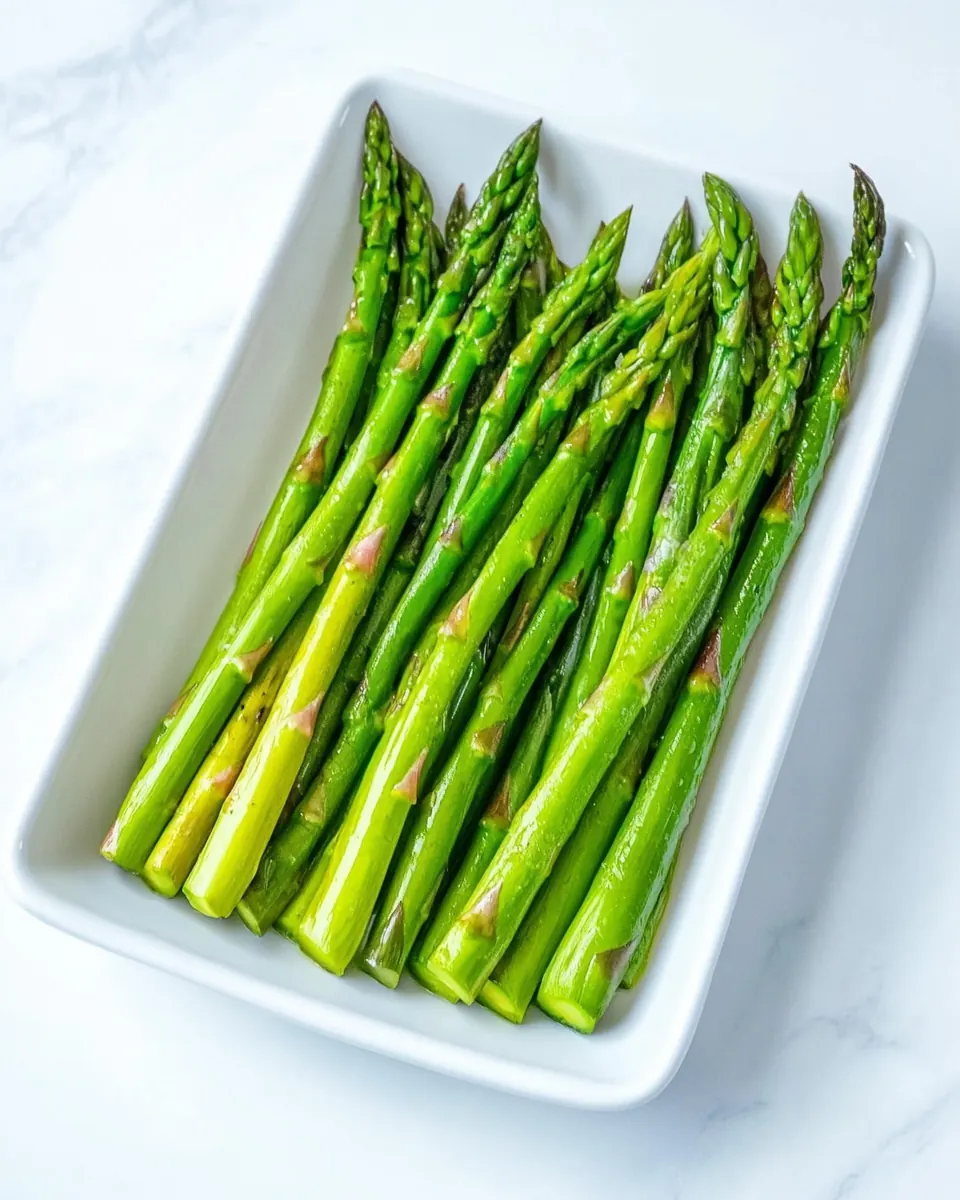
These ingredients are intentionally simple because the goal here is to highlight the fresh flavor and crisp texture of spring asparagus. A few well chosen components work together to maximize color, mouthfeel, and preservation. The water provides even heat transfer, the salt seasons from the inside, and the ice water stops the cooking instantly so you retain the vegetable’s bright personality.
- 1 pound Asparagus: Trim and snap woody ends to ensure even cooking and tender texture; blanched asparagus retains bright green color and slight crunch. Use uniform stalks for consistent blanching times and transfer immediately to ice water to stop cooking.
- 4 quarts water: Provide a boiling medium to cook asparagus quickly and evenly; sufficient water prevents temperature drop when asparagus is added, ensuring proper blanching. Bring to a rolling boil before adding spears so they cook in high heat for a brief period.
- 1 teaspoon salt: Season the boiling water to enhance the vegetable's natural flavor and help maintain vibrant color; salt also seasons asparagus from the inside as it briefly cooks. Use measured salt so the asparagus isn't under- or over-seasoned during blanching.
- Ice water and ice cubes: Create an ice bath to shock asparagus and halt the cooking process instantly, preserving crisp-tender texture and bright green hue. Prepare plenty of ice and cold water so the asparagus cools completely before draining and serving.
Cooking Method for How to Blanch Asparagus
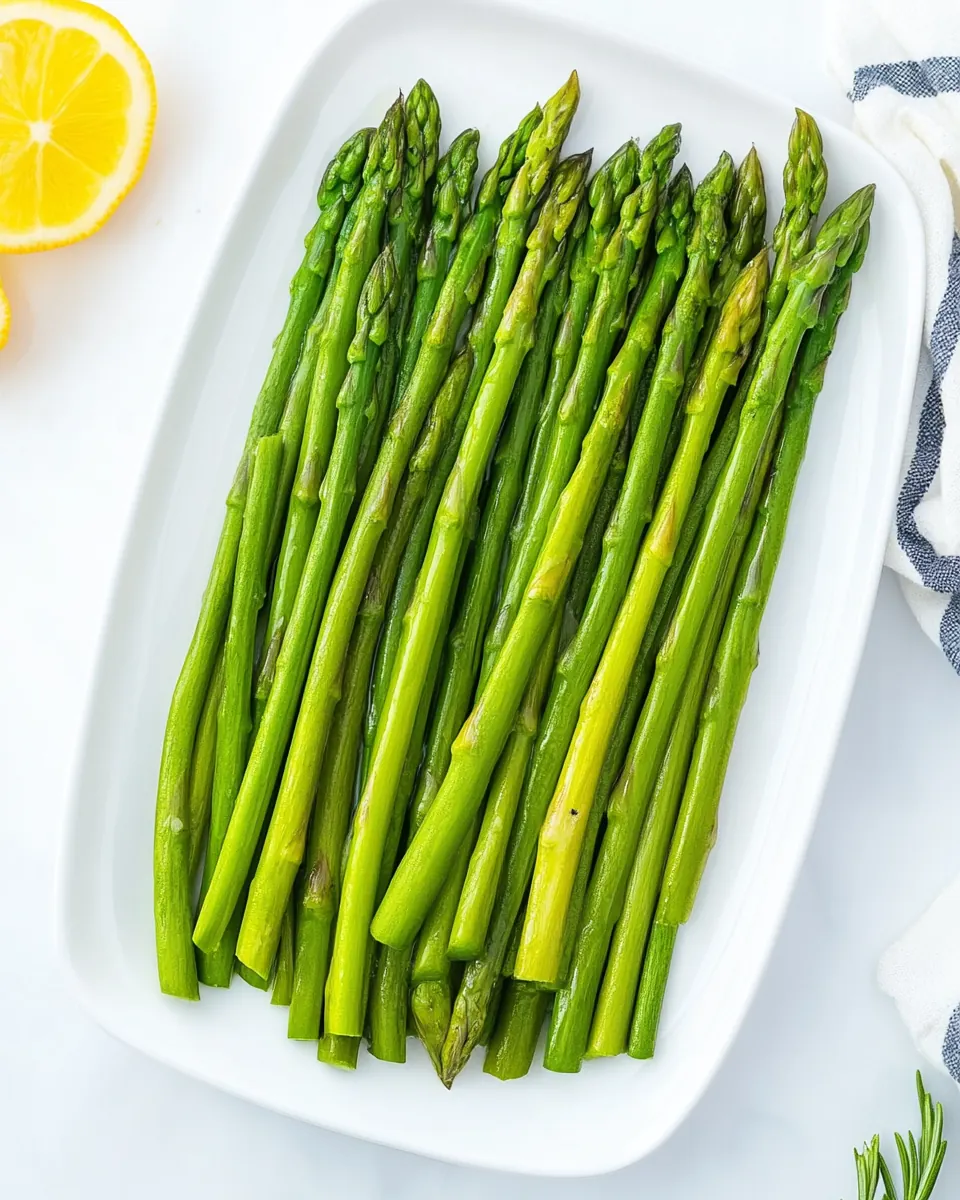
Blanching is a short ritual with a few decisive moments. Below I expand the original directions into a more sensory, troubleshooting focused guide so you know exactly what to look for and how to avoid common pitfalls.
- First, you'll need to trim the asparagus. Cut off about an inch from the bottom of the stalk. You can save the trimmings for vegetable stock.: The smell of fresh asparagus is green and slightly grassy as you slice the ends. When you bend a stalk near the bottom it should snap cleanly where the tender part begins, a visual cue that the woody portion is gone. Trimming saves unpleasant chewiness in the finished dish and removes fibrous texture that can mask sweetness. A common mistake is cutting too little, leaving a tough bite, so taste one trimmed stalk raw to check tenderness.
- In a saucepan or a large pot, bring water to a boil and salt it.: Listen for a rolling boil before you add the asparagus , the water should sound lively and produce steady steam. The salted water seasons the vegetable and raises the boiling point slightly, which promotes even cooking. If you under-salt, the spears may taste flat after blanching. Avoid adding the asparagus to water that is only gently simmering, because it will make timing unpredictable.
- Fill a large bowl with cold water, add ice cubes to it, and set aside.: The ice bath should be noticeably cold to the touch, with clinking cubes and a crisp chill that contrasts the hot pot. This immediate temperature reversal locks in color and texture. If the ice bath is too small or warms quickly, the cooling effect is lost and the asparagus will continue to cook. Keep extra ice nearby if you are blanching multiple batches.
- Add the prepped asparagus to the boiling water, and set your timer to 2-3 minutes. The broccoli should be bright in color, crisp and tender at the same time.: When the spears hit the boiling water you may hear a brief hiss, and the stems will deepen to a vivid green within a minute. The ideal feel is a crisp tender bite that still offers resistance, not limp. The statement about broccoli in the original text appears to be an oversight, but use the same visual cues for asparagus . Overcooking is common, which turns spears soggy and dull in color, so set a timer and sample one spear at the earlier end of the time window.
- Remove from the saucepan with a spider strainer, and plunge into the ice bath to stop the cooking process. Leave for 1 minute, then drain and use as desired.: You'll hear a soft splash as spears hit the ice water and see steam collapse into cold. Leaving them in the bath for about a minute chills them through and seals that bright green. Drain on paper towels or in a colander, then use as desired. A frequent error is skipping the ice bath or leaving spears in hot water; both cause continued cooking that ruins texture and color.
Variations to Try
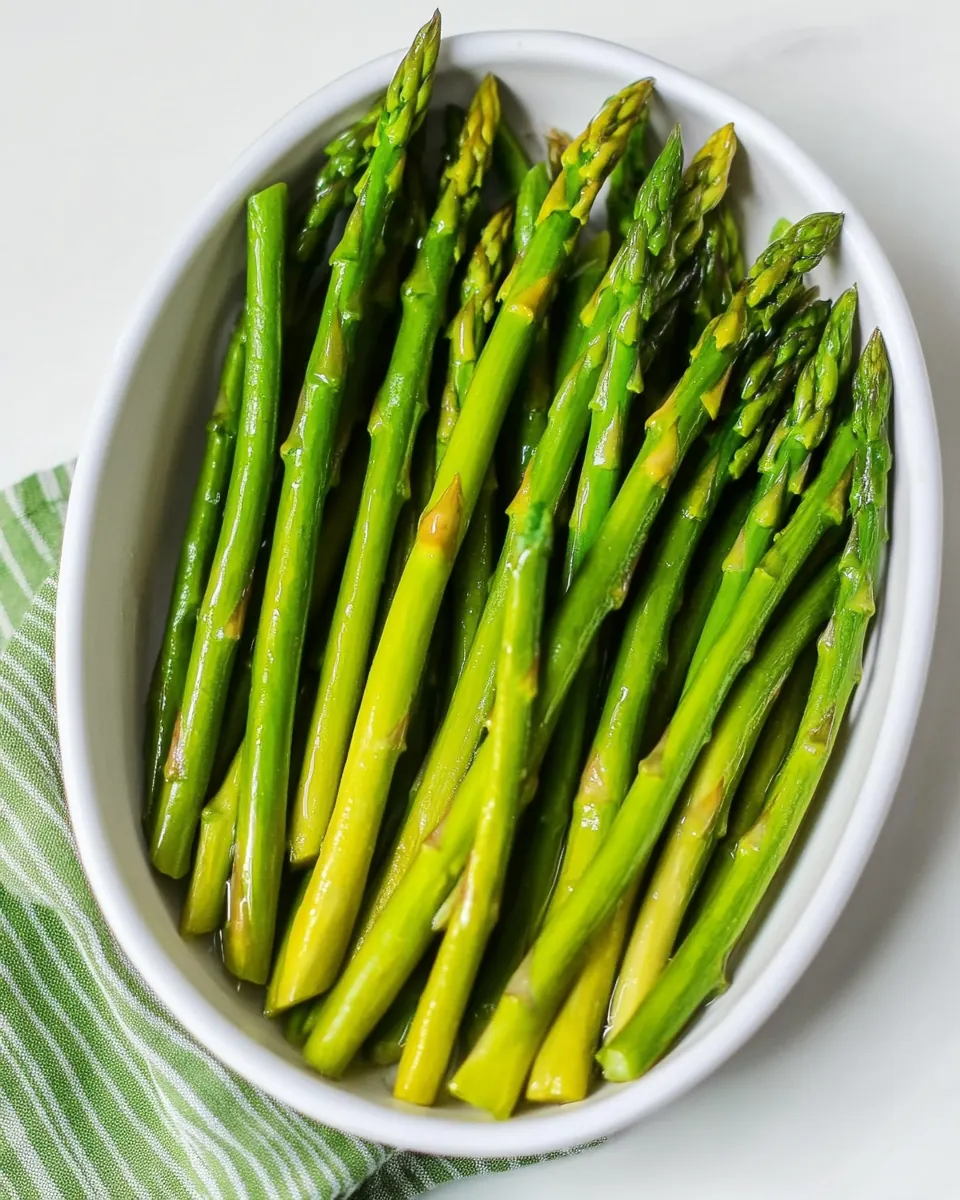
Blanching is a foundation you can adapt with small finishing touches. Below are practical variations and ideas that change the final character without altering the core technique.
- Simple lemon finish Add a squeeze of fresh lemon and a sprinkle of salt after draining to brighten the natural sweetness of the asparagus.
- Olive oil toss Drizzle a little good quality olive oil over warm spears for a silky mouthfeel that complements grilled proteins.
- Chilled salad prep Use blanched and chilled asparagus in composed salads with hearty greens and a light vinaigrette for contrast.
- Freezing for later Flash freeze blanched spears on a baking sheet before storing to retain shape and prevent clumping in the freezer.
- Quick sauté finish After blanching and draining, quickly sauté spears in a hot skillet for color and a touch of caramelization.
Serving Ideas for How to Blanch Asparagus
Blanched asparagus is wonderfully adaptable. Below I outline serving styles, occasions, and preservation tips to help you plan meals around this quick technique.
- Simple side Serve blanched spears simply dressed with olive oil and lemon for a quick spring side at lunch or dinner.
- Salad star Chill the spears and add to grain or leafy salads for texture and color, perfect for picnic lunches or light dinners.
- Holiday platter Use blanched asparagus on a holiday appetizer board with roasted vegetables and dips, suitable for festive gatherings in spring.
- Meal prep Store blanched and drained spears in an airtight container for up to four days to speed up weeknight cooking.
- Freezer storage Flash freeze blanched spears before bagging to keep them usable for up to a year, great for extending the spring harvest.
- Seasonal pairing Pair with spring greens, young potatoes, or fresh herbs to lean into the seasonality of the vegetable.
FAQ
Conclusion
Blanching is a small technique with big payoff, and what makes this recipe special is its ability to transform simple spring asparagus into a vivid, crisp, and versatile ingredient. Give this method a try the next time you buy fresh spears; once you get the timing and ice bath routine down, you’ll find yourself using it regularly. It’s approachable, fast, and reliably elevates vegetables with minimal effort.
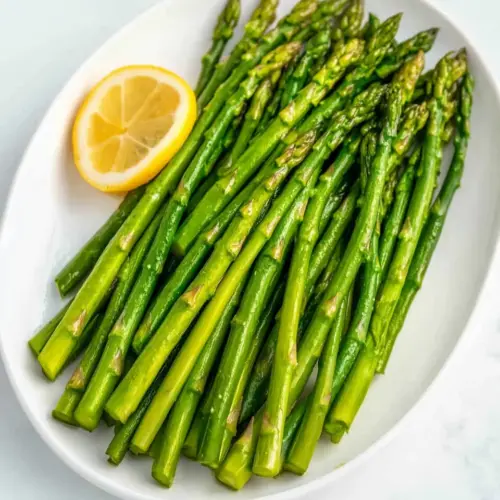
How to Blanch Asparagus
Equipment
- Saucepan
- kitchen tongs
- Colander
- Large Bowl
Ingredients
- 1 pound Asparagus Trim and snap woody ends to ensure even cooking and tender texture; blanched asparagus retains bright green color and slight crunch. Use uniform stalks for consistent blanching times and transfer immediately to ice water to stop cooking.
- 4 quarts water Provide a boiling medium to cook asparagus quickly and evenly; sufficient water prevents temperature drop when asparagus is added, ensuring proper blanching. Bring to a rolling boil before adding spears so they cook in high heat for a brief period.
- 1 teaspoon salt Season the boiling water to enhance the vegetable's natural flavor and help maintain vibrant color; salt also seasons asparagus from the inside as it briefly cooks. Use measured salt so the asparagus isn't under- or over-seasoned during blanching.
- Ice water and ice cubes Create an ice bath to shock asparagus and halt the cooking process instantly, preserving crisp-tender texture and bright green hue. Prepare plenty of ice and cold water so the asparagus cools completely before draining and serving.
Instructions
- First, you'll need to trim the asparagus. Cut off about an inch from the bottom of the stalk. You can save the trimmings for vegetable stock.: The smell of fresh asparagus is green and slightly grassy as you slice the ends. When you bend a stalk near the bottom it should snap cleanly where the tender part begins, a visual cue that the woody portion is gone. Trimming saves unpleasant chewiness in the finished dish and removes fibrous texture that can mask sweetness. A common mistake is cutting too little, leaving a tough bite, so taste one trimmed stalk raw to check tenderness.
- In a saucepan or a large pot, bring water to a boil and salt it.: Listen for a rolling boil before you add the asparagus , the water should sound lively and produce steady steam. The salted water seasons the vegetable and raises the boiling point slightly, which promotes even cooking. If you under-salt, the spears may taste flat after blanching. Avoid adding the asparagus to water that is only gently simmering, because it will make timing unpredictable.
- Fill a large bowl with cold water, add ice cubes to it, and set aside.: The ice bath should be noticeably cold to the touch, with clinking cubes and a crisp chill that contrasts the hot pot. This immediate temperature reversal locks in color and texture. If the ice bath is too small or warms quickly, the cooling effect is lost and the asparagus will continue to cook. Keep extra ice nearby if you are blanching multiple batches.
- Add the prepped asparagus to the boiling water, and set your timer to 2-3 minutes. The broccoli should be bright in color, crisp and tender at the same time.: When the spears hit the boiling water you may hear a brief hiss, and the stems will deepen to a vivid green within a minute. The ideal feel is a crisp tender bite that still offers resistance, not limp. The statement about broccoli in the original text appears to be an oversight, but use the same visual cues for asparagus . Overcooking is common, which turns spears soggy and dull in color, so set a timer and sample one spear at the earlier end of the time window.
- Remove from the saucepan with a spider strainer, and plunge into the ice bath to stop the cooking process. Leave for 1 minute, then drain and use as desired.: You'll hear a soft splash as spears hit the ice water and see steam collapse into cold. Leaving them in the bath for about a minute chills them through and seals that bright green. Drain on paper towels or in a colander, then use as desired. A frequent error is skipping the ice bath or leaving spears in hot water; both cause continued cooking that ruins texture and color.
Notes
- Simple lemon finish Add a squeeze of fresh lemon and a sprinkle of salt after draining to brighten the natural sweetness of the asparagus.
- Olive oil toss Drizzle a little good quality olive oil over warm spears for a silky mouthfeel that complements grilled proteins.
- Chilled salad prep Use blanched and chilled asparagus in composed salads with hearty greens and a light vinaigrette for contrast.
- Freezing for later Flash freeze blanched spears on a baking sheet before storing to retain shape and prevent clumping in the freezer.
- Quick sauté finish After blanching and draining, quickly sauté spears in a hot skillet for color and a touch of caramelization.