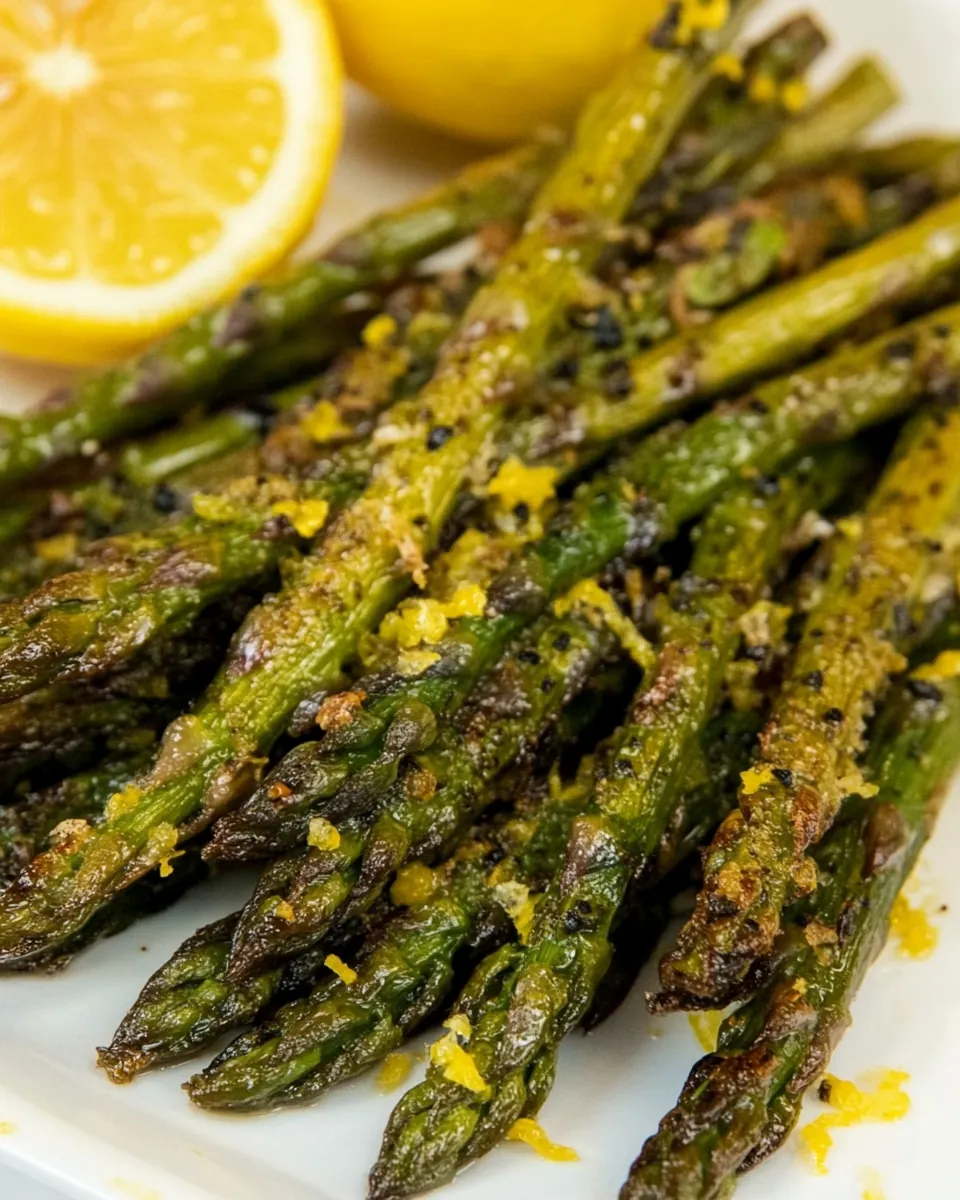
Fried Asparagus Tips with Lemon Juice and Lemon Zest
Fried Asparagus Tips with Lemon Juice and Lemon Zest has been my quick rescue on nights when I want something bright, green, and impossibly simple on the table.
Years ago I learned to love asparagus the minute I discovered how a hot pan could coax out its sweet, vegetal aroma while keeping a satisfying snap. I still remember the first time I tossed a handful of slender asparagus tips into a sizzling pan and the kitchen filled with that warm, green smell, then brightened it with a splash of lemon. It felt like coaxing spring onto a plate.
Now, whenever I bring home a bunch, I reserve the tender tips for this method, saving the thicker stalks for roasting or soup. There’s a comforting rhythm to the process, from the quick zesting of the lemon to the occasional turn of the tips as they sing in the oil. For me, this recipe is a little ritual that turns humble asparagus into a side that feels celebratory without fuss.
Recipe Snapshot
15 mins
10 mins
5 mins
Medium
150 kcal
American
Vegan, Gluten-Free
Side Dishes
Frying pan, Knife, Microplane or zester
Why We Love This Fried Asparagus Tips with Lemon Juice and Lemon Zest
1. Speed and simplicity
I love that Fried Asparagus Tips with Lemon Juice and Lemon Zest takes almost no time, yet delivers maximum flavor. You get a dish that is ready nearly as fast as it takes to set the table, which makes it ideal for busy weeknights when you still want something fresh and vibrant.
2. Bright citrus lift
The interplay between hot pan sweetness and the sharp, acidic pop of fresh lemon juice and zest is irresistible to me. The citrus cuts through the oil and amplifies the natural green notes of the asparagus, making every bite lively and clean.
3. Texture contrast
I appreciate the textural contrast, the slight char and tender interior balanced with a gentle snap. That contrast turns plain vegetables into something you almost want to nibble like an appetizer, not just a side.
4. Minimal ingredient list
There are only a handful of things to buy and remember, which I value. Focusing on a high quality olive oil and a fresh lemon elevates the whole recipe, showing that simple ingredients handled well are often the most rewarding.
5. Versatility at the table
I often serve this with roasted proteins or a grain bowl, and it adapts to casual lunches or a slightly dressed up dinner. It complements heavy mains while still standing on its own when I want a light, seasonal plate.
Essential Ingredients for Fried Asparagus Tips with Lemon Juice and Lemon Zest
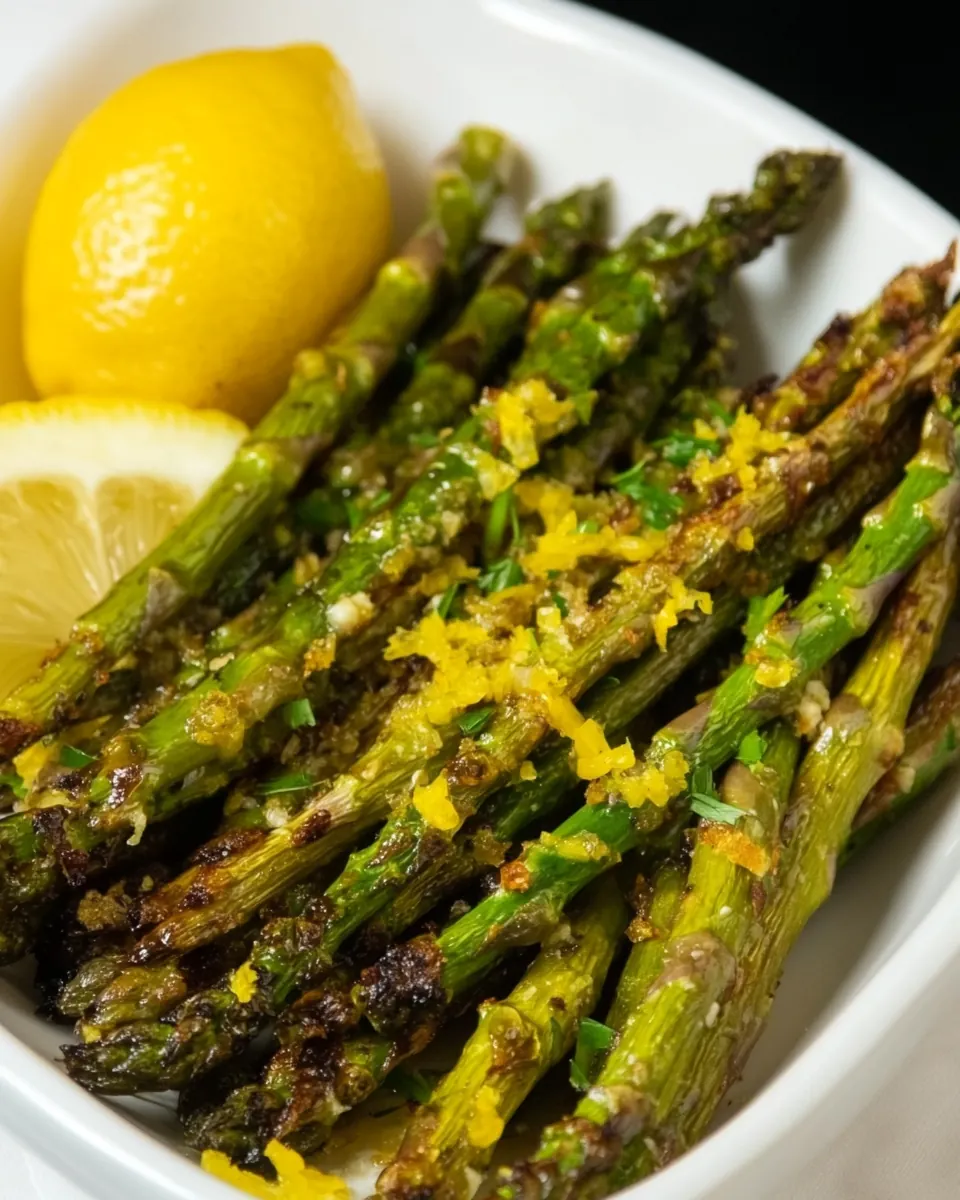
These few components are intentionally pared down to highlight the vegetal sweetness of the asparagus and the bright acidity of the lemon. The key players are built to do one job each, the olive oil to carry heat and create browning, the lemon to add lift, and the asparagus to remain the star. Together they create contrast in texture and flavor without competing.
- 1/2 lb . asparagus tips (from one pound of asparagus, save the rest of the asparagus to cook another way): Trimmed and tender, provide the primary vegetable component and delicate texture for the dish; cook quickly over high heat to preserve slight crunch and bright color. Hold concentrated flavor in the tips, which become caramelized at the edges to add depth and a pleasant bite. Pair naturally with citrus and oil to balance bitterness and enhance freshness.
- 1 T good quality olive oil: Coating and flavor carrier that helps transfer heat evenly while promoting slight browning; use enough to lightly coat the asparagus tips for even cooking without excess oil. Impart subtle fruitiness and mouthfeel, and help carry lemon juice and zest flavors across the spears for a cohesive bite.
- 1 lemon, remove all zest, then cut lemon in half and squeeze the juice.: Zested and juiced to provide concentrated citrus aroma and bright acid that lifts the entire dish; zest delivers intense aromatic oils while juice adds tang and acidity. Apply zest early or at the end for fragrant bursts, and squeeze juice to finish and balance richness from the oil with a clean, lively finish.
How to Assemble Fried Asparagus Tips with Lemon Juice and Lemon Zest
This is a hands on, sensory-driven process that moves fast. Keep your tools and ingredients nearby, and expect to monitor the pan closely so the tips brown beautifully without losing their snap. Below I expand each direction into detailed guidance so you can reproduce the exact texture and flavor I aim for.
- Cut 4-5 inch long tips from one pound of asparagus (saving the thicker stalk ends for another recipe, or see the note at the end if you're making 4 servings and want to use the whole pound of asparagus.): The aroma at this stage is faintly green and herbaceous, with a fresh metallic whisper from the knife as you slice. Use a sharp knife to make clean cuts so the tips retain their shape, and aim for uniform lengths to ensure even cooking. A common oversight is leaving the woody ends attached, which can make bites fibrous and chew-heavy. If you are saving the thicker stalks for another dish, wrap them tightly and refrigerate, but if you plan to cook the whole pound later, separate ends from tips for staggered cooking times.
- Zest the lemon, then cut lemon in half and remove any noticeable seeds. Squeeze lemon juice into a small dish.: Zesting releases an immediate burst of citrus oil that smells floral and bright. I prefer a microplane for a fine zest, which distributes evenly at the end. When you cut and squeeze, watch for seeds and strain if necessary to prevent bitter surprises. If you accidentally over-zest a lemon, wipe the tool clean before zesting again to avoid adding bitter pith.
- Heat the olive oil in the largest frying pan you have. I used my favoritenon-stick Green Pan, but any good frying pan will work.: As the olive oil warms, you will smell a subtle fruity note that signals it is ready but not smoking. Use medium-high heat to get a rapid sear while preserving the interior texture of the asparagus . If the oil begins to smoke, reduce the temperature immediately, because burnt oil will make the dish taste acrid. A too-cool pan will result in limp, pale tips that lack caramelization.
- Add asparagus in a single layer and turn heat to medium-high. Cook asparagus 4-5 minutes, turning about once a minute. Asparagus is done when the thickest part of the stalk can be pierced fairly easily with a fork but asparagus still has some snap to it, and asparagus is starting to brown.: When the tips hit the hot oil, they should hiss gently, releasing a savory, green steam. Spread them out so each tip touches the pan; this encourages even browning. You should hear a consistent sizzle, not furious spitting. Overcrowding causes steaming and prevents the golden edges that build flavor, so cook in batches if needed.
- Turn off heat, then pour over desired amount of lemon juice. (Use all the juice if you're a lemon fan like I am.): During these minutes you will notice the tips darkening at the contact points and the smell shifting to a deeper, roasted green. Turn each piece gently so the browning is even. The correct doneness is when a fork pierces the thickest part easily, yet the stem retains a pleasant snap. Undercooked asparagus will be fibrous, while overcooked pieces become mushy and lose brightness, so test early to avoid crossing that line.
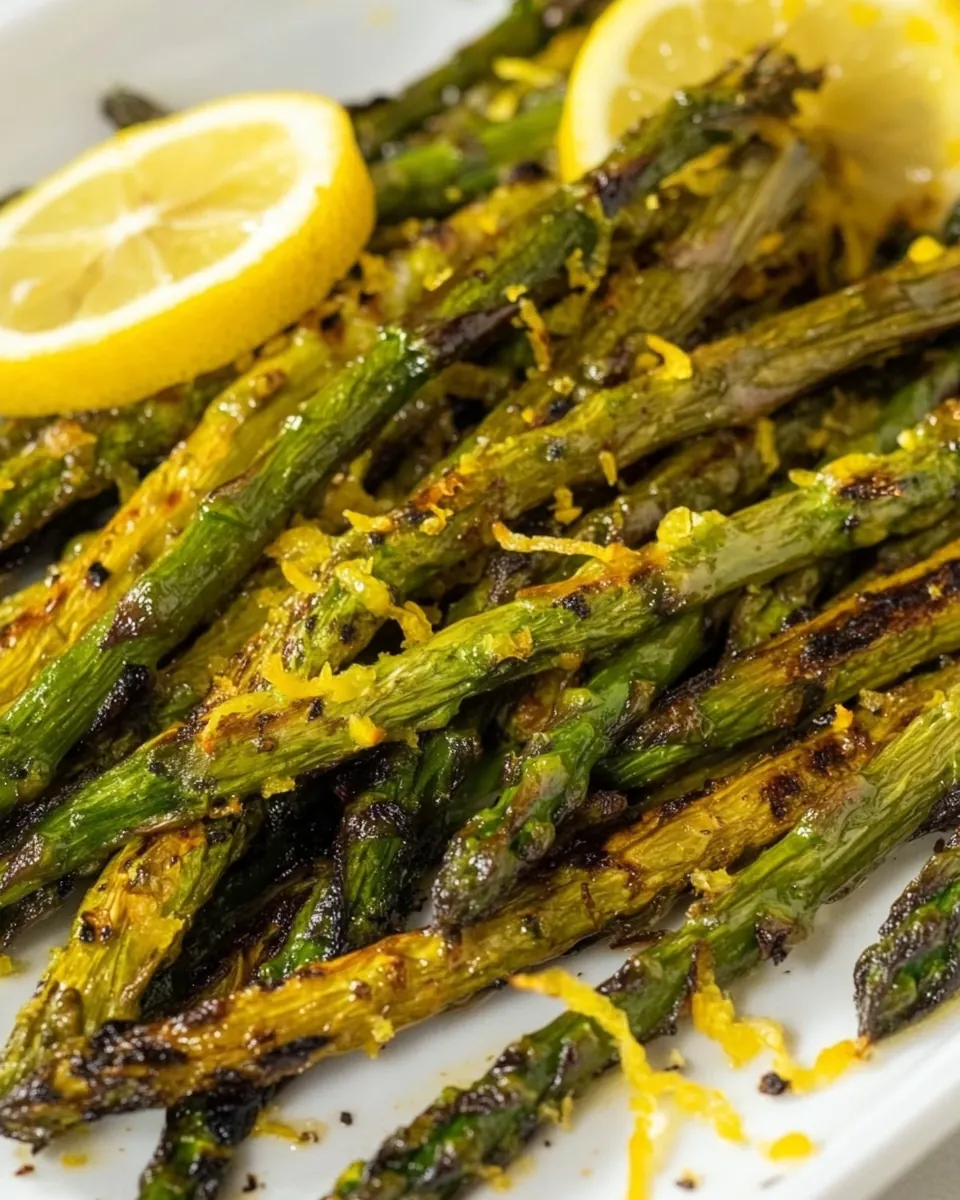
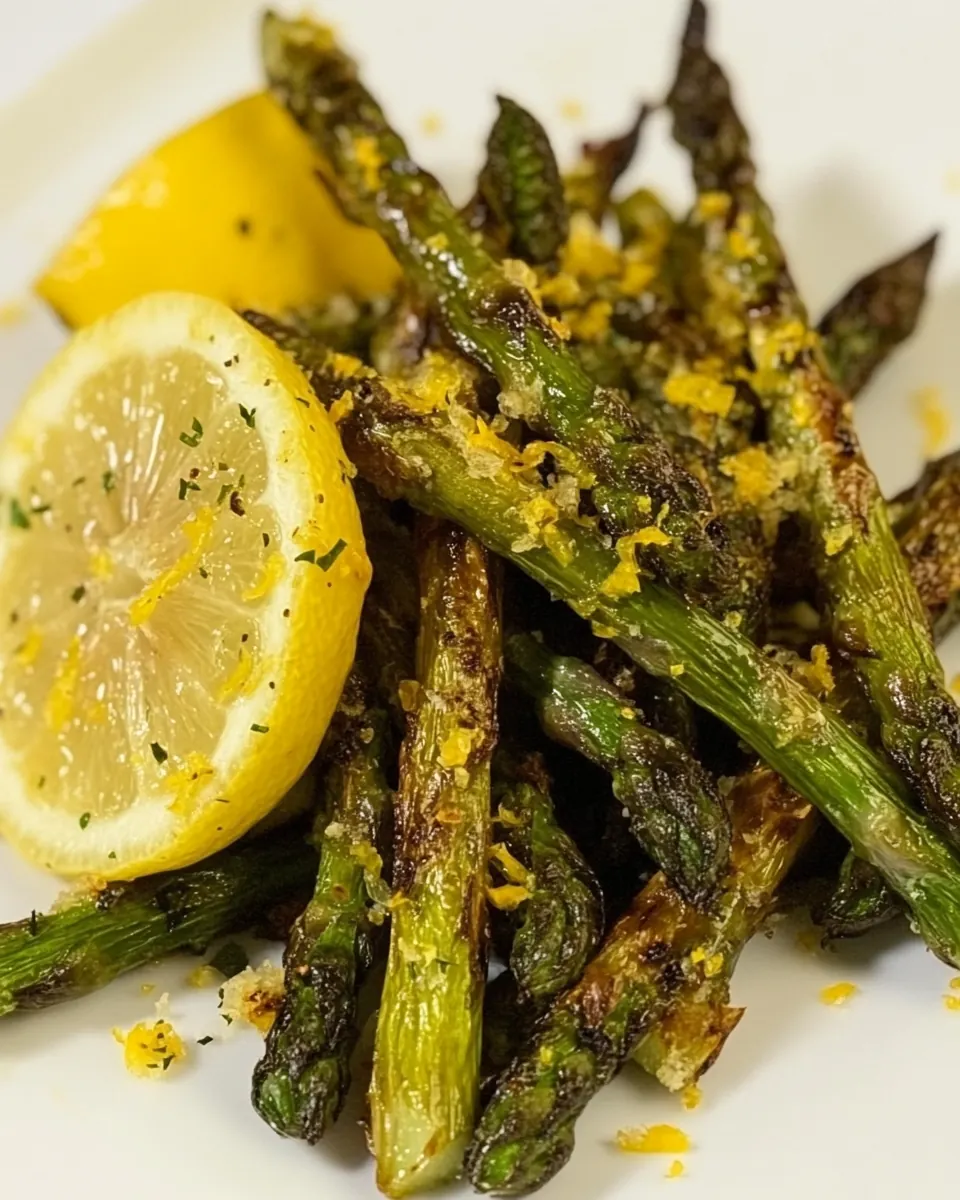
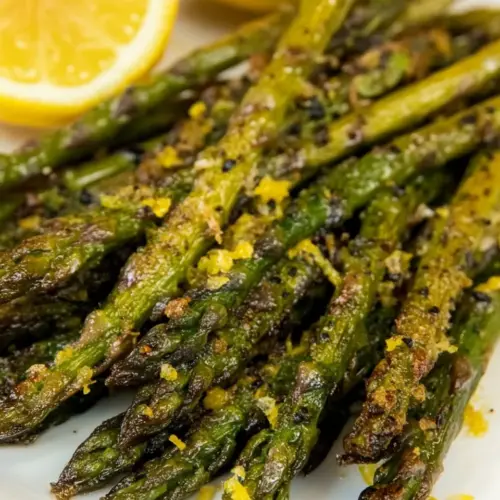
- Arrange asparagus on a plate, sprinkle with lemon zest and serve immediately.: The moment you add fresh lemon juice, an aromatic pop will rise and the pan steam will carry an electric citrus note. Pouring the juice off heat preserves its lively acidity, preventing it from mellowing or becoming bitter. If you pour too much lemon too early while the pan is piping hot, the juice can blister and evaporate, leaving a dull, flattened taste.
- If you want to cook the whole pound of asparagus, trim the woody ends, then cut asparagus into two pieces, keeping the ends and the tips separate. Cook the ends about 2 minutes before you add the tips to the pan, then add the tips and cook 4-5 minutes more as above.: Visually, the tips should glisten with oil, flecked with bright yellow zest that perfumes each bite. Serve right away so the exterior stays crisp and the interior keeps its snap. Waiting too long makes them lose that immediate crunch and the citrus aroma begins to fade, so this is best enjoyed hot and fresh.
- If you want to cook the whole pound of asparagus, trim the woody ends, then cut asparagus into two pieces, keeping the ends and the tips separate: The smell of trimmed ends is earthier and the texture is denser, which is why they need a head start. Cook the ends about 2 minutes before you add the tips to the pan, and you will hear an audible change in the sizzle as the thicker pieces begin to soften. Forgetting to stagger cooking will leave you with unevenly textured spears, some overcooked and others underdone.
Helpful Notes about Fried Asparagus Tips with Lemon Juice and Lemon Zest
This compact list of notes expands on timing, technique, and serving. Each note highlights a practical point I use in my kitchen to guarantee consistent results and to keep the process stress free.
- Timing is everything, aim for four to five minutes of active cooking for uniformly sized tips so they brown but stay snappy. If your tips are very thin, check at three minutes to avoid overcooking.
- Pan choice matters, a heavy bottom pan distributes heat evenly and helps create those caramelized contact points. Nonstick is great for sticky moments, but a well seasoned stainless steel can produce extra fond and deeper flavor.
- Oil control, use just enough olive oil to lightly coat the pan. Too much oil can mask the citrus brightness, while too little will prevent even browning and increase sticking risk.
- Season at the end, if you use salt add it right after cooking so it dissolves into the hot surface and melds with the lemon juice, offering a balanced finish rather than drawing out moisture during cooking.
- Serve immediately, these are best hot from the pan because the zest and the crisp edge fade quickly. If you must hold them, a warm oven at low heat preserves texture for a short time.
Accompaniments for Fried Asparagus Tips with Lemon Juice and Lemon Zest
This section explores how to pair and present the recipe across occasions and seasons. I outline side dishes, serving styles, and storage advice so you can integrate this bright vegetable into many meals.
- Casual weeknight pairing, serve the asparagus alongside grilled chicken or a bowl of steamed rice for an easy, balanced dinner. The citrus lift helps cut through richer proteins and adds freshness to a quick meal.
- Elegant dinner service, plate the tips as a garnish around a main like roasted fish, using the zest as a final flourish. For guests, arrange the tips in a neat bundle and drizzle any pan juices over the plate for a composed look.
- Seasonal pairing, in spring this works beautifully with early peas and young greens, while in cooler months you can combine it with roasted root vegetables for contrast. The technique remains the same, but the supporting ingredients shift with availability.
- Storage and reheating, keep leftovers in an airtight container in the refrigerator for up to two days. Reheat briefly in a hot pan to restore some crispness, but expect a softer texture than when freshly cooked.
- Occasion suggestions, this fits well at brunch, a light lunch, or as part of a Ramadan iftar spread where bright, quick vegetables are appreciated. It is flexible enough to sit on buffets or small dinner parties.
FAQ
Conclusion
What makes this recipe special is how a handful of simple actions transform tender asparagus tips into a bright, textured side. The quick sear brings out a roasted note while the fresh lemon juice and zest add an immediate lift that keeps each bite lively. I encourage you to try it on a busy weeknight when you want something fast yet elegant, or as part of a spring menu when asparagus is at its peak. It is one of those recipes that feels both effortless and thoughtful, and it rewards attention with delightful results.
Fried Asparagus Tips with Lemon Juice and Lemon Zest
Equipment
- Frying Pan
- Knife
- Microplane or zester
Ingredients
- 1/2 lb . asparagus tips (from one pound of asparagus, save the rest of the asparagus to cook another way) Trimmed and tender, provide the primary vegetable component and delicate texture for the dish; cook quickly over high heat to preserve slight crunch and bright color. Hold concentrated flavor in the tips, which become caramelized at the edges to add depth and a pleasant bite. Pair naturally with citrus and oil to balance bitterness and enhance freshness.
- 1 T good quality olive oil Coating and flavor carrier that helps transfer heat evenly while promoting slight browning; use enough to lightly coat the asparagus tips for even cooking without excess oil. Impart subtle fruitiness and mouthfeel, and help carry lemon juice and zest flavors across the spears for a cohesive bite.
- 1 lemon, remove all zest, then cut lemon in half and squeeze the juice. Zested and juiced to provide concentrated citrus aroma and bright acid that lifts the entire dish; zest delivers intense aromatic oils while juice adds tang and acidity. Apply zest early or at the end for fragrant bursts, and squeeze juice to finish and balance richness from the oil with a clean, lively finish.
Instructions
- Cut 4-5 inch long tips from one pound of asparagus (saving the thicker stalk ends for another recipe, or see the note at the end if you're making 4 servings and want to use the whole pound of asparagus.): The aroma at this stage is faintly green and herbaceous, with a fresh metallic whisper from the knife as you slice. Use a sharp knife to make clean cuts so the tips retain their shape, and aim for uniform lengths to ensure even cooking. A common oversight is leaving the woody ends attached, which can make bites fibrous and chew-heavy. If you are saving the thicker stalks for another dish, wrap them tightly and refrigerate, but if you plan to cook the whole pound later, separate ends from tips for staggered cooking times.
- Zest the lemon, then cut lemon in half and remove any noticeable seeds. Squeeze lemon juice into a small dish.: Zesting releases an immediate burst of citrus oil that smells floral and bright. I prefer a microplane for a fine zest, which distributes evenly at the end. When you cut and squeeze, watch for seeds and strain if necessary to prevent bitter surprises. If you accidentally over-zest a lemon, wipe the tool clean before zesting again to avoid adding bitter pith.
- Heat the olive oil in the largest frying pan you have. I used my favoritenon-stick Green Pan, but any good frying pan will work.: As the olive oil warms, you will smell a subtle fruity note that signals it is ready but not smoking. Use medium-high heat to get a rapid sear while preserving the interior texture of the asparagus . If the oil begins to smoke, reduce the temperature immediately, because burnt oil will make the dish taste acrid. A too-cool pan will result in limp, pale tips that lack caramelization.
- Add asparagus in a single layer and turn heat to medium-high. Cook asparagus 4-5 minutes, turning about once a minute. Asparagus is done when the thickest part of the stalk can be pierced fairly easily with a fork but asparagus still has some snap to it, and asparagus is starting to brown.: When the tips hit the hot oil, they should hiss gently, releasing a savory, green steam. Spread them out so each tip touches the pan; this encourages even browning. You should hear a consistent sizzle, not furious spitting. Overcrowding causes steaming and prevents the golden edges that build flavor, so cook in batches if needed.
- Turn off heat, then pour over desired amount of lemon juice. (Use all the juice if you're a lemon fan like I am.): During these minutes you will notice the tips darkening at the contact points and the smell shifting to a deeper, roasted green. Turn each piece gently so the browning is even. The correct doneness is when a fork pierces the thickest part easily, yet the stem retains a pleasant snap. Undercooked asparagus will be fibrous, while overcooked pieces become mushy and lose brightness, so test early to avoid crossing that line.
- Arrange asparagus on a plate, sprinkle with lemon zest and serve immediately.: The moment you add fresh lemon juice, an aromatic pop will rise and the pan steam will carry an electric citrus note. Pouring the juice off heat preserves its lively acidity, preventing it from mellowing or becoming bitter. If you pour too much lemon too early while the pan is piping hot, the juice can blister and evaporate, leaving a dull, flattened taste.
- If you want to cook the whole pound of asparagus, trim the woody ends, then cut asparagus into two pieces, keeping the ends and the tips separate. Cook the ends about 2 minutes before you add the tips to the pan, then add the tips and cook 4-5 minutes more as above.: Visually, the tips should glisten with oil, flecked with bright yellow zest that perfumes each bite. Serve right away so the exterior stays crisp and the interior keeps its snap. Waiting too long makes them lose that immediate crunch and the citrus aroma begins to fade, so this is best enjoyed hot and fresh.
- If you want to cook the whole pound of asparagus, trim the woody ends, then cut asparagus into two pieces, keeping the ends and the tips separate: The smell of trimmed ends is earthier and the texture is denser, which is why they need a head start. Cook the ends about 2 minutes before you add the tips to the pan, and you will hear an audible change in the sizzle as the thicker pieces begin to soften. Forgetting to stagger cooking will leave you with unevenly textured spears, some overcooked and others underdone.
Notes
- Timing is everything, aim for four to five minutes of active cooking for uniformly sized tips so they brown but stay snappy. If your tips are very thin, check at three minutes to avoid overcooking.
- Pan choice matters, a heavy bottom pan distributes heat evenly and helps create those caramelized contact points. Nonstick is great for sticky moments, but a well seasoned stainless steel can produce extra fond and deeper flavor.
- Oil control, use just enough olive oil to lightly coat the pan. Too much oil can mask the citrus brightness, while too little will prevent even browning and increase sticking risk.
- Season at the end, if you use salt add it right after cooking so it dissolves into the hot surface and melds with the lemon juice, offering a balanced finish rather than drawing out moisture during cooking.
- Serve immediately, these are best hot from the pan because the zest and the crisp edge fade quickly. If you must hold them, a warm oven at low heat preserves texture for a short time.