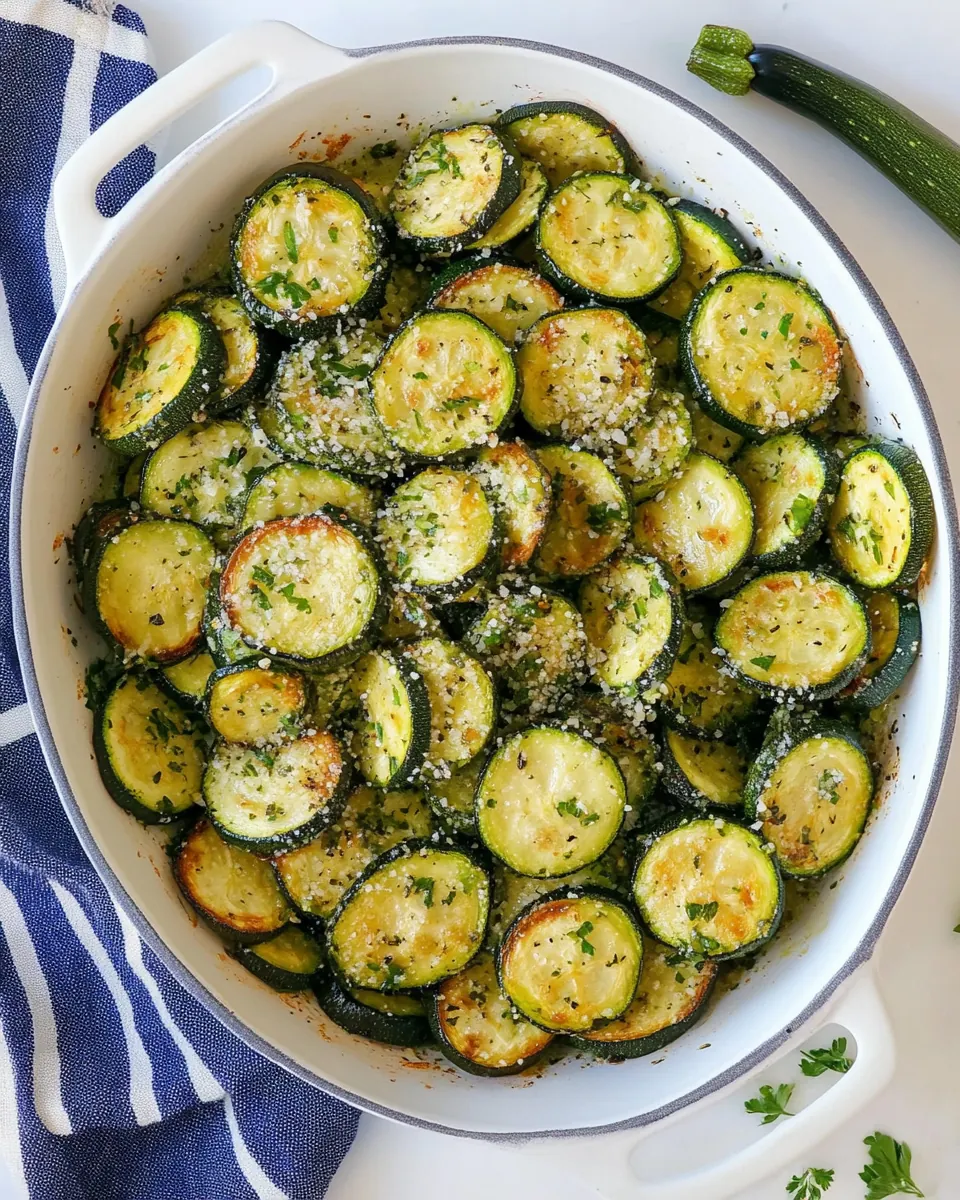
Sauteed Zucchini Recipe
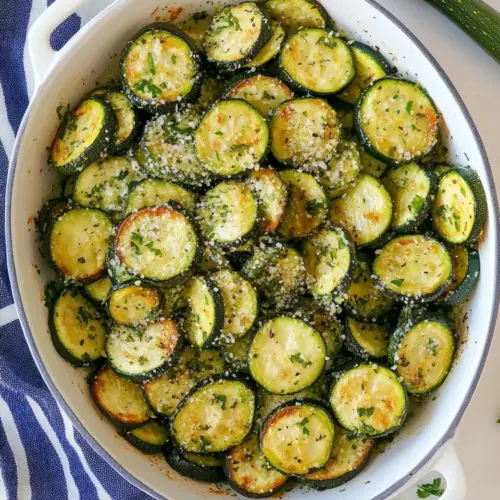
Sauteed Zucchini Recipe is a dish I reach for when summer‘s bounty arrives at the farmers market, a simple pan supper that always reminds me of sun warmed afternoons and the hum of neighborhood life. The first time I made this, I had a bag of mixed zucchini and yellow summer squash that needed saving, a crusty loaf of bread, and a stubborn appetite. I tossed the rounds into a hot skillet and watched them transform, their edges caramelizing while the kitchen filled with a buttery, herby fragrance that made everyone wander in.
What I love most about Sauteed Zucchini Recipe is how forgiving it is. You can be distracted for a few minutes and still come back to tender, slightly browned rounds that hold their shape. I often start with a modest sauté of onion in olive oil, letting it soften until it whispers sweetness, then introduce the zucchini so it picks up that gentle background flavor. It feels honest and unpretentious, something you can plate for a quiet weeknight dinner or bring to a casual gathering and not worry about looking fancy.
Over the years I have adjusted little things, like adding a pat of butter for silkiness and a final shower of freshly grated Parmesan cheese for a salty finish. Those small moves always lift the dish, making the texture more luxurious and the aroma more enticing. I love serving this with a hunk of warm bread to mop up the buttery juices, or alongside a simple protein for a balanced meal. Every time I make Sauteed Zucchini Recipe, it feels like a gentle celebration of summer vegetables and straightforward technique.
Recipe Snapshot
35 mins
10 mins
25 mins
Easy
150 kcal
American
Keto, Gluten-Free
Side Dishes
Nonstick skillet, Spatula, Grater
Why This Sauteed Zucchini Recipe Is So Good
Bright Seasonal Flavor
I adore how Sauteed Zucchini Recipe lets the fresh, slightly sweet flavor of the zucchini take center stage. When cooked properly the rounds stay tender with a hint of snap, not mush, and they absorb the savory notes from the onion, butter, and olive oil. I find this clarity of flavor especially satisfying, because each bite is clean and vegetable forward.
Speed and Simplicity
We can have this on the table in under an hour, making it a reliable go to for an easy weeknight dinner. The technique is straightforward, a few steps executed with attention, and it rewards you with consistent results. I often rely on it when the week gets busy but I still want something home cooked and nourishing.
Flexible and Forgiving
One reason I keep returning to this recipe is its flexibility. You can use mixed summer squash without worrying about exact proportions, and the seasoning is deliberately simple so you can tweak it. I sometimes increase the Parmesan at the end for extra umami, or swap the dried thyme for fresh if I have it on hand, and the dish still sings.
Textural Contrast
The combination of tender centers and browned edges gives every mouthful an engaging texture. The onion caramelizes and adds a soft sweetness, while the quick sauté keeps the zucchini from becoming limp. I love that crisped edge, it brings a roasted note without the oven.
Approachable Presentation
This plate looks inviting with minimal fuss, which is why I often bring it to casual gatherings. A sprinkling of freshly grated Parmesan cheese at the finish makes it feel composed, and you do not need fancy equipment to get great results. I enjoy the relaxed vibe it creates at the table.
What to Gather for Sauteed Zucchini Recipe
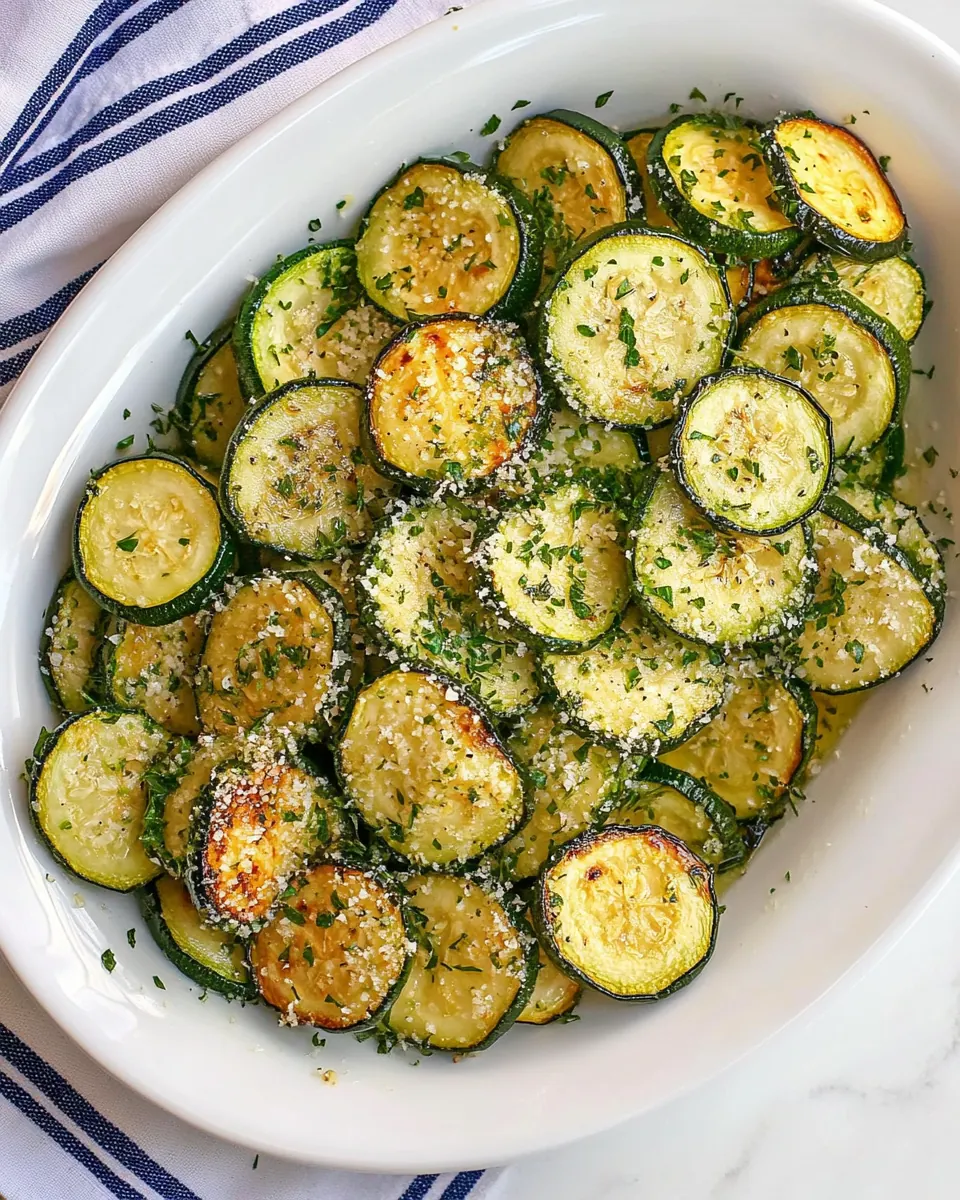
These ingredients are intentionally simple and complementary. The zucchini is the star, while the onion provides sweetness, and the fats from olive oil and butter develop flavor and mouthfeel. A pinch of seasoning and a finish of Parmesan cheese elevate the dish, creating a harmony of caramelized notes, tender vegetable texture, and a touch of savory saltiness.
- 1 tablespoon extra virgin olive oil: Adds a fruity, peppery base note and provides a healthy fat for sautéing the vegetables; helps prevent sticking and contributes to a glossy finish when tossed with zucchini.
- 2 tablespoons unsalted butter divided: Contributes rich creaminess and a silky mouthfeel; dividing the butter allows for initial browning and finishing richness to round out the flavors.
- 1 medium yellow onion thinly sliced: Imparts sweet, savory aromatics when softened and caramelized; thin slicing ensures even cooking and integration with the zucchini rounds.
- 4 medium zucchini or yellow summer squash, or a mix (about 2 pounds), ends trimmed and cut into 1/2-inch-thick rounds: Provides the main body and texture of the dish with delicate, slightly sweet flesh; cutting into 1/2-inch rounds yields even cooking and pleasing bite.
- 1/2 teaspoon kosher salt: Enhances overall seasoning by bringing out the natural flavors of the vegetables; measured to balance taste without overpowering the dish.
- 1/4 teaspoon ground black pepper: Adds a sharp, mildly spicy note to contrast the butter and zucchini sweetness; ground form distributes easily and seasons evenly.
- 1/2 teaspoon dried thyme: Contributes subtle earthy, floral notes and supports the savory profile; dried form offers concentrated flavor and holds up well during sautéing.
- 1/4 cup freshly grated Parmesan cheese: Finishes the dish with salty, umami-rich complexity and a slightly granular texture; freshly grated form melts slightly and brightens the final flavors.
Cooking Method for Sauteed Zucchini Recipe
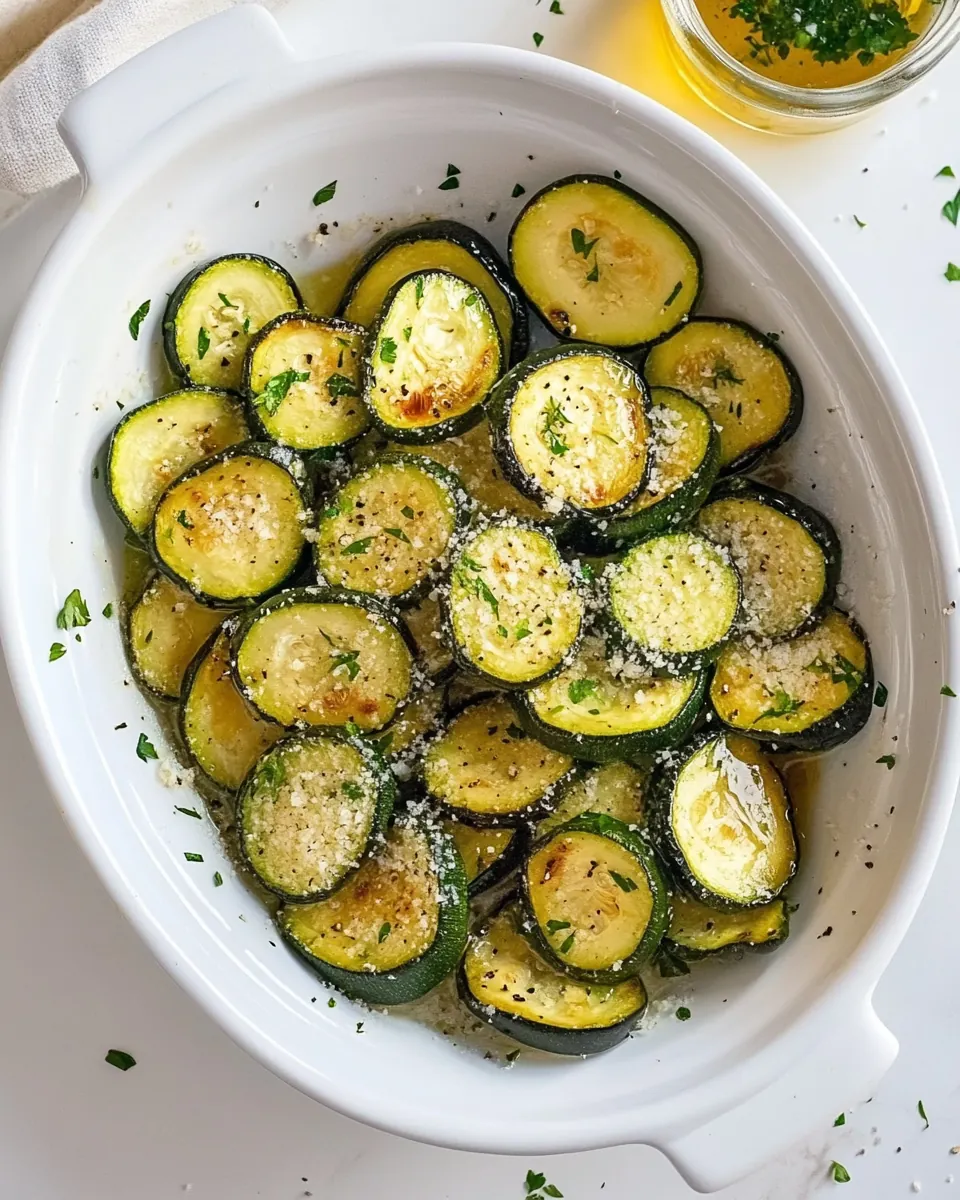
I like to think of this cooking process as a short, attentive rhythm. The goal is to coax sweetness from the onion, then let the zucchini develop golden edges while staying tender. With a few deliberate moves you’ll get consistent color and flavor.
- Heat the olive oil, onion and 1 tablespoon butter in a large nonstick skillet over medium-low heat. Cook gently until the onions begin to brown, about 10 to 11 minutes. Add the zucchini, salt, pepper, thyme, and remaining butter.: The kitchen will fill with a gentle, sweet aroma as the onion slowly softens and releases its sugars. You should hear faint, slow bubbling and see the onion become translucent before it picks up light golden edges, which indicates proper caramelization. This gentle start draws out sweetness without burning, which is crucial for a balanced final dish. A common mistake is turning the heat too high, which makes the onion brown unevenly or burn, so keep it patient and stir occasionally to ensure even cooking.
- Increase heat to medium. Continue to cook, stirring occasionally, until the zucchini is just cooked through and beginning to brown, about 10 to 15 minutes. Sprinkle with Parmesan. Enjoy immediately: As the minutes pass the scent will shift from raw sharpness to mellow, nutty notes, and small golden flecks will appear on the onion . The visual cue is key, look for even pale gold rather than deep brown. This slow browning builds depth and avoids bitter char. If you notice rapid darkening, lower the heat and scrape the pan to prevent sticking, because burnt bits will impart a harsh taste.
- Add the zucchini, salt, pepper, thyme, and remaining butter: When the zucchini hits the pan you will hear a livelier sizzle as moisture hits the hot fat. The added butter will melt and foam briefly, coating the rounds and helping them brown. The aromatic dried thyme will start releasing fragrance on contact with heat. This step matters because the immediate sear locks in texture and allows the seasonings to adhere, producing a layered flavor. Avoid overcrowding the skillet, which causes steaming rather than browning, so work in batches if needed.
- Increase heat to medium: Raising the heat encourages the zucchini to develop golden edges while preventing it from becoming mushy. You should aim for a steady, even sizzle rather than frantic popping, and watch as moisture evaporates and caramelization begins. This technique concentrates flavor through gentle browning, and it is important because it creates the contrast between tender centers and crisped rims. A frequent error is cranking the heat too high, which can blacken the exterior before the interior cooks, so adjust and monitor closely.
- Continue to cook, stirring occasionally, until the zucchini is just cooked through and beginning to brown, about 10 to 15 minutes: During this time the zucchini will go from pale to warmly golden, with edges curling slightly and a soft give in the centers. You will notice a richer butter scent and a savory depth as the onion and seasonings integrate. Stirring occasionally allows each round to contact the pan long enough to sear, but not so often that they cannot form a crust. Over stirring can prevent browning, while under stirring can let some pieces overcook, so find a balanced rhythm and redistribute as needed.
- Sprinkle with Parmesan: When the zucchini is warm and glossy, adding freshly grated Parmesan cheese will create a slightly melty, savory finish. The cheese will cling to the warm surfaces, giving pockets of umami and a slight creaminess that rounds out the dish. This finish is important because it ties the flavors together and provides a pleasant, salty counterpoint. A pitfall is adding pre grated, dry cheese which will not melt as well or offer the same fresh aroma, so use freshly grated if possible.
- Enjoy immediately: Serve the dish while hot to appreciate the contrast of textures and the aroma of butter and herbs. Warm slices deliver the best mouthfeel, and lingering heat will continue to soften the zucchini slightly, marrying the components. If left too long the rounds lose their brightness and the texture becomes limp, so plan to serve soon after plating.
Ways to Adapt This Recipe
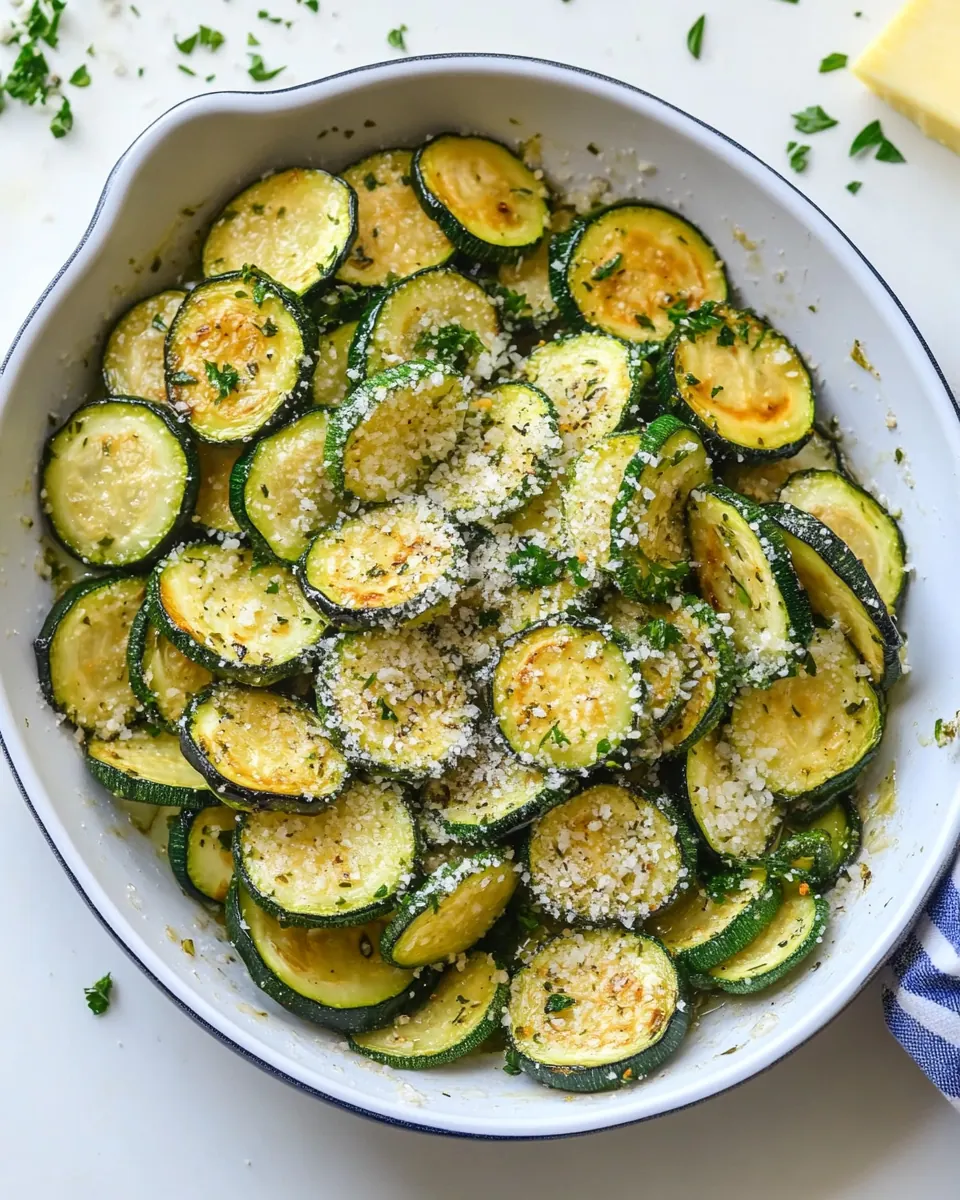
This section offers practical, flavorful adaptations for Sauteed Zucchini Recipe. Each tip begins with a bolded key idea and expands on how to implement it, keeping the spirit of the original while offering new directions.
- Boost the herb profile: Swap or add herbs like fresh basil or parsley at the end to introduce brightness. Add herbs after removing the pan from heat so their fragile oils remain vibrant, and chop them roughly to release aroma. This keeps the texture light and prevents bitter overcooking.
- Make it more luxurious: Increase the final amount of Parmesan cheese and finish with a small knob of butter off heat for richer mouthfeel. The residual heat will melt the cheese and butter into a silky coating, lending an indulgent quality without changing the technique.
- Turn it into a main: Serve larger portions alongside a grain or protein for a complete meal. Keep the seasoning slightly bolder to stand up to other components, and use a larger skillet to maintain even browning when you scale up quantities.
- Crisp it up: After cooking, spread the rounds in a single layer and briefly increase heat to get extra caramelization. Watch closely to avoid burning, and shake the pan gently so each piece gets an even chance to brown. This yields more crunch on the edges.
- Store and reheat wisely: Refrigerate leftovers for two to three days, then reheat in a nonstick skillet over medium to medium high so the slices regain some crispness. Avoid microwaving if you want to preserve texture, because steaming will make them limp.
Serving Options for Sauteed Zucchini Recipe
This section outlines lovely ways to serve Sauteed Zucchini Recipe. The list covers pairing ideas, occasions, and practical storage notes presented in clear, actionable items so you can adapt the dish to many meals.
- Serve as a side for weeknight dinner: Pair the warm zucchini with a roasted or grilled protein for balance and a homey plate that comes together quickly.
- Make it part of a vegetarian spread: Place the warm rounds alongside other vegetable dishes and a basket of crusty bread to create a relaxed, shareable meal.
- Bring it to a summer potluck: Keep the zucchini slightly warm and present it in a shallow dish with extra Parmesan cheese on the side for guests to add, making it portable and crowd friendly.
- Serve for a light lunch: Top a bed of mixed greens with the warm slices, drizzle with a little good olive oil, and finish with a sprinkle of extra cheese for a simple composed salad.
- Storage and reheating: Refrigerate leftovers for two to three days in an airtight container. Reheat in a nonstick skillet over medium to medium high heat to crisp edges and restore texture rather than steaming in the microwave.
- Seasonal pairing: This is ideal during summer when zucchini are at their peak, and it pairs well with tomatoes, basil, and a squeeze of lemon if you prefer a brighter finish.
FAQ
Conclusion
This Sauteed Zucchini Recipe shines because it celebrates summer squash with minimal fuss and maximum flavor. It transforms simple ingredients into a dish with warm, buttery aroma, tender centers, and caramelized edges that friends and family will reach for again and again. Give it a try the next time zucchini are at peak freshness, and you will see how a few gentle techniques and thoughtful finishing touches can elevate humble vegetables into something memorable. Share it warm with bread or alongside your favorite mains, and enjoy how easy comfort can taste.
Sauteed Zucchini Recipe
Equipment
- nonstick skillet
- Spatula
- Grater
Ingredients
- 1 tablespoon extra virgin olive oil Adds a fruity, peppery base note and provides a healthy fat for sautéing the vegetables; helps prevent sticking and contributes to a glossy finish when tossed with zucchini.
- 2 tablespoons unsalted butter divided Contributes rich creaminess and a silky mouthfeel; dividing the butter allows for initial browning and finishing richness to round out the flavors.
- 1 medium yellow onion thinly sliced Imparts sweet, savory aromatics when softened and caramelized; thin slicing ensures even cooking and integration with the zucchini rounds.
- 4 medium zucchini or yellow summer squash, or a mix (about 2 pounds), ends trimmed and cut into 1/2-inch-thick rounds Provides the main body and texture of the dish with delicate, slightly sweet flesh; cutting into 1/2-inch rounds yields even cooking and pleasing bite.
- 1/2 teaspoon kosher salt Enhances overall seasoning by bringing out the natural flavors of the vegetables; measured to balance taste without overpowering the dish.
- 1/4 teaspoon ground black pepper Adds a sharp, mildly spicy note to contrast the butter and zucchini sweetness; ground form distributes easily and seasons evenly.
- 1/2 teaspoon dried thyme Contributes subtle earthy, floral notes and supports the savory profile; dried form offers concentrated flavor and holds up well during sautéing.
- 1/4 cup freshly grated Parmesan cheese Finishes the dish with salty, umami-rich complexity and a slightly granular texture; freshly grated form melts slightly and brightens the final flavors.
Instructions
- Heat the olive oil, onion and 1 tablespoon butter in a large nonstick skillet over medium-low heat. Cook gently until the onions begin to brown, about 10 to 11 minutes. Add the zucchini, salt, pepper, thyme, and remaining butter.: The kitchen will fill with a gentle, sweet aroma as the onion slowly softens and releases its sugars. You should hear faint, slow bubbling and see the onion become translucent before it picks up light golden edges, which indicates proper caramelization. This gentle start draws out sweetness without burning, which is crucial for a balanced final dish. A common mistake is turning the heat too high, which makes the onion brown unevenly or burn, so keep it patient and stir occasionally to ensure even cooking.
- Increase heat to medium. Continue to cook, stirring occasionally, until the zucchini is just cooked through and beginning to brown, about 10 to 15 minutes. Sprinkle with Parmesan. Enjoy immediately: As the minutes pass the scent will shift from raw sharpness to mellow, nutty notes, and small golden flecks will appear on the onion . The visual cue is key, look for even pale gold rather than deep brown. This slow browning builds depth and avoids bitter char. If you notice rapid darkening, lower the heat and scrape the pan to prevent sticking, because burnt bits will impart a harsh taste.
- Add the zucchini, salt, pepper, thyme, and remaining butter: When the zucchini hits the pan you will hear a livelier sizzle as moisture hits the hot fat. The added butter will melt and foam briefly, coating the rounds and helping them brown. The aromatic dried thyme will start releasing fragrance on contact with heat. This step matters because the immediate sear locks in texture and allows the seasonings to adhere, producing a layered flavor. Avoid overcrowding the skillet, which causes steaming rather than browning, so work in batches if needed.
- Increase heat to medium: Raising the heat encourages the zucchini to develop golden edges while preventing it from becoming mushy. You should aim for a steady, even sizzle rather than frantic popping, and watch as moisture evaporates and caramelization begins. This technique concentrates flavor through gentle browning, and it is important because it creates the contrast between tender centers and crisped rims. A frequent error is cranking the heat too high, which can blacken the exterior before the interior cooks, so adjust and monitor closely.
- Continue to cook, stirring occasionally, until the zucchini is just cooked through and beginning to brown, about 10 to 15 minutes: During this time the zucchini will go from pale to warmly golden, with edges curling slightly and a soft give in the centers. You will notice a richer butter scent and a savory depth as the onion and seasonings integrate. Stirring occasionally allows each round to contact the pan long enough to sear, but not so often that they cannot form a crust. Over stirring can prevent browning, while under stirring can let some pieces overcook, so find a balanced rhythm and redistribute as needed.
- Sprinkle with Parmesan: When the zucchini is warm and glossy, adding freshly grated Parmesan cheese will create a slightly melty, savory finish. The cheese will cling to the warm surfaces, giving pockets of umami and a slight creaminess that rounds out the dish. This finish is important because it ties the flavors together and provides a pleasant, salty counterpoint. A pitfall is adding pre grated, dry cheese which will not melt as well or offer the same fresh aroma, so use freshly grated if possible.
- Enjoy immediately: Serve the dish while hot to appreciate the contrast of textures and the aroma of butter and herbs. Warm slices deliver the best mouthfeel, and lingering heat will continue to soften the zucchini slightly, marrying the components. If left too long the rounds lose their brightness and the texture becomes limp, so plan to serve soon after plating.
Notes
- Boost the herb profile: Swap or add herbs like fresh basil or parsley at the end to introduce brightness. Add herbs after removing the pan from heat so their fragile oils remain vibrant, and chop them roughly to release aroma. This keeps the texture light and prevents bitter overcooking.
- Make it more luxurious: Increase the final amount of Parmesan cheese and finish with a small knob of butter off heat for richer mouthfeel. The residual heat will melt the cheese and butter into a silky coating, lending an indulgent quality without changing the technique.
- Turn it into a main: Serve larger portions alongside a grain or protein for a complete meal. Keep the seasoning slightly bolder to stand up to other components, and use a larger skillet to maintain even browning when you scale up quantities.
- Crisp it up: After cooking, spread the rounds in a single layer and briefly increase heat to get extra caramelization. Watch closely to avoid burning, and shake the pan gently so each piece gets an even chance to brown. This yields more crunch on the edges.
- Store and reheat wisely: Refrigerate leftovers for two to three days, then reheat in a nonstick skillet over medium to medium high so the slices regain some crispness. Avoid microwaving if you want to preserve texture, because steaming will make them limp.
