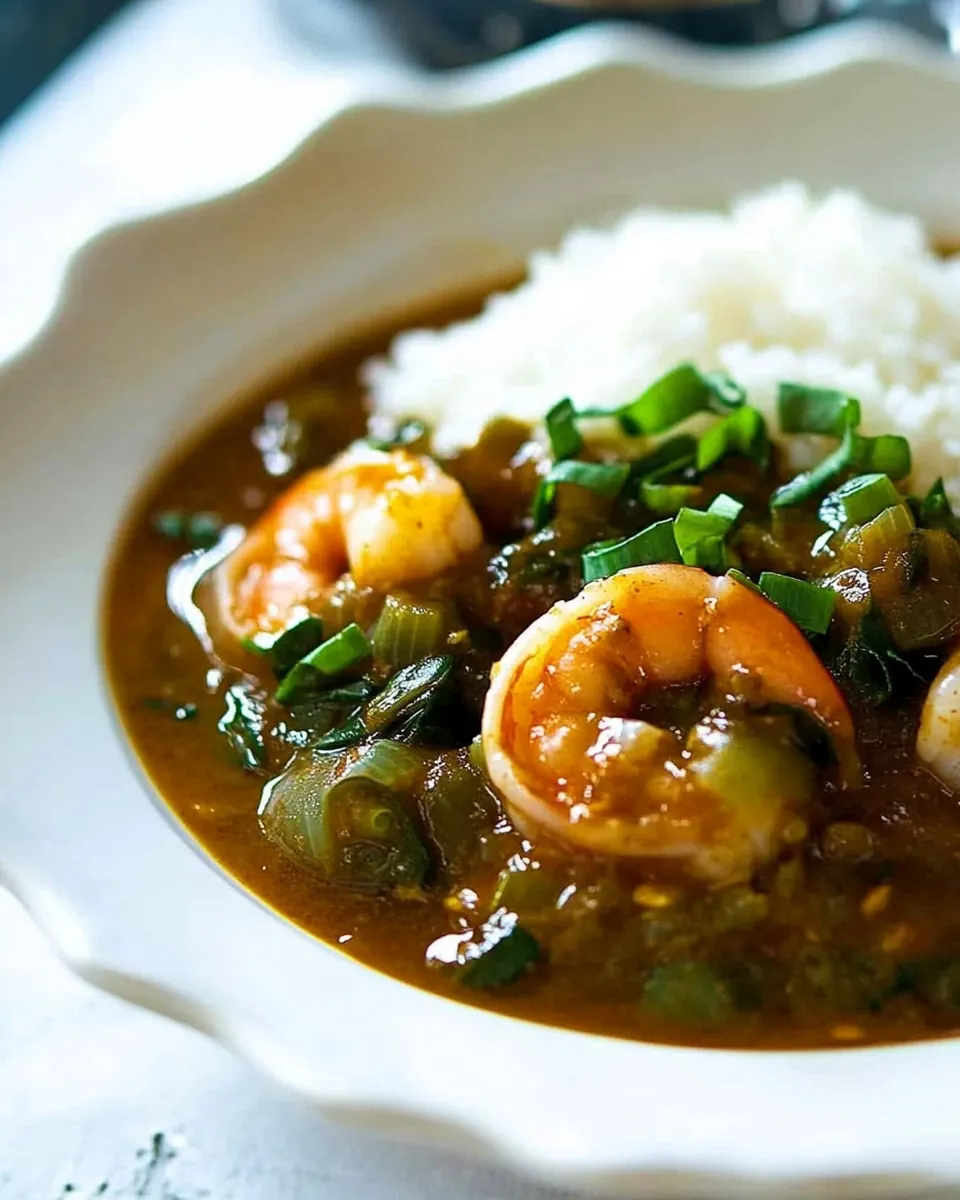
Classic Shrimp and Okra Gumbo
Classic Shrimp and Okra Gumbo is the kind of recipe that has followed me through rainy afternoons and loud family dinners, a pot that seems to collect stories as it bubbles. I first learned to make it in a cramped kitchen where the radio hummed and an older cousin coaxed a perfect brown roux out of a stubborn skillet while telling tall tales. That memory still anchors how I approach this dish, patient and a little reverent, because the slow transformation of oil and flour into something nutty and fragrant is where the soul of the meal begins.
There is something deeply comforting about the texture of okra and the way shrimp softens in a well seasoned broth. Over the years I have adapted small tricks from different kitchens, but I keep coming back to the essentials: a dark roux, bright aromatics, the gentle bite of roasted okra, and heat that lingers at the back of the throat. When I serve Classic Shrimp and Okra Gumbo, people lean in, napkins ready, and conversations slow down as spoons go back for more.
Cooking this gumbo has been my way of marking late afternoons into dinners that feel like an event without fuss. I like the rhythm of whisking, the patience that a long simmer requires, and the quiet satisfaction when the kitchen fills with deep, savory smells. Family members who once turned up their noses at okra now ask for seconds when the dish is done right. That steady approval makes the effort worthwhile, and it’s why I keep this recipe in heavier rotation whenever the weather cools and the house invites lingering.
Recipe Snapshot
2 hr 30 mins
30 mins
120 mins
Hard
450 kcal
American
Gluten-Free, Whole30
Dinner
Large sturdy skillet, Large pot or Dutch oven
Why You’ll Love This Classic Shrimp and Okra Gumbo
Deep, layered flavor from a simple base
I love how a well made roux turns the whole pot into something more than the sum of its parts. The long, patient browning of flour in vegetable oil creates caramelized, nutty notes that hold up against bold seasonings and bright tomatoes. This foundation gives the gumbo a depth you can smell before you taste it, and I always tell people that patience here rewards you with complexity in every spoonful.
Textural contrast that keeps each bite interesting
What keeps me coming back to Classic Shrimp and Okra Gumbo is the interplay between tender shrimp, silky stock, and the slight chew and char of sautéed okra. I like when the okra has a little color and loses some of its sliminess, because it then adds a pleasant bite that cuts through the richness. The result is a bowl that feels balanced, not one note overwhelming the rest.
Spiced but not domineering
I intentionally use measured heat and smoky notes so the recipe sings rather than shouts. Chili powder, smoked paprika, and cayenne pepper are there to support the base, while Worcestershire sauce and hot sauce lift the broth with savory and tangy accents. You’ll notice layers of spice that evolve as you eat, which keeps the experience engaging across a whole bowl.
Flexible and forgiving
This gumbo adapts easily whether you make the shellfish stock from scratch or use a confident store bought option. I often prepare the stock in advance, and the gumbo benefits from resting an extra day when reheated gently. That flexibility makes it a go to for entertaining or for feeding a hungry family when time is limited.
Comfort and tradition in every spoon
Finally, the dish carries emotional weight. For me, it’s nostalgia, warmth, and the simple joy of sharing a steaming bowl on a cool evening. That human connection is the last ingredient, and it’s what turns a recipe into a ritual. I hope when you make Classic Shrimp and Okra Gumbo, it becomes part of your repertoire in the same way.
Ingredients for Classic Shrimp and Okra Gumbo
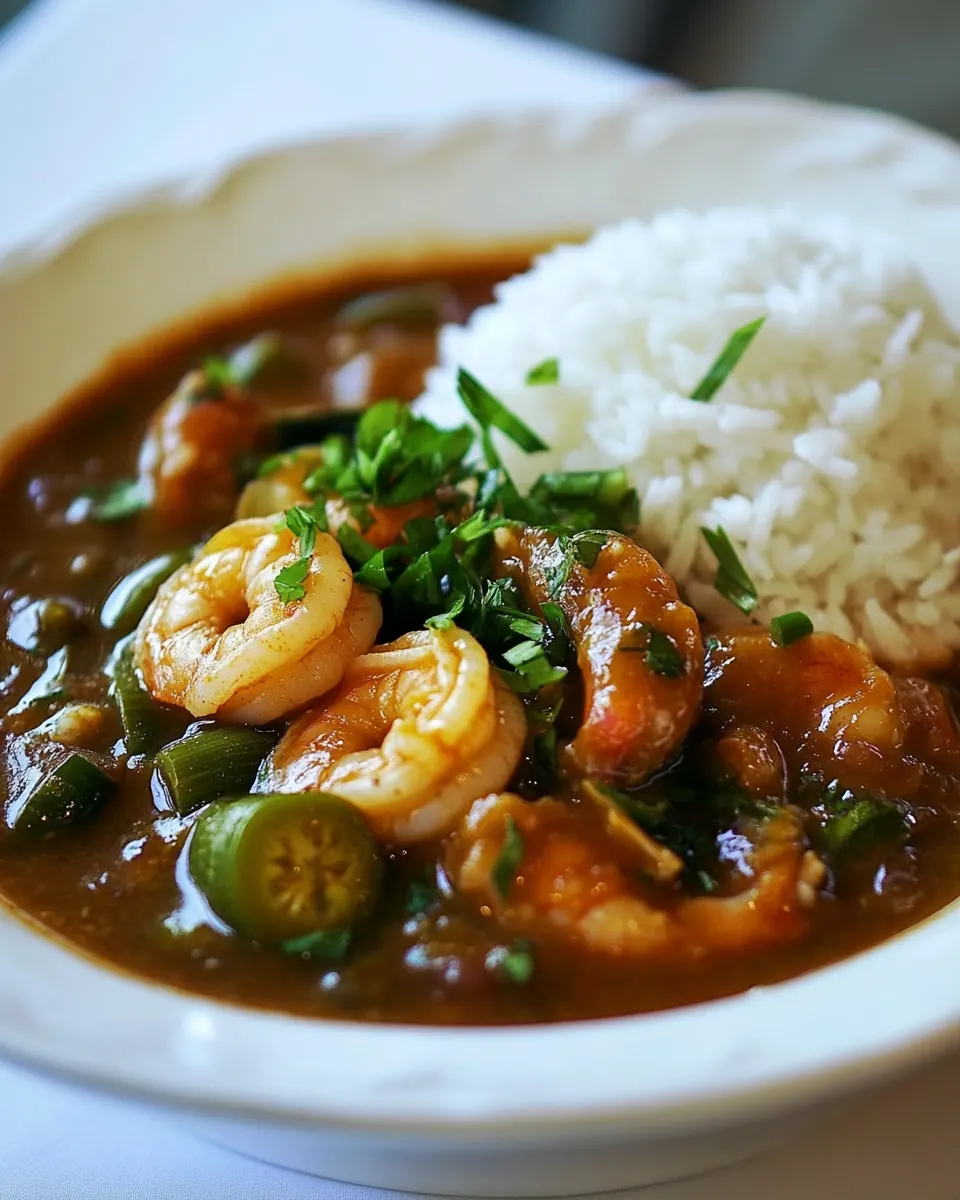
These ingredients work together to build a richly flavored, comforting gumbo. The key players are the roux makers, the aromatics, and the seafood. The roux gives body and a toasted backbone, the aromatics bring freshness and a vegetable backbone, and the stock plus shrimp deliver the sea infused depth. Small seasonings like filé powder and spices finish the bowl with authentic, rounded flavor.
- 3/4 cup vegetable oil: Provide a neutral, high-heat cooking medium essential for making a dark, flavorful roux and sautéing the vegetables until tender, contributing richness and mouthfeel to the gumbo.
- 1 cup all-purpose flour: Form a thickening and flavor foundation when browned into a roux; slowly whisked with oil, it develops deep, nutty notes that define the gumbo’s base and body.
- 1 cup onion chopped: Add a sweet, aromatic base flavor and moisture when chopped; sauté until translucent to build savory depth and complement the roux and spices.
- 1 cup celery chopped: Contribute a mild, celery-like aroma and crunchy texture when chopped; cook with other aromatics to balance sweetness and add savory complexity to the stew.
- 1 large green bell pepper seeded and chopped: Provide bright, slightly bitter-sweet flavor and color when seeded and chopped; meld with other peppers and vegetables to enhance the gumbo’s peppery profile.
- 1 poblano pepper seeded and chopped: Introduce a mild heat and smoky green pepper flavor when seeded and chopped; pair with the bell pepper to deepen the dish’s layered pepper notes.
- 3 cloves garlic minced: Deliver pungent, aromatic heat when minced; add near the start of cooking to infuse the oil and vegetables with savory intensity.
- 1 tablespoon chili powder: Impart warm, earthy heat and a subtle smoky complexity when measured; blend with other spices to build the gumbo’s characteristic seasoning profile.
- 1 teaspoon smoked paprika: Contribute a deep, smoky undertone that complements the roux and peppers; sprinkle in modestly to enhance savory, roasted flavors without overpowering.
- 1 teaspoon cayenne pepper: Add concentrated heat and brightness that livens the stew; use carefully to control the gumbo’s spiciness and balance with other seasonings.
- 1 tablespoon Kosher salt: Season broadly for enhanced savory balance; dissolve into the gumbo to bring out other flavors and ensure the dish is properly seasoned throughout.
- 1 teaspoon black pepper: Provide sharp, aromatic heat and a background bite; grind into the gumbo to boost overall pepperiness and flavor complexity.
- 1 teaspoon white pepper: Offer a clean, peppery heat with a slightly different profile than black pepper; layer with other spices to create a nuanced spicy backbone.
- 1 1/2 tablespoon filé powder: Thicken slightly and impart an earthy, traditional Creole finish when sprinkled sparingly; add toward the end of cooking to preserve its unique texture.
- 128 oz . can whole tomatoes drained and roughly chopped: Supply bright, acidic tomato flavor and body when drained and chopped; stir in to add umami, sweetness, and acidity that balance the rich roux and stock.
- 1/4 cup Worcestershire sauce: Deliver tangy, savory depth and a touch of umami when added; use to brighten and season the gumbo with complex savory-sweet notes.
- 1/4 cup hot sauce: Bring concentrated heat and vinegar tang to amplify the stew’s flavor; add according to taste to enhance brightness and spice.
- 3 quarts shellfish stock click for full recipe: Create a briny, richly flavored liquid base when used as shellfish stock; simmer with the roux and vegetables to form the gumbo’s foundational broth.
- 2 lbs shrimp medium, peeled and deveined: Contribute sweet, tender seafood protein when peeled and deveined; add near the end of cooking to prevent overcooking and retain succulence.
- 3 cups okra sliced: Introduce a slightly crisp, earthy texture and subtle vegetal flavor when sliced; cook until tender to complement shrimp and thicken the stew naturally.
- cooked rice: Serve as a warm, neutral accompaniment to absorb the gumbo’s flavorful broth; prepare fresh to provide the classic pairing for serving.
- scallions sliced, for garnish: Add a fresh, mild oniony finish when sliced and used as a garnish; sprinkle on top to provide color contrast and a bright bite.
The Process for Making Classic Shrimp and Okra Gumbo
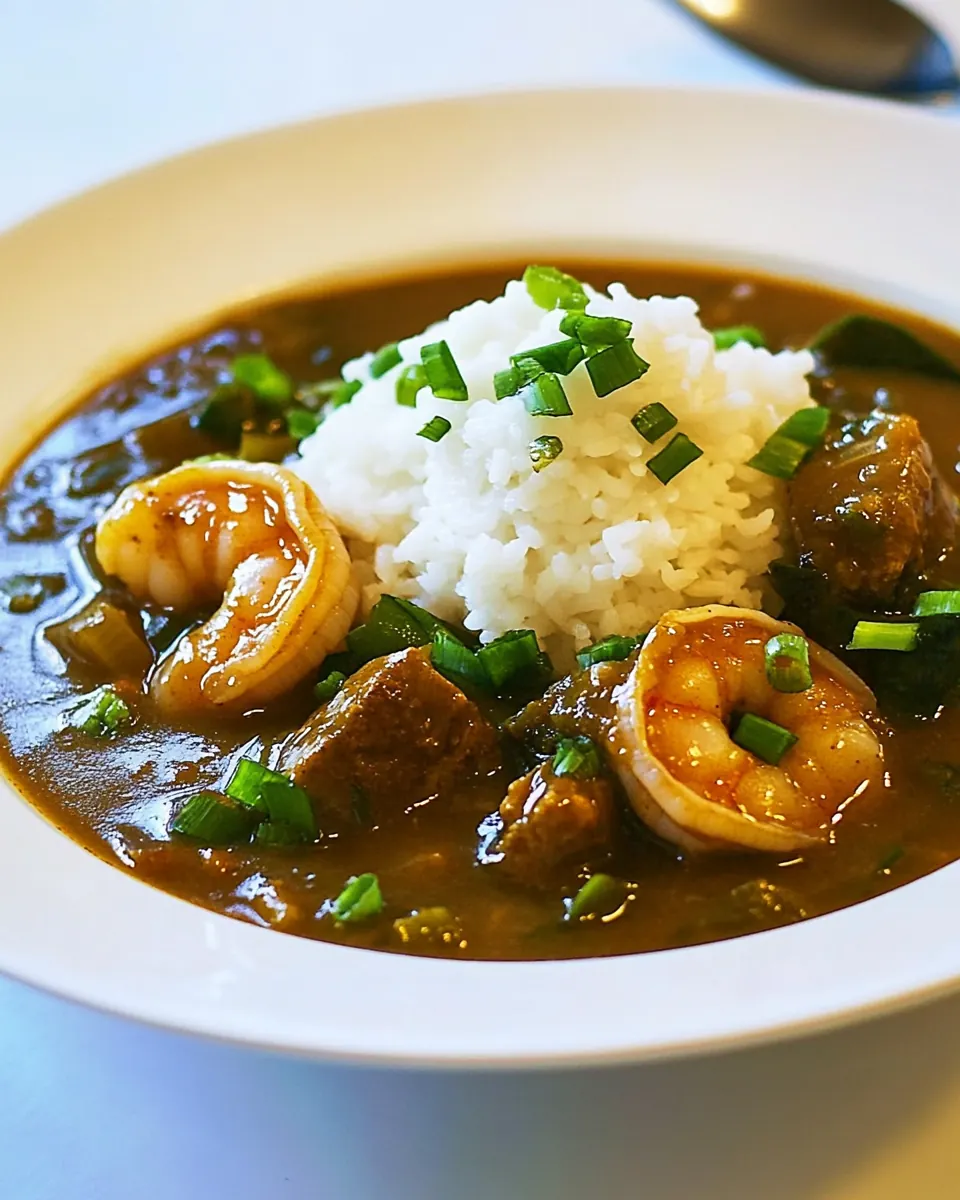
Making this gumbo is a slow, satisfying process that rewards attention. Below I walk you through each step with sensory cues and troubleshooting tips so you can get the exact color and flavor you want. Keep your tools ready, and don’t rush the roux, it is the backbone of everything that follows.
- In a large pot (preferably Dutch oven), heat oil over medium-high heat and slowly whisk in flour. Cook and whisking constantly until a brown roux forms, about 40 minutes.: You will notice an immediate change in aroma as the mixture moves from raw to toasty, then to nutty and caramel like, a deep chestnut brown is the goal. The sound is a low gentle simmer occasionally punctuated by sizzling as moisture escapes the pan. This stage demands steady whisking to prevent scorching, and the why is simple, a well developed roux builds the base flavor and thickening power of the gumbo. If you stop whisking for too long you risk hot spots that burn, producing acrid notes, so keep a comfortable rhythm and adjust heat to medium low if it seems to be cooking too quickly. If the roux becomes grainy or smells bitter, there is likely burned flour, start over if necessary to avoid an unpleasant aftertaste.
- Carefully add onion, bell pepper, celery, poblano, chili powder, paprika, cayenne pepper, salt, and both peppers. Stir until all is mixed together and heated through, about 2 minutes.: As these aromatics hit the hot roux you will feel the pan settle and a fragrant steam will rise, carrying sweet onion and pepper oils. Visually the vegetables will glisten and their edges will begin to soften, giving off tiny pops as water hits the fat. This step melds the roux with fresh flavors, ensuring the spices bloom into the fat rather than tasting raw. Work quickly but gently because adding too much at once can cool the roux drastically, and undercooking the vegetables leaves them tasting sharp. A common mistake is rushing the heat to remake the temperature which can scorch the roux, instead stir constantly until things are warmed through.
- Transfer mixture to a stockpot or large Dutch oven. Stir in tomatoes, Worcestershire sauce, hot sauce, and shellfish stock. Stir to combine.: When you combine the roux and aromatic mixture with the acidic tomatoes and savory elements the pot will sigh into a full bodied stew, steam rising in a fragrant cloud. Stirring helps dissolve any roux bits into the broth, creating a uniform color and thickness. The why here is that acids like tomato temper the roux and contribute brightness that keeps the gumbo from tasting one dimensional. Watch for any lumps and whisk them away; if you see stubborn clusters, use a sturdy spoon to press them into the liquid. Avoid vigorous boiling right after adding the stock since that can break down delicate flavors.
- Simmer for 30 minutes.: As the pot simmers the aromas knit together, and the broth will take on a deeper hue and a rounded mouthfeel. You should see gentle bubbling across the surface, with small beads of oil occasionally rising. This simmer allows the spices and tomatoes to infuse the stock and for the roux to fully integrate. Stir occasionally to prevent sticking on the bottom, and skim any foam that surfaces to keep the broth clear. A frequent error is boiling too hard; maintain a low rolling simmer to avoid reducing the liquid too quickly and concentrating saltiness.
- Add in the shrimp and simmer for 45 minutes. Skim oil as it forms small puddles on the surface.: Once the shrimp enter the pot the scent shifts to sweet and briny, and the flesh will gradually become opaque and firm to the touch. Simmering allows the shrimp to impart flavor into the broth, but note that shrimp can overcook and turn rubbery, so the extended simmer is balanced by the protective quality of the rich liquid. Skimming oil keeps the surface from becoming greasy and helps maintain a pleasing texture. The main mistake here is letting the pot boil heavily, which makes the shrimp tough, so keep the heat low and monitor texture frequently.
- Meanwhile, heat 2 tablespoon of vegetable oil in a large skillet over medium-high heat. Add the okra and cook until slightly browned and some of the 'slime' is gone. Set aside.: When you sauté the okra it will hiss and sputter; you want some browning to develop a toasty edge that mellows the mucilaginous quality. The surface should show concentrated spots of brown and shrink slightly in size as moisture cooks away. This step changes the mouthfeel of the okra , so it integrates more pleasingly into the gumbo. If the pan is overcrowded the okra will steam instead of brown, keeping it slimy and reducing flavor, so cook in batches if needed. Too high heat can char the pieces, leaving a bitter scorch, so aim for controlled medium high heat.
- Add the cooked okra to the gumbo mixture and simmer for another 15 minutes.: The moment the browned okra folds into the stew you will notice a subtle thickening and a fresh vegetal note that brightens the base. The texture will become more cohesive, with the okra providing slight body and the pot achieving a final balance of savory and vegetal flavors. This finishing simmer allows the okra to marry fully into the broth, losing any residual rawness. Avoid over stirring here which can break down the okra too much and make the gumbo gloopy, and if it seems too thick you can adjust with a bit more hot stock.
- Serve with hot cooked rice and garnish with scallions.: At service the kitchen should smell richly savory with a hint of smoke and spice, and the bowl should present glossy broth with visible pieces of shrimp and okra . Spoon hot gumbo over steaming rice , the grains soaking up the sauce into tender mounds, and sprinkle sliced scallions for a fresh green pop. This final assembly is about contrast and balance, rice calming the boldness and scallions adding lift. Avoid serving on cool rice which will affect temperature and mouthfeel; everything should be hot and ready to enjoy immediately.
Helpful Hints
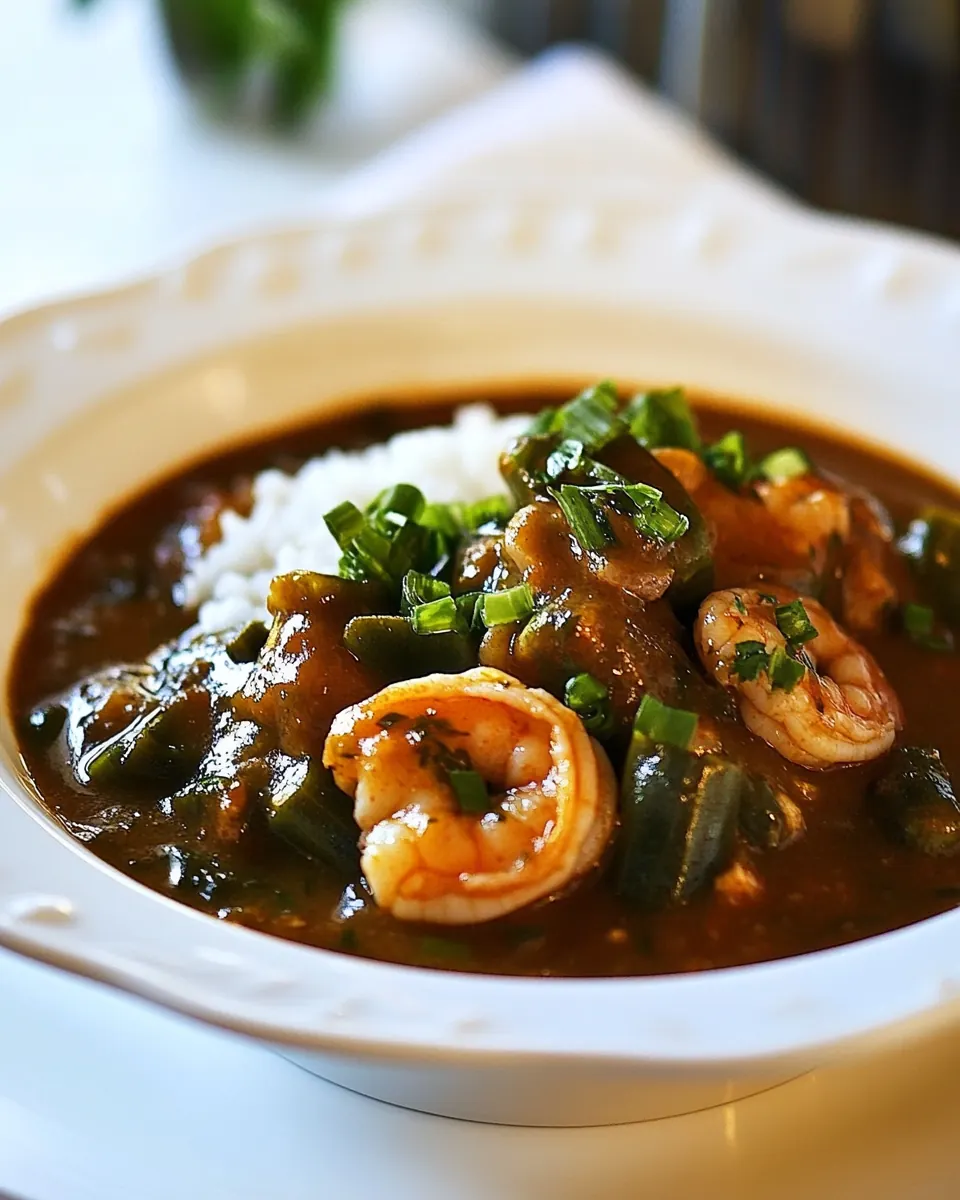
This section contains practical notes and expansions of the original recipe guidance. I expand each point so you can use it while cooking, storing, and adapting. These tips reflect things I have learned from multiple pots of gumbo over the years.
- Make the roux slowly: Give yourself at least 40 minutes to cook the roux to a deep brown. Low and steady is the technique; it prevents scorching and yields a nutty aroma and silky mouthfeel. If you see black flecks you have burned the roux and should start over, because burned flour imparts bitterness.
- Prep ingredients in advance: Chop all vegetables, measure spices, and have the shrimp ready before you start the roux. Timing matters because once the roux is at color you will be adding aromatics without delay. This mise en place keeps you calm and prevents mistakes like overcooking or under seasoning.
- Control the heat when combining: When you add tomatoes and stock to the roux, reduce to a gentle simmer rather than a full boil. Sudden vigorous boiling can break flavors and make the broth cloudy. Stir gently to incorporate any roux bits so the texture is smooth and cohesive.
- Adjust spiciness thoughtfully: Start with the recipe amounts of cayenne pepper and hot sauce, then taste after simmering. Heat can intensify, so add incrementally and keep a neutral dairy free condiment on hand if someone needs to cool down their bowl quickly.
- Use good shellfish stock: A rich, fragrant shellfish stock elevates the whole dish. If making from shells, roast them briefly first for more depth, and strain carefully for clarity. If using store bought, choose a robust labeled stock rather than a light broth for best results.
- Brown the okra for texture: Searing okra in a hot skillet removes some of the mucilage and adds toasty flavors. Aim for light charring rather than deep blackening, and work in a single layer so each piece can contact the hot pan.
- Finish with filé powder off heat: Sprinkle the filé powder at the end to thicken gently without becoming gummy. It also adds an earthy, slightly bitter note that completes the profile. Stir it in once the pot is off direct heat to control texture precisely.
What to Serve Alongside Classic Shrimp and Okra Gumbo
This gumbo is hearty and versatile, working for weeknight dinners or special gatherings. The accompaniments should complement the rich, savory broth and provide contrasting textures and temperatures. Here are detailed options and serving ideas to enhance the meal.
- Steamed white rice: Serve the gumbo over hot steamed rice so it soaks up the savory broth. Use a medium grain rice for a forgiving texture that clings to the sauce. For portions, plan about one cup cooked rice per serving to ensure everyone has ample soakable starch.
- Crusty bread for sopping: Offer a hearty loaf so guests can mop up the last spoonfuls. The chewy crumb contrasts the saucy gumbo, and the act of tearing bread adds a communal, comforting vibe. Warm the bread briefly so it does not become damp too quickly when dipped.
- Simple green salad: A crisp salad with a sharp vinaigrette cuts through the richness and refreshes the palate between bites. Use bitter greens and a bright lemon or vinegar dressing to counterbalance the deep flavors of the gumbo. Keep the salad lightly dressed until service to retain crispness.
- Pickled vegetables: Quick pickles or a small relish provides an acidic counterpoint that highlights the savory elements. Offer thinly sliced cucumbers or onions pickled for at least an hour for a bright bite that cleanses the palate.
- Occasions and settings: This gumbo shines at family dinners, casual gatherings, and cool weather meals. It also fits communal occasions where you want warm, filling food. Serve in deep bowls with bowls of rice and garnishes on the side so guests can customize their portions.
- Storage tips: The gumbo keeps well refrigerated for up to three days and often tastes better the next day as flavors meld. Reheat gently over low heat, adding a splash of stock or water if it has thickened. Freeze in airtight containers for up to three months, thawing in the refrigerator before reheating.
- Seasonal pairings: In fall and winter, pair the gumbo with roasted root vegetables for an earthy meal. For spring, serve with a bright herb salad to add freshness. Adjust side intensity seasonally to keep the meal balanced and appropriate for the time of year.
FAQ
Conclusion
This Classic Shrimp and Okra Gumbo stands out because it balances a deep, toasted roux with bright aromatics and succulent shrimp for a bowl that’s both hearty and nuanced. It rewards patience at the stove and is forgiving enough to make ahead, so it’s perfect for feeding a crowd or savoring throughout the week. Give it a try the next time you want a comforting, soulful meal that invites conversation and seconds. I hope it becomes one of those recipes you return to when you want food that feels like home.
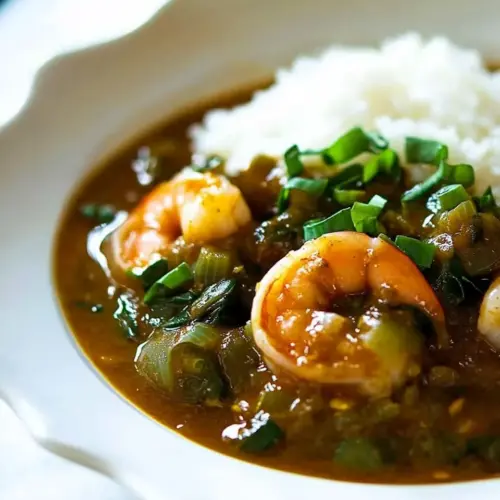
Classic Shrimp and Okra Gumbo
Equipment
- Large sturdy skillet
- Large Pot or Dutch Oven
Ingredients
- 3/4 cup vegetable oil Provide a neutral, high-heat cooking medium essential for making a dark, flavorful roux and sautéing the vegetables until tender, contributing richness and mouthfeel to the gumbo.
- 1 cup all-purpose flour Form a thickening and flavor foundation when browned into a roux; slowly whisked with oil, it develops deep, nutty notes that define the gumbo’s base and body.
- 1 cup onion chopped Add a sweet, aromatic base flavor and moisture when chopped; sauté until translucent to build savory depth and complement the roux and spices.
- 1 cup celery chopped Contribute a mild, celery-like aroma and crunchy texture when chopped; cook with other aromatics to balance sweetness and add savory complexity to the stew.
- 1 large green bell pepper seeded and chopped Provide bright, slightly bitter-sweet flavor and color when seeded and chopped; meld with other peppers and vegetables to enhance the gumbo’s peppery profile.
- 1 poblano pepper seeded and chopped Introduce a mild heat and smoky green pepper flavor when seeded and chopped; pair with the bell pepper to deepen the dish’s layered pepper notes.
- 3 cloves garlic minced Deliver pungent, aromatic heat when minced; add near the start of cooking to infuse the oil and vegetables with savory intensity.
- 1 tablespoon chili powder Impart warm, earthy heat and a subtle smoky complexity when measured; blend with other spices to build the gumbo’s characteristic seasoning profile.
- 1 teaspoon smoked paprika Contribute a deep, smoky undertone that complements the roux and peppers; sprinkle in modestly to enhance savory, roasted flavors without overpowering.
- 1 teaspoon cayenne pepper Add concentrated heat and brightness that livens the stew; use carefully to control the gumbo’s spiciness and balance with other seasonings.
- 1 tablespoon Kosher salt Season broadly for enhanced savory balance; dissolve into the gumbo to bring out other flavors and ensure the dish is properly seasoned throughout.
- 1 teaspoon black pepper Provide sharp, aromatic heat and a background bite; grind into the gumbo to boost overall pepperiness and flavor complexity.
- 1 teaspoon white pepper Offer a clean, peppery heat with a slightly different profile than black pepper; layer with other spices to create a nuanced spicy backbone.
- 1 1/2 tablespoon filé powder Thicken slightly and impart an earthy, traditional Creole finish when sprinkled sparingly; add toward the end of cooking to preserve its unique texture.
- 128 oz . can whole tomatoes drained and roughly chopped Supply bright, acidic tomato flavor and body when drained and chopped; stir in to add umami, sweetness, and acidity that balance the rich roux and stock.
- 1/4 cup Worcestershire sauce Deliver tangy, savory depth and a touch of umami when added; use to brighten and season the gumbo with complex savory-sweet notes.
- 1/4 cup hot sauce Bring concentrated heat and vinegar tang to amplify the stew’s flavor; add according to taste to enhance brightness and spice.
- 3 quarts shellfish stock click for full recipe Create a briny, richly flavored liquid base when used as shellfish stock; simmer with the roux and vegetables to form the gumbo’s foundational broth.
- 2 lbs shrimp medium, peeled and deveined Contribute sweet, tender seafood protein when peeled and deveined; add near the end of cooking to prevent overcooking and retain succulence.
- 3 cups okra sliced Introduce a slightly crisp, earthy texture and subtle vegetal flavor when sliced; cook until tender to complement shrimp and thicken the stew naturally.
- cooked rice Serve as a warm, neutral accompaniment to absorb the gumbo’s flavorful broth; prepare fresh to provide the classic pairing for serving.
- scallions sliced, for garnish Add a fresh, mild oniony finish when sliced and used as a garnish; sprinkle on top to provide color contrast and a bright bite.
Instructions
- In a large pot (preferably Dutch oven), heat oil over medium-high heat and slowly whisk in flour. Cook and whisking constantly until a brown roux forms, about 40 minutes.: You will notice an immediate change in aroma as the mixture moves from raw to toasty, then to nutty and caramel like, a deep chestnut brown is the goal. The sound is a low gentle simmer occasionally punctuated by sizzling as moisture escapes the pan. This stage demands steady whisking to prevent scorching, and the why is simple, a well developed roux builds the base flavor and thickening power of the gumbo. If you stop whisking for too long you risk hot spots that burn, producing acrid notes, so keep a comfortable rhythm and adjust heat to medium low if it seems to be cooking too quickly. If the roux becomes grainy or smells bitter, there is likely burned flour, start over if necessary to avoid an unpleasant aftertaste.
- Carefully add onion, bell pepper, celery, poblano, chili powder, paprika, cayenne pepper, salt, and both peppers. Stir until all is mixed together and heated through, about 2 minutes.: As these aromatics hit the hot roux you will feel the pan settle and a fragrant steam will rise, carrying sweet onion and pepper oils. Visually the vegetables will glisten and their edges will begin to soften, giving off tiny pops as water hits the fat. This step melds the roux with fresh flavors, ensuring the spices bloom into the fat rather than tasting raw. Work quickly but gently because adding too much at once can cool the roux drastically, and undercooking the vegetables leaves them tasting sharp. A common mistake is rushing the heat to remake the temperature which can scorch the roux, instead stir constantly until things are warmed through.
- Transfer mixture to a stockpot or large Dutch oven. Stir in tomatoes, Worcestershire sauce, hot sauce, and shellfish stock. Stir to combine.: When you combine the roux and aromatic mixture with the acidic tomatoes and savory elements the pot will sigh into a full bodied stew, steam rising in a fragrant cloud. Stirring helps dissolve any roux bits into the broth, creating a uniform color and thickness. The why here is that acids like tomato temper the roux and contribute brightness that keeps the gumbo from tasting one dimensional. Watch for any lumps and whisk them away; if you see stubborn clusters, use a sturdy spoon to press them into the liquid. Avoid vigorous boiling right after adding the stock since that can break down delicate flavors.
- Simmer for 30 minutes.: As the pot simmers the aromas knit together, and the broth will take on a deeper hue and a rounded mouthfeel. You should see gentle bubbling across the surface, with small beads of oil occasionally rising. This simmer allows the spices and tomatoes to infuse the stock and for the roux to fully integrate. Stir occasionally to prevent sticking on the bottom, and skim any foam that surfaces to keep the broth clear. A frequent error is boiling too hard; maintain a low rolling simmer to avoid reducing the liquid too quickly and concentrating saltiness.
- Add in the shrimp and simmer for 45 minutes. Skim oil as it forms small puddles on the surface.: Once the shrimp enter the pot the scent shifts to sweet and briny, and the flesh will gradually become opaque and firm to the touch. Simmering allows the shrimp to impart flavor into the broth, but note that shrimp can overcook and turn rubbery, so the extended simmer is balanced by the protective quality of the rich liquid. Skimming oil keeps the surface from becoming greasy and helps maintain a pleasing texture. The main mistake here is letting the pot boil heavily, which makes the shrimp tough, so keep the heat low and monitor texture frequently.
- Meanwhile, heat 2 tablespoon of vegetable oil in a large skillet over medium-high heat. Add the okra and cook until slightly browned and some of the 'slime' is gone. Set aside.: When you sauté the okra it will hiss and sputter; you want some browning to develop a toasty edge that mellows the mucilaginous quality. The surface should show concentrated spots of brown and shrink slightly in size as moisture cooks away. This step changes the mouthfeel of the okra , so it integrates more pleasingly into the gumbo. If the pan is overcrowded the okra will steam instead of brown, keeping it slimy and reducing flavor, so cook in batches if needed. Too high heat can char the pieces, leaving a bitter scorch, so aim for controlled medium high heat.
- Add the cooked okra to the gumbo mixture and simmer for another 15 minutes.: The moment the browned okra folds into the stew you will notice a subtle thickening and a fresh vegetal note that brightens the base. The texture will become more cohesive, with the okra providing slight body and the pot achieving a final balance of savory and vegetal flavors. This finishing simmer allows the okra to marry fully into the broth, losing any residual rawness. Avoid over stirring here which can break down the okra too much and make the gumbo gloopy, and if it seems too thick you can adjust with a bit more hot stock.
- Serve with hot cooked rice and garnish with scallions.: At service the kitchen should smell richly savory with a hint of smoke and spice, and the bowl should present glossy broth with visible pieces of shrimp and okra . Spoon hot gumbo over steaming rice , the grains soaking up the sauce into tender mounds, and sprinkle sliced scallions for a fresh green pop. This final assembly is about contrast and balance, rice calming the boldness and scallions adding lift. Avoid serving on cool rice which will affect temperature and mouthfeel; everything should be hot and ready to enjoy immediately.
Notes
- Make the roux slowly: Give yourself at least 40 minutes to cook the roux to a deep brown. Low and steady is the technique; it prevents scorching and yields a nutty aroma and silky mouthfeel. If you see black flecks you have burned the roux and should start over, because burned flour imparts bitterness.
- Prep ingredients in advance: Chop all vegetables, measure spices, and have the shrimp ready before you start the roux. Timing matters because once the roux is at color you will be adding aromatics without delay. This mise en place keeps you calm and prevents mistakes like overcooking or under seasoning.
- Control the heat when combining: When you add tomatoes and stock to the roux, reduce to a gentle simmer rather than a full boil. Sudden vigorous boiling can break flavors and make the broth cloudy. Stir gently to incorporate any roux bits so the texture is smooth and cohesive.
- Adjust spiciness thoughtfully: Start with the recipe amounts of cayenne pepper and hot sauce, then taste after simmering. Heat can intensify, so add incrementally and keep a neutral dairy free condiment on hand if someone needs to cool down their bowl quickly.
- Use good shellfish stock: A rich, fragrant shellfish stock elevates the whole dish. If making from shells, roast them briefly first for more depth, and strain carefully for clarity. If using store bought, choose a robust labeled stock rather than a light broth for best results.
- Brown the okra for texture: Searing okra in a hot skillet removes some of the mucilage and adds toasty flavors. Aim for light charring rather than deep blackening, and work in a single layer so each piece can contact the hot pan.
- Finish with filé powder off heat: Sprinkle the filé powder at the end to thicken gently without becoming gummy. It also adds an earthy, slightly bitter note that completes the profile. Stir it in once the pot is off direct heat to control texture precisely.