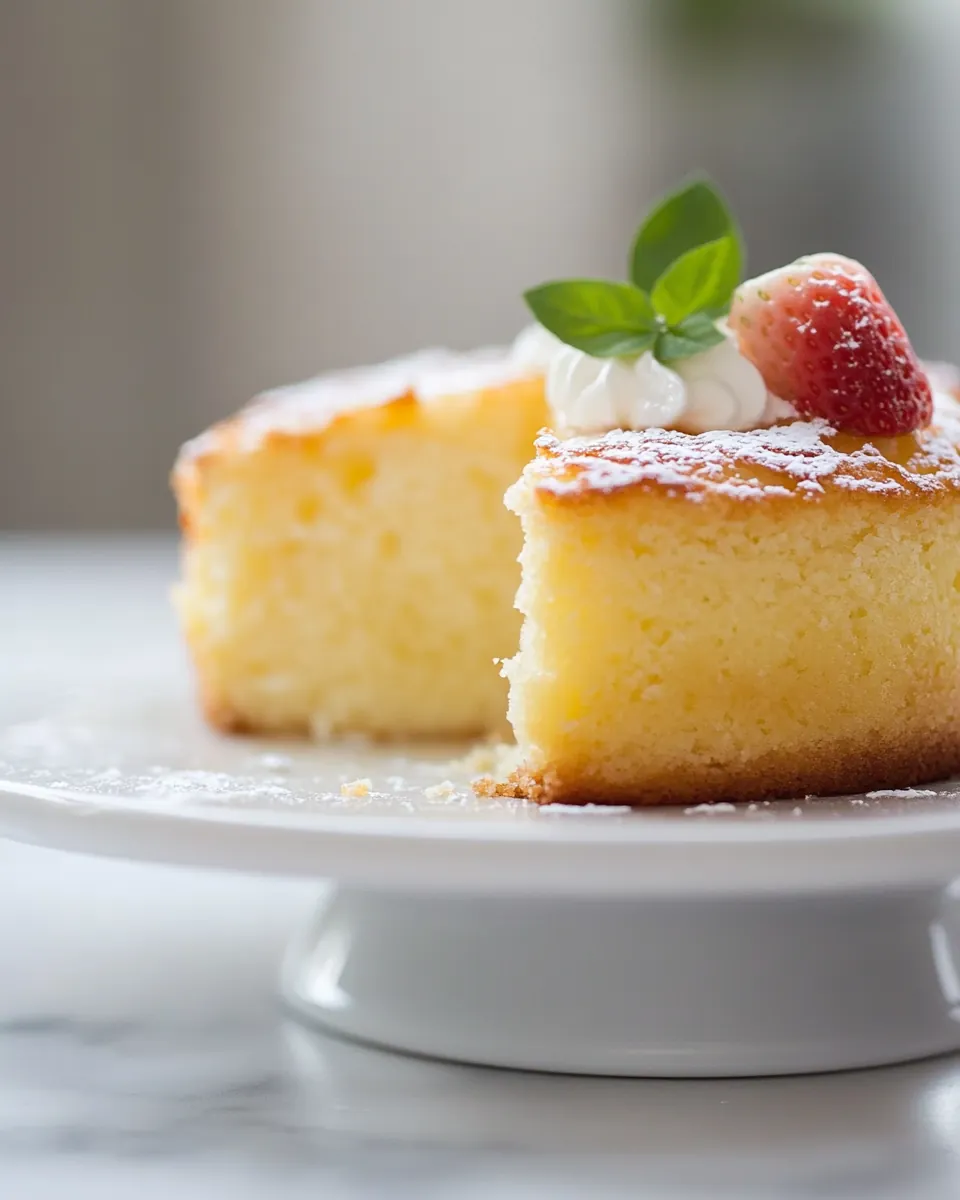
Lemon Ricotta Cake
Lemon Ricotta Cake is one of those bakes that instantly transports me back to a sunlit kitchen where I learned to trust texture over perfection. The first time I made it, my hands trembled a little folding the batter, but the result was a tender crumb that felt almost custardy, punctuated by bright flecks of lemon zest. I remember setting the warm cake on the counter while the neighbors wandered by, drawn in by the citrus perfume, and how proud I felt slicing into something so simple yet surprisingly elegant.
Over the years I have come to rely on this cake for potlucks and slow weekend breakfasts when I want something that reads like a treat but is easy enough to throw together between errands. The ricotta creates a moist, slightly dense interior that contrasts beautifully with a crisp, pale crust. I love that you do not need fancy techniques, just patience with gentle folding and respect for timing. Each bite has a gentle tang and a soft crumb that makes it great with fruit or whipped cream, and I keep learning small tweaks that nudge it toward perfection.
Recipe Snapshot
60 mins
20 mins
40 mins
Medium
320 kcal
Italian
Gluten-Free, Low FODMAP
Desserts
Springform pan, Stand mixer, Mixing bowls, Electric hand mixer, Spatula
What Makes This Lemon Ricotta Cake Special
Light yet satisfyingly rich
I adore how Lemon Ricotta Cake manages to feel both airy and comforting. The ricotta lends a creamy, moist texture that keeps the cake from drying out, while the lemon zest lifts the overall flavor so each forkful feels bright. When I serve this, guests often remark that it does not feel heavy like many butter cakes, yet it satisfies just as well.
Simple ingredients, impressive result
We use pantry essentials and a tub of ricotta to make a cake that tastes like it took more work than it did. The magic is in technique more than in exotic components. I love recommending this to bakers who want a graceful dessert without a long ingredient list, because it proves elegance comes from balance and timing.
Versatile for occasions
This cake is a go to whether I want a casual afternoon treat or a show stopping dessert. It dresses up with macerated strawberries and whipped cream, or stands on its own with a dusting of sugar. I often bring it to brunches because it pairs well with coffee and tea, and it travels reliably without losing character.
Forgiving technique
I find the method forgiving, which makes it ideal for bakers who are nervous about delicate recipes. The batter tolerates gentle mixing, and small lumps do not spell disaster. If you keep an eye on doneness rather than overbake, the result is consistently tender. I always tell friends that the cake is more about feel than perfection, and that makes it approachable.
Great pairing potential
Finally, I treasure how easily this cake pairs with seasonal fruit. In spring, macerated strawberries bring a tangy sweetness, while later in summer stone fruit or a simple compote works wonders. That adaptability keeps me coming back to this recipe year after year.
What to Gather for Lemon Ricotta Cake
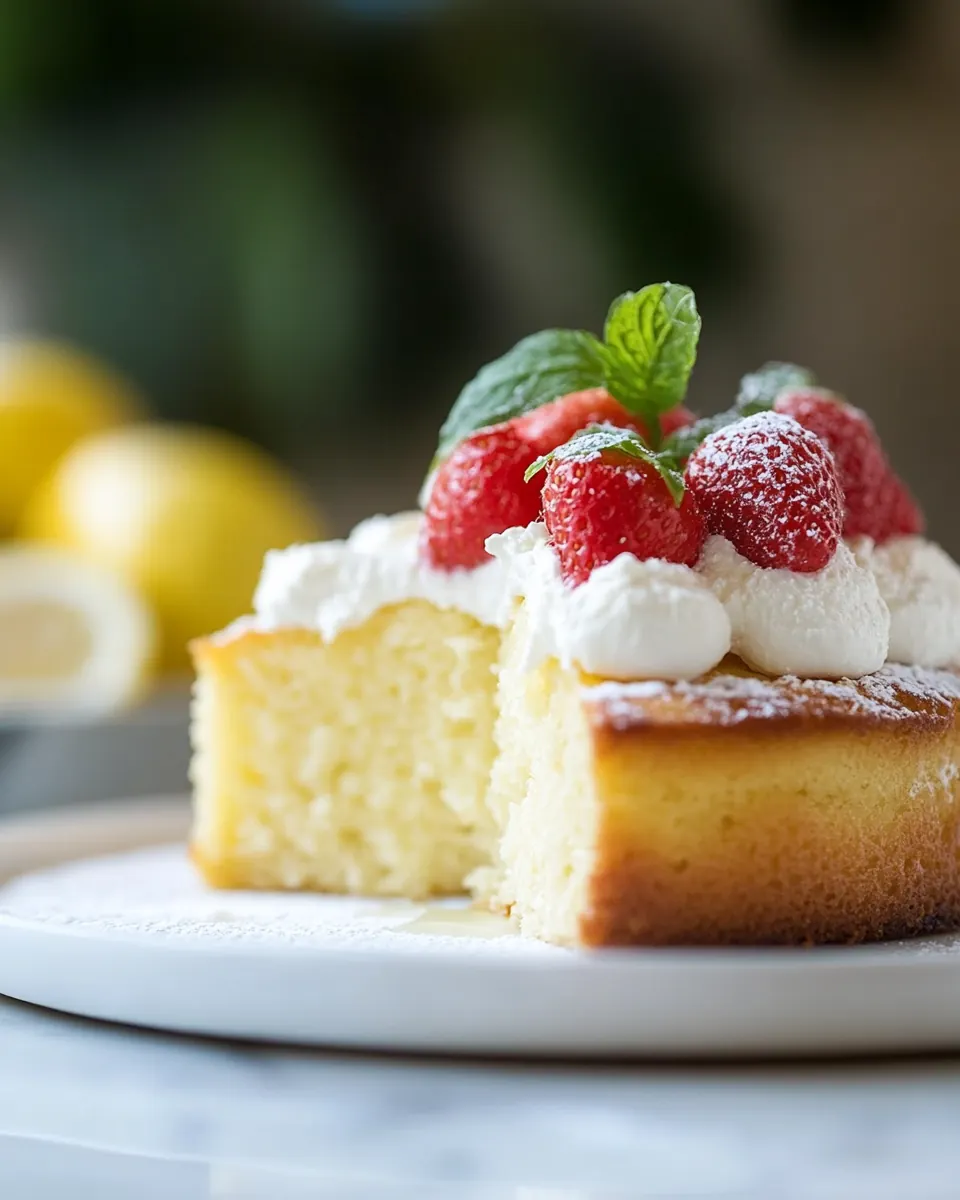
These ingredients work together to create a cake that balances moisture, structure, and brightness. The key players are all purpose flour for structure, ricotta for creaminess, and lemon zest for lift. Sugar and butter add tenderness and flavor while eggs provide binding. Each item has a clear job, and when you treat them with a light hand the cake emerges with a delicate crumb and bright flavor.
- 1 1/3 cup s (188 g) all-purpose flour (scoop and level to measure): Sifted and leveled to ensure accurate measurement and a tender crumb; provides structure and body to the cake batter through gluten formation when combined with liquids and handling. Balances with leavening to create a light, even texture and holds moisture from ricotta and eggs during baking.
- 2 tsp baking powder: Leavening agent that reacts with batter moisture and acids to produce carbon dioxide, creating lift and a soft crumb in the cake. Ensures even rise and helps counter the density added by ricotta and butter, producing a gentle, cake-like texture.
- 1/4 tsp salt: Enhances overall flavor by sharpening sweetness and rounding out other components while strengthening gluten slightly when present in small amounts. Helps control fermentation and balances the leavening for consistent rise and taste.
- 1 cup (200 g) granulated sugar: Sweetens the batter and contributes to tenderness and browning through caramelization; helps retain moisture so the cake stays soft. Assists in aeration when creamed with butter, contributing to a lighter texture and pleasant mouthfeel.
- 1/2 cup (113 g) unsalted butter, softened: Creaming fat that incorporates air when beaten with sugar to create volume and tenderness; adds richness and a smooth mouthfeel to the cake. Helps distribute fat-soluble flavor compounds like lemon zest and vanilla throughout the batter.
- 2 1/2 tbsp lemon zest: Concentrated citrus flavor that imparts bright, aromatic lemon notes and essential oils to the batter; intensifies the cake’s characteristic lemon profile without adding liquid. Balances the richness of ricotta and cream with zesty freshness.
- 3 large eggs: Provides structure, richness, and moisture while aiding emulsification between fat and liquid components; egg proteins set during baking to stabilize the crumb. Adds lift when beaten and contributes to the cake’s tender yet cohesive texture.
- 1 tsp vanilla extract: Adds a sweet, floral background and enhances other flavors by rounding out citrus and dairy notes; helps unify the flavor profile. Small amount aids aroma without overpowering delicate ricotta and strawberry components.
- 1 1/2 cup s (356 g) whole milk ricotta cheese: Adds creaminess, moisture, and a subtle tang that lightens the cake’s texture; contributes to a rich, tender crumb and a slightly custardy richness. Balances sweetness and keeps the cake moist, while adding dairy depth and body.
- 1 lb . fresh strawberries, diced or sliced: Fresh fruit that brings bright color, natural sweetness, and juicy texture as a topping or filling; provides contrast to the creamy cake and ricotta richness. Can be macerated with sugar to enhance sweetness and produce a saucy accompaniment.
- 3 1/2 tbsp (42 g) granulated sugar, divided: Divided sugar used to macerate strawberries and sweeten whipped cream or finishing components; helps draw out juices from berries and balances tartness. Adds controlled sweetness in specific steps for topping and garnish without oversweetening the cake batter.
- 1 cup (235 ml) heavy cream: Heavy dairy used for whipping into a light, airy topping or to enrich components like a whipped cream garnish; adds luxurious mouthfeel and balances the cake’s texture with a creamy finish. Can be sweetened and flavored to complement the strawberries and lemon.
The Method for Lemon Ricotta Cake
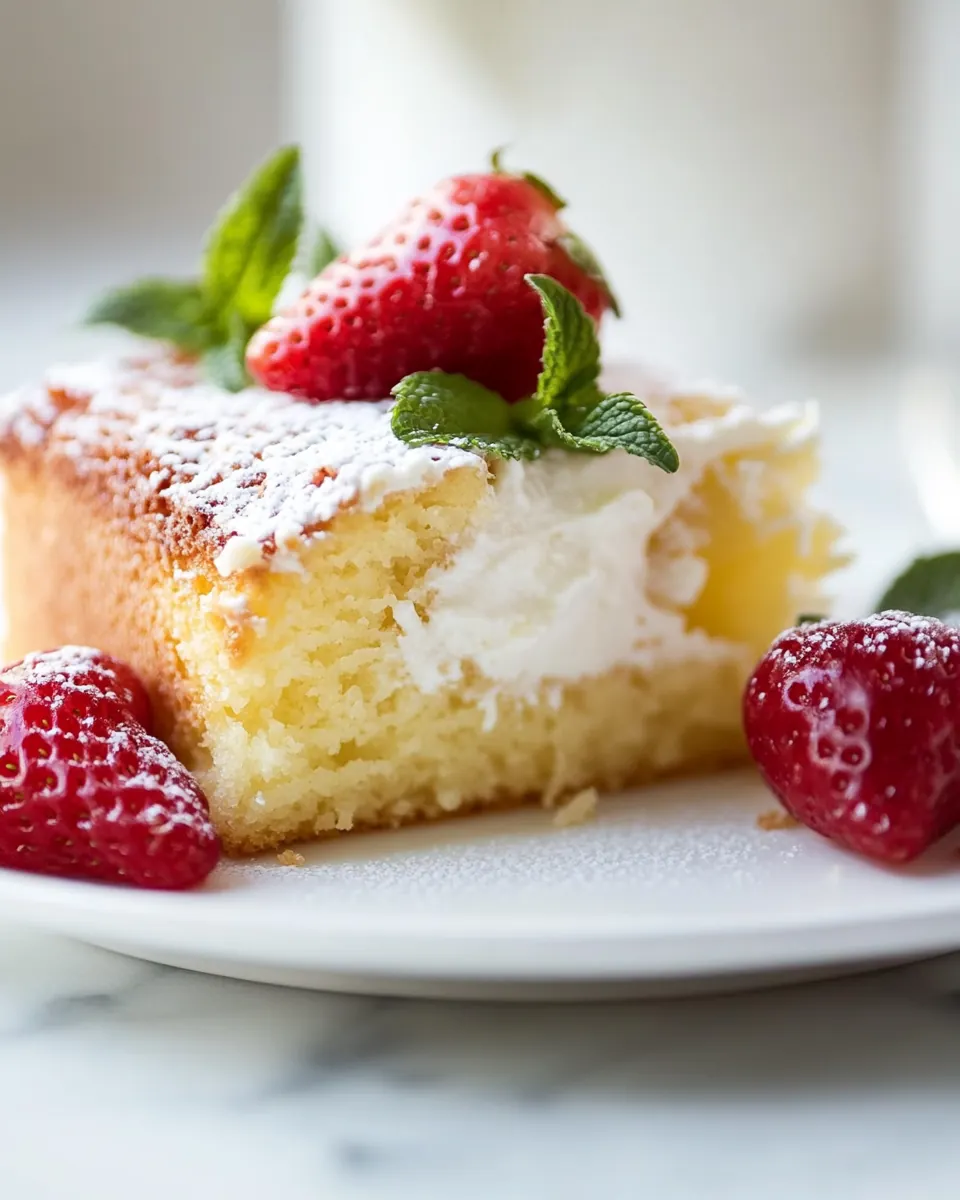
This cake is uncomplicated but rewards gentle handling. I walk you through mixing, baking, and finishing so the texture is just right. Pay attention to sensory cues like consistency and scent, and you will get a reliably tender result.
Write a detailed set of instructions below.
- Preheat oven to 350 degrees. Butter a 9-inch springform pan, line bottom with a round of parchment paper and butter parchment.: As you preheat, you will notice a faint warmth spreading through the kitchen and the oven light giving a reassuring glow, which helps set expectations. The exact oven temperature ensures Maillard reactions are controlled so the exterior develops a delicate crust while the interior stays moist. A common mistake is to skip preheating and put batter into a cold oven, which leads to uneven rise and a dense center. Make sure the oven racks are centered so heat circulates evenly and the springform pan will bake the batter uniformly.
- In a medium mixing bowl whisk together flour, baking powder and salt, set aside.: When you butter and line the pan the batter releases cleanly and the cake keeps its shape, which makes slicing easier. The butter melts when the pan heats, creating a slight sizzle and helping the parchment adhere. If you skip parchment or under butter the sides you may have sticking, so take the extra minute to do this step thoroughly. Press the parchment into the bottom snugly so it does not shift when you pour batter in.
- In the bowl of an electric stand mixer fitted with the paddle attachment cream together sugar, butter and lemon zest until pale and fluffy.: As you whisk, you will hear a soft rustling and see the dry ingredients combine into a uniform pale mixture. Sifting or whisking breaks clumps and distributes the leavening so the rise is even. A common error is to add leavening directly to wet ingredients without mixing, which can cause uneven pockets of lift. Once combined, set the bowl aside and avoid rewhisking after wet ingredients are added.
- Mix in eggs one at a time (mixture will appear lumpy), blend in vanilla.: The creaming process introduces tiny air pockets into the mix, creating a pale, almost billowy texture that you can see clinging to the paddle. The lemon oils will perfume the mixture, releasing a fragrant citrus note. Overcreaming can incorporate too much air and then collapse, so stop when the mixture is light and holds texture. If your butter is too cold it will not cream well, and if too warm it will be greasy, so aim for softened consistency.
- Add in half of the flour mixture and mix just until combined, add ricotta and mix just until combined.: After adding each egg , you will notice the batter momentarily look curdled and lumpy, which is normal; it smooths out as proteins and fats combine. The vanilla rounds the bright citrus and ties flavors together. A frequent issue is adding all eggs at once, which can overwhelm the emulsion and lead to separation. Take your time, scraping the bowl between additions so everything incorporates evenly.
- Add in last half of the flour mixture and mix just until combined. Gently fold batter to ensure ingredients are evenly incorporated.: The batter will thicken and look slightly grainy after the dry addition, and that is fine. Gentle mixing preserves air and keeps the crumb tender. When you fold in the ricotta , expect a looser, creamier texture; this is the stage where moisture is locked into the batter. Overmixing here will develop gluten and toughen the cake, so stop as soon as streaks disappear.
- Pour batter into prepared springform pan and spread into an even layer. Bake in preheated oven until cake is set (a toothpick can come out moist but no batter), about 45 – 50 minutes.: The final addition evens out the batter and gives it body. Folding minimizes deflating the batter while ensuring no pockets of dry flour remain. The batter should be thick but spreadable; if it is overly stiff your ricotta might be too dry. Avoid vigorous stirring which flattens the rise and leads to a dense crumb.
- Let cake cool 10 minutes then run a knife around edge to loosen any edges that may have stuck slightly, remove springform ring and continue to let cool.: Pouring creates a soft thump as the batter lands in the pan, and taking a spatula to gently level the top helps even baking. An even layer ensures consistent heat exposure so edges and center finish together. A common slip is leaving ridges which can brown faster. Tap the pan lightly on the counter to release large air pockets, but do not overwork the surface.
- Once cool, slice and serve with macerated strawberries and whipped cream.: During baking the kitchen fills with a bright citrus aroma and the top will take on a pale golden hue. The center will feel springy to the touch when set, and a toothpick should come out with moist crumbs not raw batter. Overbaking dries the crumb, while underbaking yields a gummy interior. If the top browns too quickly, tent loosely with foil to allow the center to finish without burning the surface.
- In a medium mixing bowl toss strawberries with 2 tbsp of the sugar. Cover and let rest in refrigerator while cake is baking and cooling.: Cooling allows the crumb to set and the cake to relax so it slices cleanly. You will sense a faint steam as it cools, which is normal. If you force removal while too hot the cake can tear, and if you leave it too long in the pan it can retain moisture and stick. Use a thin knife to carefully free the edges and release the ring when the cake has cooled enough to hold its shape.
- In a separate medium mixing bowl using an electric hand mixer whip heavy cream until soft peaks form.: As you slice, you should see a tender, even crumb with little pockets of lifted texture. The bright macerated strawberries and airy whipped cream balance the cake's mild tang and richness. If your slices crumble, the cake may have been baked too long or cooled improperly. Chill slightly before slicing if you prefer cleaner pieces.
- Add 1 1/2 tbsp sugar and whip until stiff peaks form. Store in refrigerator until ready to serve.: Tossing releases the juices and softens the berries, creating a glossy maceration that complements the cake. The sugar dissolves into the fruit, drawing out a vibrant, syrupy liquid. Letting them rest concentrates flavor and texture. Avoid adding sugar too late or the berries will not soften; also, do not overmacerate or they become mushy.
- Recipe source: Cooking Classy: The cream will thicken and hold a billowy texture that contrasts the cake's slight density. Soft peaks mean the cream lifts but folds back gently, offering structure without stiffness. Cold equipment speeds this up and gives a cleaner whip. If the cream remains runny, chill the bowl and try again; if you go too far it will become grainy.
- Add 1 1/2 tbsp sugar and whip until stiff peaks form Store in refrigerator until ready to serve: Adding the remaining sugar sweetens the cream and helps stabilize it to hold shape on the cake. Stiff peaks stand tall and glossy, perfect for dolloping. Beware of overwhipping, which will turn the mixture buttery. Keep the whipped cream chilled and use within a few hours for best texture.
- Recipe source Cooking Classy: The origin gives context and shows this adaptation builds on a trusted base. I respect source recipes and often tweak timing or presentation based on experience, which is what I have done here to enhance texture and pairing. If you want a different finish, consult the source for alternative serving ideas, but follow the proven technique for the best outcome.
Helpful Hints
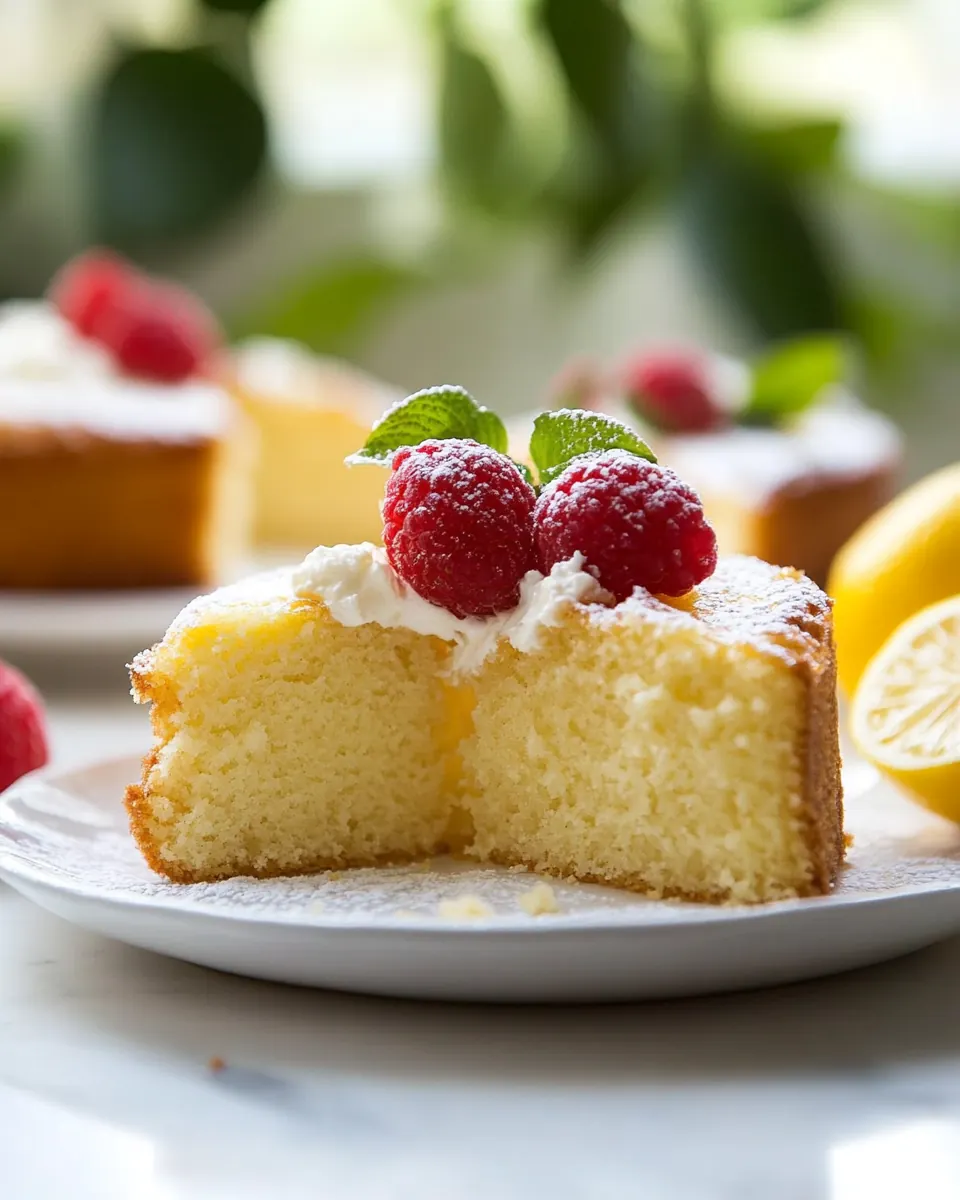
I like to keep a few practical hints in mind when I make this cake, because small choices influence texture and flavor. These tips help you avoid common pitfalls and make the process feel more relaxed and predictable.
- Measure flour correctly, spoon the flour into the measuring cup and level it to avoid packing which leads to a heavy crumb.
- Use fresh baking powder, as expired leavener can cause a flat cake; replace if it has been longer than six months.
- Room temperature ingredients blend more evenly, especially the butter, ricotta, and eggs, giving a smooth batter and consistent bake.
- Zest lemons finely, scraping only the colored rind to avoid the bitter white pith that can taint the bright lemon note.
- Do not overbeat after adding flour, fold gently to preserve air pockets and keep the cake tender.
- Cool before removing from pan, let the cake rest so it sets and slices cleanly without tearing.
- Macerate strawberries ahead, letting them rest while the cake bakes concentrates flavor and creates a glossy topping.
Serving Ideas for Lemon Ricotta Cake
This cake is flexible, elegant, and perfect for many occasions. I often serve it at weekend brunches, spring gatherings, or casual afternoon tea. The texture pairs beautifully with light beverages, and the fruity topping keeps it feeling fresh and seasonal.
- Brunch centerpiece, serve slices with a generous spoonful of macerated strawberries and a dollop of whipped cream for a lovely brunch highlight.
- Light dessert, present small wedges after a lighter meal to finish without heaviness, pairing with herbal tea or coffee.
- Spring celebration, the cake’s bright lemon notes and fresh fruit make it ideal for spring gatherings when berries are at their best.
- Storage tips, refrigerate leftover cake covered for up to three days, and keep whipped cream chilled separately until serving to preserve texture.
- Travel friendly, the cake holds up well for potlucks; transport it with the macerated fruit in a separate container to avoid soggy slices.
- Seasonal swaps, replace the strawberries with other berries or stone fruit when they are in season for different flavor profiles.
FAQ
Conclusion
This Lemon Ricotta Cake shines because it balances a creamy, tender interior with bright citrus notes and simple, fresh toppings. I encourage you to try it soon, whether for an easy weekend bake or a small gathering, because it rewards gentle technique and offers an elegant result without fuss. Enjoy the process and savor how straightforward ingredients can create something memorable.
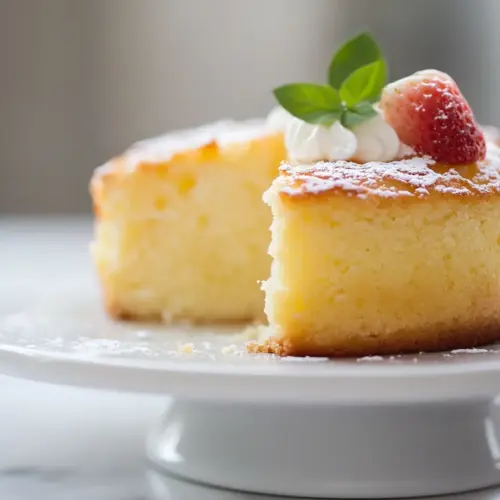
Lemon Ricotta Cake
Equipment
- Springform Pan
- Stand mixer
- Mixing Bowls
- electric hand mixer
- Spatula
Ingredients
- 1 1/3 cup s (188 g) all-purpose flour (scoop and level to measure) Sifted and leveled to ensure accurate measurement and a tender crumb; provides structure and body to the cake batter through gluten formation when combined with liquids and handling. Balances with leavening to create a light, even texture and holds moisture from ricotta and eggs during baking.
- 2 tsp baking powder Leavening agent that reacts with batter moisture and acids to produce carbon dioxide, creating lift and a soft crumb in the cake. Ensures even rise and helps counter the density added by ricotta and butter, producing a gentle, cake-like texture.
- 1/4 tsp salt Enhances overall flavor by sharpening sweetness and rounding out other components while strengthening gluten slightly when present in small amounts. Helps control fermentation and balances the leavening for consistent rise and taste.
- 1 cup (200 g) granulated sugar Sweetens the batter and contributes to tenderness and browning through caramelization; helps retain moisture so the cake stays soft. Assists in aeration when creamed with butter, contributing to a lighter texture and pleasant mouthfeel.
- 1/2 cup (113 g) unsalted butter, softened Creaming fat that incorporates air when beaten with sugar to create volume and tenderness; adds richness and a smooth mouthfeel to the cake. Helps distribute fat-soluble flavor compounds like lemon zest and vanilla throughout the batter.
- 2 1/2 tbsp lemon zest Concentrated citrus flavor that imparts bright, aromatic lemon notes and essential oils to the batter; intensifies the cake’s characteristic lemon profile without adding liquid. Balances the richness of ricotta and cream with zesty freshness.
- 3 large eggs Provides structure, richness, and moisture while aiding emulsification between fat and liquid components; egg proteins set during baking to stabilize the crumb. Adds lift when beaten and contributes to the cake’s tender yet cohesive texture.
- 1 tsp vanilla extract Adds a sweet, floral background and enhances other flavors by rounding out citrus and dairy notes; helps unify the flavor profile. Small amount aids aroma without overpowering delicate ricotta and strawberry components.
- 1 1/2 cup s (356 g) whole milk ricotta cheese Adds creaminess, moisture, and a subtle tang that lightens the cake’s texture; contributes to a rich, tender crumb and a slightly custardy richness. Balances sweetness and keeps the cake moist, while adding dairy depth and body.
- 1 lb . fresh strawberries, diced or sliced Fresh fruit that brings bright color, natural sweetness, and juicy texture as a topping or filling; provides contrast to the creamy cake and ricotta richness. Can be macerated with sugar to enhance sweetness and produce a saucy accompaniment.
- 3 1/2 tbsp (42 g) granulated sugar, divided Divided sugar used to macerate strawberries and sweeten whipped cream or finishing components; helps draw out juices from berries and balances tartness. Adds controlled sweetness in specific steps for topping and garnish without oversweetening the cake batter.
- 1 cup (235 ml) heavy cream Heavy dairy used for whipping into a light, airy topping or to enrich components like a whipped cream garnish; adds luxurious mouthfeel and balances the cake’s texture with a creamy finish. Can be sweetened and flavored to complement the strawberries and lemon.
Instructions
- Preheat oven to 350 degrees. Butter a 9-inch springform pan, line bottom with a round of parchment paper and butter parchment.: As you preheat, you will notice a faint warmth spreading through the kitchen and the oven light giving a reassuring glow, which helps set expectations. The exact oven temperature ensures Maillard reactions are controlled so the exterior develops a delicate crust while the interior stays moist. A common mistake is to skip preheating and put batter into a cold oven, which leads to uneven rise and a dense center. Make sure the oven racks are centered so heat circulates evenly and the springform pan will bake the batter uniformly.
- In a medium mixing bowl whisk together flour, baking powder and salt, set aside.: When you butter and line the pan the batter releases cleanly and the cake keeps its shape, which makes slicing easier. The butter melts when the pan heats, creating a slight sizzle and helping the parchment adhere. If you skip parchment or under butter the sides you may have sticking, so take the extra minute to do this step thoroughly. Press the parchment into the bottom snugly so it does not shift when you pour batter in.
- In the bowl of an electric stand mixer fitted with the paddle attachment cream together sugar, butter and lemon zest until pale and fluffy.: As you whisk, you will hear a soft rustling and see the dry ingredients combine into a uniform pale mixture. Sifting or whisking breaks clumps and distributes the leavening so the rise is even. A common error is to add leavening directly to wet ingredients without mixing, which can cause uneven pockets of lift. Once combined, set the bowl aside and avoid rewhisking after wet ingredients are added.
- Mix in eggs one at a time (mixture will appear lumpy), blend in vanilla.: The creaming process introduces tiny air pockets into the mix, creating a pale, almost billowy texture that you can see clinging to the paddle. The lemon oils will perfume the mixture, releasing a fragrant citrus note. Overcreaming can incorporate too much air and then collapse, so stop when the mixture is light and holds texture. If your butter is too cold it will not cream well, and if too warm it will be greasy, so aim for softened consistency.
- Add in half of the flour mixture and mix just until combined, add ricotta and mix just until combined.: After adding each egg , you will notice the batter momentarily look curdled and lumpy, which is normal; it smooths out as proteins and fats combine. The vanilla rounds the bright citrus and ties flavors together. A frequent issue is adding all eggs at once, which can overwhelm the emulsion and lead to separation. Take your time, scraping the bowl between additions so everything incorporates evenly.
- Add in last half of the flour mixture and mix just until combined. Gently fold batter to ensure ingredients are evenly incorporated.: The batter will thicken and look slightly grainy after the dry addition, and that is fine. Gentle mixing preserves air and keeps the crumb tender. When you fold in the ricotta , expect a looser, creamier texture; this is the stage where moisture is locked into the batter. Overmixing here will develop gluten and toughen the cake, so stop as soon as streaks disappear.
- Pour batter into prepared springform pan and spread into an even layer. Bake in preheated oven until cake is set (a toothpick can come out moist but no batter), about 45 - 50 minutes.: The final addition evens out the batter and gives it body. Folding minimizes deflating the batter while ensuring no pockets of dry flour remain. The batter should be thick but spreadable; if it is overly stiff your ricotta might be too dry. Avoid vigorous stirring which flattens the rise and leads to a dense crumb.
- Let cake cool 10 minutes then run a knife around edge to loosen any edges that may have stuck slightly, remove springform ring and continue to let cool.: Pouring creates a soft thump as the batter lands in the pan, and taking a spatula to gently level the top helps even baking. An even layer ensures consistent heat exposure so edges and center finish together. A common slip is leaving ridges which can brown faster. Tap the pan lightly on the counter to release large air pockets, but do not overwork the surface.
- Once cool, slice and serve with macerated strawberries and whipped cream.: During baking the kitchen fills with a bright citrus aroma and the top will take on a pale golden hue. The center will feel springy to the touch when set, and a toothpick should come out with moist crumbs not raw batter. Overbaking dries the crumb, while underbaking yields a gummy interior. If the top browns too quickly, tent loosely with foil to allow the center to finish without burning the surface.
- In a medium mixing bowl toss strawberries with 2 tbsp of the sugar. Cover and let rest in refrigerator while cake is baking and cooling.: Cooling allows the crumb to set and the cake to relax so it slices cleanly. You will sense a faint steam as it cools, which is normal. If you force removal while too hot the cake can tear, and if you leave it too long in the pan it can retain moisture and stick. Use a thin knife to carefully free the edges and release the ring when the cake has cooled enough to hold its shape.
- In a separate medium mixing bowl using an electric hand mixer whip heavy cream until soft peaks form.: As you slice, you should see a tender, even crumb with little pockets of lifted texture. The bright macerated strawberries and airy whipped cream balance the cake's mild tang and richness. If your slices crumble, the cake may have been baked too long or cooled improperly. Chill slightly before slicing if you prefer cleaner pieces.
- Add 1 1/2 tbsp sugar and whip until stiff peaks form. Store in refrigerator until ready to serve.: Tossing releases the juices and softens the berries, creating a glossy maceration that complements the cake. The sugar dissolves into the fruit, drawing out a vibrant, syrupy liquid. Letting them rest concentrates flavor and texture. Avoid adding sugar too late or the berries will not soften; also, do not overmacerate or they become mushy.
- Recipe source: Cooking Classy: The cream will thicken and hold a billowy texture that contrasts the cake's slight density. Soft peaks mean the cream lifts but folds back gently, offering structure without stiffness. Cold equipment speeds this up and gives a cleaner whip. If the cream remains runny, chill the bowl and try again; if you go too far it will become grainy.
- Add 1 1/2 tbsp sugar and whip until stiff peaks form Store in refrigerator until ready to serve: Adding the remaining sugar sweetens the cream and helps stabilize it to hold shape on the cake. Stiff peaks stand tall and glossy, perfect for dolloping. Beware of overwhipping, which will turn the mixture buttery. Keep the whipped cream chilled and use within a few hours for best texture.
- Recipe source Cooking Classy: The origin gives context and shows this adaptation builds on a trusted base. I respect source recipes and often tweak timing or presentation based on experience, which is what I have done here to enhance texture and pairing. If you want a different finish, consult the source for alternative serving ideas, but follow the proven technique for the best outcome.
Notes
- Measure flour correctly, spoon the flour into the measuring cup and level it to avoid packing which leads to a heavy crumb.
- Use fresh baking powder, as expired leavener can cause a flat cake; replace if it has been longer than six months.
- Room temperature ingredients blend more evenly, especially the butter, ricotta, and eggs, giving a smooth batter and consistent bake.
- Zest lemons finely, scraping only the colored rind to avoid the bitter white pith that can taint the bright lemon note.
- Do not overbeat after adding flour, fold gently to preserve air pockets and keep the cake tender.
- Cool before removing from pan, let the cake rest so it sets and slices cleanly without tearing.
- Macerate strawberries ahead, letting them rest while the cake bakes concentrates flavor and creates a glossy topping.