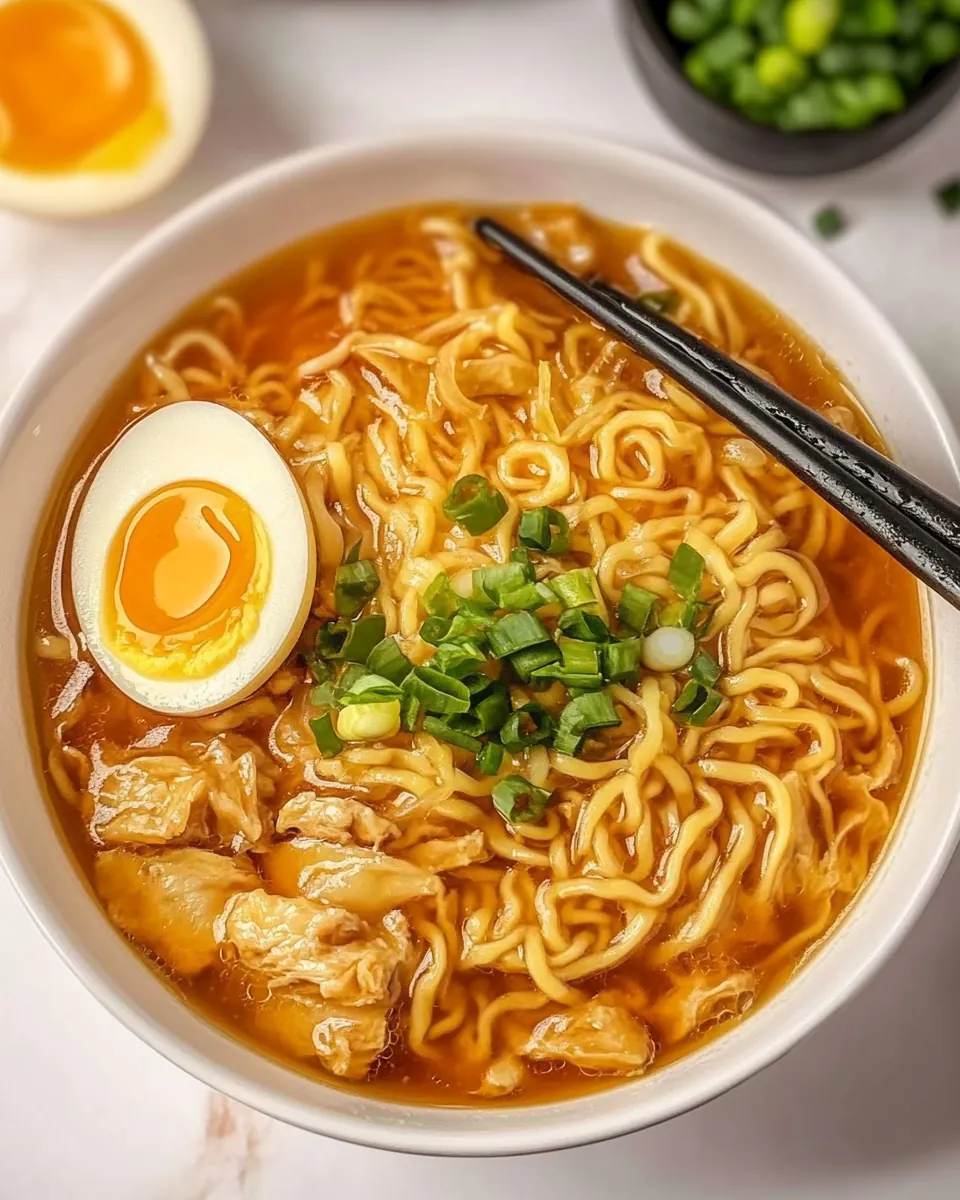
Egg Drop Ramen
Egg Drop Ramen is one of those humble bowls I turn to when I want comfort that arrives fast and feels homemade even on a busy weeknight.
I first learned to love Egg Drop Ramen on a snowy evening, when a tiny pantry and a big craving collided. I had a single packet of plain ramen and a couple of staples in the fridge. The steam filled the kitchen, and as I poured the beaten egg into the simmering broth it transformed into silky ribbons. From that day forward, this bowl became my go to for nights when I wanted something warm, soothing, and impossibly quick.
Over time I played with small details, paying attention to texture and timing so the ramen noodles stay tender and the egg keeps its glossy ribbons. I learned that a splash of soy sauce brightens the broth, and a scattering of chopped chives adds a clean, oniony lift that keeps each spoonful lively. This recipe never pretends to be fancy, but it hits the exact notes I crave: savory, streamlined, and satisfying.
Recipe Snapshot
15 mins
5 mins
10 mins
Easy
250 kcal
Asian
Keto, Gluten-Free
Soups
Medium saucepan, Ladle, Fork
What’s Great About This Egg Drop Ramen
Speed that still feels soulful
I love how Egg Drop Ramen can be ready in minutes, yet it never tastes rushed. The short cooking time preserves the delicate texture of the ramen noodles, while the gentle addition of the egg creates a luxurious mouthfeel that feels much more indulgent than the effort suggests.
Minimal ingredients, maximum impact
This dish is proof that a few smart ingredients can sing together. The foundation is the clear savory body of the chicken broth, or you can pick vegetable broth for a lighter touch. A teaspoon of soy sauce is a power move, adding umami that ties the bowl together. The result is punchy without being complicated.
Comfort food with a clean profile
What I keep coming back to is how clean this soup feels. The ribbons of egg add silk and protein without heaviness, and the simple garnish of chopped chives introduces a fresh herbal note that lifts each spoonful. It’s comfort food that won’t weigh you down.
Flexible and forgiving
I often adapt the bowl to my mood. If I want something lighter, I choose vegetable broth. If I want deeper savor, I gently increase the soy sauce. The technique of pouring the egg into a simmering swirl is forgiving, so even beginners can achieve satisfying ribbons with minimal fuss.
Budget friendly and pantry ready
Finally, this recipe is practical. A single package of plain ramen noodles and a carton of broth often live in my pantry and fridge, so I can pull together a nourishing bowl without a special trip to the store. It’s simple, economical, and deliciously dependable.
What to Gather for Egg Drop Ramen
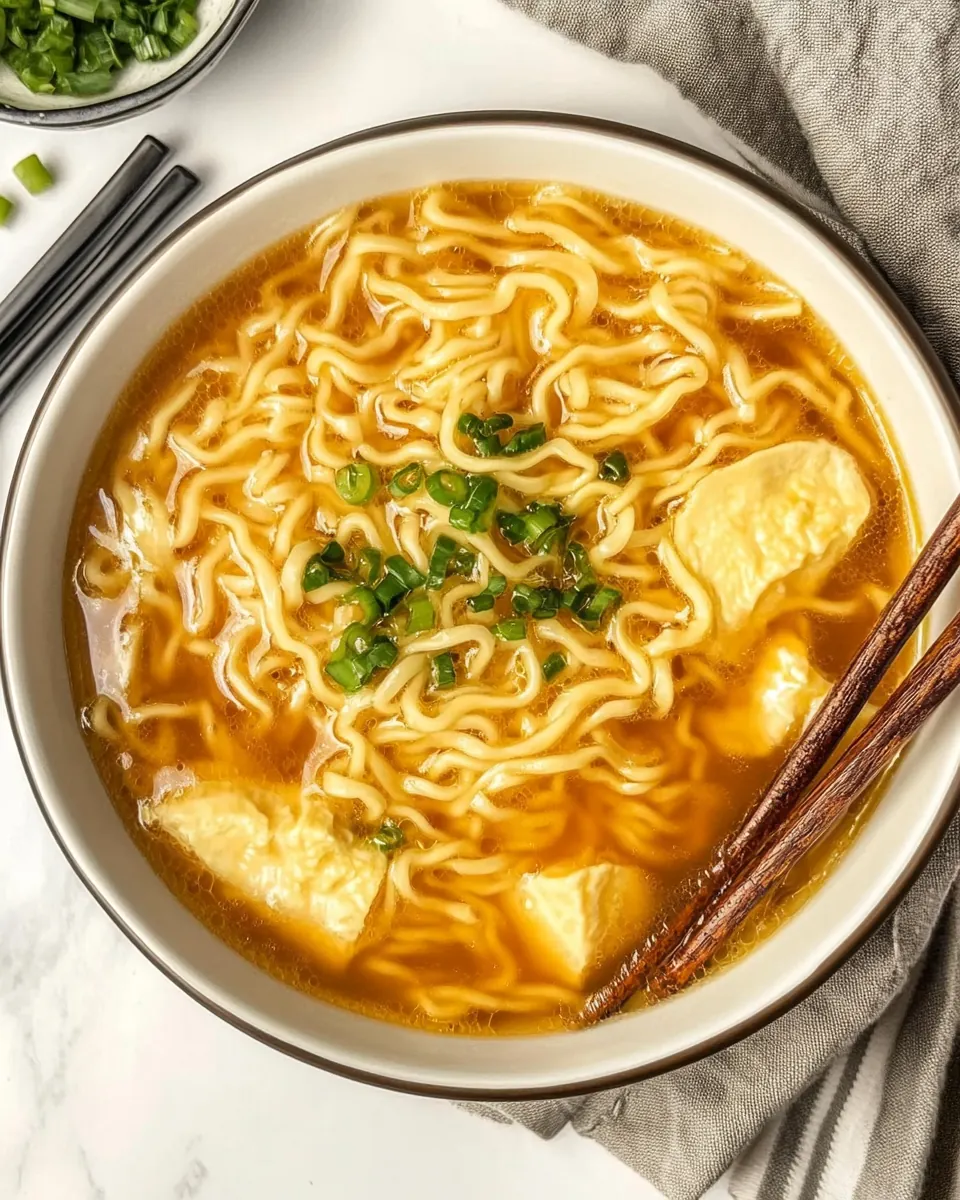
The philosophy here is purity and balance. A clear, savory broth forms the stage, the soft ramen noodles provide texture, and the delicate egg ribbons bring richness and protein. Small accents like a touch of soy sauce and bright chopped chives finish the bowl without overwhelming it. Together these players create a satisfying, streamlined soup that feels both homey and thoughtfully composed.
- 2 cups low-sodium chicken broth or vegetable broth for a lighter option: Provide the savory liquid base for the soup, delivering depth and umami; choose low-sodium to better control overall saltiness and flavor. Simmer gently to meld with other elements and create a warm, comforting broth that carries the ramen.
- 1 package plain ramen noodles discard the seasoning packet: Cook quickly to form the noodle component and absorb the broth's flavors; discard the seasoning packet to avoid excess sodium and artificial taste. Rinse briefly if desired to prevent sticking and finish in the hot broth for ideal texture.
- 1 egg lightly beaten: Add a silky, protein-rich element when lightly beaten and drizzled into simmering broth, creating delicate ribbons that enrich mouthfeel. Season lightly and stir gently to achieve uniform strands and a satisfying, tender bite.
- 1 teaspoon soy sauce plus more to taste: Season the broth subtly with salty, savory notes and enhance overall umami; start with one teaspoon and adjust to taste for balanced seasoning. Mix into the soup toward the end of cooking so the flavor integrates without overpowering the egg.
- 1 tablespoon chopped chives (optional): Garnish with a mild onion-like freshness and delicate green color when chopped; add optional chives to brighten flavor and provide a subtle herbal contrast. Scatter over finished bowls just before serving to preserve their aroma and crispness.
How to Assemble Egg Drop Ramen
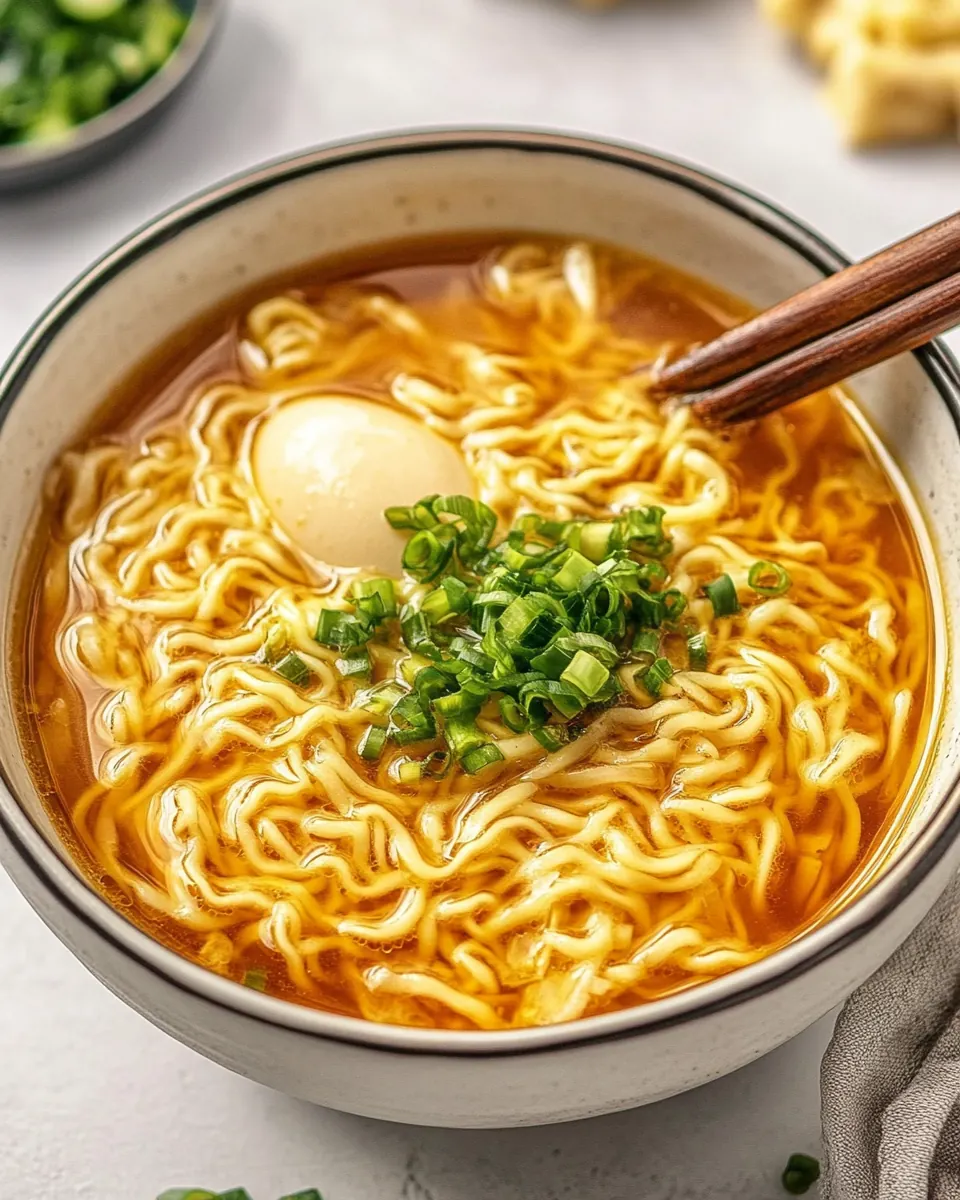
This is a hands on, sensory-driven process where timing and gentle motion make a big difference. Follow the steps patiently, listen for subtle cues, and you will be rewarded with silky egg ribbons and perfectly tender ramen noodles. I like to keep my tools ready and my broth at an even simmer to control the texture.
- In a medium saucepan, bring the low-sodium chicken broth to a boil over medium heat.: As the liquid heats you will notice steam rising and small bubbles forming along the edges, a sign the broth is approaching a full boil; the aroma will shift from muted to savory, filling the kitchen. Bringing the broth to a boil concentrates its aromatics and prepares it to cook the ramen noodles quickly. A common mistake is overheating so the broth roils, which can overcook the noodles and scramble the egg when added, so aim for a lively but controlled boil and reduce heat if the pan seems too vigorous.
- Add the ramen noodles and cook according to the package instructions, about 3 minutes, until tender.: When the ramen noodles hit the hot broth you will hear a soft bubbling and see them soften and separate; gently stir to prevent clumping, watching the strands turn translucent at the edges and then uniformly tender. This short cook preserves bite, and following package timing prevents mushy texture. Overcooking is the usual pitfall here, so check for doneness early, tasting a strand to ensure it has a pleasant spring.
- Lower the heat to a gentle simmer. Stir gently and slowly drizzle the lightly beaten egg into the swirling broth to form silky egg ribbons.: At a gentle simmer you will see slow moving currents rather than boiling turbulence, which helps the egg set into delicate ribbons as it meets the broth. Use a spoon or fork to create a swirl, then drizzle the beaten egg in a thin stream; the ribbons will poach almost instantly, offering a glossy, silky texture. If the broth is too hot the egg will break into flakes, and if you pour too quickly the ribbons will clump, so move slowly and keep the temperature steady.
- Stir in the soy sauce to blend all the flavors.: After the egg has formed ribbons, the aroma becomes richer and more layered; adding the measured teaspoon of soy sauce deepens the umami and balances the mild broth. Stir briefly to incorporate, noticing how the surface sheen shifts and the soup’s flavor rounds out. A common error is adding too much too soon, which can push the bowl into an overly salty profile, so taste and adjust cautiously.
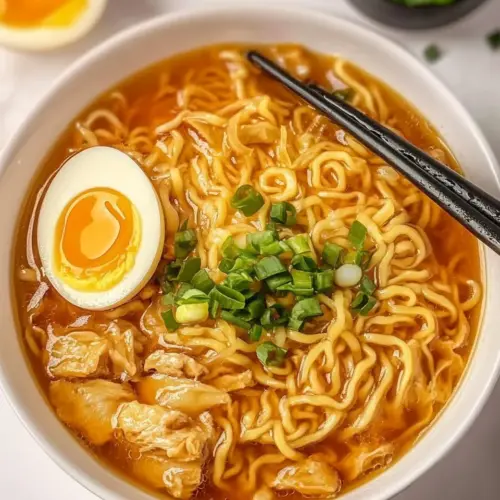
- Pour the soup into a bowl and garnish with chopped chives if using. Serve hot.: As you ladle the soup, steam will rise and the glossy egg ribbons will float among the tender ramen noodles ; sprinkle the chopped chives for a fresh, green contrast in both color and scent. Serve immediately to enjoy the ideal temperature and texture, since the noodles will continue to soften if left standing. The main mistake here is delaying service, which leads to a loss of the delicate texture that makes this bowl special.
Make It Your Own
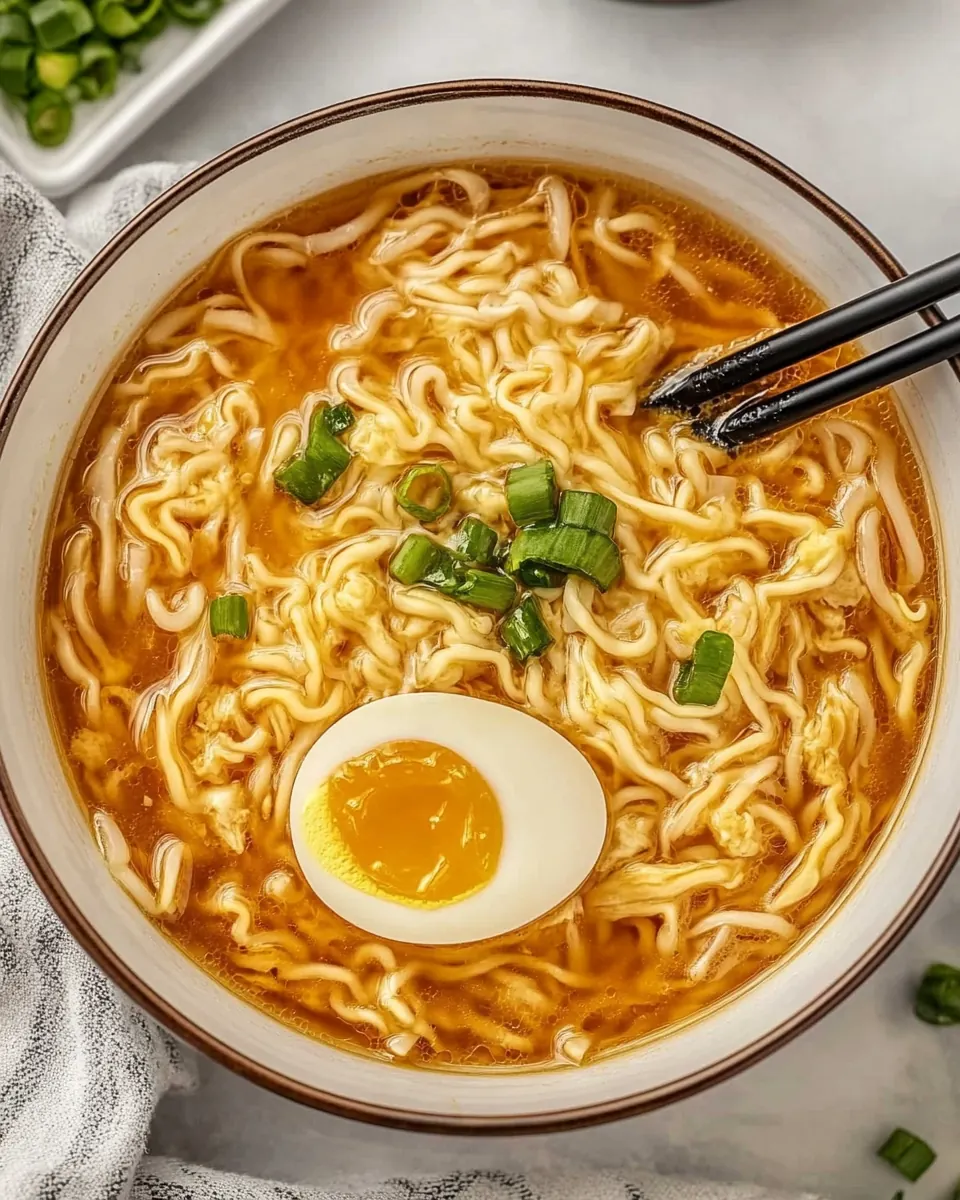
This little bowl is wonderfully adaptable, and a few small choices can personalize it without changing the core technique. Below are tips to help you tune the flavors, texture, and presentation so the soup feels uniquely yours.
- Choose your broth intentionally. Starting with a full flavored chicken broth gives a richer mouthfeel while vegetable broth keeps the bowl lighter and more delicate. Either choice supports the egg and ramen noodles without overwhelming them.
- Control noodle texture. Follow the package timing and taste early to avoid overcooking. Briefly undercooking by a few seconds preserves a pleasant chew that contrasts nicely with the silky egg.
- Pour the egg slowly. Use a fork or small whisk to drizzle the beaten egg into a gentle swirl, this yields long, smooth ribbons instead of small curds. Steady hands make a big difference.
- Adjust umami with care. Add the soy sauce sparingly and taste, since a little goes a long way in a clear broth. Layering salt gradually helps you hit the perfect balance.
- Garnish for contrast. A scattering of chopped chives brightens the bowl and adds a fresh texture. Add them at the end to keep their color and snap.
How to Enjoy Egg Drop Ramen
This soup works beautifully as a solo comfort meal, a light lunch, or a soothing finish to a busy day. Below are serving ideas, pairings, and storage tips presented so you can pick how to enjoy the bowl based on time and occasion.
- Solo weeknight supper. Serve the bowl hot with extra chopped chives on top for brightness, and enjoy it as a quick restorative meal when time is short.
- Light lunch option. Pair the soup with a simple salad or steamed greens for a balanced midday meal that remains easy on the stomach.
- Ramadan friendly evening bowl. This gentle soup is great to break a fast, offering warm, hydrating broth and easily digestible egg protein.
- Seasonal pairing. In winter, the warm broth and soft ramen noodles provide soothing comfort; choose richer chicken broth in colder months for extra body.
- Storage and reheating. Store leftover soup in an airtight container for up to 24 hours; reheat gently on the stovetop to avoid overcooking the ramen noodles and to preserve the egg texture.
FAQ
Conclusion
Egg Drop Ramen stands out for its simple ingredients and transformative technique, turning a few pantry staples into a comforting bowl. It’s quick, economical, and adaptable, delivering silky egg ribbons and a clear savory broth that soothes without heaviness. Give this recipe a try on a busy night or whenever you crave a warm, straightforward meal; the small details like broth choice and gentle pouring make a big difference. Enjoy the ease and comfort this bowl brings to your table.
Egg Drop Ramen
Equipment
- Medium Saucepan
- Ladle
- Fork
Ingredients
- 2 cups low-sodium chicken broth or vegetable broth for a lighter option Provide the savory liquid base for the soup, delivering depth and umami; choose low-sodium to better control overall saltiness and flavor. Simmer gently to meld with other elements and create a warm, comforting broth that carries the ramen.
- 1 package plain ramen noodles discard the seasoning packet Cook quickly to form the noodle component and absorb the broth's flavors; discard the seasoning packet to avoid excess sodium and artificial taste. Rinse briefly if desired to prevent sticking and finish in the hot broth for ideal texture.
- 1 egg lightly beaten Add a silky, protein-rich element when lightly beaten and drizzled into simmering broth, creating delicate ribbons that enrich mouthfeel. Season lightly and stir gently to achieve uniform strands and a satisfying, tender bite.
- 1 teaspoon soy sauce plus more to taste Season the broth subtly with salty, savory notes and enhance overall umami; start with one teaspoon and adjust to taste for balanced seasoning. Mix into the soup toward the end of cooking so the flavor integrates without overpowering the egg.
- 1 tablespoon chopped chives optional Garnish with a mild onion-like freshness and delicate green color when chopped; add optional chives to brighten flavor and provide a subtle herbal contrast. Scatter over finished bowls just before serving to preserve their aroma and crispness.
Instructions
- In a medium saucepan, bring the low-sodium chicken broth to a boil over medium heat.: As the liquid heats you will notice steam rising and small bubbles forming along the edges, a sign the broth is approaching a full boil; the aroma will shift from muted to savory, filling the kitchen. Bringing the broth to a boil concentrates its aromatics and prepares it to cook the ramen noodles quickly. A common mistake is overheating so the broth roils, which can overcook the noodles and scramble the egg when added, so aim for a lively but controlled boil and reduce heat if the pan seems too vigorous.
- Add the ramen noodles and cook according to the package instructions, about 3 minutes, until tender.: When the ramen noodles hit the hot broth you will hear a soft bubbling and see them soften and separate; gently stir to prevent clumping, watching the strands turn translucent at the edges and then uniformly tender. This short cook preserves bite, and following package timing prevents mushy texture. Overcooking is the usual pitfall here, so check for doneness early, tasting a strand to ensure it has a pleasant spring.
- Lower the heat to a gentle simmer. Stir gently and slowly drizzle the lightly beaten egg into the swirling broth to form silky egg ribbons.: At a gentle simmer you will see slow moving currents rather than boiling turbulence, which helps the egg set into delicate ribbons as it meets the broth. Use a spoon or fork to create a swirl, then drizzle the beaten egg in a thin stream; the ribbons will poach almost instantly, offering a glossy, silky texture. If the broth is too hot the egg will break into flakes, and if you pour too quickly the ribbons will clump, so move slowly and keep the temperature steady.
- Stir in the soy sauce to blend all the flavors.: After the egg has formed ribbons, the aroma becomes richer and more layered; adding the measured teaspoon of soy sauce deepens the umami and balances the mild broth. Stir briefly to incorporate, noticing how the surface sheen shifts and the soup’s flavor rounds out. A common error is adding too much too soon, which can push the bowl into an overly salty profile, so taste and adjust cautiously.
- Pour the soup into a bowl and garnish with chopped chives if using. Serve hot.: As you ladle the soup, steam will rise and the glossy egg ribbons will float among the tender ramen noodles ; sprinkle the chopped chives for a fresh, green contrast in both color and scent. Serve immediately to enjoy the ideal temperature and texture, since the noodles will continue to soften if left standing. The main mistake here is delaying service, which leads to a loss of the delicate texture that makes this bowl special.
Notes
- Choose your broth intentionally. Starting with a full flavored chicken broth gives a richer mouthfeel while vegetable broth keeps the bowl lighter and more delicate. Either choice supports the egg and ramen noodles without overwhelming them.
- Control noodle texture. Follow the package timing and taste early to avoid overcooking. Briefly undercooking by a few seconds preserves a pleasant chew that contrasts nicely with the silky egg.
- Pour the egg slowly. Use a fork or small whisk to drizzle the beaten egg into a gentle swirl, this yields long, smooth ribbons instead of small curds. Steady hands make a big difference.
- Adjust umami with care. Add the soy sauce sparingly and taste, since a little goes a long way in a clear broth. Layering salt gradually helps you hit the perfect balance.
- Garnish for contrast. A scattering of chopped chives brightens the bowl and adds a fresh texture. Add them at the end to keep their color and snap.