Cauliflower Potato Soup
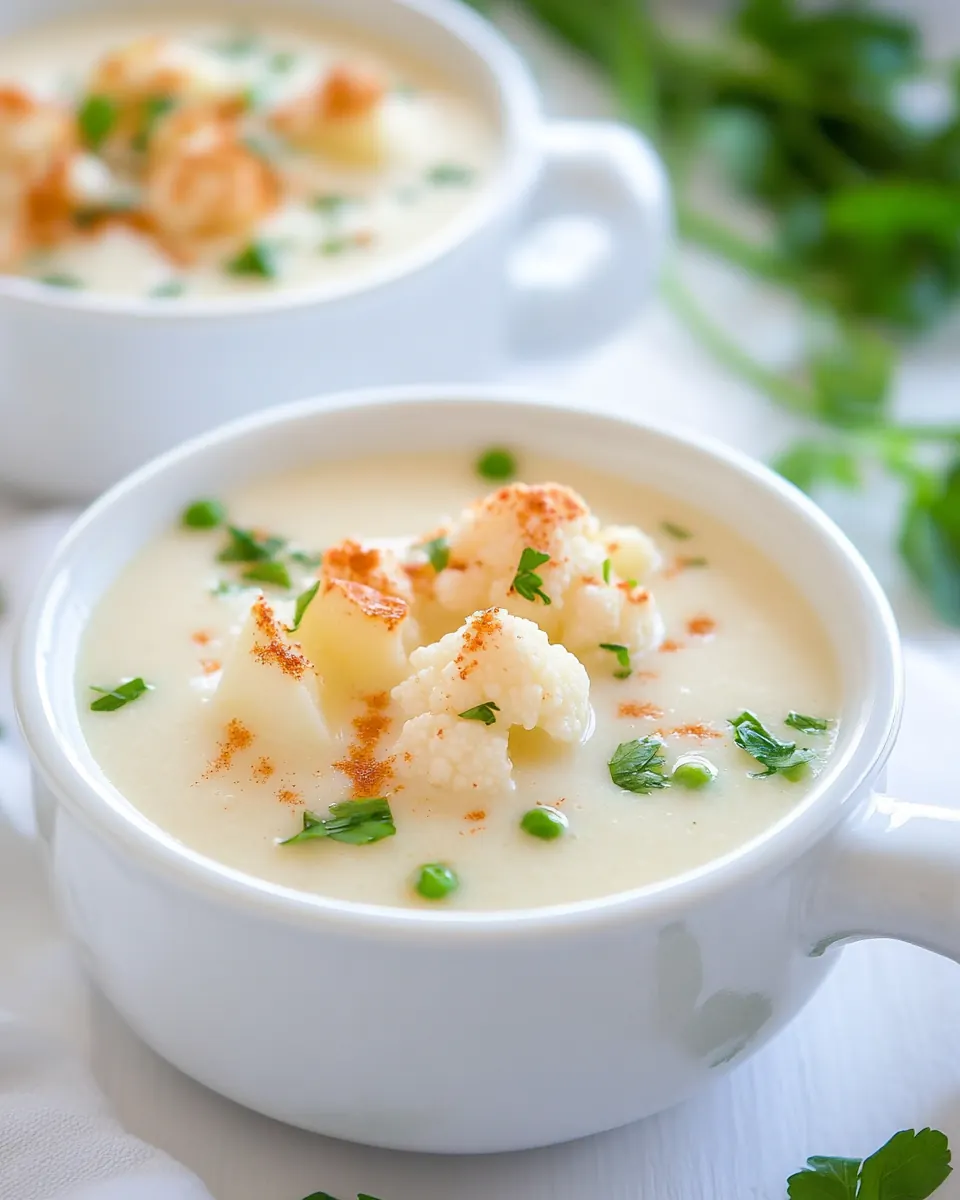
Cauliflower Potato Soup is one of those recipes that feels like a warm kitchen hug on a cold afternoon, and the first time I made it I remember the house filling with a cozy, savory aroma that pulled everyone into the kitchen.
I was juggling a busy week and wanted something comforting but not fussy, so I reached for a head of cauliflower and a few red potatoes I had tucked away. The result was silky, rich, and surprisingly bright, especially with the little pop of spice from the cayenne and the briny, buttery shrimp on top. It became our quick weeknight favorite because it looks elegant yet comes together with everyday pantry items.
Moments like this remind me cooking is as much about improvisation as it is about precision. I often tweak textures depending on moods, sometimes leaving the soup a bit chunky, other times pureeing until it is velvet smooth. Every time I ladle out a bowl and top it with garlicky, sautéed shrimp, someone always asks for seconds, which tells me this recipe is a keeper.
Recipe Snapshot
39 mins
15 mins
24 mins
Medium
350 kcal
American
Gluten-Free, Low FODMAP
Soups
6 Quart soup pot or Dutch oven, Skillet, Immersion blender or countertop blender
Why This Cauliflower Potato Soup Stands Out
Comforting and Creamy
I adore how Cauliflower Potato Soup delivers a luxurious, creamy mouthfeel without relying on a mountain of heavy ingredients. The combination of cooked cauliflower and red potatoes purees into a texture that feels indulgent, while the light amount of heavy whipping cream keeps the soup rich without weighing it down. I noticed early on that this balance makes it perfect for colder days when you want something soothing yet not cloying.
Simple, Pantry Friendly Ingredients
One reason I reach for this bowl often is that the ingredient list is straightforward. Things like onion, garlic, and a splash of oil are staples in my kitchen. When life gets busy, I love that I can pull together a satisfying meal using items I usually have on hand. This recipe proves comfort food does not have to be complicated to taste impressive.
Versatile Serving Options
What I find delightful is how flexible this soup is. It works as a starter for a dinner party or a full meal when topped with sautéed shrimp and a pat of melted butter. I sometimes serve it chunky for a rustic vibe, other times silky smooth for something more refined. That versatility keeps it useful across many occasions.
Layered Flavors and Textures
I love the contrast the crispy seared shrimp brings to the creamy base. The little bite of cayenne and the herbaceous lift from the parsley keep the soup from feeling monotonous. Each spoonful has creaminess, warmth from spices, and a savory pop from the topping, which keeps every bite interesting.
Quick Enough for Weeknights
This recipe moves swiftly from stove to table. With modest hands on time and mostly simmering, it fits into busy schedules without sacrificing flavor. I appreciate recipes that respect both my time and my desire for something satisfying, and this soup consistently does both.
What You Need for Cauliflower Potato Soup
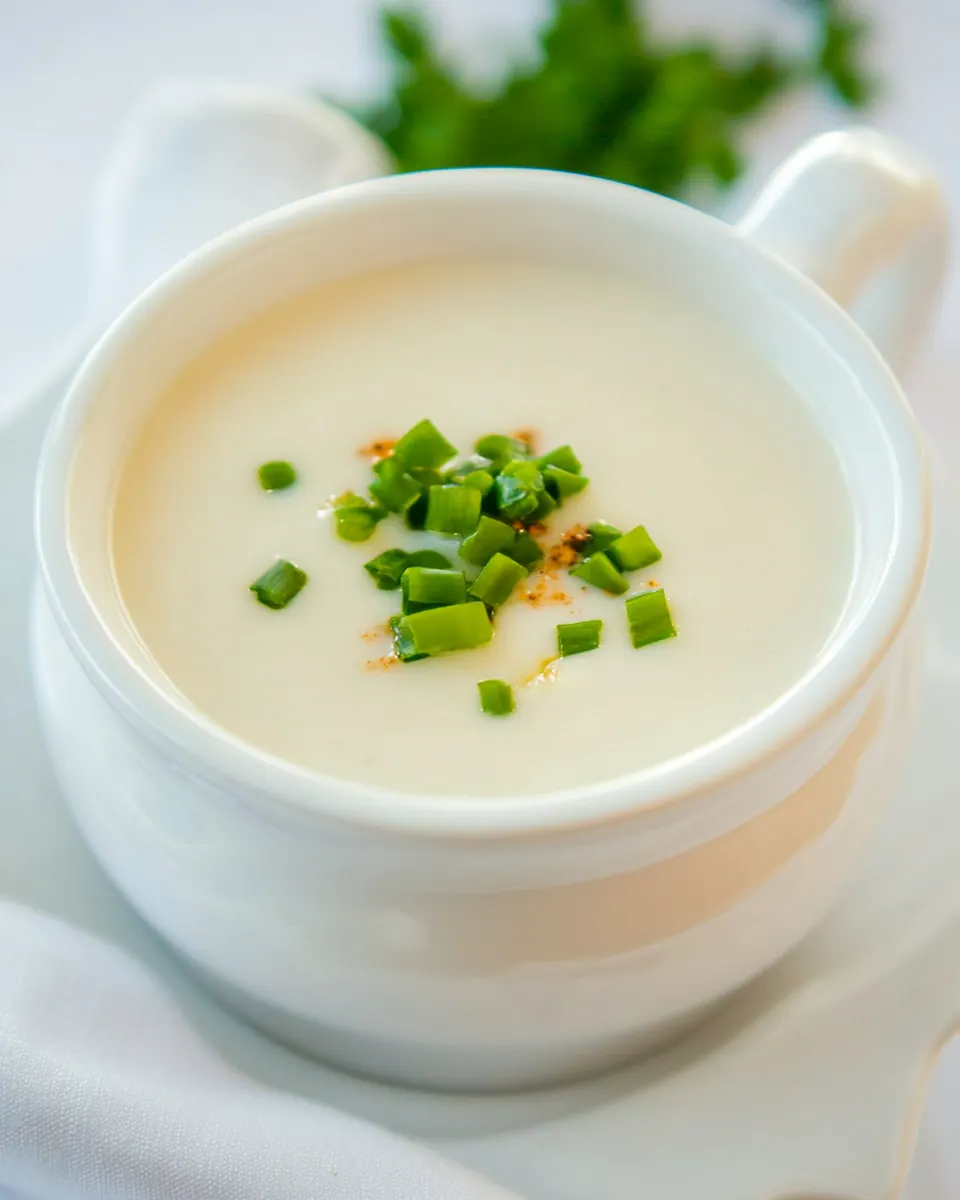
These ingredients combine to create a soup that is creamy, savory, and balanced. The starchy red potatoes add body, the tender cauliflower provides a mild, slightly nutty base, and the aromatics like onion and garlic build the flavor backbone. The little additions of spice and dairy round everything into a cohesive bowl you will want on repeat.
- 4 red potatoes, peeled and chopped: Provide tender, starchy body and natural thickening when simmered; peeled and chopped pieces break down to create a creamy texture while contributing mild, earthy flavor that complements cauliflower.
- 1/2 head cauliflower, chopped into florets and stems: Add light, floral cruciferous flavor and bulk; chopped florets and stems soften and blend into the soup to enhance creaminess and add vegetal depth without overpowering other components.
- 1 small onion, diced: Contribute aromatic sweetness and savory foundation when diced and sautéed; softens during cooking to build flavor layers and balances the soup’s creaminess.
- 1/2 cup extra light olive oil, or vegetable oil: Offer a light, neutral fat for sautéing and flavor transmission; extra light olive or vegetable oil helps soften aromatics and coat vegetables without adding heavy olive taste.
- 4 cups warm water: Provide the cooking medium and controlled dilution; warm water stews the potatoes and cauliflower, extracting starches and flavors while allowing adjustment of final soup consistency.
- 1 cup heavy whipping cream: Introduce rich, silky creaminess and body; heavy whipping cream enriches the broth, smooths textures, and lends a luxurious mouthfeel to the finished soup.
- 2 tsp salt: Enhance overall flavor and seasoning balance; measured salt brings out inherent tastes of vegetables and seafood while helping proteins like shrimp season evenly.
- 1/2 tsp ground black pepper: Add subtle heat and savory contrast as a ground spice; black pepper brightens flavors and complements salt to round out the soup’s seasoning profile.
- 1/4 tsp cayenne pepper: Deliver concentrated heat and warmth in small amounts; cayenne pepper provides a gentle kick that lifts the soup without overwhelming the delicate seafood and cream.
- 1 lb raw shrimp, medium or large size, peeled & deveined: Contribute sweet, briny seafood flavor and protein; raw, peeled, deveined shrimp cook quickly in the hot soup, adding texture and a distinct oceanic note to the dish.
- 1 tbsp olive oil: Provide additional fat and a mild olive flavor for finishing or sautéing; a tablespoon of olive oil helps sear or flavor the shrimp and adds sheen to the soup.
- 4 tbsp unsalted butter: Bring rich, nutty flavor and silky mouthfeel when melted; unsalted butter used for sautéing or finishing enhances aroma and rounds out savory flavors without extra salt.
- 3 garlic cloves: Offer pungent, aromatic heat and depth when minced or pressed; garlic cloves add savory complexity and a fragrant backbone during the sautéing stage.
- 3 tbsp chopped fresh parsley, or 1 Tbsp dried parsley: Supply fresh herbaceous brightness and optional preserved flavor; chopped fresh parsley or dried substitute adds color, lightness, and a mild herbal counterpoint to the rich soup.
- salt & pepper to taste: Allow final seasoning adjustment to personal taste; added salt and pepper to taste enable balancing of saltiness and spice at the end of cooking for ideal flavor.
Recipe Steps for Cauliflower Potato Soup
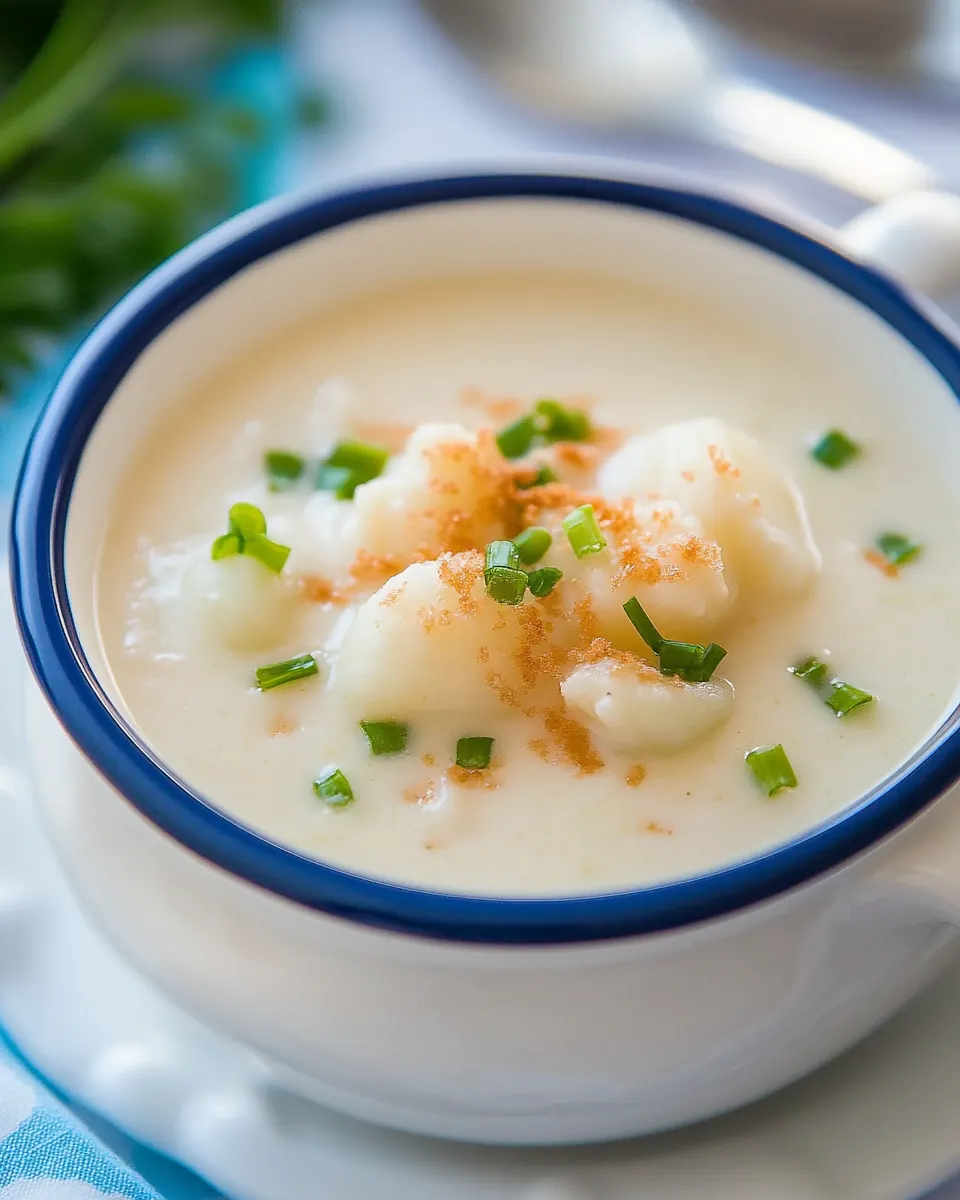
These steps will guide you from sautéing aromatics to finishing with seared shrimp. Take your time with the sensory cues, and use the visual and aromatic signs described below to ensure each stage is on point.
- Add 1/2 cup of olive oil to a 6 Qt soup pot or Dutch oven and turn the heat to medium. Add diced onions and saute them for a minute.: The kitchen should begin to smell gently sweet almost immediately, the sound a soft sizzle as the diced onion hits the warm oil. The goal is to sweat the onion until it becomes translucent and fragrant, not browned, which keeps the flavors mellow. Use a wooden spoon to stir so the pieces cook evenly, and keep the heat steady to avoid burning, which would introduce bitterness. A common mistake is cranking the heat, causing the edges to brown too fast; if that happens, lower the flame and add a splash of water to prevent further color change.
- Next, add chopped cauliflower and potatoes to the pot with onions and cook until onions become transparent.: You will hear a gentle increase in sizzling when the chopped cauliflower and red potatoes meet the oil and softened onion . Visually, the vegetables will start to glisten and the pot will steam lightly as moisture releases. Stir to coat everything and ensure even contact with the pan, which helps the flavors marry. This stage builds the base texture and prevents raw pockets in the final puree. Avoid overcrowding the pot; if the pieces are too packed, they will steam rather than sauté, resulting in a blander taste.
- Pour in four cups of water along with 2 tsp of salt, 1/2 tsp of pepper and 1/4 tsp of cayenne pepper. Then bring everything to a boil.: As the water hits the pot, the aroma opens up and you will see the surface shimmer before small bubbles cluster along the edges. The added salt seasons the vegetables from within, while the ground black pepper and cayenne pepper lend warmth. Bring the mixture to a rolling boil, then reduce to a gentle simmer if needed; vigorous boiling can agitate the pieces, causing them to break unevenly. A frequent error is under-salting the cooking liquid, which results in a dull final soup, so taste the broth once the vegetables are tender.
- When water boils, add one cup of heavy whipping cream. Cover and let it cook until potatoes are cooked through (15 min). In the mean time prepare shrimp.: The moment you stir in the heavy whipping cream , the liquid will become silkier and the aroma richer. Covering the pot traps steam that speeds the cooking of the potatoes and cauliflower ; you will know they are done when a fork slides through the potato pieces easily and the cauliflower is tender. While they cook, prepare the shrimp so everything finishes together. Watch the heat to keep a gentle simmer, as too high a heat could cause the cream to scorch. A common misstep is leaving the pot uncovered and letting the liquid reduce too much, which makes the soup thicker than intended.
- After soup has finished cooking, remove the pot from heat and using immersion hand blender puree until smooth consistency. Or just use whatever blender you have on hand to puree soup until smooth. I like the first method better because everything is done without removing soup from the pot.: The aroma will shift from steamy vegetables to a warm creamy bouquet. Using an immersion blender gives you control over texture; pulse until the soup reaches a velvety consistency. If using a countertop blender, work in batches with caution as hot liquids expand and can splatter. The visual cue is a uniform, opaque surface without visible chunks. If the soup seems too thick, stir in a splash of warm water or stock. Avoid overblending to the point of losing any desired body; puree until smooth but not soupy thin unless that is your preference.
- To serve – pour the desired amount of creamy soup in a bowl. Top with 5-6 buttery shrimp on top and enjoy 🙂: The presentation is where texture contrast plays its part, and your senses will respond to the glossy surface of the soup crowned with golden shrimp . Spoon the hot soup into warmed bowls to maintain temperature, then nestle the sautéed shrimp on top so each bite includes a protein hit. The salts and butter from the topping will melt into the soup slightly, creating ribbons of flavor. A pitfall to avoid is adding the shrimp too early; they should be added at the end so they stay tender, not rubbery.
- Preheat the skillet over medium/high heat. Add 1 tbsp oil, butter, peeled shrimp and garlic. Sprinkle with salt, pepper and parsley. Saute until cooked through, about 2-4 min then remove from heat.: The skillet should hiss the instant you add the shrimp , and within moments you will smell the toasty garlic and melted butter . Sauté quickly so the shrimp develop a light golden sear while remaining juicy inside, flipping once as the sides color. The added parsley at the end brightens the fats and keeps the topping lively. Overcooking is the most common error here; shrimp go from perfect to tough in a minute or two, so watch for opaque flesh and a firm but springy texture. Remove immediately when done and keep them warm until serving.
Variations to Try
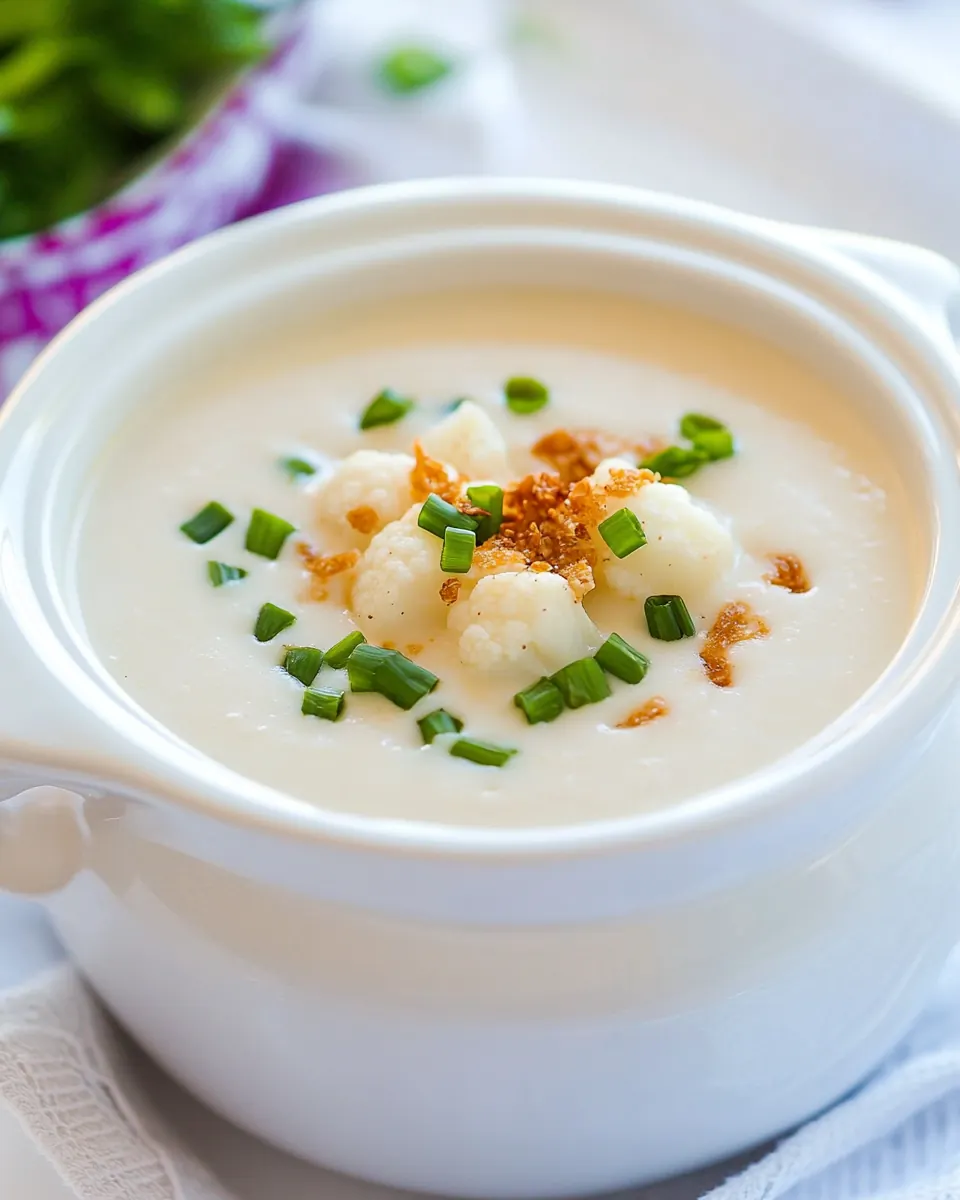
This recipe adapts well to small adjustments that change texture, spice level, or presentation. Below are suggestions to inspire different takes while staying true to the core flavors of the dish.
- Swap the shrimp for a vegetarian topping by using sautéed mushrooms seasoned with garlic and parsley, which adds umami and a meaty texture without changing the soup base.
- Make it spicier by increasing the cayenne slightly or adding a pinch of smoked paprika for a warm, smoky heat that complements the creamy base.
- Turn it into a thinner brothy soup by reducing the amount of heavy whipping cream and adding extra warm water or light stock, which yields a lighter bowl perfect for lunch.
- Boost the herb note by stirring in a spoonful of chopped fresh chives or more parsley at the end to brighten the flavors just before serving.
- Make-ahead friendly by preparing the base a day in advance and keeping the sautéed shrimp separate, reheating both gently and assembling just before serving for the best texture.
Side Dish Ideas for Cauliflower Potato Soup
This soup pairs beautifully with simple sides that contrast texture and temperature. Below are serving suggestions grouped by occasion, plus storage and seasonal ideas to keep your meals feeling fresh.
- Crusty bread such as a warm baguette or country loaf, torn into pieces for dipping, offers a crunchy contrast to the creamy soup and is ideal for casual dinners.
- Light green salad dressed with lemon and olive oil brings a bright, acidic counterpoint, making it a good choice when serving the soup for lunch or a light supper.
- Roasted seasonal vegetables like carrots or beets add color and a caramelized depth that pairs well with the mild base during colder months like winter.
- Elegant starters such as a small plate of marinated olives or a simple charcuterie selection work if you are serving the soup as part of a larger multi course meal.
- Ramadan iftar suggestion: serve a small bowl of this soup to gently break the fast, followed by a modest main and fresh fruit for dessert to keep the meal balanced.
- Storage tip store the soup base in an airtight container in the refrigerator for up to three days; keep the sautéed shrimp separate and add just before serving to maintain texture.
- Seasonal pairing in spring or early summer, lighten the soup by reducing cream and finishing with extra herbs for a fresher profile; in winter, keep the cream and add warming spices for comfort.
- Entertaining style serve the soup in small bowls as an elegant starter, topped with one or two shrimp and a sprinkle of chopped parsley for color and aroma.
- Family dinner make it a complete meal by pairing with simple roasted chicken or a grain side for heartier appetites, ensuring everyone gets a satisfying plate.
- Portioning freeze single portions of the soup base for up to two months; thaw in the fridge overnight and reheat gently, then add fresh sautéed shrimp when ready to serve.
FAQ
Conclusion
This Cauliflower Potato Soup stands out for its silky texture, straightforward ingredients, and the lovely contrast of garlicky sautéed shrimp on top. Try it to experience a bowl that feels indulgent yet approachable, perfect for chilly nights or casual dinner guests. I hope this recipe becomes one of your go to comfort meals, bringing warmth and a simple elegance to your table. Enjoy the cozy bowl and the way it makes weeknights feel a little more special.

Cauliflower Potato Soup
Equipment
- 6 Quart soup pot or Dutch oven
- Skillet
- Immersion blender or countertop blender
Ingredients
- 4 red potatoes, peeled and chopped Provide tender, starchy body and natural thickening when simmered; peeled and chopped pieces break down to create a creamy texture while contributing mild, earthy flavor that complements cauliflower.
- 1/2 head cauliflower, chopped into florets and stems Add light, floral cruciferous flavor and bulk; chopped florets and stems soften and blend into the soup to enhance creaminess and add vegetal depth without overpowering other components.
- 1 small onion, diced Contribute aromatic sweetness and savory foundation when diced and sautéed; softens during cooking to build flavor layers and balances the soup’s creaminess.
- 1/2 cup extra light olive oil, or vegetable oil Offer a light, neutral fat for sautéing and flavor transmission; extra light olive or vegetable oil helps soften aromatics and coat vegetables without adding heavy olive taste.
- 4 cups warm water Provide the cooking medium and controlled dilution; warm water stews the potatoes and cauliflower, extracting starches and flavors while allowing adjustment of final soup consistency.
- 1 cup heavy whipping cream Introduce rich, silky creaminess and body; heavy whipping cream enriches the broth, smooths textures, and lends a luxurious mouthfeel to the finished soup.
- 2 tsp salt Enhance overall flavor and seasoning balance; measured salt brings out inherent tastes of vegetables and seafood while helping proteins like shrimp season evenly.
- 1/2 tsp ground black pepper Add subtle heat and savory contrast as a ground spice; black pepper brightens flavors and complements salt to round out the soup’s seasoning profile.
- 1/4 tsp cayenne pepper Deliver concentrated heat and warmth in small amounts; cayenne pepper provides a gentle kick that lifts the soup without overwhelming the delicate seafood and cream.
- 1 lb raw shrimp, medium or large size, peeled & deveined Contribute sweet, briny seafood flavor and protein; raw, peeled, deveined shrimp cook quickly in the hot soup, adding texture and a distinct oceanic note to the dish.
- 1 tbsp olive oil Provide additional fat and a mild olive flavor for finishing or sautéing; a tablespoon of olive oil helps sear or flavor the shrimp and adds sheen to the soup.
- 4 tbsp unsalted butter Bring rich, nutty flavor and silky mouthfeel when melted; unsalted butter used for sautéing or finishing enhances aroma and rounds out savory flavors without extra salt.
- 3 garlic cloves Offer pungent, aromatic heat and depth when minced or pressed; garlic cloves add savory complexity and a fragrant backbone during the sautéing stage.
- 3 tbsp chopped fresh parsley, or 1 Tbsp dried parsley Supply fresh herbaceous brightness and optional preserved flavor; chopped fresh parsley or dried substitute adds color, lightness, and a mild herbal counterpoint to the rich soup.
- salt & pepper to taste Allow final seasoning adjustment to personal taste; added salt and pepper to taste enable balancing of saltiness and spice at the end of cooking for ideal flavor.
Instructions
- Add 1/2 cup of olive oil to a 6 Qt soup pot or Dutch oven and turn the heat to medium. Add diced onions and saute them for a minute.: The kitchen should begin to smell gently sweet almost immediately, the sound a soft sizzle as the diced onion hits the warm oil. The goal is to sweat the onion until it becomes translucent and fragrant, not browned, which keeps the flavors mellow. Use a wooden spoon to stir so the pieces cook evenly, and keep the heat steady to avoid burning, which would introduce bitterness. A common mistake is cranking the heat, causing the edges to brown too fast; if that happens, lower the flame and add a splash of water to prevent further color change.
- Next, add chopped cauliflower and potatoes to the pot with onions and cook until onions become transparent.: You will hear a gentle increase in sizzling when the chopped cauliflower and red potatoes meet the oil and softened onion . Visually, the vegetables will start to glisten and the pot will steam lightly as moisture releases. Stir to coat everything and ensure even contact with the pan, which helps the flavors marry. This stage builds the base texture and prevents raw pockets in the final puree. Avoid overcrowding the pot; if the pieces are too packed, they will steam rather than sauté, resulting in a blander taste.
- Pour in four cups of water along with 2 tsp of salt, 1/2 tsp of pepper and 1/4 tsp of cayenne pepper. Then bring everything to a boil.: As the water hits the pot, the aroma opens up and you will see the surface shimmer before small bubbles cluster along the edges. The added salt seasons the vegetables from within, while the ground black pepper and cayenne pepper lend warmth. Bring the mixture to a rolling boil, then reduce to a gentle simmer if needed; vigorous boiling can agitate the pieces, causing them to break unevenly. A frequent error is under-salting the cooking liquid, which results in a dull final soup, so taste the broth once the vegetables are tender.
- When water boils, add one cup of heavy whipping cream. Cover and let it cook until potatoes are cooked through (15 min). In the mean time prepare shrimp.: The moment you stir in the heavy whipping cream , the liquid will become silkier and the aroma richer. Covering the pot traps steam that speeds the cooking of the potatoes and cauliflower ; you will know they are done when a fork slides through the potato pieces easily and the cauliflower is tender. While they cook, prepare the shrimp so everything finishes together. Watch the heat to keep a gentle simmer, as too high a heat could cause the cream to scorch. A common misstep is leaving the pot uncovered and letting the liquid reduce too much, which makes the soup thicker than intended.
- After soup has finished cooking, remove the pot from heat and using immersion hand blender puree until smooth consistency. Or just use whatever blender you have on hand to puree soup until smooth. I like the first method better because everything is done without removing soup from the pot.: The aroma will shift from steamy vegetables to a warm creamy bouquet. Using an immersion blender gives you control over texture; pulse until the soup reaches a velvety consistency. If using a countertop blender, work in batches with caution as hot liquids expand and can splatter. The visual cue is a uniform, opaque surface without visible chunks. If the soup seems too thick, stir in a splash of warm water or stock. Avoid overblending to the point of losing any desired body; puree until smooth but not soupy thin unless that is your preference.
- To serve – pour the desired amount of creamy soup in a bowl. Top with 5-6 buttery shrimp on top and enjoy 🙂: The presentation is where texture contrast plays its part, and your senses will respond to the glossy surface of the soup crowned with golden shrimp . Spoon the hot soup into warmed bowls to maintain temperature, then nestle the sautéed shrimp on top so each bite includes a protein hit. The salts and butter from the topping will melt into the soup slightly, creating ribbons of flavor. A pitfall to avoid is adding the shrimp too early; they should be added at the end so they stay tender, not rubbery.
- Preheat the skillet over medium/high heat. Add 1 tbsp oil, butter, peeled shrimp and garlic. Sprinkle with salt, pepper and parsley. Saute until cooked through, about 2-4 min then remove from heat.: The skillet should hiss the instant you add the shrimp , and within moments you will smell the toasty garlic and melted butter . Sauté quickly so the shrimp develop a light golden sear while remaining juicy inside, flipping once as the sides color. The added parsley at the end brightens the fats and keeps the topping lively. Overcooking is the most common error here; shrimp go from perfect to tough in a minute or two, so watch for opaque flesh and a firm but springy texture. Remove immediately when done and keep them warm until serving.
Notes
- Swap the shrimp for a vegetarian topping by using sautéed mushrooms seasoned with garlic and parsley, which adds umami and a meaty texture without changing the soup base.
- Make it spicier by increasing the cayenne slightly or adding a pinch of smoked paprika for a warm, smoky heat that complements the creamy base.
- Turn it into a thinner brothy soup by reducing the amount of heavy whipping cream and adding extra warm water or light stock, which yields a lighter bowl perfect for lunch.
- Boost the herb note by stirring in a spoonful of chopped fresh chives or more parsley at the end to brighten the flavors just before serving.
- Make-ahead friendly by preparing the base a day in advance and keeping the sautéed shrimp separate, reheating both gently and assembling just before serving for the best texture.
