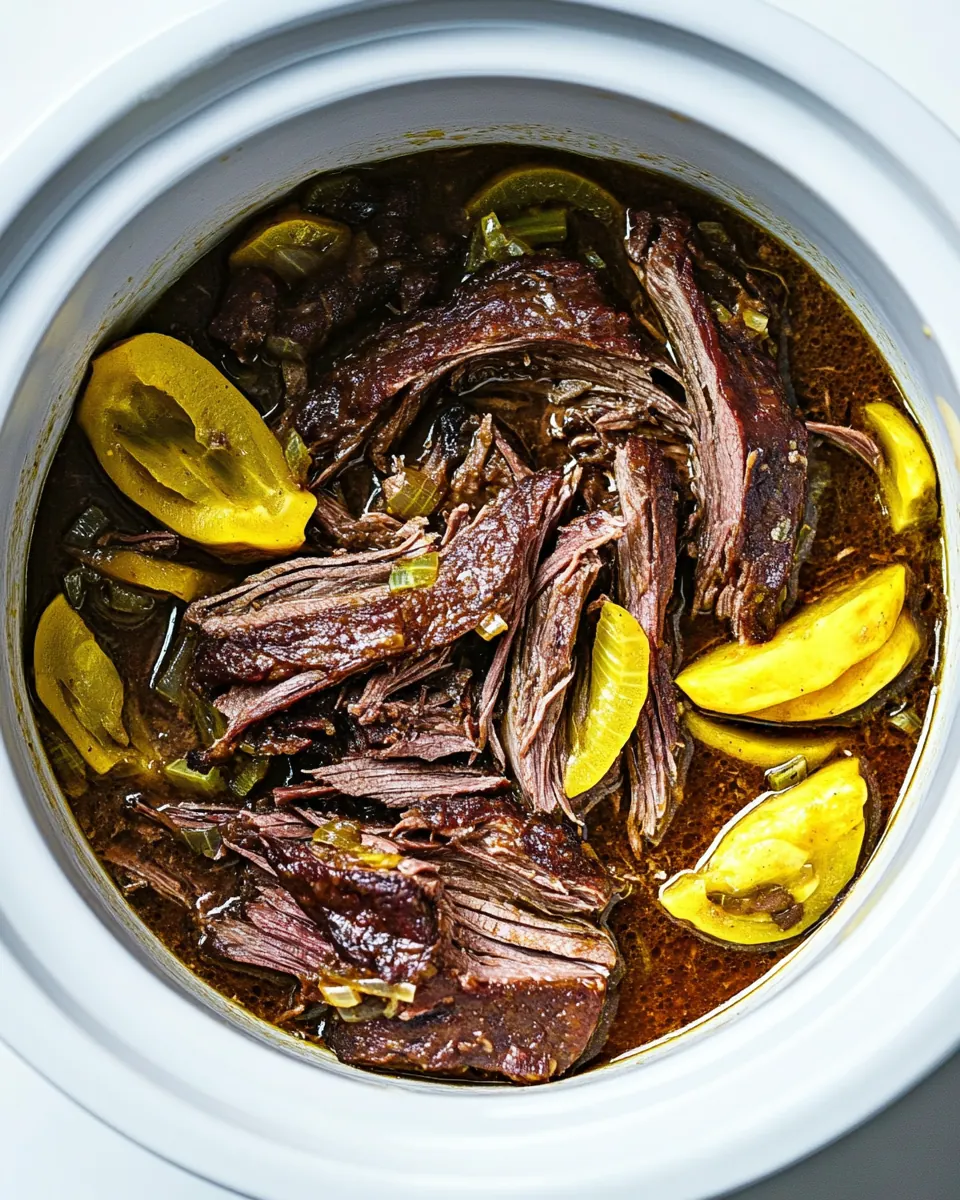
Crockpot Mississippi Pot Roast
Crockpot Mississippi Pot Roast is one of those recipes I reach for when I want something that feels indulgent but actually requires very little babysitting from me.
I first made this dish on a chaotic weeknight when the oven was occupied and the pantry felt thinner than usual. I grabbed a hefty beef chuck roast, some seasoning packets I keep for emergencies, and a handful of pepperoncini peppers. While the house filled with a deep, meaty aroma, I cleaned up the kitchen, poured a glass of water, and realized how comforting slow cooking can be when it actually gives you time back.
Over the years I tweaked little things, like how long I sear the beef and whether to tuck pats of butter over the top before it goes into the slow cooker. Each change nudged the texture and flavor in a better direction, and now this version reliably yields tender, shred-apart meat and a savory, tangy jus that tastes like weeks of simmering but is pure weeknight magic.
When I serve Crockpot Mississippi Pot Roast, everyone leans in. The sandwich version with melted Provolone cheese disappears fast, and the bowl with smooth mashed potatoes gets murmurs of approval. I love that it’s also forgiving, so if you get delayed and let it go a bit longer, it’s usually still perfect. Come along, and I’ll walk you through why this roast is a keeper, how to read the cues while it cooks, and a few simple tricks I use to make clean up and serving effortless.
Recipe Snapshot
7 hr 20 mins
20 mins
420 mins
Hard
350 kcal
American
Gluten-Free, Low FODMAP
Dinner
6-quart Crock-Pot, 6-quart or larger, Dutch oven or heavy-bottomed pot
Why This Crockpot Mississippi Pot Roast Hits Different
1. Uncomplicated, comforting flavor
I adore how Crockpot Mississippi Pot Roast pulls big, layered flavor from only a few pantry-friendly items. The pairing of ranch seasoning mix and au jus gravy mix builds a savory backbone, while the briny kick from the pepperoncini peppers brightens every bite. For busy nights, that kind of punch without hours of prep makes me feel like a kitchen hero without the stress.
2. Hands off but satisfying
One of the best things I tell friends is that this recipe practically cooks itself. After a short sear and a few quick assembly steps, the Crockpot does the heavy lifting. The long, gentle heat breaks down connective tissue in the beef chuck roast, creating that silky, shreddable texture we all want, and freeing up time to set the table or tackle other dishes.
3. Versatile ways to serve
We eat this roast in bowls over mashed potatoes, piled on crusty rolls with Provolone cheese, or spooned onto a bed of roasted vegetables. Each approach highlights a different element of the dish, and I switch servings depending on the mood of the meal. That flexibility makes it great for weeknight dinners, casual gatherings, or a relaxed weekend supper.
4. Reliable crowd pleaser
Invite people over and you’ll see why I keep this in my rotation. The savory jus and tender meat appeal to almost everyone, and it’s easy to scale. When I host, the minimal assembly and long cook time mean I can focus on sides and conversation while the roast becomes the centerpiece.
5. Pantry friendly and forgiving
I love that the recipe uses items I usually have on hand, like olive oil and the seasoning mixes. It also forgives timing missteps; if dinner runs late you can usually let it slow cook a bit longer and still end up with excellent texture. For home cooks who value reliability and bold taste, this roast rarely disappoints.
Crockpot Mississippi Pot Roast Shopping List
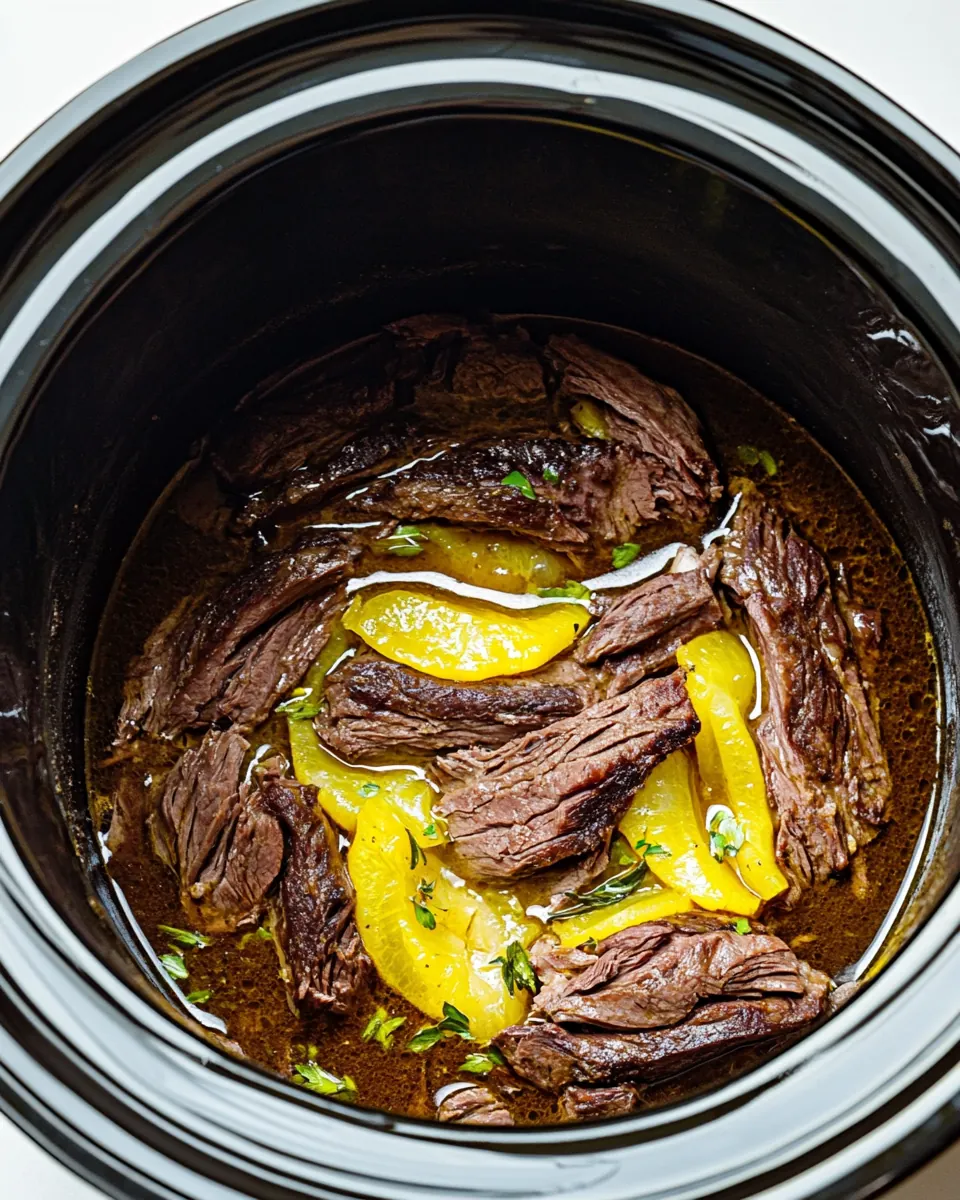
These ingredients are a study in teamwork. The heavy, collagen rich beef chuck roast becomes meltingly tender when paired with the salty, savory seasoning mixes and the bright, acidic punch of pepperoncini peppers. Little additions like unsalted butter round the sauce, while a splash of pepperoncini brine helps form the jus without adding extra stock. Every component plays a clear role, so following the list yields a cohesive, rich roast.
- 2 tablespoons olive oil: Heat and lubricate the pan or slow cooker by helping to sear the roast before slow cooking; adds a light, fruity flavor and helps prevent sticking. Use measured tablespoons to control fat content and ensure even browning without overwhelming the dish.
- 3 pounds beef chuck roast: Provide the rich, marbled centerpiece of the recipe that becomes tender and shreddable after slow cooking; supplies beefy flavor and connective tissue that breaks down into gelatin. Choose a chuck roast for its balance of fat and meat, which yields moist, succulent results when cooked low and slow.
- 1 (1-ounce) ranch seasoning mix see note 1: Season the roast with a savory, herby powdered blend to impart tangy, creamy ranch flavors into the cooking liquid; helps build an umami-forward profile and complements the gravy mix. Sprinkle evenly over the meat to ensure consistent seasoning throughout the finished dish.
- 1 (1-ounce) au jus gravy mix: Contribute concentrated beefy, savory base notes and mouth-coating gravy flavor that mixes with juices to create a rich sauce; intensifies overall depth and provides comfort-food familiarity. Add directly to the pot so its powdered components dissolve into the cooking liquid and thicken slightly.
- 4 tablespoons unsalted butter: Melt into the braising liquid to create pockets of rich, silky butter that baste the meat and enrich the sauce; adds a smooth mouthfeel and boosts flavor without competing with the seasonings. Place on top of the roast so it slowly liquefies during slow cooking, coating the meat.
- 10 pepperoncini peppers plus 1/2 cup of brine/surrounding liquid: Introduce bright, tangy, slightly spicy pickled peppers and their salty brine to brighten and tenderize the roast; provide acidity that balances the rich meat and butter while contributing characteristic Mississippi roast flavor. Add the specified number of whole peppers and measured brine to evenly distribute their briny heat through the cooking liquid.
- Mashed potatoes or crusty sandwich rolls, for serving (see note 2): Serve as starchy accompaniments that soak up the flavorful cooking juices and provide contrasting texture; mashed potatoes offer creaminess while crusty rolls make hearty sandwiches. Keep as optional serving suggestions to present the roast in classic, comforting ways and to absorb the sauce effectively.
- Provolone cheese for serving, if making sandwiches: Melt over shredded roast when assembling sandwiches to add a mild, creamy, slightly tangy cheese layer that enhances richness and helps bind fillings. Offer as an optional finishing element for those preparing the meat on rolls to create gooey, deli-style sandwiches.
The Method for Crockpot Mississippi Pot Roast
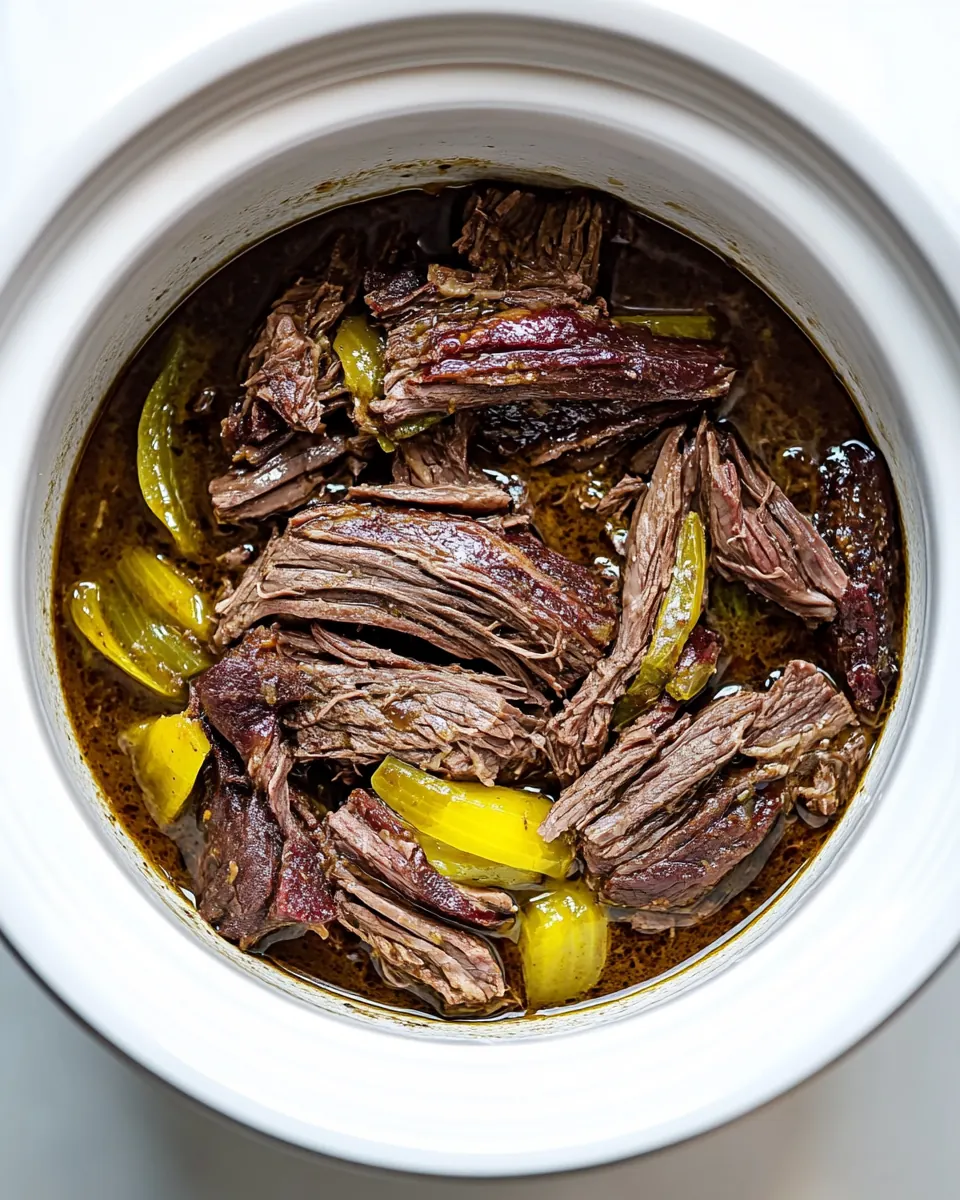
I like to think of the method as a short list of intentional moves that set the slow cooker up for success. There is a quick sear to build flavor, a tidy assembly to ensure even seasoning, and a patient long cook that transforms the roast. Below I break each direction into rich sensory detail so you know what to watch for at every stage.
- Pat the roast dry with paper towels. No need to season (there's a lot of salt in the seasoning mixes).: Start by feeling the surface of the beef chuck roast as you pat it dry, the meat should feel tacky but not wet; removing surface moisture is the key to getting a proper sear, because moisture prevents browning and promotes steaming instead. You should hear a faint slap as the paper towel pulls away dampness, and the roast will look slightly drier and take on a matte tone. This step matters because browning creates complex Maillard flavors that will deepen the entire dish, contributing savory, slightly sweet notes that you won't get from slow cooking alone. A common mistake is rushing this step and putting damp meat into the hot oil, which results in a pale surface and weaker flavor development. If the roast is very cold, let it rest at room temperature for 10 to 15 minutes after patting to promote even searing; avoid leaving it out longer than 30 minutes to maintain food safety.
- Heat olive oil in a large Dutch oven over medium-high heat. Once you can feel the heat when you hold your hand 6 inches above the pot, add the beef. Sear the beef for 5-7 minutes per side, until a crust forms and it releases easily from the pan.: When the olive oil shimmers and you can sense radiating heat, the pan is ready and will produce an audible sizzle as the meat meets the surface; that sound signals flavor forming. As the roast sears, watch for a deep mahogany color forming at the edges and a satisfying crust that releases cleanly when you lift the piece with tongs. Searing for 5 to 7 minutes per side is about building those layered flavors and locking in juices; the aroma will shift from raw to rich and roasted as sugars and proteins react. If you crowd the pan, the temperature drops and you risk steaming instead of browning, so work in batches if needed. Also avoid flipping too often, let each side develop a full crust before turning, and be patient if the meat momentarily sticks to the pan, it will release when properly browned.
- Transfer beef to the slow cooker along with pepperoncini liquid (1/2 cup). Sprinkle ranch mix and au jus mix evenly over the roast. Top with butter pieces and pepperoncini peppers. No need to add any other liquid.: As you move the seared roast into the slow cooker , notice the savory steam rising and the concentrated smell of caramelized meat combining with tangy pepperoncini brine; that contrast is what makes the final jus so compelling. Distribute the ranch seasoning mix and au jus gravy mix in a thin layer so each bite absorbs seasoning during the long cook, and scatter the butter in small pats to create pockets of richness that will melt into the juices. The 1/2 cup of pepperoncini brine is a clever source of acidity and salt, removing the need for extra stock while helping to break down connective tissue slowly. An easy trap here is dumping all the seasoning in one spot, which can lead to overconcentrated bites; take a moment to sprinkle evenly across the roast for balanced flavor.
- Cover and cook on low for 7–9 hours, or high for 5–7 hours, until the meat is very tender and easily shreds with 2 forks. (Low gives the best texture.): During the long simmer, you'll notice a slow, steady aroma filling the kitchen, evolving from meaty to almost buttery as fats render and the seasoning melds into the cooking liquid. The beef will gradually soften until a fork slides through the grain with almost no resistance, and the juices will deepen in color and viscosity as collagen becomes gelatin. Choosing low heat yields a finer, silkier texture because the proteins relax gently, while high heat accelerates the process but can produce slightly coarser strands. A frequent misstep is checking too often, which releases heat and lengthens cook time; resist peeking unless necessary. To test doneness, pull a small section with two forks, if it falls apart without effort you're ready. If the meat still resists, it needs more time rather than higher heat, because extended low heat will reward you with better mouthfeel.
- Remove roast, shred with two forks, discarding any excess fat. Return meat to the liquid in the crockpot and gently stir. Serve over mashed potatoes or on rolls with Provolone (see note 2).: When you lift the roast out, it should feel light and give under the forks; shredding releases a warm, savory steam that smells concentrated and comforting. Pull the meat along the grain into irregular ribbons, tossing out large, unrendered fat pieces so each forkful has a balanced meat to sauce ratio. Returning the shredded beef to the cooking liquid allows it to soak up the jus and reheat evenly, creating glossy, well coated strands. Stir gently so you don't mash the meat, and watch as the juices cling to the fibers, providing both moisture and flavor. A common oversight is leaving too much solid fat in the mix, which can feel greasy; skim or discard those pieces for a cleaner finish. Serve immediately over warm mashed potatoes or pile onto toasted rolls topped with melted Provolone cheese and spoon extra jus on the side for dipping, the contrast of textures will make each bite more satisfying.
Make It Your Own
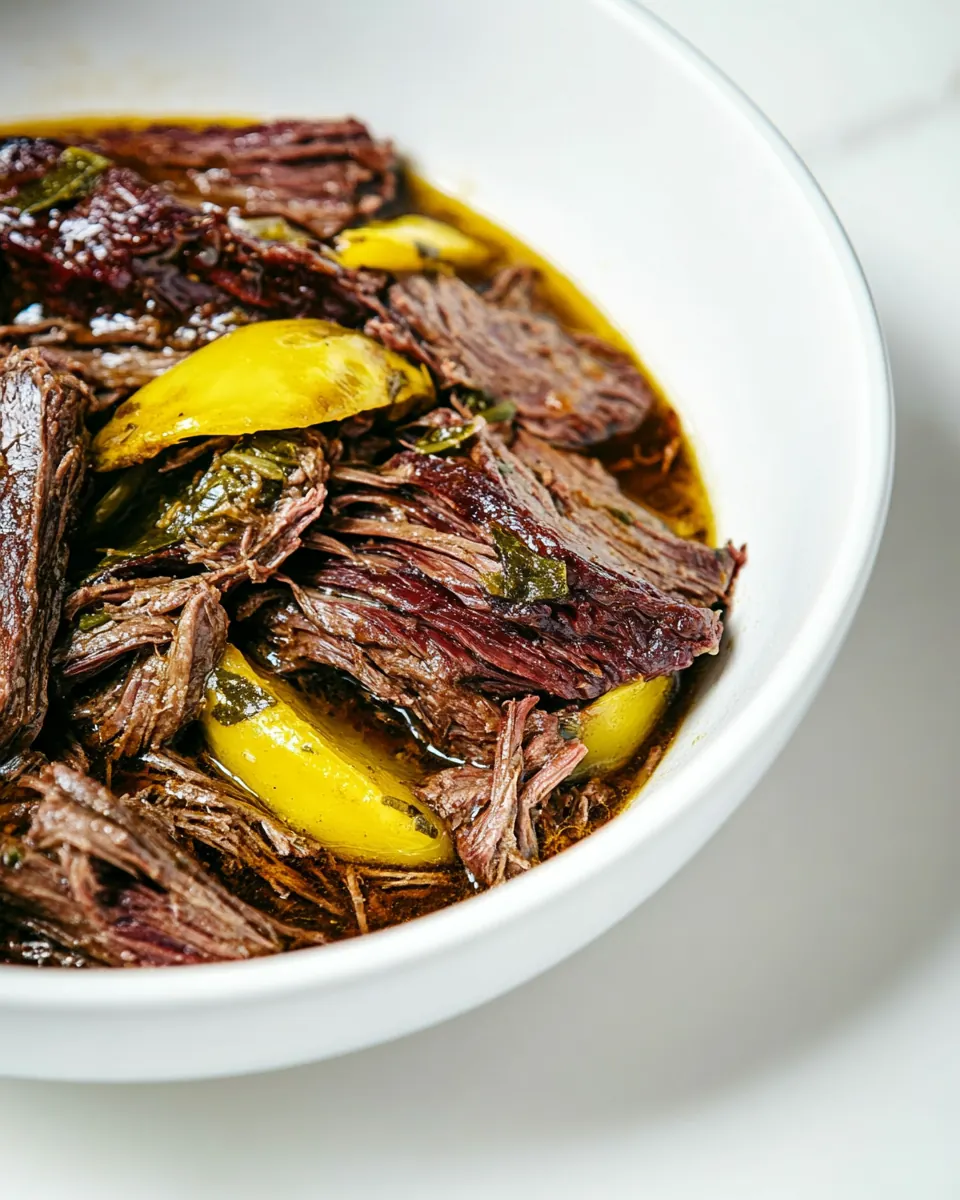
I love customizing Crockpot Mississippi Pot Roast to match the occasion or what’s in my pantry. Below are practical, tested tips I use to tailor texture, flavor, and serving style without changing the core recipe.
- Prep the meat properly. Pat the beef chuck roast dry and let it warm slightly at room temperature before searing to promote even browning and a deeper crust.
- Sear for depth. Take the time to sear each side in the hot olive oil until a dark crust forms, this adds rich, roasted notes that elevate the slow cooked flavor.
- Butter placement matters. Scatter the unsalted butter in small pats over the roast so it melts into the cooking liquid and adds silkiness without making the dish greasy.
- Distribute seasonings evenly. Sprinkle the ranch seasoning mix and au jus gravy mix across the roast rather than dumping them in one spot to prevent concentrated salty bites.
- Use the pepperoncini brine. The 1/2 cup of brine is a shortcut for acidity and helps break down collagen, just be cautious when adding extra liquid to maintain balanced seasoning.
- Choose low and slow when possible. Cooking on low for longer yields a more tender, silky texture than the high setting, especially for older or well marbled roasts.
- Shred and soak. After shredding the beef, return it to the juices so the meat absorbs the flavorful jus and stays moist for serving.
- Melt cheese under a broiler. For sandwiches, top shredded roast with Provolone cheese and broil briefly until just melted for a gooey, appealing finish.
- Serve with soakable sides. Pair the roast with mashed potatoes or crusty rolls to capture the rich jus and enhance mouthfeel.
- Store properly. Refrigerate leftovers in airtight containers for up to four days or freeze in portions for up to three months to keep flavor intact.
What to Serve Alongside Crockpot Mississippi Pot Roast
This roast pairs beautifully with comforting, soakable sides and simple green elements. Below are serving suggestions, occasion ideas, storage notes, and seasonal pairings to make the meal complete and memorable.
- Classic mashed potatoes. Creamy mashed potatoes are the traditional companion because they soak up the jus and provide a soft, buttery base for the roast, making each forkful rich and satisfying.
- Crusty sandwich rolls. Toasted crusty sandwich rolls with a smear of butter hold shredded roast and melted Provolone cheese perfectly, turning the meal into a handheld favorite for casual dinners or game day gatherings.
- Simple green salad for balance. A crisp, lightly dressed green salad offers a refreshing contrast to the rich roast, adding brightness and a textural counterpoint that refreshes the palate.
- Occasion ideas. This dish is ideal for relaxed weekend dinners, casual potlucks, and family gatherings where a hands off main course keeps the host available to guests, especially during colder months like winter when warm, hearty meals are most welcome.
- Storage and reheating. Store leftovers in airtight containers in the fridge for up to four days; reheat gently in a skillet over medium low heat so the meat warms evenly and the jus reduces slightly to intensify flavor.
- Freezing tips. Portion the shredded roast with some cooking liquid and freeze for up to three months; thaw overnight in the fridge and reheat in a skillet or in a covered baking dish at low oven temperature to preserve texture.
- Seasonal pairings. In colder seasons, serve with roasted root vegetables and buttery mashed potatoes, while in milder months opt for a bright salad and crusty rolls to keep the meal approachable.
- Presentation. For sandwiches, broil assembled rolls briefly to melt Provolone cheese and finish with a drizzle of reserved jus for dipping, which makes the dish feel indulgent and communal.
- Portioning for guests. Plan roughly 1/2 pound of raw roast per person for hearty servings, which generally yields abundant shredded meat when cooked and shredded.
- Serving temperatures. Serve hot straight from the crockpot or reheat until warm throughout; allowing the roast to cool slightly before serving will let the juices redistribute for a less runny plating experience.
FAQ
Conclusion
This version of Crockpot Mississippi Pot Roast stands out because it turns a few simple pantry items into a deeply flavored, tender main with minimal fuss. The pairing of seasoning mixes, pepperoncini brine, and gentle slow cooking produces meat that shreds beautifully and a jus that brings everything together. If you like meals that feel homey but aren’t high maintenance, this roast is a dependable choice. Give it a try on a busy day when you want a satisfying dinner with hands off cooking and a rewarding finish.
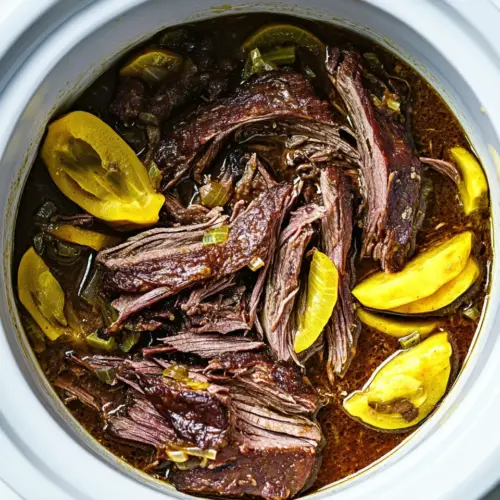
Crockpot Mississippi Pot Roast
Equipment
- 6-quart Crock-Pot
- 6-quart or larger
- Dutch oven or heavy-bottomed pot
Ingredients
- 2 tablespoons olive oil Heat and lubricate the pan or slow cooker by helping to sear the roast before slow cooking; adds a light, fruity flavor and helps prevent sticking. Use measured tablespoons to control fat content and ensure even browning without overwhelming the dish.
- 3 pounds beef chuck roast Provide the rich, marbled centerpiece of the recipe that becomes tender and shreddable after slow cooking; supplies beefy flavor and connective tissue that breaks down into gelatin. Choose a chuck roast for its balance of fat and meat, which yields moist, succulent results when cooked low and slow.
- 1 (1-ounce) ranch seasoning mix see note 1 Season the roast with a savory, herby powdered blend to impart tangy, creamy ranch flavors into the cooking liquid; helps build an umami-forward profile and complements the gravy mix. Sprinkle evenly over the meat to ensure consistent seasoning throughout the finished dish.
- 1 (1-ounce) au jus gravy mix Contribute concentrated beefy, savory base notes and mouth-coating gravy flavor that mixes with juices to create a rich sauce; intensifies overall depth and provides comfort-food familiarity. Add directly to the pot so its powdered components dissolve into the cooking liquid and thicken slightly.
- 4 tablespoons unsalted butter Melt into the braising liquid to create pockets of rich, silky butter that baste the meat and enrich the sauce; adds a smooth mouthfeel and boosts flavor without competing with the seasonings. Place on top of the roast so it slowly liquefies during slow cooking, coating the meat.
- 10 pepperoncini peppers plus 1/2 cup of brine/surrounding liquid Introduce bright, tangy, slightly spicy pickled peppers and their salty brine to brighten and tenderize the roast; provide acidity that balances the rich meat and butter while contributing characteristic Mississippi roast flavor. Add the specified number of whole peppers and measured brine to evenly distribute their briny heat through the cooking liquid.
- Mashed potatoes or crusty sandwich rolls, for serving (see note 2) Serve as starchy accompaniments that soak up the flavorful cooking juices and provide contrasting texture; mashed potatoes offer creaminess while crusty rolls make hearty sandwiches. Keep as optional serving suggestions to present the roast in classic, comforting ways and to absorb the sauce effectively.
- Provolone cheese for serving, if making sandwiches Melt over shredded roast when assembling sandwiches to add a mild, creamy, slightly tangy cheese layer that enhances richness and helps bind fillings. Offer as an optional finishing element for those preparing the meat on rolls to create gooey, deli-style sandwiches.
Instructions
- Pat the roast dry with paper towels. No need to season (there's a lot of salt in the seasoning mixes).: Start by feeling the surface of the beef chuck roast as you pat it dry, the meat should feel tacky but not wet; removing surface moisture is the key to getting a proper sear, because moisture prevents browning and promotes steaming instead. You should hear a faint slap as the paper towel pulls away dampness, and the roast will look slightly drier and take on a matte tone. This step matters because browning creates complex Maillard flavors that will deepen the entire dish, contributing savory, slightly sweet notes that you won't get from slow cooking alone. A common mistake is rushing this step and putting damp meat into the hot oil, which results in a pale surface and weaker flavor development. If the roast is very cold, let it rest at room temperature for 10 to 15 minutes after patting to promote even searing; avoid leaving it out longer than 30 minutes to maintain food safety.
- Heat olive oil in a large Dutch oven over medium-high heat. Once you can feel the heat when you hold your hand 6 inches above the pot, add the beef. Sear the beef for 5-7 minutes per side, until a crust forms and it releases easily from the pan.: When the olive oil shimmers and you can sense radiating heat, the pan is ready and will produce an audible sizzle as the meat meets the surface; that sound signals flavor forming. As the roast sears, watch for a deep mahogany color forming at the edges and a satisfying crust that releases cleanly when you lift the piece with tongs. Searing for 5 to 7 minutes per side is about building those layered flavors and locking in juices; the aroma will shift from raw to rich and roasted as sugars and proteins react. If you crowd the pan, the temperature drops and you risk steaming instead of browning, so work in batches if needed. Also avoid flipping too often, let each side develop a full crust before turning, and be patient if the meat momentarily sticks to the pan, it will release when properly browned.
- Transfer beef to the slow cooker along with pepperoncini liquid (1/2 cup). Sprinkle ranch mix and au jus mix evenly over the roast. Top with butter pieces and pepperoncini peppers. No need to add any other liquid.: As you move the seared roast into the slow cooker , notice the savory steam rising and the concentrated smell of caramelized meat combining with tangy pepperoncini brine; that contrast is what makes the final jus so compelling. Distribute the ranch seasoning mix and au jus gravy mix in a thin layer so each bite absorbs seasoning during the long cook, and scatter the butter in small pats to create pockets of richness that will melt into the juices. The 1/2 cup of pepperoncini brine is a clever source of acidity and salt, removing the need for extra stock while helping to break down connective tissue slowly. An easy trap here is dumping all the seasoning in one spot, which can lead to overconcentrated bites; take a moment to sprinkle evenly across the roast for balanced flavor.
- Cover and cook on low for 7–9 hours, or high for 5–7 hours, until the meat is very tender and easily shreds with 2 forks. (Low gives the best texture.): During the long simmer, you'll notice a slow, steady aroma filling the kitchen, evolving from meaty to almost buttery as fats render and the seasoning melds into the cooking liquid. The beef will gradually soften until a fork slides through the grain with almost no resistance, and the juices will deepen in color and viscosity as collagen becomes gelatin. Choosing low heat yields a finer, silkier texture because the proteins relax gently, while high heat accelerates the process but can produce slightly coarser strands. A frequent misstep is checking too often, which releases heat and lengthens cook time; resist peeking unless necessary. To test doneness, pull a small section with two forks, if it falls apart without effort you're ready. If the meat still resists, it needs more time rather than higher heat, because extended low heat will reward you with better mouthfeel.
- Remove roast, shred with two forks, discarding any excess fat. Return meat to the liquid in the crockpot and gently stir. Serve over mashed potatoes or on rolls with Provolone (see note 2).: When you lift the roast out, it should feel light and give under the forks; shredding releases a warm, savory steam that smells concentrated and comforting. Pull the meat along the grain into irregular ribbons, tossing out large, unrendered fat pieces so each forkful has a balanced meat to sauce ratio. Returning the shredded beef to the cooking liquid allows it to soak up the jus and reheat evenly, creating glossy, well coated strands. Stir gently so you don't mash the meat, and watch as the juices cling to the fibers, providing both moisture and flavor. A common oversight is leaving too much solid fat in the mix, which can feel greasy; skim or discard those pieces for a cleaner finish. Serve immediately over warm mashed potatoes or pile onto toasted rolls topped with melted Provolone cheese and spoon extra jus on the side for dipping, the contrast of textures will make each bite more satisfying.
Notes
- Prep the meat properly. Pat the beef chuck roast dry and let it warm slightly at room temperature before searing to promote even browning and a deeper crust.
- Sear for depth. Take the time to sear each side in the hot olive oil until a dark crust forms, this adds rich, roasted notes that elevate the slow cooked flavor.
- Butter placement matters. Scatter the unsalted butter in small pats over the roast so it melts into the cooking liquid and adds silkiness without making the dish greasy.
- Distribute seasonings evenly. Sprinkle the ranch seasoning mix and au jus gravy mix across the roast rather than dumping them in one spot to prevent concentrated salty bites.
- Use the pepperoncini brine. The 1/2 cup of brine is a shortcut for acidity and helps break down collagen, just be cautious when adding extra liquid to maintain balanced seasoning.
- Choose low and slow when possible. Cooking on low for longer yields a more tender, silky texture than the high setting, especially for older or well marbled roasts.
- Shred and soak. After shredding the beef, return it to the juices so the meat absorbs the flavorful jus and stays moist for serving.
- Melt cheese under a broiler. For sandwiches, top shredded roast with Provolone cheese and broil briefly until just melted for a gooey, appealing finish.
- Serve with soakable sides. Pair the roast with mashed potatoes or crusty rolls to capture the rich jus and enhance mouthfeel.
- Store properly. Refrigerate leftovers in airtight containers for up to four days or freeze in portions for up to three months to keep flavor intact.
