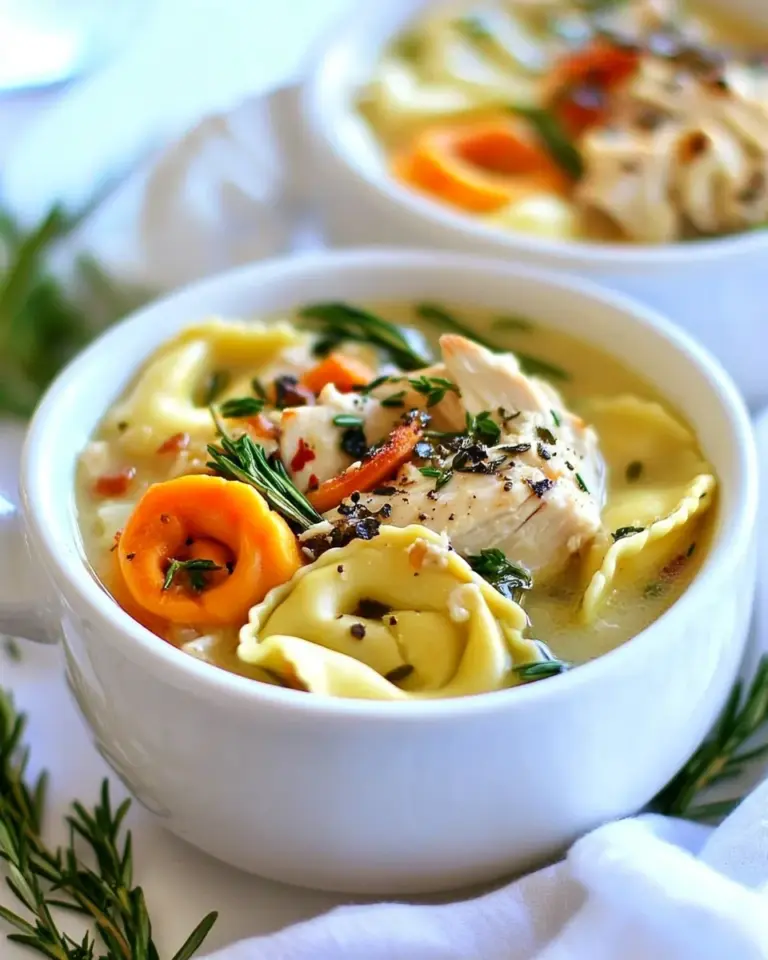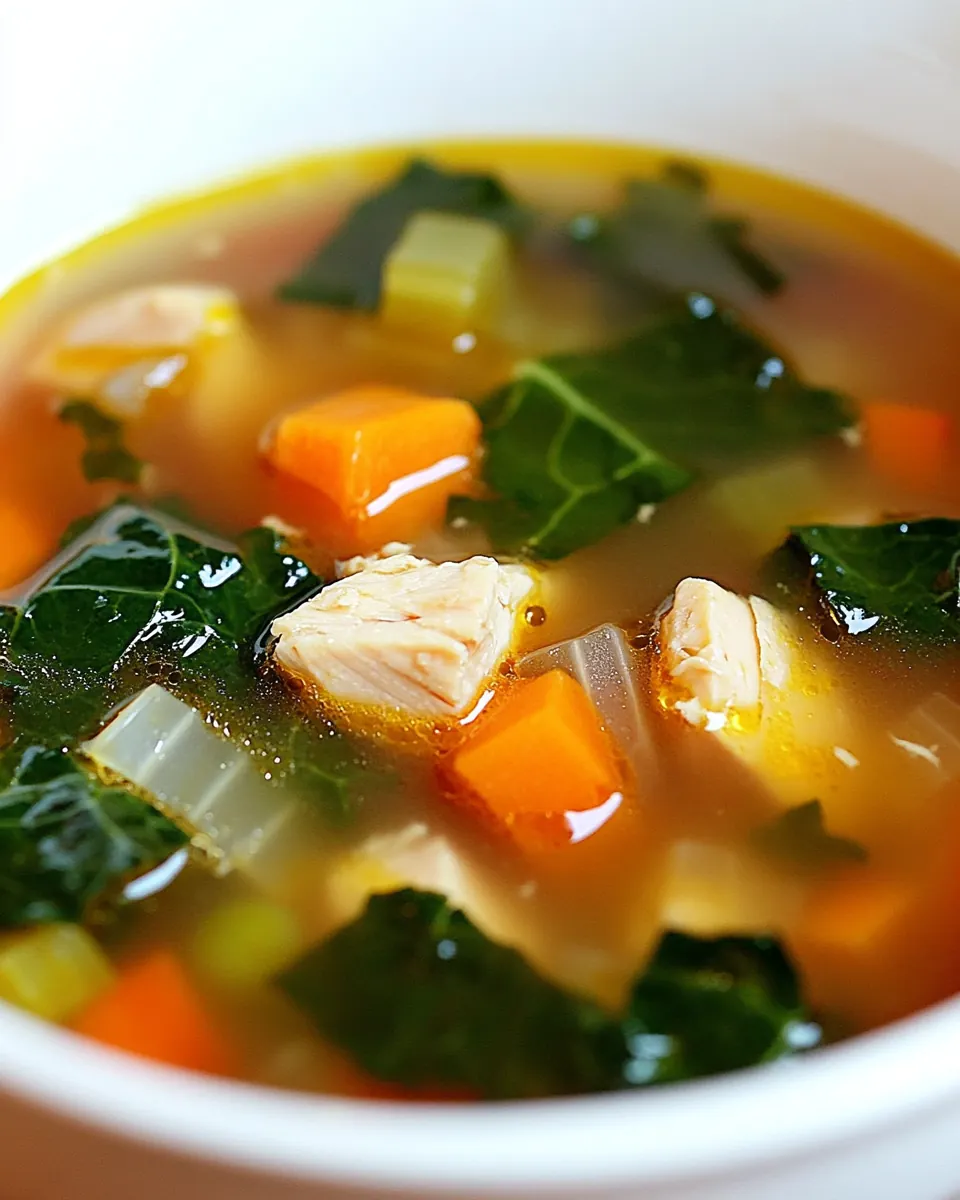
Detox Chicken Kale Soup
Detox Chicken Kale Soup is the kind of bowl I reach for when I want something that feels both nurturing and bright. The first time I made it, I was coming off a week of takeout dinners and heavy meetings, and I needed food that would wake up my palate without weighing me down. I remember the steam fogging my glasses as I stirred the pot, the green of the kale catching the light, and the way the tiny crackle of sautéing garlic promised comfort.
Over the years I’ve built a routine around this recipe because it is forgiving and honest. I like to chop a few extra carrots when I have time, and sometimes I leave the chicken in larger chunks so it feels more rustic. Friends often ask for the recipe after tasting it, and I always tell them that it is less about exact measurements and more about balance, but it still rewards attention to simple techniques. Every spoonful feels like a reset.
When I serve Detox Chicken Kale Soup I usually let it sit for a few minutes so the flavors settle, and that pause gives the broth a chance to become calmer and more cohesive. I can never resist that final fleck of parsley on top, the color lift it brings feels deliberate. Making this soup has become my quiet ritual for winding down a busy day, and it consistently brings people to the table faster than I expect.
Recipe Snapshot
25 mins
10 mins
15 mins
Medium
250 kcal
American
Paleo, Whole30
Soups
Large pot, Knife, Cutting board, Wooden spoon
What You’ll Enjoy About This Detox Chicken Kale Soup
Comfort without heaviness
I love how Detox Chicken Kale Soup manages to feel soothing without being dense. The broth is clear and nourishing, and yet the tender pieces of chicken and chopped kale give the bowl substance. For me, it is a perfect late winter companion when I want warmth and lightness in the same spoon.
Simple pantry friendly ingredients
This recipe relies on staples I almost always have on hand, like onion, garlic, and carrots. That makes it ideal for a last minute, wholesome meal. I often find that the modest list is what makes this soup practical for weeknights, because you can pull it together quickly without a special trip to the store.
Customizable for taste and mood
I often tweak the aromatics or the amount of kale depending on what I am craving. Sometimes I add a pinch of ground ginger for warmth, sometimes a squeeze of lemon to brighten the broth. Those small switches transform the bowl while keeping the base comforting, and I appreciate how adaptable it is for different palates.
Healthy, but satisfying
There is a satisfying texture contrast between the soft, cooked carrots and the fibrous kale, while the chicken supplies lean protein. I find it fills me up without leaving me sluggish, which is why I turn to it when I want a nourishing meal that still feels light.
Quick to make, great for leftovers
The whole pot comes together quickly, and the flavor actually deepens the next day. I love that I can make a batch and have lunch ready for two days. Reheating is easy and the soup keeps beautifully in the fridge, which makes it an efficient, comforting option when time is tight.
Key Ingredients for Detox Chicken Kale Soup
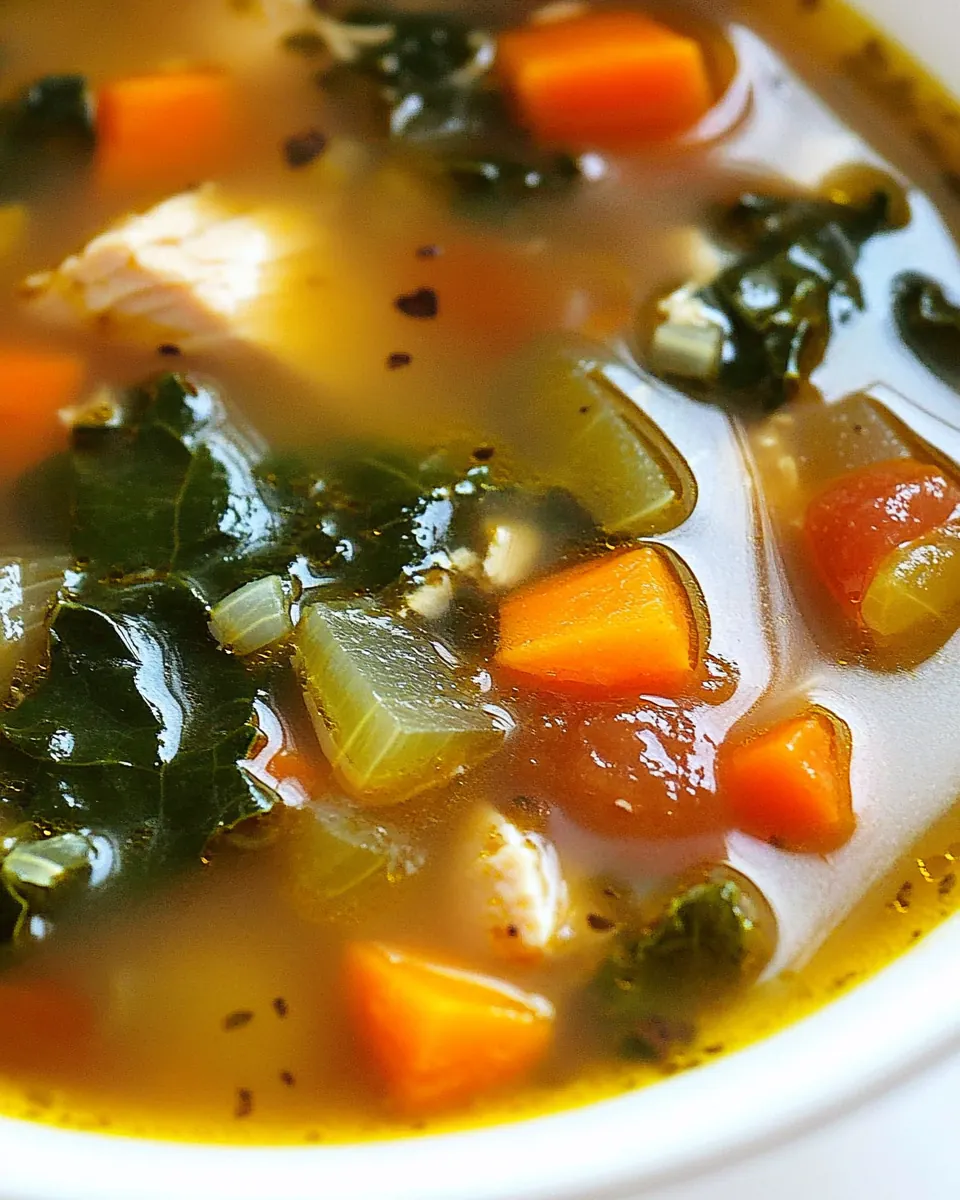
These ingredients are chosen to create a clear, flavorful broth with a balance of aromatics, protein, and greens. The cooking relies on a few key players that each bring texture and taste, and together they form a nourishing, cohesive bowl.
- 1 tablespoon extra virgin olive oil: Sauté in oil to build a flavorful cooking base, using its mild fruitiness to carry aromatics and tenderize vegetables while adding healthy monounsaturated fats to the soup.
- 1 large white onion diced: Dice finely to release natural sweetness and texture, allowing the pieces to soften and meld with other aromatics for a rich and savory foundation.
- 4 cloves garlic crushed: Crush and briefly cook to bloom pungent garlic oils, contributing depth, warmth, and aromatic complexity that complements the onion and herbs.
- 2 medium carrots diced: Dice into bite-sized pieces so they soften evenly and contribute natural sweetness, body, and nutrients that enhance the soup's heartiness.
- 2 stalks celery diced: Dice uniformly to provide subtle vegetal flavor, aromatic depth, and a pleasant textural contrast while helping to create a balanced mirepoix base.
- 1 lb . organic boneless chicken breasts cubed: Cube and sear until lightly browned to develop savory Maillard flavors, then simmer to become tender protein that enriches the broth with collagen and substance.
- 5 cups organic chicken stock: Simmer as the liquid medium to concentrate flavors from ingredients, supplying savory depth, electrolytes, and a comforting base for the soup.
- 3 4 handfuls fresh kale ribs removed and roughly chopped: Roughly chop and add near the end to provide earthy, slightly bitter greens that retain texture and vitamins, balancing the richness of the broth and chicken.
- 2 teaspoons ground ginger (optional): Sprinkle ground ginger to introduce warm, zesty notes and digestive-supporting compounds that brighten the overall flavor profile when used optionally.
- 1 teaspoon fresh lemon juice more to taste (optional): Squeeze fresh lemon juice to add brightness and acidity, lifting flavors and enhancing perceived freshness when included to taste.
- 1/2 teaspoons ea salt more to taste: Season with salt to enhance and balance flavors, using sparingly at first and adjusting to taste to avoid oversalting the finished soup.
- 1/2 teaspoon ground pepper more to taste: Grind in pepper to add subtle heat and aromatic bite, adjusting quantity to personal preference to complement the other seasonings.
- 1 tablespoon parsley roughly chopped for garnish: Roughly chop parsley and use as a garnish to add fresh herbal brightness, color contrast, and a final aromatic lift to the finished bowl.
Instructions for Detox Chicken Kale Soup
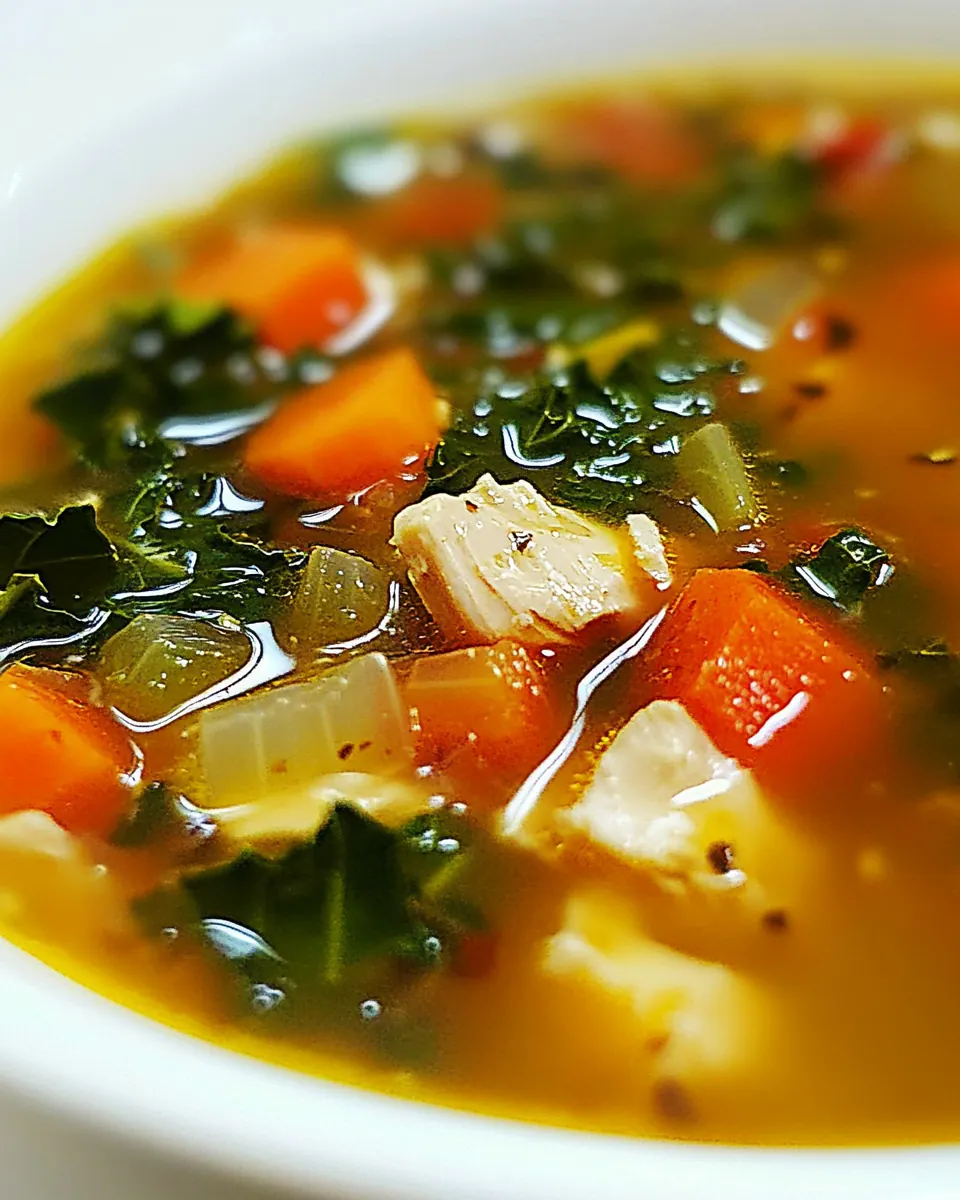
This recipe moves through a few simple stages, from building aromatics to cooking the chicken and finishing with the kale. Follow these steps and you will end up with a clear, flavorful broth and tender, well seasoned ingredients.
- In a large pot over medium-low heat, heat oil.: The moment the oil warms, it will start to scent the air with a gentle fruity aroma, signaling the pan is ready. You should see a subtle shimmer on the oil surface without any smoke, and when a tiny piece of onion sizzles lightly, the temperature is right. This initial step matters because it creates a medium for the aromatics to release their flavors. A common mistake is overheating the oil which leads to bitter notes, so keep the flame steady and patient.
- Add in onion and garlic and sauté for one minute.: As the onion hits the warm oil, you will hear a soft sizzling and notice the edges becoming glossy. Within about a minute the crushed garlic will start to perfume the pan, releasing warm, toasty aromas. This quick sauté softens the raw edge of the garlic and begins the flavor base. Avoid browning the garlic here, because burnt garlic brings an acrid taste that cannot be rescued.
- Add in carrots and celery. Sauté for five minutes, until onion is translucent.: The carrots and celery will add color and a faint crunch as they heat. Over the five minutes you will hear a gentle increase in sizzle, and the pan will smell sweeter as the vegetables soften. The visual cue is a translucent onion and slightly softened carrots, indicating the base is ready. A typical error is rushing this step at too high heat, which can brown instead of soften, changing the intended bright flavor.
- Pat chicken dry and season generously with salt and pepper.: Drying the chicken removes surface moisture so it can brown slightly when it hits the pan, improving texture and sealing in juices. Seasoning now ensures salt penetrates the outer layer for even flavor, and freshly ground pepper adds a little aromatic heat. If the pieces are wet, they will steam rather than sear, leading to a less appealing texture, so pat thoroughly with paper towel.
- Once onion is translucent, add in chicken and sauté until chicken is opaque and fully cooked through. Should take about 8-10 minutes. Stir occasionally.: As the chicken cooks you will notice the meat turning from glossy raw to an opaque, pale color and small juices may bead on the surface before they run clear. The sound shifts from energetic sizzle to a gentler hiss as moisture reduces. This technique produces tender pieces that absorb the broth flavors. Overcooking is the most common pitfall here, so check for firmness and opaque centers to avoid dryness.
- Pour in chicken stock and season with salt, pepper, ginger and lemon juice if using.: When the warm chicken stock joins the pot it will steam and bring all the browned bits into suspension, enriching the broth. The aromatics will bloom and you should smell a rounded, savory steam rising. Adding optional ground ginger and a touch of lemon juice introduces depth and brightness, but add sparingly then taste, because too much acid or spice can dominate the soup. Stir to integrate and let the pot come together.
- Add in kale.: The kale will initially seem large and unruly, but as it hits the hot broth it wilts quickly, shrinking and taking on a glossy sheen. The leaves release vegetal aromas and also slightly thicken the broth with their natural fibers. Add them near the end to maintain a pleasant chew and vibrant color, because overcooking will make them limp and dull.
- Bring to a boil over high heat. Turn heat down to low and let simmer for 15 minutes. Taste and adjust seasoning as desired.: You will see lively rolling bubbles when the pot reaches a boil, and you should then reduce the heat so the surface calms to a gentle shimmer. The simmer allows flavors to marry without losing clarity, and a 15 minute gentle cooking helps the vegetables fully tenderize while keeping the broth bright. A common misstep is keeping the pot at a hard boil, which can aggressively reduce the stock and concentrate salt, so monitor the heat carefully.
- Taste and adjust seasoning as desired: The final tasting is where the soup comes alive, because the flavors have had time to meld and you can sense what is missing. Look for balance between salt, pepper, and any brightness from lemon juice or warmth from ginger . Add small increments of seasoning and stir, then wait a minute to re-taste. Over-salting is the most frequent error at this stage, so proceed with restraint and correct gradually.
Tips and Tricks about Detox Chicken Kale Soup
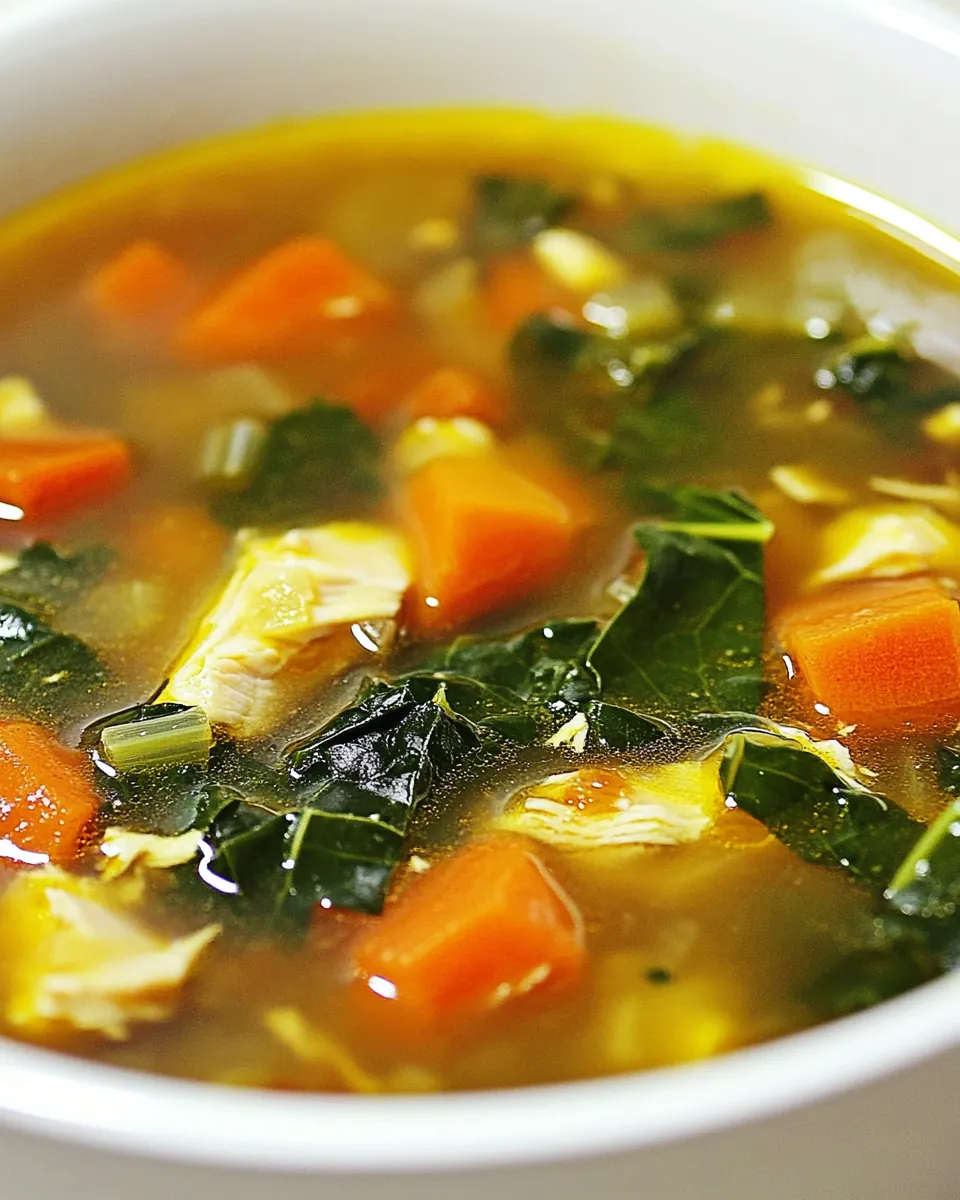
This soup benefits from small, intentional choices that enhance flavor and texture. Below are practical tips I use every time to get consistent results and make the process easier.
- Choose a good quality stock A flavorful chicken stock elevates the soup more than any single vegetable, so if possible use an organic or homemade stock. Its depth will make the final bowl taste richer and more satisfying without adding extra fat.
- Keep aromatics gentle Sauté onion and garlic on medium low heat to coax sweetness rather than brown them quickly. A slow, patient sauté builds a clean base and prevents bitter notes from burnt garlic.
- Uniform chopping Dice the carrots and celery evenly so they cook at the same rate. This small step ensures you do not end up with some pieces too soft and others underdone, producing a consistent mouthfeel in every spoonful.
- Trim kale ribs Remove tough ribs from the kale because they remain fibrous even after simmering. The leaves wilt quickly and provide pleasant texture, while ribs can be chewy and distracting.
- Season gradually Because the stock contributes salt, add seasoning in stages and taste at the end. This lets you find the right balance without needing to dilute an over salted pot later.
Perfect Pairings for Detox Chicken Kale Soup
This soup is versatile and pairs well with light accompaniments and specific occasions. Below I outline serving ideas, storage tips, and occasions where this bowl truly shines.
- Light grain side Serve with a small bowl of warm quinoa or brown rice to turn the soup into a heartier meal for lunch or dinner. The grains add substance while keeping the overall plate balanced and wholesome.
- Fresh bread Offer a slice of whole grain or a crusty baguette for dipping, which complements the clear broth and soaks up the flavors without overpowering the bowl. It makes the meal feel more comforting on cool evenings.
- Occasions This recipe is ideal for weeknight dinners, light lunches, or when you want something restorative during cold weather. It also works well during fasting seasons when you need a gentle, nourishing option to break a fast.
- Storage tips Store leftovers in an airtight container in the refrigerator for up to three days. When reheating, warm gently on low heat to avoid overcooking the kale and to preserve texture and bright color.
- Seasonal pairing In winter the soup’s warmth and bright green kale add freshness, and you can pair it with a simple citrus salad for contrast. The combination of warm broth and crisp salad is especially satisfying when seasons shift.
- Serving style Ladle into warmed bowls and finish with the chopped parsley for an herbal lift. Serve with a small spoonful of lemon on the side for guests who want extra brightness.
FAQ
Conclusion
This recipe stands out because it blends simple ingredients into a clean, nourishing bowl that feels both restorative and satisfying. Try making it when you want a fuss free, healthful meal that still comforts like homemade cooking. Sharing it with friends or saving a portion for later makes it a practical, feel good choice any night of the week, and I hope it becomes one of your go to soups for steady, cozy meals.
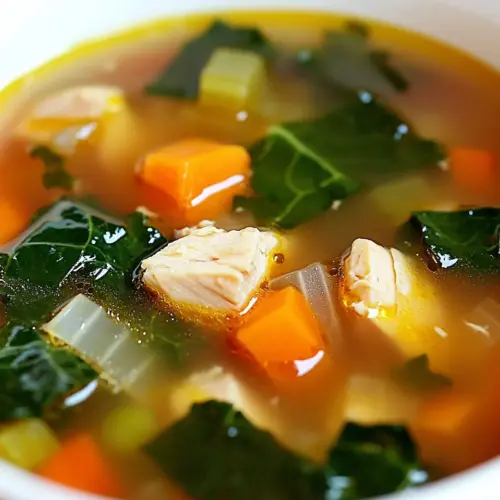
Detox Chicken Kale Soup
Equipment
- Large Pot
- Knife
- Cutting Board
- Wooden Spoon
Ingredients
- 1 tablespoon extra virgin olive oil Sauté in oil to build a flavorful cooking base, using its mild fruitiness to carry aromatics and tenderize vegetables while adding healthy monounsaturated fats to the soup.
- 1 large white onion diced Dice finely to release natural sweetness and texture, allowing the pieces to soften and meld with other aromatics for a rich and savory foundation.
- 4 cloves garlic crushed Crush and briefly cook to bloom pungent garlic oils, contributing depth, warmth, and aromatic complexity that complements the onion and herbs.
- 2 medium carrots diced Dice into bite-sized pieces so they soften evenly and contribute natural sweetness, body, and nutrients that enhance the soup's heartiness.
- 2 stalks celery diced Dice uniformly to provide subtle vegetal flavor, aromatic depth, and a pleasant textural contrast while helping to create a balanced mirepoix base.
- 1 lb . organic boneless chicken breasts cubed Cube and sear until lightly browned to develop savory Maillard flavors, then simmer to become tender protein that enriches the broth with collagen and substance.
- 5 cups organic chicken stock Simmer as the liquid medium to concentrate flavors from ingredients, supplying savory depth, electrolytes, and a comforting base for the soup.
- 3 -4 handfuls fresh kale ribs removed and roughly chopped Roughly chop and add near the end to provide earthy, slightly bitter greens that retain texture and vitamins, balancing the richness of the broth and chicken.
- Optional: 2 teaspoons ground ginger Sprinkle ground ginger to introduce warm, zesty notes and digestive-supporting compounds that brighten the overall flavor profile when used optionally.
- Optional: 1 teaspoon fresh lemon juice more to taste Squeeze fresh lemon juice to add brightness and acidity, lifting flavors and enhancing perceived freshness when included to taste.
- 1/2 teaspoons ea salt more to taste Season with salt to enhance and balance flavors, using sparingly at first and adjusting to taste to avoid oversalting the finished soup.
- 1/2 teaspoon ground pepper more to taste Grind in pepper to add subtle heat and aromatic bite, adjusting quantity to personal preference to complement the other seasonings.
- 1 tablespoon parsley roughly chopped for garnish Roughly chop parsley and use as a garnish to add fresh herbal brightness, color contrast, and a final aromatic lift to the finished bowl.
Instructions
- In a large pot over medium-low heat, heat oil.: The moment the oil warms, it will start to scent the air with a gentle fruity aroma, signaling the pan is ready. You should see a subtle shimmer on the oil surface without any smoke, and when a tiny piece of onion sizzles lightly, the temperature is right. This initial step matters because it creates a medium for the aromatics to release their flavors. A common mistake is overheating the oil which leads to bitter notes, so keep the flame steady and patient.
- Add in onion and garlic and sauté for one minute.: As the onion hits the warm oil, you will hear a soft sizzling and notice the edges becoming glossy. Within about a minute the crushed garlic will start to perfume the pan, releasing warm, toasty aromas. This quick sauté softens the raw edge of the garlic and begins the flavor base. Avoid browning the garlic here, because burnt garlic brings an acrid taste that cannot be rescued.
- Add in carrots and celery. Sauté for five minutes, until onion is translucent.: The carrots and celery will add color and a faint crunch as they heat. Over the five minutes you will hear a gentle increase in sizzle, and the pan will smell sweeter as the vegetables soften. The visual cue is a translucent onion and slightly softened carrots, indicating the base is ready. A typical error is rushing this step at too high heat, which can brown instead of soften, changing the intended bright flavor.
- Pat chicken dry and season generously with salt and pepper.: Drying the chicken removes surface moisture so it can brown slightly when it hits the pan, improving texture and sealing in juices. Seasoning now ensures salt penetrates the outer layer for even flavor, and freshly ground pepper adds a little aromatic heat. If the pieces are wet, they will steam rather than sear, leading to a less appealing texture, so pat thoroughly with paper towel.
- Once onion is translucent, add in chicken and sauté until chicken is opaque and fully cooked through. Should take about 8-10 minutes. Stir occasionally.: As the chicken cooks you will notice the meat turning from glossy raw to an opaque, pale color and small juices may bead on the surface before they run clear. The sound shifts from energetic sizzle to a gentler hiss as moisture reduces. This technique produces tender pieces that absorb the broth flavors. Overcooking is the most common pitfall here, so check for firmness and opaque centers to avoid dryness.
- Pour in chicken stock and season with salt, pepper, ginger and lemon juice if using.: When the warm chicken stock joins the pot it will steam and bring all the browned bits into suspension, enriching the broth. The aromatics will bloom and you should smell a rounded, savory steam rising. Adding optional ground ginger and a touch of lemon juice introduces depth and brightness, but add sparingly then taste, because too much acid or spice can dominate the soup. Stir to integrate and let the pot come together.
- Add in kale.: The kale will initially seem large and unruly, but as it hits the hot broth it wilts quickly, shrinking and taking on a glossy sheen. The leaves release vegetal aromas and also slightly thicken the broth with their natural fibers. Add them near the end to maintain a pleasant chew and vibrant color, because overcooking will make them limp and dull.
- Bring to a boil over high heat. Turn heat down to low and let simmer for 15 minutes. Taste and adjust seasoning as desired.: You will see lively rolling bubbles when the pot reaches a boil, and you should then reduce the heat so the surface calms to a gentle shimmer. The simmer allows flavors to marry without losing clarity, and a 15 minute gentle cooking helps the vegetables fully tenderize while keeping the broth bright. A common misstep is keeping the pot at a hard boil, which can aggressively reduce the stock and concentrate salt, so monitor the heat carefully.
- Taste and adjust seasoning as desired: The final tasting is where the soup comes alive, because the flavors have had time to meld and you can sense what is missing. Look for balance between salt, pepper, and any brightness from lemon juice or warmth from ginger . Add small increments of seasoning and stir, then wait a minute to re-taste. Over-salting is the most frequent error at this stage, so proceed with restraint and correct gradually.
Notes
- Choose a good quality stock A flavorful chicken stock elevates the soup more than any single vegetable, so if possible use an organic or homemade stock. Its depth will make the final bowl taste richer and more satisfying without adding extra fat.
- Keep aromatics gentle Sauté onion and garlic on medium low heat to coax sweetness rather than brown them quickly. A slow, patient sauté builds a clean base and prevents bitter notes from burnt garlic.
- Uniform chopping Dice the carrots and celery evenly so they cook at the same rate. This small step ensures you do not end up with some pieces too soft and others underdone, producing a consistent mouthfeel in every spoonful.
- Trim kale ribs Remove tough ribs from the kale because they remain fibrous even after simmering. The leaves wilt quickly and provide pleasant texture, while ribs can be chewy and distracting.
- Season gradually Because the stock contributes salt, add seasoning in stages and taste at the end. This lets you find the right balance without needing to dilute an over salted pot later.