Roasted Garlic and Parsnip Soup
Roasted Garlic and Parsnip Soup landed in my kitchen on a raw winter evening when I needed something soothing, bright, and a little bit unexpected. I had a basket of knobbly parsnips that looked lonely, a head of garlic that had an aromatic power I could almost taste, and a lemon on the counter that promised lift. I roasted the garlic until it turned caramel soft, which changed the whole vibe of the soup from ordinary to utterly comforting.
That night I learned how a few simple moves can make a bowl sing. Roasting the garlic concentrates its sweetness, which plays beautifully against the earthy bite of the parsnips. The finishing sage lemon butter adds a silky, herb kissed brightness that cuts through the creaminess. It felt like a small magic trick that I wanted to share with anyone craving warmth that feels sophisticated but not fussy.
I remember serving this to friends who expected plain soup and ended up asking for seconds, and that response convinced me to keep this recipe in my rotation. The texture is lush but not heavy, and the notes of roasted garlic and citrus keep it feeling fresh even on the coldest day. If you treat yourself to this bowl, you will get savory depth, velvety mouthfeel, and a crisp herb finish that lingers in the best possible way.
Recipe Snapshot
1 hr 30 mins
15 mins
75 mins
Medium
300 kcal
American
Gluten-Free, Low FODMAP
Soups
Oven, Baking sheet, Foil, Large saucepan, Hand blender, Frying pan, Slotted spoon
Why This Roasted Garlic and Parsnip Soup Works
Soul warming flavor with modest effort
I love this Roasted Garlic and Parsnip Soup because it feels like a gift for when you need dinner and comfort at once. Roasting the garlic transforms it into a sweet, mellow presence that carries the entire dish without overpowering the other elements.
Elegant texture that still feels homey
When I blend the cooked parsnips with cream and stock, the result is creamy and luxurious, yet the recipe never feels heavy. The addition of a touch of lemon juice brightens the bowl so it does not sit cloying on the palate, which I always appreciate.
Contrast that keeps every spoonful interesting
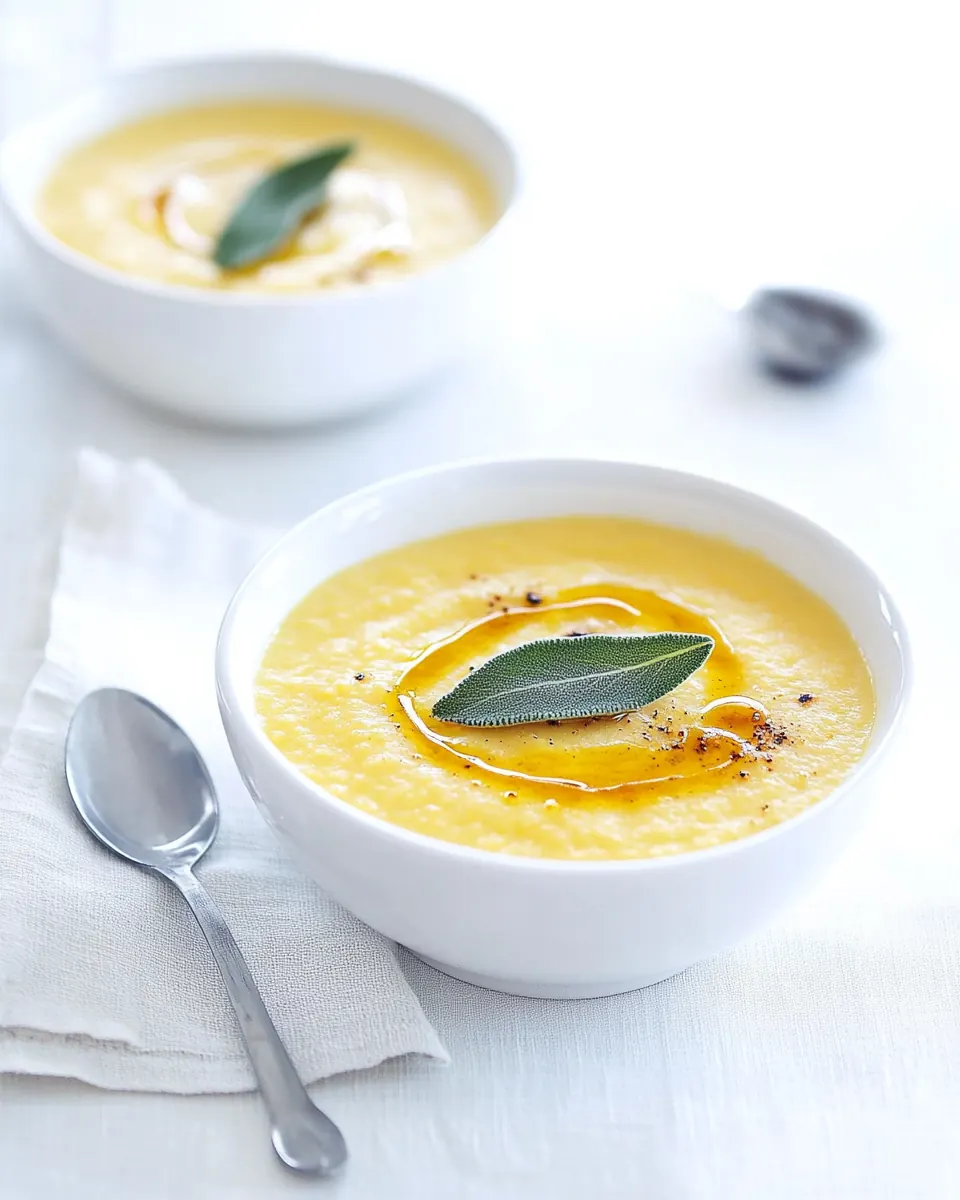
The crisp sage leaves and lemon butter drizzle introduce texture and an herbaceous snap that contrasts with the silky soup. I like that each bite gives you different sensations, from silky warmth to citrus lift and herb crunch.
Flexible, pantry friendly, and crowd ready
I turn to this soup on busy nights because most ingredients are pantry staples. You can scale the recipe without losing flavor, which makes it perfect for sharing with friends or keeping in the fridge for several days.
Seasonal but timeless
Even though I first made this in the colder months, the flavors are gentle enough to serve through much of the year. The combination of roasted garlic and sweet parsnips evokes winter produce, while the citrus and crisp sage nod to brighter seasons.
Roasted Garlic and Parsnip Soup Shopping List
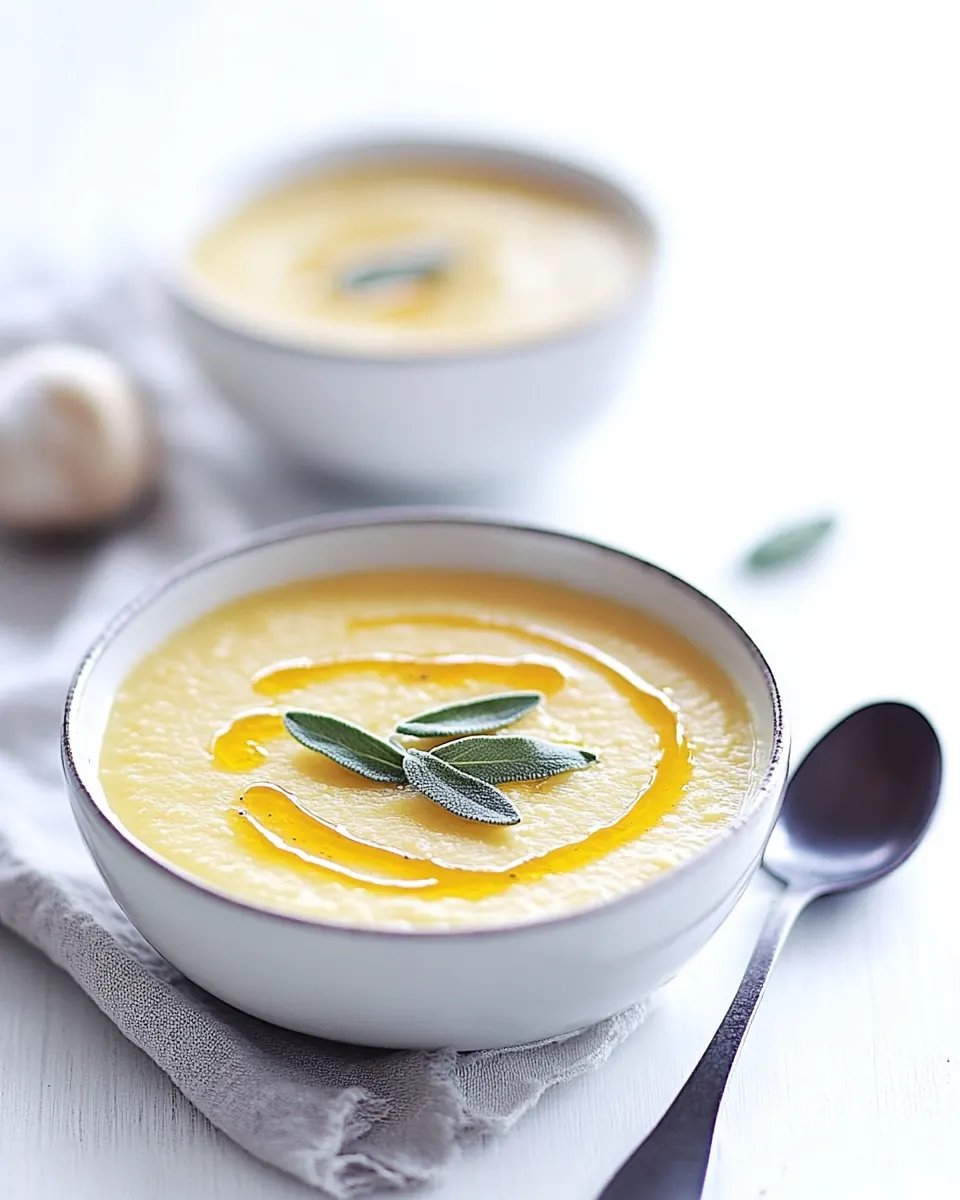
I choose ingredients here for clarity and flavor harmony. The core players are the roasted garlic and the coarsely chopped parsnips, which together build the soup’s mellow sweetness and body. The onion and butter create a gentle savory base, while the stock and cream shape the mouthfeel. Finally, the sage lemon butter finish adds contrast and polish.
- 3 garlic heads, tops cut off to reveal cloves 1/4 cup olive oil 2 tablespoons butter 1 onion, finely chopped 6 cups vegetable (or chicken) stock 6 large parsnips (about 2 1/2 pounds), cores removed, coarsely chopped 1 cup heavy cream 2 tablespoons lemon juice, or to taste: Roasted to mellow and sweeten, used to infuse the soup with a rich, caramelized garlic flavor; combined with olive oil and butter to create a fragrant base when sautéing the onion and enriching the broth, then blended into a smooth, comforting purée with parsnips and cream.
- Sage Lemon Butter: 6 tablespoons (3/4 stick) cold butter, coarsely chopped 1/4 cup (loosely packed) sage leaves 2 tablespoons lemon juice (from 1 large lemon): Whisked into finished soup as a bright, herbaceous finishing sauce; cold butter emulsified with lemon and chopped sage adds silky richness, a citrus lift, and aromatic depth when swirled into bowls just before serving.
How to Assemble Roasted Garlic and Parsnip Soup
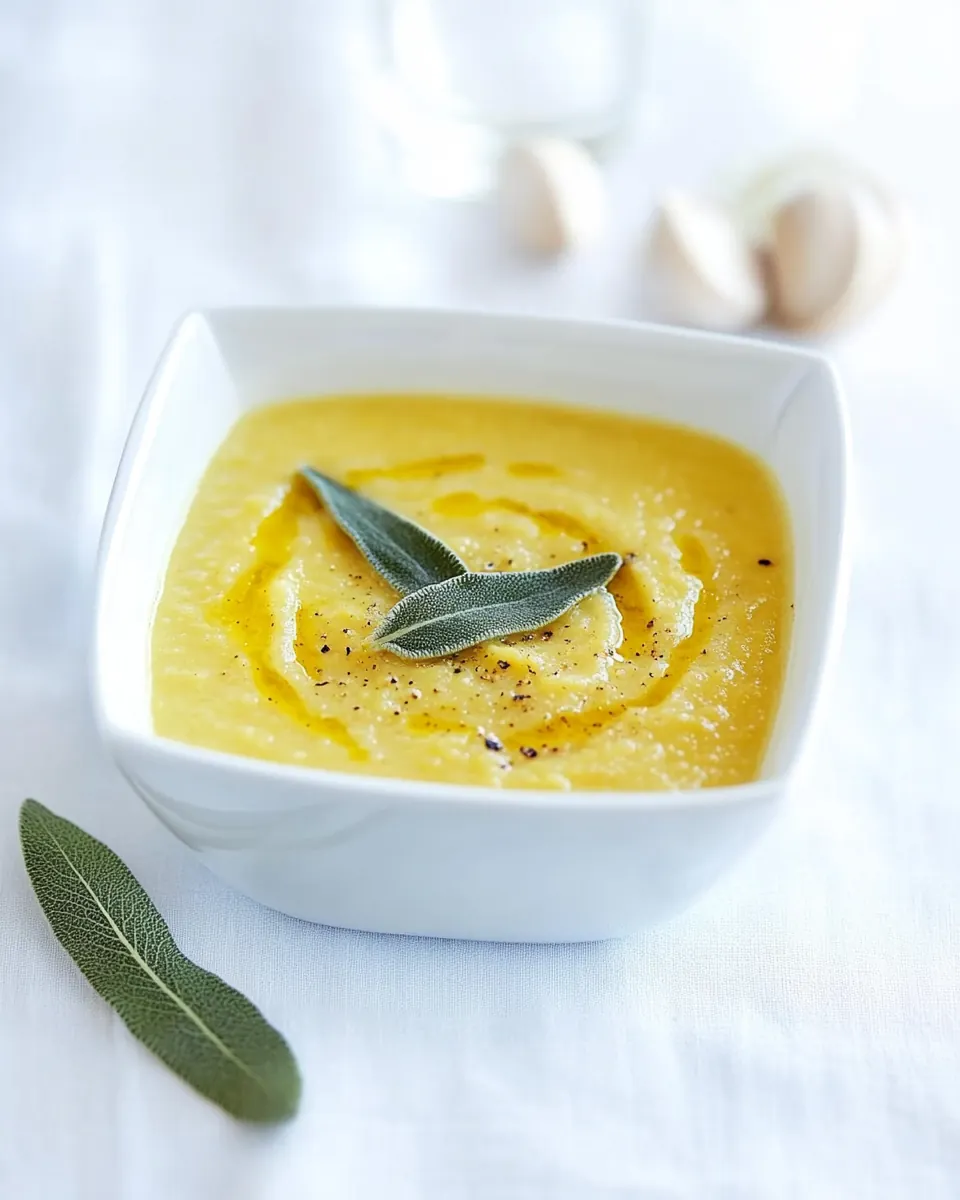
Putting this soup together is a sequence of sensory signals and small techniques that add up to a big result. Expect aromatics to soften, parsnips to collapse into tenderness, and the potency of the garlic to mellow through roasting. The final assembly is about balancing texture and brightness.
- Preheat oven to 350 degrees F. Place garlic on a large square of foil, drizzle with a tablespoon of olive oil and wrap to enclose. Place on a baking sheet and roast until soft, about 30 to 35 minutes. Let cool. When cool enough to handle, squeeze garlic cloves from skin and set aside. Discard skins.: As the oven warms the garlic , you will notice an aromatic shift from sharp to sweet, almost nutty. The foil traps steam so the cloves roast evenly and become spreadable, and squeezing them releases a silky paste that dissolves into soups without leaving sharp edges. A common mistake is under roasting, which keeps the garlic harsh; ensure the cloves are deep golden and yield to gentle pressure. If the bulbs are crowding the pan, roast them on a flat surface so heat circulates evenly. The sound is quiet here, mostly a faint crackle as moisture escapes, and the smell becomes mellow and rich, signaling readiness.
- Meanwhile, heat butter and remaining 3 tablespoons olive oil in a large saucepan over medium heat; add onion and stir until translucent, about 6 to 8 minutes. Add stock and parsnip pieces and bring to a boil; cover and simmer until parsnip is very tender, about 45 minutes to 1 hour. Add garlic cloves and cream and purée with a hand-held blender, or in batches in a countertop blender (be cautious blending hot liquids). When smooth, return to saucepan and season to taste with sea salt, freshly ground pepper and lemon juice; keep warm.: As the onion softens, it will release a gentle sweetness and a glossy sheen; stirring helps it sweat rather than brown, preserving a delicate base. When you add the hot stock , the pot will hiss and then settle into a low simmer, and the chunks of parsnip will steadily become tender, releasing a fragrant, earthy aroma. After the long simmer, the spoon should glide through the pieces without resistance, which is your cue to blend. The purée should be velvety and homogeneous; some cooks like a few tiny textures left for interest, but completely smooth yields a silky finish. When blending hot liquids, vent lids or work in batches to avoid pressure buildup, which is a common hazard. Taste before and after adding lemon juice since acidity shifts perception of sweetness. If the soup seems flat, a small pinch of salt can sharpen flavors dramatically.
- Meanwhile, heat butter in a frying pan over medium heat until foamy. Add sage leaves and fry until crisp (about 1 to 2 minutes), then transfer with a slotted spoon to a paper-towel lined plate. Add lemon juice to pan with butter and remove from heat.: The moment the butter foams and becomes fragrant, add the sage and listen for a brief sizzle; within seconds the leaves become lacy and aromatic. This quick crisping concentrates the herb oils and gives a pleasant brittle texture. Draining on paper towel keeps the garnish crisp rather than soggy. Adding the lemon juice to the warm fat dissolves citrus oils into the butter, creating a glossy, tangy drizzle that brightens each spoonful. Watch closely because sage can burn quickly; if it darkens too much, it will turn bitter, which is the main mistake here.
- Divide soup among bowls, and serve topped with crisp sage leaves and a drizzle of lemon butter.: When ladling into bowls, notice the steam rising and the silky ribbon that forms as the soup pours, a sign of perfect texture. The final garnish is where contrast matters, so place the crisp sage leaves on top and spoon the warm lemon butter in small amounts so it forms tiny glossy pools. These little accents give immediate aroma and a textural surprise. A common serving error is to drown the soup in the butter, which can overpower the subtleties; use sparingly and allow guests to add more if they like. The warmth of the bowl will slightly melt the butter for an inviting sheen, and the first spoon will deliver a layered taste of roasted garlic , sweet parsnip , and herb brightened by citrus.
Variations to Try
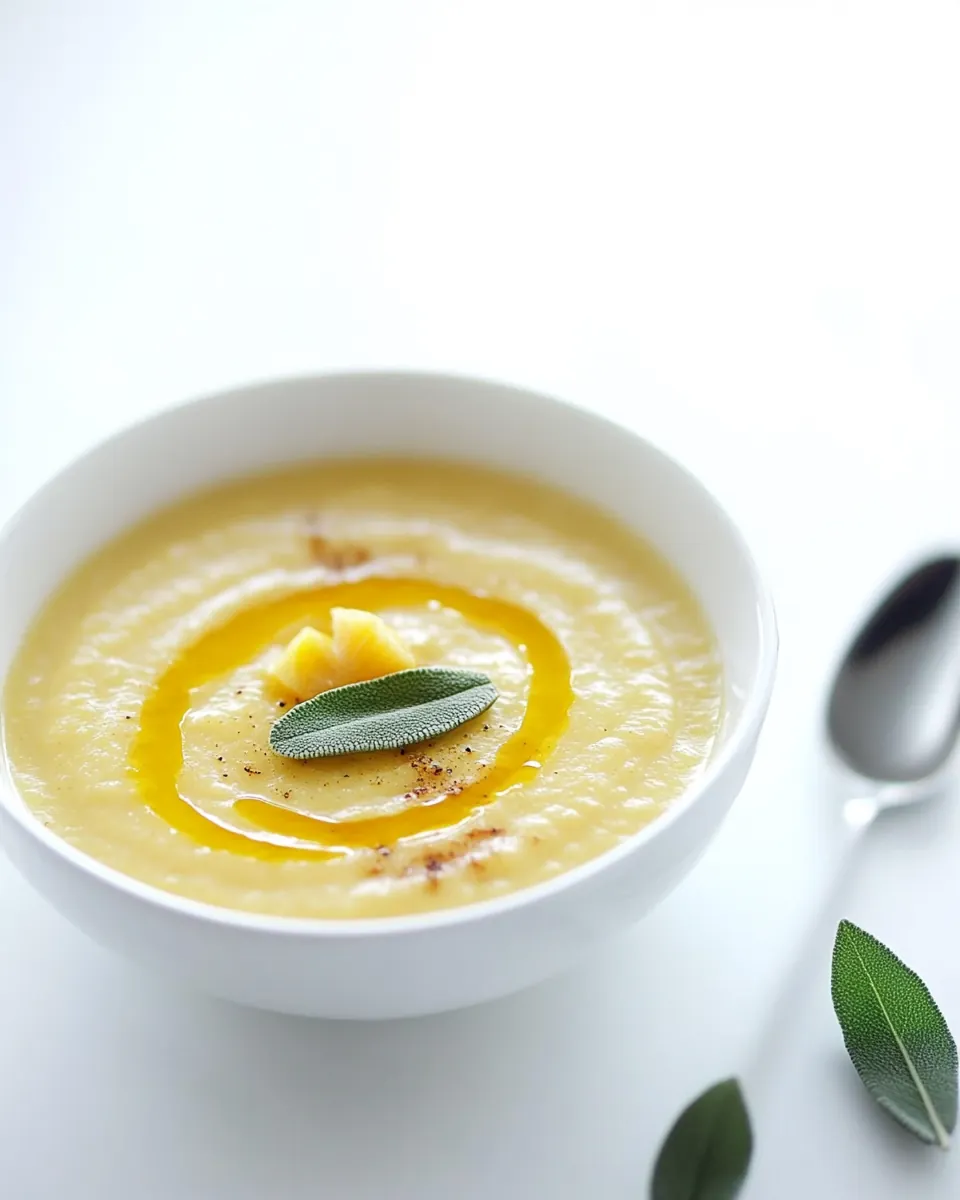
These ideas will help you adapt the Roasted Garlic and Parsnip Soup while staying true to its spirit. Each tip highlights one technique or flavor lift to experiment with, depending on your pantry and mood.
- Swap the stock carefully Use a rich vegetable stock for a vegetarian version, or a light chicken stock if you prefer a deeper savory base; the key is to keep the stock flavorful but not overpowering.
- Control the creaminess If you want a lighter bowl, reduce the heavy cream slightly and add a splash of extra stock to maintain volume without losing silkiness.
- Make the sage butter ahead Prepare the sage lemon butter in advance and reheat gently before serving, it preserves crispness and saves last minute work.
- Garnish for texture Besides crisp sage, try a small spoon of the reserved roasted garlic paste on top to amplify roasted notes without changing the base soup.
- Scale for company Double the recipe for a dinner gathering; the flavors hold well and the soup reheats beautifully, making it reliable for entertaining.
What to Serve With Roasted Garlic and Parsnip Soup
This soup shines most when paired with simple, complementary sides and thoughtful serving approaches. Keep portions modest and balance textures so the bowl remains the star.
- Crusty bread A warm loaf or slice gives a comforting accompaniment that soaks up the creamy soup, perfect for casual lunches or cozy dinners.
- Light green salad Serve a crisp salad with a tart vinaigrette to provide contrast and a palate cleanser between spoonfuls.
- Seasonal occasion serving This soup is lovely for winter dinners and holiday starters, offering a refined, comforting opening to a multi course meal.
- Storage tips Keep leftovers in an airtight container in the refrigerator for up to four days, and rewarm gently over low heat to preserve texture and flavor.
- Presentation Ladle into warmed bowls and finish with a small drizzle of the sage lemon butter and a crisp sage leaf for a polished look that guests will appreciate.
FAQ
Conclusion
This recipe shines because it transforms humble ingredients into a bowl that is both soothing and elevated. Give the Roasted Garlic and Parsnip Soup a try and notice how simple techniques like roasting and crisping herbs amplify flavor. It’s a dish that feels thoughtful and effortless at the same time, perfect for chilly nights or when you want to impress with minimal fuss. Enjoy making it, and don’t be surprised if it becomes one of your go to comfort recipes.

Roasted Garlic and Parsnip Soup
Equipment
- Oven
- Baking Sheet
- Foil
- Large saucepan
- Hand Blender
- Frying Pan
- Slotted Spoon
Ingredients
- 3 garlic heads, tops cut off to reveal cloves 1/4 cup olive oil 2 tablespoons butter 1 onion, finely chopped 6 cups vegetable (or chicken) stock 6 large parsnips (about 2 1/2 pounds), cores removed, coarsely chopped 1 cup heavy cream 2 tablespoons lemon juice, or to taste Roasted to mellow and sweeten, used to infuse the soup with a rich, caramelized garlic flavor; combined with olive oil and butter to create a fragrant base when sautéing the onion and enriching the broth, then blended into a smooth, comforting purée with parsnips and cream.
- Sage Lemon Butter: 6 tablespoons (3/4 stick) cold butter, coarsely chopped 1/4 cup (loosely packed) sage leaves 2 tablespoons lemon juice (from 1 large lemon) Whisked into finished soup as a bright, herbaceous finishing sauce; cold butter emulsified with lemon and chopped sage adds silky richness, a citrus lift, and aromatic depth when swirled into bowls just before serving.
Instructions
- Preheat oven to 350 degrees F. Place garlic on a large square of foil, drizzle with a tablespoon of olive oil and wrap to enclose. Place on a baking sheet and roast until soft, about 30 to 35 minutes. Let cool. When cool enough to handle, squeeze garlic cloves from skin and set aside. Discard skins.: As the oven warms the garlic , you will notice an aromatic shift from sharp to sweet, almost nutty. The foil traps steam so the cloves roast evenly and become spreadable, and squeezing them releases a silky paste that dissolves into soups without leaving sharp edges. A common mistake is under roasting, which keeps the garlic harsh; ensure the cloves are deep golden and yield to gentle pressure. If the bulbs are crowding the pan, roast them on a flat surface so heat circulates evenly. The sound is quiet here, mostly a faint crackle as moisture escapes, and the smell becomes mellow and rich, signaling readiness.
- Meanwhile, heat butter and remaining 3 tablespoons olive oil in a large saucepan over medium heat; add onion and stir until translucent, about 6 to 8 minutes. Add stock and parsnip pieces and bring to a boil; cover and simmer until parsnip is very tender, about 45 minutes to 1 hour. Add garlic cloves and cream and purée with a hand-held blender, or in batches in a countertop blender (be cautious blending hot liquids). When smooth, return to saucepan and season to taste with sea salt, freshly ground pepper and lemon juice; keep warm.: As the onion softens, it will release a gentle sweetness and a glossy sheen; stirring helps it sweat rather than brown, preserving a delicate base. When you add the hot stock , the pot will hiss and then settle into a low simmer, and the chunks of parsnip will steadily become tender, releasing a fragrant, earthy aroma. After the long simmer, the spoon should glide through the pieces without resistance, which is your cue to blend. The purée should be velvety and homogeneous; some cooks like a few tiny textures left for interest, but completely smooth yields a silky finish. When blending hot liquids, vent lids or work in batches to avoid pressure buildup, which is a common hazard. Taste before and after adding lemon juice since acidity shifts perception of sweetness. If the soup seems flat, a small pinch of salt can sharpen flavors dramatically.
- Meanwhile, heat butter in a frying pan over medium heat until foamy. Add sage leaves and fry until crisp (about 1 to 2 minutes), then transfer with a slotted spoon to a paper-towel lined plate. Add lemon juice to pan with butter and remove from heat.: The moment the butter foams and becomes fragrant, add the sage and listen for a brief sizzle; within seconds the leaves become lacy and aromatic. This quick crisping concentrates the herb oils and gives a pleasant brittle texture. Draining on paper towel keeps the garnish crisp rather than soggy. Adding the lemon juice to the warm fat dissolves citrus oils into the butter, creating a glossy, tangy drizzle that brightens each spoonful. Watch closely because sage can burn quickly; if it darkens too much, it will turn bitter, which is the main mistake here.
- Divide soup among bowls, and serve topped with crisp sage leaves and a drizzle of lemon butter.: When ladling into bowls, notice the steam rising and the silky ribbon that forms as the soup pours, a sign of perfect texture. The final garnish is where contrast matters, so place the crisp sage leaves on top and spoon the warm lemon butter in small amounts so it forms tiny glossy pools. These little accents give immediate aroma and a textural surprise. A common serving error is to drown the soup in the butter, which can overpower the subtleties; use sparingly and allow guests to add more if they like. The warmth of the bowl will slightly melt the butter for an inviting sheen, and the first spoon will deliver a layered taste of roasted garlic , sweet parsnip , and herb brightened by citrus.
Notes
- Swap the stock carefully Use a rich vegetable stock for a vegetarian version, or a light chicken stock if you prefer a deeper savory base; the key is to keep the stock flavorful but not overpowering.
- Control the creaminess If you want a lighter bowl, reduce the heavy cream slightly and add a splash of extra stock to maintain volume without losing silkiness.
- Make the sage butter ahead Prepare the sage lemon butter in advance and reheat gently before serving, it preserves crispness and saves last minute work.
- Garnish for texture Besides crisp sage, try a small spoon of the reserved roasted garlic paste on top to amplify roasted notes without changing the base soup.
- Scale for company Double the recipe for a dinner gathering; the flavors hold well and the soup reheats beautifully, making it reliable for entertaining.