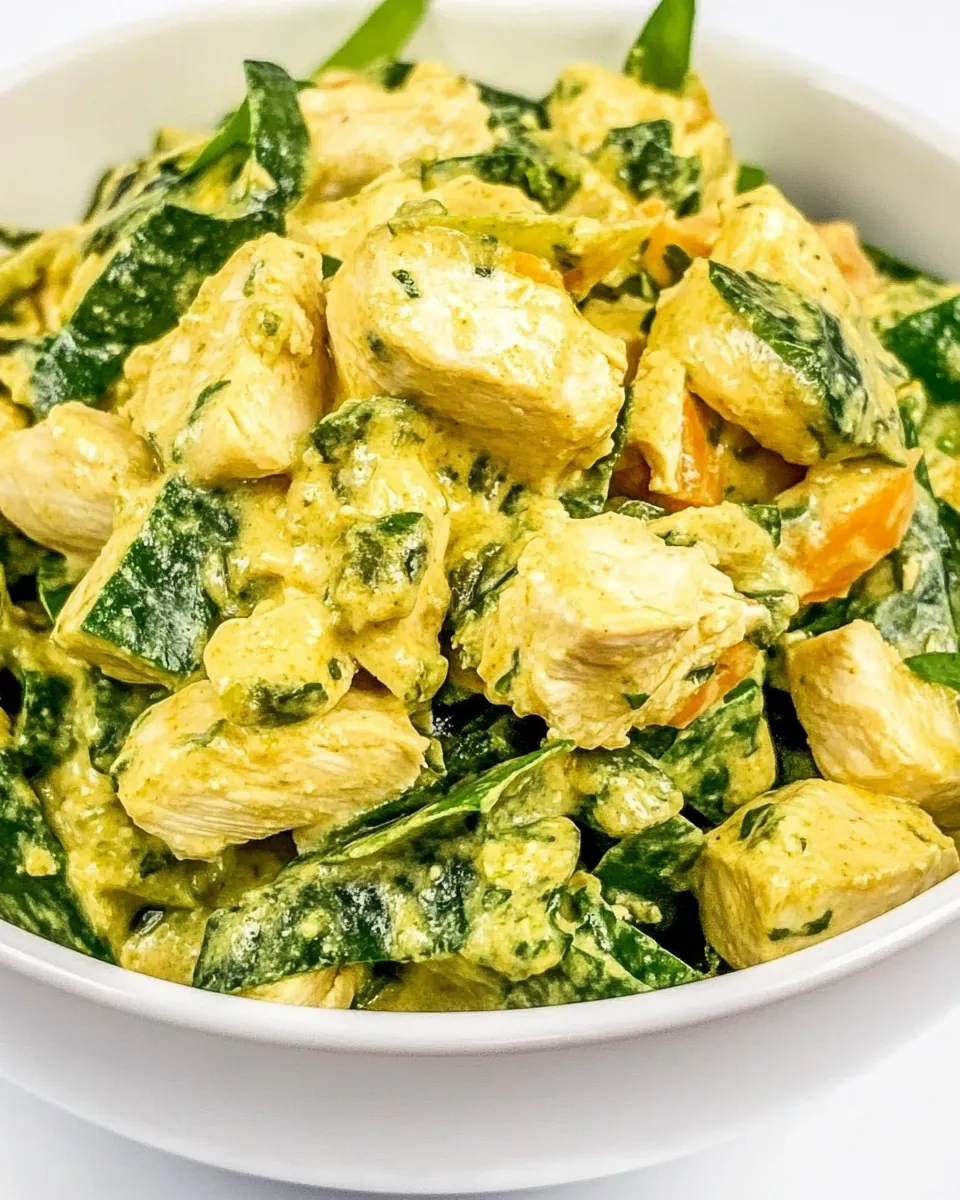
Curried Chicken Salad
Curried Chicken Salad has been a lunchtime favorite in my house ever since a friend brought a bowl to a spring picnic and I could not stop stealing spoonfuls between conversations. I remember the first bite, the warm curry notes folding into creamy dressing, the brightness of lemon cutting through, and how the mix of textures somehow made a simple salad feel like a celebration. That first afternoon taught me how a few thoughtful touches can lift cooked chicken into something truly memorable.
Over the years I’ve adapted this version to suit quick weeknight needs while keeping the soul of that picnic version intact. I often make a batch after Sunday meal prep, because the salad travels well and tastes even better the next day when the flavors have had time to mingle. When friends come over, I toss it with toasted nuts at the last minute to preserve the crunch, and everyone always asks for the recipe.
Recipe Snapshot
25 mins
15 mins
10 mins
Medium
350 kcal
American
Keto, Paleo
Salads
Pot, Colander, Paper towels, Whisk, Knife
Why Try This Curried Chicken Salad
Bright, balanced flavor
I love how Curried Chicken Salad walks the line between tangy and creamy. The citrus zest and juice cut through the richness, while the curry powder adds earthy warmth, so each bite feels layered rather than flat.
Textural contrast
The combination of tender chicken, crisp asparagus, and crunchy pine nuts keeps every forkful interesting. I find salads that mix textures keep people reaching back for more, and this one delivers that with ease.
Speed and convenience
I appreciate recipes I can pull together in under an hour. With leftover or quickly cooked chicken and a short blanch of asparagus, this salad comes together fast, making it an ideal easy option for busy afternoons.
Flexible and forgiving
One reason I return to this salad is how adaptable it is. You can control the amount of dressing to suit drier or creamier preferences, and swapping nuts or adjusting curry intensity is simple. That flexibility makes it great for feeding a crowd or dialing in your personal favorite.
Great for make ahead meals
I often make this a few hours ahead. The flavors deepen in the fridge, and because the nuts stay crunchy when added just before serving, it holds up well for picnics or packed lunches.
What You Need for Curried Chicken Salad
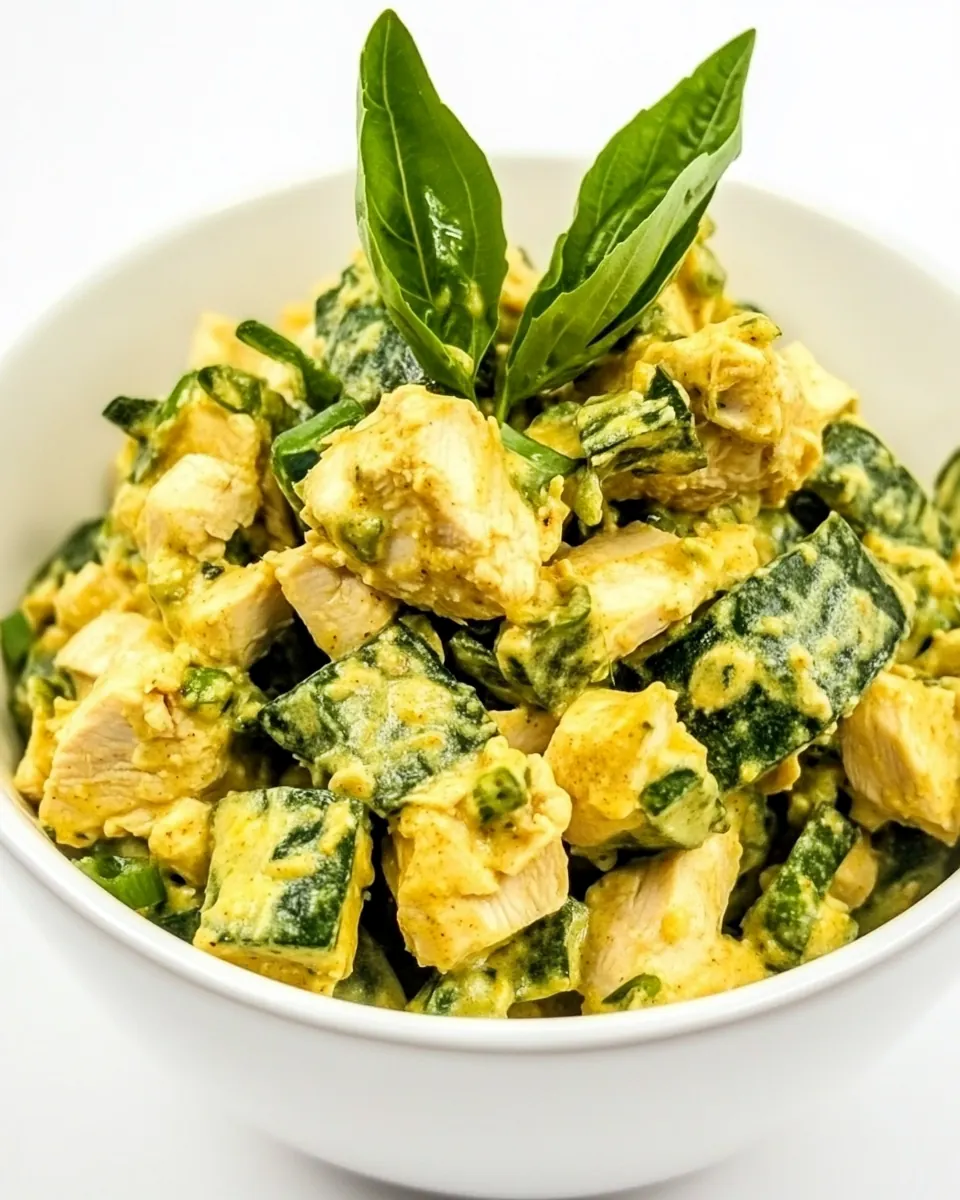
These ingredients are chosen to create a balance of freshness, creaminess, and crunch. The chicken offers substance, asparagus lends a crisp green note, and the citrus brightens the dressing. Pine nuts provide toasted texture and a gentle richness that pairs beautifully with curry spices. Together they form a cohesive, spring friendly salad that feels both light and satisfying.
- 1 lb fresh asparagus, trimmed and cut into diagonal 2 inch pieces: Trimmed and cut into diagonal pieces to add a crisp, slightly grassy texture and vibrant color; blanch or lightly sauté to retain bright green and a pleasant bite that complements creamy elements. Provide mild earthy notes that balance the curry spices and tender chicken, while contributing visual appeal and fresh mouthfeel.
- 1 lemon (zest the skin and then squeeze the juice): Zest the skin and squeeze the juice to contribute bright citrus aroma and acidic brightness that lifts the overall flavor profile; both zest and juice add layered lemon oils and acidity that cut through richness. Use sparingly to avoid overpowering delicate herbs, adjusting to taste for a subtle tangy finish.
- 4 cup s cooked chicken breast, cut into 1 inch pieces (see notes): Cooked and cut into uniform pieces to supply the primary protein and hearty base of the salad; offers tender, savory chunks that absorb dressing flavors and curry spices. Ensure even sizing for consistent texture and easy eating, while using well-seasoned chicken to enhance savory depth.
- 1 cup sliced green onion (see notes): Sliced to provide a mild, oniony crunch and a fresh, sharp contrast that enhances aromatic complexity; offers green color and a subtle pungency that works well with lemon and curry notes. Use both white and green parts for varied texture and a balanced, lighter onion flavor.
- 1/2 cup pine nuts, or other nuts of your choice: Toasted or raw depending on preference to add a buttery, crunchy element and nutty aroma that complements creamy dressing; provides textural contrast and richness that elevates each bite. Consider light toasting to deepen flavor without overwhelming the salad.
- salt and fresh-ground black pepper to taste: Used to season and balance flavors to taste, providing essential savory enhancement and a hint of heat from freshly ground pepper; salt heightens sweetness and umami while pepper adds aromatic warmth. Adjust gradually to preserve the bright lemon and curry elements.
Step by Step Guide for Curried Chicken Salad

This guide walks you through each step with sensory cues and why each technique matters. Read slowly at first, then follow the cues for consistent, successful results.
- Bring a pot of salted water to a boil. Hold one piece of asparagus in both hands and bend until it snaps to see where the woody part ends; then trim all the asparagus to that length. Cut asparagus on the diagonal into pieces and then cook in salted water for 3 minutes. (Don't overcook!): You will smell the first steam as the water heats, and the surface will shimmer before reaching a full rolling boil, which ensures the asparagus cooks quickly and evenly. Salting the water seasons the vegetable from the inside, improving its natural flavor. A common mistake is under-salting, which results in bland asparagus, so add enough salt to make the water taste like the sea.
- While you're waiting for water to come to a boil and cooking asparagus, zest the lemon and then cut lemon in half and squeeze the juice. (Use a fine cheese grater if you don't have a lemon zester (affiliate link).): When you bend a stalk gently it will snap at the point where fibrous woody tissue ends, giving you a tactile cue for trimming. The sound is a satisfying little crisp break, and trimming at this point prevents tough, chewy bites. Avoid cutting too liberally into the tender portion, which wastes good asparagus.
- Whisk together buttermilk (or sour cream or Greek yogurt), mayo, lemon juice, curry powder, Dijon mustard, lemon zest and sea salt to make the curry dressing. Start with the original amount of lemon juice and zest and taste to see if you want a bit more lemon.: Cutting on the diagonal increases surface area so the dressing clings and the pieces look elegant. After three minutes the asparagus should be bright green and just tender when pierced, not floppy. Overcooking will dull the color and produce a limp texture, so set a timer and test immediately.
- After it cooks exactly three minutes, drain asparagus into a colander placed in the sink and let it drain well. Then lay out a paper towel on the counter and spread out the asparagus on the towel. Then cover with another paper towel and gently press down to blot away much water as possible.: As you zest you release aromatic oils that smell intensely citrusy and fresh, and squeezing the juice provides bright acidity for the dressing. Zesting first avoids removing fragrant skin with the juice. A common slip is juicing before zesting, losing that aromatic lift.
- Let asparagus cool while you cut up enough cooked chicken to make 4 cups.: When you whisk, listen for a soft whisking sound and watch the dressing become glossy and smooth. The dairy base mellows the curry while mustard adds binding and subtle bite. Start with measured lemon and adjust after tasting, as too much acid can flatten the spices. Overmixing at high speed can break down the texture, so whisk to just combined.
- Slice green onions on the diagonal and measure out the pine nuts (or nuts of your choice.): The sizzling steam and faint vegetal aroma tell you the asparagus has cooked; draining quickly prevents residual heat from continuing to cook the stalks. Shaking the colander helps shed extra water so the dressing does not become diluted. Leaving the asparagus wet will water down the salad and make it soggy, so be thorough here.
- Combine diced chicken and asparagus with desired amount of dressing; you may not need all the dressing if you prefer your salads to be fairly dry.: Blotting removes surface moisture so the dressing clings to the pieces instead of sliding off. You should feel the towel pull away beads of water, and the asparagus will dry to a matte finish. Rushing this step will let excess liquid pool in the salad bowl, thinning flavors.
- Gently stir in the green onion and pine nuts.: Cooling the asparagus prevents the dressing from wilting ingredients, and cutting chicken into uniform one inch pieces creates consistent texture. The contrast between cool vegetables and room temperature chicken helps maintain crispness. Cutting when hot can melt the dressing into the protein and change texture, so allow the chicken to be cool or slightly warm.
- Season the finished salad to taste with salt and fresh-ground black pepper, and serve.: Diagonal slices of green onion release a mild onion aroma and look attractive. Toasted pine nuts will smell slightly sweet and nutty, and you should hear a faint crackle as they toast if using a pan. Watch nuts closely when toasting, as they go from perfect to burnt quickly.
- This salad can be kept in the fridge for a few hours before serving, and it was still amazing as leftovers when it had been in the fridge overnight, so if you're cooking for a few people you could certainly double the recipe. If you have any extra dressing you might want to add a bit more right when you serve the salad.: As you fold the dressing in, you should see it coat the pieces without pooling at the bottom; the goal is even coverage. Tasting as you go ensures you add just the right amount for your preferred moistness. Adding too much dressing will drown the salad and mask the delicate flavors.
- Gently stir in the green onion and pine nuts: Gently folding preserves the texture and keeps nuts intact, offering intermittent crunchy bites that contrast with tender chicken . You will notice the salad develop a layered look as green and nutty specks appear. Stirring too vigorously can break the nuts and make the mix look messy.
- Season the finished salad to taste with salt and fresh-ground black pepper and serve: Fresh–ground black pepper releases a sharp aroma when cracked and final seasoning ties all flavors together. Taste one forkful and adjust salt and pepper; small increments are key. Oversalting at this point cannot be easily corrected, so go slowly.
- This salad can be kept in the fridge for a few hours before serving and it was still amazing as leftovers when it had been in the fridge overnight so if you're cooking for a few people you could certainly double the recipe: Chilling allows the flavors to meld and mellows sharper elements, often improving the overall balance; you may notice the dressing become more integrated and aromatic after a rest. When storing, keep nuts separate if you want to preserve crunch. A frequent error is leaving the salad at room temperature too long, which can reduce freshness.
- If you have any extra dressing you might want to add a bit more right when you serve the salad: Extra dressing added at service brightens the salad and refreshes the mouthfeel, especially if it has sat in the fridge. Drizzling just before plating ensures the salad looks glossy and lively. Adding all extra dressing too early can make the salad soggy over time.
Make It Your Own

I like offering small creative liberties so you can tailor this salad to your pantry and mood. Below are practical tweaks and serving variations that help the dish feel like it came from your kitchen, not a recipe card.
- Start with the curry level Adjust the amount of curry powder in the dressing to match your preference, adding a little at a time and tasting as you go.
- Choose your dairy base Use buttermilk, sour cream, or Greek yogurt to change creaminess and tang, each lending a slightly different mouthfeel.
- Keep nuts crunchy Toast pine nuts briefly and add them just before serving to preserve texture and flavor contrast.
- Control dressing amount Add the dressing little by little, stopping when the salad reaches your desired moistness to avoid a soggy result.
- Prep ahead smartly Blanch asparagus and make the dressing in advance, but combine nuts and dressing with the salad near serving time for the best texture.
What to Serve With Curried Chicken Salad
This salad pairs beautifully with simple carbohydrates and bright side dishes. Think light accompaniments that let the curry dressing sing while offering variety in texture and temperature. It works for lunchboxes, casual dinners, and spring gatherings.
- Crusty bread or rolls A warm roll provides a satisfying vehicle for scooping up salad, balancing creaminess with chewy bread texture.
- Mixed greens or baby spinach Serve the salad over a bed of tender greens to add leafy freshness and make it more of a composed entrée.
- Light grain bowls Spoon the salad over cooked quinoa or farro for a heartier meal with nutty undertones that complement the pine nuts.
- Picnic fare Pack this salad for spring or summer outings, pairing with chilled vegetable sticks and fruit for an easy shared spread.
- Meal prep lunches Portion into containers with nuts stored separately so the salad stays crisp through the week.
- Seasonal pairings This is ideal in spring when asparagus is at its peak, and it also makes a bright addition to holiday brunch spreads or casual dinner buffets.
FAQ
Conclusion
This Curried Chicken Salad stands out for its bright citrus balance, warm curry notes, and satisfying textural contrast. It’s an adaptable, easy to prepare dish that can elevate leftovers into a flavorful meal. Give it a try for a quick lunch or a light dinner, and you might find it becoming a routine at your table for spring and beyond.

Curried Chicken Salad
Equipment
- Pot
- Colander
- Paper towels
- Whisk
- Knife
Ingredients
- 1 lb fresh asparagus, trimmed and cut into diagonal 2 inch pieces Trimmed and cut into diagonal pieces to add a crisp, slightly grassy texture and vibrant color; blanch or lightly sauté to retain bright green and a pleasant bite that complements creamy elements. Provide mild earthy notes that balance the curry spices and tender chicken, while contributing visual appeal and fresh mouthfeel.
- 1 lemon (zest the skin and then squeeze the juice) Zest the skin and squeeze the juice to contribute bright citrus aroma and acidic brightness that lifts the overall flavor profile; both zest and juice add layered lemon oils and acidity that cut through richness. Use sparingly to avoid overpowering delicate herbs, adjusting to taste for a subtle tangy finish.
- 4 cup s cooked chicken breast, cut into 1 inch pieces (see notes) Cooked and cut into uniform pieces to supply the primary protein and hearty base of the salad; offers tender, savory chunks that absorb dressing flavors and curry spices. Ensure even sizing for consistent texture and easy eating, while using well-seasoned chicken to enhance savory depth.
- 1 cup sliced green onion (see notes) Sliced to provide a mild, oniony crunch and a fresh, sharp contrast that enhances aromatic complexity; offers green color and a subtle pungency that works well with lemon and curry notes. Use both white and green parts for varied texture and a balanced, lighter onion flavor.
- 1/2 cup pine nuts, or other nuts of your choice Toasted or raw depending on preference to add a buttery, crunchy element and nutty aroma that complements creamy dressing; provides textural contrast and richness that elevates each bite. Consider light toasting to deepen flavor without overwhelming the salad.
- salt and fresh-ground black pepper to taste Used to season and balance flavors to taste, providing essential savory enhancement and a hint of heat from freshly ground pepper; salt heightens sweetness and umami while pepper adds aromatic warmth. Adjust gradually to preserve the bright lemon and curry elements.
Instructions
- Bring a pot of salted water to a boil. Hold one piece of asparagus in both hands and bend until it snaps to see where the woody part ends; then trim all the asparagus to that length. Cut asparagus on the diagonal into pieces and then cook in salted water for 3 minutes. (Don't overcook!): You will smell the first steam as the water heats, and the surface will shimmer before reaching a full rolling boil, which ensures the asparagus cooks quickly and evenly. Salting the water seasons the vegetable from the inside, improving its natural flavor. A common mistake is under-salting, which results in bland asparagus, so add enough salt to make the water taste like the sea.
- While you're waiting for water to come to a boil and cooking asparagus, zest the lemon and then cut lemon in half and squeeze the juice. (Use a fine cheese grater if you don't have a lemon zester (affiliate link).): When you bend a stalk gently it will snap at the point where fibrous woody tissue ends, giving you a tactile cue for trimming. The sound is a satisfying little crisp break, and trimming at this point prevents tough, chewy bites. Avoid cutting too liberally into the tender portion, which wastes good asparagus.
- Whisk together buttermilk (or sour cream or Greek yogurt), mayo, lemon juice, curry powder, Dijon mustard, lemon zest and sea salt to make the curry dressing. Start with the original amount of lemon juice and zest and taste to see if you want a bit more lemon.: Cutting on the diagonal increases surface area so the dressing clings and the pieces look elegant. After three minutes the asparagus should be bright green and just tender when pierced, not floppy. Overcooking will dull the color and produce a limp texture, so set a timer and test immediately.
- After it cooks exactly three minutes, drain asparagus into a colander placed in the sink and let it drain well. Then lay out a paper towel on the counter and spread out the asparagus on the towel. Then cover with another paper towel and gently press down to blot away much water as possible.: As you zest you release aromatic oils that smell intensely citrusy and fresh, and squeezing the juice provides bright acidity for the dressing. Zesting first avoids removing fragrant skin with the juice. A common slip is juicing before zesting, losing that aromatic lift.
- Let asparagus cool while you cut up enough cooked chicken to make 4 cups.: When you whisk, listen for a soft whisking sound and watch the dressing become glossy and smooth. The dairy base mellows the curry while mustard adds binding and subtle bite. Start with measured lemon and adjust after tasting, as too much acid can flatten the spices. Overmixing at high speed can break down the texture, so whisk to just combined.
- Slice green onions on the diagonal and measure out the pine nuts (or nuts of your choice.): The sizzling steam and faint vegetal aroma tell you the asparagus has cooked; draining quickly prevents residual heat from continuing to cook the stalks. Shaking the colander helps shed extra water so the dressing does not become diluted. Leaving the asparagus wet will water down the salad and make it soggy, so be thorough here.
- Combine diced chicken and asparagus with desired amount of dressing; you may not need all the dressing if you prefer your salads to be fairly dry.: Blotting removes surface moisture so the dressing clings to the pieces instead of sliding off. You should feel the towel pull away beads of water, and the asparagus will dry to a matte finish. Rushing this step will let excess liquid pool in the salad bowl, thinning flavors.
- Gently stir in the green onion and pine nuts.: Cooling the asparagus prevents the dressing from wilting ingredients, and cutting chicken into uniform one inch pieces creates consistent texture. The contrast between cool vegetables and room temperature chicken helps maintain crispness. Cutting when hot can melt the dressing into the protein and change texture, so allow the chicken to be cool or slightly warm.
- Season the finished salad to taste with salt and fresh-ground black pepper, and serve.: Diagonal slices of green onion release a mild onion aroma and look attractive. Toasted pine nuts will smell slightly sweet and nutty, and you should hear a faint crackle as they toast if using a pan. Watch nuts closely when toasting, as they go from perfect to burnt quickly.
- This salad can be kept in the fridge for a few hours before serving, and it was still amazing as leftovers when it had been in the fridge overnight, so if you're cooking for a few people you could certainly double the recipe. If you have any extra dressing you might want to add a bit more right when you serve the salad.: As you fold the dressing in, you should see it coat the pieces without pooling at the bottom; the goal is even coverage. Tasting as you go ensures you add just the right amount for your preferred moistness. Adding too much dressing will drown the salad and mask the delicate flavors.
- Gently stir in the green onion and pine nuts: Gently folding preserves the texture and keeps nuts intact, offering intermittent crunchy bites that contrast with tender chicken . You will notice the salad develop a layered look as green and nutty specks appear. Stirring too vigorously can break the nuts and make the mix look messy.
- Season the finished salad to taste with salt and fresh-ground black pepper and serve: Fresh-ground black pepper releases a sharp aroma when cracked and final seasoning ties all flavors together. Taste one forkful and adjust salt and pepper; small increments are key. Oversalting at this point cannot be easily corrected, so go slowly.
- This salad can be kept in the fridge for a few hours before serving and it was still amazing as leftovers when it had been in the fridge overnight so if you're cooking for a few people you could certainly double the recipe: Chilling allows the flavors to meld and mellows sharper elements, often improving the overall balance; you may notice the dressing become more integrated and aromatic after a rest. When storing, keep nuts separate if you want to preserve crunch. A frequent error is leaving the salad at room temperature too long, which can reduce freshness.
- If you have any extra dressing you might want to add a bit more right when you serve the salad: Extra dressing added at service brightens the salad and refreshes the mouthfeel, especially if it has sat in the fridge. Drizzling just before plating ensures the salad looks glossy and lively. Adding all extra dressing too early can make the salad soggy over time.
Notes
- Start with the curry level Adjust the amount of curry powder in the dressing to match your preference, adding a little at a time and tasting as you go.
- Choose your dairy base Use buttermilk, sour cream, or Greek yogurt to change creaminess and tang, each lending a slightly different mouthfeel.
- Keep nuts crunchy Toast pine nuts briefly and add them just before serving to preserve texture and flavor contrast.
- Control dressing amount Add the dressing little by little, stopping when the salad reaches your desired moistness to avoid a soggy result.
- Prep ahead smartly Blanch asparagus and make the dressing in advance, but combine nuts and dressing with the salad near serving time for the best texture.