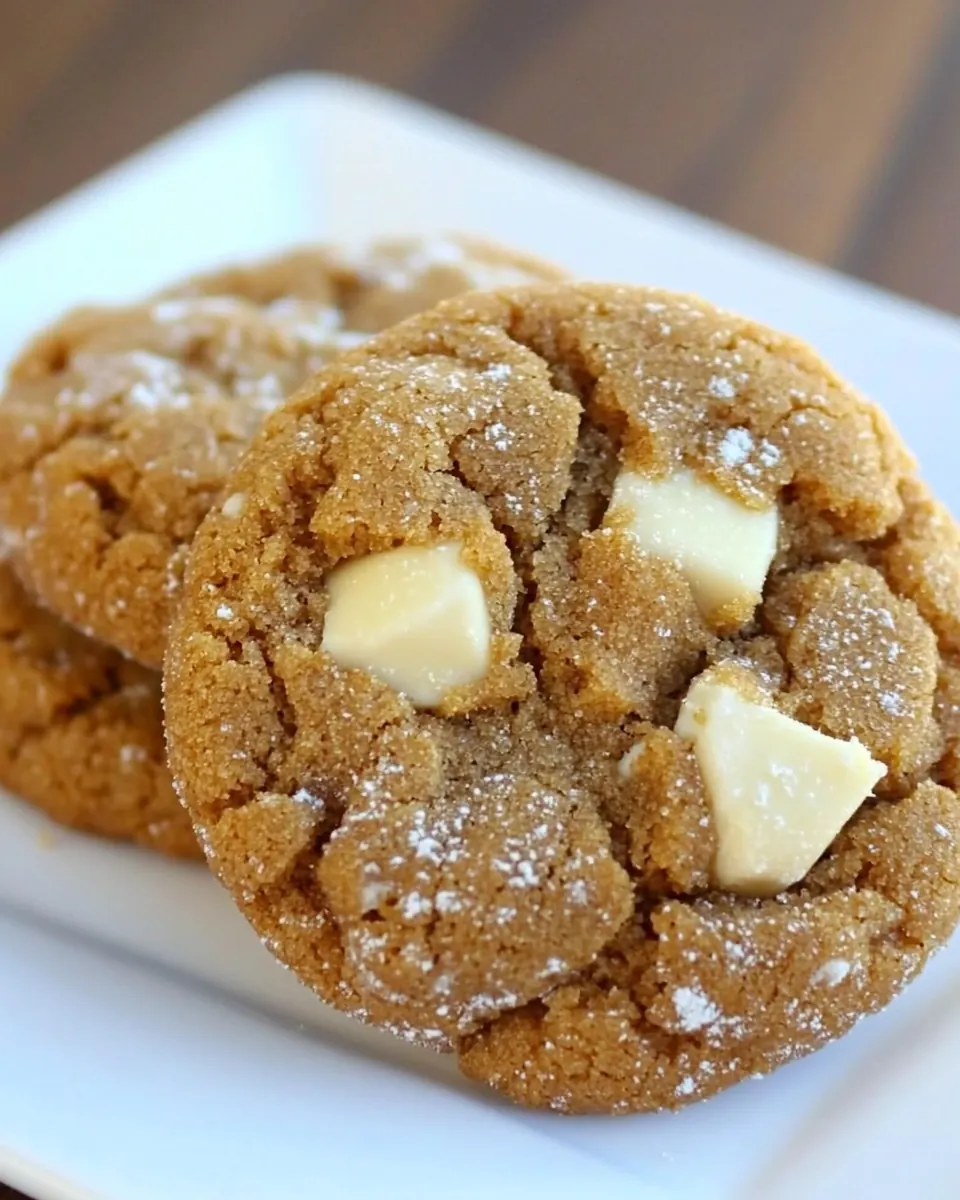
Soft Gingersnap Cookies with White Chocolate Chunks
Soft Gingersnap Cookies with White Chocolate Chunks arrived in my life on a blustery afternoon when I needed something warm, buttery, and just a touch nostalgic. I remember pulling a warm tray from the oven, the air thick with the scent of molasses and spices, and feeling a small, delighted relief that I could make comfort from a few pantry staples. Over time this recipe became my go to when I wanted a cookie that was chewy, spiced, and unexpectedly bright because of the pockets of white chocolate.
One winter I baked a batch for a neighbor who was moving, and watching them tuck cookies into little parchment bags reminded me how food connects us. The edges were soft and slightly crisp, and the centers stayed tender thanks to a little extra butter and the way the dough was handled. I learned small tricks along the way that made a big difference, like chilling briefly, rolling the dough in extra granulated sugar, and being gentle when mixing in the chunks so the dough kept its texture. Those tiny choices kept these Soft Gingersnap Cookies with White Chocolate Chunks reliably chewy and full of spice.
When I take a bite now I still track the same progression of flavors I first fell for. There is an upfront warmth from the ground ginger and cinnamon, a sticky, rich note from the molasses, and then a creamy pop from the white chocolate chunks. I love handing these out during the cooler months, and I often pack extras for long walks, because they travel well and taste like an instant pause. If you keep reading, I will share how I make them every time without fuss, and why a few simple methods produce consistent, cozy results.
Recipe Snapshot
25 mins
15 mins
10 mins
Easy
150 kcal
American
Gluten-Free, Low FODMAP
Desserts
Stand mixer, Mixing bowl, Measuring cups, Baking sheets, Parchment paper, Wire rack
Why We Love This Soft Gingersnap Cookies with White Chocolate Chunks
1. Texture that surprises
I adore how Soft Gingersnap Cookies with White Chocolate Chunks deliver a tender interior while keeping a lightly crisped edge. The combination of unsalted butter creamed with granulated sugar gives the dough lift, and the right amount of flour creates structure without drying the cookie. I find that handling the dough with care preserves that soft center, and the contrast makes every bite interesting.
2. Balanced warm spice
These cookies get their signature personality from a measured mix of ground ginger, cinnamon, and ground cloves. I like to think of the spices as a trio where none overwhelms the other. The subtle heat from the ginger sits behind the sweeter notes from the molasses, making the overall flavor nuanced and comforting, never one dimensional.
3. Little pockets of sweet contrast
Adding white chocolate chunks brings creamy, sweet hits throughout each cookie. I prefer chunks rather than chips because they melt unevenly, creating pockets of molten sweetness that brighten the spice. Every time I bite into a chunk I get a creamy counterpoint to the caramel like molasses backbone, and that contrast elevates the whole cookie.
4. Easy, approachable technique
This recipe uses straightforward steps and common tools, so it is accessible whether you are new to baking or experienced. From creaming butter and sugar to rolling the dough in extra granulated sugar before baking, each method has a clear purpose, and I’ll explain why those little actions matter so you can reproduce the result reliably.
5. Crowd friendly and adaptable
I often bring these to gatherings because they appeal to many palates. The cookie isn’t too sweet or too spicy, making it a welcome option for varied tastes. I also love that you can scale the dough easily or bake several sheets in rotation without losing the signature chew. For me, that practicality combined with flavor makes these a recipe I return to again and again.
Key Ingredients for Soft Gingersnap Cookies with White Chocolate Chunks
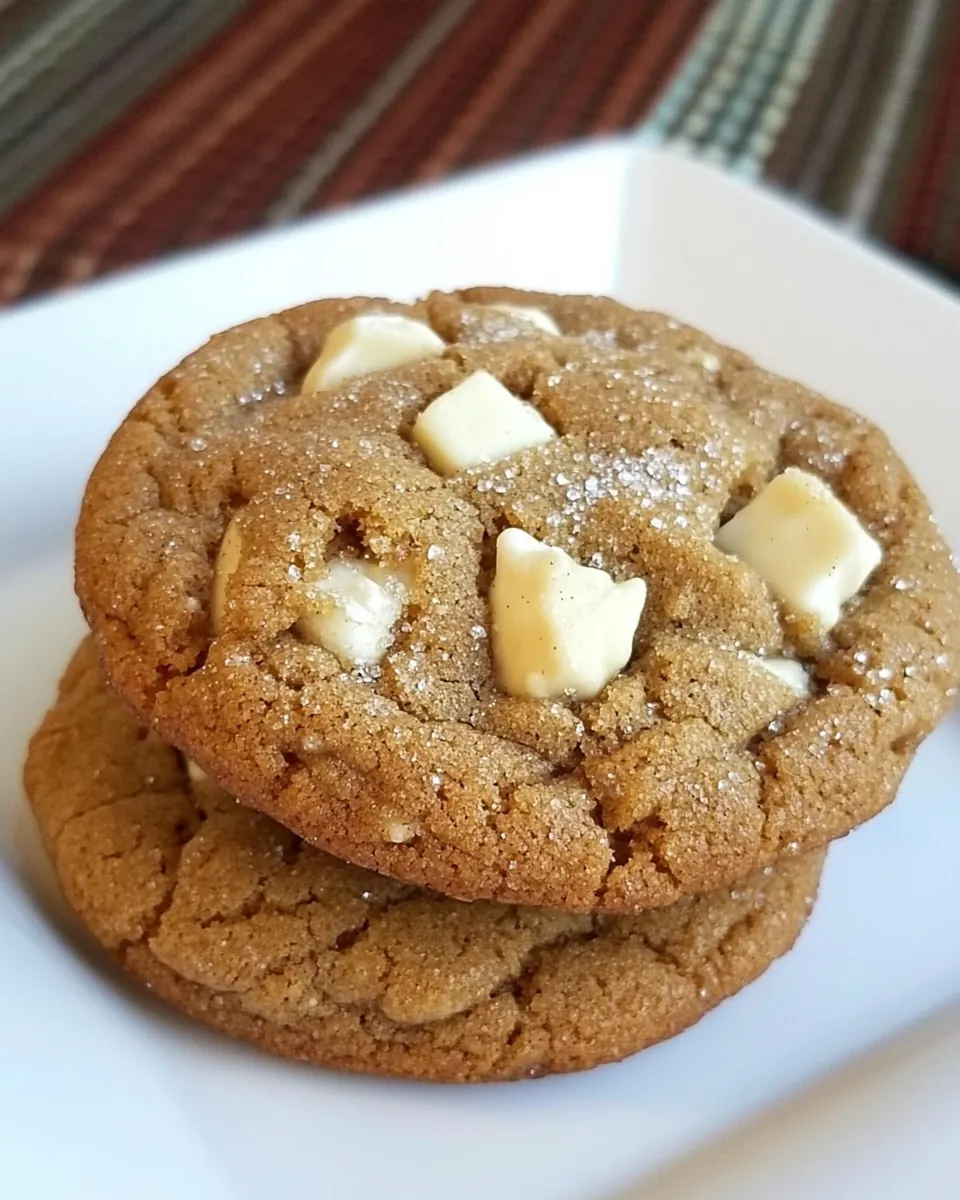
These ingredients are simple and intentional. I choose each component because it plays a clear role: butter and sugar create a soft crumb, molasses brings depth and chew, the blend of spices adds warmth, and the white chocolate chunks provide sweet, creamy contrast. When assembled in the right proportions, these players work together to create cookies that are tender yet structured, warmly spiced, and memorably satisfying.
- 1 cup unsalted butter at room temperature: Creamy and softened to provide richness and structure, helping create a tender, chewy cookie crumb and carrying flavor throughout the dough.
- 1 cup granulated sugar: Granulated and used to sweeten the dough while contributing to spread and slight crisping at the edges when baked.
- 1/2 cup molasses: Deep and robust, adding moist sweetness and characteristic gingersnap flavor while contributing to chewiness and color in the cookies.
- 2 tablespoons canola oil: Neutral and liquid, used to increase tenderness and improve texture by adding fat without overpowering the spice flavors.
- 1 teaspoon vanilla extract: Fragrant and sweet, enhancing overall flavor complexity and rounding out the spices with a warm, aromatic note.
- 2 1/4 teaspoons baking soda: Leavening agent in powdered form, responsible for the cookies' rise and lift, helping create a lighter interior and controlled spread.
- 1 teaspoon salt: Savory and essential, balancing sweetness and enhancing all flavor components while also influencing dough chemistry and gluten behavior.
- 1 1/4 teaspoons cinnamon: Warm and aromatic, providing classic gingersnap cinnamon flavor and complementing the other spices to build depth in the cookies.
- 1 1/4 teaspoons ground cloves: Pungent and aromatic, contributing a deep, spicy sweetness that works with ginger and cinnamon to define the gingersnap profile.
- 1 teaspoon ground ginger: Bright and spicy, delivering the primary ginger heat and sharpness that gives gingersnaps their characteristic bite.
- 2 large eggs: Binder and moisture contributor, adding richness, structure, and emulsification that helps the dough hold together and bake evenly.
- 3 1/2 cups all-purpose flour: Sturdy and absorbent, providing the bulk and structure of the cookies by forming the gluten network and determining final texture.
- 1 1/2 cups white chocolate chunks: Sweet and creamy chunks folded in to introduce pockets of sweet white chocolate that contrast the spicy cookie base and add richness.
- 1 cup granulated sugar for coating cookie dough balls: Coarse and sweet used to coat dough balls, creating an attractive sugar-crusted exterior and adding a pleasant initial crunch.
Instructions for Soft Gingersnap Cookies with White Chocolate Chunks
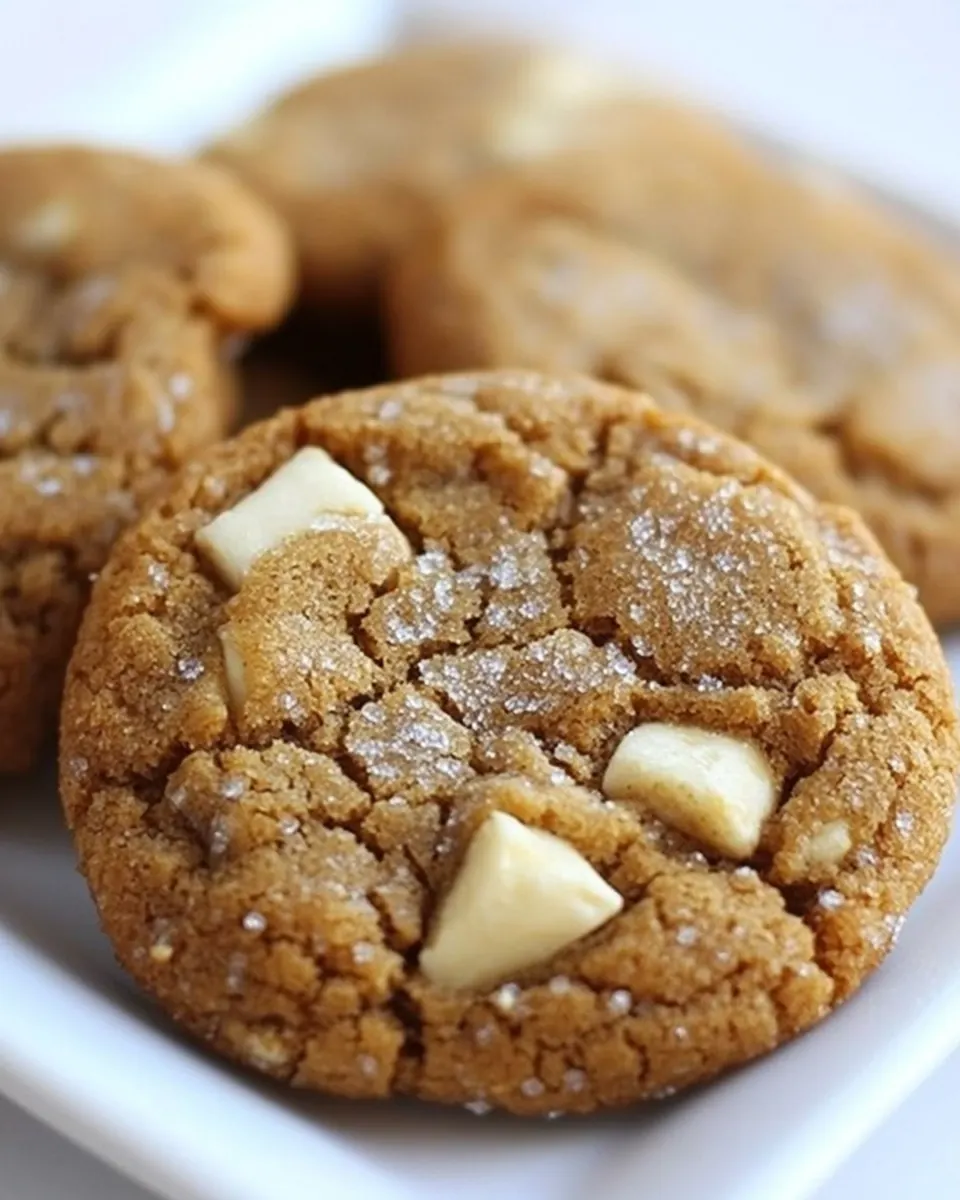
These directions are friendly and straightforward, written so you can follow along confidently. I narrate sensory cues and troubleshooting tips as you go, so the cookies come out with the signature soft centers and warmly spiced flavor I love. Keep your tools handy and work deliberately, and you will notice how small choices add up to a dependable result.
- Preheat oven to 350°F. Line two large baking sheets with parchment papers or with a silicone baking mat. Set aside.: As the oven warms you will smell the faint electrical hum and the air will start to feel cozy, which is a nice cue that heat is building evenly. Lining sheets prevents sticking and promotes even bottom browning, giving a uniform golden edge around the cookies. A common mistake is not letting the oven fully reach temperature, which can cause uneven spreading and underdone centers. If your oven runs hot or cold, use an oven thermometer to check accuracy before baking.
- In the bowl of a stand mixer, cream together butter and sugar until smooth and creamy.: When creaming you should see the mixture lighten in color and become fluffy, a visual sign that air has been incorporated to help with tender texture. The sound changes too, from heavy to lighter as the paddle moves through softened butter . Avoid overbeating, which can introduce too much air and change bake height; stop once the butter is pale and smooth. If your butter seems greasy, it was likely too soft and you should chill slightly before proceeding.
- Beat in the molasses, canola oil, vanilla, baking soda, salt, and spices. Mix until well combined.: The bowl will darken and the aroma will shift to warm, spicy notes as the molasses and spices mingle. Combining the leavening with the wet ingredients helps it disperse evenly so the dough rises uniformly. Stir until no streaks remain, but do not overmix, which can make the dough tough. If you notice lumps of molasses , scrape the bowl and beat briefly to incorporate for even flavor distribution.
- Add the eggs, one at a time, and beat until smooth. Slowly add in the flour. Next, stir in the white chocolate chunks.: Adding eggs one at a time creates a smooth emulsion and prevents separation. As you add flour , the mixture will thicken and become visibly doughy, a tactile change that signals readiness for chunks. When folding in the white chocolate chunks , use gentle strokes so they remain intact and distribute through the dough. A common error is vigorous stirring which can pulverize chunks and change the texture balance.
- Scoop the dough into balls and roll in granulated sugar. Place on lined baking sheets, about two inches apart. Bake for 10 minutes, the cookies will still be soft. Remove from oven and let cookies cool on the baking sheet for five minutes. Transfer to a wire rack and cool completely.: The dough should feel cool and slightly tacky when scooped, and rolling in extra granulated sugar gives a sparkling surface that slightly crisps in the oven. Place balls spaced apart because they will spread gently; you should hear only a soft hiss from hot dough, not vigorous bubbling. Bake until the edges set and the centers still look soft, which keeps the interior tender as they finish on the sheet. A typical misstep is leaving them in the oven until fully firm which dries the centers. Allowing five minutes on the pan helps residual heat finish the bake without overcooking, then transferring to a wire rack ensures even cooling and prevents sogginess on the bottom.
Helpful Hints
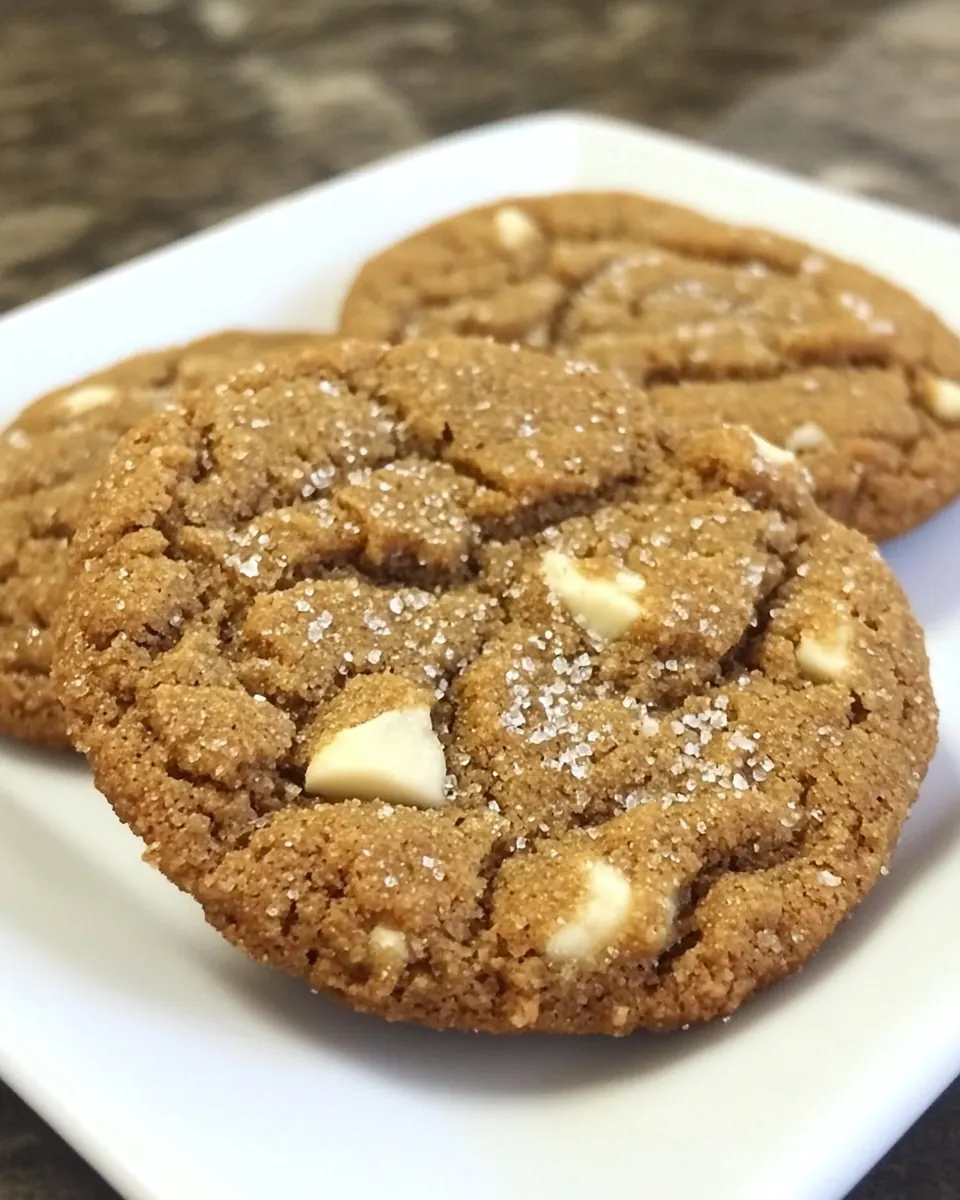
Here are practical tips I use every time I make these cookies. They focus on timing, texture, and ingredient handling so the results are consistent. Each tip highlights the key action first, then explains why it matters and how to avoid common problems.
- Warm the oven fully: Make sure the oven has reached 350°F before baking, because consistent heat ensures even spread and predictable edge browning. I recommend using an oven thermometer if your oven behaves unpredictably.
- Handle the dough gently: Overmixing when adding flour or white chocolate chunks can develop gluten and toughen the cookies. I turn my mixer to low and fold by hand at the end to preserve tenderness.
- Measure flour correctly: Spoon all-purpose flour into the cup and level with the back of a knife. Too much flour produces dry cookies, and I have learned to re fluff the bag between measures for accuracy.
- Test a small batch first: If you are unsure about oven performance, bake two cookies as a test to confirm spread and timing, then adjust the bake time slightly if needed.
- Use chunks for melting variance: Choose white chocolate chunks rather than chips because they melt unevenly and create delightful pockets of creamy sweetness during eating.
- Keep spacing consistent: Place dough balls about two inches apart so they have room to spread into the ideal thin yet soft shape. Crowding sheets can lead to merged cookies.
- Cool properly: Allow cookies to rest five minutes on the baking sheet before transferring to a wire rack; this finishing time prevents breakage and completes internal setting without overbaking.
Great Combinations for Soft Gingersnap Cookies with White Chocolate Chunks
These cookies pair well with simple beverages and seasonal settings, and they travel beautifully for gatherings. Below I describe service suggestions, occasions, and storage pointers in a way that helps you showcase the cookies thoughtfully.
- Casual coffee break: Serve the cookies with a mild brewed coffee or a spiced tea; the warm spices harmonize with simple hot drinks and make a relaxing mid morning pause.
- Holiday cookie tin: Pack cooled cookies in layers separated by parchment for gifting during fall gatherings or festive seasons; the cookies hold shape and maintain flavor for several days when stored properly.
- Snack for walks: These cookies are sturdy and portable, perfect for packing in a small tin for a chilly afternoon walk or picnic, offering a comforting treat on the go.
- Party platter: Arrange cookies with lightly sweet biscuits and dried fruits so guests can mix and match textures; the sweet pockets of white chocolate chunks offer a contrast to more neutral bites.
- Storage tips: Keep cookies in an airtight container at room temperature for up to five days, or freeze in a well sealed bag for up to three months. Thaw at room temperature before serving to restore tenderness.
- Seasonal pairing: These cookies feel especially at home during fall meetings or chilly evenings because the spice profile echoes seasonal produce and flavors.
FAQ
Conclusion
What makes these cookies special is the balance between warm spices, rich molasses, and creamy pockets of white chocolate that create a soft, inviting bite. They are a reliable, crowd pleasing treat that suits casual snacking, gifting, or cozy evenings, and they come together with simple steps and everyday ingredients. Give the recipe a try and you may find yourself reaching for it whenever the air turns chilly or you want a small, comforting reward. Share them with friends or savor them solo, because these cookies are meant to be enjoyed and make good memories.
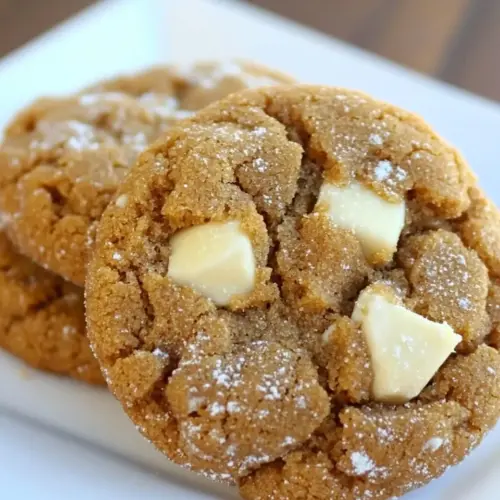
Soft Gingersnap Cookies with White Chocolate Chunks
Equipment
- Stand mixer
- Mixing Bowl
- Measuring Cups
- Baking Sheets
- Parchment Paper
- Wire Rack
Ingredients
- 1 cup unsalted butter at room temperature Creamy and softened to provide richness and structure, helping create a tender, chewy cookie crumb and carrying flavor throughout the dough.
- 1 cup granulated sugar Granulated and used to sweeten the dough while contributing to spread and slight crisping at the edges when baked.
- 1/2 cup molasses Deep and robust, adding moist sweetness and characteristic gingersnap flavor while contributing to chewiness and color in the cookies.
- 2 tablespoons canola oil Neutral and liquid, used to increase tenderness and improve texture by adding fat without overpowering the spice flavors.
- 1 teaspoon vanilla extract Fragrant and sweet, enhancing overall flavor complexity and rounding out the spices with a warm, aromatic note.
- 2 1/4 teaspoons baking soda Leavening agent in powdered form, responsible for the cookies' rise and lift, helping create a lighter interior and controlled spread.
- 1 teaspoon salt Savory and essential, balancing sweetness and enhancing all flavor components while also influencing dough chemistry and gluten behavior.
- 1 1/4 teaspoons cinnamon Warm and aromatic, providing classic gingersnap cinnamon flavor and complementing the other spices to build depth in the cookies.
- 1 1/4 teaspoons ground cloves Pungent and aromatic, contributing a deep, spicy sweetness that works with ginger and cinnamon to define the gingersnap profile.
- 1 teaspoon ground ginger Bright and spicy, delivering the primary ginger heat and sharpness that gives gingersnaps their characteristic bite.
- 2 large eggs Binder and moisture contributor, adding richness, structure, and emulsification that helps the dough hold together and bake evenly.
- 3 1/2 cups all-purpose flour Sturdy and absorbent, providing the bulk and structure of the cookies by forming the gluten network and determining final texture.
- 1 1/2 cups white chocolate chunks Sweet and creamy chunks folded in to introduce pockets of sweet white chocolate that contrast the spicy cookie base and add richness.
- 1 cup granulated sugar for coating cookie dough balls Coarse and sweet used to coat dough balls, creating an attractive sugar-crusted exterior and adding a pleasant initial crunch.
Instructions
- Preheat oven to 350°F. Line two large baking sheets with parchment papers or with a silicone baking mat. Set aside.: As the oven warms you will smell the faint electrical hum and the air will start to feel cozy, which is a nice cue that heat is building evenly. Lining sheets prevents sticking and promotes even bottom browning, giving a uniform golden edge around the cookies. A common mistake is not letting the oven fully reach temperature, which can cause uneven spreading and underdone centers. If your oven runs hot or cold, use an oven thermometer to check accuracy before baking.
- In the bowl of a stand mixer, cream together butter and sugar until smooth and creamy.: When creaming you should see the mixture lighten in color and become fluffy, a visual sign that air has been incorporated to help with tender texture. The sound changes too, from heavy to lighter as the paddle moves through softened butter . Avoid overbeating, which can introduce too much air and change bake height; stop once the butter is pale and smooth. If your butter seems greasy, it was likely too soft and you should chill slightly before proceeding.
- Beat in the molasses, canola oil, vanilla, baking soda, salt, and spices. Mix until well combined.: The bowl will darken and the aroma will shift to warm, spicy notes as the molasses and spices mingle. Combining the leavening with the wet ingredients helps it disperse evenly so the dough rises uniformly. Stir until no streaks remain, but do not overmix, which can make the dough tough. If you notice lumps of molasses , scrape the bowl and beat briefly to incorporate for even flavor distribution.
- Add the eggs, one at a time, and beat until smooth. Slowly add in the flour. Next, stir in the white chocolate chunks.: Adding eggs one at a time creates a smooth emulsion and prevents separation. As you add flour , the mixture will thicken and become visibly doughy, a tactile change that signals readiness for chunks. When folding in the white chocolate chunks , use gentle strokes so they remain intact and distribute through the dough. A common error is vigorous stirring which can pulverize chunks and change the texture balance.
- Scoop the dough into balls and roll in granulated sugar. Place on lined baking sheets, about two inches apart. Bake for 10 minutes, the cookies will still be soft. Remove from oven and let cookies cool on the baking sheet for five minutes. Transfer to a wire rack and cool completely.: The dough should feel cool and slightly tacky when scooped, and rolling in extra granulated sugar gives a sparkling surface that slightly crisps in the oven. Place balls spaced apart because they will spread gently; you should hear only a soft hiss from hot dough, not vigorous bubbling. Bake until the edges set and the centers still look soft, which keeps the interior tender as they finish on the sheet. A typical misstep is leaving them in the oven until fully firm which dries the centers. Allowing five minutes on the pan helps residual heat finish the bake without overcooking, then transferring to a wire rack ensures even cooling and prevents sogginess on the bottom.
Notes
- Warm the oven fully: Make sure the oven has reached 350°F before baking, because consistent heat ensures even spread and predictable edge browning. I recommend using an oven thermometer if your oven behaves unpredictably.
- Handle the dough gently: Overmixing when adding flour or white chocolate chunks can develop gluten and toughen the cookies. I turn my mixer to low and fold by hand at the end to preserve tenderness.
- Measure flour correctly: Spoon all-purpose flour into the cup and level with the back of a knife. Too much flour produces dry cookies, and I have learned to re fluff the bag between measures for accuracy.
- Test a small batch first: If you are unsure about oven performance, bake two cookies as a test to confirm spread and timing, then adjust the bake time slightly if needed.
- Use chunks for melting variance: Choose white chocolate chunks rather than chips because they melt unevenly and create delightful pockets of creamy sweetness during eating.
- Keep spacing consistent: Place dough balls about two inches apart so they have room to spread into the ideal thin yet soft shape. Crowding sheets can lead to merged cookies.
- Cool properly: Allow cookies to rest five minutes on the baking sheet before transferring to a wire rack; this finishing time prevents breakage and completes internal setting without overbaking.