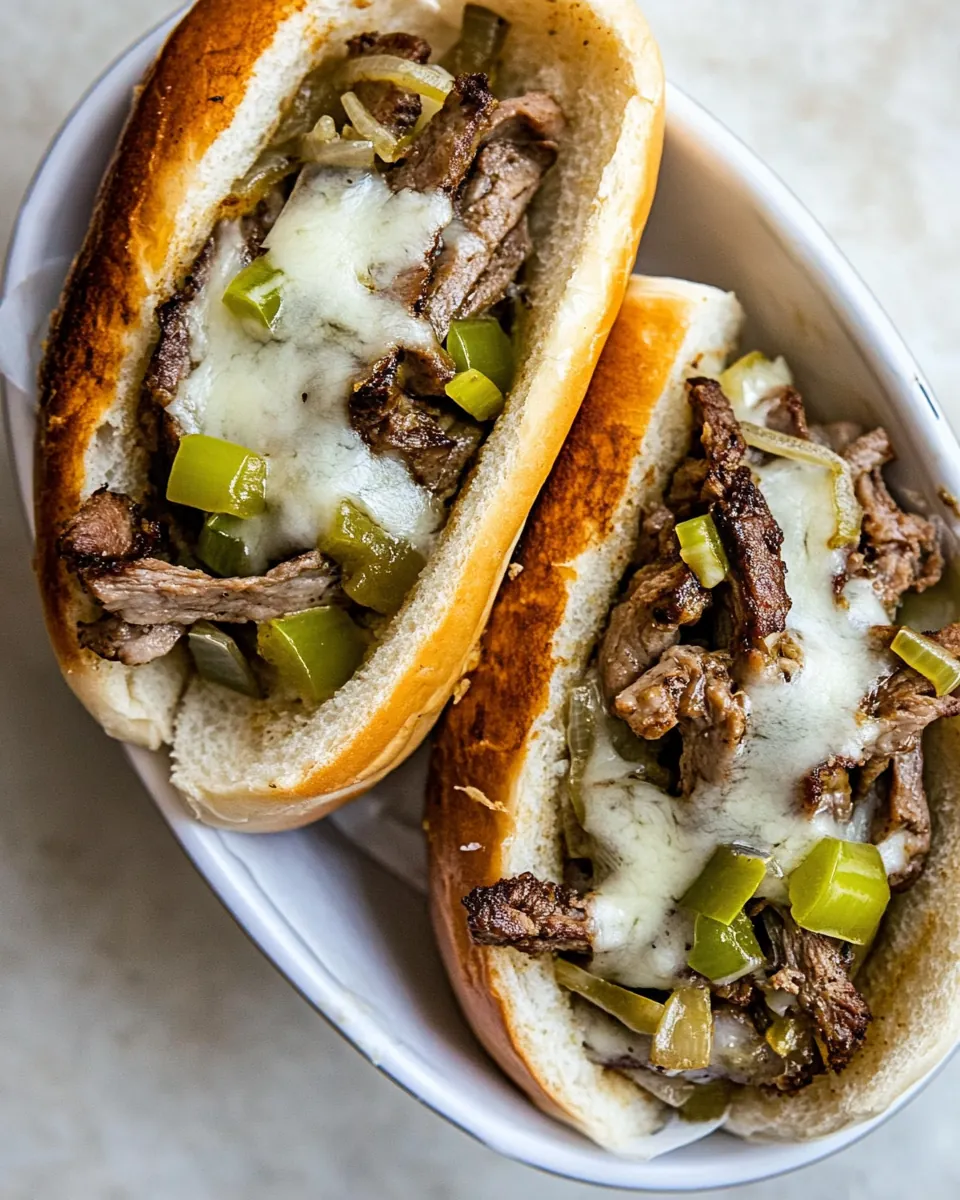
Crockpot Philly Cheesesteaks
Crockpot Philly Cheesesteaks was the kind of recipe I turned to on chilly evenings when the house smelled like comfort and simple pleasures. I remember the first time I slow cooked a tray of thinly sliced round sirloin steak until it practically fell apart, then tucked it into warm rolls with gooey provolone cheese, and felt a small, satisfied hush fall over the table. That evening felt easy, unpretentious, and exactly what I wanted when I needed dinner to feel like a warm hug.
Some weekday nights demand minimal fuss and maximum flavor, and that is where this version of Crockpot Philly Cheesesteaks shines. I learned to trust generous amounts of savory broth, a quick sprinkle of garlic powder, and the aromatic bubble of onions and peppers for a deeply savory base. Over time I refined little habits, like stirring once or twice while it cooks so nothing sticks, and finishing with fresh cilantro or parsley to lift the whole pot.
Recipe Snapshot
6 hr 15 mins
15 mins
360 mins
Hard
450 kcal
American
Gluten-Free, Keto
Dinner
Crockpot, Oven, Skillet, Foil
Why This Crockpot Philly Cheesesteaks Is a Winner
Effortless, hands off cooking
I absolutely love how Crockpot Philly Cheesesteaks lets you walk away and come back to dinner that smells like you spent hours in the kitchen, when really you only spent a few minutes prepping. Leaving the steak to braise slowly in beef broth turns tougher cuts tender, which means I can use economical meats without sacrificing texture or depth. It frees up the evening for homework, meetings, or a quick run, while the crockpot quietly does the heavy lifting.
Big, comforting flavors
We get a rich, beefy base from the broth and soy sauce, while the onions caramelize softly, bringing a hint of sweetness that pairs perfectly with the savory worchestire sauce. When I stir in the sliced mushrooms and peppers, the aromas build in layers, and that complexity makes each bite feel special. The melted provolone cheese ties everything together, adding creamy, salty notes that are utterly comforting.
Adaptable to what you have
I often switch the peppers or use whatever cut of beef is on sale, and it still delivers. The recipe translates to stovetop for a faster finish without losing character, which I appreciate when time is tight. If you want it a little brighter, stirring in fresh cilantro or parsley at the end wakes up the flavors instantly.
Perfect for gatherings
When friends drop by, I turn on the crockpot and let it hum while we chat. The sandwiches are easy to assemble and everyone can customize with mayo or jalapeños. It’s the kind of dish that invites conversation and keeps the host relaxed, because the main work is already done.
Simple, satisfying finish
The final oven step of melting the provolone cheese on hoagie rolls makes the presentation warm and inviting. I love that a few minutes in foil produces that irresistible, molten top that guests always reach for first. It’s a small flourish that feels indulgent without any real effort.
Shopping List for Crockpot Philly Cheesesteaks
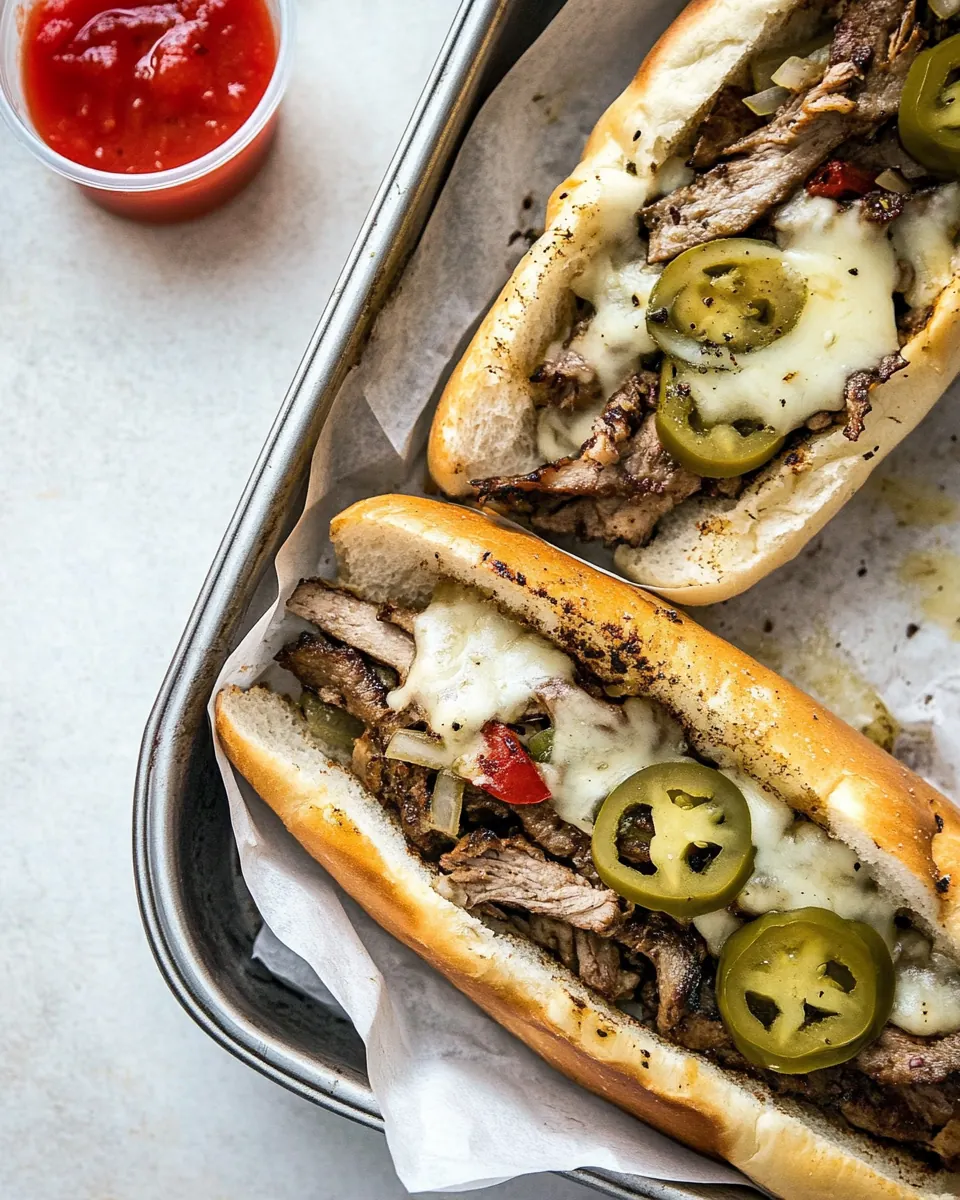
These ingredients are built around a few key players that do the heavy lifting: the beef gives the dish its savory backbone, the aromatics like onions and garlic powder add depth, and the provolone cheese finishes the sandwiches with creamy richness. Each element complements the others so the final sandwich tastes layered yet straightforward.
- 1 2 slices sweet onions thinly (I used 1): Thinly slice to add sweet, tender onion flavor that caramelizes slightly during cooking and balances savory beef; provides moisture and a mild crunch if undercooked, enhancing overall texture and aroma.
- 2 teaspoons brown sugar: Sprinkle to promote caramelization and bring a warm, molasses-like sweetness that offsets savory and acidic flavors; helps create a glossy, slightly sticky coating on sauteed onions and peppers.
- 1 tablespoon worchestire sauce: Add to deepen savory, umami notes and provide a tangy, slightly salty complexity that mimics a classic steakhouse profile; blends with soy sauce and broth to enrich the cooking liquid.
- 2 tablespoons butter: Melt to impart rich, creamy mouthfeel and help brown the vegetables and meat; butter also carries and amplifies aromatics like garlic and onions throughout the dish.
- 2 pounds round sirloin steak or skirt steak, thinly sliced (use 1 1/2 pounds New York Strips or Ribeys for the Stove-Top version): Thinly slice to ensure quick, even cooking and tender bites; provides the primary protein and beefy flavor that defines the cheesesteak, releasing juices that form the base of the sauce.
- 1 teaspoon garlic power: Sprinkle to introduce a warm, garlicky backbone that enhances savory depth without overpowering; dissolves into the cooking liquid to season the meat and vegetables evenly.
- salt + pepper: Season to taste to balance and heighten all flavors, ensuring the meat and vegetables are properly accented; salt extracts moisture for better browning while pepper adds subtle heat and complexity.
- 8 ounces button mushrooms sliced: Slice to contribute an earthy, savory element and tender bite that soaks up broth and seasonings; mushrooms also release umami that complements the beef and intensifies the sauce.
- 2 poblano peppers or green bell peppers sliced: Slice to add mild heat or sweet bell pepper flavor along with crunchy texture when lightly cooked; peppers provide color, freshness, and a slight vegetal sweetness that balances richness.
- 1 tablespoon low sodium soy sauce: Stir in to boost savory depth and provide additional umami and salt without overpowering; low sodium option helps control overall saltiness while enhancing the meatiness of the sauce.
- 2 1/2 3 cups beef broth: Pour to create a flavorful cooking liquid that braises the meat and vegetables, producing tender slices and a saucy base for the sandwich; adjust amount to control thickness and concentration.
- 1/3 cup fresh cilantro or parsley: Chop to add a bright, herbaceous finish and fresh contrast to the rich, savory filling; cilantro or parsley brings lift, color, and a hint of freshness to each bite.
- 4 6 hoagie rolls: Warm to serve as the handheld vessel for the cheesesteak, offering a soft, slightly chewy texture that soaks up juices; hoagie rolls also provide structure for layering meat, veggies, and cheese.
- chipotle or regular mayo (optional): Spread optionally to introduce a creamy, tangy, or smoky element that complements the beef and cheese; mayonnaise variations add moisture and an extra layer of flavor to the sandwich.
- 6 slices provolone cheese: Layer to melt over the hot meat and vegetables, creating a gooey, savory binding that defines the cheesesteak; provolone offers mild, melty richness that harmonizes with the other components.
Directions for Crockpot Philly Cheesesteaks
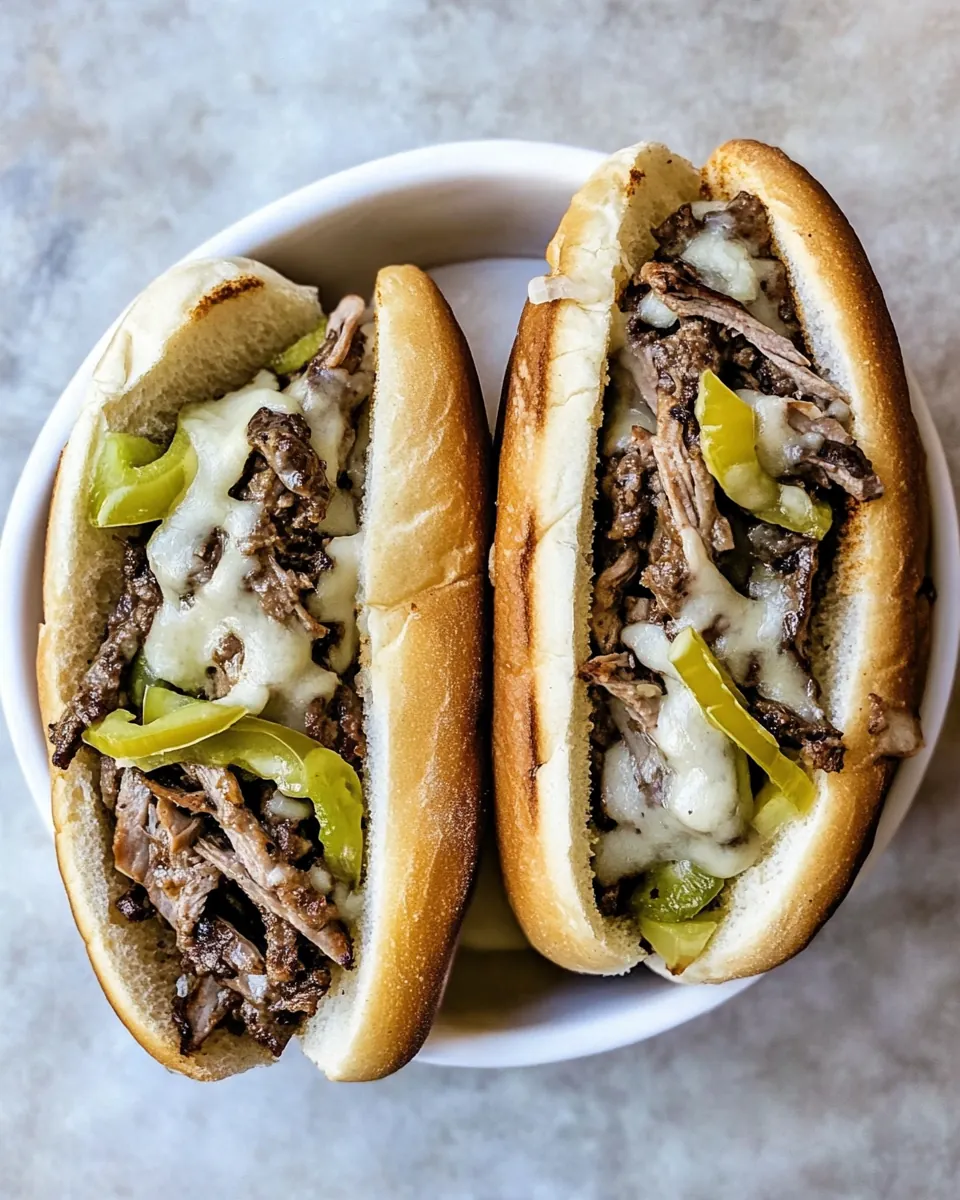
I like to think of these directions as a series of comforting beats. With a little setup the crockpot creates nearly all the work, and the final assembly in the oven brings everything together in a satisfying, melty finish.
- In the bowl of a crockpot, toss together the onions, brown sugar and worchestire sauce. Add the butter and steak. Sprinkle the steak with garlic powder and then generously sprinkle with salt and pepper. Nest add the mushrooms and bell peppers and then pour in 2 1/2 cups of beef broth + the soy sauce. Cover and cook on low for 6-8 hours or on high for 5-6 hours, stirring once or twice throughout cooking if possible. If the liquid gets too low (if the steak is not mostly submerged in beef broth), add the remaining 1/2 cup of beef broth.: The scent of the onions mingling with brown sugar and worchestire sauce is the first signal that something deeply savory is coming, with a gentle sweet edge. You should notice the onions glistening and beginning to soften when you stir them, which helps release their sugars into the broth later. A common mistake is overcrowding or adding too much liquid at this point, which can dilute the flavor, so keep proportions steady and give each ingredient a chance to mingle.
- Once the steak is finished cooking, stir in the cilantro. Taste and adjust salt + pepper to your liking.: As the butter melts into the mix, it coats the steak slices and aromatics, creating a richer mouthfeel that carries flavor throughout the cooking. The butter’s glossy sheen on the meat is a visual cue that the fats are integrating, which helps the broth cling to the slices. Avoid adding frozen meat, because that can drop the crockpot temperature and extend cook time unnecessarily.
- Preheat the oven to 400 degrees F. Spread a little mayo on each hoagie (if using) and then stuff equal amounts of the steak mixture into each hoagie roll and then generously top with provolone cheese. Wrap each hoagie in foil and place in the oven for 5-10 minutes or until the cheese has melted. Serve warm with jalapeños + french fries if desired.: The dry spices cling to the meat, drawing out its natural juices to season as it cooks. You’ll smell the pepper and garlic kick once they hit the warm butter, and that initial aroma foreshadows the deep savory notes to come. A common error is undersalting at this stage, which leaves the finished dish flat, so be confident but measured with your seasoning.
- Preheat the oven to 400 degrees F.: When you tuck the mushrooms and peppers around the meat and pour in the beef broth with soy sauce , the pot begins to steam and concentrate aromas. The mushrooms release earthy juices that meld with the broth, creating a deep, savory base. If you fill the pot unevenly, some slices may not absorb flavor, so ensure the meat is mostly submerged for even cooking.
- Heat a large skillet over medium high heat. Add 2 tablespoons butter and the onion. Sprinkle the onion with brown sugar, cook for about 5 minutes or until the onion is soft. Add the green pepper, mushrooms and a pinch of salt and pepper. Cook 5-8 minutes or until the veggies are soft. Remove from the skillet and place in a bowl.: During the long, slow simmer you will notice the broth reducing and the steak fibers loosening, which is the texture transformation you want. The gentle bubbling sound should be steady, not violent, and the aroma becomes richer as time passes. If the broth evaporates too quickly, the texture will be drier, so keep an eye on liquid levels and add more if necessary.
- Return the skillet to medium high heat and add another tablespoon butter. When the skillet is hot, add the steak and sprinkle it with the garlic powder. Cook for 2-3 minutes or until the steak is cooked to your liking. Remove from the heat and add the worchestire sauce and soy sauce. Spread a little mayo on each hoagie (if using) and then stuff equal amounts of the steak mixture into each hoagie roll and then generously top with provolone cheese. Wrap each hoagie in foil and place in the oven for 5-10 minutes or until the cheese has melted. Serve warm with jalapeños + french fries if desired.: Adding the extra beef broth keeps the meat tender and ensures the filling stays juicy enough for sandwiches. The surface should shimmer with a thin layer of broth and some fat, which indicates proper moisture. A mistake is waiting until everything is dry to add liquid, which can make the meat tough, so top up earlier if you see the level dropping.
- Once the steak is finished cooking, stir in the cilantro: Stirring in chopped cilantro or parsley at the end injects bright, fresh notes that lift the rich, slow cooked flavors. You will notice a fragrant citrusy-green scent that contrasts the deeper beef aroma, balancing the palate. Don’t stir too aggressively as it can bruise delicate herbs and make them lose their brightness.
- Taste and adjust salt + pepper to your liking: Tasting at the finish is crucial because the concentrated broth and sauces can change salt levels as they reduce. Adjusting now lets you correct any imbalance so the filling is flavorful without being over seasoned. A common oversight is skipping the taste test and ending up with a salty or underseasoned sandwich.
- Preheat the oven to 400 degrees F: Warming the oven prepares it to melt the provolone cheese quickly and evenly, creating that desirable, gooey top without drying the filling. You should feel the oven heat radiate when you open the door, and it ensures the foil wrapped sandwiches heat through and the cheese becomes silky. Avoid placing cold sandwiches into a warm but not hot oven, which can prolong the melting and change texture.
- Spread a little mayo on each hoagie if using and then stuff equal amounts of the steak mixture into each hoagie roll and then generously top with provolone cheese: Spreading mayo creates a protective layer that keeps the rolls from becoming soggy, while the filling packed into each roll should look moist and glossy, not dry. The slices of provolone cheese should overlap slightly to ensure an even, melted blanket over the filling. A slip people make is overfilling the rolls, which makes wrapping and baking messy, so portion carefully.
- Wrap each hoagie in foil and place in the oven for 5 to 10 minutes or until the cheese has melted: The foil traps steam, which helps melt the provolone cheese and warm the roll through, resulting in a soft exterior and molten interior. You’ll hear a faint steam hiss when you unwrap, and the cheese should be visibly melted and stringy. Be cautious not to leave them too long, or the rolls can become overly soft and lose structure.
- Serve warm with jalapeños + french fries if desired: Serving the sandwiches warm ensures the cheese is still gooey and the filling retains its juiciness, and the contrast of crisp fries or spicy jalapeños adds texture and temperature play. Plate them so steam can escape, otherwise residual heat will continue to soften the roll. A common mistake is letting them sit wrapped too long, which can steam the bread into sogginess.
- Preheat the oven to 400 degrees F: This repeated preheat directive is a reminder to ensure the oven reaches the right temperature before you melt the cheese, guaranteeing consistent results. The oven should feel evenly hot when you open it, which prevents uneven melting or longer bake times. Skipping this check often leads to under melted cheese.
- Heat a large skillet over medium high heat: When using the stovetop method, a hot skillet creates quick browning on the onion and later the steak , giving you caramelized edges and concentrated flavors. You should hear a lively sizzle when ingredients hit the pan, and see golden color develop within minutes. Avoid overcrowding the skillet because that causes steaming instead of browning.
- Add 2 tablespoons butter and the onion: The butter should foam gently and coat the onion , helping it soften and take on golden edges, which adds sweetness and body to the filling. When the onion turns translucent and begins to brown at the edges, it signals readiness for the next vegetables. If the butter smokes, lower the heat to prevent bitterness.
- Sprinkle the onion with brown sugar, cook for about 5 minutes or until the onion is soft: The brown sugar accelerates caramelization, producing a sticky, flavorful sheen on the onions that deepens the final taste. You will smell a warm, toasted sugar note mixing with savory aromas. Stir frequently enough to prevent burning, which can introduce an acrid flavor.
- Add the green pepper, mushrooms and a pinch of salt and pepper: The vegetables should sizzle and soften, releasing moisture that evaporates as they brown, concentrating savory notes. The mixture should look glossy and reduced, with edges taking on golden color. If they sit too long without stirring, parts can scorch, so keep them moving.
- Cook 5 to 8 minutes or until the veggies are soft: The visual cue here is tenderness and slight browning, and you should hear a quieter sizzle as the moisture leaves. Properly softened veggies add texture contrast to the meat, and undercooked peppers will feel tough in the sandwich. Avoid rushing this step, because flavor builds as liquid reduces.
- Remove from the skillet and place in a bowl: Resting the vegetables in a bowl prevents them from overcooking while you sear the steak , preserving their texture. The bowl will collect any residual fond, which you can later deglaze into the meat for extra flavor. Don’t leave the skillet empty on high heat too long, as it can overheat and affect the next sear.
- Return the skillet to medium high heat and add another tablespoon butter: Adding fresh butter primes the pan for a sizzling sear, ensuring the steak gets a quick crust rather than stewing. The butter should melt and foam, signaling the right moment to add the meat. If the butter browns too quickly, reduce the heat slightly to maintain control.
- When the skillet is hot, add the steak and sprinkle it with the garlic powder: The steak should sizzle loudly on contact, forming caramelized edges that lock in juices and create savory complexity. The aroma of searing meat and toasted garlic powder is an excellent indicator that the Maillard reaction is happening. Avoid moving the steak constantly, because you want those browned bits to form.
- Cook for 2 to 3 minutes or until the steak is cooked to your liking: You are aiming for a quick sear that gives the meat color while keeping it tender, especially since it is thinly sliced. The surface should develop a browned crust while the interior remains juicy. Overcooking can make thin slices tough, so watch carefully and test with a piece.
- Remove from the heat and add the worchestire sauce and soy sauce: Tossing the cooked steak with the worchestire sauce and soy sauce adds concentrated umami and a glossy finish, making the meat richly flavored. The sizzling aroma should become deeper and slightly tangy, enhancing the filling. If you add these while the pan is too cold, the flavors will not incorporate fully.
- Spread a little mayo on each hoagie if using and then stuff equal amounts of the steak mixture into each hoagie roll and then generously top with provolone cheese: The final assembly is about balance, ensuring each roll has moist filling and a generous layer of provolone cheese that will melt into a stringy, delightful topping. The appearance should be inviting, with cheese overlapping the filling and the roll holding shape. Overstuffing here leads to spills and messy melting.
- Wrap each hoagie in foil and place in the oven for 5 to 10 minutes or until the cheese has melted: This step brings everything together, steaming the sandwich just enough to meld flavors and soften the roll while turning the cheese into a luscious blanket. You will hear a soft hiss when you open the foil, and the cheese should stretch when you pull the sandwich apart. Leaving them wrapped too long will result in overly soft bread, so time it carefully.
- Serve warm with jalapeños + french fries if desired: Serving warm preserves the melted cheese texture and juicy filling, and accompaniments like jalapeños or fries add contrast in heat and crunch, elevating the meal experience. Present them while still steaming for maximum appeal. Waiting too long to serve will cause the cheese to set and the roll to cool, dulling the experience.
Recipe Notes about Crockpot Philly Cheesesteaks
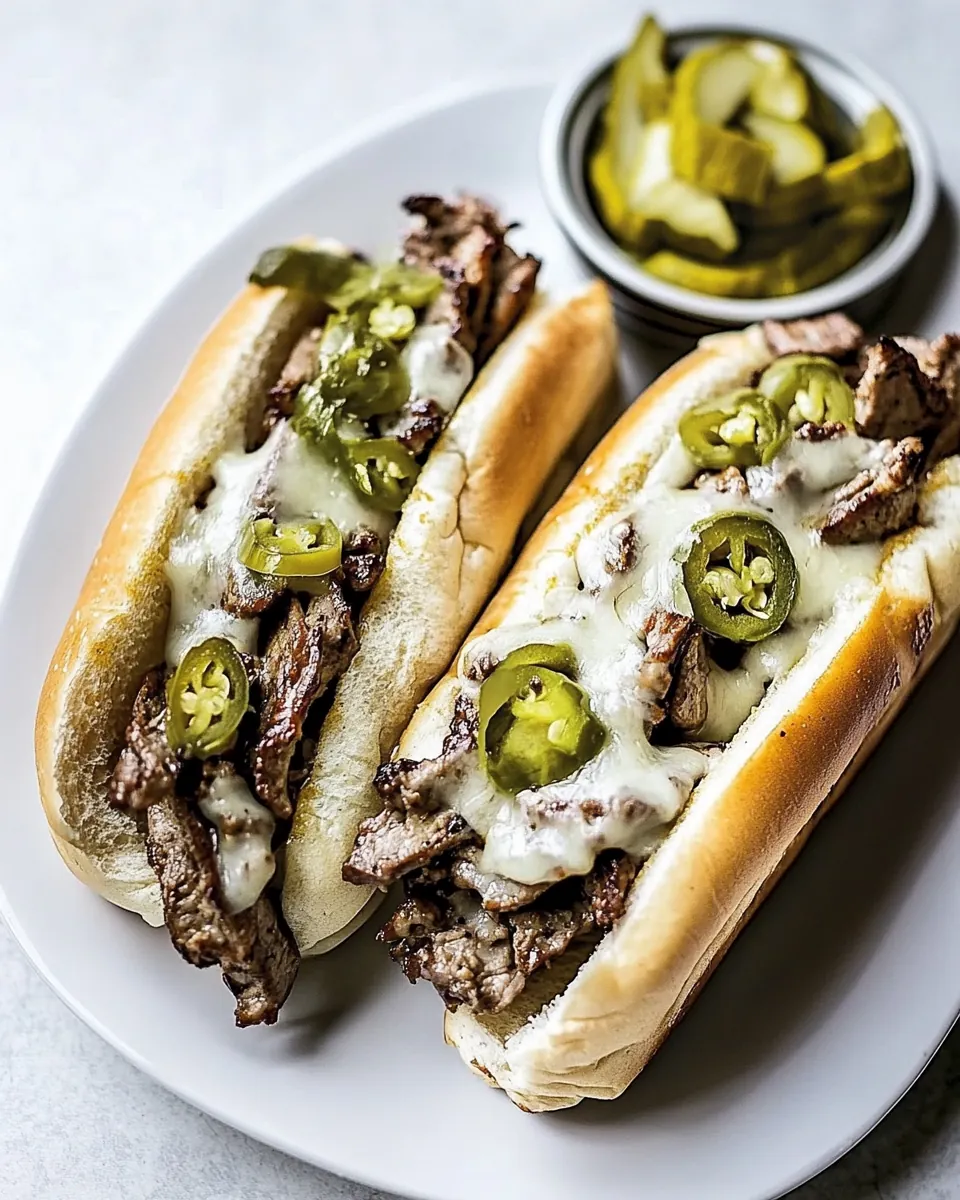
These notes collect the small decisions and adjustments I make every time I cook these sandwiches. They help turn a good result into a great one, and they keep the method adaptable to what you have on hand.
- Choose your steak wisely, thinly slice round sirloin steak or skirt steak for the crockpot, as these cuts become tender and flavorful with long, slow cooking. Trimming excess fat helps keep the final filling from being greasy.
- Control the salt, because the beef broth, soy sauce and worchestire sauce all add sodium. Taste near the end and adjust so the filling is well seasoned but not overpowering.
- Watch liquid levels, adding the extra 1 2 cup of beef broth if the meat is not mostly submerged, this prevents drying and ensures even tenderness throughout the crockpot cook.
- Fresh herbs at the end, stirring in chopped cilantro or parsley right before serving keeps their brightness intact and provides an aromatic lift to the rich filling.
- Melt the cheese properly, wrapping the hoagies in foil and baking at 400 degrees F for 5 to 10 minutes gives an even, gooey melt without over drying the rolls. Unwrap carefully to preserve the melted texture.
Perfect Matches for Crockpot Philly Cheesesteaks
These serving suggestions help you round out the meal, offering contrasts in texture and temperature that complement the rich, melty sandwiches. They are great for casual dinners, game day, or relaxed weekend lunches.
- Crispy french fries, the crunch and salt of fries are classic partners, providing a textural counterpoint to the tender, saucy filling.
- Pickled jalapeños or sliced fresh jalapeños, add bright heat that cuts through the richness, perfect for people who like a spicy kick.
- Simple green salad, a lightly dressed salad adds freshness and a crisp mouthfeel to balance the heavy, cheesy sandwich.
- Coleslaw, a tangy coleslaw on the side provides acid and crunch, which brightens each bite of the sandwich.
- Game day spread, serve these alongside chips, pickles, and small bites for a relaxed party platter where guests can customize their sandwiches.
- Make ahead and reheat, store the filling in the fridge for up to three days, reheat gently on the stovetop, and then assemble and melt the cheese before serving to keep textures optimal.
- Seasonal twist, in cooler months the warm, hearty nature of these sandwiches makes them ideal for fall gatherings, while in milder weather they fit casual outdoor meals.
FAQ
Conclusion
Crockpot Philly Cheesesteaks stand out because they combine deep, slow cooked savory flavors with an effortless, hands off approach that produces tender meat and melty cheese. Give this recipe a try when you want a comforting, crowd friendly meal that still feels special without a lot of stress. You will appreciate how little active work is required and how big the payoff is when you bite into a warm roll filled with juicy, seasoned steak and stretchy provolone cheese.
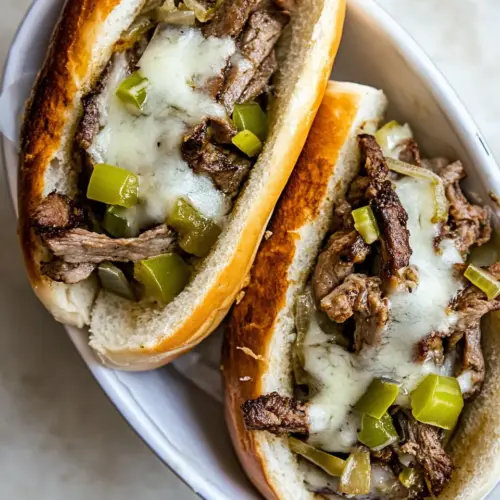
Crockpot Philly Cheesesteaks
Equipment
- Crockpot
- Oven
- Skillet
- Foil
Ingredients
- 1 -2 slices sweet onions thinly (I used 1) Thinly slice to add sweet, tender onion flavor that caramelizes slightly during cooking and balances savory beef; provides moisture and a mild crunch if undercooked, enhancing overall texture and aroma.
- 2 teaspoons brown sugar Sprinkle to promote caramelization and bring a warm, molasses-like sweetness that offsets savory and acidic flavors; helps create a glossy, slightly sticky coating on sauteed onions and peppers.
- 1 tablespoon worchestire sauce Add to deepen savory, umami notes and provide a tangy, slightly salty complexity that mimics a classic steakhouse profile; blends with soy sauce and broth to enrich the cooking liquid.
- 2 tablespoons butter Melt to impart rich, creamy mouthfeel and help brown the vegetables and meat; butter also carries and amplifies aromatics like garlic and onions throughout the dish.
- 2 pounds round sirloin steak or skirt steak, thinly sliced (use 1 1/2 pounds New York Strips or Ribeys for the Stove-Top version) Thinly slice to ensure quick, even cooking and tender bites; provides the primary protein and beefy flavor that defines the cheesesteak, releasing juices that form the base of the sauce.
- 1 teaspoon garlic power Sprinkle to introduce a warm, garlicky backbone that enhances savory depth without overpowering; dissolves into the cooking liquid to season the meat and vegetables evenly.
- salt + pepper Season to taste to balance and heighten all flavors, ensuring the meat and vegetables are properly accented; salt extracts moisture for better browning while pepper adds subtle heat and complexity.
- 8 ounces button mushrooms sliced Slice to contribute an earthy, savory element and tender bite that soaks up broth and seasonings; mushrooms also release umami that complements the beef and intensifies the sauce.
- 2 poblano peppers or green bell peppers sliced Slice to add mild heat or sweet bell pepper flavor along with crunchy texture when lightly cooked; peppers provide color, freshness, and a slight vegetal sweetness that balances richness.
- 1 tablespoon low sodium soy sauce Stir in to boost savory depth and provide additional umami and salt without overpowering; low sodium option helps control overall saltiness while enhancing the meatiness of the sauce.
- 2 1/2 - 3 cups beef broth Pour to create a flavorful cooking liquid that braises the meat and vegetables, producing tender slices and a saucy base for the sandwich; adjust amount to control thickness and concentration.
- 1/3 cup fresh cilantro or parsley Chop to add a bright, herbaceous finish and fresh contrast to the rich, savory filling; cilantro or parsley brings lift, color, and a hint of freshness to each bite.
- 4 -6 hoagie rolls Warm to serve as the handheld vessel for the cheesesteak, offering a soft, slightly chewy texture that soaks up juices; hoagie rolls also provide structure for layering meat, veggies, and cheese.
- chipotle or regular mayo optional Spread optionally to introduce a creamy, tangy, or smoky element that complements the beef and cheese; mayonnaise variations add moisture and an extra layer of flavor to the sandwich.
- 6 slices provolone cheese Layer to melt over the hot meat and vegetables, creating a gooey, savory binding that defines the cheesesteak; provolone offers mild, melty richness that harmonizes with the other components.
Instructions
- In the bowl of a crockpot, toss together the onions, brown sugar and worchestire sauce. Add the butter and steak. Sprinkle the steak with garlic powder and then generously sprinkle with salt and pepper. Nest add the mushrooms and bell peppers and then pour in 2 1/2 cups of beef broth + the soy sauce. Cover and cook on low for 6-8 hours or on high for 5-6 hours, stirring once or twice throughout cooking if possible. If the liquid gets too low (if the steak is not mostly submerged in beef broth), add the remaining 1/2 cup of beef broth.: The scent of the onions mingling with brown sugar and worchestire sauce is the first signal that something deeply savory is coming, with a gentle sweet edge. You should notice the onions glistening and beginning to soften when you stir them, which helps release their sugars into the broth later. A common mistake is overcrowding or adding too much liquid at this point, which can dilute the flavor, so keep proportions steady and give each ingredient a chance to mingle.
- Once the steak is finished cooking, stir in the cilantro. Taste and adjust salt + pepper to your liking.: As the butter melts into the mix, it coats the steak slices and aromatics, creating a richer mouthfeel that carries flavor throughout the cooking. The butter’s glossy sheen on the meat is a visual cue that the fats are integrating, which helps the broth cling to the slices. Avoid adding frozen meat, because that can drop the crockpot temperature and extend cook time unnecessarily.
- Preheat the oven to 400 degrees F. Spread a little mayo on each hoagie (if using) and then stuff equal amounts of the steak mixture into each hoagie roll and then generously top with provolone cheese. Wrap each hoagie in foil and place in the oven for 5-10 minutes or until the cheese has melted. Serve warm with jalapeños + french fries if desired.: The dry spices cling to the meat, drawing out its natural juices to season as it cooks. You’ll smell the pepper and garlic kick once they hit the warm butter, and that initial aroma foreshadows the deep savory notes to come. A common error is undersalting at this stage, which leaves the finished dish flat, so be confident but measured with your seasoning.
- Preheat the oven to 400 degrees F.: When you tuck the mushrooms and peppers around the meat and pour in the beef broth with soy sauce , the pot begins to steam and concentrate aromas. The mushrooms release earthy juices that meld with the broth, creating a deep, savory base. If you fill the pot unevenly, some slices may not absorb flavor, so ensure the meat is mostly submerged for even cooking.
- Heat a large skillet over medium high heat. Add 2 tablespoons butter and the onion. Sprinkle the onion with brown sugar, cook for about 5 minutes or until the onion is soft. Add the green pepper, mushrooms and a pinch of salt and pepper. Cook 5-8 minutes or until the veggies are soft. Remove from the skillet and place in a bowl.: During the long, slow simmer you will notice the broth reducing and the steak fibers loosening, which is the texture transformation you want. The gentle bubbling sound should be steady, not violent, and the aroma becomes richer as time passes. If the broth evaporates too quickly, the texture will be drier, so keep an eye on liquid levels and add more if necessary.
- Return the skillet to medium high heat and add another tablespoon butter. When the skillet is hot, add the steak and sprinkle it with the garlic powder. Cook for 2-3 minutes or until the steak is cooked to your liking. Remove from the heat and add the worchestire sauce and soy sauce. Spread a little mayo on each hoagie (if using) and then stuff equal amounts of the steak mixture into each hoagie roll and then generously top with provolone cheese. Wrap each hoagie in foil and place in the oven for 5-10 minutes or until the cheese has melted. Serve warm with jalapeños + french fries if desired.: Adding the extra beef broth keeps the meat tender and ensures the filling stays juicy enough for sandwiches. The surface should shimmer with a thin layer of broth and some fat, which indicates proper moisture. A mistake is waiting until everything is dry to add liquid, which can make the meat tough, so top up earlier if you see the level dropping.
- Once the steak is finished cooking, stir in the cilantro: Stirring in chopped cilantro or parsley at the end injects bright, fresh notes that lift the rich, slow cooked flavors. You will notice a fragrant citrusy-green scent that contrasts the deeper beef aroma, balancing the palate. Don’t stir too aggressively as it can bruise delicate herbs and make them lose their brightness.
- Taste and adjust salt + pepper to your liking: Tasting at the finish is crucial because the concentrated broth and sauces can change salt levels as they reduce. Adjusting now lets you correct any imbalance so the filling is flavorful without being over seasoned. A common oversight is skipping the taste test and ending up with a salty or underseasoned sandwich.
- Preheat the oven to 400 degrees F: Warming the oven prepares it to melt the provolone cheese quickly and evenly, creating that desirable, gooey top without drying the filling. You should feel the oven heat radiate when you open the door, and it ensures the foil wrapped sandwiches heat through and the cheese becomes silky. Avoid placing cold sandwiches into a warm but not hot oven, which can prolong the melting and change texture.
- Spread a little mayo on each hoagie if using and then stuff equal amounts of the steak mixture into each hoagie roll and then generously top with provolone cheese: Spreading mayo creates a protective layer that keeps the rolls from becoming soggy, while the filling packed into each roll should look moist and glossy, not dry. The slices of provolone cheese should overlap slightly to ensure an even, melted blanket over the filling. A slip people make is overfilling the rolls, which makes wrapping and baking messy, so portion carefully.
- Wrap each hoagie in foil and place in the oven for 5 to 10 minutes or until the cheese has melted: The foil traps steam, which helps melt the provolone cheese and warm the roll through, resulting in a soft exterior and molten interior. You’ll hear a faint steam hiss when you unwrap, and the cheese should be visibly melted and stringy. Be cautious not to leave them too long, or the rolls can become overly soft and lose structure.
- Serve warm with jalapeños + french fries if desired: Serving the sandwiches warm ensures the cheese is still gooey and the filling retains its juiciness, and the contrast of crisp fries or spicy jalapeños adds texture and temperature play. Plate them so steam can escape, otherwise residual heat will continue to soften the roll. A common mistake is letting them sit wrapped too long, which can steam the bread into sogginess.
- Preheat the oven to 400 degrees F: This repeated preheat directive is a reminder to ensure the oven reaches the right temperature before you melt the cheese, guaranteeing consistent results. The oven should feel evenly hot when you open it, which prevents uneven melting or longer bake times. Skipping this check often leads to under melted cheese.
- Heat a large skillet over medium high heat: When using the stovetop method, a hot skillet creates quick browning on the onion and later the steak , giving you caramelized edges and concentrated flavors. You should hear a lively sizzle when ingredients hit the pan, and see golden color develop within minutes. Avoid overcrowding the skillet because that causes steaming instead of browning.
- Add 2 tablespoons butter and the onion: The butter should foam gently and coat the onion , helping it soften and take on golden edges, which adds sweetness and body to the filling. When the onion turns translucent and begins to brown at the edges, it signals readiness for the next vegetables. If the butter smokes, lower the heat to prevent bitterness.
- Sprinkle the onion with brown sugar, cook for about 5 minutes or until the onion is soft: The brown sugar accelerates caramelization, producing a sticky, flavorful sheen on the onions that deepens the final taste. You will smell a warm, toasted sugar note mixing with savory aromas. Stir frequently enough to prevent burning, which can introduce an acrid flavor.
- Add the green pepper, mushrooms and a pinch of salt and pepper: The vegetables should sizzle and soften, releasing moisture that evaporates as they brown, concentrating savory notes. The mixture should look glossy and reduced, with edges taking on golden color. If they sit too long without stirring, parts can scorch, so keep them moving.
- Cook 5 to 8 minutes or until the veggies are soft: The visual cue here is tenderness and slight browning, and you should hear a quieter sizzle as the moisture leaves. Properly softened veggies add texture contrast to the meat, and undercooked peppers will feel tough in the sandwich. Avoid rushing this step, because flavor builds as liquid reduces.
- Remove from the skillet and place in a bowl: Resting the vegetables in a bowl prevents them from overcooking while you sear the steak , preserving their texture. The bowl will collect any residual fond, which you can later deglaze into the meat for extra flavor. Don’t leave the skillet empty on high heat too long, as it can overheat and affect the next sear.
- Return the skillet to medium high heat and add another tablespoon butter: Adding fresh butter primes the pan for a sizzling sear, ensuring the steak gets a quick crust rather than stewing. The butter should melt and foam, signaling the right moment to add the meat. If the butter browns too quickly, reduce the heat slightly to maintain control.
- When the skillet is hot, add the steak and sprinkle it with the garlic powder: The steak should sizzle loudly on contact, forming caramelized edges that lock in juices and create savory complexity. The aroma of searing meat and toasted garlic powder is an excellent indicator that the Maillard reaction is happening. Avoid moving the steak constantly, because you want those browned bits to form.
- Cook for 2 to 3 minutes or until the steak is cooked to your liking: You are aiming for a quick sear that gives the meat color while keeping it tender, especially since it is thinly sliced. The surface should develop a browned crust while the interior remains juicy. Overcooking can make thin slices tough, so watch carefully and test with a piece.
- Remove from the heat and add the worchestire sauce and soy sauce: Tossing the cooked steak with the worchestire sauce and soy sauce adds concentrated umami and a glossy finish, making the meat richly flavored. The sizzling aroma should become deeper and slightly tangy, enhancing the filling. If you add these while the pan is too cold, the flavors will not incorporate fully.
- Spread a little mayo on each hoagie if using and then stuff equal amounts of the steak mixture into each hoagie roll and then generously top with provolone cheese: The final assembly is about balance, ensuring each roll has moist filling and a generous layer of provolone cheese that will melt into a stringy, delightful topping. The appearance should be inviting, with cheese overlapping the filling and the roll holding shape. Overstuffing here leads to spills and messy melting.
- Wrap each hoagie in foil and place in the oven for 5 to 10 minutes or until the cheese has melted: This step brings everything together, steaming the sandwich just enough to meld flavors and soften the roll while turning the cheese into a luscious blanket. You will hear a soft hiss when you open the foil, and the cheese should stretch when you pull the sandwich apart. Leaving them wrapped too long will result in overly soft bread, so time it carefully.
- Serve warm with jalapeños + french fries if desired: Serving warm preserves the melted cheese texture and juicy filling, and accompaniments like jalapeños or fries add contrast in heat and crunch, elevating the meal experience. Present them while still steaming for maximum appeal. Waiting too long to serve will cause the cheese to set and the roll to cool, dulling the experience.
Notes
- Choose your steak wisely, thinly slice round sirloin steak or skirt steak for the crockpot, as these cuts become tender and flavorful with long, slow cooking. Trimming excess fat helps keep the final filling from being greasy.
- Control the salt, because the beef broth, soy sauce and worchestire sauce all add sodium. Taste near the end and adjust so the filling is well seasoned but not overpowering.
- Watch liquid levels, adding the extra 1 2 cup of beef broth if the meat is not mostly submerged, this prevents drying and ensures even tenderness throughout the crockpot cook.
- Fresh herbs at the end, stirring in chopped cilantro or parsley right before serving keeps their brightness intact and provides an aromatic lift to the rich filling.
- Melt the cheese properly, wrapping the hoagies in foil and baking at 400 degrees F for 5 to 10 minutes gives an even, gooey melt without over drying the rolls. Unwrap carefully to preserve the melted texture.