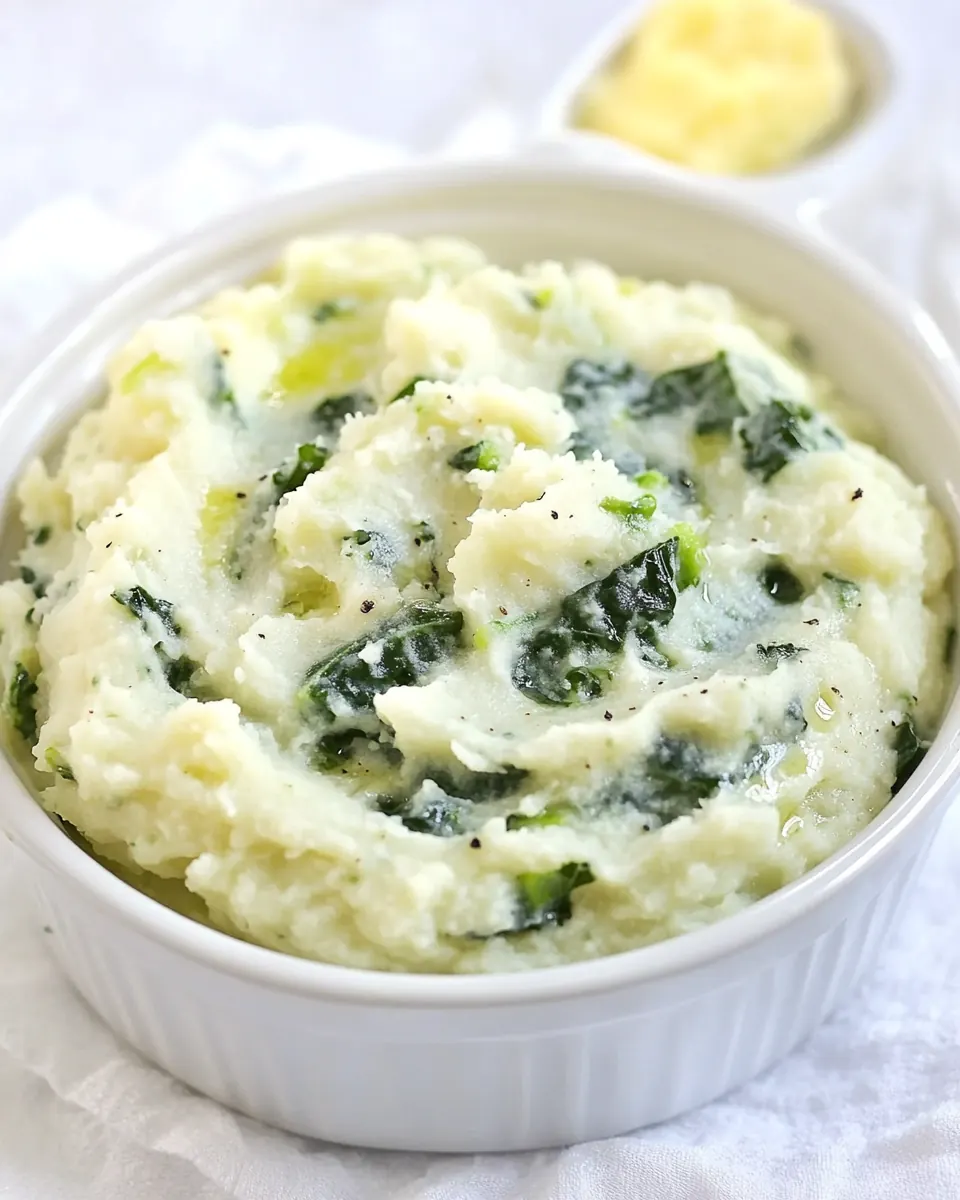
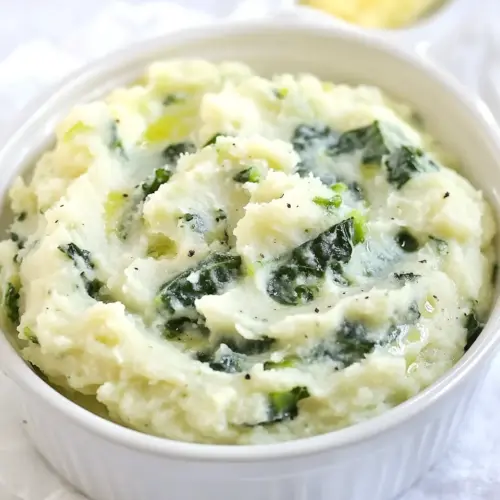
Creamy Cauliflower Mash with Kale
Creamy Cauliflower Mash with Kale has been one of my favorite weeknight go to dishes when I want something hearty yet light. The first time I made it I was chasing comfort without heaviness, and this mash delivered a warm, silky bowl that felt indulgent but refused to weigh me down. I remember standing at the stove, stirring the greens into the soft cauliflower, and feeling satisfied that simple ingredients could sing together so clearly.
Over time I learned small tricks that make the texture velvet and the kale pop with bright earthiness. I love how the garlic and scallions lift the flavor, and how a touch of butter melts into the mash, leaving a glossy sheen. Family members who once reached for potatoes now ask for seconds of this version, which always makes me smile.
Recipe Snapshot
30 mins
5 mins
25 mins
Easy
150 kcal
American
Keto, Gluten-Free
Side Dishes
Medium pot, Colander, Blender
The Best Thing About This Creamy Cauliflower Mash with Kale
1. Comfort without the heaviness
I adore how Creamy Cauliflower Mash with Kale gives you that familiar mashed mouthfeel, but with less starch. When I serve it, guests comment on the lush, creamy texture, and I tell them it comes from pureed cauliflower and just a splash of fat free milk. It feels like comfort food that still respects a light plate.
2. Flavor built on simple contrasts
The recipe balances mild, soft cauliflower with bright, slightly bitter kale and punchy garlic. I love the contrast between the silky mash and the tender greens, and the small hits of savory from unsalted butter and scallions keep every bite interesting. This is why I reach for this dish when I want something both familiar and nuanced.
3. Fast and forgiving
We all have nights when time is short. I appreciate how this recipe comes together quickly, without precise timings or complex techniques. Boil the cauliflower until fork tender, wilt the kale, and blend. If you overcook slightly, the texture remains forgiving, and if you undercook just a touch, you still get pleasant bite and structure.
4. Versatile for many plates
I often serve it as a cozy main or as a vibrant side. It pairs well with roasted vegetables or a simply seasoned protein. The neutral creamy base accepts other flavors easily, so you can layer herbs or spices if you want to experiment. I personally enjoy it plain, letting the vegetable flavors shine.
5. Nutrition that still comforts
This mash is a smart trade for those who want to reduce carbs but keep satisfaction. Between the fiber from kale and the bulk of cauliflower, you get volume and nutrients without a heavy calorie load. I find it especially useful in colder months, when you want something warming that also supports steady energy.
Ingredient List for Creamy Cauliflower Mash with Kale
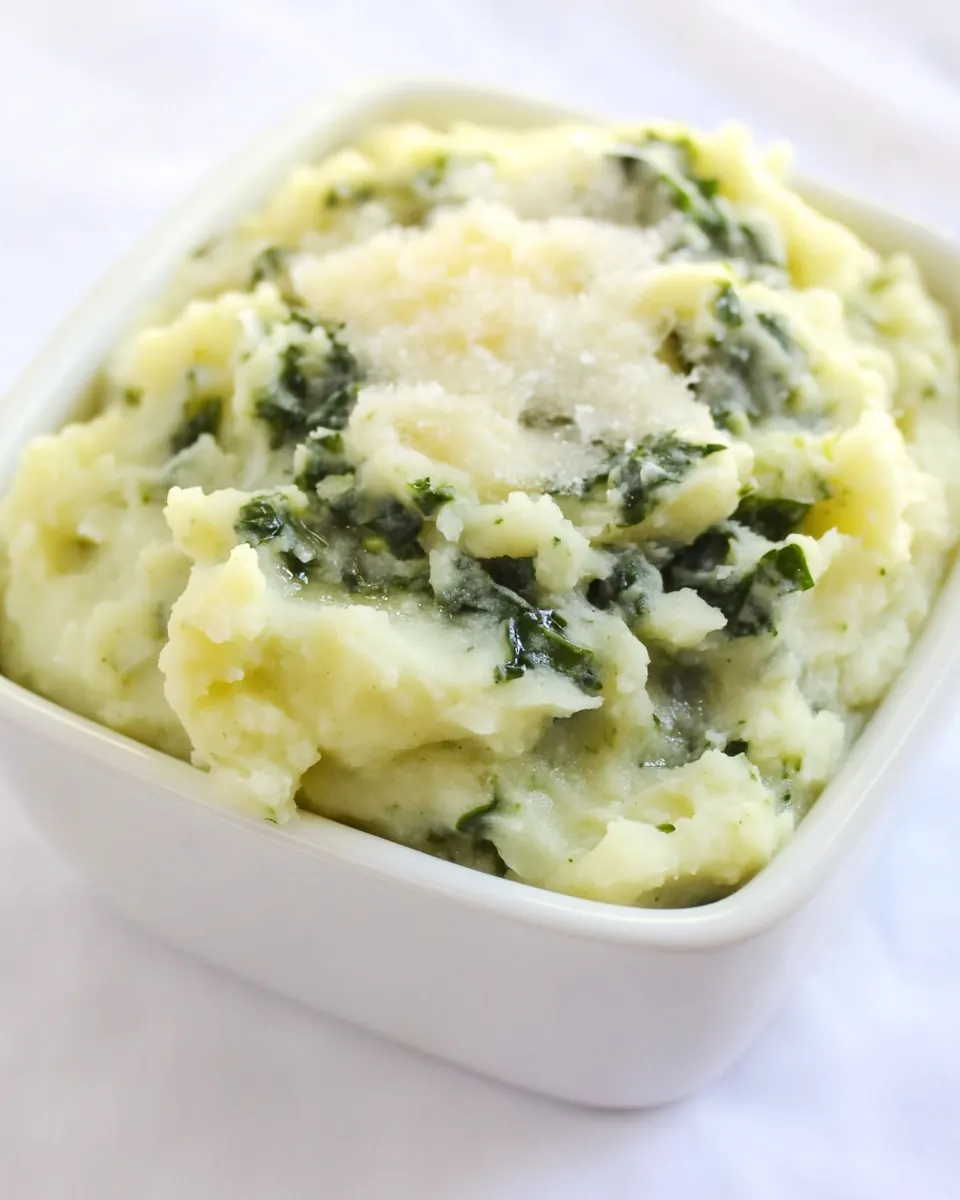
These ingredients were chosen to create a creamy, balanced mash with bright green notes. The philosophy here is simple: a starchy vegetable base for body, leafy greens for color and bite, aromatic alliums for lift, and small amounts of dairy and butter for silk and sheen. Each component plays a clear supporting role so the final bowl tastes full but not heavy.
- 6 cups 1 large head cauliflower, cut up into florets: Provide body and mild sweetness to create a fluffy, potato-like base when steamed and mashed; steam until very tender to ensure a smooth texture. Puree with butter and milk to achieve a creamy consistency while allowing other flavors like garlic and kale to blend in.
- 4 teaspoons unsalted butter: Add richness and silkiness to the mash by melting into the hot cauliflower, helping bind the puree and carry flavors. Use sparingly to keep the dish light while enhancing mouthfeel and rounding out sharper notes from garlic and scallions.
- 3 cups chopped kale: Contribute earthy bitterness and bright color when sautéed or wilted into the mash, offering a nutritious contrast to the creamy cauliflower. Chop finely so it distributes evenly and folds into the mash for added texture and leafy nutrients.
- 4 cloves crushed garlic: Provide pungent depth and aromatic warmth when crushed and lightly cooked, infusing the mash with savory complexity; cook briefly to tame sharpness and release flavor. Blend into the mashed cauliflower for an even garlic presence without overpowering the dish.
- 2 chopped scallions: Bring a mild onion-like freshness and subtle crunch when thinly sliced, adding layered flavor and a bit of texture contrast to the smooth mash. Sprinkle into or fold through the finished mash to impart delicate savory notes and visual appeal.
- 1/3 cup fat free milk: Lend creaminess and a lighter dairy note to thin and smooth the mash while keeping calories lower than full-fat substitutes. Warm slightly before adding and incorporate gradually to reach desired consistency without watering down flavor.
- kosher salt and pepper to taste: Balance and enhance all flavors by seasoning to taste, allowing salt to elevate natural sweetness and pepper to add gentle heat. Taste at the end and adjust gradually to preserve the delicate interplay between cauliflower, kale, garlic, and butter.
How to Assemble Creamy Cauliflower Mash with Kale
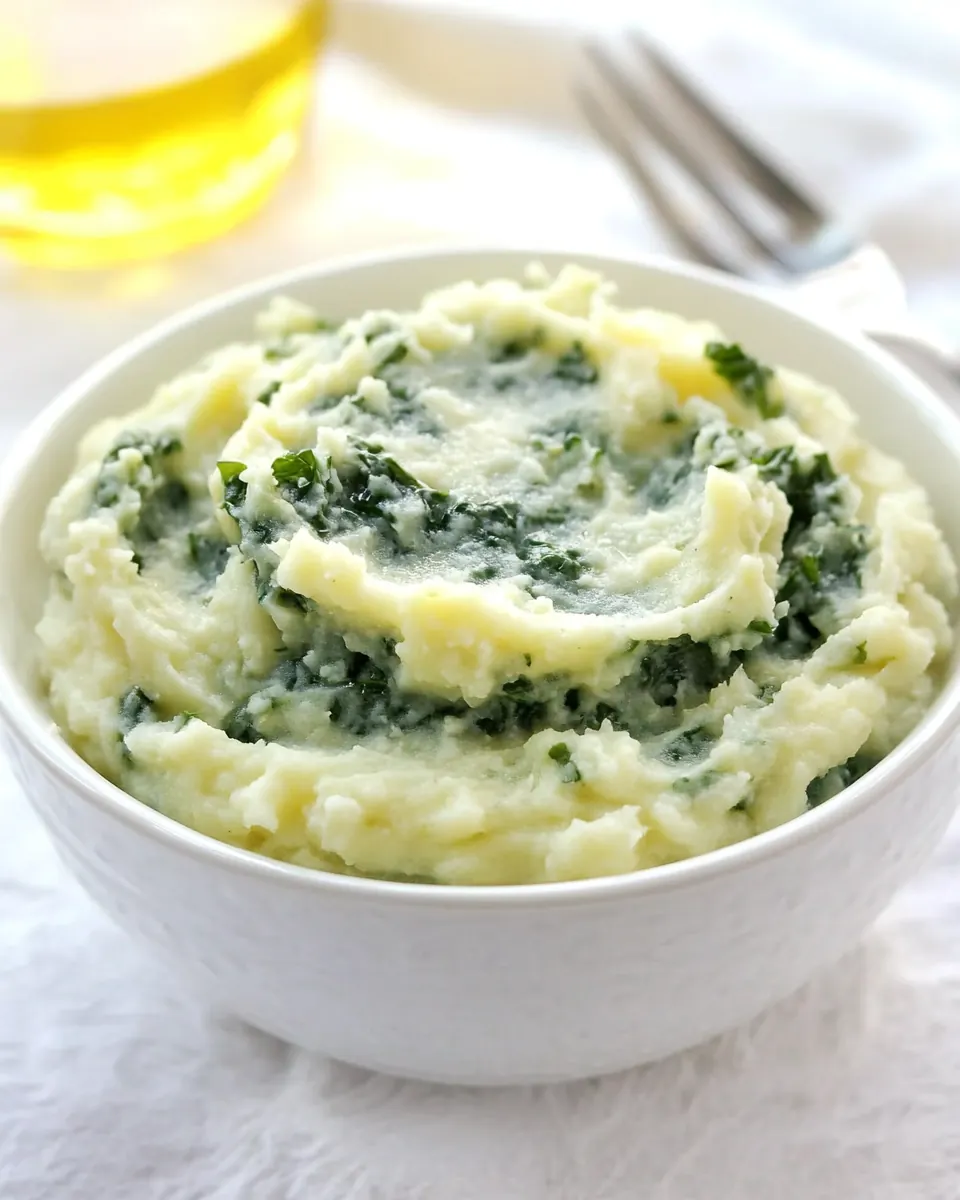
The steps that follow are conversational and detailed so you can feel confident at each stage. I walk you through boiling, wilting, and blending while describing what to look, hear, and smell for so you know you are on the right track.
- Boil the cauliflower: Put the cauliflower in a medium pot and cover with cold water by at least an inch. Add salt, and bring to a boil.: Put the cauliflower in a medium pot and cover with cold water by at least an inch. Add salt, and bring to a boil. : When the pot first heats you will hear a gentle rumble as tiny bubbles rise, and the aroma will be faintly vegetal, signaling the water is warming. Salted water seasons the florets from within, which matters more than many expect because it deepens the base flavor. A common mistake is starting with hot water, which can cook the outer pieces before the center, leading to uneven tenderness. Use cold water so the cauliflower cooks uniformly, and leave about an inch of headspace so the pot does not foam over.
- Cook, covered until fork tender. 6 to 8 minutes. Drain in a colander (reserving some liquid if needed).: As the cauliflower softens you will see steam and the florets will lose their rigid shape, becoming slightly translucent at the edges. Test with a fork, aiming for easy give without mushiness. Reserving some cooking liquid is useful because it can tighten or loosen the puree without watering down flavor, should you need it later. One trap is overcooking; if the florets fall apart, the texture can become grainy rather than creamy, so drain promptly once tender.
- In the same pot, melt 1 teaspoon butter medium high heat and add the garlic and scallions, cook 30 seconds, add the kale, 1/4 tsp salt, cover and cook until wilted, 6 to 7 minutes.: At medium high the butter will sizzle and release a toasty aroma. The brief cook for garlic and scallions should smell sweet and fragrant rather than sharp, which indicates you did not brown them. Adding kale and covering traps steam so the leaves wilt evenly and stay vibrant. The why here is texture: slightly wilted kale keeps subtle chew and color. Don’t skip the salt step; it helps the kale release moisture. Mistakes include overheating the garlic until it browns, which brings bitterness, so keep an attentive eye.
- In a blender, puree the cauliflower with milk, transfer to the pot with the greens and add 2 teaspoons butter, 1/4 teaspoon salt and pepper, keep warm.: The moment you puree the cauliflower with fat free milk you will notice a creamy steam rising and a smooth sheen in the blender jar, that is the texture goal. Blending warm cauliflower helps it emulsify into a silky mass. When you fold it into the kale, the contrast of soft puree and tender greens creates a balanced mouthfeel. Adding the remaining butter at this stage melts into the mash, giving a glossy finish. One error to avoid is adding too much milk at once, which can make the mixture soupy; add sparingly until the texture pleases you.
- To serve, transfer to a bowl and top with remaining teaspoon butter.: The finishing touch of butter will melt into the warm mash, creating a glossy, inviting surface and rounding the flavors. You should hear a soft pat as the butter hits the hot bowl and see a ripple of melted fat. This step is about presentation and mouthfeel; that final butter adds an indulgent note. A common oversight is serving too cool, which causes the butter to solidify rather than melt, so serve promptly while hot.
Expert Tips about Creamy Cauliflower Mash with Kale
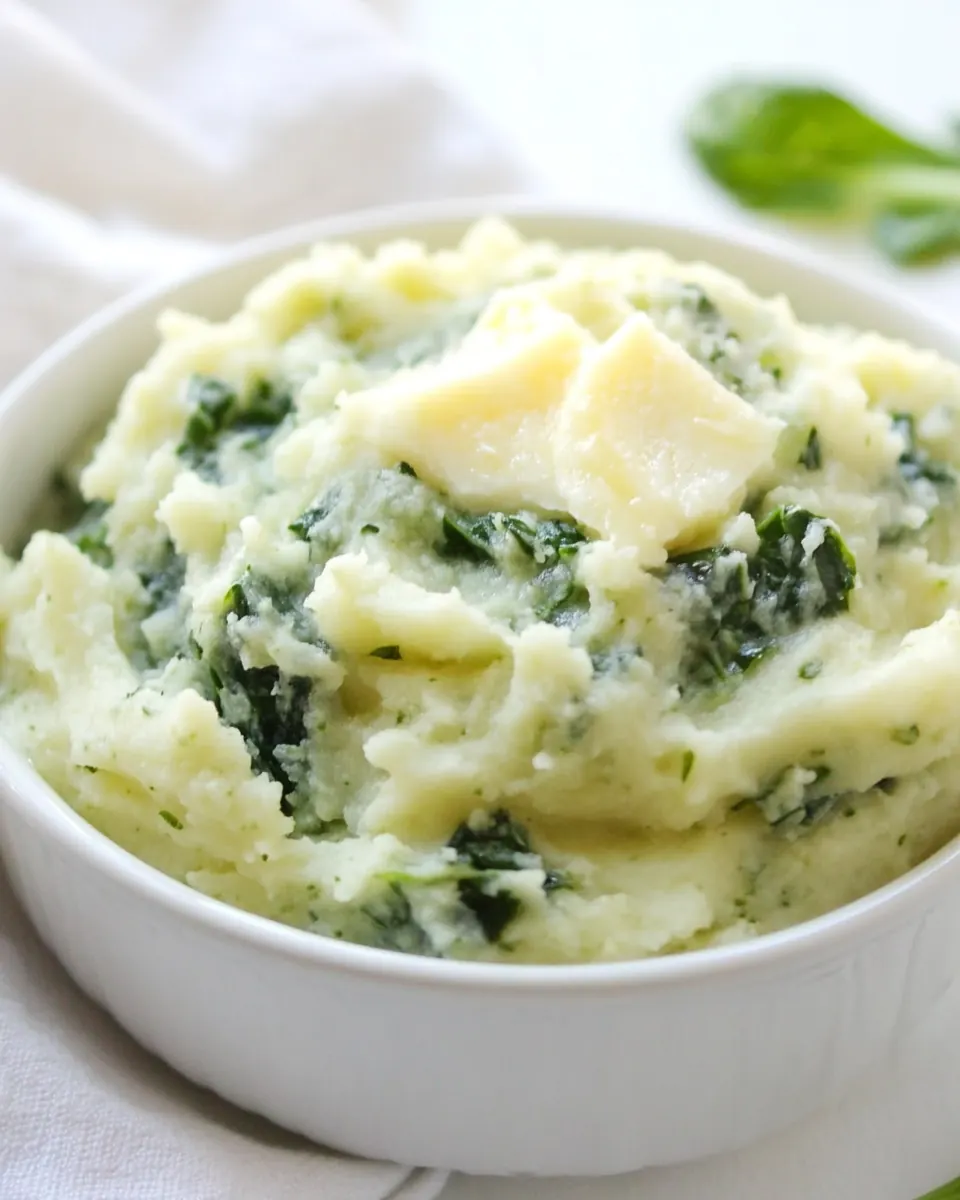
I like to offer practical, tested tips that improve texture and flavor without fuss. These suggestions help you control seasoning, consistency, and timing so the dish turns out reliably well.
- Choose a firm head of cauliflower, it yields denser florets that mash into a creamier texture instead of turning watery.
- Chop the kale small, this ensures even wilting and a pleasant, consistent bite throughout the dish.
- Pulse the puree carefully, stop and scrape the sides so you reach a smooth finish without overworking the blender motor.
- Reserve cooking liquid, keep a few tablespoons to loosen the mash if it becomes too thick when cooling.
- Finish with butter, adding a final teaspoon at plating creates a glossy, appealing surface and rounds the flavors.
Serving Ideas for Creamy Cauliflower Mash with Kale
This mash works beautifully across seasons and occasions, from casual weeknights to festive dinners. Below are serving ideas that cover pairings, occasions, and storage so you can make the most of the recipe.
- As a side for roasted proteins, pair the mash with simply seasoned roasted meats or fish for a balanced plate, using the mash as a creamy bed.
- Vegetarian main with hearty sides, serve the mash alongside roasted root vegetables and a grain for a filling meat free meal that still feels substantial.
- Holiday table swap, use this as a lower carb alternative to traditional mashed potatoes on holiday spreads to please guests seeking lighter options.
- Meal prep and storage, cool completely and refrigerate in an airtight container for up to three days, reheat gently with a splash of reserved liquid to restore creaminess.
- Seasonal pairing, in fall serve with roasted squash and warm spices, while in spring enjoy with bright green salads and lemony dressings for contrast.
FAQ
Conclusion
This recipe stands out because it transforms humble vegetables into a comforting, silky mash that still feels light and bright. It’s a trustworthy choice for busy nights or when you want something nourishing without heaviness. Try it to experience how simple technique and thoughtful seasoning can elevate vegetables into a memorable dish. I hope it becomes a staple in your rotation, bringing ease and flavor to your table.
Creamy Cauliflower Mash with Kale
Equipment
- Medium Pot
- Colander
- Blender
Ingredients
- 6 cups 1 large head cauliflower, cut up into florets Provide body and mild sweetness to create a fluffy, potato-like base when steamed and mashed; steam until very tender to ensure a smooth texture. Puree with butter and milk to achieve a creamy consistency while allowing other flavors like garlic and kale to blend in.
- 4 teaspoons unsalted butter Add richness and silkiness to the mash by melting into the hot cauliflower, helping bind the puree and carry flavors. Use sparingly to keep the dish light while enhancing mouthfeel and rounding out sharper notes from garlic and scallions.
- 3 cups chopped kale Contribute earthy bitterness and bright color when sautéed or wilted into the mash, offering a nutritious contrast to the creamy cauliflower. Chop finely so it distributes evenly and folds into the mash for added texture and leafy nutrients.
- 4 cloves crushed garlic Provide pungent depth and aromatic warmth when crushed and lightly cooked, infusing the mash with savory complexity; cook briefly to tame sharpness and release flavor. Blend into the mashed cauliflower for an even garlic presence without overpowering the dish.
- 2 chopped scallions Bring a mild onion-like freshness and subtle crunch when thinly sliced, adding layered flavor and a bit of texture contrast to the smooth mash. Sprinkle into or fold through the finished mash to impart delicate savory notes and visual appeal.
- 1/3 cup fat free milk Lend creaminess and a lighter dairy note to thin and smooth the mash while keeping calories lower than full-fat substitutes. Warm slightly before adding and incorporate gradually to reach desired consistency without watering down flavor.
- kosher salt and pepper to taste Balance and enhance all flavors by seasoning to taste, allowing salt to elevate natural sweetness and pepper to add gentle heat. Taste at the end and adjust gradually to preserve the delicate interplay between cauliflower, kale, garlic, and butter.
Instructions
- Boil the cauliflower: Put the cauliflower in a medium pot and cover with cold water by at least an inch. Add salt, and bring to a boil.: Put the cauliflower in a medium pot and cover with cold water by at least an inch. Add salt, and bring to a boil. : When the pot first heats you will hear a gentle rumble as tiny bubbles rise, and the aroma will be faintly vegetal, signaling the water is warming. Salted water seasons the florets from within, which matters more than many expect because it deepens the base flavor. A common mistake is starting with hot water, which can cook the outer pieces before the center, leading to uneven tenderness. Use cold water so the cauliflower cooks uniformly, and leave about an inch of headspace so the pot does not foam over.
- Cook, covered until fork tender. 6 to 8 minutes. Drain in a colander (reserving some liquid if needed).: As the cauliflower softens you will see steam and the florets will lose their rigid shape, becoming slightly translucent at the edges. Test with a fork, aiming for easy give without mushiness. Reserving some cooking liquid is useful because it can tighten or loosen the puree without watering down flavor, should you need it later. One trap is overcooking; if the florets fall apart, the texture can become grainy rather than creamy, so drain promptly once tender.
- In the same pot, melt 1 teaspoon butter medium high heat and add the garlic and scallions, cook 30 seconds, add the kale, 1/4 tsp salt, cover and cook until wilted, 6 to 7 minutes.: At medium high the butter will sizzle and release a toasty aroma. The brief cook for garlic and scallions should smell sweet and fragrant rather than sharp, which indicates you did not brown them. Adding kale and covering traps steam so the leaves wilt evenly and stay vibrant. The why here is texture: slightly wilted kale keeps subtle chew and color. Don’t skip the salt step; it helps the kale release moisture. Mistakes include overheating the garlic until it browns, which brings bitterness, so keep an attentive eye.
- In a blender, puree the cauliflower with milk, transfer to the pot with the greens and add 2 teaspoons butter, 1/4 teaspoon salt and pepper, keep warm.: The moment you puree the cauliflower with fat free milk you will notice a creamy steam rising and a smooth sheen in the blender jar, that is the texture goal. Blending warm cauliflower helps it emulsify into a silky mass. When you fold it into the kale, the contrast of soft puree and tender greens creates a balanced mouthfeel. Adding the remaining butter at this stage melts into the mash, giving a glossy finish. One error to avoid is adding too much milk at once, which can make the mixture soupy; add sparingly until the texture pleases you.
- To serve, transfer to a bowl and top with remaining teaspoon butter.: The finishing touch of butter will melt into the warm mash, creating a glossy, inviting surface and rounding the flavors. You should hear a soft pat as the butter hits the hot bowl and see a ripple of melted fat. This step is about presentation and mouthfeel; that final butter adds an indulgent note. A common oversight is serving too cool, which causes the butter to solidify rather than melt, so serve promptly while hot.
Notes
- Choose a firm head of cauliflower, it yields denser florets that mash into a creamier texture instead of turning watery.
- Chop the kale small, this ensures even wilting and a pleasant, consistent bite throughout the dish.
- Pulse the puree carefully, stop and scrape the sides so you reach a smooth finish without overworking the blender motor.
- Reserve cooking liquid, keep a few tablespoons to loosen the mash if it becomes too thick when cooling.
- Finish with butter, adding a final teaspoon at plating creates a glossy, appealing surface and rounds the flavors.
