Gluten Free Matzo Balls Potato Knaidelach
Gluten Free Matzo Balls Potato Knaidelach has been a comforting constant in my kitchen for years, a recipe I reach for when I want something soulful and a little nostalgic. I first learned to make these in a cramped apartment kitchen where the only reliable oven was a tiny toaster oven, and I fell in love with the ritual of boiling, chilling, and forming each dumpling by hand. The texture, the quiet rhythm of rolling dough into balls, and the warm bowls of soup that followed turned it into an instant favorite for cold evenings and holiday tables.
On a rainy afternoon some years later, I adapted the family version to be naturally gluten free, swapping traditional matzo meal for almond meal and potato starch, and I never looked back. Friends who were skeptical at first declared them indistinguishable from the classic, and I loved seeing everyone’s faces when they tasted something familiar but kinder to digestive systems that need it. This version, the Gluten Free Matzo Balls Potato Knaidelach, is rustic, hearty, and endlessly adaptable.
Making these knaidelach has become my favorite slow-cooking ritual. I enjoy the little pauses between steps, the chill time in the fridge that somehow concentrates aroma and improves texture, and the careful moment when the dumplings float up in gently shivering water. Each bowl becomes a small celebration of patience and payoff, and I always feel proud handing one to someone who needs comfort. Whether I’m serving them in a classic soup or a vegetarian broth, the result is a tender, pillowy dumpling that holds together and welcomes flavor.
Recipe Snapshot
2 hr 15 mins
120 mins
15 mins
Hard
150 kcal
American
Gluten-Free, Whole30
Dinner
Large pot, Potato masher, Refrigerator, Slotted spoon
Why This Gluten Free Matzo Balls Potato Knaidelach Hits Different
Texture that surprised me
I love how the Gluten Free Matzo Balls Potato Knaidelach deliver a tender, almost cloud like bite while still holding their shape in soup. The combination of chilled mashed potatoes, potato starch, and blanched almond meal yields a dumpling that is soft inside with a slightly toothsome exterior. When I bite into one, I notice a gentle resistance then a melting softness, and that contrast keeps me coming back for more.
Simple pantry friendly ingredients
One of the reasons I keep making this recipe is how easy it is to assemble from basics. You only need a few items like potatoes, a single egg, and dry elements like potato starch and blanched almond meal. I appreciate recipes that respect both simplicity and flavor, and this one does just that. It performs well with minimal fuss and still tastes homey and authentic.
Great for dietary needs
I developed this as a gluten free take on a classic, and it works beautifully for those avoiding gluten while preserving the spirit of matzo balls. The textures and flavors map closely to the traditional version, which means you can offer these at gatherings without anyone feeling like they are missing out. For guests with sensitivities, the Gluten Free Matzo Balls Potato Knaidelach feel inclusive and thoughtfully prepared.
Make ahead convenience
I adore recipes that offer breathing room, and the required chilling step makes this a perfect make ahead dish. Chilling the mashed potatoes overnight not only simplifies the day of serving, it also firms the mixture so forming the dumplings is quick and tidy. I often prep the base the day before and finish cooking on serving day, which means less stress and more time with friends.
Versatile serving options
These knaidelach are at home in chicken soup, vegetable broths, or even in a slow simmering pot called cholent. I like that they can play supporting roles across many meals. They soak up flavor while lending a comforting body to broths, and they pair well with bright herbs or a gently seasoned stock. For me, that flexibility makes them a weekday champion and a holiday staple.
Ingredients for Gluten Free Matzo Balls Potato Knaidelach
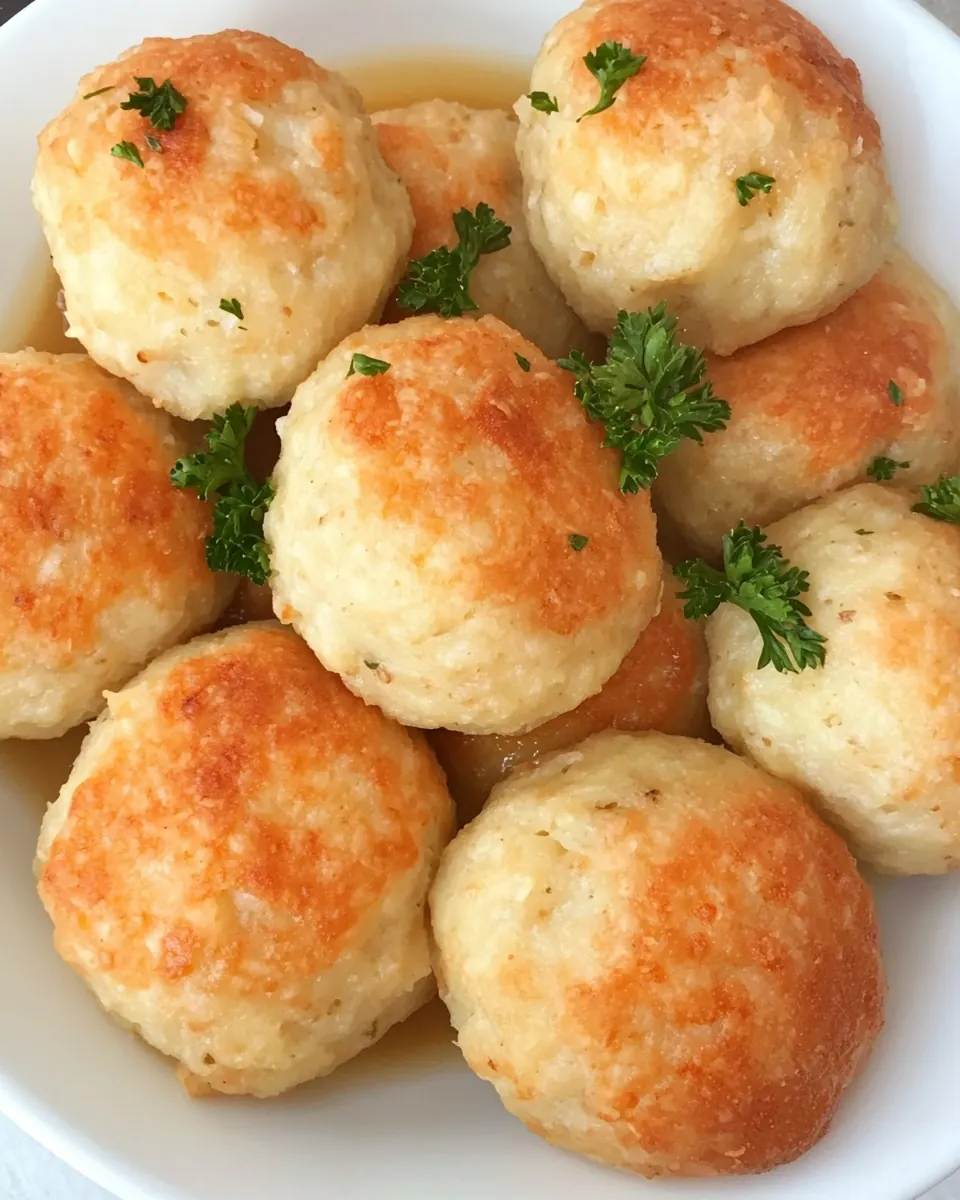
These ingredients reflect a simple philosophy: convert the classic matzo ball to gluten free form while keeping the essential potato forward flavor and pillowy texture. The key players are the potatoes for body and starch, the egg for binding, and the combination of potato starch and blanched almond meal to mimic the structure of matzo meal. Salt and white pepper season subtly, letting the potato shine.
- 2 pounds large red potatoes: Boil and mash to create the starchy base that provides structure and moisture for the knaidelach; peel and cook until tender, then drain well to avoid excess water that would make the dough too wet. Use room-temperature potatoes to help integrate with the egg and dry ingredients, ensuring a smooth, cohesive batter that holds shape when poached.
- 1 large egg: Bind and enrich the mixture, adding protein that helps set the dumplings during cooking; whisk lightly before folding in to distribute evenly without overworking the dough. Provide slight lift and stability so the knaidelach maintain a tender interior rather than falling apart in the broth.
- 1/4 cup potato starch: Absorb moisture and add stickiness to replace traditional matzo meal or flour; sift into the potato-egg mixture to help create a firm, cohesive dough while keeping the dumplings light. Offer a neutral flavor and help achieve the proper texture for cutting or shaping the knaidelach without gluten.
- 1 1/2 2 cups blanched almond meal: Add body and a light, slightly nutty crumb that mimics traditional matzo meal while keeping the recipe gluten-free; gradually incorporate until the dough reaches a workable consistency that can be formed into balls. Provide subtle flavor and structure, with the option to adjust quantity for firmer or softer dumplings.
- Salt and white pepper: Season and balance the flavor profile while enhancing savory notes; sprinkle salt to bring out the potato and almond flavors and white pepper for a gentle heat without visible specks. Adjust to taste, remembering that proper seasoning prevents flat-tasting dumplings even when other ingredients are mild.
Recipe Directions for Gluten Free Matzo Balls Potato Knaidelach

These directions require patience and attention to temperature. Chill time is non negotiable for the best texture. Work steadily and keep things cold when called for, and you will be rewarded with dumplings that float and stay intact in your favorite soup.
- Place a large pot of salted water on the stove to boil. Scrub the unpeeled potatoes till clean. Boil the unpeeled potatoes until tender—it will take about 45 minutes.: The moment you begin, your kitchen fills with the metallic scent of rising steam and the reassuring gurgle of water heating. I like to use a roomy pot so the knaidelach can move freely when they cook. Salting the water seasons the potatoes from the inside as they boil. A common mistake is under salting which leaves the base bland, so treat the water like sea water, but not overly so. Listen for the water to reach a strong boil, with steady rolling bubbles before you add the potatoes .
- Drain. Allow potatoes to cool to room temperature. Peel the skin from the potatoes and discard. Chop the peeled potatoes into large chunks. Place in the refrigerator and chill until they are cold all the way through (at least 2 hours). You can refrigerate them overnight, if you need to. Place a fresh pot of salted water on the stove to boil. From this point on, work quickly, or refrigerate the ingredients between steps. The potato mixture works best when it’s cold.: Rubbing each potato under cool running water removes grit and the thin skin that can trap dirt. The tactile scraping and the faint earthy smell of rinsed potatoes are oddly satisfying. Leaving the skin on for boiling helps the flesh keep moisture and flavor. Avoid using a metal scouring pad which can gouge the potatoes ; a stiff brush or clean cloth is gentler and effective.
- Remove potatoes from refrigerator and pat them dry if any moisture has accumulated. Place potatoes in a bowl and mash them with a potato masher or run them through a ricer. Mash again with a fork to get out as many lumps as possible. Mix in the egg, potato starch, 1 1/2 cups of almond meal, 1 1/4 tsp salt and a pinch of white pepper to form a dough. If the dough seems sticky, or if you prefer a denser and heavier dumpling, you can add more almond meal.: As the potatoes simmer, the kitchen fills with a comforting starchy scent. You will know they are done when a knife slides in without resistance and the center yields easily. Keep the heat steady so the surface of the water maintains a simmer rather than an aggressive boil which can split the skins. Overcooking into a falling apart state can make them waterlogged, so aim for tender but intact.
- By now your water should be boiling. Turn the stove heat down until the water is nearly boiling—the water should be “shivering” slightly, just on the verge of a boil. Form potato dough into balls using 1/4 cup of dough for each.: After draining, steam escapes and the aroma deepens. Cooling to room temperature is crucial; if you peel while hot you risk burning your fingers and trapping too much moisture. The skins should slip off easily with a gentle rub. For speed, I cool them briefly on a wire rack, but do not rush to the refrigerator yet, you want them completely down to room temperature first.
- Gently place the knaidelach into the hot water.: Chopping gives surface area that chills quickly and evenly. The coldness firms the starches and prevents the dough from becoming gluey when mixed. This step is an investment in texture, so do not skip it. If you skip adequate chilling, the resulting dumplings can be gummy and fall apart while cooking.
- The dumplings will sink to the bottom of the pot and slowly rise as they cook. Cook knaidelach in batches of 4-5 at a time; do not cook more than that or they will stick together and fall apart in the pot. The dumplings will lose a little bit of their potato coating as they cook, but should retain their shape.: Overnight chilling deepens the structural benefits, like a short rest that strengthens the dough. When you bring a fresh pot of salted water to the boil, it should be large enough to allow the knaidelach room to float. Reheating or using lukewarm water can cause uneven cooking and sticking, so always start with properly heated water.
- Let the knaidelach cook for 10-15 minutes, then remove them with a slotted spoon and transfer to a dish. Keep the dumplings covered with a clean, damp towel until ready to serve.: Handling chilled dough feels firmer and less sticky, making shaping easier. If the mixture warms up while you work, pause and return it to the refrigerator for a few minutes to regain structure. A common error is letting the dough sit at room temperature too long, which leads to sticky handling and misshapen dumplings.
- Serve 1 or 2 knaidelach per bowl of soup. They go great in chicken soup as an alternative to matzo balls (if you need a recipe, check out my Chicken Soup for Knaidelach). They can also be added to vegetarian soup or cholent.: Drying is practical and olfactory; removing surface moisture prevents watery dough. Mashing or ricing gives different textures, a ricer delivers smoothness while a masher leaves a rustic feel. I enjoy the faint roasted scent that comes from hot potatoes cooling, but ensure the pieces are fine enough to form a uniform dough. Too large lumps will create inconsistent dumplings.
- Mash again with a fork to get out as many lumps as possible Mix in the egg potato starch 1 1/2 cups of almond meal 1 1/4 tsp salt and a pinch of white pepper to form a dough: The fork step refines the texture and helps integrate the egg and dry ingredients. Adding the potato starch and blanched almond meal slowly lets you gauge moisture, and the aromatic lift from the white pepper is subtle yet important. Combine until a cohesive dough forms, but avoid overworking which can tighten the mixture and make dumplings dense rather than tender.
- If the dough seems sticky or if you prefer a denser and heavier dumpling you can add more almond meal: The feel of the dough is your guide. Sticky dough can be corrected with small additions of blanched almond meal until it is manageable. I add it in tablespoons to avoid overshooting. A too dry dough will yield crumbly knaidelach, so aim for a pliable, slightly tacky consistency rather than rock hard.
- By now your water should be boiling Turn the stove heat down until the water is nearly boiling the water should be shivering slightly just on the verge of a boil: That delicate shiver is ideal, it cooks the dumplings gently and keeps them intact. A violent boil can jostle them apart. I watch for steam rising in consistent sheets and for a surface dotted with small trembling bubbles before I introduce the knaidelach. If you overheat, reduce to a low simmer and let the pot calm before proceeding.
- Form potato dough into balls using 1/4 cup of dough for each: The act of shaping is tactile and grounding, and the dough should feel cool and slightly firm under your palms. Using a measuring scoop keeps sizes uniform so they cook evenly. If the dough sticks to your hands, wet them lightly or chill the dough briefly. Uneven sizes lead to some dumplings being undercooked while others are overdone.
- Gently place the knaidelach into the hot water: When you ease them in, the water will quieten and send soft ripples, and you should hear a gentle settling sound as they sink. Avoid dropping them from a height which can deform the spheres. A slotted spoon or spatula can help guide them in. Rough handling here often causes misshapen dumplings or loss of surface coating.
- The dumplings will sink to the bottom of the pot and slowly rise as they cook: Watching them slowly float is immensely satisfying, a visual cue that they are cooking through. As they rise, steam carries a faint nutty aroma from the blanched almond meal . If they split while rising, it usually means the dough was too wet or the water was too turbulent. Keep the simmer gentle for best results.
- Cook knaidelach in batches of 4 to 5 at a time do not cook more than that or they will stick together and fall apart in the pot: Crowding is the enemy of good texture. Each dumpling needs space to circulate so the exterior sets evenly. Cook in small batches and transfer each batch out with a slotted spoon. Trying to cram too many in creates collisions and can strip off the potato coating, leaving you with broken edges.
- The dumplings will lose a little bit of their potato coating as they cook but should retain their shape: Some shedding is normal, the dough firms while simmering and the outer tips may slough. The smell is faintly toasty and starchy as moisture escapes. If too much coating comes off, it suggests the mixture was not chilled enough or was overly sticky; adjust next time by chilling longer or adding more blanched almond meal .
- Let the knaidelach cook for 10 to 15 minutes then remove them with a slotted spoon and transfer to a dish: The sound of the simmer softens as they finish, and the texture should be springy to the touch. Removing them gently preserves shape. Keep them covered with a clean damp towel to prevent skinning and drying out. Leaving them exposed will create a crust and a dry interior.
- Keep the dumplings covered with a clean damp towel until ready to serve: The towel traps gentle steam and maintains tenderness. This resting also allows flavors to settle. If you plan to hold them for a while, store them in a warm, covered container rather than leaving them exposed, which leads to drying and a dull texture.
- Serve 1 or 2 knaidelach per bowl of soup: In the final moment, the dumplings should sit buoyant in the broth, offering a soft, potato forward bite against the savory liquid. They shine in chicken soup but pair well with vegetarian broths too. Avoid overcrowding the bowl so each spoonful includes broth and dumpling for balanced flavor.
- They go great in chicken soup as an alternative to matzo balls They can also be added to vegetarian soup or cholent: These knaidelach are versatile and absorb surrounding flavors, adding heartiness to many stews and soups. Taste the broth and adjust seasoning before serving, because the dumplings will mellow the stock slightly. Reheating leftovers slowly over low heat prevents them from breaking apart.
Make It Your Own
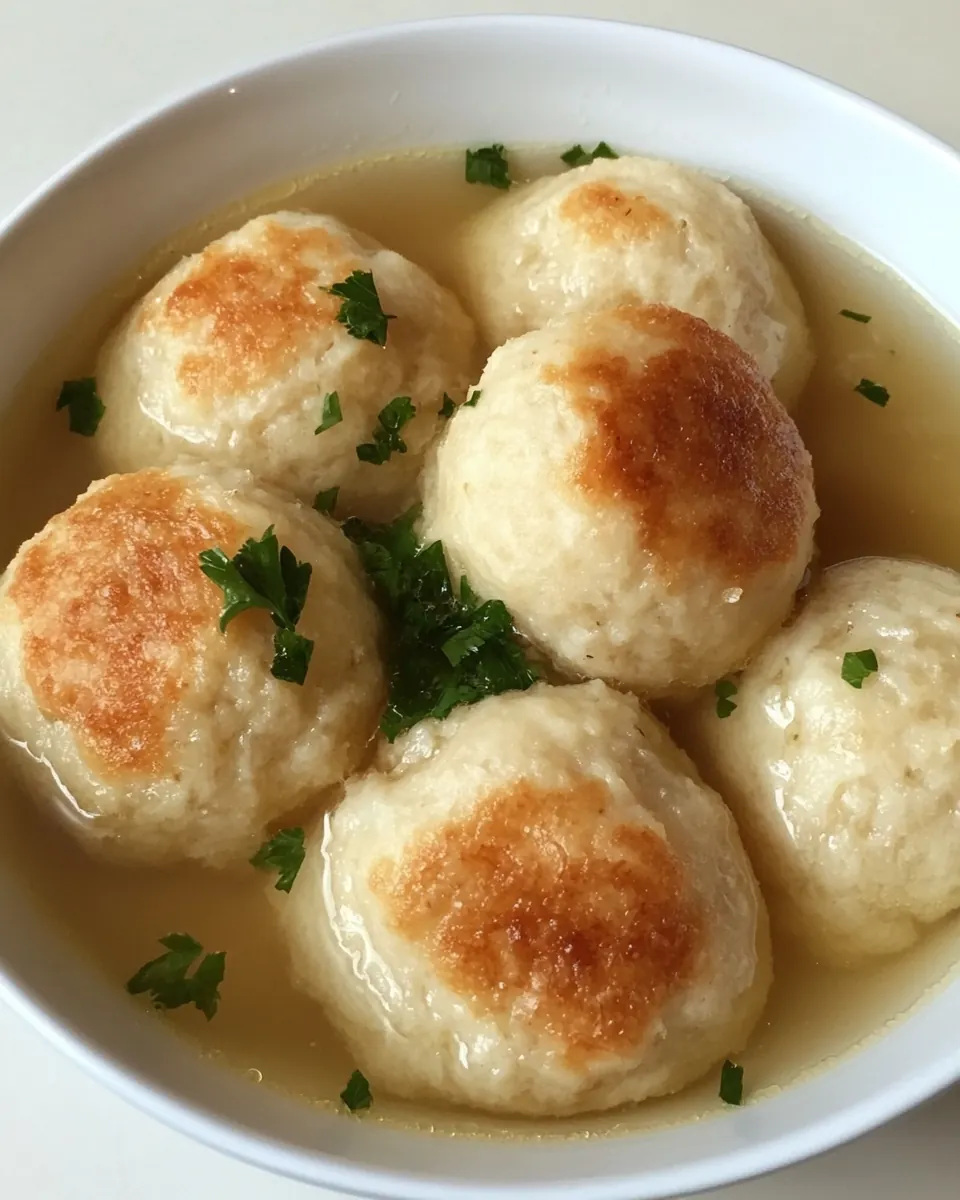
I like to think of these notes as ways to personalize the knaidelach while staying true to the simple ingredient list. Small adjustments to texture and timing can make a big difference in the finished dumpling experience.
- Use chilled potatoes: Cooling the mashed potatoes solidifies starches and keeps the dough from becoming gummy, which is essential for shaping neat balls.
- Adjust almond meal cautiously: Add blanched almond meal gradually to control density, aiming for a pliable dough rather than a dry crumbly one.
- Measure for consistency: Using a 1/4 cup scoop ensures even cooking times and helps the knaidelach float at the same moment.
- Mind the water temperature: A shivering simmer is the ideal environment, aggressive boiling can make dumplings fall apart.
- Hold covered: Keep cooked dumplings under a damp towel to preserve their soft texture until serving.
What Goes Well With This Gluten Free Matzo Balls Potato Knaidelach
These dumplings are naturally comforting and pair well with light broths as well as heartier stews. Below are ideas for serving occasions, side dishes, and storage notes to help you present them at their best.
- Classic soup pairing: Serve one or two knaidelach in a clear chicken or vegetable broth with sliced carrots and celery for a traditional bowl that showcases their texture.
- Holiday table: Offer them as an alternative to matzo balls during festive meals where guests may appreciate a gluten free option, placing them in an attractive tureen for self service.
- Weeknight comfort: Add a few to a warming vegetarian stew for an easy weeknight dinner that stretches the meal and adds comfort.
- Storage tip: Refrigerate cooked knaidelach in a covered container with a damp cloth on top for up to two days, reheat gently in simmering broth to avoid breaking them apart.
- Seasonal pairing: In colder months, pair with a heartier broth and root vegetables, while in milder seasons use a light herb forward stock to keep the bowl bright and fresh.
FAQ
Conclusion
The Gluten Free Matzo Balls Potato Knaidelach stand out for their tender potato center and satisfying, gluten free structure, making them a cozy and inclusive twist on a beloved classic. I encourage you to try them when you want a recipe that rewards patience with warming bowls and simple, heartfelt flavor. Whether you serve them for a quiet weeknight soup or bring them to a festive table, these knaidelach deliver comfort and texture in every spoonful, and the make ahead convenience means you can focus on sharing the meal rather than stressing over timing.

Gluten Free Matzo Balls Potato Knaidelach
Equipment
- Large Pot
- Potato Masher
- Refrigerator
- Slotted Spoon
Ingredients
- 2 pounds large red potatoes Boil and mash to create the starchy base that provides structure and moisture for the knaidelach; peel and cook until tender, then drain well to avoid excess water that would make the dough too wet. Use room-temperature potatoes to help integrate with the egg and dry ingredients, ensuring a smooth, cohesive batter that holds shape when poached.
- 1 large egg Bind and enrich the mixture, adding protein that helps set the dumplings during cooking; whisk lightly before folding in to distribute evenly without overworking the dough. Provide slight lift and stability so the knaidelach maintain a tender interior rather than falling apart in the broth.
- 1/4 cup potato starch Absorb moisture and add stickiness to replace traditional matzo meal or flour; sift into the potato-egg mixture to help create a firm, cohesive dough while keeping the dumplings light. Offer a neutral flavor and help achieve the proper texture for cutting or shaping the knaidelach without gluten.
- 1 1/2 -2 cups blanched almond meal Add body and a light, slightly nutty crumb that mimics traditional matzo meal while keeping the recipe gluten-free; gradually incorporate until the dough reaches a workable consistency that can be formed into balls. Provide subtle flavor and structure, with the option to adjust quantity for firmer or softer dumplings.
- Salt and white pepper Season and balance the flavor profile while enhancing savory notes; sprinkle salt to bring out the potato and almond flavors and white pepper for a gentle heat without visible specks. Adjust to taste, remembering that proper seasoning prevents flat-tasting dumplings even when other ingredients are mild.
Instructions
- Place a large pot of salted water on the stove to boil. Scrub the unpeeled potatoes till clean. Boil the unpeeled potatoes until tender—it will take about 45 minutes.: The moment you begin, your kitchen fills with the metallic scent of rising steam and the reassuring gurgle of water heating. I like to use a roomy pot so the knaidelach can move freely when they cook. Salting the water seasons the potatoes from the inside as they boil. A common mistake is under salting which leaves the base bland, so treat the water like sea water, but not overly so. Listen for the water to reach a strong boil, with steady rolling bubbles before you add the potatoes .
- Drain. Allow potatoes to cool to room temperature. Peel the skin from the potatoes and discard. Chop the peeled potatoes into large chunks. Place in the refrigerator and chill until they are cold all the way through (at least 2 hours). You can refrigerate them overnight, if you need to. Place a fresh pot of salted water on the stove to boil. From this point on, work quickly, or refrigerate the ingredients between steps. The potato mixture works best when it’s cold.: Rubbing each potato under cool running water removes grit and the thin skin that can trap dirt. The tactile scraping and the faint earthy smell of rinsed potatoes are oddly satisfying. Leaving the skin on for boiling helps the flesh keep moisture and flavor. Avoid using a metal scouring pad which can gouge the potatoes ; a stiff brush or clean cloth is gentler and effective.
- Remove potatoes from refrigerator and pat them dry if any moisture has accumulated. Place potatoes in a bowl and mash them with a potato masher or run them through a ricer. Mash again with a fork to get out as many lumps as possible. Mix in the egg, potato starch, 1 1/2 cups of almond meal, 1 1/4 tsp salt and a pinch of white pepper to form a dough. If the dough seems sticky, or if you prefer a denser and heavier dumpling, you can add more almond meal.: As the potatoes simmer, the kitchen fills with a comforting starchy scent. You will know they are done when a knife slides in without resistance and the center yields easily. Keep the heat steady so the surface of the water maintains a simmer rather than an aggressive boil which can split the skins. Overcooking into a falling apart state can make them waterlogged, so aim for tender but intact.
- By now your water should be boiling. Turn the stove heat down until the water is nearly boiling—the water should be “shivering” slightly, just on the verge of a boil. Form potato dough into balls using 1/4 cup of dough for each.: After draining, steam escapes and the aroma deepens. Cooling to room temperature is crucial; if you peel while hot you risk burning your fingers and trapping too much moisture. The skins should slip off easily with a gentle rub. For speed, I cool them briefly on a wire rack, but do not rush to the refrigerator yet, you want them completely down to room temperature first.
- Gently place the knaidelach into the hot water.: Chopping gives surface area that chills quickly and evenly. The coldness firms the starches and prevents the dough from becoming gluey when mixed. This step is an investment in texture, so do not skip it. If you skip adequate chilling, the resulting dumplings can be gummy and fall apart while cooking.
- The dumplings will sink to the bottom of the pot and slowly rise as they cook. Cook knaidelach in batches of 4-5 at a time; do not cook more than that or they will stick together and fall apart in the pot. The dumplings will lose a little bit of their potato coating as they cook, but should retain their shape.: Overnight chilling deepens the structural benefits, like a short rest that strengthens the dough. When you bring a fresh pot of salted water to the boil, it should be large enough to allow the knaidelach room to float. Reheating or using lukewarm water can cause uneven cooking and sticking, so always start with properly heated water.
- Let the knaidelach cook for 10-15 minutes, then remove them with a slotted spoon and transfer to a dish. Keep the dumplings covered with a clean, damp towel until ready to serve.: Handling chilled dough feels firmer and less sticky, making shaping easier. If the mixture warms up while you work, pause and return it to the refrigerator for a few minutes to regain structure. A common error is letting the dough sit at room temperature too long, which leads to sticky handling and misshapen dumplings.
- Serve 1 or 2 knaidelach per bowl of soup. They go great in chicken soup as an alternative to matzo balls (if you need a recipe, check out my Chicken Soup for Knaidelach). They can also be added to vegetarian soup or cholent.: Drying is practical and olfactory; removing surface moisture prevents watery dough. Mashing or ricing gives different textures, a ricer delivers smoothness while a masher leaves a rustic feel. I enjoy the faint roasted scent that comes from hot potatoes cooling, but ensure the pieces are fine enough to form a uniform dough. Too large lumps will create inconsistent dumplings.
- Mash again with a fork to get out as many lumps as possible Mix in the egg potato starch 1 1/2 cups of almond meal 1 1/4 tsp salt and a pinch of white pepper to form a dough: The fork step refines the texture and helps integrate the egg and dry ingredients. Adding the potato starch and blanched almond meal slowly lets you gauge moisture, and the aromatic lift from the white pepper is subtle yet important. Combine until a cohesive dough forms, but avoid overworking which can tighten the mixture and make dumplings dense rather than tender.
- If the dough seems sticky or if you prefer a denser and heavier dumpling you can add more almond meal: The feel of the dough is your guide. Sticky dough can be corrected with small additions of blanched almond meal until it is manageable. I add it in tablespoons to avoid overshooting. A too dry dough will yield crumbly knaidelach, so aim for a pliable, slightly tacky consistency rather than rock hard.
- By now your water should be boiling Turn the stove heat down until the water is nearly boiling the water should be shivering slightly just on the verge of a boil: That delicate shiver is ideal, it cooks the dumplings gently and keeps them intact. A violent boil can jostle them apart. I watch for steam rising in consistent sheets and for a surface dotted with small trembling bubbles before I introduce the knaidelach. If you overheat, reduce to a low simmer and let the pot calm before proceeding.
- Form potato dough into balls using 1/4 cup of dough for each: The act of shaping is tactile and grounding, and the dough should feel cool and slightly firm under your palms. Using a measuring scoop keeps sizes uniform so they cook evenly. If the dough sticks to your hands, wet them lightly or chill the dough briefly. Uneven sizes lead to some dumplings being undercooked while others are overdone.
- Gently place the knaidelach into the hot water: When you ease them in, the water will quieten and send soft ripples, and you should hear a gentle settling sound as they sink. Avoid dropping them from a height which can deform the spheres. A slotted spoon or spatula can help guide them in. Rough handling here often causes misshapen dumplings or loss of surface coating.
- The dumplings will sink to the bottom of the pot and slowly rise as they cook: Watching them slowly float is immensely satisfying, a visual cue that they are cooking through. As they rise, steam carries a faint nutty aroma from the blanched almond meal . If they split while rising, it usually means the dough was too wet or the water was too turbulent. Keep the simmer gentle for best results.
- Cook knaidelach in batches of 4 to 5 at a time do not cook more than that or they will stick together and fall apart in the pot: Crowding is the enemy of good texture. Each dumpling needs space to circulate so the exterior sets evenly. Cook in small batches and transfer each batch out with a slotted spoon. Trying to cram too many in creates collisions and can strip off the potato coating, leaving you with broken edges.
- The dumplings will lose a little bit of their potato coating as they cook but should retain their shape: Some shedding is normal, the dough firms while simmering and the outer tips may slough. The smell is faintly toasty and starchy as moisture escapes. If too much coating comes off, it suggests the mixture was not chilled enough or was overly sticky; adjust next time by chilling longer or adding more blanched almond meal .
- Let the knaidelach cook for 10 to 15 minutes then remove them with a slotted spoon and transfer to a dish: The sound of the simmer softens as they finish, and the texture should be springy to the touch. Removing them gently preserves shape. Keep them covered with a clean damp towel to prevent skinning and drying out. Leaving them exposed will create a crust and a dry interior.
- Keep the dumplings covered with a clean damp towel until ready to serve: The towel traps gentle steam and maintains tenderness. This resting also allows flavors to settle. If you plan to hold them for a while, store them in a warm, covered container rather than leaving them exposed, which leads to drying and a dull texture.
- Serve 1 or 2 knaidelach per bowl of soup: In the final moment, the dumplings should sit buoyant in the broth, offering a soft, potato forward bite against the savory liquid. They shine in chicken soup but pair well with vegetarian broths too. Avoid overcrowding the bowl so each spoonful includes broth and dumpling for balanced flavor.
- They go great in chicken soup as an alternative to matzo balls They can also be added to vegetarian soup or cholent: These knaidelach are versatile and absorb surrounding flavors, adding heartiness to many stews and soups. Taste the broth and adjust seasoning before serving, because the dumplings will mellow the stock slightly. Reheating leftovers slowly over low heat prevents them from breaking apart.
Notes
- Use chilled potatoes: Cooling the mashed potatoes solidifies starches and keeps the dough from becoming gummy, which is essential for shaping neat balls.
- Adjust almond meal cautiously: Add blanched almond meal gradually to control density, aiming for a pliable dough rather than a dry crumbly one.
- Measure for consistency: Using a 1/4 cup scoop ensures even cooking times and helps the knaidelach float at the same moment.
- Mind the water temperature: A shivering simmer is the ideal environment, aggressive boiling can make dumplings fall apart.
- Hold covered: Keep cooked dumplings under a damp towel to preserve their soft texture until serving.