Creamy Tomato Soup
Creamy Tomato Soup has always been my go to for nights when I need comfort without fuss. The first time I made this, a neighbor had dropped off a basket of homegrown tomatoes and I wanted something that felt warm and nostalgic but still simple enough to pull together after a long day. The soft hum of the stovetop, the bubbling pot, and that first spoonful that tasted like a warm hug convinced me this would be a repeat in my rotation.
Over the years I refined the balance between bright tomato tang and mellow creaminess, learning when to let the onions caramelize and when to add the cream so the texture stays silky. I love how tomato flavor becomes rounded when you let it simmer gently with oregano and a hint of sugar. This version uses pantry friendly cans, but the technique works beautifully with fresh tomatoes too, and I always enjoy swapping in vegetable broth when I want a vegetarian twist.
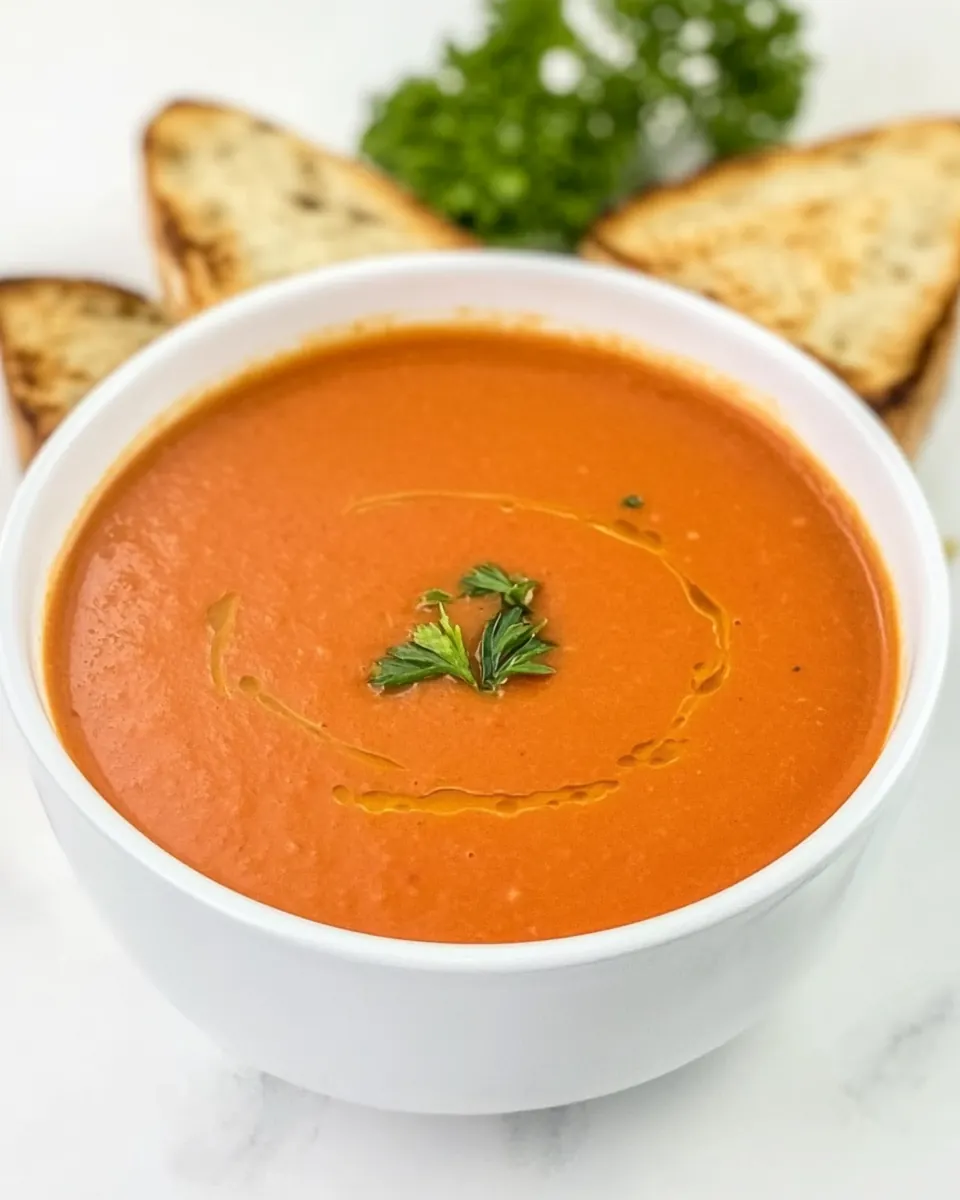
There are evenings when I ladle this soup into bowls, sprinkle nothing more than a pinch of black pepper, and sit with a thick slice of bread. Other times I dress it up for guests with a drizzle of olive oil and a scattering of torn basil. Whatever the occasion, Creamy Tomato Soup is one of those recipes that feels like it was made for conversation, rewarmed lunches, and slow weeknight dinners. It’s approachable, forgiving, and it rewards small attentions like browning the onion a touch longer or blending just until silky smooth.
Recipe Snapshot
30 mins
10 mins
20 mins
Easy
250 kcal
American
Keto, Gluten-Free
Soups
Large heavy bottomed pan, Immersion blender, Wooden spoon
What’s Great About This Creamy Tomato Soup
Comfort in a Bowl
I love how Creamy Tomato Soup wraps simple ingredients into a bowl that feels indulgent without being heavy. That balance between bright tomato acidity and the soft, creamy finish is what keeps me coming back, especially on chilly nights.
Pantry Friendly and Practical
This recipe relies on mostly shelf stable items like canned tomatoes, dried oregano, and dried basil. I appreciate being able to turn to it when the fridge is sparse. It’s practical for last minute dinners and weeknight comforts.
Technique Makes the Difference
Taking the time to brown the onion and gently saute the garlic adds layers of flavor most people assume come from fancy ingredients. I’ve found those two steps make the soup taste deeper and more complex than its simple list of items would suggest.
Flexible and Friendly
Whether I use chicken broth or swap to vegetable stock, or choose fresh herbs over dried, this recipe bends easily to what I have on hand. That flexibility makes it a staple for me when I want comfort without constraints.
Silky Texture Every Time
Finishing the soup with heavy cream and blending it smooth gives a spoonable silkiness that feels luxurious. I often tell friends that this step is what elevates it from canned to custom, and it’s always well received.
Ingredients Required for Creamy Tomato Soup
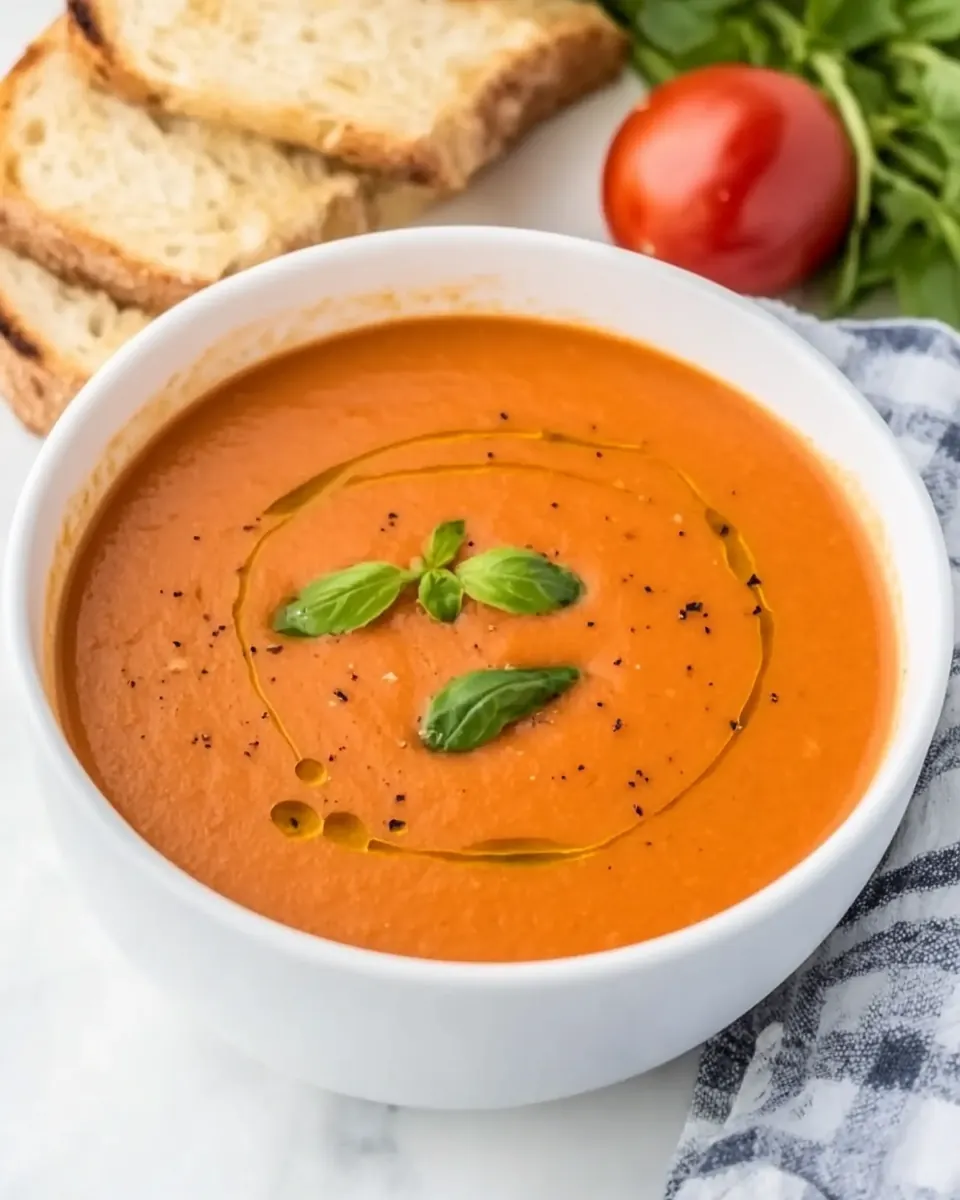
These ingredients are chosen to create a balance of bright tomato flavor, aromatic depth, and a silky finish. The tomatoes provide the body and acidity, while the onion and garlic build savory backbone. The chicken broth deepens the profile, dried herbs add an earthy note, and the heavy cream brings the lush texture that defines the finished bowl.
- 2 tablespoons butter: Melted to provide a rich, silky base and help sauté aromatics; adds buttery flavor and mouthfeel to the soup. Use over medium heat to gently soften onions and release flavors without browning. Contributes to the overall creamy texture once combined with cream at the end.
- 1/2 Onion medium, diced about 1/4 cup: Finely diced to add sweet, aromatic depth and structure to the soup; softens and becomes translucent when cooked. Sauté with butter until tender to build a savory foundation and balance tomato acidity. Provides mild texture contrast and natural sweetness as it breaks down.
- 3 cloves garlic minced: Minced to release sharp, pungent aromatics that enhance savory complexity; disperses flavor throughout the soup when softened. Add during sautéing to bloom its oils and avoid burning for a mellow garlic taste. Complements tomatoes and herbs, rounding out the overall flavor profile.
- 3 14.5-ounce cans diced tomatoes without salt crushed tomatoes or peeled whole tomatoes also can be used: Crushed or chopped to form the primary body and bright tomato flavor of the soup; contributes acidity, umami, and a chunky or smooth texture depending on choice. Use canned tomatoes for convenience and consistent tomato intensity, and simmer to meld flavors and reduce liquid slightly. Acts as the main vegetable component around which other seasonings and cream are balanced.
- 1 1/2 cups chicken broth low sodium: Added to adjust soup consistency and deepen savory taste; supplies salt balance and a subtle meaty backbone. Use low-sodium chicken broth to control overall saltiness, allowing better seasoning control. Simmer with tomatoes and herbs to integrate flavors and create a cohesive liquid base.
- 1 tablespoon oregano dried: Sprinkled in dried form to introduce warm, slightly peppery, and woodsy notes; enhances Mediterranean flavor profile. Add early in cooking to rehydrate and release aromatic oils into the broth. Works with basil and oregano to support the tomato's taste and provide herbal complexity.
- 1/2 teaspoon basil dried: Included dried to contribute sweet, slightly minty and peppery herbal notes that complement oregano; helps round tomato flavor. Use sparingly to avoid overpowering the dish and add it during simmering so it rehydrates and infuses the soup. Balances acidity and pairs well with cream for a harmonious finish.
- 1 tablespoon sugar: Stirred in to tame tomato acidity and add a hint of sweetness for balance; helps create a smoother, more rounded flavor. Dissolves easily in the simmering soup and brings out natural tomato richness without making the soup overtly sweet. Adjust amount slightly to achieve desired tartness balance.
- 1 teaspoon salt: Added to season and bring out underlying flavors; contributes necessary savory balance to the tomato base. Sprinkle in incrementally and taste as you cook to prevent oversalting, particularly when using stocked broth. Enhances perception of other ingredients and rounds the overall profile.
- 1/2 teaspoon pepper: Ground to provide mild heat and subtle bite that brightens flavors; enhances complexity without overwhelming. Add during cooking and adjust to taste, as pepper becomes more pronounced when concentrated. Complements salt and herbs while cutting through richness from butter and cream.
- 1/4 cup heavy cream: Swirled in at the end to impart luxurious creaminess and soften acidic edges; enriches texture and adds a smooth finish. Add gradually off heat to avoid curdling and stir until fully incorporated for a velvety mouthfeel. Balances savory and acidic elements and elevates overall richness.
How to Make Creamy Tomato Soup
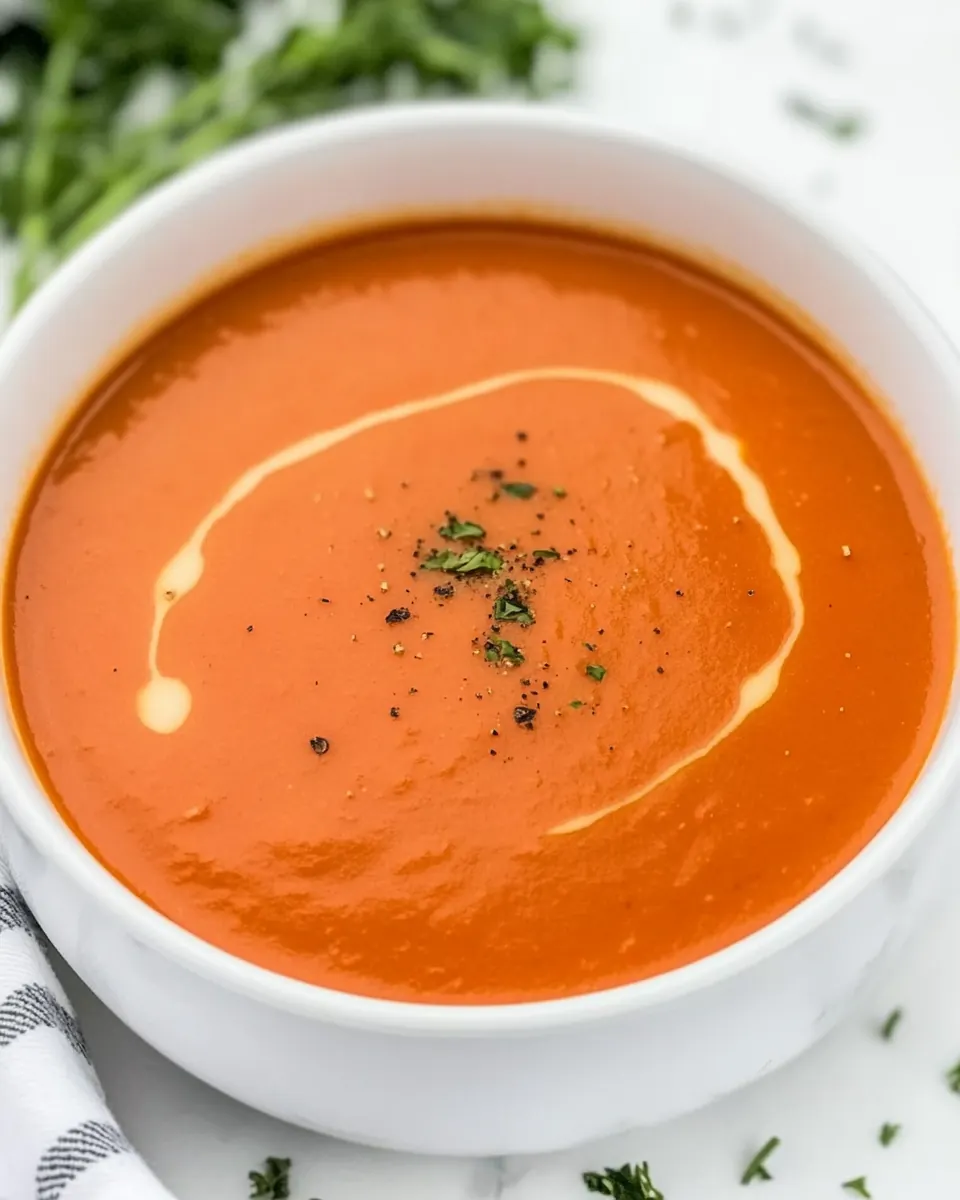
Here I walk you through the steps I follow every time I make this soup. I prefer a relaxed, sensory focused approach, noticing how the onion browns and how the aroma shifts as herbs bloom. Small observations help you know when you are on track.
- Place a large heavy bottomed pan over medium high heat. Melt the butter in the pot. Add onion and cook for 5-6 minutes to brown the onions, stirring frequently. Add garlic and saute until fragrant, about one minute.: As the pan warms you will hear a gentle hum of heat and sense the metal become responsive, which is important so the butter melts evenly. When the pan is ready, add the butter ; it should shimmer and spread within seconds. The reason for a heavy bottomed pan is consistent heat distribution, preventing hot spots that can scorch the onion . Watch for the butter foaming and then settling before adding the onion . A common mistake is overheating the fat which leads to immediate browning or burning, so keep the temperature steady and lower it if the butter smokes.
- Add tomatoes, chicken broth, oregano, basil, sugar, salt and pepper to the pot. Bring the mixture to a boil. Cover the pot and turn the heat down to medium low. Let the soup simmer for 10-12 minutes.: You will notice the butter taking on a glossy sheen, and a rich, nutty aroma as it warms. This step creates the flavor base and allows the onion to cook gently. If the butter browns too quickly, reduce the heat to avoid bitter notes. One oversight to avoid is crowding the pan with too much onion at once, which causes steaming rather than browning, so give the onion space.
- Add the heavy cream and stir for about a minute, then turn off the heat on the stove.: As the onion softens, watch for edges to turn translucent then golden, and listen for a gentle sizzle that indicates moisture release. Stirring frequently ensures even caramelization and prevents sticking. The browning develops sweet, savory flavors that build depth in the soup. If you rush this, the soup will miss the complexity that the onion provides, so be patient and resist increasing heat to speed the process.
- Use an immersion blender (stick blender) to blend the soup until smooth. You can also transfer the soup to a regular blender, but let it cool for at least 5-10 minutes first and blend in small batches. See notes.: The moment you add the garlic , you should smell a bright, savory aroma almost immediately; that is your cue to keep moving. Sauteing for about a minute softens the sharp edge of raw garlic while releasing its savory oils. Be attentive because garlic goes from fragrant to bitter quickly if overcooked, so remove it from direct high heat or add the next ingredients promptly to moderate the temperature.
- Serve and enjoy!: When the liquids hit the pan the mixture will hiss and loosen any browned bits from the bottom, which carry concentrated flavor. Stir to combine the canned tomatoes and chicken broth with the herbs and seasonings, and notice the aroma change as the dried oregano and dried basil bloom. The sugar and salt balance the acidity, while the pepper adds subtle warmth. A common error is over seasoning early, so taste after simmering to fine tune rather than oversalting at this point.
- Bring the mixture to a boil: As you increase heat, expect vigorous bubbling and steam rising from the pot, signaling the start of flavor melding. Bringing to a boil ensures the contents are hot enough to fully extract and marry flavors from the herbs and tomatoes . Once at a boil, the next steps require lowering the heat so that you avoid aggressive evaporation which could concentrate flavors unevenly, so keep an eye on the pot and reduce the heat as directed.
- Cover the pot and turn the heat down to medium low: Covering traps steam and encourages gentle simmering, which softens the tomatoes and allows their acidity to mellow. Lowering to medium low creates a steady simmer that develops flavor without breaking down the texture too aggressively. A lid that fits well helps maintain even temperature. One mistake people make is leaving it uncovered which can lead to over reduction and a too thick consistency.
- Let the soup simmer for 10 to 12 minutes: During this simmer you will notice the surface transitioning from active bubbles to small steady simmering, and the aroma will deepen and become more cohesive. Simmering for the recommended time lets the dried herbs hydrate and the flavors meld. If you skimp on simmer time, the herbs and seasonings remain sharp and disjointed, so give it the full duration for best results.
- Add the heavy cream and stir for about a minute, then turn off the heat on the stove: Pouring in the heavy cream will instantly soften the soup’s acidity and create a glossy sheen on the surface. Stir gently for a minute to integrate the cream so it warms through without separating. Turning off the heat after incorporation prevents curdling and preserves a smooth texture. A frequent misstep is adding cold cream to a very hot pot without tempering, which can cause undesirable curdles, so stir continuously and remove from heat promptly.
- Use an immersion blender to blend the soup until smooth: As you blend, the texture turns from chunky to velvety, and you will hear the steady whirr of the blender and see the surface become uniform and creamy. Blending releases more body and integrates the cream fully. If you use a regular blender, let the soup cool slightly and blend in small batches to avoid pressure buildup. Be cautious about splattering hot liquid, and avoid over blending which can make the texture gummy rather than silky.
- Serve and enjoy: Ladling the soup into bowls, you will notice a rich color and a gentle steam carrying the aroma of tomato and herbs. Serve warm and taste to adjust final seasoning with a pinch of salt or pepper as needed. A common oversight is serving it too hot, which dulls flavor perception, so let it rest a minute before eating to fully appreciate the layered flavors.
Make It Your Own
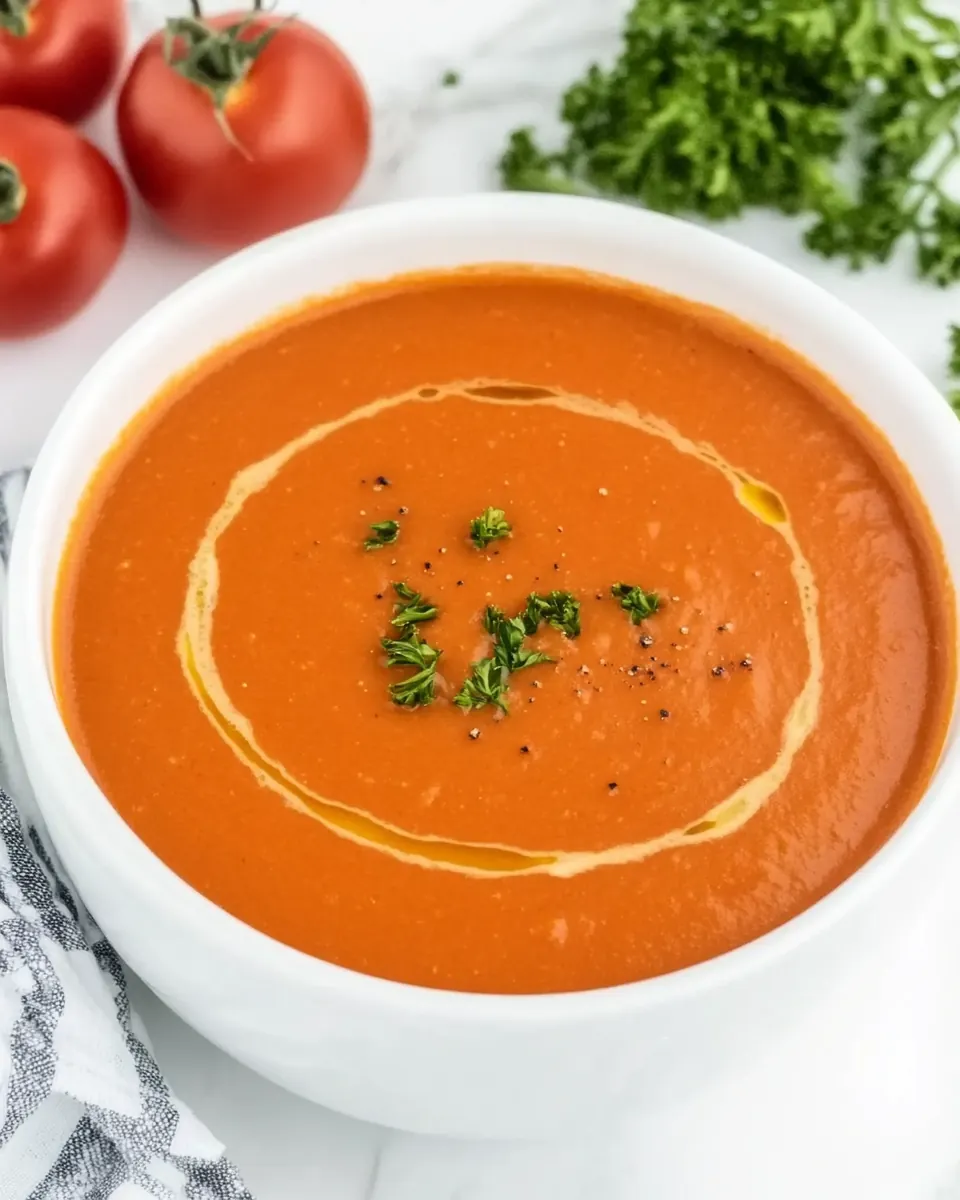
I like to offer tweaks that let you personalize the soup without losing what makes it reliably comforting. These tips help you adapt to what is on hand and to preferences in texture and flavor.
- Use fresh tomatoes if you have them, using about one pound of fresh tomatoes per can; roast them first for a deeper, slightly smoky flavor that complements the sweetened profile.
- Herb swaps are welcome: if you have fresh oregano or basil, increase the quantities as suggested in the notes to boost brightness and fresh herb aroma.
- Swap fats by using olive oil instead of butter for a lighter, fruitier mouthfeel and a more Mediterranean leaning finish.
- Broth alternatives such as vegetable stock work well and make the soup accessible to more eaters while preserving savory depth.
- Texture control is simple: blend less for a chunkier soup or longer for a silkier texture, but stop before the texture becomes gummy by periodically testing with a spoon.
How to Serve Creamy Tomato Soup
This soup is versatile and friendly to many serving styles, from a casual weeknight bowl to a cozy starter for guests. Below I outline pairing ideas, storage advice, and occasions where it shines.
- Classic pairing: Serve the soup with crusty bread or grilled cheese for a satisfying, hands on meal perfect for lunch or a relaxed dinner.
- Light garnish: A drizzle of olive oil or a splash of cream adds visual appeal and richness, while a few torn basil leaves bring color and aroma to the bowl.
- Occasions: This recipe is ideal for chilly evenings, casual dinner parties, or when you need comfort food during a winter week, and it also works well for Ramadan if served warm and nourishing after a long day of fasting.
- Storage: Cool the soup to room temperature before refrigerating in an airtight container, where it will keep for three to four days; reheat gently on the stovetop to preserve creaminess.
- Freezing: For longer storage, freeze without the heavy cream added, then thaw and stir in cream when reheating for better texture retention.
- Presentation: Serve in warmed bowls to keep the soup hot longer, and consider small bowls for starters or larger bowls for a main course paired with a salad.
FAQ
Conclusion
What makes this recipe special is its ability to turn simple pantry staples into a bowl of warm, velvety comfort. The interplay of gently browned onion, aromatic garlic, and bright tomato balanced by a touch of heavy cream creates a soup that feels both homey and refined. I encourage you to give it a try, play with the minor swaps I suggested, and notice how small technique choices change the result. It’s forgiving, easy to scale, and consistently satisfying whether you’re feeding yourself or a few guests.

Creamy Tomato Soup
Equipment
- Large heavy bottomed pan
- Immersion Blender
- Wooden Spoon
Ingredients
- 2 tablespoons butter Melted to provide a rich, silky base and help sauté aromatics; adds buttery flavor and mouthfeel to the soup. Use over medium heat to gently soften onions and release flavors without browning. Contributes to the overall creamy texture once combined with cream at the end.
- 1/2 Onion medium, diced about 1/4 cup Finely diced to add sweet, aromatic depth and structure to the soup; softens and becomes translucent when cooked. Sauté with butter until tender to build a savory foundation and balance tomato acidity. Provides mild texture contrast and natural sweetness as it breaks down.
- 3 cloves garlic minced Minced to release sharp, pungent aromatics that enhance savory complexity; disperses flavor throughout the soup when softened. Add during sautéing to bloom its oils and avoid burning for a mellow garlic taste. Complements tomatoes and herbs, rounding out the overall flavor profile.
- 3 14.5-ounce cans diced tomatoes without salt crushed tomatoes or peeled whole tomatoes also can be used Crushed or chopped to form the primary body and bright tomato flavor of the soup; contributes acidity, umami, and a chunky or smooth texture depending on choice. Use canned tomatoes for convenience and consistent tomato intensity, and simmer to meld flavors and reduce liquid slightly. Acts as the main vegetable component around which other seasonings and cream are balanced.
- 1 1/2 cups chicken broth low sodium Added to adjust soup consistency and deepen savory taste; supplies salt balance and a subtle meaty backbone. Use low-sodium chicken broth to control overall saltiness, allowing better seasoning control. Simmer with tomatoes and herbs to integrate flavors and create a cohesive liquid base.
- 1 tablespoon oregano dried Sprinkled in dried form to introduce warm, slightly peppery, and woodsy notes; enhances Mediterranean flavor profile. Add early in cooking to rehydrate and release aromatic oils into the broth. Works with basil and oregano to support the tomato's taste and provide herbal complexity.
- 1/2 teaspoon basil dried Included dried to contribute sweet, slightly minty and peppery herbal notes that complement oregano; helps round tomato flavor. Use sparingly to avoid overpowering the dish and add it during simmering so it rehydrates and infuses the soup. Balances acidity and pairs well with cream for a harmonious finish.
- 1 tablespoon sugar Stirred in to tame tomato acidity and add a hint of sweetness for balance; helps create a smoother, more rounded flavor. Dissolves easily in the simmering soup and brings out natural tomato richness without making the soup overtly sweet. Adjust amount slightly to achieve desired tartness balance.
- 1 teaspoon salt Added to season and bring out underlying flavors; contributes necessary savory balance to the tomato base. Sprinkle in incrementally and taste as you cook to prevent oversalting, particularly when using stocked broth. Enhances perception of other ingredients and rounds the overall profile.
- 1/2 teaspoon pepper Ground to provide mild heat and subtle bite that brightens flavors; enhances complexity without overwhelming. Add during cooking and adjust to taste, as pepper becomes more pronounced when concentrated. Complements salt and herbs while cutting through richness from butter and cream.
- 1/4 cup heavy cream Swirled in at the end to impart luxurious creaminess and soften acidic edges; enriches texture and adds a smooth finish. Add gradually off heat to avoid curdling and stir until fully incorporated for a velvety mouthfeel. Balances savory and acidic elements and elevates overall richness.
Instructions
- Place a large heavy bottomed pan over medium high heat. Melt the butter in the pot. Add onion and cook for 5-6 minutes to brown the onions, stirring frequently. Add garlic and saute until fragrant, about one minute.: As the pan warms you will hear a gentle hum of heat and sense the metal become responsive, which is important so the butter melts evenly. When the pan is ready, add the butter ; it should shimmer and spread within seconds. The reason for a heavy bottomed pan is consistent heat distribution, preventing hot spots that can scorch the onion . Watch for the butter foaming and then settling before adding the onion . A common mistake is overheating the fat which leads to immediate browning or burning, so keep the temperature steady and lower it if the butter smokes.
- Add tomatoes, chicken broth, oregano, basil, sugar, salt and pepper to the pot. Bring the mixture to a boil. Cover the pot and turn the heat down to medium low. Let the soup simmer for 10-12 minutes.: You will notice the butter taking on a glossy sheen, and a rich, nutty aroma as it warms. This step creates the flavor base and allows the onion to cook gently. If the butter browns too quickly, reduce the heat to avoid bitter notes. One oversight to avoid is crowding the pan with too much onion at once, which causes steaming rather than browning, so give the onion space.
- Add the heavy cream and stir for about a minute, then turn off the heat on the stove.: As the onion softens, watch for edges to turn translucent then golden, and listen for a gentle sizzle that indicates moisture release. Stirring frequently ensures even caramelization and prevents sticking. The browning develops sweet, savory flavors that build depth in the soup. If you rush this, the soup will miss the complexity that the onion provides, so be patient and resist increasing heat to speed the process.
- Use an immersion blender (stick blender) to blend the soup until smooth. You can also transfer the soup to a regular blender, but let it cool for at least 5-10 minutes first and blend in small batches. See notes.: The moment you add the garlic , you should smell a bright, savory aroma almost immediately; that is your cue to keep moving. Sauteing for about a minute softens the sharp edge of raw garlic while releasing its savory oils. Be attentive because garlic goes from fragrant to bitter quickly if overcooked, so remove it from direct high heat or add the next ingredients promptly to moderate the temperature.
- Serve and enjoy!: When the liquids hit the pan the mixture will hiss and loosen any browned bits from the bottom, which carry concentrated flavor. Stir to combine the canned tomatoes and chicken broth with the herbs and seasonings, and notice the aroma change as the dried oregano and dried basil bloom. The sugar and salt balance the acidity, while the pepper adds subtle warmth. A common error is over seasoning early, so taste after simmering to fine tune rather than oversalting at this point.
- Bring the mixture to a boil: As you increase heat, expect vigorous bubbling and steam rising from the pot, signaling the start of flavor melding. Bringing to a boil ensures the contents are hot enough to fully extract and marry flavors from the herbs and tomatoes . Once at a boil, the next steps require lowering the heat so that you avoid aggressive evaporation which could concentrate flavors unevenly, so keep an eye on the pot and reduce the heat as directed.
- Cover the pot and turn the heat down to medium low: Covering traps steam and encourages gentle simmering, which softens the tomatoes and allows their acidity to mellow. Lowering to medium low creates a steady simmer that develops flavor without breaking down the texture too aggressively. A lid that fits well helps maintain even temperature. One mistake people make is leaving it uncovered which can lead to over reduction and a too thick consistency.
- Let the soup simmer for 10 to 12 minutes: During this simmer you will notice the surface transitioning from active bubbles to small steady simmering, and the aroma will deepen and become more cohesive. Simmering for the recommended time lets the dried herbs hydrate and the flavors meld. If you skimp on simmer time, the herbs and seasonings remain sharp and disjointed, so give it the full duration for best results.
- Add the heavy cream and stir for about a minute, then turn off the heat on the stove: Pouring in the heavy cream will instantly soften the soup’s acidity and create a glossy sheen on the surface. Stir gently for a minute to integrate the cream so it warms through without separating. Turning off the heat after incorporation prevents curdling and preserves a smooth texture. A frequent misstep is adding cold cream to a very hot pot without tempering, which can cause undesirable curdles, so stir continuously and remove from heat promptly.
- Use an immersion blender to blend the soup until smooth: As you blend, the texture turns from chunky to velvety, and you will hear the steady whirr of the blender and see the surface become uniform and creamy. Blending releases more body and integrates the cream fully. If you use a regular blender, let the soup cool slightly and blend in small batches to avoid pressure buildup. Be cautious about splattering hot liquid, and avoid over blending which can make the texture gummy rather than silky.
- Serve and enjoy: Ladling the soup into bowls, you will notice a rich color and a gentle steam carrying the aroma of tomato and herbs. Serve warm and taste to adjust final seasoning with a pinch of salt or pepper as needed. A common oversight is serving it too hot, which dulls flavor perception, so let it rest a minute before eating to fully appreciate the layered flavors.
Notes
- Use fresh tomatoes if you have them, using about one pound of fresh tomatoes per can; roast them first for a deeper, slightly smoky flavor that complements the sweetened profile.
- Herb swaps are welcome: if you have fresh oregano or basil, increase the quantities as suggested in the notes to boost brightness and fresh herb aroma.
- Swap fats by using olive oil instead of butter for a lighter, fruitier mouthfeel and a more Mediterranean leaning finish.
- Broth alternatives such as vegetable stock work well and make the soup accessible to more eaters while preserving savory depth.
- Texture control is simple: blend less for a chunkier soup or longer for a silkier texture, but stop before the texture becomes gummy by periodically testing with a spoon.