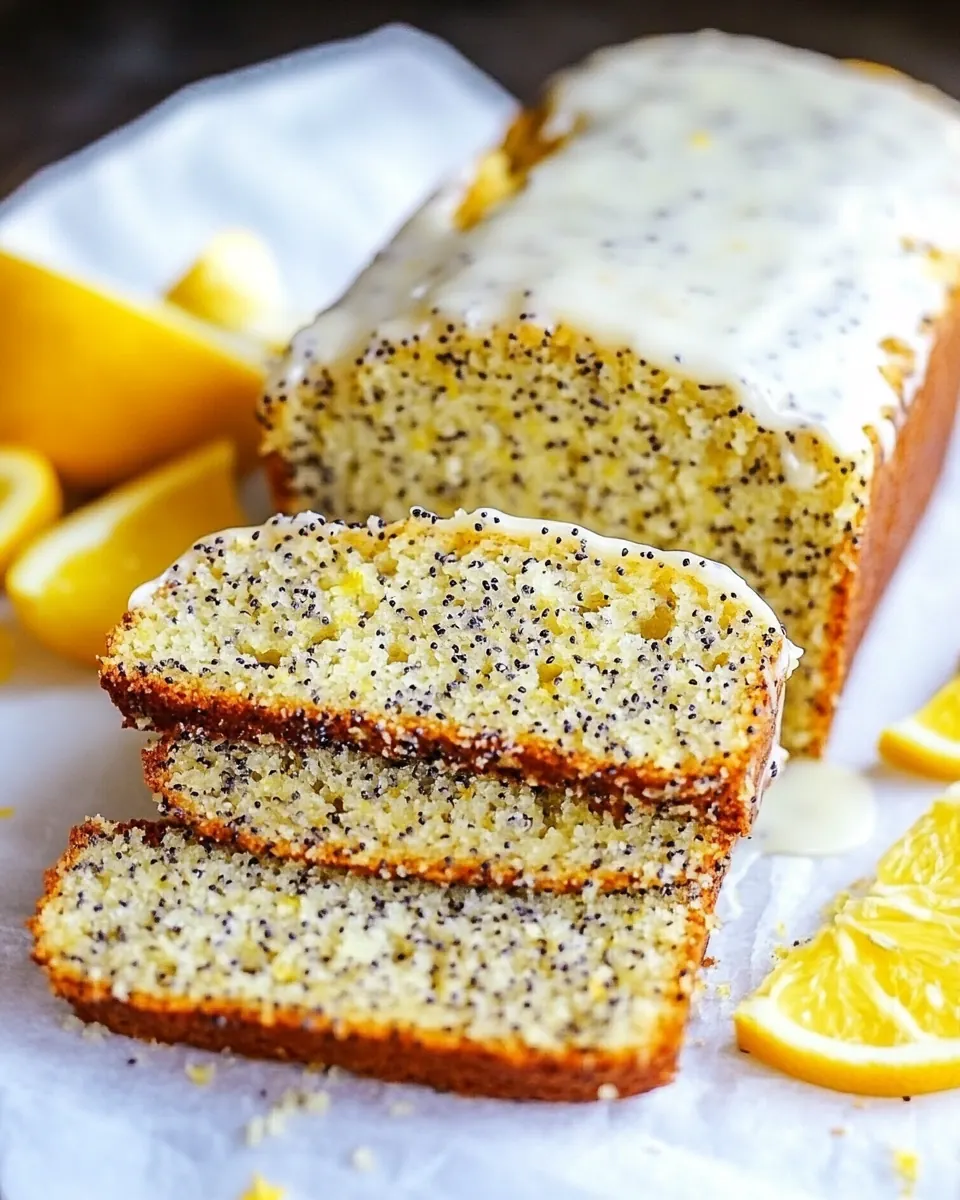
Citrus Poppy Seed Loaf
Citrus Poppy Seed Loaf is the kind of cake I reach for when I want something bright, tender, and just a little bit nostalgic.
I remember the first time I baked this loaf for a sleepy Sunday brunch, the kitchen filling with a zingy aroma as lemon and orange released their oils while the batter came together. The texture surprised me then, a fine crumb that somehow held a moist, almost springlike lift thanks to the interplay between Greek Yogurt and buttermilk. I kept stealing thin slices as guests arrived, and each bite felt like sunshine in pastry form. Over the years I learned a few small tricks that keep this loaf reliably soft and fragrant, and I like how forgiving it is if you adjust zest or juice to suit your palate.
There is comfort in its simplicity, from measuring out all purpose flour to the tiny snap of poppy seeds that speckle each slice. When I bring slices to neighbors or tuck a piece into a picnic basket, people often ask for the recipe because the loaf feels both elegant and everyday. It’s versatile too, pairing well with a cup of black tea or a light salad for brunch. I love that it travels well, which is handy for potlucks or last minute gatherings when you want something homemade without fuss.
Recipe Snapshot
55 mins
5 mins
50 mins
Medium
220 kcal
American
Gluten-Free, Low FODMAP
Desserts
Loaf pan, Large bowl, Rubber spatula, Whisk, Oven
Why This Citrus Poppy Seed Loaf Stands Out
Bright citrus flavor that sings
The thing I love most about this loaf is how the combined zests and juices of lemon and orange deliver a layered citrus profile. You get immediate aromatic lift from the zest, then a softer, tangy note from the juice. That combo keeps every slice lively without becoming overwhelmingly tart.
Moist crumb from smart dairy choices
Using both Greek Yogurt and buttermilk adds acidity and moisture, which react with the baking powder and baking soda for a tender, well risen loaf. I like that the texture stays soft even a day later when stored properly.
Textural contrast and subtle crunch
The addition of poppy seeds is small but important, giving tiny, pleasant pops against the soft crumb. It’s a detail that elevates the loaf from ordinary to memorable.
Simple, forgiving technique
This recipe is approachable whether you are a confident baker or relatively new. The method relies on gentle folding and straightforward mixing, so you’re less likely to overwork the batter. I appreciate recipes that reward small attention rather than perfection.
Flexible and sharable
This loaf adapts well to different pans, and the Greek Yogurt Glaze can be thick or thin depending on how you like it. I often halve the glaze for a lighter finish, or pour it generously when I want the loaf to be moist and glossy. It’s a recipe that’s just as good at a weekday coffee as it is on a holiday brunch table.
What’s In This Citrus Poppy Seed Loaf
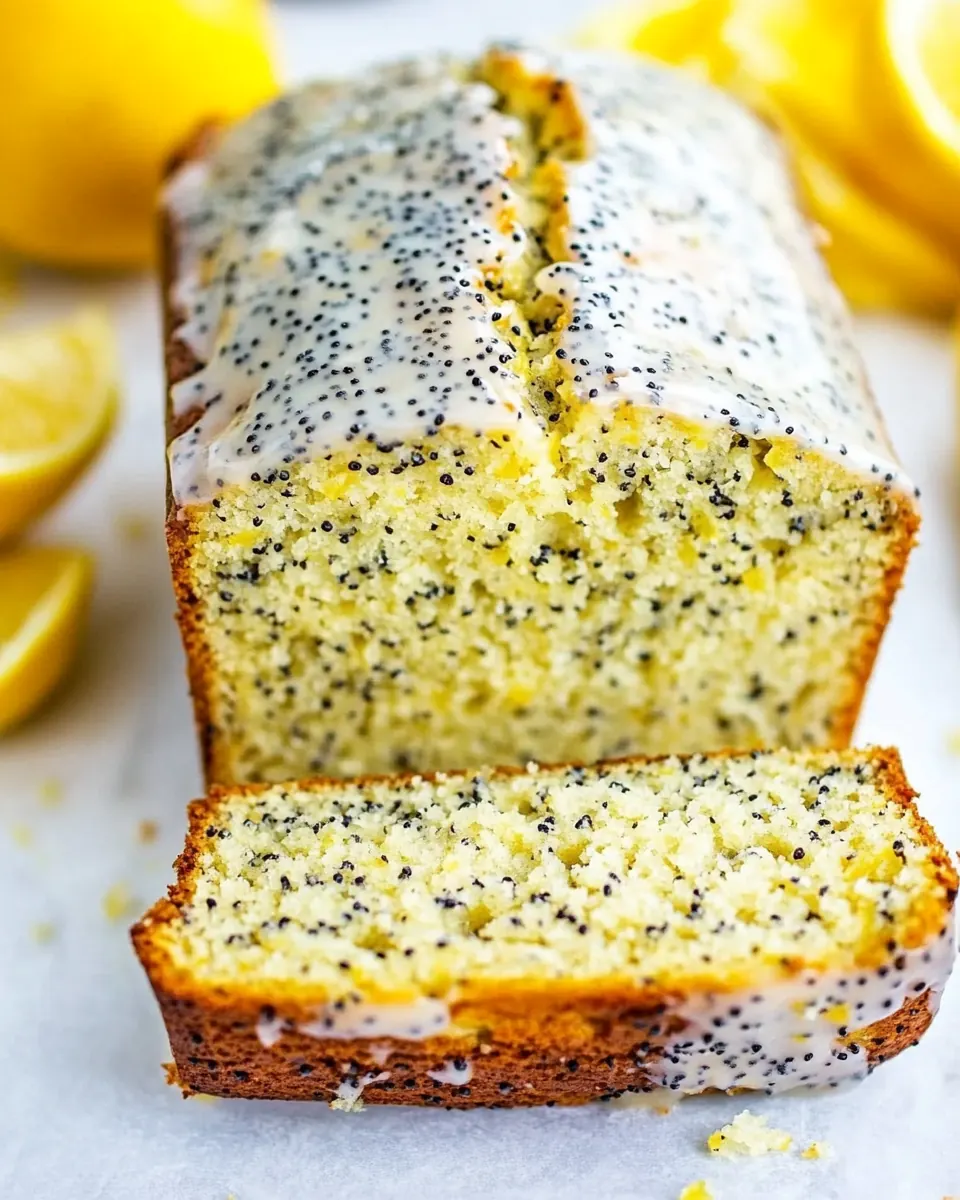
These ingredients are chosen to balance brightness, tenderness, and texture. The citrus components provide aromatic oils and acidity, while the dairy elements add moisture and improve crumb. Poppy seeds offer a subtle crunch that contrasts the soft, fine crumb provided by the all purpose flour and the leavening team of baking powder and baking soda. Together they make a loaf that is lively, moist, and reliably tender.
- 2/3 cup granulated sugar: Sweeten and tenderize the loaf while helping to create a moist crumb; creaming with wet ingredients encourages even integration and caramelization during baking.
- 1 large lemon zested: Provide bright citrus aroma and concentrated lemon flavor; zest contains essential oils that lift the overall taste profile without adding acidity.
- 1/2 orange zested: Add fragrant orange oils and a subtle floral-sweet citrus note; half an orange zest complements the lemon for a balanced citrus character.
- 1 large lemon juiced: Contribute fresh acidity and clean lemon flavor that interacts with baking soda/powder to enhance rise; juice also adds moisture to the batter.
- 1/2 orange juiced, about 3 tbsps: Impart mild orange acidity and juice-based moisture; roughly three tablespoons help balance sweetness and boost the citrus complexity.
- 2/3 cup oil: Moisten the batter and create a tender, slightly rich texture; oil keeps the loaf soft and helps retain moistness for several days.
- 2 eggs: Bind ingredients, add structure, and provide richness through fat and emulsifiers; eggs also help trap air for volume as the loaf bakes.
- 1/2 cup buttermilk: Introduce a tangy creaminess and slight acidity to tenderize gluten for a softer crumb; buttermilk also aids leavening when combined with baking soda.
- 2 tablespoons poppy seeds: Contribute crunchy texture and a subtle nutty flavor that echoes citrus notes; poppy seeds also create visual interest throughout the loaf.
- 2 cups all-purpose flour: Form the structural base of the batter by providing starch and proteins; all-purpose flour determines crumb density and absorbs liquids.
- 2 teaspoons baking powder: Leaven the loaf by producing gas and lift, creating a lighter crumb; baking powder also contributes to oven spring during baking.
- 1/4 teaspoon baking soda: React with acidic components to enhance rise and tenderize the crumb; baking soda helps neutralize excess acidity from citrus and buttermilk.
- 1 pinch of salt: Enhance and balance flavors by highlighting sweetness and suppressing bitterness; even a pinch helps clarify and round the loaf's taste profile.
- 1/2 cup Greek Yogurt: Add creamy tang and additional moisture to the batter, improving texture and mouthfeel; Greek yogurt also contributes protein for structure.
- 1/4 cup confectioner sugar: Sweeten and finish the loaf with a smooth glaze or dusting; confectioners' sugar dissolves easily for an even, glossy coating.
- 1 lemon zested: Provide an extra burst of lemon aroma and concentrated citrus oil for garnish or finishing touches; zest intensifies bright, fresh notes.
- 2 tablespoons fresh orange juice: Deliver fresh orange brightness and balanced acidity for a finishing glaze or batter addition; two tablespoons lift flavor without thinning too much.
- 1 teaspoon of poppy seeds: Offer a final sprinkle of texture and visual contrast with a delicate nutty flavor; a teaspoon of poppy seeds used at the end reinforces the loaf's signature look.
How to Cook Citrus Poppy Seed Loaf
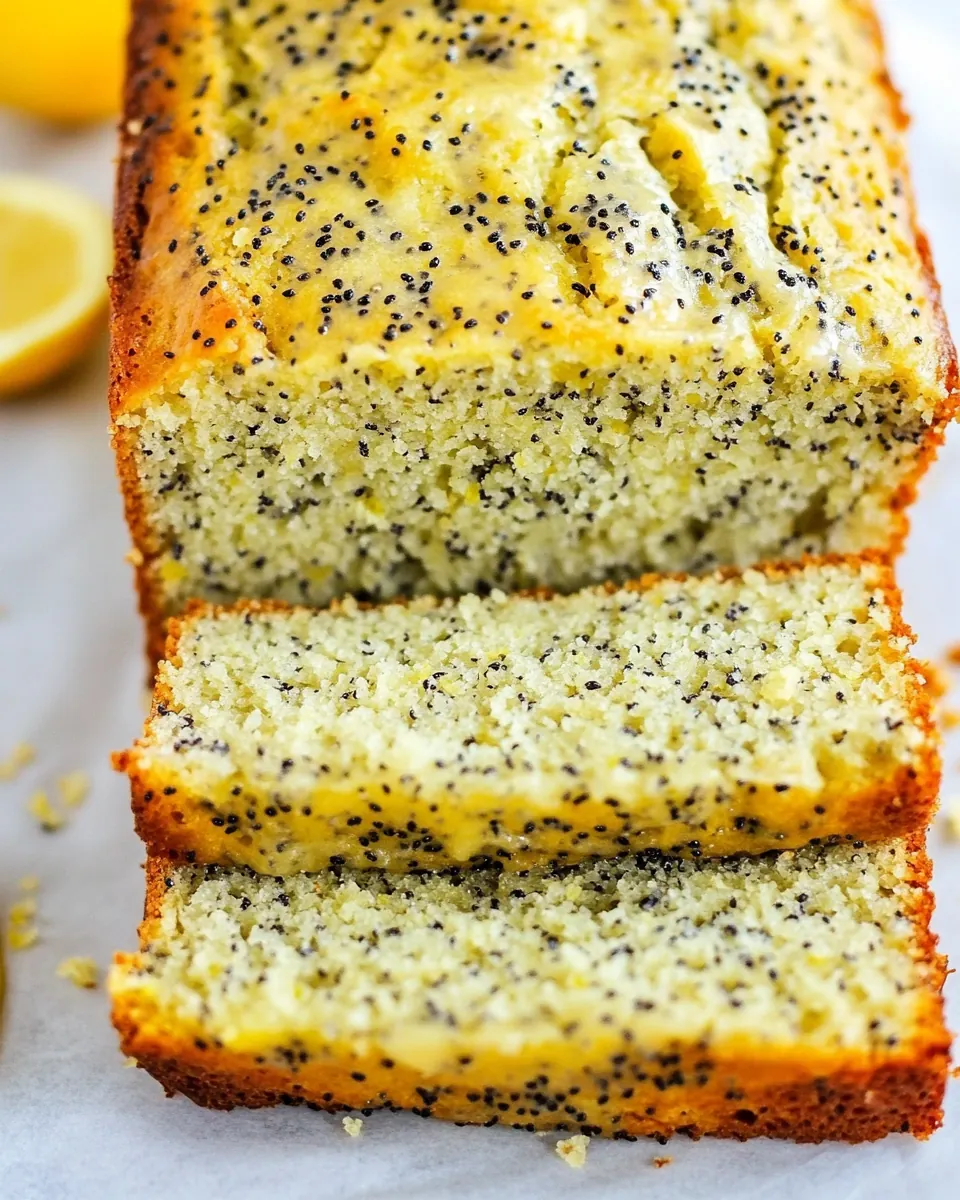
These directions guide you through a relaxed, sensory-driven bake. I’ll walk you through how the batter should look and feel, what the oven cues are, and how to know the loaf is done. Follow the flow and trust your senses as much as the clock.
- Preheat your oven to 375 degrees. Lightly oil a standard loaf pan size, or an 8-inch cake pan, square round or a muffin pan.: You will notice the oven warming with a dry, steady heat, and this upfront heat helps form a gentle crust that locks in moisture. A properly preheated oven ensures even rise and browning, and you should hear a faint click or fan start as it reaches temperature. One common mistake is putting the loaf into an oven that is still coming up to heat, which can cause uneven rise and a denser center. If your oven runs hot, consider using an oven thermometer and adjust accordingly, since an overly hot oven will brown the exterior too quickly while leaving the middle underbaked.
- In a large bowl, whisk the sugar, all zests, juice, oil, eggs and buttermilk until well combined. Then add in the poppy seeds and mix well.: Rubbing a thin layer of oil over the pan creates a nonstick surface and helps the loaf release cleanly after baking. Pay attention to corners and seams so the loaf does not stick there. A mistaken heavy coating can cause oil pooling and uneven browning, while too little oil leads to tearing when you remove the cake. I prefer to use a pastry brush or a paper towel to distribute the oil evenly, making sure the pan is well coated but not greasy.
- In a separate bowl, mix the flour with baking powder and baking soda and salt.: As you whisk, you will feel the batter thin out and the aroma of lemon zest and orange zest lift up, releasing bright citrus perfumes. The mixture should look glossy and slightly frothy from the eggs. This step allows sugar to begin dissolving and the liquids to emulsify with the oil for a harmonious batter. Avoid overbeating once the flour is added, because too much agitation will develop gluten and make the loaf tough. A common slip is failing to fully incorporate the eggs and wet ingredients, which can leave streaks of unmixed oil in the final loaf.
- Using a rubber spatula, gently fold the dry ingredients into the lemon mixture and pour into your preferred pan.: You will see the tiny poppy seeds dispersed, adding speckled texture to the wet batter. These seeds are light and will distribute evenly when stirred in gently. The seeds do not alter the batter viscosity much, but they contribute a pleasing crunch in the crumb. One thing to avoid is adding them too late where they clump together; fold them in promptly after the wet ingredients are combined to ensure even distribution.
- Bake (middle rack) for about 20 minutes (always check 5 minutes before or after depending on the pan size you chose) until a toothpick inserted in the middle of the cake comes out clean or with just a few moist crumbs.: Dry mixing aerates the flour and evenly spreads the baking powder and baking soda , which is critical for even rise. You will notice the mixture lighten in color and take on a uniform texture. Sifting or whisking helps prevent pockets of leavening which can create uneven bubbles in the loaf. A frequent error is dumping dry ingredients straight into wet without pre mixing, which makes it harder to fold them in smoothly and can leave lumps.
- Remove from the oven and allow to cool for 10 minutes before removing it from the pan. Glaze the cake while still warm.: Folding requires a soft hand so the batter stays airy, and you should watch for ribbons of batter becoming uniform, with no streaks of flour showing. The batter should be thick but pourable and hold some body as you scrape it into the pan. If you overmix, the loaf will lose tenderness and become dense, so fold until just combined. When pouring, use the spatula to coax every bit into the pan and level the top slightly for even baking.
- Whisk all ingredients in a small bowl until nice and smooth. Add a little more juice if you prefer a runny glaze or a little more confectioner sugar if you prefer a thicker glaze.: As the loaf bakes, the kitchen will fill with citrus steam and a gentle crackle from the top as it sets. The edges will pull away slightly from the pan and the surface will be golden. Test for doneness by inserting a toothpick near the center, looking for few moist crumbs rather than wet batter. A common mistake is relying on color alone, because different pans and oven temperatures change appearance; always test with a toothpick for certainty. If the toothpick comes out with wet batter, continue baking and check in short increments to avoid overbaking.
- Whisk all ingredients in a small bowl until nice and smooth. Add a little more juice if you prefer a runny glaze or a little more confectioner sugar if you prefer a thicker glaze.: The loaf will settle and finish cooking as it rests, and you should feel it firm slightly when you press gently on the top. Cooling for about ten minutes prevents the cake from breaking when you invert it, and it lets internal steam redistribute so slices are cleaner. If you try to unmold while too hot, the loaf can collapse or tear. I recommend running a knife along the pan edges if it seems stuck, then invert carefully onto a rack.
- Glaze the cake while still warm: A warm surface allows the Greek Yogurt Glaze to soak in a little, creating a moist top layer that melds with the crumb. You will notice the glaze spreading and melting slightly into the warm loaf, leaving a glossy finish. If the loaf is completely cool the glaze will sit on top rather than seeping in, which is fine if you prefer a firm top. Avoid glazing when the loaf is piping hot, since the heat can make the glaze too runny and cause excessive dripping.
- Whisk all ingredients in a small bowl until nice and smooth: The glaze should be silky, with no lumps of confectioner sugar , and have a consistency you can adjust by adding a little more orange juice for thinness or more sugar for thickness. The aroma will be intensely citrusy depending on how much zest you include. A common error is adding too much liquid at once, which makes the glaze overly thin and runny; add liquids gradually and whisk to gauge the texture.
- Add a little more juice if you prefer a runny glaze or a little more confectioner sugar if you prefer a thicker glaze: Small adjustments here change how the glaze settles on the loaf, either seeping in for moistness or forming a pretty sheen. Taste as you go and aim for balance between sweetness and citrus brightness. Be careful not to over dilute the glaze which can become too translucent and not cling to the loaf. If your glaze thickens too much while waiting, stir in a teaspoon of juice to loosen it just before pouring.
Pro Tips and Tweaks
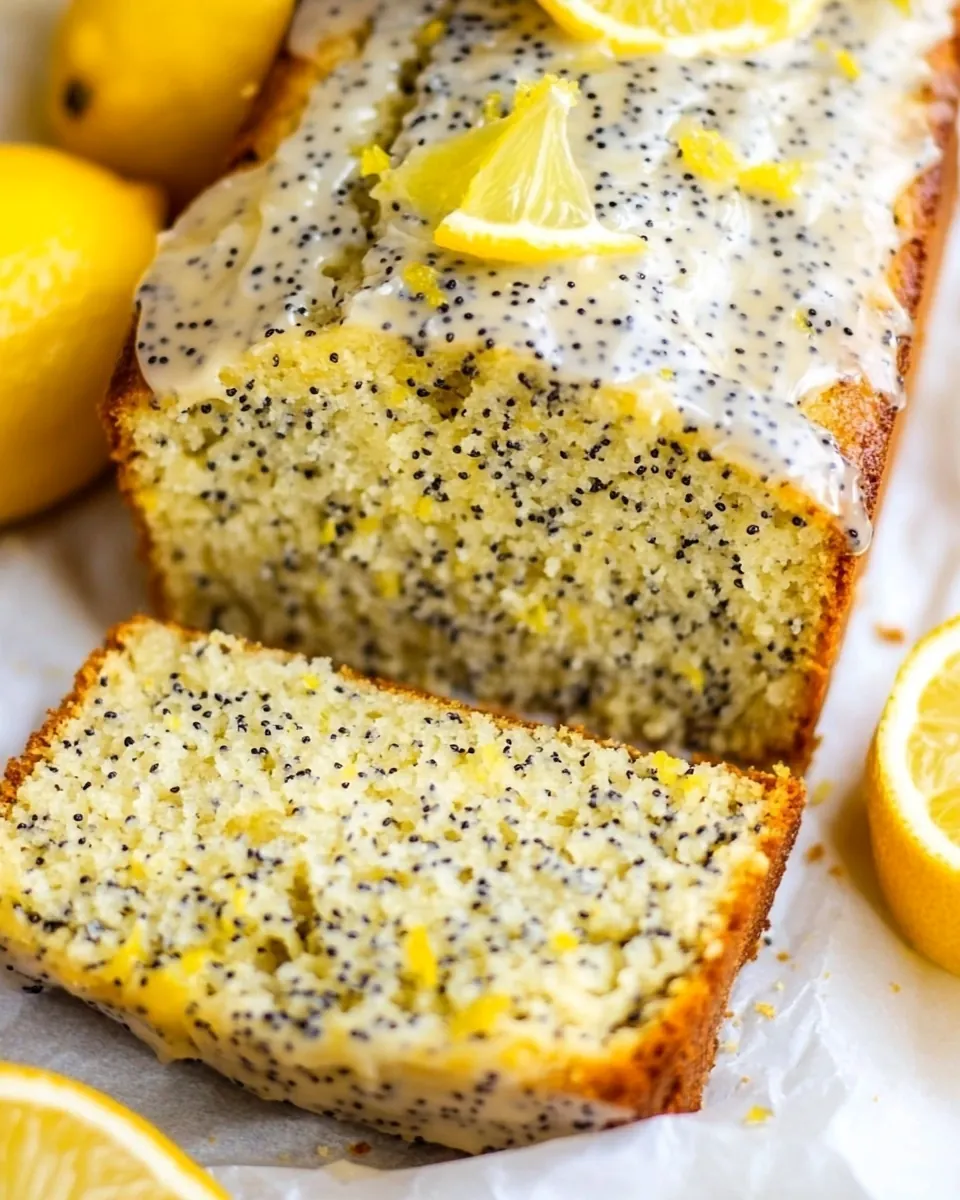
This loaf rewards small adjustments more than big changes. Below are practical tips I use to keep the crumb tender and the citrus notes bright. Read these before you start to bake for the best results.
- Zest first: Zest your lemon and orange before juicing, because the oils are highest in the peel and give the loaf its top note.
- Room temperature eggs: Using room temperature eggs helps the batter emulsify more smoothly, producing a consistent texture and better rise.
- Gentle folding: Fold the dry ingredients in with a rubber spatula until just combined to avoid developing gluten, which keeps the loaf tender.
- Pan choice matters: Lighter colored pans bake more evenly; if you use a dark pan reduce oven time slightly to prevent overbrowning.
- Adjust glaze thickness: Add extra confectioner sugar for a thicker glaze, or a small splash of orange juice for a thinner, more absorbent finish.
- Store properly: Wrap cooled loaf in plastic or store in an airtight container to maintain moisture, and slice with a serrated knife for neat pieces.
What to Pair With Citrus Poppy Seed Loaf
This loaf is versatile at the table and pairs well with simple beverages and light dishes. Below are ideas for breakfasts, brunches, and casual gatherings, plus notes on storage and occasions where it shines.
- Morning coffee or tea: Serve slices with a strong black coffee or a citrus forward tea for a balanced morning pairing.
- Brunch platter: Include the loaf alongside fruit, yogurt, and a light green salad for a spring brunch spread.
- Picnic friendly: Wrap individual slices for an easy addition to outdoor meals because the loaf travels well and keeps its texture.
- Storage tips: Keep leftover slices in an airtight container at room temperature up to two days, or refrigerate for up to five days to maintain freshness.
- Seasonal occasions: This loaf is excellent for spring gatherings and light holiday brunches when citrus is in season and guests appreciate a bright dessert.
- Serving style: Warm slightly before serving if refrigerated, and consider a light dusting of extra confectioner sugar for an elegant finish.
FAQ
Conclusion
This Citrus Poppy Seed Loaf stands out for its sunny citrus brightness, tender crumb, and tiny poppy seed texture that keeps every bite interesting. Give it a try when you want a simple loaf that feels a little special, whether for a casual brunch or a thoughtful homemade gift. I love how it brings people together around the table and promises easy slicing and sharing. Enjoy the process and the lovely aromas that will fill your kitchen as you bake it.
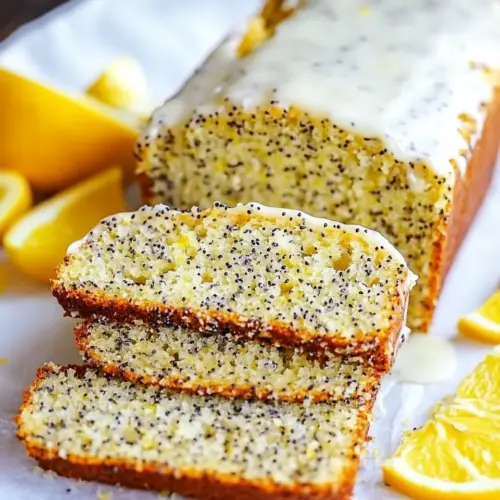
Citrus Poppy Seed Loaf
Equipment
- Loaf Pan
- Large Bowl
- Rubber spatula
- Whisk
- Oven
Ingredients
- 2/3 cup granulated sugar Sweeten and tenderize the loaf while helping to create a moist crumb; creaming with wet ingredients encourages even integration and caramelization during baking.
- 1 large lemon zested Provide bright citrus aroma and concentrated lemon flavor; zest contains essential oils that lift the overall taste profile without adding acidity.
- 1/2 orange zested Add fragrant orange oils and a subtle floral-sweet citrus note; half an orange zest complements the lemon for a balanced citrus character.
- 1 large lemon juiced Contribute fresh acidity and clean lemon flavor that interacts with baking soda/powder to enhance rise; juice also adds moisture to the batter.
- 1/2 orange juiced, about 3 tbsps Impart mild orange acidity and juice-based moisture; roughly three tablespoons help balance sweetness and boost the citrus complexity.
- 2/3 cup oil Moisten the batter and create a tender, slightly rich texture; oil keeps the loaf soft and helps retain moistness for several days.
- 2 eggs Bind ingredients, add structure, and provide richness through fat and emulsifiers; eggs also help trap air for volume as the loaf bakes.
- 1/2 cup buttermilk Introduce a tangy creaminess and slight acidity to tenderize gluten for a softer crumb; buttermilk also aids leavening when combined with baking soda.
- 2 tablespoons poppy seeds Contribute crunchy texture and a subtle nutty flavor that echoes citrus notes; poppy seeds also create visual interest throughout the loaf.
- 2 cups all-purpose flour Form the structural base of the batter by providing starch and proteins; all-purpose flour determines crumb density and absorbs liquids.
- 2 teaspoons baking powder Leaven the loaf by producing gas and lift, creating a lighter crumb; baking powder also contributes to oven spring during baking.
- 1/4 teaspoon baking soda React with acidic components to enhance rise and tenderize the crumb; baking soda helps neutralize excess acidity from citrus and buttermilk.
- 1 pinch of salt Enhance and balance flavors by highlighting sweetness and suppressing bitterness; even a pinch helps clarify and round the loaf's taste profile.
- 1/2 cup Greek Yogurt Add creamy tang and additional moisture to the batter, improving texture and mouthfeel; Greek yogurt also contributes protein for structure.
- 1/4 cup confectioner sugar Sweeten and finish the loaf with a smooth glaze or dusting; confectioners' sugar dissolves easily for an even, glossy coating.
- 1 lemon zested Provide an extra burst of lemon aroma and concentrated citrus oil for garnish or finishing touches; zest intensifies bright, fresh notes.
- 2 tablespoons fresh orange juice Deliver fresh orange brightness and balanced acidity for a finishing glaze or batter addition; two tablespoons lift flavor without thinning too much.
- 1 teaspoon of poppy seeds Offer a final sprinkle of texture and visual contrast with a delicate nutty flavor; a teaspoon of poppy seeds used at the end reinforces the loaf's signature look.
Instructions
- Preheat your oven to 375 degrees. Lightly oil a standard loaf pan size, or an 8-inch cake pan, square round or a muffin pan.: You will notice the oven warming with a dry, steady heat, and this upfront heat helps form a gentle crust that locks in moisture. A properly preheated oven ensures even rise and browning, and you should hear a faint click or fan start as it reaches temperature. One common mistake is putting the loaf into an oven that is still coming up to heat, which can cause uneven rise and a denser center. If your oven runs hot, consider using an oven thermometer and adjust accordingly, since an overly hot oven will brown the exterior too quickly while leaving the middle underbaked.
- In a large bowl, whisk the sugar, all zests, juice, oil, eggs and buttermilk until well combined. Then add in the poppy seeds and mix well.: Rubbing a thin layer of oil over the pan creates a nonstick surface and helps the loaf release cleanly after baking. Pay attention to corners and seams so the loaf does not stick there. A mistaken heavy coating can cause oil pooling and uneven browning, while too little oil leads to tearing when you remove the cake. I prefer to use a pastry brush or a paper towel to distribute the oil evenly, making sure the pan is well coated but not greasy.
- In a separate bowl, mix the flour with baking powder and baking soda and salt.: As you whisk, you will feel the batter thin out and the aroma of lemon zest and orange zest lift up, releasing bright citrus perfumes. The mixture should look glossy and slightly frothy from the eggs. This step allows sugar to begin dissolving and the liquids to emulsify with the oil for a harmonious batter. Avoid overbeating once the flour is added, because too much agitation will develop gluten and make the loaf tough. A common slip is failing to fully incorporate the eggs and wet ingredients, which can leave streaks of unmixed oil in the final loaf.
- Using a rubber spatula, gently fold the dry ingredients into the lemon mixture and pour into your preferred pan.: You will see the tiny poppy seeds dispersed, adding speckled texture to the wet batter. These seeds are light and will distribute evenly when stirred in gently. The seeds do not alter the batter viscosity much, but they contribute a pleasing crunch in the crumb. One thing to avoid is adding them too late where they clump together; fold them in promptly after the wet ingredients are combined to ensure even distribution.
- Bake (middle rack) for about 20 minutes (always check 5 minutes before or after depending on the pan size you chose) until a toothpick inserted in the middle of the cake comes out clean or with just a few moist crumbs.: Dry mixing aerates the flour and evenly spreads the baking powder and baking soda , which is critical for even rise. You will notice the mixture lighten in color and take on a uniform texture. Sifting or whisking helps prevent pockets of leavening which can create uneven bubbles in the loaf. A frequent error is dumping dry ingredients straight into wet without pre mixing, which makes it harder to fold them in smoothly and can leave lumps.
- Remove from the oven and allow to cool for 10 minutes before removing it from the pan. Glaze the cake while still warm.: Folding requires a soft hand so the batter stays airy, and you should watch for ribbons of batter becoming uniform, with no streaks of flour showing. The batter should be thick but pourable and hold some body as you scrape it into the pan. If you overmix, the loaf will lose tenderness and become dense, so fold until just combined. When pouring, use the spatula to coax every bit into the pan and level the top slightly for even baking.
- Whisk all ingredients in a small bowl until nice and smooth. Add a little more juice if you prefer a runny glaze or a little more confectioner sugar if you prefer a thicker glaze.: As the loaf bakes, the kitchen will fill with citrus steam and a gentle crackle from the top as it sets. The edges will pull away slightly from the pan and the surface will be golden. Test for doneness by inserting a toothpick near the center, looking for few moist crumbs rather than wet batter. A common mistake is relying on color alone, because different pans and oven temperatures change appearance; always test with a toothpick for certainty. If the toothpick comes out with wet batter, continue baking and check in short increments to avoid overbaking.
- Whisk all ingredients in a small bowl until nice and smooth. Add a little more juice if you prefer a runny glaze or a little more confectioner sugar if you prefer a thicker glaze.: The loaf will settle and finish cooking as it rests, and you should feel it firm slightly when you press gently on the top. Cooling for about ten minutes prevents the cake from breaking when you invert it, and it lets internal steam redistribute so slices are cleaner. If you try to unmold while too hot, the loaf can collapse or tear. I recommend running a knife along the pan edges if it seems stuck, then invert carefully onto a rack.
- Glaze the cake while still warm: A warm surface allows the Greek Yogurt Glaze to soak in a little, creating a moist top layer that melds with the crumb. You will notice the glaze spreading and melting slightly into the warm loaf, leaving a glossy finish. If the loaf is completely cool the glaze will sit on top rather than seeping in, which is fine if you prefer a firm top. Avoid glazing when the loaf is piping hot, since the heat can make the glaze too runny and cause excessive dripping.
- Whisk all ingredients in a small bowl until nice and smooth: The glaze should be silky, with no lumps of confectioner sugar , and have a consistency you can adjust by adding a little more orange juice for thinness or more sugar for thickness. The aroma will be intensely citrusy depending on how much zest you include. A common error is adding too much liquid at once, which makes the glaze overly thin and runny; add liquids gradually and whisk to gauge the texture.
- Add a little more juice if you prefer a runny glaze or a little more confectioner sugar if you prefer a thicker glaze: Small adjustments here change how the glaze settles on the loaf, either seeping in for moistness or forming a pretty sheen. Taste as you go and aim for balance between sweetness and citrus brightness. Be careful not to over dilute the glaze which can become too translucent and not cling to the loaf. If your glaze thickens too much while waiting, stir in a teaspoon of juice to loosen it just before pouring.
Notes
- Zest first: Zest your lemon and orange before juicing, because the oils are highest in the peel and give the loaf its top note.
- Room temperature eggs: Using room temperature eggs helps the batter emulsify more smoothly, producing a consistent texture and better rise.
- Gentle folding: Fold the dry ingredients in with a rubber spatula until just combined to avoid developing gluten, which keeps the loaf tender.
- Pan choice matters: Lighter colored pans bake more evenly; if you use a dark pan reduce oven time slightly to prevent overbrowning.
- Adjust glaze thickness: Add extra confectioner sugar for a thicker glaze, or a small splash of orange juice for a thinner, more absorbent finish.
- Store properly: Wrap cooled loaf in plastic or store in an airtight container to maintain moisture, and slice with a serrated knife for neat pieces.