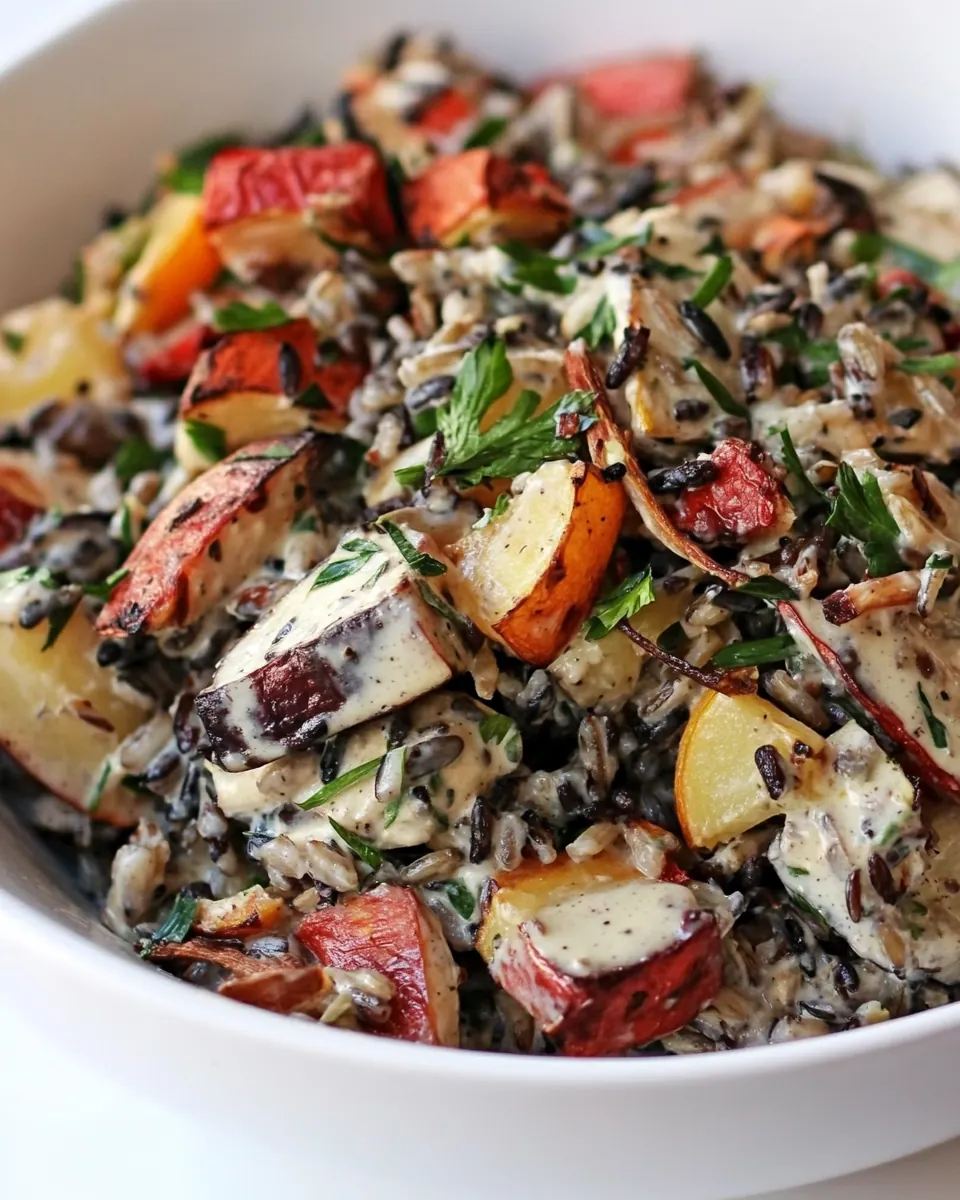
Wild Rice Salad with Roasted Vegetables and Lemon Tahini Dressing
Wild Rice Salad with Roasted Vegetables and Lemon Tahini Dressing has been one of those recipes I come back to when I want something that feels both comforting and bright at the same time. The first time I made it I was coming off a week of heavy takeout, craving something with texture and a clear, lively dressing to wake up my palate. I remember the warm, earthy aroma of the roasted root vegetables filling my kitchen, and how the nutty bite of the wild rice grounded every forkful. It felt like a small, restorative ritual.
Over time, this Wild Rice Salad with Roasted Vegetables and Lemon Tahini Dressing became my go to dish for potlucks and weekday dinners when I wanted to cook once and eat well all week. I love how the salad sits well at room temperature, so I can make the components ahead and toss them together when guests arrive. The creamy tahini and bright lemon brighten the roasted vegetables, while the minced spring onions add a fresh bite. Each ingredient plays a clear role in the final melody of flavors.
I also discovered that small adjustments make it feel entirely new each time, and I enjoy that creative freedom. Sometimes I roast the vegetables until they have a few crisp edges, other times I aim for soft, yielding cubes that melt against the wild rice. Making the dressing separately and folding it in at the last moment keeps the texture lively, and the salad always tastes like it was just made. When friends ask for the recipe, they tell me it has the right balance of heart and lightness, which is exactly what I aim for.
Recipe Snapshot
60 mins
15 mins
45 mins
Medium
220 kcal
American
Gluten-Free, Vegan
Salads
Saucepan, Rimmed baking sheet, Large bowl
Why This Wild Rice Salad with Roasted Vegetables and Lemon Tahini Dressing Is a Winner
Roasted texture and caramelized flavor
I adore how roasting concentrates the natural sugars in the root vegetables, creating deep, caramelized notes that contrast beautifully with the chewy wild rice. When you scoop a forkful you get that slightly crisp edge, then a tender interior, and that layered texture is what keeps people coming back. I always tell guests to watch for golden brown edges on the vegetables, that is the moment the flavor peaks.
Hearty but not heavy
This Wild Rice Salad with Roasted Vegetables and Lemon Tahini Dressing feels substantial because of the wild rice and roasted cubes, yet it never sits heavy after a meal. The lemon and tahini dressing adds creaminess, without weighing the salad down, so it works for lunches and dinners alike. I like recommending it as an easy weeknight dinner that also doubles nicely as a side dish for a larger spread.
Make ahead ease
I love recipes that respect a busy schedule, and this one does that in spades. You can cook the wild rice and roast the vegetables in advance, then combine everything when you are ready to serve. I always pack the dressing separately if I know it will sit in the fridge for a while, that keeps the texture perfect. For entertaining, this approach saves time and keeps stress low.
Flavor balance and freshness
The interplay between the nutty tahini, bright lemon, and the faint umami from the soy sauce is what makes this salad sing. Fresh herbs and minced spring onions lift each bite, giving it a clean finish. I like to encourage people to taste the dressing and adjust acidity or salt so each batch sings the way they prefer.
Flexible and forgiving
This recipe invites swaps and personal touches, which I appreciate as a cook who likes to improvise. The vegetables listed are suggestions, not rules, and you can use what is seasonal or already in your pantry. The method tolerates a range of vegetable sizes and roast times, so it is quite forgiving for cooks of every level.
Recipe Ingredients for Wild Rice Salad with Roasted Vegetables and Lemon Tahini Dressing
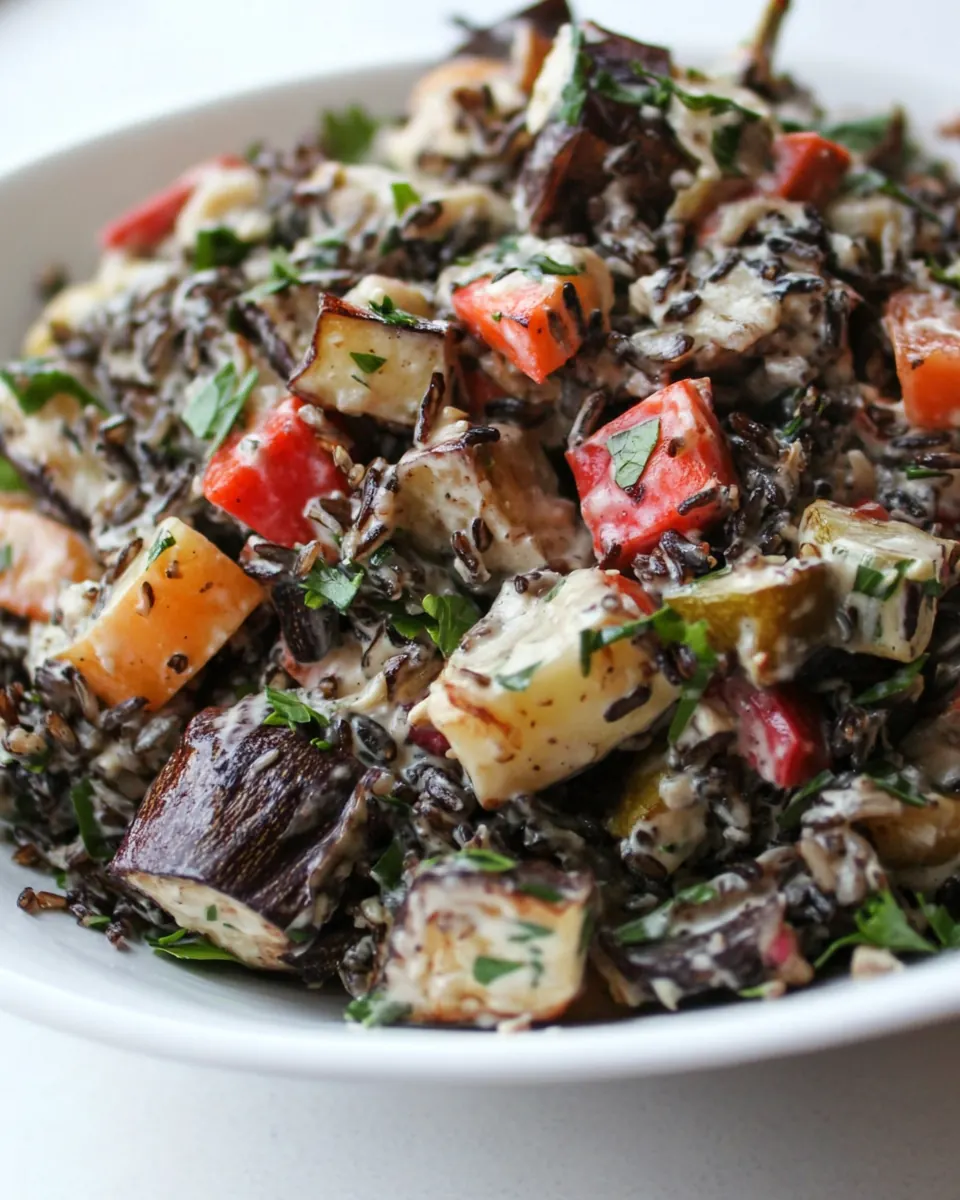
These ingredients were chosen to create a salad that balances texture, earthiness, and brightness. The wild rice provides chew and a nutty backbone, while the roasted root vegetables bring caramelized sweetness. The dressing, built on tahini and lemon, ties everything together with creamy acidity. Herbs and spring onions inject freshness, and small seasoning components make the layers pop.
- 3/4 cup (125 g) wild rice: Cook and tenderize to provide a nutty, chewy base for the salad; rinse and simmer until the grains split and are tender, then fluff and cool before combining with other elements to absorb flavors.
- 6 cups (750 g) peeled and cubed root vegetables; any mix of carrots, parsnip, celery root, beets, and butternut squash, or other favorites: Roast and caramelize to add sweet, earthy, and textural contrast; chop into uniform cubes, toss with oil, salt, and pepper, and roast until golden and fork-tender to complement the wild rice.
- Olive oil: Toss and coat the vegetables to promote even roasting and mouthfeel; drizzle over veggies before baking to help browning and to carry seasoning throughout the salad.
- Sea salt and black pepper: Season and enhance overall flavor balance; sprinkle and adjust during cooking and roasting to elevate natural sweetness and provide a savory counterpoint to the dish.
- 2 spring onions or green onions, minced: Garnish and add mild pungency and crunch when minced; scatter over the finished salad to introduce bright, oniony notes and a fresh textural pop.
- 1/2 cup (15 g) chopped fresh parsley and chives, (or other favourite herbs): Herb and freshness provider to brighten the dish; finely chop and fold in at the end to introduce green, aromatic lift and contrast to roasted flavors.
- 1/4 cup (80 g) tahini: Emulsify and lend a creamy, slightly bitter sesame backbone to the dressing; whisk with lemon juice, water, garlic, and soy to create a luscious coating for the salad.
- 1 tablespoon fresh squeezed lemon juice: Acid and brightness agent to balance creaminess and roast flavors; squeeze fresh to add zesty lift and to help thin tahini while sharpening overall taste.
- 3 tablespoons water: Thin and adjust dressing consistency while blending flavors; add incrementally to reach a pourable texture that helps the dressing coat rice and vegetables evenly.
- 1 clove garlic, peeled and minced: Flavor and aromatic enhancer to deepen the dressing; mince and incorporate into the tahini mixture for pungent, savory depth that complements the other ingredients.
- 1 teaspoon soy sauce: Umami and saltiness booster to round out the dressing profile; stir into the tahini and lemon mixture to introduce a savory complexity and balanced seasoning.
Preparation Steps for Wild Rice Salad with Roasted Vegetables and Lemon Tahini Dressing
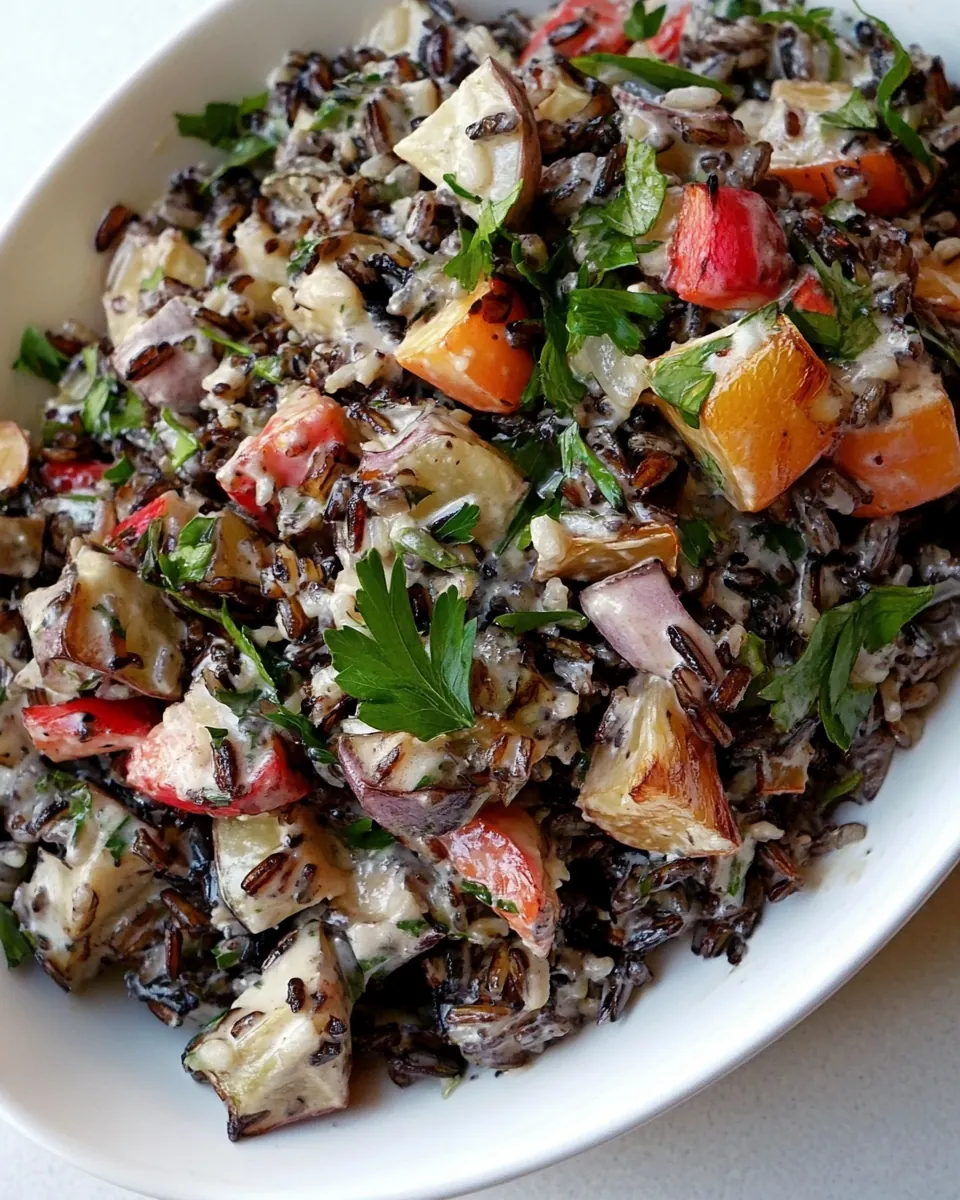
These steps will guide you through cooking the wild rice, roasting the vegetables, and bringing everything together with the lemon tahini dressing. I walk you through sensory cues and troubleshooting so your salad comes out balanced and textured every time.
- Put the wild rice in a saucepan and cover with plenty of salted water. Bring to a boil, then reduce the heat to a gentle boil and cook the rice until it’s tender, about 45 minutes.: The pot will smell faintly nutty as the wild rice simmers, and you will see the grains swell and split slightly, becoming more translucent at the edges. Stir once or twice early to prevent sticking, then let it simmer gently so it cooks evenly. I often taste a grain around 35 minutes to check for tenderness, aiming for a toothsome bite without grit. If the water is too low, add a little more so the rice does not scorch on the bottom. A common mistake is boiling too hard, which can make the grains separate unevenly and become chewy around the center, so maintain a gentle simmer and be patient, the texture is worth the wait.
- While the rice is cooking, preheat the oven to 375ºF (190ºC). Drizzle a few spoonfuls of olive oil on a rimmed baking sheet. Spread the cubed vegetables over the pan and season well with salt and freshly ground pepper.: As the oven warms, the kitchen will begin to take on a roasted vegetable aroma when they start to brown, and you will notice the oil shimmering on the sheet. Lay the cubes in a single layer for even heat exposure, and sprinkle salt and black pepper so each piece develops flavor as it caramelizes. If you overcrowd the pan the vegetables will steam rather than roast, so use two pans if needed. A typical error is using uneven sizes which leads to inconsistent doneness, so aim for uniform cubes for predictable results.
- Toss the vegetables with the olive oil and spread them on the baking sheet in an even layer. Bake for 30 to 45 minutes, stirring once or twice during cooking, until the vegetables are fully cooked.: During roasting you will see edges turn golden brown and some pieces get crisp, releasing a sweet, buttery scent from the natural sugars. Stirring once or twice helps each side brown and prevents burning in hot spots. Look for tender interiors and caramelized surfaces, that is your cue to remove them from the oven. Avoid opening the oven too often, as heat loss prolongs cooking and reduces consistent caramelization. If some pieces brown faster, remove them early so they do not become bitter from charring.
- When the rice is done, drain it well and toss it in a large bowl with the cooked vegetables and let cool to room temperature. Once cool, stir in the onions and herbs.: Draining well prevents the salad from becoming soggy, and tossing while warm allows the grains to absorb some of the roasted flavor. As the mixture cools, the steam dissipates and textures firm up, which is why I let it reach room temperature before adding the minced spring onions and herbs. The fresh herb aroma will remain bright when added at the right moment. A frequent misstep is adding herbs or onions too early and losing their texture, so reserve them for the final mix.
- Make the lemon-tahini dressing by stirring together the tahini, lemon juice, water, garlic, and soy sauce, then pour it over the salad and stir it in well. Taste, and add a bit more salt and lemon juice, if desired.: The dressing starts as thick and nutty, and as you whisk it with water and lemon it loosens into a glossy, clingy emulsion that will coat each grain and vegetable cube. You should smell the citrus brightening the tahini , and when poured the dressing should coat without pooling. Stir thoroughly so every component has a touch of dressing, then taste for balance and make small adjustments. Overdressing can make the salad heavy, so add incrementally and stop when you reach a bright, harmonious profile.
Helpful Notes about Wild Rice Salad with Roasted Vegetables and Lemon Tahini Dressing
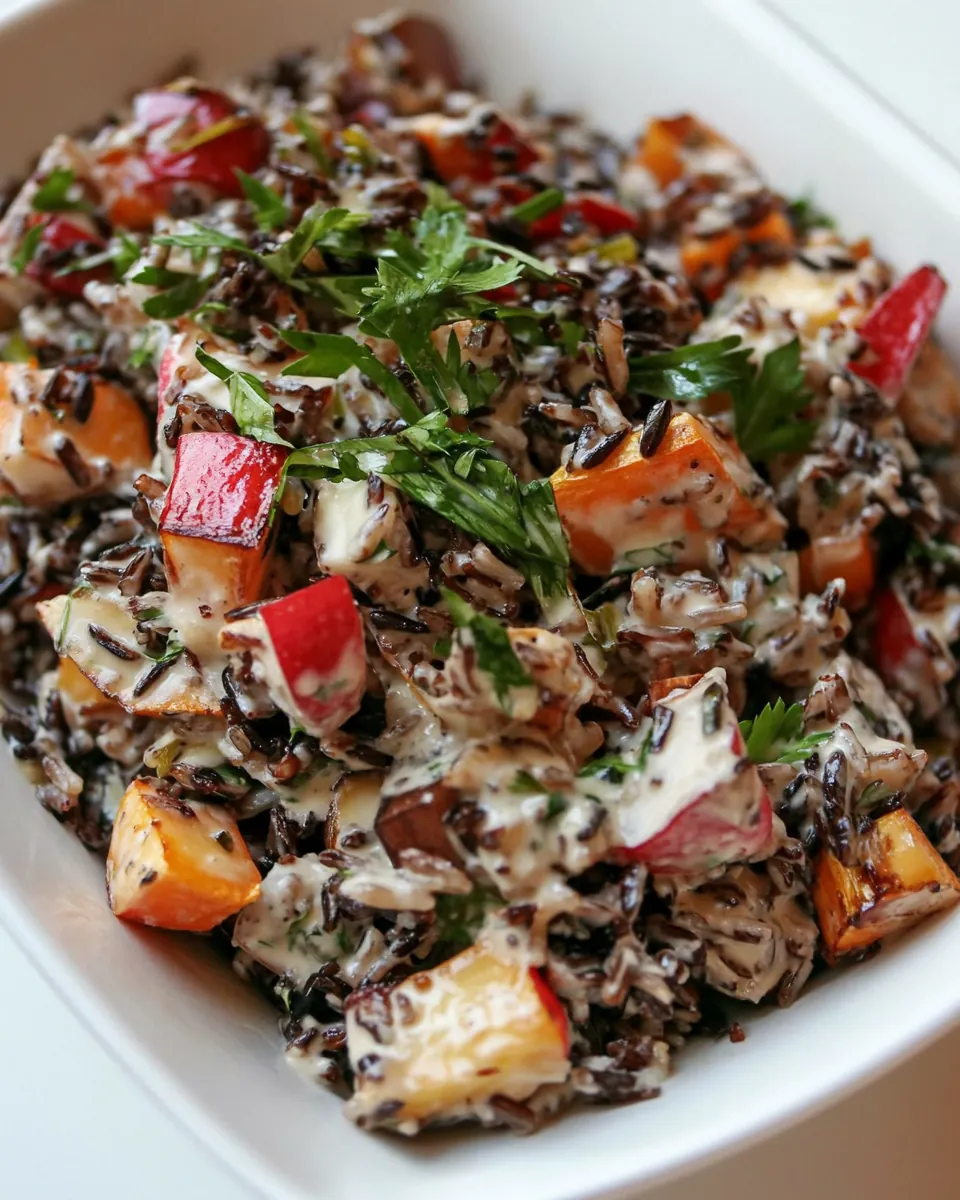
This section expands practical tips into actionable items you can use while cooking or prepping ahead. Each tip starts with a bolded short phrase to make scanning easy, and then I explain how to use it in practice.
- Prep vegetables evenly Use a ruler for consistent cubes if you want uniform roasting results, or group similar sizes on separate pans so everything finishes at the same time.
- Use room temperature rice Allow the wild rice to cool slightly before mixing it with the warm vegetables so it does not steam and become mushy, preserving the salad texture.
- Thin the dressing gradually Add the water tablespoon by tablespoon to reach a silky sheen, you can always add more but you cannot take liquid away once mixed.
- Adjust salt after soy sauce The teaspoon of soy sauce contributes sodium, so taste before adding extra salt to avoid over seasoning.
- Make components ahead Roast vegetables and cook the wild rice a day ahead, storing them separately and combining with fresh herbs and dressing before serving for best texture.
Serving Suggestions
This salad is versatile and works across seasons and occasions. Below I outline creative ways to present it, pairings, and storage notes that make it easy to integrate into weekly meals or special occasions.
- Serve at room temperature Let the salad rest after combining so flavors marry and textures are ideal for serving to guests.
- As a main for lunch Plate a generous portion with a crisp green side or simple soup for a balanced midday meal.
- As a side for dinner Pair with roasted poultry or a grain bowl for a heartier spread, the salad complements richer mains without overwhelming them.
- Potluck champion Transport the rice and vegetables separately from the dressing and toss them together on arrival to avoid dryness and maintain freshness.
- Seasonal pairings Use root vegetables in fall and winter for earthy notes, or swap in different roasted vegetables in spring for brightness, following the same roast time principles.
- Storage tips Store dressing in an airtight jar and the salad components in separate containers. Recombine and gently stir before serving, and consume within three to four days for best quality.
FAQ
Conclusion
This Wild Rice Salad with Roasted Vegetables and Lemon Tahini Dressing stands out because it balances nutty, roasted, and bright flavors while offering satisfying texture in every bite. Give it a try when you want a dish that can be relaxed and rustic yet carefully balanced, and enjoy how it keeps well for leftovers or serves beautifully at gatherings. I hope you find it as comforting and versatile as I do, and that it becomes a favorite you return to whenever you want a nourishing, flavorful meal.
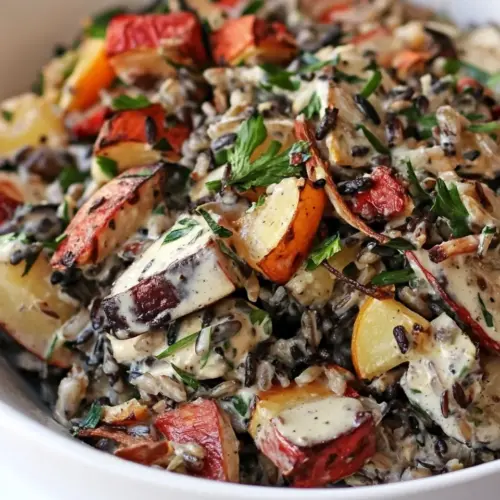
Wild Rice Salad with Roasted Vegetables and Lemon Tahini Dressing
Equipment
- Saucepan
- Rimmed Baking Sheet
- Large Bowl
Ingredients
- 3/4 cup (125 g) wild rice Cook and tenderize to provide a nutty, chewy base for the salad; rinse and simmer until the grains split and are tender, then fluff and cool before combining with other elements to absorb flavors.
- 6 cups (750 g) peeled and cubed root vegetables; any mix of carrots, parsnip, celery root, beets, and butternut squash, or other favorites Roast and caramelize to add sweet, earthy, and textural contrast; chop into uniform cubes, toss with oil, salt, and pepper, and roast until golden and fork-tender to complement the wild rice.
- Olive oil Toss and coat the vegetables to promote even roasting and mouthfeel; drizzle over veggies before baking to help browning and to carry seasoning throughout the salad.
- Sea salt and black pepper Season and enhance overall flavor balance; sprinkle and adjust during cooking and roasting to elevate natural sweetness and provide a savory counterpoint to the dish.
- 2 spring onions or green onions, minced Garnish and add mild pungency and crunch when minced; scatter over the finished salad to introduce bright, oniony notes and a fresh textural pop.
- 1/2 cup (15 g) chopped fresh parsley and chives, (or other favourite herbs) Herb and freshness provider to brighten the dish; finely chop and fold in at the end to introduce green, aromatic lift and contrast to roasted flavors.
- 1/4 cup (80 g) tahini Emulsify and lend a creamy, slightly bitter sesame backbone to the dressing; whisk with lemon juice, water, garlic, and soy to create a luscious coating for the salad.
- 1 tablespoon fresh squeezed lemon juice Acid and brightness agent to balance creaminess and roast flavors; squeeze fresh to add zesty lift and to help thin tahini while sharpening overall taste.
- 3 tablespoons water Thin and adjust dressing consistency while blending flavors; add incrementally to reach a pourable texture that helps the dressing coat rice and vegetables evenly.
- 1 clove garlic, peeled and minced Flavor and aromatic enhancer to deepen the dressing; mince and incorporate into the tahini mixture for pungent, savory depth that complements the other ingredients.
- 1 teaspoon soy sauce Umami and saltiness booster to round out the dressing profile; stir into the tahini and lemon mixture to introduce a savory complexity and balanced seasoning.
Instructions
- Put the wild rice in a saucepan and cover with plenty of salted water. Bring to a boil, then reduce the heat to a gentle boil and cook the rice until it’s tender, about 45 minutes.: The pot will smell faintly nutty as the wild rice simmers, and you will see the grains swell and split slightly, becoming more translucent at the edges. Stir once or twice early to prevent sticking, then let it simmer gently so it cooks evenly. I often taste a grain around 35 minutes to check for tenderness, aiming for a toothsome bite without grit. If the water is too low, add a little more so the rice does not scorch on the bottom. A common mistake is boiling too hard, which can make the grains separate unevenly and become chewy around the center, so maintain a gentle simmer and be patient, the texture is worth the wait.
- While the rice is cooking, preheat the oven to 375ºF (190ºC). Drizzle a few spoonfuls of olive oil on a rimmed baking sheet. Spread the cubed vegetables over the pan and season well with salt and freshly ground pepper.: As the oven warms, the kitchen will begin to take on a roasted vegetable aroma when they start to brown, and you will notice the oil shimmering on the sheet. Lay the cubes in a single layer for even heat exposure, and sprinkle salt and black pepper so each piece develops flavor as it caramelizes. If you overcrowd the pan the vegetables will steam rather than roast, so use two pans if needed. A typical error is using uneven sizes which leads to inconsistent doneness, so aim for uniform cubes for predictable results.
- Toss the vegetables with the olive oil and spread them on the baking sheet in an even layer. Bake for 30 to 45 minutes, stirring once or twice during cooking, until the vegetables are fully cooked.: During roasting you will see edges turn golden brown and some pieces get crisp, releasing a sweet, buttery scent from the natural sugars. Stirring once or twice helps each side brown and prevents burning in hot spots. Look for tender interiors and caramelized surfaces, that is your cue to remove them from the oven. Avoid opening the oven too often, as heat loss prolongs cooking and reduces consistent caramelization. If some pieces brown faster, remove them early so they do not become bitter from charring.
- When the rice is done, drain it well and toss it in a large bowl with the cooked vegetables and let cool to room temperature. Once cool, stir in the onions and herbs.: Draining well prevents the salad from becoming soggy, and tossing while warm allows the grains to absorb some of the roasted flavor. As the mixture cools, the steam dissipates and textures firm up, which is why I let it reach room temperature before adding the minced spring onions and herbs. The fresh herb aroma will remain bright when added at the right moment. A frequent misstep is adding herbs or onions too early and losing their texture, so reserve them for the final mix.
- Make the lemon-tahini dressing by stirring together the tahini, lemon juice, water, garlic, and soy sauce, then pour it over the salad and stir it in well. Taste, and add a bit more salt and lemon juice, if desired.: The dressing starts as thick and nutty, and as you whisk it with water and lemon it loosens into a glossy, clingy emulsion that will coat each grain and vegetable cube. You should smell the citrus brightening the tahini , and when poured the dressing should coat without pooling. Stir thoroughly so every component has a touch of dressing, then taste for balance and make small adjustments. Overdressing can make the salad heavy, so add incrementally and stop when you reach a bright, harmonious profile.
Notes
- Prep vegetables evenly Use a ruler for consistent cubes if you want uniform roasting results, or group similar sizes on separate pans so everything finishes at the same time.
- Use room temperature rice Allow the wild rice to cool slightly before mixing it with the warm vegetables so it does not steam and become mushy, preserving the salad texture.
- Thin the dressing gradually Add the water tablespoon by tablespoon to reach a silky sheen, you can always add more but you cannot take liquid away once mixed.
- Adjust salt after soy sauce The teaspoon of soy sauce contributes sodium, so taste before adding extra salt to avoid over seasoning.
- Make components ahead Roast vegetables and cook the wild rice a day ahead, storing them separately and combining with fresh herbs and dressing before serving for best texture.