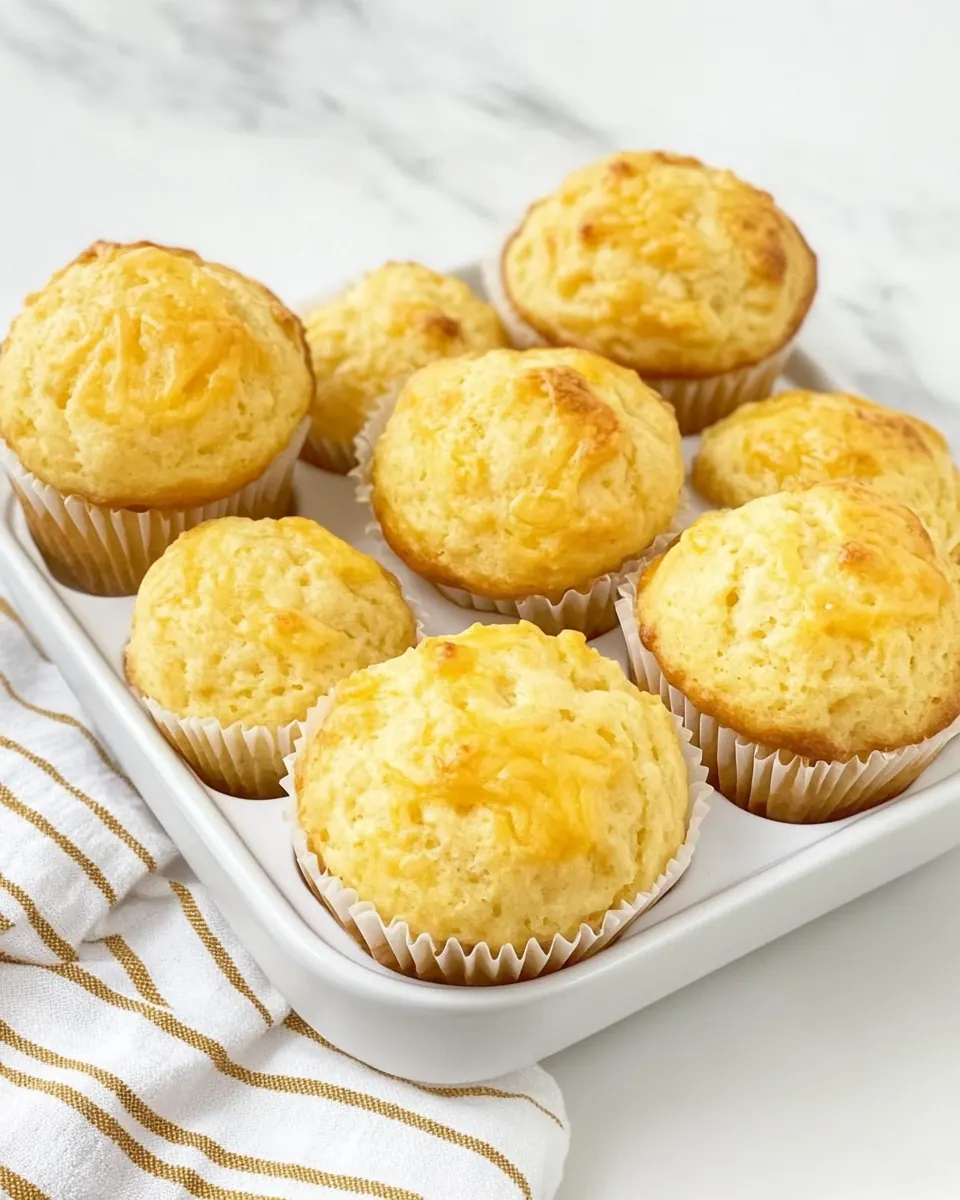
Favorite Cheese Muffins
Favorite Cheese Muffins have been my go to snack when the house needs a little comfort and something savory to grab on the run.
I first made these on a rainy Saturday when the kids were restless and the pantry was spare, and they turned out to be the kind of recipe that calms the room. I remember stirring the batter and thinking how forgiving all-purpose flour and Greek yogurt are together, creating a batter that feels sturdy yet tender. Warm, cheesy steam filled the kitchen as the muffins baked, and we ate them straight from the tin while still slightly warm, butter unnecessary because the crumb was already rich and satisfying.
Over time I started making small changes to suit the season, but the heart of the recipe remained the same: simple technique, reliable texture, and bright pockets of shredded cheddar cheese. I like to tuck a bit of minced fresh parsley into the batter when I want a herbaceous lift, and sometimes a pinch of garlic powder for more savory depth. These became my staple for hurried breakfasts, packed lunches, and last minute guests who expect something homemade.
Recipe Snapshot
28 mins
10 mins
18 mins
Medium
200 kcal
American
Gluten-Free, Low FODMAP
Breakfast
Mini Muffin Pan, Muffin Pan, Mixing Bowl
Why This Favorite Cheese Muffins Is So Good
Reliable Every Time
I find that Favorite Cheese Muffins deliver consistent results whether I bake a dozen or a double batch. The balance of dry to wet ingredients is forgiving, so even if you stir a little more or less, the muffins still come out tender. I love that predictability, because it means I can rely on them for busy mornings when I need a quick, tasty option.
Comforting Flavor
The combination of shredded cheddar cheese and a touch of garlic powder creates a cozy, savory profile that appeals to both kids and adults. I often find myself reaching for a muffin in the afternoon as a savory pick me up, and the cheesy aroma is impossible to resist. The butter and Greek yogurt add a richness that keeps the crumb tender and moist.
Flexible and Customizable
One of the reasons I adore this recipe is how easy it is to tweak. You can leave out the optional garlic powder or minced fresh parsley for a plainer muffin, or add them for extra flavor. I enjoy swapping the quantity of cheese or trying different grating sizes to change the texture. This flexibility makes the recipe suitable for many occasions, from quick breakfasts to snack platters at gatherings.
Speed and Simplicity
These muffins come together quickly with simple equipment like a mixing bowl and a muffin pan. The steps are straightforward, and the short bake time means you can have fresh muffins in under half an hour. For weeknights when I need something fast but homemade, this recipe is a lifesaver.
Great for Storing and Reheating
I appreciate recipes that play nicely with storage, and these muffins do. I often bake an extra batch and refrigerate or freeze them for later. A few seconds in the microwave or a quick warm in the oven brings them back to that just baked softness, which is perfect for packed lunches or surprising guests.
Main Ingredients for Favorite Cheese Muffins
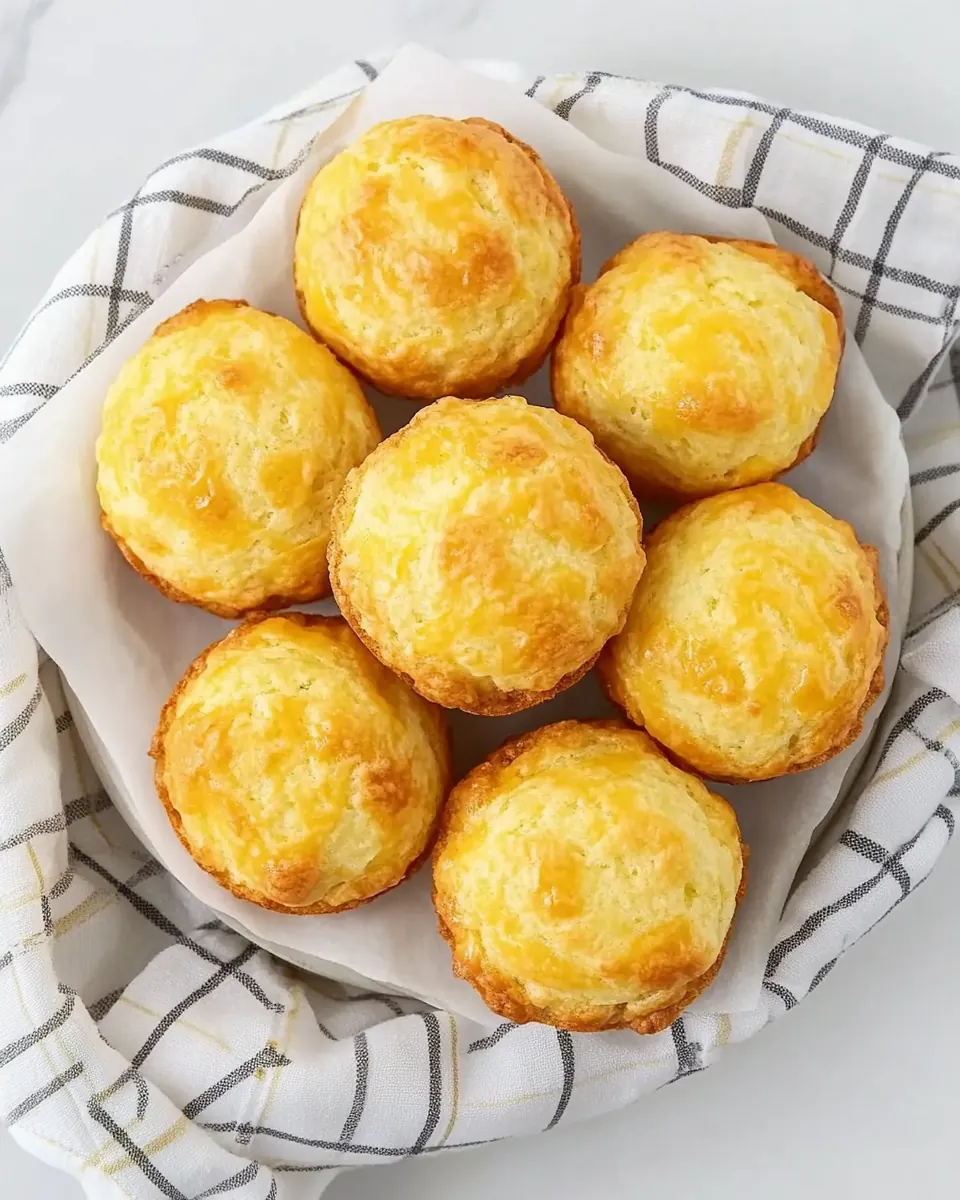
These ingredients form a simple, cooperative lineup that focuses on texture and savory flavor. The dry components provide structure, while the dairy and eggs bring moisture and richness. The cheese is the star, creating pockets of melty goodness, and the optional aromatics add nuance without overpowering the batter.
- 1 1/2 cups all-purpose flour: Provides structure and body to the muffins by forming the flour network that traps gases during baking; measure accurately and spoon into the cup for best texture. Contributes to tenderness when combined properly with wet ingredients and avoids overmixing to prevent toughness.
- 1 teaspoon baking powder: Leavens the batter by releasing carbon dioxide when activated, helping muffins rise and become light; mix evenly with dry ingredients. Balances with baking soda to provide lift without leaving a metallic taste.
- 1/2 teaspoon baking soda: Enhances lift and neutralizes acidity in the batter to promote a tender crumb; use measured amount for controlled rise. Works in tandem with baking powder to fine-tune texture and avoid overexpansion.
- 1/2 teaspoon salt: Season and heighten overall flavor while also supporting gluten development control; ensure even distribution through the dry mix. Prevents blandness and helps balance sweetness and richness in the final muffins.
- 1 cup whole-milk plain Greek yogurt: Adds moisture, tang, and richness while contributing to a tender crumb through its higher fat content; stir gently into the wet ingredients. Provides a slight acidity that reacts with leaveners and enhances depth of flavor.
- 1 cup milk: Thins the batter to the right consistency, hydrates dry ingredients, and adds additional moisture for a soft crumb; use whole milk for richer flavor. Helps dissolve salt and baking agents for even texture throughout.
- 1/4 cup unsalted butter (melted and slightly cooled): Contributes fat for tenderness, richness, and a slightly buttery flavor while helping the muffins brown; pour melted and slightly cooled to avoid cooking eggs. Aids in moistness and shelf life of the finished muffins.
- 2 eggs (lightly beaten): Binds ingredients together, adds structure and richness, and assists with leavening through trapped air when beaten; mix lightly to incorporate. Enhances color and gives a pleasant, slightly firm crumb when baked.
- 1 cup shredded cheddar cheese: Imparts savory depth, meltiness, and a sharp, cheesy flavor while adding some moisture and texture; fold in near the end to distribute evenly. Creates melty pockets and a golden, flavorful top when baked.
- 1/2 teaspoon garlic powder ( for more flavor) (optional): Gives a subtle savory boost and aromatic depth, enhancing overall flavor without overpowering; add if you prefer a gentle garlicky note. Perfect for those who want a more pronounced savory profile without changing texture.
- 1/4 cup minced fresh parsley ( for more flavor) (optional): Provides fresh herbal brightness and a mild peppery note that lifts the rich, cheesy muffins; fold in at the end to preserve color and flavor. Optional garnish-like addition that adds visual appeal and freshness.
How to Assemble Favorite Cheese Muffins
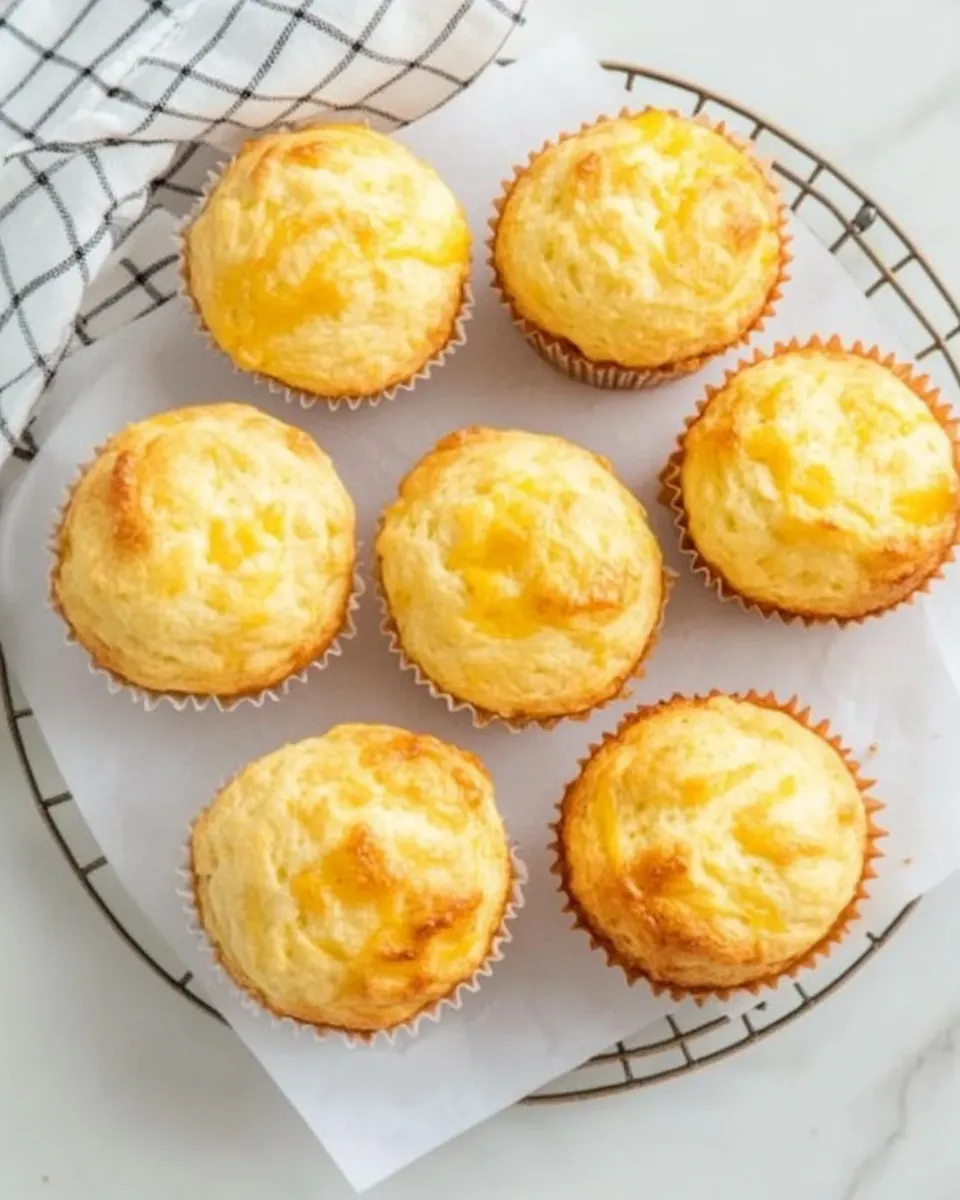
These instructions are written to guide you step by step with sensory cues and practical troubleshooting to ensure consistent results. Work confidently and keep an eye on visual and textural signals as you progress.
- Preheat the oven to 375 degrees F. Grease a 12-cup standard muffin pan with nonstick spray.: As the oven warms you will notice a faint smell of dry heat and the interior light comes on, which means the environment is ready to transform the batter into golden muffins. Getting the oven to the correct temperature ensures even rise and browning; if the oven is too cool the muffins may spread and be dense, and if it is too hot they can brown too quickly on the outside while remaining underbaked inside. A common mistake is not allowing the oven to fully preheat, so wait until your oven signals it has reached temperature before sliding the pan in.
- In a medium bowl, stir together the flour, baking powder, baking soda, and salt.: When you coat the pan, take a moment to run your finger or a paper towel over the cups to ensure even coverage, leaving a thin, glossy film that will release the muffins easily. This step helps achieve smooth sides and prevents tearing when you remove the muffins, which maintains their shape and appearance. If you skip this, muffins can stick and crumble on extraction, so be thorough with the spray or use liners if you prefer.
- In another bowl, stir together the yogurt, milk, butter, eggs, and cheese.: As you whisk, the dry mixture will take on a uniform pale tone and a slightly aerated texture, which promotes a lighter crumb. Sifting is optional but helps incorporate the leaveners evenly; uneven distribution can lead to odd pockets of taste or inconsistent rising. A typical mistake is overmixing the dry ingredients with wet components later, which can develop gluten and stiffen the muffins, so keep mixing here gentle.
- Gently stir the yogurt mixture into the flour mixture. (Expect the batter to be thick.): The wet ingredients will blend into a homogenous, glossy mixture where the butter forms small ribbons and the cheddar cheese is evenly suspended. The aroma becomes richer with butter and cheese, signaling good fat distribution. If the butter is too warm it can cook the eggs, creating a curdled texture, so allow the butter to cool slightly before combining. Watch out for lumps in yogurt; whisk them out for a smoother batter.
- Add the garlic powder and parsley, if using.: You will notice the batter thicken as the dry and wet components meet, creating a dense yet pliable mass that holds shape when scooped. The ideal batter is thick but not dry, and it should have visible flecks of cheddar . Stir just until combined to avoid overworking the gluten, which would yield heavy muffins. A frequent error is vigorous stirring, which results in tougher muffins, so fold with care.
- Divide batter among the prepared muffin tin, using about 1/4 cup batter in each cup.: The optional additions will perfume the batter with savory and herbal notes, the garlic giving warm depth and the parsley offering a fresh lift. Fold them in gently so they are distributed without overmixing the batter. If you add too much garlic powder, the muffins can take on a sharp edge, so stick to the suggested amount for balance.
- Bake for 16-18 minutes, or until the edges are lightly golden brown and a cake tester inserted into the center comes out clean. Remove from oven, then transfer muffins to a wire rack to cool. Serve warm.: As you portion the batter, the cups should be filled to about three quarters, creating room for a domed top as they rise. A visual cue is a small mound forming above the rim once baked, indicating correct fill level. Using inconsistent scoops leads to uneven baking times, so use a measuring cup or ice cream scoop for uniformity. Overfilling causes batter to overflow and underfilling yields flat muffins.
- Bake for 16 to 18 minutes, or until the edges are lightly golden brown and a cake tester inserted into the center comes out clean: During baking you will hear a gentle hush as the oven work progresses and the kitchen fills with a warm, cheesy scent. The tops should take on a soft golden hue and the edges will firm slightly, signaling doneness. If you remove them too early they may appear set but be gummy inside, and if you leave them too long they will dry out. Check at the earlier time and trust the tester for the final decision.
- Remove from oven, then transfer muffins to a wire rack to cool: The muffins will emit steam as they leave the oven, and transferring them to a wire rack prevents sogginess by allowing air to circulate around each muffin. Cooling a bit helps the crumb set and avoids crumbling when you handle them; serve warm for best texture and flavor. A common misstep is leaving them in the hot pan where residual heat continues cooking and can create overly dry edges, so move them promptly.
- Serve warm: Warm muffins deliver the most aromatic experience, with the cheddar still slightly melty and the crumb soft against the touch. If they have cooled, a quick reheat returns them to a pleasing state, but be cautious with microwaves which can make them gummy if overheated. Avoid prolonged reheating which dries out the interior, and enjoy them shortly after warming for optimal texture.
Making Adjustments

These tips help you tailor the recipe without changing its character. Below I expand practical notes and storage ideas so you can adapt to what you have on hand and the occasion.
- Swap dairy carefully: If you choose a different milk or yogurt, expect shifts in texture and moisture; lower fat options make the crumb lighter but slightly drier, so adjust by adding a tablespoon of milk if needed.
- Adjust cheese intensity: Use a milder cheddar for a gentle cheese flavor or a sharp cheddar for stronger savory notes; freshly shredded melts better than pre shredded variants.
- Herb and spice variations: If you omit the garlic powder or minced fresh parsley, consider a small pinch of another dried herb, but keep additions minimal to preserve balance.
- Make ahead and freeze: Cool muffins completely before freezing in a sealed bag with air removed, and thaw at room temperature or microwave briefly to revive softness.
- Portion control: For smaller bites use a mini muffin pan and reduce bake time; watch for a light golden edge and clean tester to avoid overbaking.
Perfect Matches for Favorite Cheese Muffins
These muffins pair well with a variety of meals and occasions, making them versatile for casual or slightly formal settings. Below are thoughtful serving ideas, storage notes, and occasion based suggestions to help you present them well.
- Breakfast spread: Serve warm alongside fruit and a hot beverage for a savory counterpoint to sweet items, ideal for weekend brunch or a simple morning gathering.
- Lunchbox addition: Pack a muffin with a small salad or cut vegetables for a balanced midday meal option that travels well when wrapped and chilled briefly.
- Party platter: Arrange on a platter with small bowls of mustard or a mild dipping sauce for a casual appetizer at gatherings or potlucks.
- Seasonal touches: Add the optional minced fresh parsley in spring for a fresher presentation, or keep them plain in winter for comforting simplicity.
- Storage tips: Store at room temperature in an airtight container for up to three days, refrigerate for up to five days, or freeze for up to three months; warm slightly before serving to restore softness.
- Occasions: Suitable for quick breakfasts, school lunches, light dinners, or as part of a Ramadan iftar spread where comforting, handheld items are welcome.
FAQ
Conclusion
These Favorite Cheese Muffins shine because they combine simplicity with reliably comforting savory flavor. They are quick to assemble, forgiving in technique, and versatile for meals throughout the day. Give them a try when you need a dependable, cheesy snack that travels well and warms up beautifully. I hope they become a go to in your kitchen as they have in mine, bringing a little homemade comfort to busy mornings and last minute gatherings.
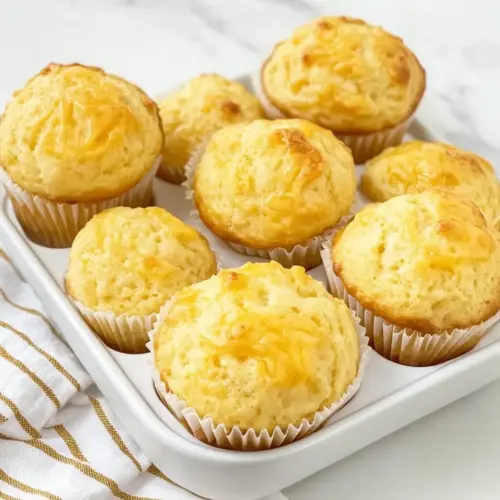
Favorite Cheese Muffins
Equipment
- Mini Muffin Pan
- Muffin Pan
- Mixing Bowl
Ingredients
- 1 1/2 cups all-purpose flour Provides structure and body to the muffins by forming the flour network that traps gases during baking; measure accurately and spoon into the cup for best texture. Contributes to tenderness when combined properly with wet ingredients and avoids overmixing to prevent toughness.
- 1 teaspoon baking powder Leavens the batter by releasing carbon dioxide when activated, helping muffins rise and become light; mix evenly with dry ingredients. Balances with baking soda to provide lift without leaving a metallic taste.
- 1/2 teaspoon baking soda Enhances lift and neutralizes acidity in the batter to promote a tender crumb; use measured amount for controlled rise. Works in tandem with baking powder to fine-tune texture and avoid overexpansion.
- 1/2 teaspoon salt Season and heighten overall flavor while also supporting gluten development control; ensure even distribution through the dry mix. Prevents blandness and helps balance sweetness and richness in the final muffins.
- 1 cup whole-milk plain Greek yogurt Adds moisture, tang, and richness while contributing to a tender crumb through its higher fat content; stir gently into the wet ingredients. Provides a slight acidity that reacts with leaveners and enhances depth of flavor.
- 1 cup milk Thins the batter to the right consistency, hydrates dry ingredients, and adds additional moisture for a soft crumb; use whole milk for richer flavor. Helps dissolve salt and baking agents for even texture throughout.
- 1/4 cup unsalted butter (melted and slightly cooled) Contributes fat for tenderness, richness, and a slightly buttery flavor while helping the muffins brown; pour melted and slightly cooled to avoid cooking eggs. Aids in moistness and shelf life of the finished muffins.
- 2 eggs (lightly beaten) Binds ingredients together, adds structure and richness, and assists with leavening through trapped air when beaten; mix lightly to incorporate. Enhances color and gives a pleasant, slightly firm crumb when baked.
- 1 cup shredded cheddar cheese Imparts savory depth, meltiness, and a sharp, cheesy flavor while adding some moisture and texture; fold in near the end to distribute evenly. Creates melty pockets and a golden, flavorful top when baked.
- 1/2 teaspoon garlic powder (optional for more flavor) Gives a subtle savory boost and aromatic depth, enhancing overall flavor without overpowering; add if you prefer a gentle garlicky note. Perfect for those who want a more pronounced savory profile without changing texture.
- 1/4 cup minced fresh parsley (optional for more flavor) Provides fresh herbal brightness and a mild peppery note that lifts the rich, cheesy muffins; fold in at the end to preserve color and flavor. Optional garnish-like addition that adds visual appeal and freshness.
Instructions
- Preheat the oven to 375 degrees F. Grease a 12-cup standard muffin pan with nonstick spray.: As the oven warms you will notice a faint smell of dry heat and the interior light comes on, which means the environment is ready to transform the batter into golden muffins. Getting the oven to the correct temperature ensures even rise and browning; if the oven is too cool the muffins may spread and be dense, and if it is too hot they can brown too quickly on the outside while remaining underbaked inside. A common mistake is not allowing the oven to fully preheat, so wait until your oven signals it has reached temperature before sliding the pan in.
- In a medium bowl, stir together the flour, baking powder, baking soda, and salt.: When you coat the pan, take a moment to run your finger or a paper towel over the cups to ensure even coverage, leaving a thin, glossy film that will release the muffins easily. This step helps achieve smooth sides and prevents tearing when you remove the muffins, which maintains their shape and appearance. If you skip this, muffins can stick and crumble on extraction, so be thorough with the spray or use liners if you prefer.
- In another bowl, stir together the yogurt, milk, butter, eggs, and cheese.: As you whisk, the dry mixture will take on a uniform pale tone and a slightly aerated texture, which promotes a lighter crumb. Sifting is optional but helps incorporate the leaveners evenly; uneven distribution can lead to odd pockets of taste or inconsistent rising. A typical mistake is overmixing the dry ingredients with wet components later, which can develop gluten and stiffen the muffins, so keep mixing here gentle.
- Gently stir the yogurt mixture into the flour mixture. (Expect the batter to be thick.): The wet ingredients will blend into a homogenous, glossy mixture where the butter forms small ribbons and the cheddar cheese is evenly suspended. The aroma becomes richer with butter and cheese, signaling good fat distribution. If the butter is too warm it can cook the eggs, creating a curdled texture, so allow the butter to cool slightly before combining. Watch out for lumps in yogurt; whisk them out for a smoother batter.
- Add the garlic powder and parsley, if using.: You will notice the batter thicken as the dry and wet components meet, creating a dense yet pliable mass that holds shape when scooped. The ideal batter is thick but not dry, and it should have visible flecks of cheddar . Stir just until combined to avoid overworking the gluten, which would yield heavy muffins. A frequent error is vigorous stirring, which results in tougher muffins, so fold with care.
- Divide batter among the prepared muffin tin, using about 1/4 cup batter in each cup.: The optional additions will perfume the batter with savory and herbal notes, the garlic giving warm depth and the parsley offering a fresh lift. Fold them in gently so they are distributed without overmixing the batter. If you add too much garlic powder, the muffins can take on a sharp edge, so stick to the suggested amount for balance.
- Bake for 16-18 minutes, or until the edges are lightly golden brown and a cake tester inserted into the center comes out clean. Remove from oven, then transfer muffins to a wire rack to cool. Serve warm.: As you portion the batter, the cups should be filled to about three quarters, creating room for a domed top as they rise. A visual cue is a small mound forming above the rim once baked, indicating correct fill level. Using inconsistent scoops leads to uneven baking times, so use a measuring cup or ice cream scoop for uniformity. Overfilling causes batter to overflow and underfilling yields flat muffins.
- Bake for 16 to 18 minutes, or until the edges are lightly golden brown and a cake tester inserted into the center comes out clean: During baking you will hear a gentle hush as the oven work progresses and the kitchen fills with a warm, cheesy scent. The tops should take on a soft golden hue and the edges will firm slightly, signaling doneness. If you remove them too early they may appear set but be gummy inside, and if you leave them too long they will dry out. Check at the earlier time and trust the tester for the final decision.
- Remove from oven, then transfer muffins to a wire rack to cool: The muffins will emit steam as they leave the oven, and transferring them to a wire rack prevents sogginess by allowing air to circulate around each muffin. Cooling a bit helps the crumb set and avoids crumbling when you handle them; serve warm for best texture and flavor. A common misstep is leaving them in the hot pan where residual heat continues cooking and can create overly dry edges, so move them promptly.
- Serve warm: Warm muffins deliver the most aromatic experience, with the cheddar still slightly melty and the crumb soft against the touch. If they have cooled, a quick reheat returns them to a pleasing state, but be cautious with microwaves which can make them gummy if overheated. Avoid prolonged reheating which dries out the interior, and enjoy them shortly after warming for optimal texture.
Notes
- Swap dairy carefully: If you choose a different milk or yogurt, expect shifts in texture and moisture; lower fat options make the crumb lighter but slightly drier, so adjust by adding a tablespoon of milk if needed.
- Adjust cheese intensity: Use a milder cheddar for a gentle cheese flavor or a sharp cheddar for stronger savory notes; freshly shredded melts better than pre shredded variants.
- Herb and spice variations: If you omit the garlic powder or minced fresh parsley, consider a small pinch of another dried herb, but keep additions minimal to preserve balance.
- Make ahead and freeze: Cool muffins completely before freezing in a sealed bag with air removed, and thaw at room temperature or microwave briefly to revive softness.
- Portion control: For smaller bites use a mini muffin pan and reduce bake time; watch for a light golden edge and clean tester to avoid overbaking.