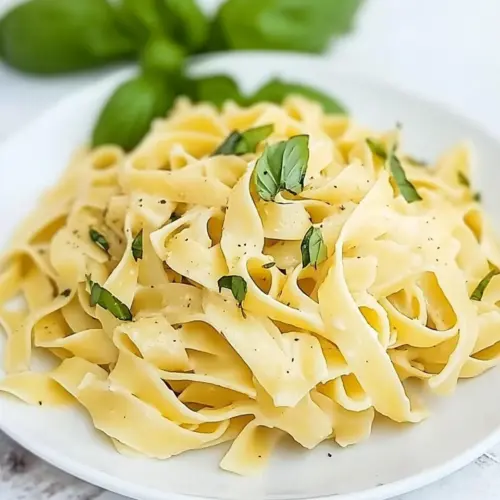
Creamy Lemon Basil Pasta
Creamy Lemon Basil Pasta is a bright and silky weeknight favorite that blends tangy lemon, fresh basil, and rich cream cheese for a comforting yet light meal. This easy weeknight dinner comes together in about 20 minutes with pantry staples and delivers a restaurant worthy sauce that clings to every noodle. Make it for quick company or a cozy night in, you'll love how effortlessly flavorful it is.
Equipment
- Skillet
- Large Pot
- Colander
- Grater
- Wooden Spoon
Ingredients
- 8 ounces pasta (I used penne) Boil to tender and hold sauce; provides the starchy base that soaks up the creamy lemon-basil sauce and carries flavors through each bite. Cook until al dente for best texture and toss immediately with sauce to prevent clumping.
- 1/2 medium onion chopped Sauté gently until translucent to build a sweet, aromatic foundation that balances the richness of the cream cheese and Parmesan. Chop to even pieces so it softens quickly and melds into the sauce without overpowering other flavors.
- 1 tablespoon olive oil Heat to release fruity, peppery notes and serve as the fat medium for softening aromatics and coating pasta evenly. Use moderate heat to avoid smoking while helping to bloom the Italian seasoning and garlic.
- 2 cloves garlic minced Mince finely and cook briefly to release pungent, savory depth that brightens the cream-based sauce and pairs with lemon zest. Add towards the start of sautéing to infuse oil without becoming bitter from overcooking.
- 1 (8 ounce) package cream cheese softened Soften fully and whisk into warm pasta water and aromatics to create a luxuriously creamy, tangy sauce that binds ingredients. Bring to room temperature before stirring in to ensure a smooth, lump-free emulsion with the Parmesan.
- Juice & zest of 1/2 lemon Zest for intense citrus aroma and juice for bright acidity to cut through richness, adding a refreshing lift to the creamy sauce. Measure carefully to maintain balance; the zest provides concentrated lemon oils while the juice contributes bright tartness.
- 3 dashes Italian seasoning Sprinkle evenly to add a herby, earthy Mediterranean blend that enhances Italian flavors and complements basil and parsley. Use sparingly and adjust to taste to avoid masking the fresh herbs and lemon.
- 1 cup grated parmesan cheese Grate finely and dissolve into the warm cream cheese mixture to impart nutty, salty depth and help thicken the sauce into a silky coating. Stir continuously to melt smoothly and taste for seasoning as Parmesan brings significant saltiness.
- 1 large handful fresh basil torn Tear by hand to release fragrant oils and fold in at the end to provide fresh, aromatic basil notes that define the dish’s herbaceous character. Add last to preserve bright color and avoid wilting into the warm sauce.
- 1 tablespoon fresh parsley chopped finely Chop finely and sprinkle to contribute a mild, clean herbaceous finish and subtle color contrast that complements basil and lemon. Incorporate at the end for freshness and to enhance the overall herbal complexity.
- Salt & pepper to taste Season judiciously to balance flavors, enhancing the savory notes from cheese and aromatics while controlling saltiness and heat. Taste as you go, adding small amounts to achieve the desired equilibrium without overpowering delicate lemon and basil.
Instructions
- Boil a salted pot of water and cook pasta according to package directions.: The sound of the water at a lively boil should be rolling and steady, not a timid simmer. Salting the water generously seasons the pasta from the inside out, which is crucial since the sauce is light; aim for water that tastes slightly like the sea. When you add the pasta , stir immediately so the pieces do not stick together, and keep the water at a lively boil to maintain even cooking. A common mistake is under salting, which yields bland pasta, or overcooking the pasta , which ruins texture. Expect the pasta to be al dente, with a slight bite, because it will finish cooking when tossed with the sauce.
- When the pasta water is about to boil, add olive oil to a skillet over medium heat. Add the onion and sauté for 8-10 minutes, or until it's softened and lightly browned.: As the onion softens, you will hear gentle sizzling and see pieces turn translucent and then take on flecks of golden brown. This slow sauté coaxes out sweetness and depth that underpins the sauce. Keep the heat at medium to prevent rapid scorching, and stir occasionally to ensure even browning. A misstep here is rushing the process with high heat, which can char the onion and bring bitter flavors; patience produces a sweeter, layered base.
- Add the garlic to the pan and cook for 30 seconds, until fragrant.: The instant the minced garlic hits the warm oil you should smell an immediate burst of aroma, bright and savory. This step moves quickly, so stir constantly and watch for the garlic to become fragrant but not browned. If you let it brown, it will turn bitter and degrade the overall flavor. The gentle sizzle and the aroma are your visual and olfactory cues that the pan is ready for the next stage.
- Add the cream cheese, lemon juice and zest, and Italian seasoning. Stir for a couple of minutes until the cheese has melted into a sauce. Stir in the parmesan.: Once the cream cheese joins the pan, it will begin to soften and loosen, forming a thick, silky body. The aroma changes as the citrus brightens the richer notes, and you should stir continuously to encourage smooth melting. The Italian seasoning melds into the base, adding herbaceous undertones. If the cream cheese is too cold it can clump, so pre softening helps; if you see lumps, lower the heat and whisk patiently until smooth.
- Reserve 1/2 cup of the pasta water prior to draining the pasta. Add 1/4 cup of the pasta water to the sauce. If you want the sauce thinned even more, add pasta water one tablespoon at a time. Once the sauce is thinned to your liking, add in the basil, parsley, and salt & pepper. Add the pasta to the skillet and toss. Serve immediately.: Adding the grated parmesan cheese will introduce a nutty, savory quality and help the sauce become glossy. As you stir, you should notice the sauce taking on a silkier sheen and a slightly thicker consistency. Work the heat gently so the cheese melts into the emulsion rather than separating. A common issue is overheating, which can cause oils to break; keep the temperature moderate and stir steadily for a cohesive texture.
- Reserve 1/2 cup of the pasta water prior to draining the pasta Add 1/4 cup of the pasta water to the sauce If you want the sauce thinned even more add pasta water one tablespoon at a time: The reserved pasta water is a little starchy and miraculous for loosening the sauce without diluting flavor, creating a silky emulsion that clings to the pasta . When you pour in the water you should see the sauce lighten and become more fluid, with a sheen that indicates proper emulsification. Add gradually and watch the consistency, because too much water can make it thin and soupy; correct by stirring and adding a bit more parmesan cheese or heat to tighten it back up.
- Once the sauce is thinned to your liking add in the basil parsley and salt & pepper Add the pasta to the skillet and toss Serve immediately: The final stage is when the aroma peaks, the bright perfume of torn basil and the fresh snap of chopped parsley melding with the warm, creamy sauce. Off the heat, fold in the herbs so they remain vibrant and green, then season with salt and pepper to taste. When you add the drained pasta to the skillet, toss so every piece is coated; you should hear a light rustle as the sauce clings to the noodles. Serve immediately for best texture, because sitting will soften the herbs and relax the gloss on the sauce. A frequent error is waiting too long to serve, which diminishes the herbs' brightness and the sauce's cling.
Notes
- Soften the cream cheese first Let the cream cheese sit at room temperature for 30 minutes or microwave for 20 to 30 seconds to ensure it melts evenly into the sauce and avoids lumps.
- Adjust lemon intensity If you want more brightness add additional lemon juice a teaspoon at a time, tasting as you go so the citrus enhances rather than overwhelms the balance with the parmesan cheese.
- Make it silkier with pasta water Use the reserved starchy water to thin the sauce gradually, adding one tablespoon at a time until it reaches a glossy, clingy texture that covers the pasta.
- Keep herbs vivid Add the torn basil off the heat to preserve its aroma and color, folding gently so leaves remain intact and fragrant in the finished dish.
- Boost umami if desired Stir in an extra handful of finely grated parmesan cheese at the end for deeper savory notes and a thicker, more luxurious mouthfeel.