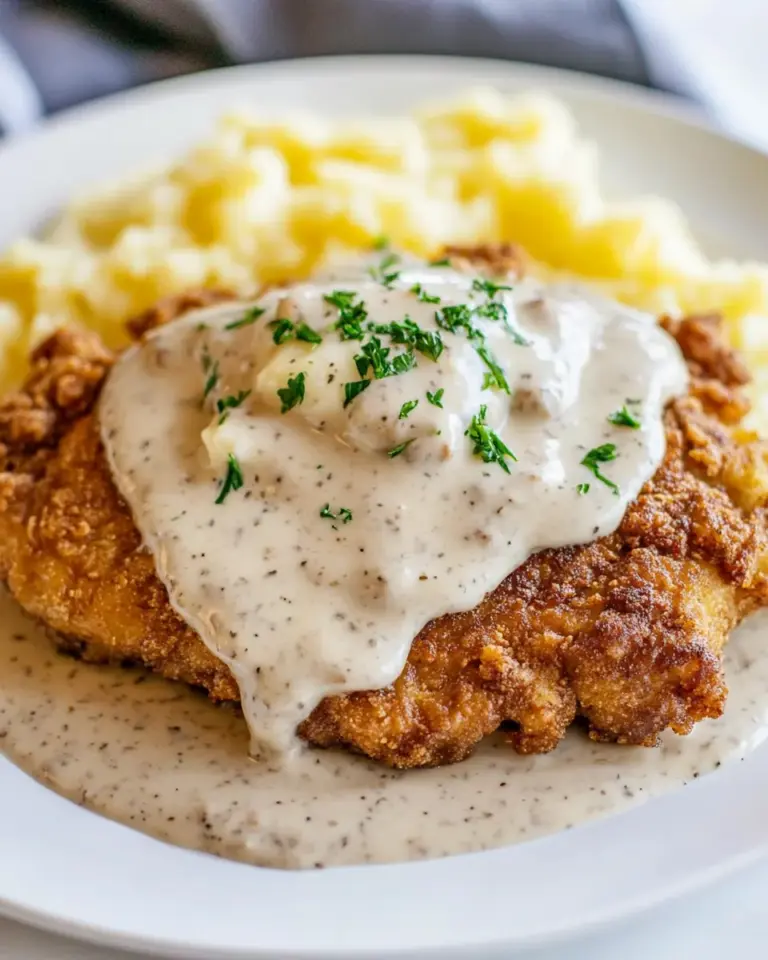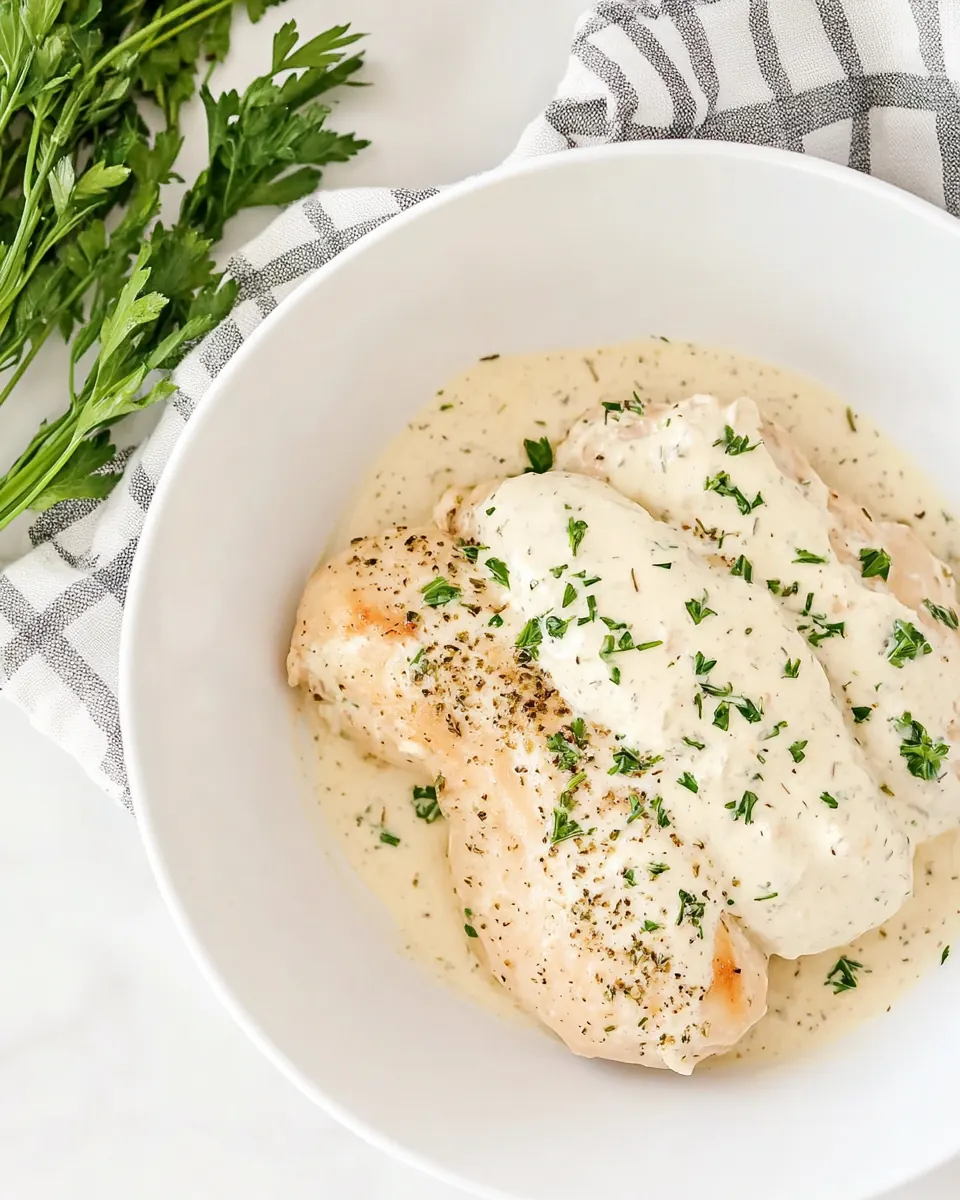
Creamy Herb Chicken
Creamy Herb Chicken is one of those dinners I reach for when I want comfort without fuss.
It started on a weeknight when I had a tired grocery cart and a craving for something silky and savory. I remember unwrapping four chicken breasts, wondering how to make them sing without hours of prep. Mixing a few dairy staples and pantry herbs into a glossy sauce felt like cheating, but in the best way. The oven did the heavy lifting, while the creamy topping slowly melded into the meat, locking in juices and creating a spoonable sauce that begged for mashed potatoes or steamed greens.
Over the years, this version of Creamy Herb Chicken has become my go to when friends stop by unannounced. The recipe behaves: it’s forgiving on timing, it masks uneven thickness when you take a minute to even out the breasts, and it rewards a simple meat thermometer check with reliably tender results. I’ve brought it to potlucks and family dinners, and it vanishes every time. There is comfort in its quiet richness, the way a handful of herbs and a splash of cream can turn plain chicken into something decidedly special.
Recipe Snapshot
55 mins
10 mins
45 mins
Medium
520 kcal
American
Keto, Gluten-Free
Dinner
9×13 Baking Pan, Hand Mixer, Instant-Read Thermometer
Why This Creamy Herb Chicken Stands Out
Rich, approachable creaminess
I love how the dairy trio in Creamy Herb Chicken creates a sauce that is lush without being fussy. The combination of sour cream, cream cheese, and heavy cream makes a velvety coating that clings to the chicken, giving each bite a luxurious mouthfeel. You get creaminess that holds its shape in the oven, yet melts into a natural gravy once stirred, and that transition is what keeps me coming back.
Minimal prep, maximum payoff
Since the method is mostly assembly and baking, I can focus on sides or conversation while the oven works. I appreciate recipes that respect my time, and this one does exactly that. A quick whisk, a spread over the chicken, and the oven finishes the job, turning pantry staples into a comforting main.
Reliable results for varied skill levels
Whether you are just learning to cook or you are practiced in the kitchen, this dish is forgiving. The sensible checks, like looking for an internal temperature of 165°F, give confidence. I often tell friends that a simple thermometer read is their best friend here, because it prevents drying and guarantees tenderness.
Herbs that lift without overpowering
The dried thyme and dried rosemary add aromatic depth while the parsley brightens at the end. It is a balanced flavor profile that tastes intentional, not overcomplicated. I especially enjoy how a small amount of herbs goes a long way, creating an elegant impression with very little effort.
Versatile and crowd friendly
I appreciate how well the sauce doubles as a gravy for sides. On busy nights, I serve the dish with simple rice or mashed potatoes, and it elevates the meal. It also travels well to gatherings, because people love dipping bread into the creamy topping.
Ingredients Overview for Creamy Herb Chicken
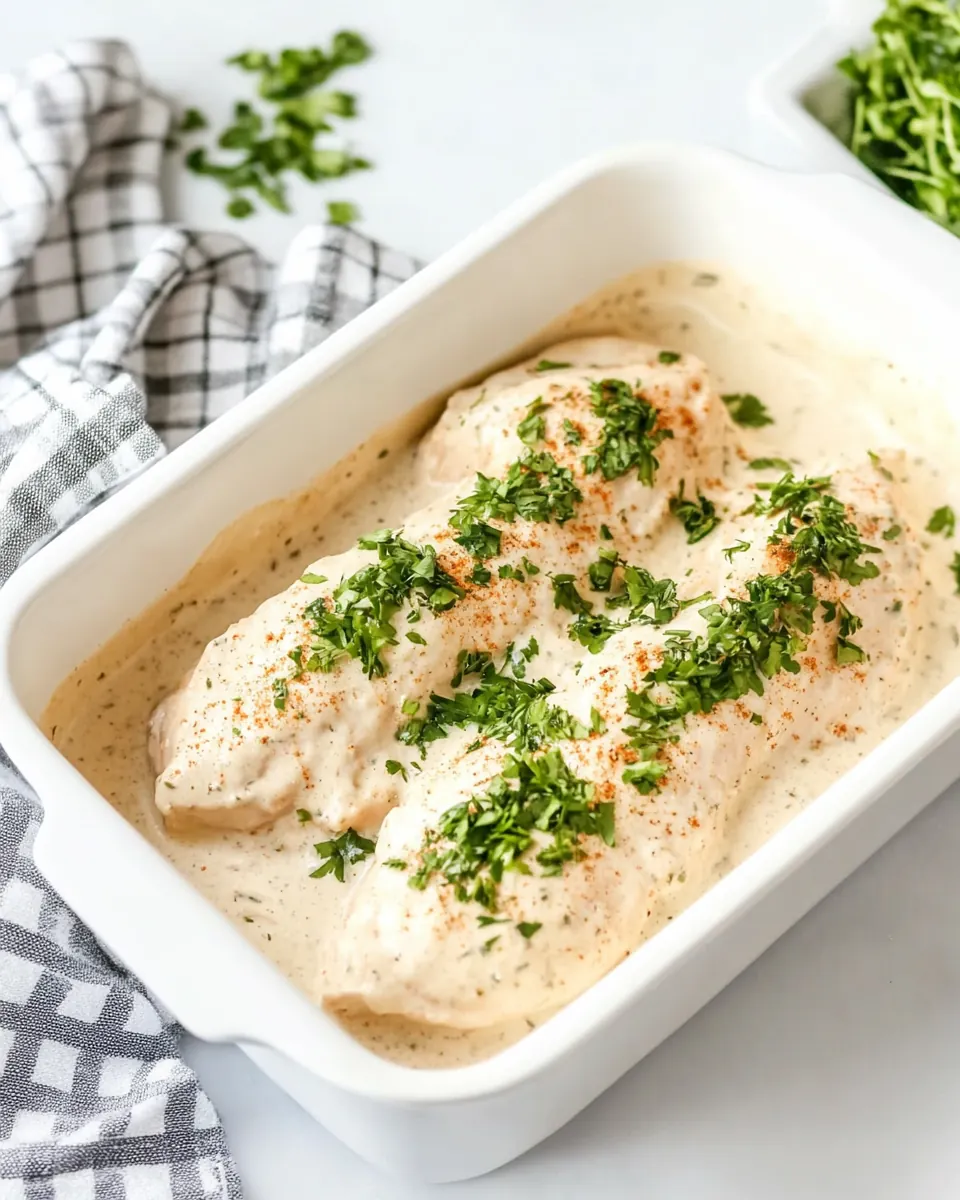
The ingredient list for Creamy Herb Chicken is a study in harmony between rich dairy and aromatic herbs. The key players are the chicken, which provides the meaty foundation, and the trio of sour cream, cream cheese, and heavy cream that together create a silky sauce. The dried herbs and seasonings are small in quantity but crucial in lifting the flavors from merely creamy to savory and well rounded.
- 4 boneless, skinless chicken breasts (about 2 pounds*): Provide lean protein for the dish and form the main component; trim and pound evenly for uniform cooking and tender results; cook until internal temperature reaches 165°F to ensure safety.
- 1 cup sour cream (room temperature**): Add richness and tang to create a creamy base that balances the savory herbs; bring to room temperature to prevent curdling and to blend smoothly with cheeses and cream.
- 4 ounces cream cheese (1/2 brick, room temperature): Contribute a dense, silky texture and concentrated creaminess to thicken the sauce; soften at room temperature so it incorporates easily into the sour cream and heavy cream.
- 1/4 cup heavy cream (room temperature): Loosen and smooth the creamy mixture to achieve a velvety sauce consistency; use at room temperature to help emulsify with sour cream and cream cheese for a cohesive texture.
- 2 teaspoons minced garlic: Impart fresh pungent garlic flavor and aromatic depth when minced; distribute evenly through the sauce to enhance savory notes and complement the herbs.
- 2 teaspoons onion powder: Provide a mellow, savory onion flavor that rounds out the sauce; use to add background umami without adding moisture or texture that fresh onion would introduce.
- 2 teaspoons garlic powder: Deliver an extra layer of concentrated garlic aroma and flavor in powdered form; sprinkle into the mixture for consistent seasoning throughout the sauce.
- 1/2 teaspoon dried thyme (***): Lend an earthy, slightly floral herbal note that pairs well with poultry and other Mediterranean herbs; use dried to provide stable flavor during cooking without wilting.
- 1/2 teaspoon dried rosemary: Add a piney, aromatic herbal character that complements thyme and parsley; include dried rosemary sparingly to avoid overpowering the delicate cream base.
- 1/2 teaspoon kosher salt: Season the chicken and sauce to enhance overall flavor balance; use kosher salt to bring out inherent tastes while controlling seasoning levels.
- 1/2 teaspoon ground black pepper: Provide warm, pungent heat and depth to the seasoning profile; freshly ground black pepper brightens flavors and complements the creamy, herbed sauce.
- 1 tablespoon chopped fresh parsley: Finish with a bright, fresh herbal note and visual contrast; chop finely and stir in or sprinkle on top just before serving to preserve color and flavor.
Preparation Steps for Creamy Herb Chicken
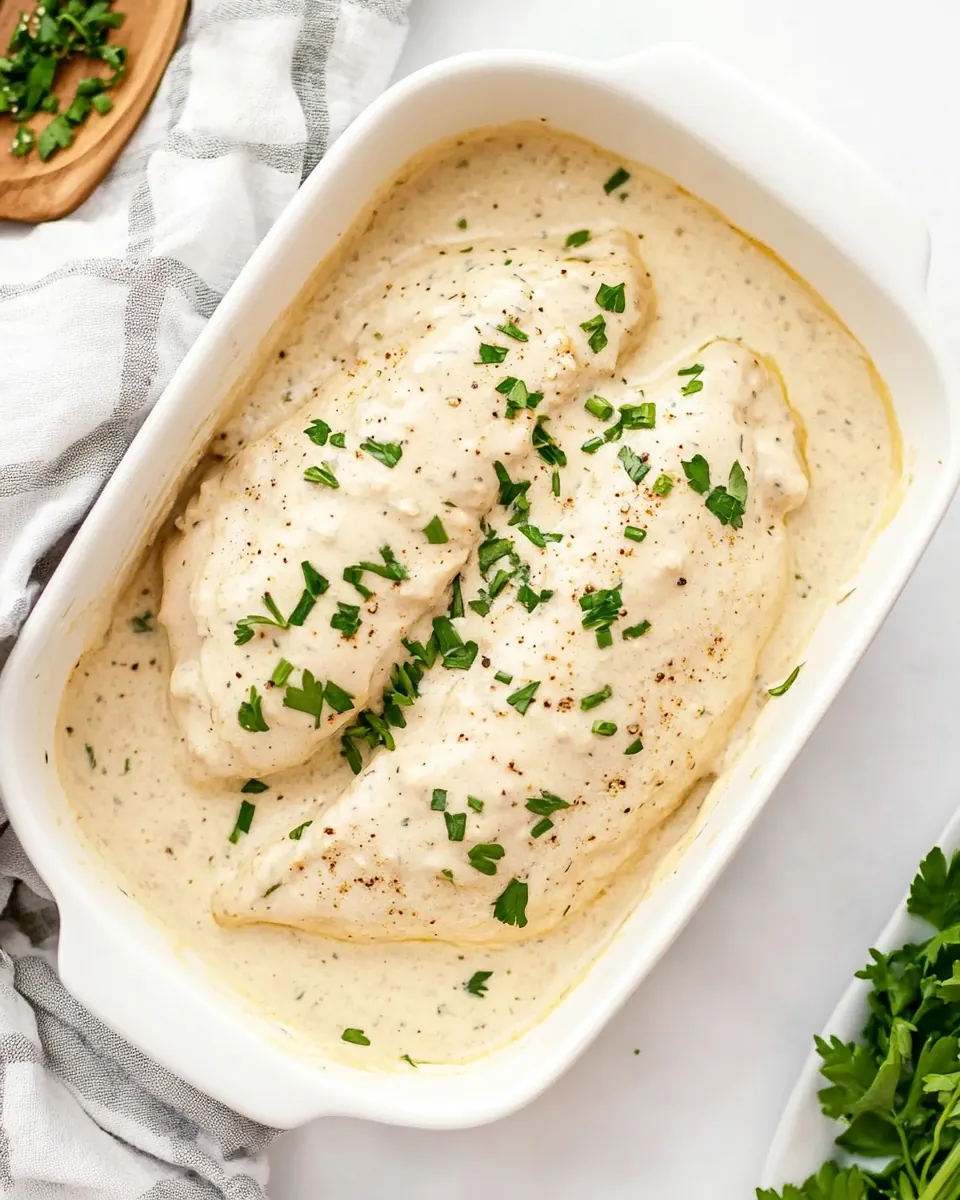
The steps below translate the concise directions into a slow, sensory paced kitchen experience. I walk you through the oven smells, texture cues, and the exact reasons each choice matters. Read slowly, and keep a meat thermometer handy for confidence.
- Preheat oven to 375°F. Spray a 9×13-inch baking dish well with nonstick spray.: As the oven warms you will notice a gentle dry heat filling the kitchen, which is important because it creates a steady cooking environment so the chicken cooks evenly. Preheating prevents the outer surface from lingering at an unsafe temperature while the interior catches up. A common mistake is putting the dish into a cold oven, which leads to unpredictable cook times and often drier meat.
- Place raw chicken breasts into prepared baking dish. Set aside.: The sound of the spray is subtle but it establishes a nonstick barrier so the creamy topping does not glue itself to the pan. Lightly coating the pan also helps with even heat contact across the base. If you skip this, you risk tearing the sauce and leaving browned bits that are hard to release when serving.
- In a medium bowl, using a hand mixer, beat the sour cream, cream cheese, heavy cream, minced garlic, onion powder, garlic powder, dried thyme, dried rosemary, salt, and pepper together on high speed until smooth. It’s important that the cream cheese is softened before mixing it in or it won’t blend in smoothly.: When you nestle the chicken into the dish you will feel the cool texture under your fingers. Arrange them with a small gap so heat can circulate. Crowding leads to steaming rather than roasting, which prevents browning and can change the final texture.
- Spread mixture evenly over raw chicken breasts.: Letting the arranged chicken rest while you prepare the sauce allows the oven to finish preheating and saves you from hurrying the next step. This small pause keeps the process calm and controlled. Rushing here often means a lumpy sauce because you try to spread too soon.
- Bake uncovered for 40-45 minutes. The chicken is done once internal temperature reaches 165°F. Use a meat thermometer to check temperature of meat. Watch that the chicken isn’t overcooked or it will dry out. Always check the thickest chicken breast first by inserting the meat thermometer into the thickest part of the breast.: As the mixer spins you will see the ingredients transform from separate spoonfuls into a glossy, uniform mixture. The whirring sound and gradual smoothing tell you the emulsion is forming, and the aroma of garlic and herbs will bloom pleasantly. This step matters because a fully blended sauce spreads evenly and bakes into a cohesive coating, preventing pockets of unmixed cream cheese . A frequent issue is attempting this with cold cream cheese , which yields lumps; always bring the dairy to room temperature first.
- Once chicken is fully cooked, remove from oven and stir the creamy sauce mixture around the chicken. The top layer of sauce will look a bit dry but once you stir it all together it all blends together well. Sprinkle fresh parsley over top.: Softened cream cheese blends seamlessly, producing a velvety texture. If it is cold, you will encounter stubborn clumps that require extra mixing and can incorporate air pockets. If you only have time for cold cream cheese , cut it into small cubes before mixing to reduce lumps, but plan for a few extra minutes of beating.
- Serve chicken hot.: As you spread, you will notice the sauce cling and coat each breast, smoothing into crevices and forming a thin crust on top as it edges toward the pan. Even coverage ensures each bite has sauce, and it helps protect the surface of the chicken from drying. Uneven spreading often leaves some breasts under sauced and others drowning in topping, so take the time to distribute it thoughtfully.
- Bake uncovered for 40 to 45 minutes: During baking, the kitchen fills with a savory steam and the sauce will set at the edges, showing a pale golden hue. The uncovered environment encourages gentle browning on the surface of the sauce while the interior of the breasts reaches the safe temperature. A common trap is assuming visual cues alone are enough; instead, rely on precise temperature checks to avoid both undercooking and overcooking.
- The chicken is done once internal temperature reaches 165°F: Use your instant read thermometer in the thickest part of the breast, and pause for a steady reading. A correct temperature ensures safe, juicy chicken . Pushing past this number by much will evaporate moisture and create a dry texture, so aim for that target and remove promptly.
- Use a meat thermometer to check temperature of meat: The sharp beep of the thermometer gives the final confirmation you need. Inserting it into the center yields an accurate assessment of doneness, and it eliminates guessing. A misread or placement too close to bone or edge will produce inaccurate results and potential overcooking, so always check the thickest area.
- Watch that the chicken isn’t overcooked or it will dry out: While baking you may notice the sauce tightening, which can trick you into thinking the meat needs longer. Instead, trust the thermometer and the subtle jiggle of the breasts as indicators. Overbaking is a common error when we chase a deeper color, so be conservative with extra minutes.
- Always check the thickest chicken breast first by inserting the meat thermometer into the thickest part of the breast: That thickest spot is the slowest to reach temperature, so it is the best gauge for readiness. If that breast is done, the others will be too. Checking a thinner edge instead can give a false sense of doneness and risk undercooking the center.
- Once chicken is fully cooked, remove from oven and stir the creamy sauce mixture around the chicken: The top layer may look slightly dry, but stirring releases bound up sauce and reawakens the texture to a glossy, spoonable consistency. Use a spatula to coax sauce from the edges and combine it with the juices that have pooled in the pan. If you skip this, the serving will feel drier and less cohesive.
- The top layer of sauce will look a bit dry but once you stir it all together it all blends together well: This visual shift is normal; once stirred, the sauce becomes silky and uniform. The aroma will be richer after stirring as the juices have mixed in. Failing to stir leaves an unappetizing dry top that hides the true creaminess beneath.
- Sprinkle fresh parsley over top: Fresh parsley adds a pop of color and a clean herbal note that brightens the rich sauce. The visual contrast makes the dish feel finished and intentional. Omit it only if you have none on hand, but know the plate will lose some brightness without it.
- Serve chicken hot: Serving warm keeps the sauce at its best texture and the chicken juicy. The steam rising from the plate is part of the dining experience, and the flavors will be more pronounced. Letting it cool too long will make the sauce congeal and the meat feel firmer, so serve soon after the resting period.
Tips and Variations
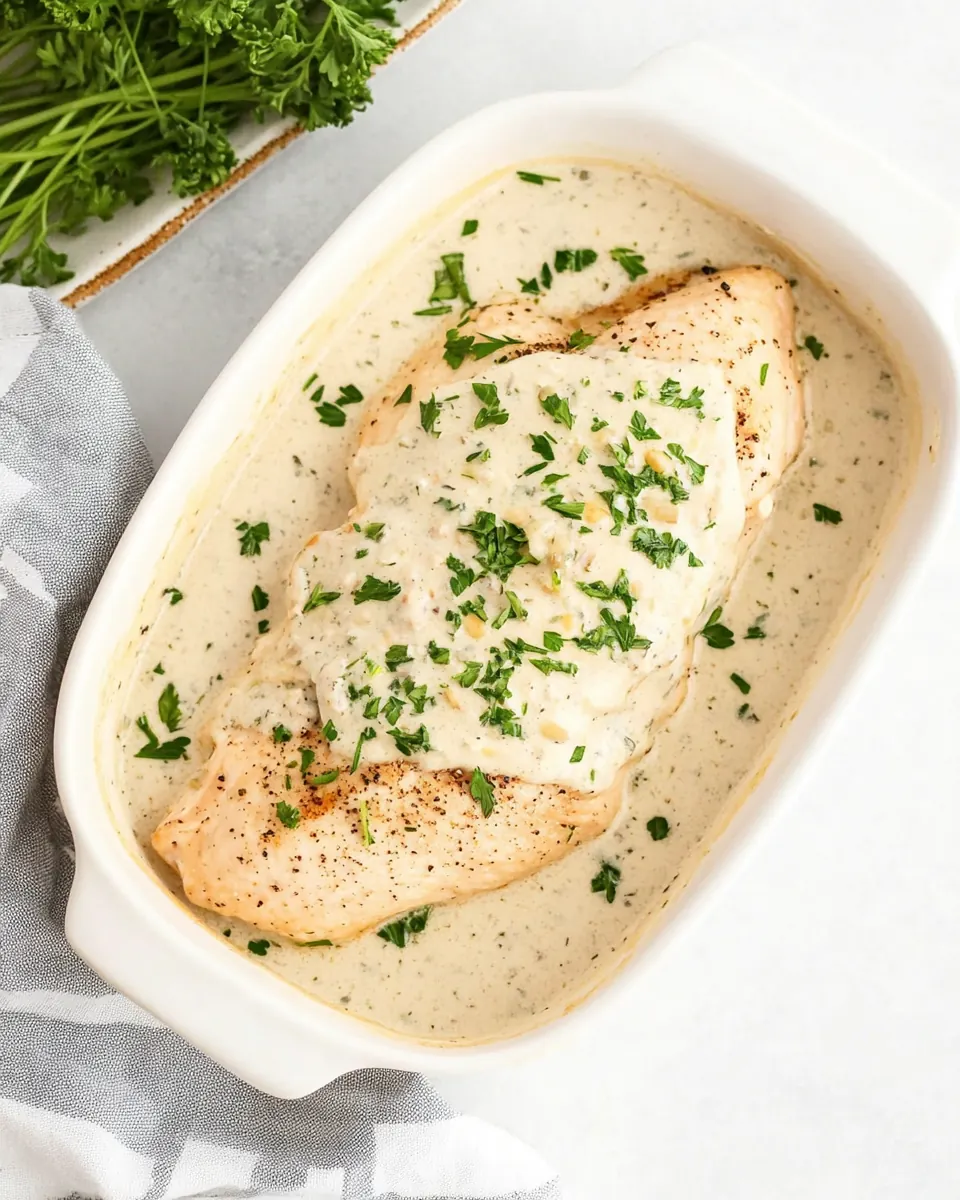
This section collects practical ideas and small shifts that keep the core of Creamy Herb Chicken intact while letting you adapt to what you have on hand. Each tip begins with a bolded phrase for quick scanning and then explains the why and how so you can make the dish confidently.
- Even the thickness — Pound uneven chicken breasts with a mallet to ensure uniform cooking, which prevents thin ends from drying out while the center comes to temperature.
- Room temperature dairy — Soften the cream cheese and bring the sour cream and heavy cream to room temperature so the mixer produces a smooth, glossy sauce without lumps.
- Thermometer discipline — Use an instant read thermometer for accuracy; check the thickest part of the breast to avoid overcooking and to guarantee safety.
- Broil for color — If you want a light golden finish, broil for two to three minutes at the end, watching closely so the topping does not burn; this adds a pleasant caramelized edge.
- Let it rest — After removing from the oven, wait five minutes before serving so juices redistribute and the texture firms slightly for cleaner slices.
Serving Suggestions
Creamy Herb Chicken pairs beautifully with simple, comforting sides and suits a range of occasions from weeknight dinners to special gatherings. Below are serving ideas and storage tips written to help you plan the whole meal, with practical suggestions emphasized for quick reading.
- Serve with mashed potatoes — The silky sauce doubles as gravy, making mashed potatoes a natural companion for soaking up every bite.
- Pair with steamed rice — Plain rice absorbs the sauce and keeps the plate balanced; it is an easy, family friendly choice that stretches the meal.
- Offer roasted vegetables — Oven roasted carrots or broccoli provide texture contrast and a slightly sweet counterpoint to the creamy herb topping.
- Present at casual dinners — This dish is comfortable enough for weeknight family meals yet polished enough for guests when plated nicely with a sprinkle of parsley.
- Serve for Ramadan or special fast day meals — Its gentle flavors and satisfying richness make it suitable as an iftar main when you want nourishing food after fasting.
- Storage tip — Refrigerate leftovers in an airtight container for up to three days; rewarm gently in a low oven so the sauce loosens without separating.
- Make ahead note — You can mix the sauce a day ahead and store it chilled, then spread over the chicken just before baking to save time on the day of serving.
FAQ
Conclusion
Creamy Herb Chicken stands out because it turns simple pantry dairy and a few herbs into a luxurious, spoonable sauce that makes everyday chicken feel elevated. Give it a try on a busy weeknight or when you want a cozy, comforting meal without long prep. I hope you enjoy how reliably tender the meat turns out when you follow the thermometer guidance, and that the bright parsley finish brings a fresh note to each plate. Have fun serving it with your favorite sides and savor the ease of a dish that feels special with very little fuss.
Creamy Herb Chicken
Equipment
- 9×13 baking pan
- Hand Mixer
- Instant read thermometer
Ingredients
- 4 boneless, skinless chicken breasts (about 2 pounds*) Provide lean protein for the dish and form the main component; trim and pound evenly for uniform cooking and tender results; cook until internal temperature reaches 165°F to ensure safety.
- 1 cup sour cream (room temperature**) Add richness and tang to create a creamy base that balances the savory herbs; bring to room temperature to prevent curdling and to blend smoothly with cheeses and cream.
- 4 ounces cream cheese (1/2 brick, room temperature) Contribute a dense, silky texture and concentrated creaminess to thicken the sauce; soften at room temperature so it incorporates easily into the sour cream and heavy cream.
- 1/4 cup heavy cream (room temperature) Loosen and smooth the creamy mixture to achieve a velvety sauce consistency; use at room temperature to help emulsify with sour cream and cream cheese for a cohesive texture.
- 2 teaspoons minced garlic Impart fresh pungent garlic flavor and aromatic depth when minced; distribute evenly through the sauce to enhance savory notes and complement the herbs.
- 2 teaspoons onion powder Provide a mellow, savory onion flavor that rounds out the sauce; use to add background umami without adding moisture or texture that fresh onion would introduce.
- 2 teaspoons garlic powder Deliver an extra layer of concentrated garlic aroma and flavor in powdered form; sprinkle into the mixture for consistent seasoning throughout the sauce.
- 1/2 teaspoon dried thyme (***); Lend an earthy, slightly floral herbal note that pairs well with poultry and other Mediterranean herbs; use dried to provide stable flavor during cooking without wilting.
- 1/2 teaspoon dried rosemary Add a piney, aromatic herbal character that complements thyme and parsley; include dried rosemary sparingly to avoid overpowering the delicate cream base.
- 1/2 teaspoon kosher salt Season the chicken and sauce to enhance overall flavor balance; use kosher salt to bring out inherent tastes while controlling seasoning levels.
- 1/2 teaspoon ground black pepper Provide warm, pungent heat and depth to the seasoning profile; freshly ground black pepper brightens flavors and complements the creamy, herbed sauce.
- 1 tablespoon chopped fresh parsley Finish with a bright, fresh herbal note and visual contrast; chop finely and stir in or sprinkle on top just before serving to preserve color and flavor.
Instructions
- Preheat oven to 375°F. Spray a 9×13-inch baking dish well with nonstick spray.: As the oven warms you will notice a gentle dry heat filling the kitchen, which is important because it creates a steady cooking environment so the chicken cooks evenly. Preheating prevents the outer surface from lingering at an unsafe temperature while the interior catches up. A common mistake is putting the dish into a cold oven, which leads to unpredictable cook times and often drier meat.
- Place raw chicken breasts into prepared baking dish. Set aside.: The sound of the spray is subtle but it establishes a nonstick barrier so the creamy topping does not glue itself to the pan. Lightly coating the pan also helps with even heat contact across the base. If you skip this, you risk tearing the sauce and leaving browned bits that are hard to release when serving.
- In a medium bowl, using a hand mixer, beat the sour cream, cream cheese, heavy cream, minced garlic, onion powder, garlic powder, dried thyme, dried rosemary, salt, and pepper together on high speed until smooth. It’s important that the cream cheese is softened before mixing it in or it won’t blend in smoothly.: When you nestle the chicken into the dish you will feel the cool texture under your fingers. Arrange them with a small gap so heat can circulate. Crowding leads to steaming rather than roasting, which prevents browning and can change the final texture.
- Spread mixture evenly over raw chicken breasts.: Letting the arranged chicken rest while you prepare the sauce allows the oven to finish preheating and saves you from hurrying the next step. This small pause keeps the process calm and controlled. Rushing here often means a lumpy sauce because you try to spread too soon.
- Bake uncovered for 40-45 minutes. The chicken is done once internal temperature reaches 165°F. Use a meat thermometer to check temperature of meat. Watch that the chicken isn’t overcooked or it will dry out. Always check the thickest chicken breast first by inserting the meat thermometer into the thickest part of the breast.: As the mixer spins you will see the ingredients transform from separate spoonfuls into a glossy, uniform mixture. The whirring sound and gradual smoothing tell you the emulsion is forming, and the aroma of garlic and herbs will bloom pleasantly. This step matters because a fully blended sauce spreads evenly and bakes into a cohesive coating, preventing pockets of unmixed cream cheese . A frequent issue is attempting this with cold cream cheese , which yields lumps; always bring the dairy to room temperature first.
- Once chicken is fully cooked, remove from oven and stir the creamy sauce mixture around the chicken. The top layer of sauce will look a bit dry but once you stir it all together it all blends together well. Sprinkle fresh parsley over top.: Softened cream cheese blends seamlessly, producing a velvety texture. If it is cold, you will encounter stubborn clumps that require extra mixing and can incorporate air pockets. If you only have time for cold cream cheese , cut it into small cubes before mixing to reduce lumps, but plan for a few extra minutes of beating.
- Serve chicken hot.: As you spread, you will notice the sauce cling and coat each breast, smoothing into crevices and forming a thin crust on top as it edges toward the pan. Even coverage ensures each bite has sauce, and it helps protect the surface of the chicken from drying. Uneven spreading often leaves some breasts under sauced and others drowning in topping, so take the time to distribute it thoughtfully.
- Bake uncovered for 40 to 45 minutes: During baking, the kitchen fills with a savory steam and the sauce will set at the edges, showing a pale golden hue. The uncovered environment encourages gentle browning on the surface of the sauce while the interior of the breasts reaches the safe temperature. A common trap is assuming visual cues alone are enough; instead, rely on precise temperature checks to avoid both undercooking and overcooking.
- The chicken is done once internal temperature reaches 165°F: Use your instant read thermometer in the thickest part of the breast, and pause for a steady reading. A correct temperature ensures safe, juicy chicken . Pushing past this number by much will evaporate moisture and create a dry texture, so aim for that target and remove promptly.
- Use a meat thermometer to check temperature of meat: The sharp beep of the thermometer gives the final confirmation you need. Inserting it into the center yields an accurate assessment of doneness, and it eliminates guessing. A misread or placement too close to bone or edge will produce inaccurate results and potential overcooking, so always check the thickest area.
- Watch that the chicken isn’t overcooked or it will dry out: While baking you may notice the sauce tightening, which can trick you into thinking the meat needs longer. Instead, trust the thermometer and the subtle jiggle of the breasts as indicators. Overbaking is a common error when we chase a deeper color, so be conservative with extra minutes.
- Always check the thickest chicken breast first by inserting the meat thermometer into the thickest part of the breast: That thickest spot is the slowest to reach temperature, so it is the best gauge for readiness. If that breast is done, the others will be too. Checking a thinner edge instead can give a false sense of doneness and risk undercooking the center.
- Once chicken is fully cooked, remove from oven and stir the creamy sauce mixture around the chicken: The top layer may look slightly dry, but stirring releases bound up sauce and reawakens the texture to a glossy, spoonable consistency. Use a spatula to coax sauce from the edges and combine it with the juices that have pooled in the pan. If you skip this, the serving will feel drier and less cohesive.
- The top layer of sauce will look a bit dry but once you stir it all together it all blends together well: This visual shift is normal; once stirred, the sauce becomes silky and uniform. The aroma will be richer after stirring as the juices have mixed in. Failing to stir leaves an unappetizing dry top that hides the true creaminess beneath.
- Sprinkle fresh parsley over top: Fresh parsley adds a pop of color and a clean herbal note that brightens the rich sauce. The visual contrast makes the dish feel finished and intentional. Omit it only if you have none on hand, but know the plate will lose some brightness without it.
- Serve chicken hot: Serving warm keeps the sauce at its best texture and the chicken juicy. The steam rising from the plate is part of the dining experience, and the flavors will be more pronounced. Letting it cool too long will make the sauce congeal and the meat feel firmer, so serve soon after the resting period.
Notes
- Even the thickness — Pound uneven chicken breasts with a mallet to ensure uniform cooking, which prevents thin ends from drying out while the center comes to temperature.
- Room temperature dairy — Soften the cream cheese and bring the sour cream and heavy cream to room temperature so the mixer produces a smooth, glossy sauce without lumps.
- Thermometer discipline — Use an instant read thermometer for accuracy; check the thickest part of the breast to avoid overcooking and to guarantee safety.
- Broil for color — If you want a light golden finish, broil for two to three minutes at the end, watching closely so the topping does not burn; this adds a pleasant caramelized edge.
- Let it rest — After removing from the oven, wait five minutes before serving so juices redistribute and the texture firms slightly for cleaner slices.