Creamy Cashew Soba Noodles
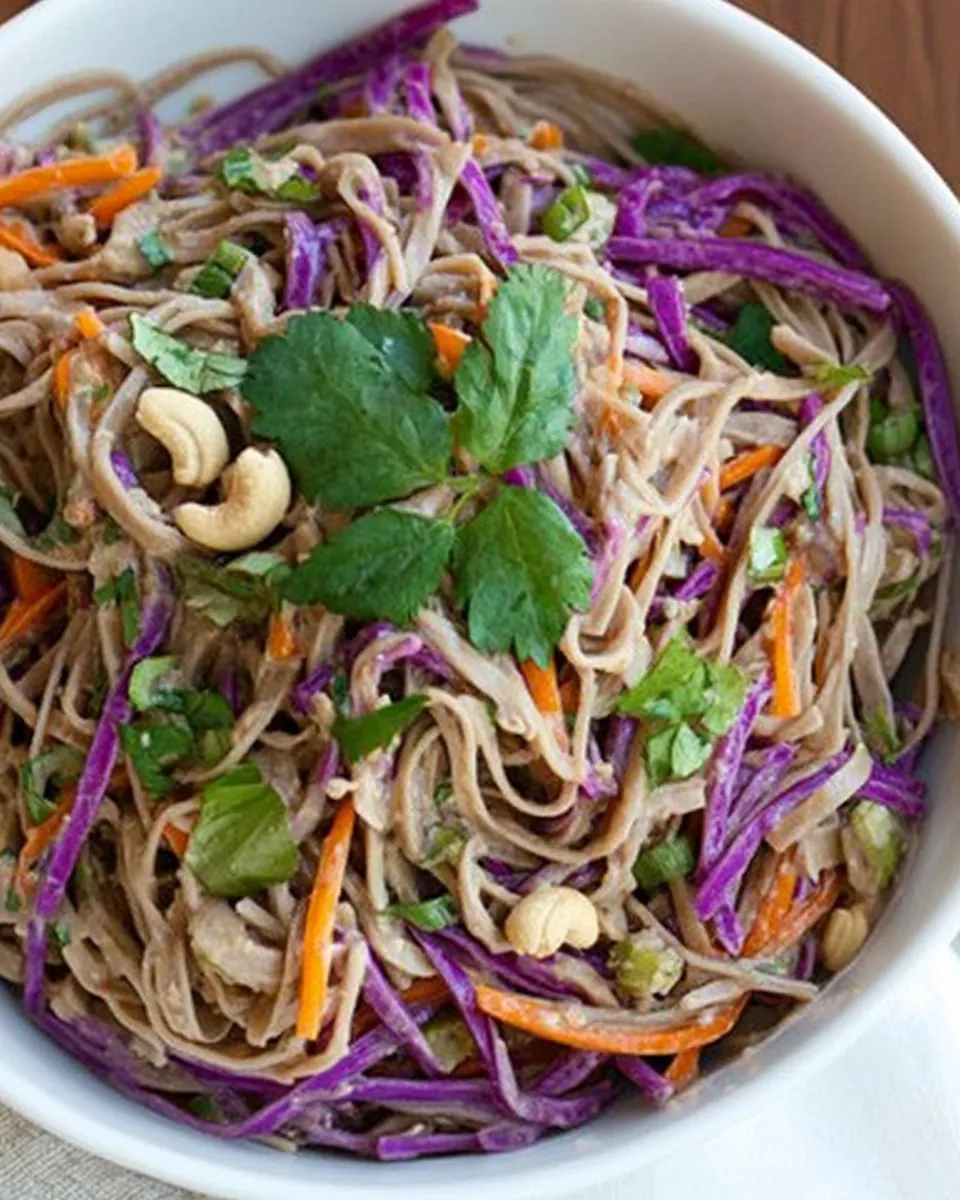
Creamy Cashew Soba Noodles came into my weeknight rotation the moment I wanted warm, comforting noodles that still felt light and bright. I remember the first time I tossed the glossy soba in that silky cashew dressing and thought, yes, this is the kind of bowl I can eat every few days and never get bored. The contrast between the slurpy, nutty soba noodles and the crisp, slightly peppery red cabbage kept surprising me, and the herbs made each bite pop.
That night I was coming home from a long shift and wanted something that felt thoughtful but did not require a mountain of dirty dishes. I used a mix of pantry staples and a quick whirl in the food processor, and in less than an hour I had something that tasted restaurant quality. My partner hovered, asking for seconds, and I tucked the leftovers away knowing they would taste even better the next day after the flavors melded. Since then I bring this bowl to potlucks, weeknight dinners, and the occasional picnic, because it travels well and the textures stay resilient.
What I love about Creamy Cashew Soba Noodles is how forgiving the technique is. You can tweak the herb ratio, add more crunch with extra cashews, or make the dressing a touch looser with water, and it still sings. The ginger and garlic give it a gentle warmth, while the lime lifts everything. I always slice the scallions on a bias to keep those green bites pretty, and I toast my cashews for a minute in a dry pan when I want an extra toasty note. It never fails to feel both nourishing and a little celebratory.
Recipe Snapshot
40 mins
20 mins
20 mins
Easy
400 kcal
Asian
Vegan, Gluten-Free
Dinner
Pot, Colander, Food processor, Large salad bowl, Tongs
What You’ll Enjoy About This Creamy Cashew Soba Noodles
Bright herb forward flavor
I love how the fresh cilantro and mint leaves push this dish into a lively, herbaceous space. I like to add them at the end so they look fresh and aromatic, and each forkful releases a little burst of perfume.
Luxurious texture without heavy dairy
The cashew butter and roasted cashews create a creamy mouthfeel that feels indulgent, yet there is no dairy dragging the bowl down. I found that blending the dressing until it is truly smooth creates a satiny coating that clings to the noodles and veggies.
Crunch, chew, and slurp
The combination of spiralized carrots, thinly sliced red cabbage, and springy soba noodles gives you layered texture. I appreciate a recipe that considers mouthfeel as much as flavor, and this one nails it.
Fast and flexible for weeknights
I often make this when time is tight. The components come together quickly, and the dressing can be made while the noodles cook, which makes the whole recipe ideal for a busy evening. I can also scale it up without changing the chemistry.
Travel friendly and great for leftovers
Leftovers keep well because the dressing soaks in and the noodles remain pleasantly hydrated, not mushy. I like that the flavors deepen overnight, so the bowl tastes even better the next day.
Ingredients You’ll Need for Creamy Cashew Soba Noodles
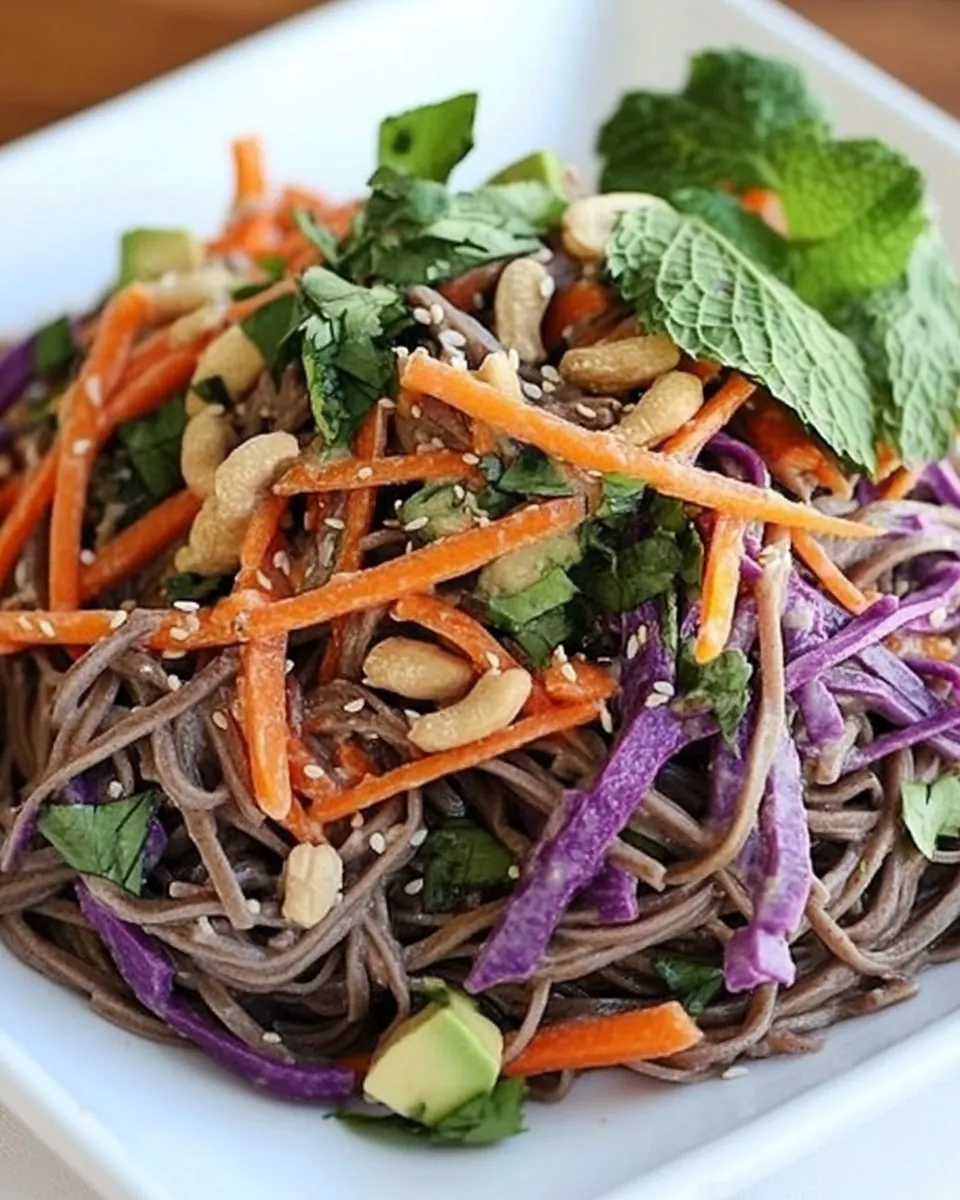
These ingredients are chosen to create contrast and balance. The soba noodles bring a nutty base, while the raw vegetables supply crunch and freshness. The dressing, built on cashew butter and roasted cashews, binds everything with a creamy, slightly sweet and tangy coating. Aromatics like ginger and garlic add warmth, while lime juice, tamari, and rice vinegar lift the bowl so it never feels heavy.
- 8 ounces soba noodles: Cook to tender but slightly firm texture to provide the base and chewy body for the dish; hold and absorb the creamy sauce while pairing well with the fresh vegetables.
- 2 3 large carrots (spiralized or cut into 2-inch matchsticks): Add for crisp, sweet crunch and visual spiralized texture; release sweetness as they soften slightly and complement the noodles with fresh vegetal flavor.
- 1 cup thinly sliced red cabbage (about 1/4 a medium cabbage): Provide vibrant color and slight crispness when thinly sliced; contribute mild earthy flavor and balance the creaminess with a bit of bite.
- 3 scallions (sliced, including the green parts (about a heaping 1/2 cup)): Top or fold in for mild oniony brightness and tender green bits; enhance aroma and add sharp, fresh contrast to the rich cashew sauce.
- 1/3 cup fresh cilantro leaves: Scatter for bright, citrusy-herbal notes and a fresh finish; add aromatic complexity and a leafy contrast to the noodles and sauce.
- 1/3 cup fresh mint leaves: Include for cool, menthol-like brightness that lifts heavy flavors; mix with cilantro for layered herbiness and refreshing accents.
- 1/2 cup roasted cashews (chopped): Use as both garnish and textural contrast when chopped; offer nutty richness and occasional crunch to complement the creamy cashew components.
- 2 tablespoons cashew butter: Blend for thick, creamy body and deep cashew flavor in the sauce; emulsify with liquids to create a smooth, rich dressing for the soba.
- 2 scallions (sliced, including the green parts): Garnish or fold in for additional fresh onion flavor and mild crunch; reinforce the scallion presence and boost aromatic layers.
- 1 tablespoon fresh ginger (grated): Grate for warm, peppery spice and zesty depth; infuse the dressing with pungency that brightens the overall flavor profile.
- 1 garlic clove: Crush or mince for savory pungency and subtle heat; add umami backbone and aromatic depth when incorporated into the sauce.
- 2 tablespoons fresh lime juice: Squeeze for sharp acidity and bright citrus lift; balance the richness of the cashew sauce and enhance other flavors.
- 2 tablespoons toasted sesame oil: Drizzle for toasty, aromatic richness and sesame character; contribute concentrated fat that boosts mouthfeel and flavor complexity.
- 1 tablespoon tamari: Stir in for savory, salty umami and soy-like depth; balance sweetness and acidity while adding complexity to the dressing.
- 1 tablespoon rice vinegar: Splash for mild acidity and slight sweetness to brighten flavors; help cut through richness and add delicate tang to the sauce.
- 2 tablespoons water: Whisk to thin and adjust the consistency of the dressing; help achieve a smooth, pourable sauce that coats the noodles evenly.
- 1/4 teaspoon kosher salt: Season lightly to enhance and balance flavors; accentuate savory notes without overpowering the delicate herb and nut components.
Recipe Steps for Creamy Cashew Soba Noodles
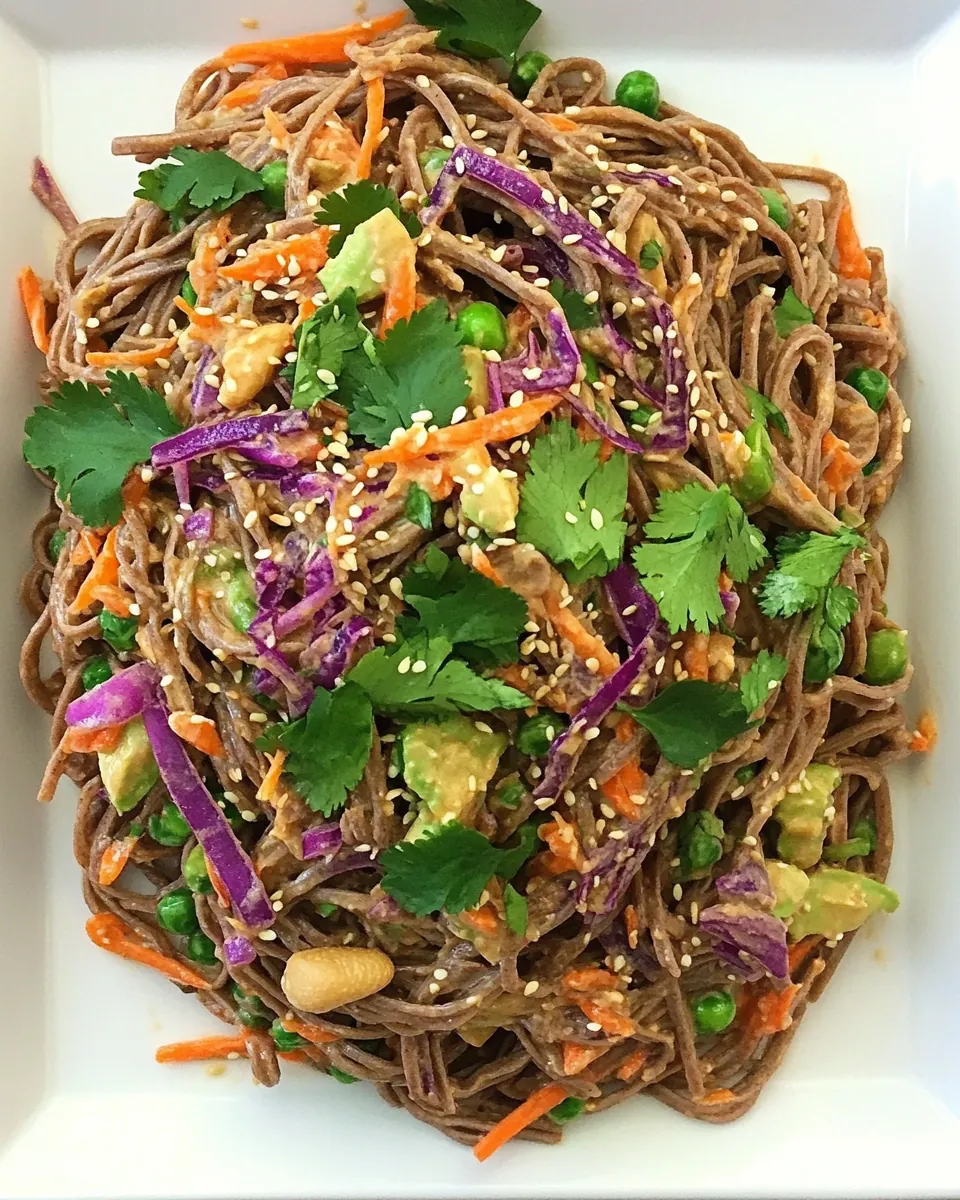
These steps are written to walk you through the process in a calm, sensory driven way so you know what to look and listen for. The technique is simple, and the timing aligns so the dressing is ready while the noodles finish.
- Make the noodles. Cook the noodles according to package instructions. After you drain them once, rinse with cool water and drain them well again. Set aside.: As the pot simmers you'll notice a faint wheaty aroma rising from the water and the noodles will begin to swell and soften, showing a tender, glossy surface; when you drain them the initial steam will carry that warm scent, and rinsing with cool water immediately stops the cooking, firms the texture, and removes surface starch so the soba noodles do not clump. Why this matters, I often ask myself, because overcooked noodles go mushy and cannot hold the dressing, while undercooked noodles taste chalky; aim for just tender. A common mistake is leaving the noodles in the hot water too long, which makes them limp and unable to carry the dressing properly, so rinse promptly and drain thoroughly to remove excess water so the final bowl is not watery.
- Make the dressing. While the noodles cook, put all the ingredients for the dressing in a food processor and run until smooth.: When you pulse the ingredients together you'll see the mixture transform from chunky bits to a glossy emulsion, and the scent will lift as the ginger and garlic release aromatic oils; a perfectly blended dressing should be creamy and pourable, clinging to a spoon with slight ribboning. This technique matters because a smooth emulsion coats the noodles evenly, giving every forkful balanced flavor. A frequent error is under-blending, which leaves gritty lumps and uneven seasoning, so blend until there are no visible pieces and add the measured water to reach the right viscosity, tasting for salt and acidity before stopping.
- Assemble the dish. Place the cooked noodles, carrots, cabbage, and scallions in a large salad bowl and pour the dressing over the noodles and vegetables. Use two forks or tongs to gently toss. Sprinkle with the cilantro and mint and toss again. Top with the cashews just before serving.: At this moment you'll hear a soft rustle as the veggies and soba noodles meet, and the bright citrus and nutty aromas will lift from the bowl as the dressing hits the warm noodles; toss gently using two forks or tongs so the dressing coats without bruising the herbs. This gentle toss retains the crispness of the carrots and red cabbage , while allowing the soba noodles to pick up flavor. The reason we add the dressing now is to ensure each strand is evenly coated, preventing separate pockets of dryness. Avoid vigorously whipping the mixture, which can break delicate noodles and make the veggies soggy.
- Use two forks or tongs to gently toss. Sprinkle with the cilantro and mint and toss again.: When you fold in the herbs you'll notice small bursts of green that change the bowl's scent and palette instantly; the cilantro and mint leaves should remain bright, not wilted, signaling that you added them at the right time. This matters because adding herbs too early muddies their flavor and texture, while adding them too late can look like an afterthought. A typical mistake is chopping the herbs too finely, which causes them to lose texture and aroma, so tear or leave them lightly whole to maintain freshness.
- Top with the cashews just before serving.: The final sprinkle of chopped roasted cashews provides a sharp textural contrast and releases a toasty scent that elevates each bite; adding them at the last moment preserves their crunch, ensuring you get satisfying bites against the soft noodles. This step matters because the contrast of textures is key to the eating experience, and stale or soggy nuts will flatten the profile. Do not mix them in too early or they will absorb moisture and lose their crispness, so reserve them until plating and scatter them evenly for balance.
Tips and Variations
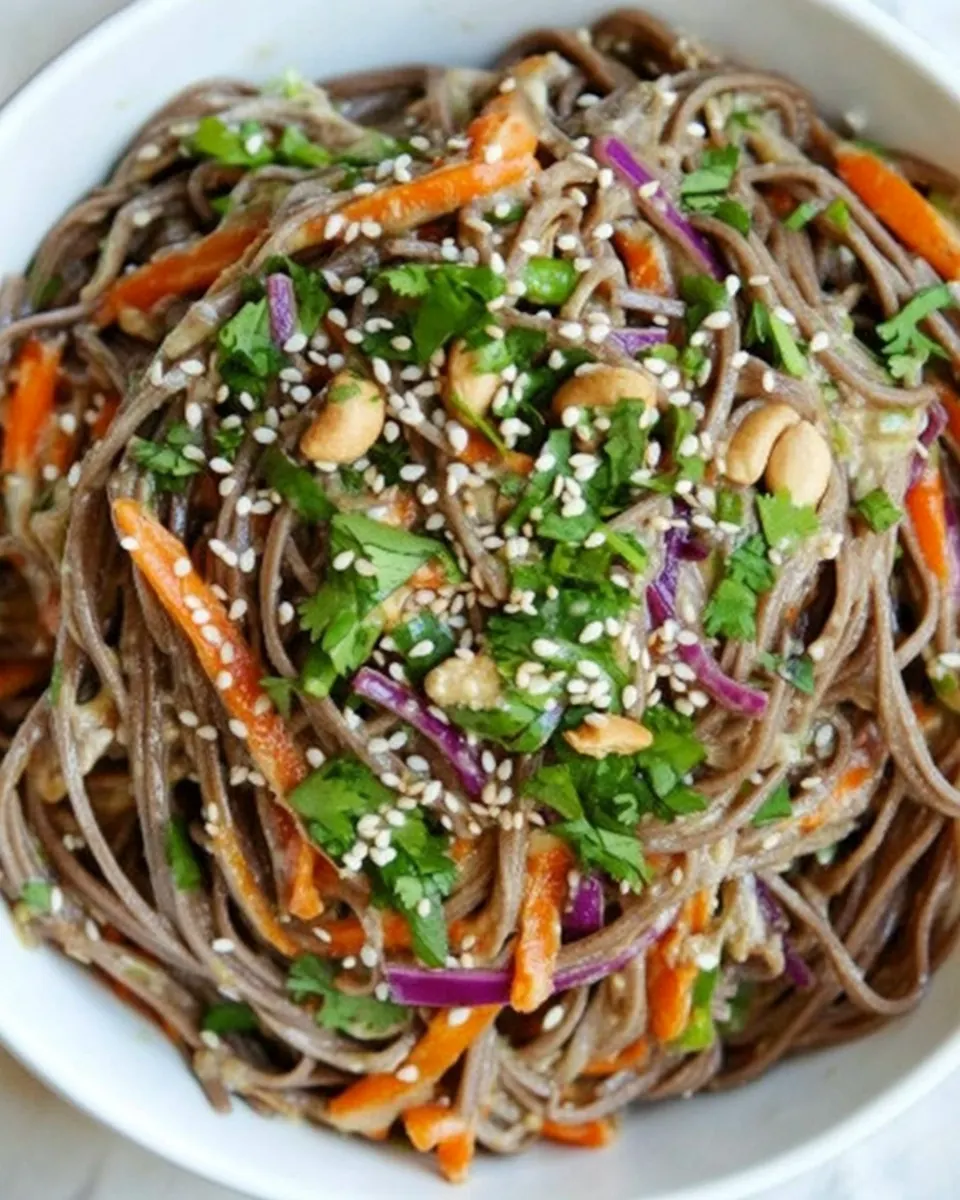
This section offers practical tweaks and swaps to make the dish work for your pantry and schedule. Each tip starts with a bolded phrase that highlights the main idea, followed by details you can use immediately.
- Make the dressing ahead: If you want to save time, blend the dressing and store it in an airtight jar in the refrigerator for up to three days, giving it a quick stir before using to reincorporate any separated oils.
- Adjust thickness: Add more water one teaspoon at a time to thin the dressing, or a small extra scoop of cashew butter to thicken if you prefer a clingier sauce.
- Heat the nuts: Toasting the chopped roasted cashews in a dry skillet for one to two minutes enhances their aroma, but watch them carefully because they can go from golden to burnt quickly.
- Herb timing matters: Fold in the cilantro and mint leaves right before serving so they remain fresh and aromatic, which brightens every bite.
- Salt carefully: Because tamari adds saltiness, taste the dressing before adding extra kosher salt so you avoid over salting the bowl.
Serving This Creamy Cashew Soba Noodles
This intro explains practical serving ideas and how to elevate the bowl for different occasions. I like to present the dish in ways that highlight color, texture, and convenience.
- Serve warm or room temperature: The bowl is flexible, so you can serve it straight after tossing for a slightly warm experience, or bring it to room temperature for picnics or packed lunches.
- Garnish boldly: Scatter extra chopped roasted cashews and whole cilantro leaves on top for visual contrast and an immediate textural hit.
- Occasion friendly: This is great for weeknight dinners, casual lunches, and potlucks, offering a vegetarian main that satisfies a crowd without fuss.
- Storage tips: Store the assembled bowl in an airtight container for up to two days, but if possible keep the dressing separate and toss just before serving to maintain crispness.
- Seasonal pairings: In spring I serve this with light, citrusy sides or a simple green salad, and it pairs well with other herb forward dishes for a fresh meal.
FAQ
Conclusion
This bowl stands out because it marries creamy, nutty dressing with bright herbs and crisp vegetables in an effortless way. Give it a try on a busy weeknight or pack it for a satisfying lunch and you will see how quickly it becomes a favorite. It is flexible, forgiving, and full of personality, so once you taste the balance of lime, ginger, and toasted cashew notes you will understand why I keep making it. Enjoy the simple pleasure of a well built bowl and don’t be afraid to make it your own.
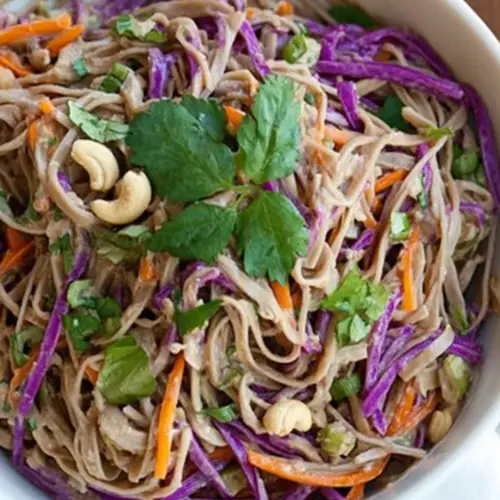
Creamy Cashew Soba Noodles
Equipment
- Pot
- Colander
- Food Processor
- Large salad bowl
- Tongs
Ingredients
- 8 ounces soba noodles Cook to tender but slightly firm texture to provide the base and chewy body for the dish; hold and absorb the creamy sauce while pairing well with the fresh vegetables.
- 2 -3 large carrots (spiralized or cut into 2-inch matchsticks) Add for crisp, sweet crunch and visual spiralized texture; release sweetness as they soften slightly and complement the noodles with fresh vegetal flavor.
- 1 cup thinly sliced red cabbage (about 1/4 a medium cabbage) Provide vibrant color and slight crispness when thinly sliced; contribute mild earthy flavor and balance the creaminess with a bit of bite.
- 3 scallions (sliced, including the green parts (about a heaping 1/2 cup)) Top or fold in for mild oniony brightness and tender green bits; enhance aroma and add sharp, fresh contrast to the rich cashew sauce.
- 1/3 cup fresh cilantro leaves Scatter for bright, citrusy-herbal notes and a fresh finish; add aromatic complexity and a leafy contrast to the noodles and sauce.
- 1/3 cup fresh mint leaves Include for cool, menthol-like brightness that lifts heavy flavors; mix with cilantro for layered herbiness and refreshing accents.
- 1/2 cup roasted cashews (chopped) Use as both garnish and textural contrast when chopped; offer nutty richness and occasional crunch to complement the creamy cashew components.
- 2 tablespoons cashew butter Blend for thick, creamy body and deep cashew flavor in the sauce; emulsify with liquids to create a smooth, rich dressing for the soba.
- 2 scallions (sliced, including the green parts) Garnish or fold in for additional fresh onion flavor and mild crunch; reinforce the scallion presence and boost aromatic layers.
- 1 tablespoon fresh ginger (grated) Grate for warm, peppery spice and zesty depth; infuse the dressing with pungency that brightens the overall flavor profile.
- 1 garlic clove Crush or mince for savory pungency and subtle heat; add umami backbone and aromatic depth when incorporated into the sauce.
- 2 tablespoons fresh lime juice Squeeze for sharp acidity and bright citrus lift; balance the richness of the cashew sauce and enhance other flavors.
- 2 tablespoons toasted sesame oil Drizzle for toasty, aromatic richness and sesame character; contribute concentrated fat that boosts mouthfeel and flavor complexity.
- 1 tablespoon tamari Stir in for savory, salty umami and soy-like depth; balance sweetness and acidity while adding complexity to the dressing.
- 1 tablespoon rice vinegar Splash for mild acidity and slight sweetness to brighten flavors; help cut through richness and add delicate tang to the sauce.
- 2 tablespoons water Whisk to thin and adjust the consistency of the dressing; help achieve a smooth, pourable sauce that coats the noodles evenly.
- 1/4 teaspoon kosher salt Season lightly to enhance and balance flavors; accentuate savory notes without overpowering the delicate herb and nut components.
Instructions
- Make the noodles. Cook the noodles according to package instructions. After you drain them once, rinse with cool water and drain them well again. Set aside.: As the pot simmers you'll notice a faint wheaty aroma rising from the water and the noodles will begin to swell and soften, showing a tender, glossy surface; when you drain them the initial steam will carry that warm scent, and rinsing with cool water immediately stops the cooking, firms the texture, and removes surface starch so the soba noodles do not clump. Why this matters, I often ask myself, because overcooked noodles go mushy and cannot hold the dressing, while undercooked noodles taste chalky; aim for just tender. A common mistake is leaving the noodles in the hot water too long, which makes them limp and unable to carry the dressing properly, so rinse promptly and drain thoroughly to remove excess water so the final bowl is not watery.
- Make the dressing. While the noodles cook, put all the ingredients for the dressing in a food processor and run until smooth.: When you pulse the ingredients together you'll see the mixture transform from chunky bits to a glossy emulsion, and the scent will lift as the ginger and garlic release aromatic oils; a perfectly blended dressing should be creamy and pourable, clinging to a spoon with slight ribboning. This technique matters because a smooth emulsion coats the noodles evenly, giving every forkful balanced flavor. A frequent error is under-blending, which leaves gritty lumps and uneven seasoning, so blend until there are no visible pieces and add the measured water to reach the right viscosity, tasting for salt and acidity before stopping.
- Assemble the dish. Place the cooked noodles, carrots, cabbage, and scallions in a large salad bowl and pour the dressing over the noodles and vegetables. Use two forks or tongs to gently toss. Sprinkle with the cilantro and mint and toss again. Top with the cashews just before serving.: At this moment you'll hear a soft rustle as the veggies and soba noodles meet, and the bright citrus and nutty aromas will lift from the bowl as the dressing hits the warm noodles; toss gently using two forks or tongs so the dressing coats without bruising the herbs. This gentle toss retains the crispness of the carrots and red cabbage , while allowing the soba noodles to pick up flavor. The reason we add the dressing now is to ensure each strand is evenly coated, preventing separate pockets of dryness. Avoid vigorously whipping the mixture, which can break delicate noodles and make the veggies soggy.
- Use two forks or tongs to gently toss. Sprinkle with the cilantro and mint and toss again.: When you fold in the herbs you'll notice small bursts of green that change the bowl's scent and palette instantly; the cilantro and mint leaves should remain bright, not wilted, signaling that you added them at the right time. This matters because adding herbs too early muddies their flavor and texture, while adding them too late can look like an afterthought. A typical mistake is chopping the herbs too finely, which causes them to lose texture and aroma, so tear or leave them lightly whole to maintain freshness.
- Top with the cashews just before serving.: The final sprinkle of chopped roasted cashews provides a sharp textural contrast and releases a toasty scent that elevates each bite; adding them at the last moment preserves their crunch, ensuring you get satisfying bites against the soft noodles. This step matters because the contrast of textures is key to the eating experience, and stale or soggy nuts will flatten the profile. Do not mix them in too early or they will absorb moisture and lose their crispness, so reserve them until plating and scatter them evenly for balance.
Notes
- Make the dressing ahead: If you want to save time, blend the dressing and store it in an airtight jar in the refrigerator for up to three days, giving it a quick stir before using to reincorporate any separated oils.
- Adjust thickness: Add more water one teaspoon at a time to thin the dressing, or a small extra scoop of cashew butter to thicken if you prefer a clingier sauce.
- Heat the nuts: Toasting the chopped roasted cashews in a dry skillet for one to two minutes enhances their aroma, but watch them carefully because they can go from golden to burnt quickly.
- Herb timing matters: Fold in the cilantro and mint leaves right before serving so they remain fresh and aromatic, which brightens every bite.
- Salt carefully: Because tamari adds saltiness, taste the dressing before adding extra kosher salt so you avoid over salting the bowl.